


BBC Proms: Everything You Need To Know For 2026
By
4 weeks ago
From the First Night to the Last Night and everything in between
The world’s greatest classical music festival is back for eight weeks of world-class music from leading orchestras, conductors and soloists. Running from Friday 17 July through to Saturday 12 September, the 2026 season marks a landmark celebration of American music – honouring 250 years since the signing of the US Declaration of Independence – featuring the Proms debut of The Met Orchestra and the highly anticipated return of the Los Angeles Philharmonic after nearly a quarter of a century.
‘With 86 Proms across eight weeks, I’m delighted to be announcing a 2026 season that brings together the world’s great orchestras, the finest British talent and an extraordinary breadth of music making,’ BBC Proms controller Sam Jackson said in April, when the programme was first announced. ‘From the long awaited return of the LA Philharmonic to the Proms debut of The Met Orchestra, and world-class pianists including Martha Argerich and Yuja Wang, this summer we celebrate classical music at its most vibrant.’
Alongside performances at London’s gorgeous Royal Albert Hall, the Proms visits venues across the UK, from Bristol to North Wales and the North-East of England. Here’s everything you need to know.
BBC Proms 2026: Line-Up, Tickets, History & More
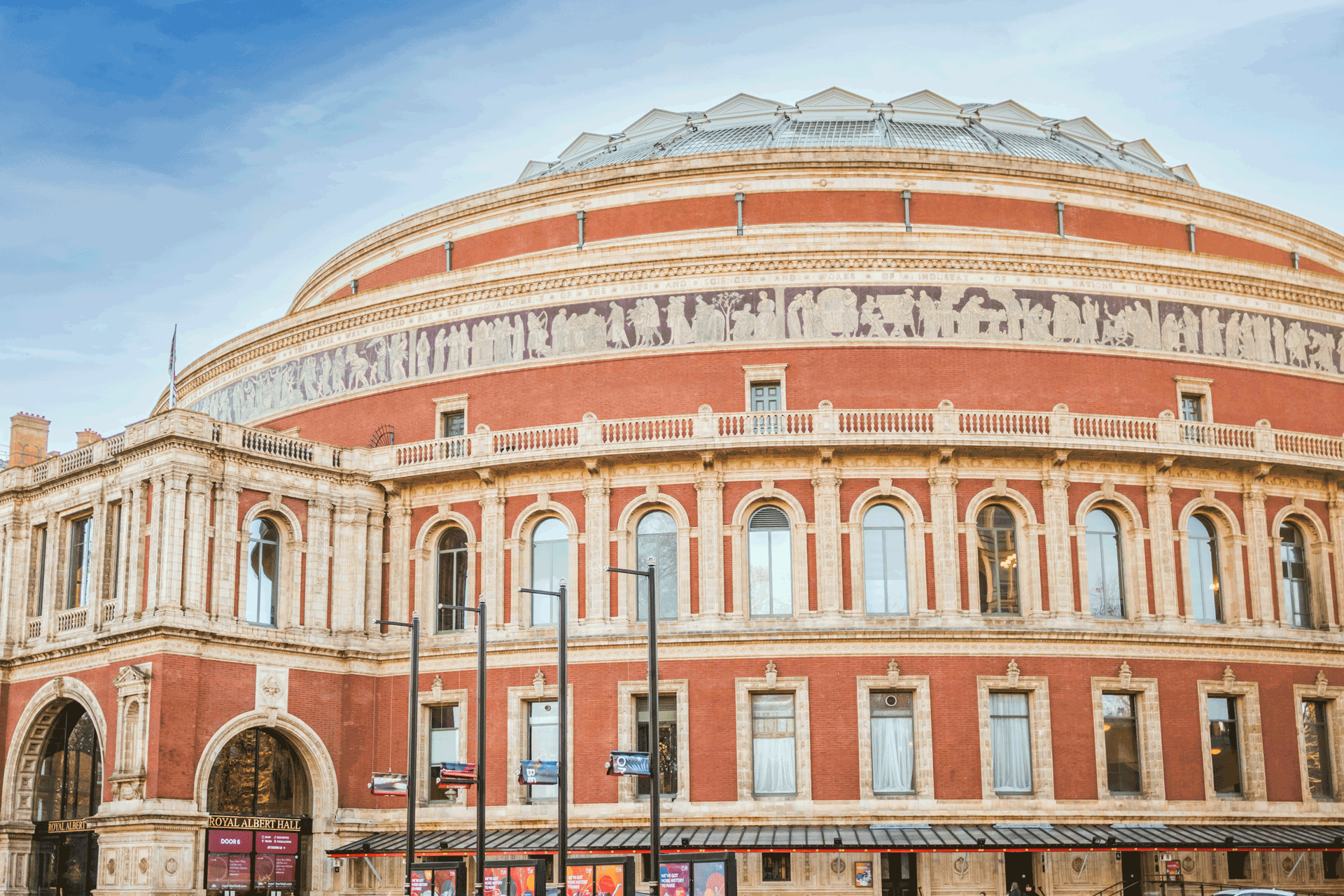
Royal Albert Hall (Raphael Tomi/Unsplash)
What’s On At The BBC Proms 2026?
The Proms always begins and ends with blow-out performances: The First Night of the Proms and The Last Night of the Proms. In 2026, the BBC Symphony Orchestra and Chorus, led by Dalia Stasevska, opens the season on Friday 17 July alongside the BBC Singers, tenor Thomas Atkins and pianist Yunchan Lim. The concert begins with Copland’s Fanfare for the Common Man, followed by Gershwin’s An American in Paris, with Lim performing Ravel’s Piano Concerto in G Major. The second half features a world premiere from Josephine Stephenson, commissioned by the BBC, and concludes with Finzi’s rarely performed For St Cecilia.
On the flipside, The Last Night of the Proms (Saturday 12 September) will feature the BBC Symphony Orchestra and Chorus under Chief Conductor Sakari Oramo, alongside the BBC Singers and Scottish tenor Nicky Spence. Pianist Yuja Wang returns to the Proms after three years to perform the first Proms performance of Barber’s Pulitzer Prize-winning Piano Concerto, in what promises to be a star-spangled celebration of classical music’s biggest party.
Elsewhere and as always, the 2026 season showcases world-class orchestras, soloists and diverse programming spanning classical masterworks to contemporary collaborations. Key highlights include:
- American Music Celebration (Season-long): Marking 250 years since the signing of the US Declaration of Independence, the Los Angeles Philharmonic conducted by Gustavo Dudamel returns after nearly a quarter of a century (11 & 12 August), whilst The Met Orchestra makes its Proms debut conducted by Yannick Nézet-Séguin (26 & 27 August). World premieres from American composers Wynton Marsalis and Jessie Montgomery feature alongside performances from conductor Marin Alsop and mezzo-soprano Joyce DiDonato.
- Benjamin Britten at 50 (28 July, 4 September, 6 September): Celebrating 50 years since the composer’s death with performances of the Cello Symphony, Violin Concerto, Les Illuminations and the beloved Young Person’s Guide to the Orchestra.
- Late Night Baroque (21 July): The Jupiter Ensemble makes its Proms debut with British tenor Laurence Kilsby in a programme of music by Dowland, Purcell and Handel.
- Prog Rock Celebration (18 July): A symphonic tribute to British Prog Rock classics from Emerson, Lake & Palmer, Genesis and Jethro Tull, presented by BBC Radio 6 Music.
- Paul Simon’s Graceland (5 August): A Late Night Prom honouring the landmark album with Ladysmith Black Mambazo.
- Martha Argerich Returns (5 September): The legendary pianist performs Beethoven’s Piano Concerto No. 2 with the Munich Philharmonic, almost 60 years to the day since her Proms debut in 1966.
- Sheku Kanneh-Mason Anniversary (6 September): A decade after winning BBC Young Musician, Kanneh-Mason returns alongside fellow 2016 finalists Jess Gillam and Ben Goldscheider to premiere Gwilym Simcock’s Triple Concerto, commissioned by the BBC.
- Dame Evelyn Glennie Returns (9 August matinee, 11 August Late Night): The celebrated Scottish percussionist performs with Fantasia Orchestra and the BBC Singers, featuring music by Caroline Shaw, John Coltrane, Duke Ellington and Radiohead.
- Altın Gün (28 August): Turkish psych-folk band brings its unique blend of psychedelic folk-rock to the Proms, conducted by Jules Buckley.
- Alan Menken Disney Celebration (31 August): The BBC Philharmonic Orchestra performs beloved Disney film scores from The Little Mermaid, Aladdin, Beauty and the Beast and Enchanted.
- Miles Davis Centenary (20 August): A special Prom honouring the legendary jazz musician’s 100th birthday.
- Weber’s Oberon (6 August): The first ever Proms performance of Weber’s final opera, 200 years after the composer’s death, featuring Sir Mark Elder conducting the Orchestre Révolutionnaire et Romantique and Monteverdi Choir.
Is BBC Proms On TV?
Every Prom will be broadcast on BBC Radio 3 and BBC Sounds. BBC TV and BBC iPlayer will broadcast 24 Proms programmes, including the First and Last Night of the Proms on BBC One and BBC Two.
What Is The Proms?
Short for Promenade Concerts, the Proms (known officially as the BBC Proms) is an eight-week summer festival which has been held annually in London since 1895. It is organised by the BBC and features a series of classical music performances along with free events including talks, workshops, readings and films.
The aim is to bring classical music to the largest possible audience. There are many rules and traditions highlighting this commitment to accessibility, from affordable ticket prices to the tradition of ‘promming’, which allows attendees to buy standing tickets on the day of each concert.
When Did The Proms Start?
The idea of accessible promenade concerts first emerged in France in the 1830s, but the Proms itself began in London on Saturday 10 August 1895. It was conceived by Robert Newman with the ambition of bringing classical music to the masses. Co-founder Sir Henry Wood conducted nearly every Proms concert for almost fifty years – the festival is formally named the ‘Henry Wood Promenade Concerts’ in recognition of his legacy.
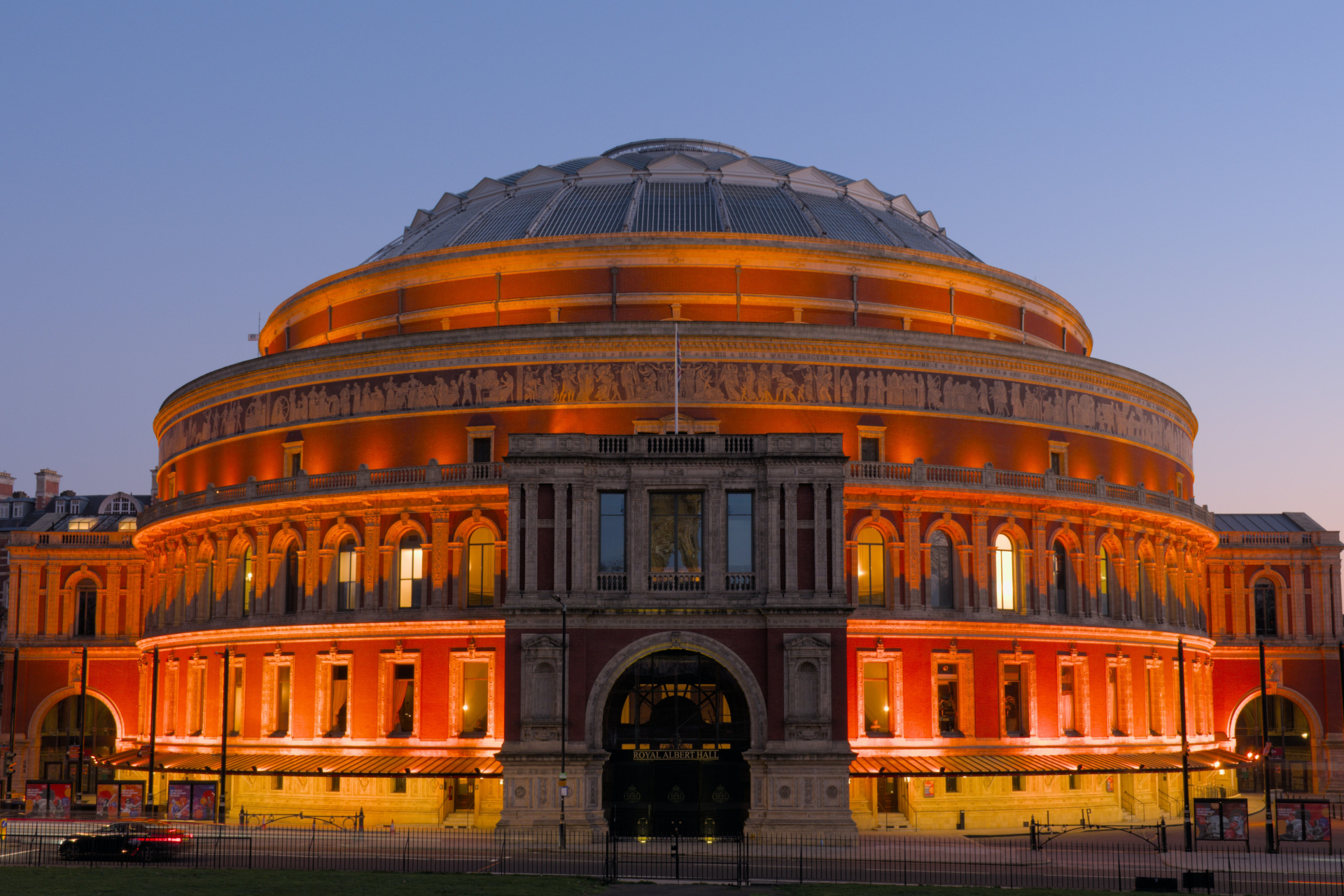
Royal Albert Hall (Unsplash)
Where Does It Take Place?
The Proms is held at the Royal Albert Hall in London, and it has taken place there since its inception. However, venues across the country are also on the bill. In 2026, this includes:
- Theatr Clwyd, Mold – a first for BBC Proms
- The Fire Station, Sunderland
- Glasshouse International Centre for Music, Gateshead
- Middlesbrough Town Hall, Middlesbrough
- Bristol Beacon, Bristol
How To Get Tickets To BBC Proms
Tickets for the BBC Proms went on sale in the spring, but many are still available. If lots of performances catch your eye, make the most of the Proms Plan tool: an online wishlist where you gather all the shows you’d like to see and your preferred seating category. Come 17 May, simply log on and redeem your plan. Find out more about how it works here.
Seated tickets start at £12.20 (including fees) and Promming tickets remain at just £8. Standing Promming tickets are available for every performance from 9.30am on the day of each concert. They are an integral part of the Proms, and are offered as part of the long tradition of Promming.
What Is Promming?
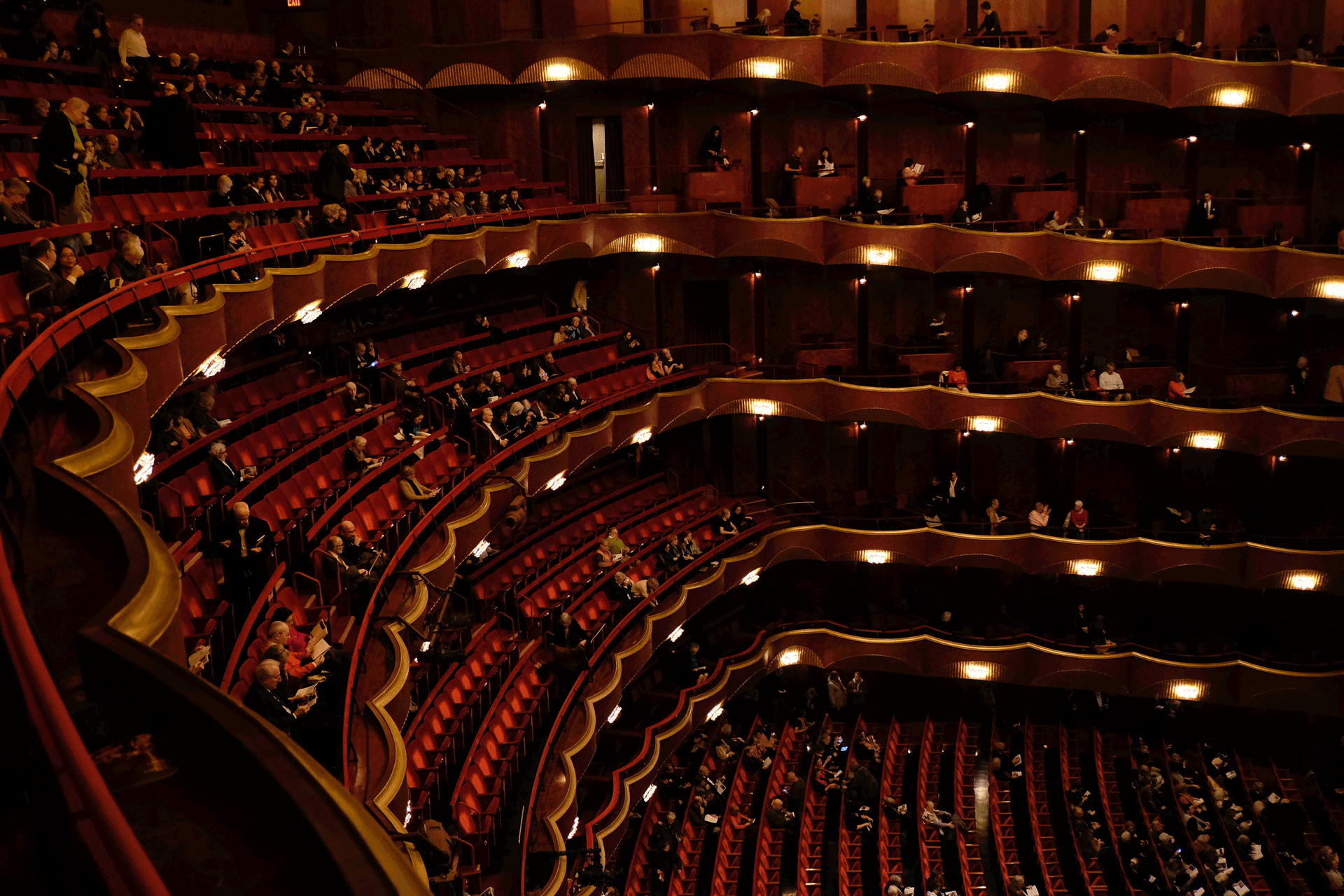
For every concert at the Proms – and even sold-out performances – around 1,000 tickets are reserved on the day as standing places in the Arena and Gallery, along with a handful of seats in the Choir. These special ‘Promming’ tickets can usually be purchased online from 9.30am each day.
Promming tickets are only £8, and all standing Promming tickets are unreserved, so you can choose where to stand when you arrive. You don’t actually have to stand, however: many people choose to sit or even lie down in the Gallery or the Arena.
Is There A Dress Code?
While some concert-goers opt for formal attire, you can be safe in the knowledge that there is no dress code at the Proms, so you can rock up as you are.
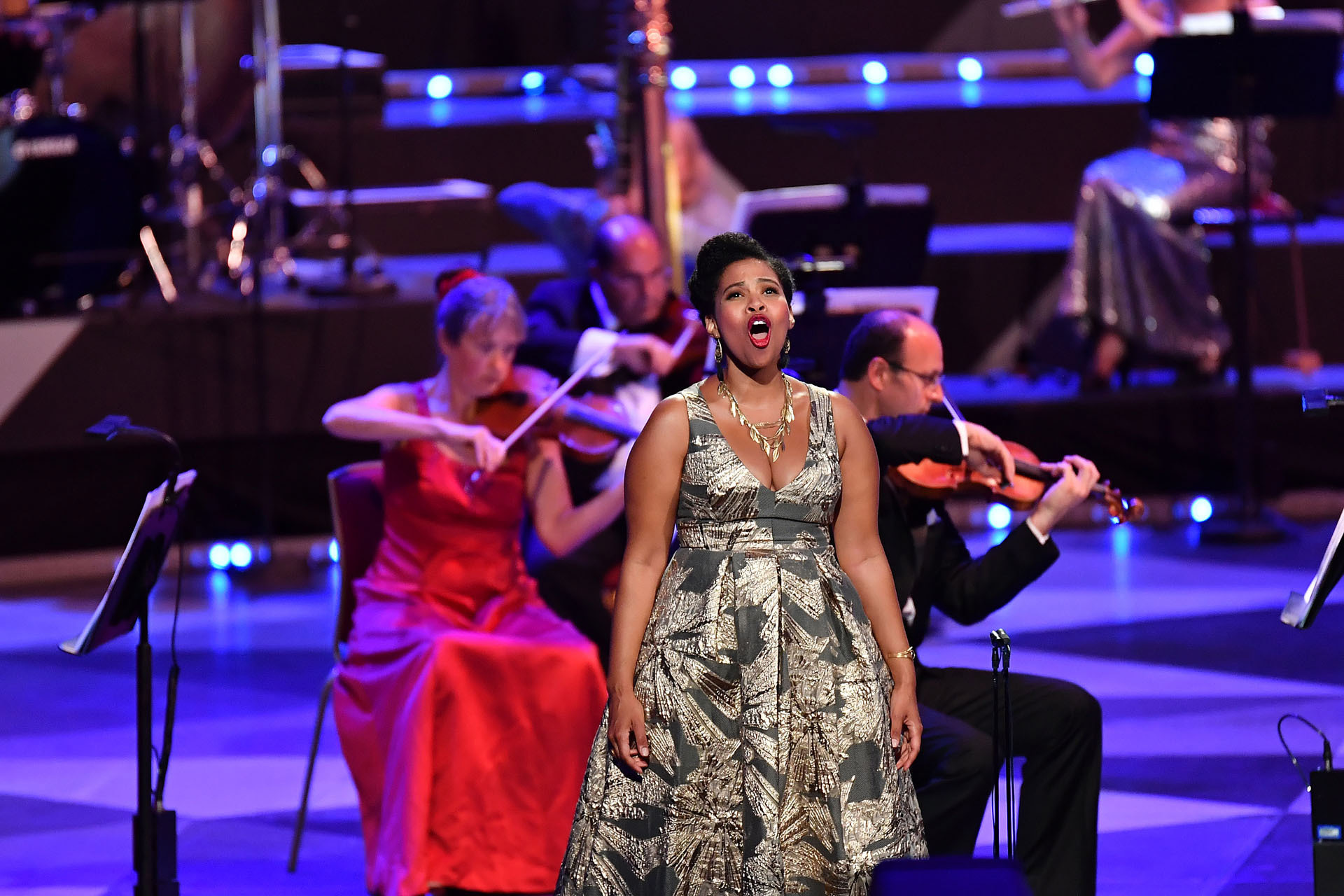
Golda Schultz performing at the Proms in 2020. (Chris Christodoulou/BBC)
Can Children Attend The Proms?
It is recommended that young concert-goers are aged at least five and over. The season features family-friendly programming including a collaboration with BBC Children and Education’s Horrible Science: The Big Bang Proms Experiment with the BBC National Orchestra of Wales (25 July – matinee and evening), and a celebration of composer Alan Menken’s Disney film scores with the BBC Philharmonic Orchestra (31 August).
Children’s Proms include a relaxed matinee with Fantasia Orchestra and the BBC Singers (9 August – Bristol) and a relaxed Prom at Bristol Beacon with the National Open Youth Orchestra, featuring the world’s first concerto written for the Clarion app and Charlotte Harding’s The Orchestra: A Young Person’s Guide (9 August – matinee).
Children’s tickets are half-price in any seating area of the Royal Albert Hall – excluding Promming tickets and tickets for the Last Night of the Proms.
What Is The Last Night Of The Proms?
A magnificent festival must have a magnificent finale, and the Last Night of the Proms is certainly a memorable event. As the final concert in the long Proms calendar, it features a selection of musical hits before ending with patriotic British songs including Edward Elgar’s ‘Pomp & Circumstance March No. 1’, Thomas Arne’s ‘Rule, Britannia!’ and Hubert Parry’s ‘Jerusalem.’
Audience participation is encouraged during this lively celebration, and many attendees bring flags to wave. (There are even flagpole guidelines on the BBC website – if you’re curious, you can take a look here.)
How Can I Get Tickets For The Last Night Of The Proms?
Owing to its huge popularity, ticketing for Last Night of the Proms works a little differently. There are five ways to get tickets: the Open Ballot, the Five Concert Ballot, the general sale (9am 17 July), Day Promming (£8 tickets purchased online from 9.30am on the day) and by purchasing a Whole Season Pass. Up to two tickets can be booked per person. Learn all about it here.
For particularly eager Prommers, a limited number of Last Night Promming tickets (also priced at £8) are reserved for those who have attended five or more concerts in the Promming areas of the concert hall. These Prommers will be able to purchase one ticket each for the Last Night when they present their used e-tickets at the Royal Albert Hall. The tickets can be bought from the Box Office at Door 12, and they will be released at 9am on Tuesday 23 July, Monday 26 August and Monday 9 September.