


Ed Vaizey: Yes, Museums Are Under Pressure – But Investment Tells A More Nuanced Story
By
3 months ago
Our cultural national institutions are integral to Britain’s soft power. And yes, they need more money – but the picture is much more nuanced than one of inevitable decline, argues Ed Vaizey
The recent news that the National Gallery has an £8 million deficit and is set to cut a huge number of jobs has added to the gloom that surrounds the future of our great national institutions.
Let me declare an interest from the outset. I sit on the board of Tate, so I have a ringside seat on the travails surrounding this sector. It is true that at Tate, we lead a hand-to-mouth existence, with constant meetings about how to balance our budget. We have been through at least two series of redundancies.
A lot of the problems facing museums stem from Covid. While the government of the day stepped in to offer financial support, visitor numbers have been slow to recover, and for many remain below pre-pandemic levels. Our national museums are also affected by the drop in overseas visitors.

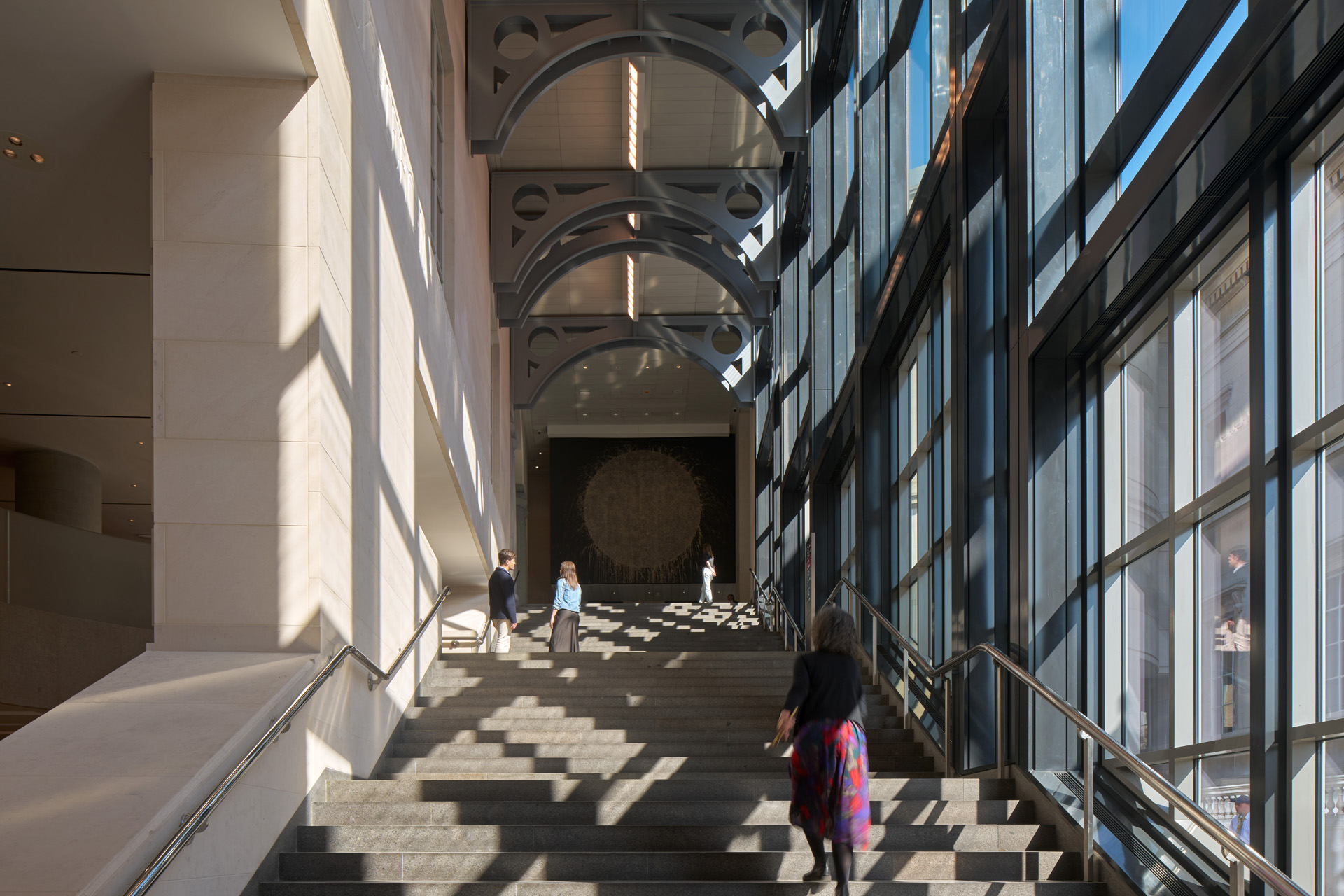
The National Gallery has just revamped the Sainsbury Wing and received two huge donations, amounting to more than £300m, to open another new wing dedicated to 20th-century art. (© The National Gallery, London/ Edmund Sumner)
But the picture is much more nuanced than one of inevitable decline. As arts minister, I was always struck by the difference between inputs and outputs (an inelegant phrase, I grant you). I was judged always on how much money the government was spending (the input), not on the actual health of the arts sector (the output). A small library closing in Brent was deemed a national disaster. A new central library opening in Birmingham, costing hundreds of millions, did not make the front page.
So consider the picture for our national museums today. The National Gallery has just revamped the Sainsbury Wing to coincide with its 200th anniversary. It has just received two huge donations, amounting to more than £300m, to open a new wing to showcase 20th-century art. Tate is currently refurbishing Tate Liverpool after 40 years, putting a new garden in front of Tate Britain, and has plans to expand Tate St Ives. The V&A has opened V&A Storehouse, the most exciting museum in a generation; completely rebuilt its museum of childhood; and opened V&A East. The Science Museum has a new state of the art storage system in Wiltshire. The British Museum is hosting the Bayeux Tapestry and has ambitious plans for a £1 billion reimagining of its building. The Natural History Museum is receiving more visitors than ever before and tops the league table.
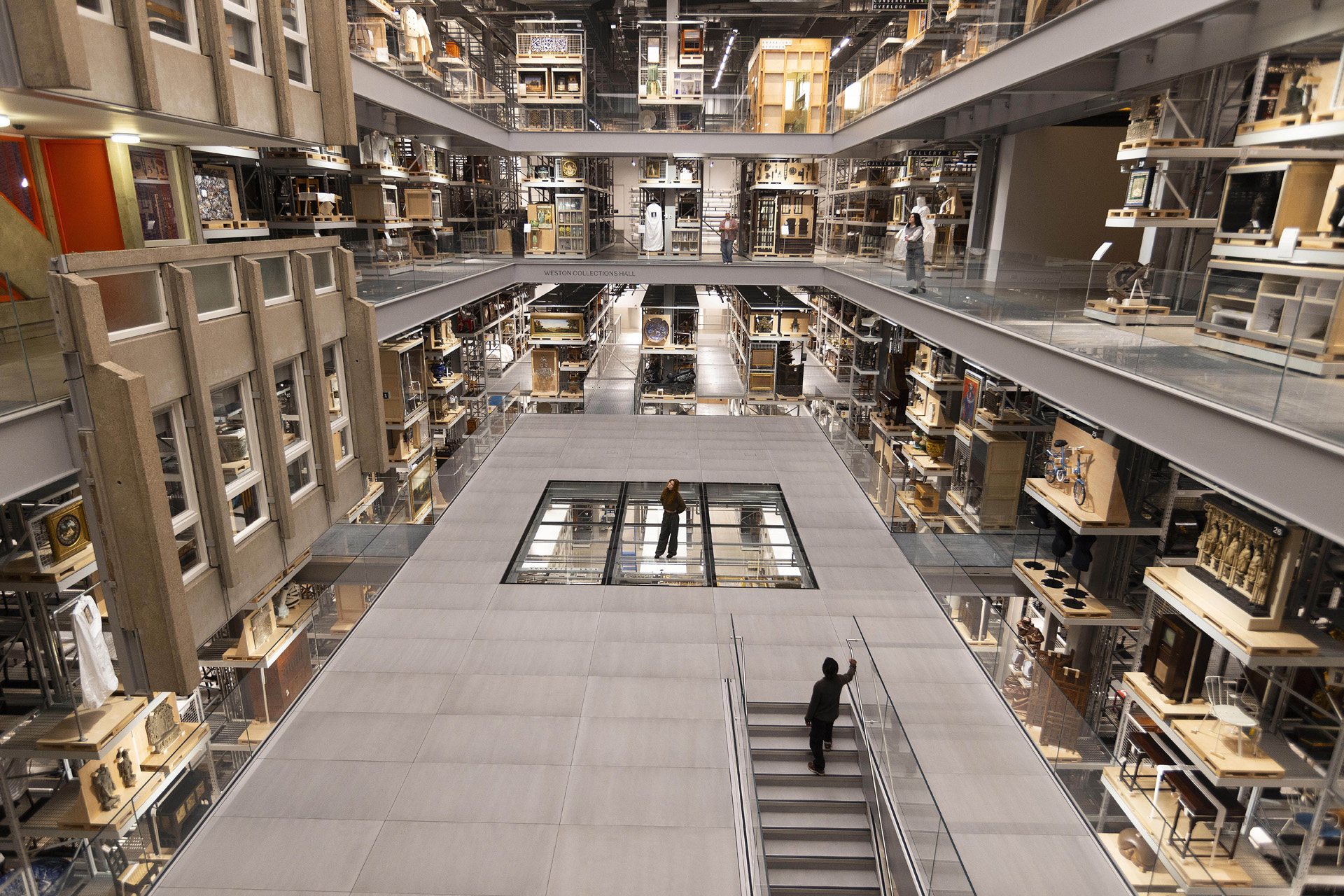
The new V&A Storehouse is the most exciting museum in a generation. (© David Parry/PA Media Assignments)
There is no doubt that our national museums, and the arts in general, could do with more money. It is absurd that the very small sums required are not made available, for what are major tourist draws and institutions central to our soft power, and among the best in the world. But all is far from lost.
There is now an interesting debate about how to fund the arts. Two cities – Manchester and Edinburgh – are introducing tourist taxes. In theory, the sums raised would be ring-fenced for the arts, though given the behaviour of politicians, it’s anybody’s guess how long that self-denying ordinance would last.
Astonishingly, the Labour government is also toying with introducing charges for our national museums. For Labour, this is literally blasphemous. When I was arts minister in David Cameron’s government, I would not touch this issue with a barge pole, although privately I was agnostic. I knew that if a Tory government even hinted that charging was being considered, the arts would turn their backs on us. But a recent review by Labour grandee Margaret Hodge has suggested that international visitors could be charged. This would depend on a workable ID scheme, so it will never happen, but it is astonishing that Labour is allowing the debate to begin, and how the art world’s reaction has been so sotto voce. Maybe they have become more realistic, or simply despairing that any government would fund them properly.
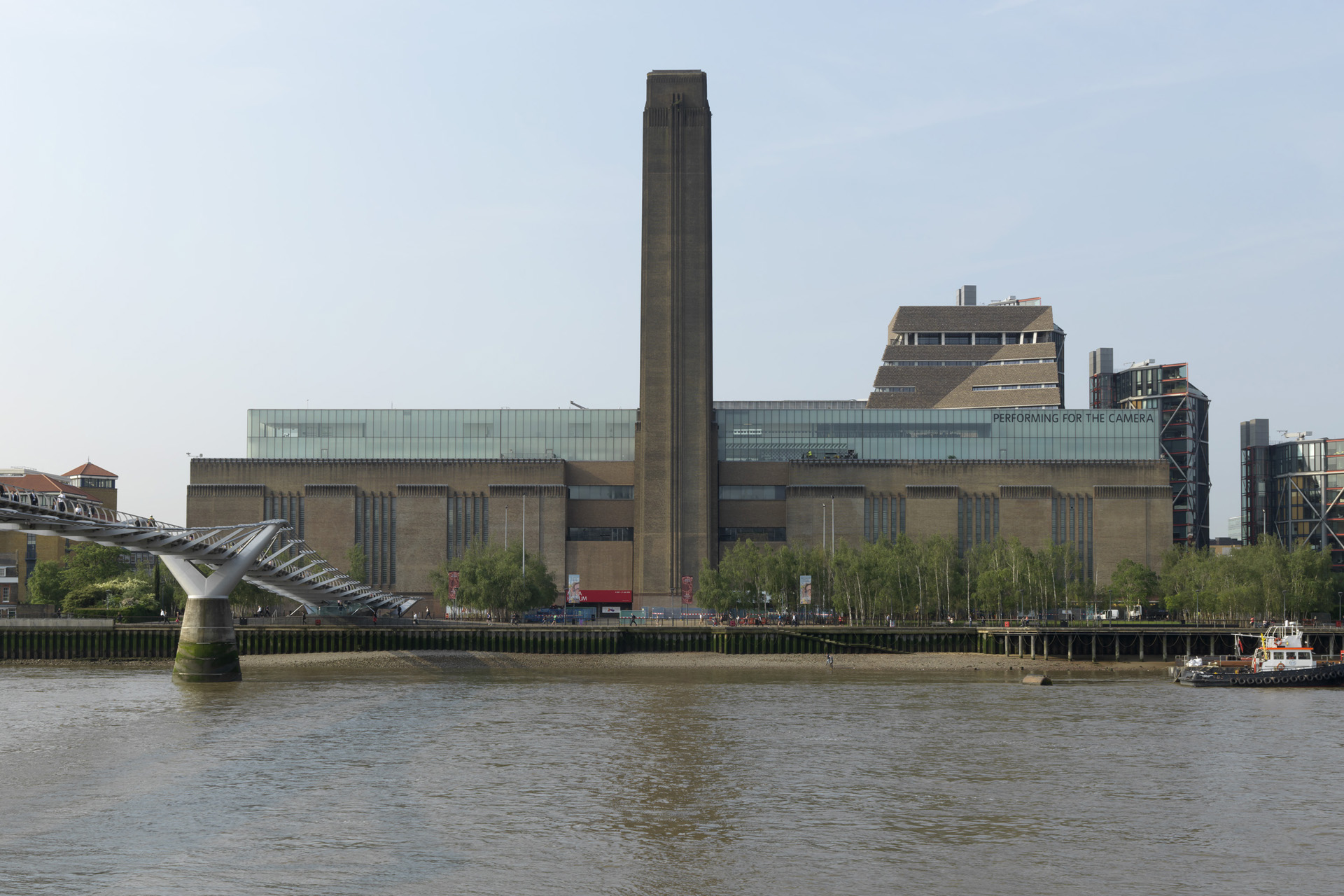
Tate depends on its relationships with artists, for whom it is vital the galleries are open to all. (© Tate Photography)
From my perspective at Tate, I am against charging. Tate competes in the contemporary art world – which is awash with cash – and big institutions like MoMA. But there is no doubt that the fact that we are free marks us out as unique. We depend on our relationships with artists, and they regard it as important that we remain clearly a public institution, open as far as we can be to all (we charge, of course, for major exhibitions).
But what is right for us is not necessarily right for others. The Natural History Museum has continued to issue free tickets long after Covid, as the data it collects is so valuable, and this has helped it increase its visitors through better marketing. It will not be the end of the world if some museums decide to charge – but charging should not be an excuse for Government to scale down its financial support, much as The Treasury might yearn to.
Absent from all of this debate is a discussion about what a museum is for in the 21st century. Tate has the largest membership of any museum, and is a global brand. There is no need for us to be confined to our four walls. The next stage for all our museums is to build a global digital audience, willing to pay for content and engagement, to make them truly open to all.
Ed Vaizey served as culture minister under David Cameron, looking after museums and the performing arts. Having served for 14 years as an MP, he now sits in the House of Lords and is a member of the board of Tate.