


Britain’s £1.15bn Heatwave Bill: Why We Must Prepare For Summer 2027 Now
By
39 minutes ago
The chair of the National Heat Risk Commission delivers a restaurant bill for June’s heatwave, and a to-do list for the winter
As we head towards winter, summer’s record heatwaves may seem like a distant memory, but their economic impact was long-lasting, according to Emma Howard Boyd, chair of the National Heat Risk Commission. The heatwave cost the UK economy a total of £1.15 billion, as stated in research by the London School of Economics.
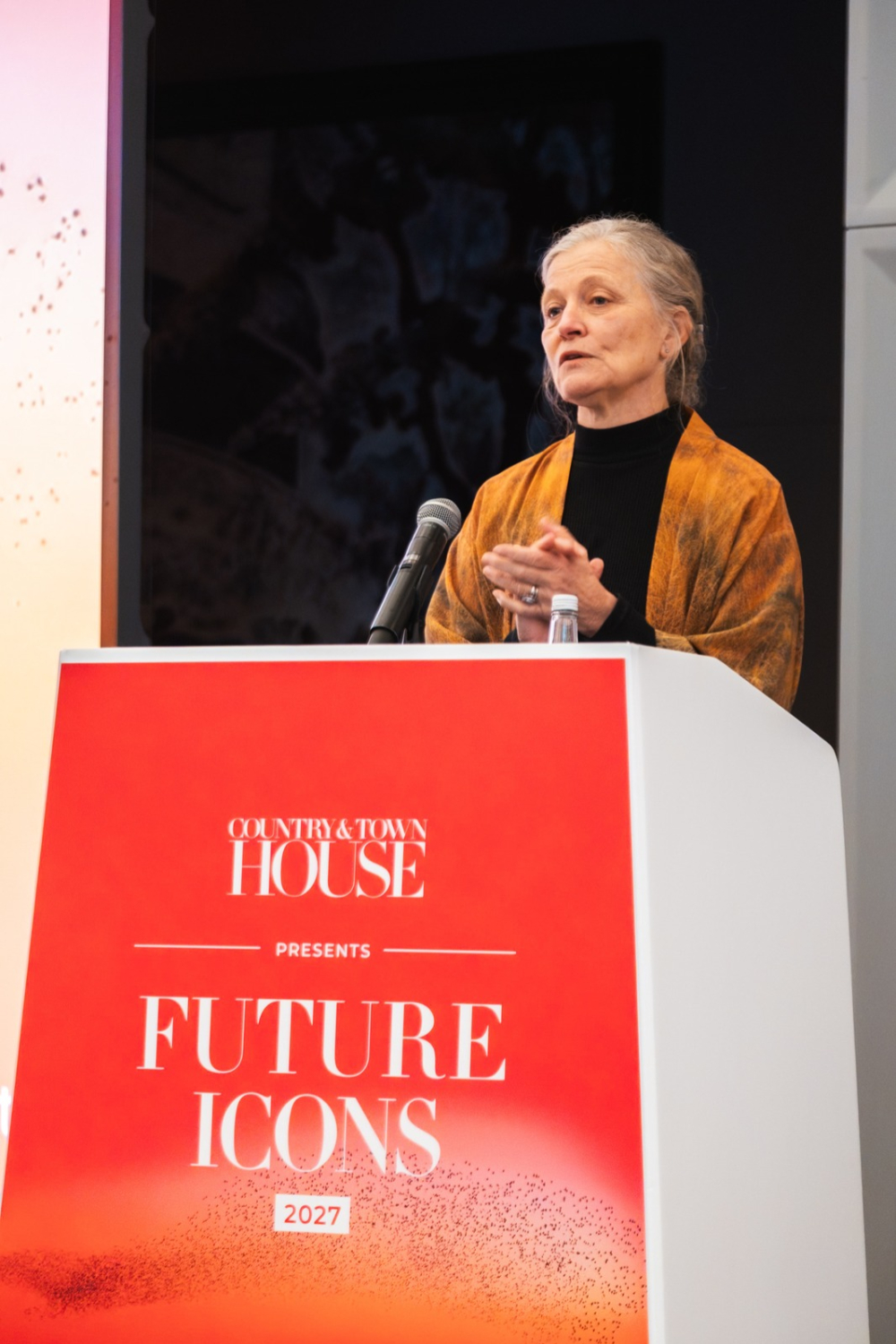
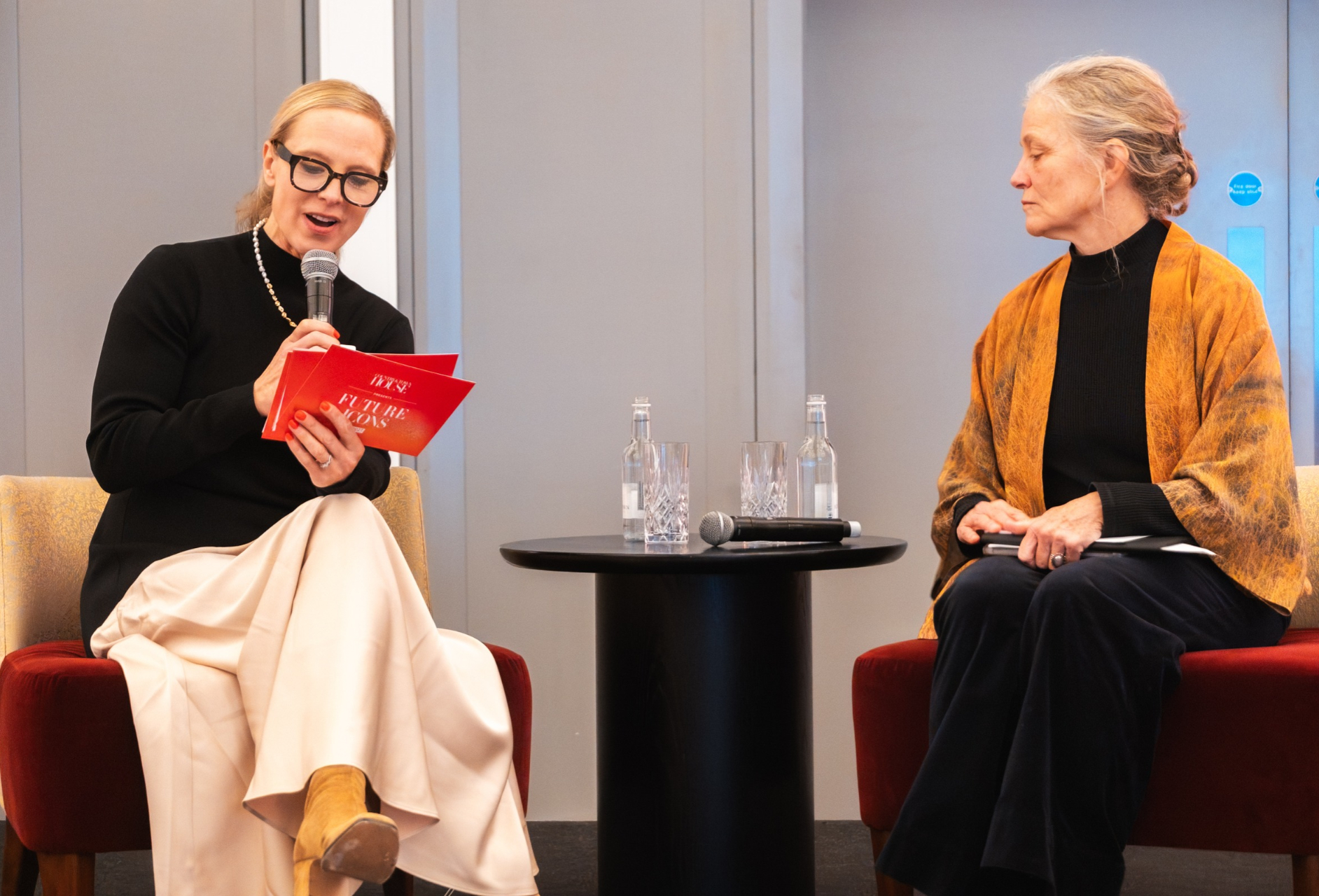
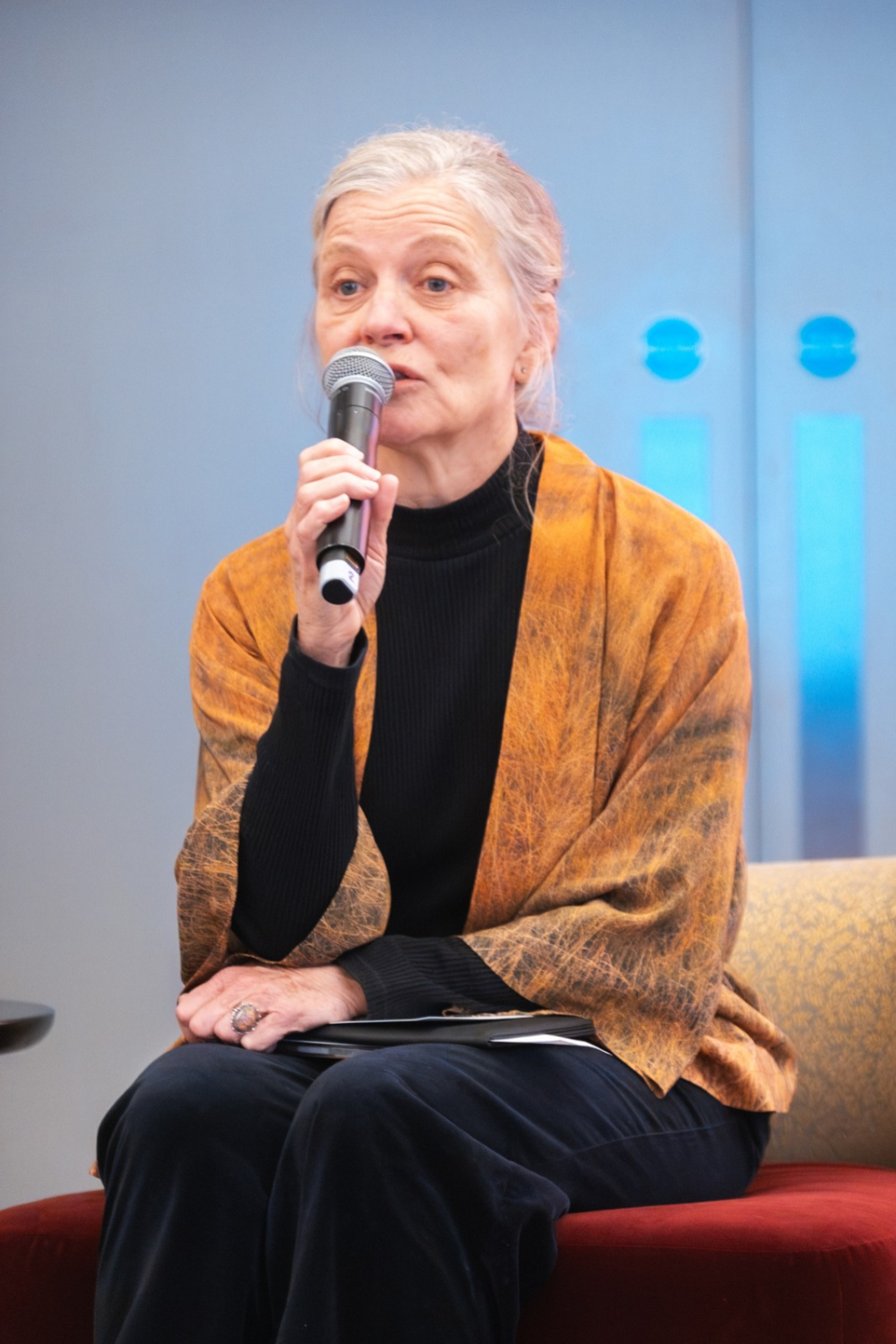
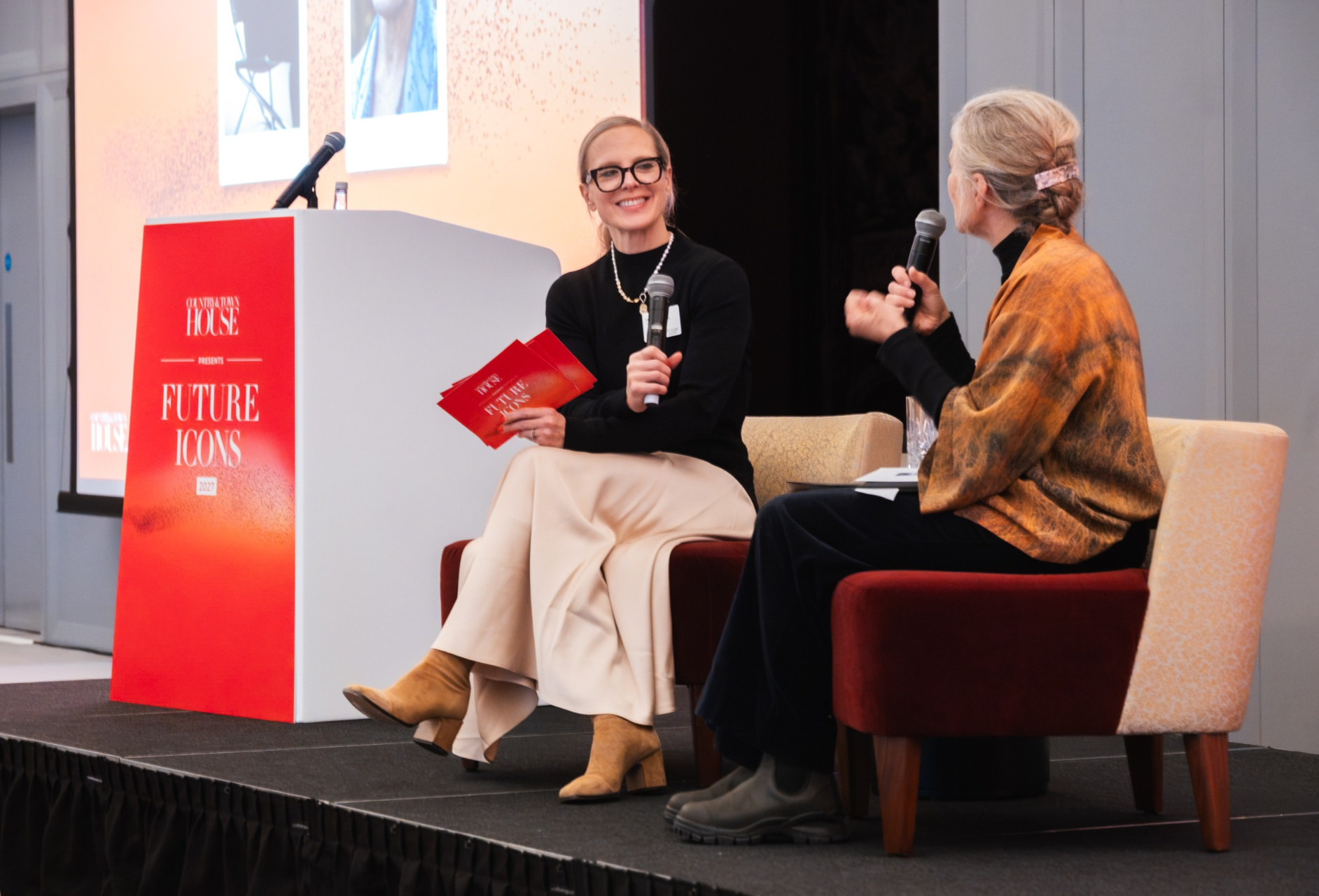
Speaking at the Country & Town House Future Icons 2027 event on Monday, in conversation with C&TH editor Lucy Cleland, Howard Boyd presented the bill, which was itemised to show the hit to the economy, to our health and to the natural environment. The bill has been put in front of ministers, MPs and mayors, and she says the time for action is now. ‘I know today it’s the coldest day. What on earth are we speaking about heat for? But unless we plan right now to get ready for next summer, we will have missed the opportunities to get the work done, and we’ll be just as we were this summer, in emergency mode.’
A Summer Of Records
This summer brought the most days over 30C on record in England and Wales, the driest July ever and close to 1,000 wildfires. The Met Office now expects 2027 to be the hottest year on record globally. In her media interviews throughout summer, Howard Boyd was asked whether this was the new normal. ‘It’s anything but normal,’ she said. ‘With our changing climate, we’re going to continue to see these extremes get worse, and flip-flop from heat to drought to flooding.’
So which line on the bill should UK businesses worry about most? ‘The people,’ she said. Supply chain workers without air conditioning, parents scrambling when schools closed at short notice, construction workers, farmers and firefighters spending hours in kit designed for short bursts of heat. ‘I felt like I had a heatwave hangover for most of the summer,’ she admitted. But it was much, much worse for those whose careers are based outdoors.
The Cost Of Change
The obvious objection is cost. Howard Boyd, who spent years in finance and chaired the Environment Agency through floods and the pandemic, says the numbers are smaller than they look. The Climate Change Committee’s Well Adapted UK report puts the bill for dealing with all climate hazards at around £11 billion a year, against £457 billion of total public and private investment. Shading the 60 London schools most at risk of overheating, identified in the Mayor’s Heat Ready London plan, comes to roughly £300,000.
‘We need to stop seeing this as a cost, but an investment to keep our economy going,’ she said. ‘And just as importantly, to look after the health of individuals.’
Fairness runs through all of it. Barclays card data showed that those who could afford it acted fast: 30 per cent of customers bought cooling measures such as fans during the heatwave, and around one in six bought air conditioning. Public money, she argues, must go to those who can’t afford to equip themselves, and to public spaces that need it most.
What Can We Learn From Elsewhere?
Howard Boyd is ‘relentlessly going around the world looking at solutions’. In Freetown, Sierra Leone, she walked down a market street where Mayor Yvonne Aki-Sawyerr installed shade for traders, mostly women. Solar panels are now going on top, powering lights so children can do homework and refrigerated containers so vegetables stop rotting in the heat.
Closer to home, she pointed to Shade the UK, which works with schools on practical shading, and Cool Off in Culture, led by the BFI, which opened cinemas, museums and galleries as cool spaces during the summer heatwave. She also suggested brands that already sponsor Christmas lights on London’s shopping streets could sponsor summer shade.
And as well as looking to the future, we can learn from the past. Black and white photographs of Oxford Street and Regent Street show awnings all the way down, shading the shopfronts. ‘Those are exactly the sorts of things we can bring back,’ she said. ‘Shutters, possibly on the outside, like our Mediterranean countries.’
Small Changes Add Up
‘I just don’t think we should be sugarcoating what we’re experiencing right now,’ said Howard Boyd. ‘Be honest that we don’t know all the answers. But by sharing the problem, we’re going to come up with the solutions.’
‘What can I do today to make a difference? That’s when we start feeling better again, because otherwise it suddenly becomes very, very big and overwhelming.’
Future Icons
Emma was speaking at Future Icons 2027, Country & Town House’s annual celebration of the people building a better future, from grassroots founders and campaigners to artists and business leaders. This year’s list brings together 30 changemakers, and the Future Icons 2027 event brought them together with the thinkers inspiring them. Meet them all and catch up on the day at our Future Icons hub.