


Meet the Future Icons: Emma Howard Boyd
By
17 minutes ago
Chair, National Heat Risk Commission; Co-Chair, HERA; Chair, ClientEarth Group Board; Professor in Practice, Grantham Research Institute on Climate Change and the Environment, LSE
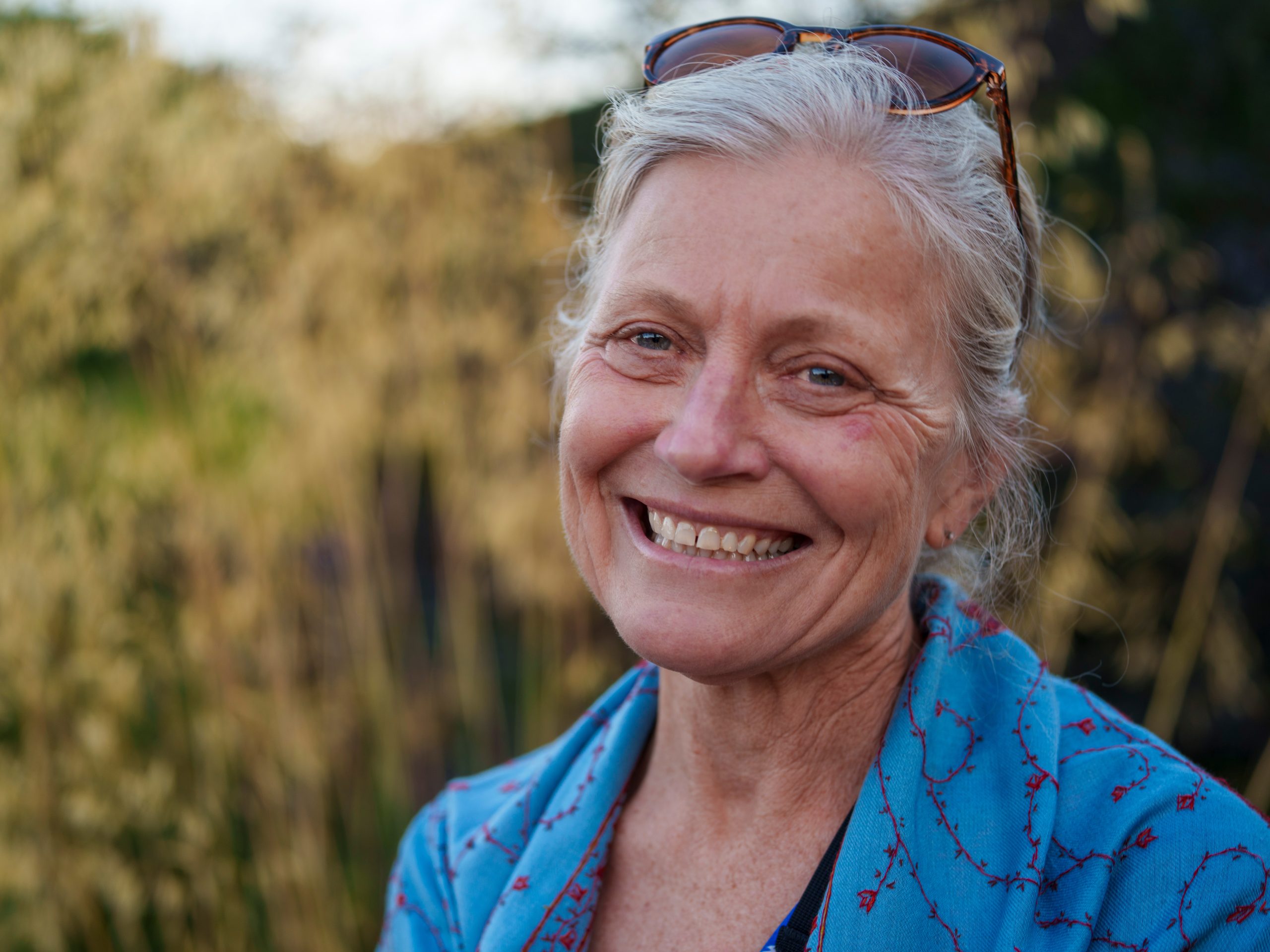
Emma Howard Boyd chaired the London Climate Resilience Review and now leads the National Heat Risk Commission, and thinks the UK is ‘still too often designing for the climate we used to have’.
What do you do and why does it matter?
I’m chair of the National Heat Risk Commission, which is looking at how the UK can prepare for a hotter climate, and I also co-chair HERA, which focuses on building the resilience of women facing climate impacts around the world. What connects them both is resilience; climate change isn’t an abstract environmental issue anymore. It affects whether our homes are safe, whether our hospitals can function, whether trains can run, whether children can learn in classrooms, and whether people can continue
to work during extreme weather.
What first made you realise environmental or social impact was something you wanted to be part of?
It started at a young age. I spent my final two years of school at Pearson College on Vancouver Island, living in a community with young people from all over the world, surrounded by the sea and wilderness. It gave me a strong connection to nature and also a sense of responsibility – to other people, to the place you are in, and to the wider world. At the start of my married life,
I then spent two years sailing. Being at sea changes your relationship with risk and uncertainty. You can’t control the weather. When a storm comes, worrying about it doesn’t help; you have to understand the conditions, prepare, make decisions and work together.
What’s the achievement you’re most proud of, and what made it possible?
I’m particularly proud of the London Climate Resilience Review because it was an opportunity to step back and ask a very practical question: how prepared is one of the world’s great cities for the climate that is coming?
What’s the biggest misconception about the change you’re trying to make?
That climate action is mainly about individual sacrifice. They matter, but they aren’t enough. If your home overheats, if your train line floods, if your workplace can’t cope with extreme temperatures, there is only so much you can do as an individual. We need to change the systems around people.
If you could change one thing systemically right now, what would it be?
I would make climate resilience a routine part of every major investment decision. At the moment, we are still too often designing for the climate we used to have.
What keeps you up at night – and what gives you hope?
The gap between what we know about climate risk and how prepared we are for it. What gives me hope is that we know a huge amount about what needs to change. And I have enormous faith in people’s ability to work together.