


How Prince William Is Turning The Duchy Of Cornwall Into A World-Leading Impact Organisation
By
30 minutes ago
Inside the Royal's plans to transform the historic estate
Prince William wants the Duchy of Cornwall to become a ‘world-leading impact organisation’. Jane Emily Phillips goes behind the gates to discover how one of Britain’s oldest estates is rewriting the rules.
There aren’t many institutions that can genuinely plan for the next century. The Duchy of Cornwall has already outlasted nearly seven of them.
Created by Edward III in 1337 to provide an income for his son and heir, today it encompasses some 128,151 acres across 19 counties, from the granite tors of Dartmoor to the palm-fringed Isles of Scilly, taking in farms and forests, coastline and quarries, high streets and, rather unexpectedly, the Oval cricket ground. Its net assets stand at £1.15bn.
Now, it is embarking on one of the most significant reinventions in its modern history, to redefine what an estate like this is actually for.
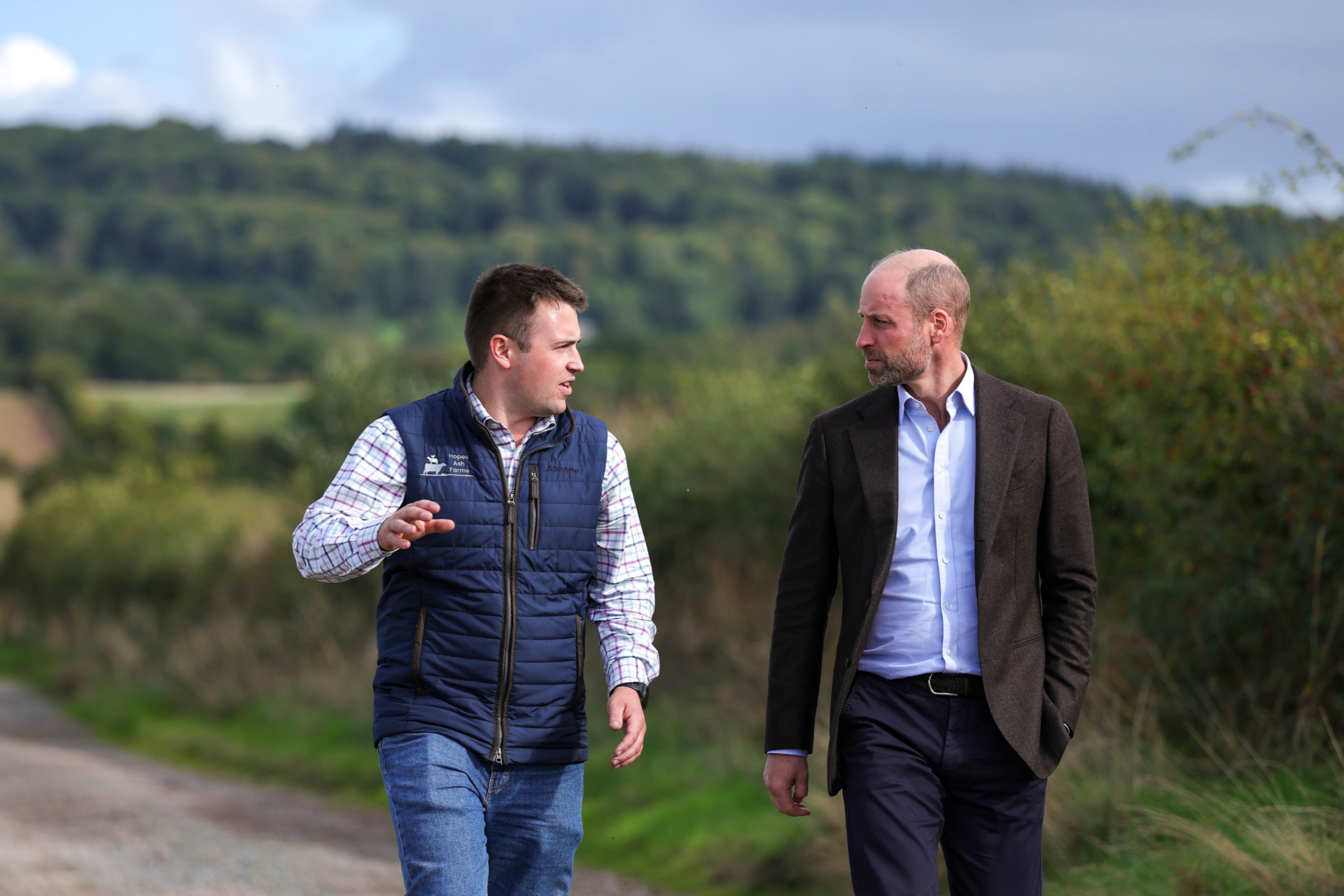
On 1 October, Prince William climbed into a tractor cab at 900-acre Monkhall Farm in Herefordshire, joining 25-year-old farmer Harry Davies as he planted his autumn crops. That day, soil cores were taken to record the health of the fields and how much carbon they hold, the baseline against which any improvement will be judged. It was a small glimpse of a much larger ambition.
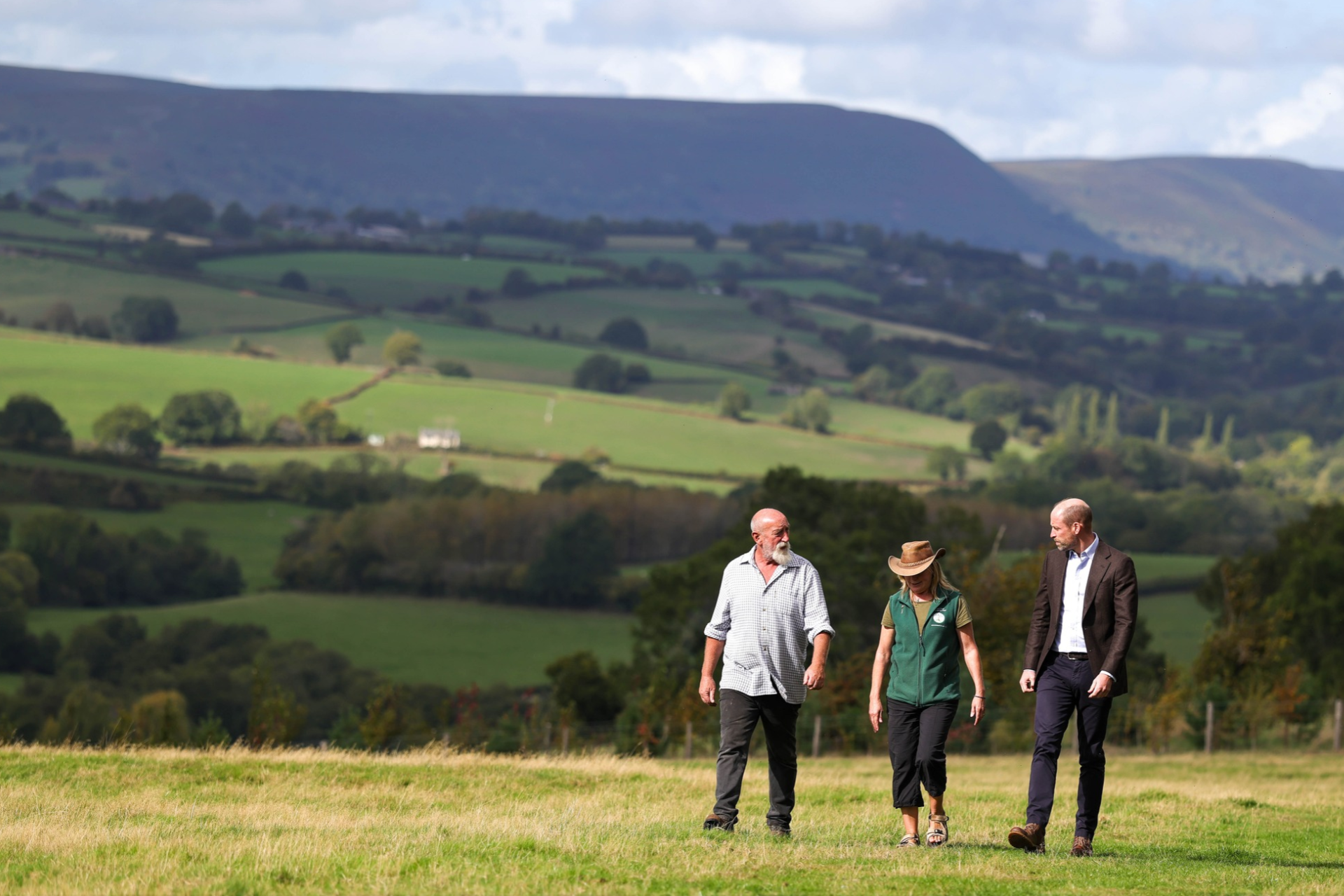
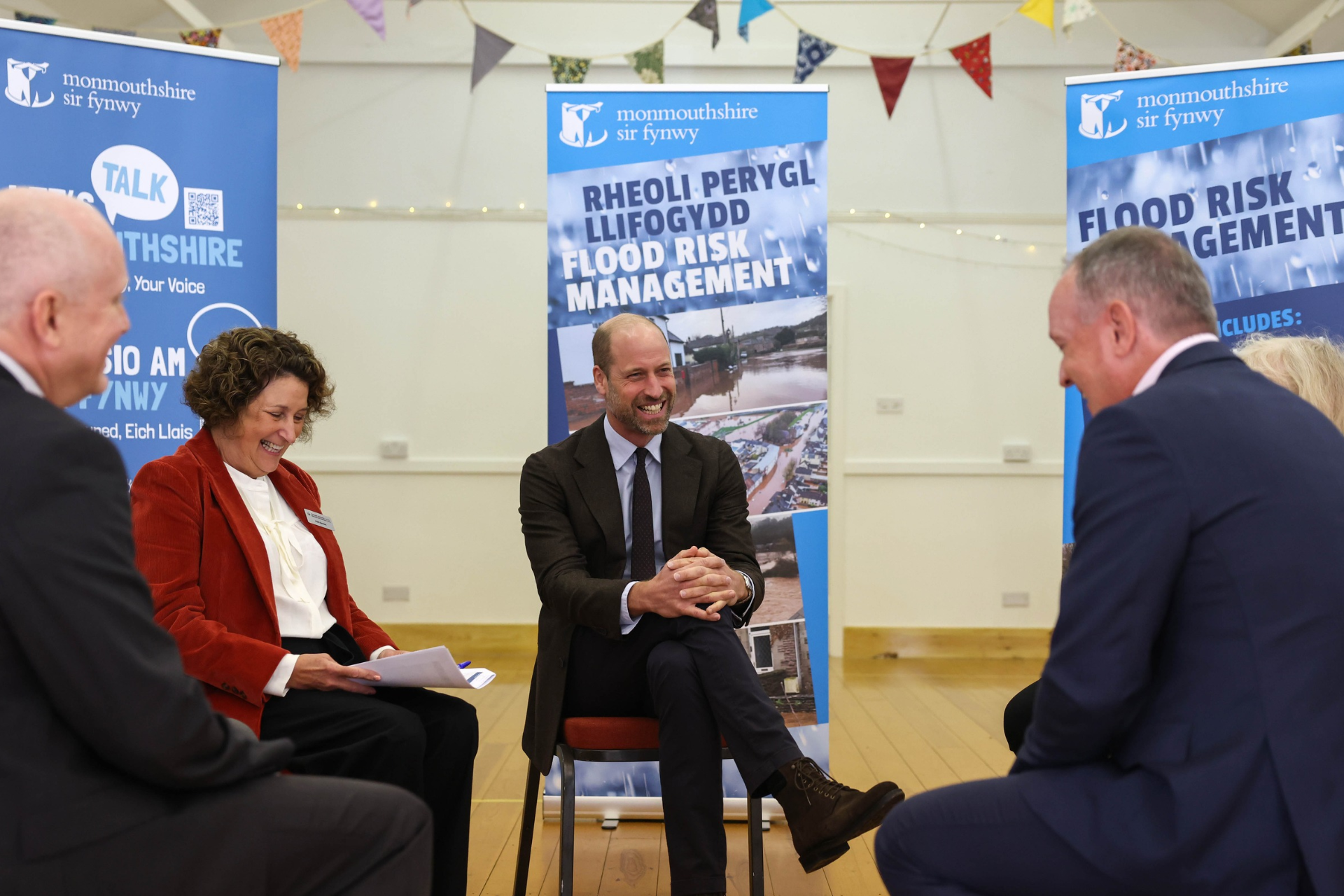
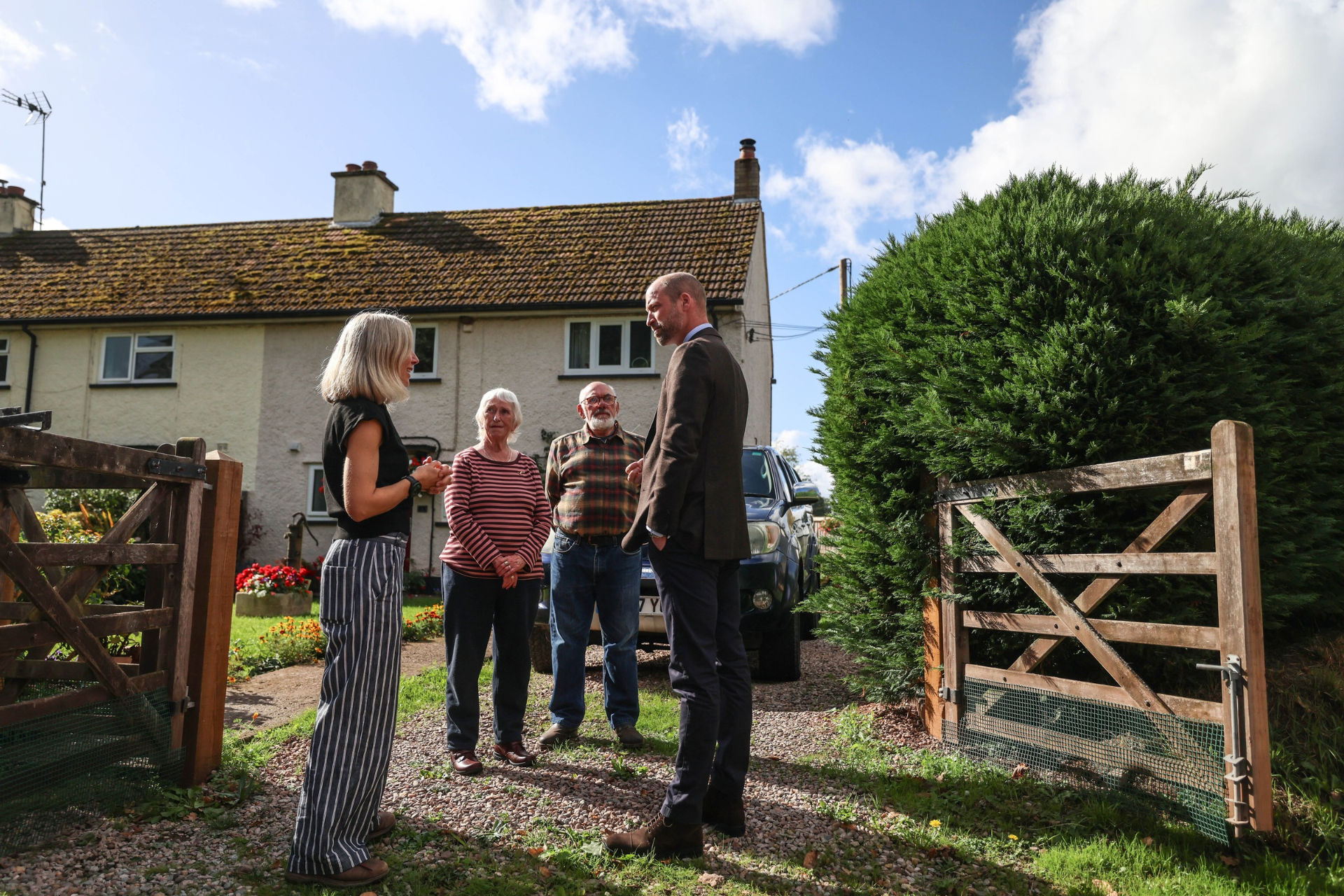
The Prince of Wales meets communities, organisations and farmers tackling flood risk and climate resilience in Monmouthshire and Herefordshire
When the Prince became the 25th Duke of Cornwall in 2022, he inherited an institution profoundly shaped by his father, who had spent decades championing organic farming and traditional approaches to placemaking. Two years later, when the Duchy, as he puts it, ‘knocked on my door’, Will Bax arrived as CEO, having run Grosvenor’s London estate and Retirement Villages Group.
Bax is also a farmer’s son. His parents, he says, were ‘early pioneers of regenerative farming’, and he still goes home to help his mother with the cows. For him, the biggest legacy of that upbringing is ‘the sense of stewardship’.
He found a Duchy doing ‘fantastic work’ in its communities, but one that hadn’t told its story well enough and was, he sensed, misunderstood by the public, a diplomatic way, perhaps, of acknowledging some bruising headlines about how the estate makes its money. Yet the brief went beyond improving its reputation. Prince William had asked how the estate could ‘do more to maximise its positive impact on people, on nature, and on the planet’.
‘That was the exam question,’ says Bax. The Prince’s ask was to move ‘from a very thoughtful stewardship agenda to a more dynamic leadership one’. With nature in crisis and the cost of living biting, Bax says, ‘the stakes had risen and the Duchy needed to be a bit more urgent and perhaps a bit more radical’.
But is the Duchy simply getting better at telling the story of its stewardship, or is it changing what stewardship actually means?
There are plans for £500m of investment over the next decade, concentrated in five ‘heartlands’ (Cornwall, the Isles of Scilly, Dartmoor, Bath and the West, and Kennington in London), where, Bax says, ‘we see maximum opportunity for impact’. He insists there need be no trade-off between impact and profit, provided you are prepared to wait. Set ‘extremely ambitious’ financial targets over one to three years and the ability to create environmental and social value diminishes. Over 50 years, healthier landscapes, viable communities and resilient businesses become a form of financial risk management in themselves.
Funding it means selling land elsewhere, which involves what Bax calls ‘quite brave decisions’. Some farms being sold, explains Matt Morris, the Duchy’s rural director, are its only holding in a parish, where it ‘can’t drive real impact’. But on the Bradninch estate in Devon, news of the sales has caused real distress.
George Dunn, CEO of the Tenant Farmers Association (TFA), says the TFA is disappointed the Duchy is selling, as it ‘has traditionally been a long-term and good landlord’. He describes the Duchy’s engagement as ‘somewhat disjointed’, and can understand why there is anger and concern. Valuations have been a sticking point: the TFA is pushing for jointly instructed valuations, which, he says, the Duchy may consider where there is a genuine dispute.
‘This isn’t about abandoning our farmers,’ Morris insists; each case is being worked out individually. ‘We don’t always get it right,’ he admits, ‘but where we’ve got issues, we try and make sure that we’re resolving them.’
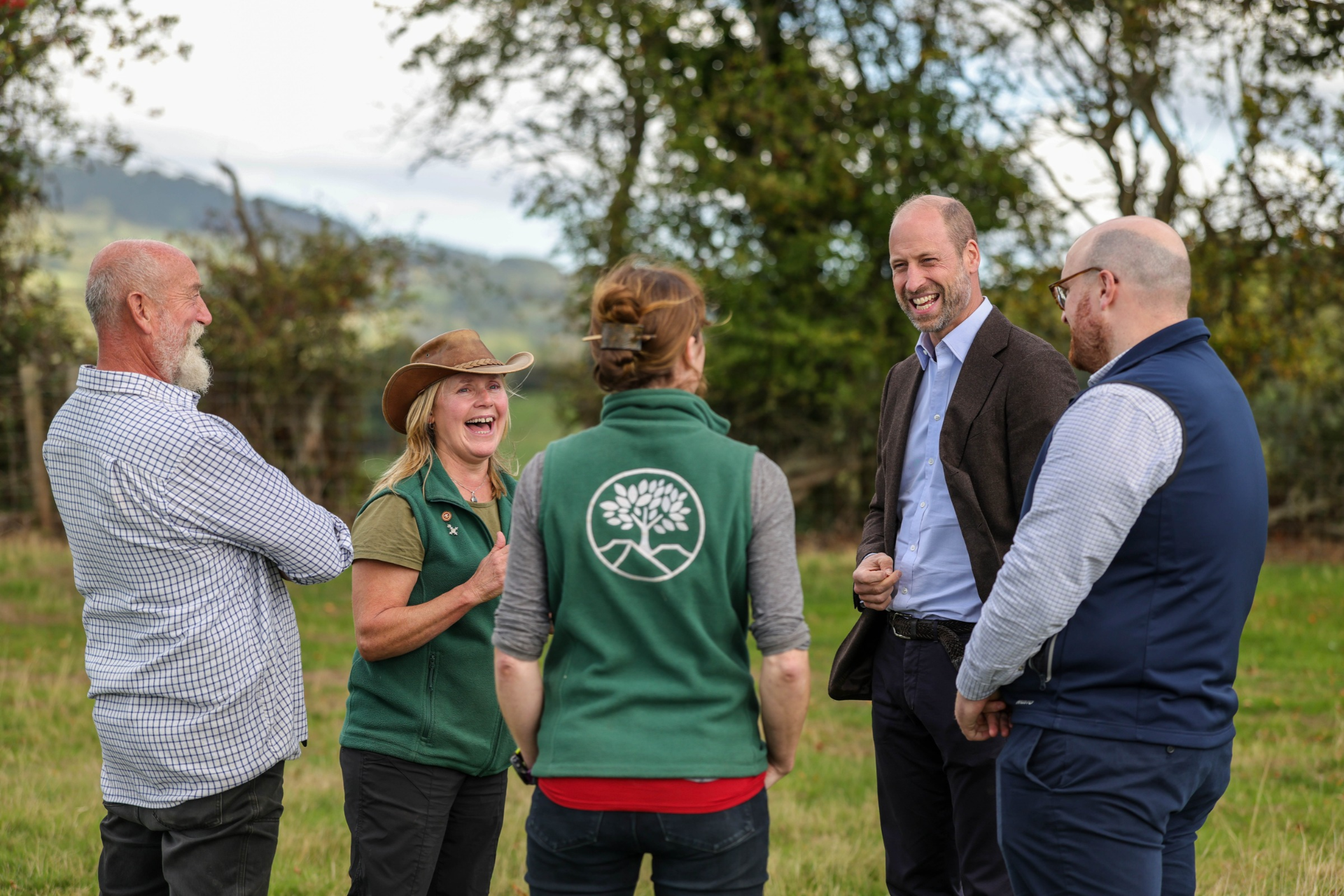
Historically, Bax says, the Duchy was ‘a very benevolent landlord’. Many tenants farmed with nature, he says, ‘but not all of them, by any means. Now there is a clearer set of asks and expectations’. The Duchy has introduced a regenerative farm business tenancy, a letting agreement that writes regenerative farming into its terms, in return for advice and funding, with progress verified by US-founded scheme Regenified. The plan, he says, is to roll out the new tenancy ‘across the entire rural estate within the next ten years’.
‘It’s no coincidence that we’re promoting this now,’ Bax says, ‘particularly off the back of the summer we’ve just had.’ Looking 50 years ahead, ‘we don’t want any farming on the Duchy that has a fundamental reliance on chemical inputs.’
The thinking stretches beyond individual farms, too. On Dartmoor, where the Duchy owns more than 70,000 acres (including around a third of the national park), a new 20-year Landscape Vision lets it look at ‘the whole system and how it works’.
Monkhall is the first farm let on the new terms. In England and Wales, the average new farm tenancy runs for little more than three years; Harry Davies has been given 25. The Tenant Farmers Association calls Monkhall ‘a true test for the Duchy’. The land has been ‘farmed well but hard’ for arable crops and potatoes, but Davies is optimistic. ‘There is life there, and it’s incredible how resilient that life is if you give it a chance.’
The plan is a regenerative mixed farm, with cattle integrated throughout the rotation. There is one small snag: ‘There’s not a fence on the farm currently.’ Fences can go up in a year; soil takes longer. After two hot, dry summers, the soil itself is his insurance: keep it covered and it stays cooler in a heatwave; build its organic matter and it holds more water through downpour and drought. ‘Farming is a long-term game,’ Davies says. On a much shorter tenancy, ‘it wouldn’t have been anywhere near as attractive’.
The landlord is sharing some of the risk. The rent is phased over the first six years to give Davies ‘an easy entry’. The Duchy’s Farming and Nature programme is helping with infrastructure, and he got an application into the much-sought-after Sustainable Farming Incentive. The rest? ‘Borrowing a shedload of money.’ Davies admits he feared Regenified might become ‘a Red Tractor for regen’, a reference to the UK’s main farm assurance scheme, and a perennial source of farmers’ grumbles, though so far it has been, he says, very supportive. ‘I think, to be a farmer, you have to have a sense of naive optimism.’
‘Impact’, of course, is easier to promise than to prove. The Duchy remains a commercial estate, with a £21.6m distributable surplus in its latest accounts. Nature, at least, can be counted. ‘The more complex area,’ Bax admits, ‘probably is in the community space.’
Take Scilly, where, Bax says, the cost of living has left many young people unable to afford one of the most fundamental building blocks of life: a home. ‘Islanders who don’t see a viable future for themselves leave, and the result is a generational brain drain.’ The Duchy’s answer is the first new-build affordable homes there for a generation. Jobs matter as much as homes: at Nansledan in Cornwall, it is building a high street from scratch, part of what Bax calls ‘building local economies that allow small businesses to grow’. To track whether such places are thriving, it is developing a Healthy Communities Index, measuring access to good housing, local jobs and walkability.
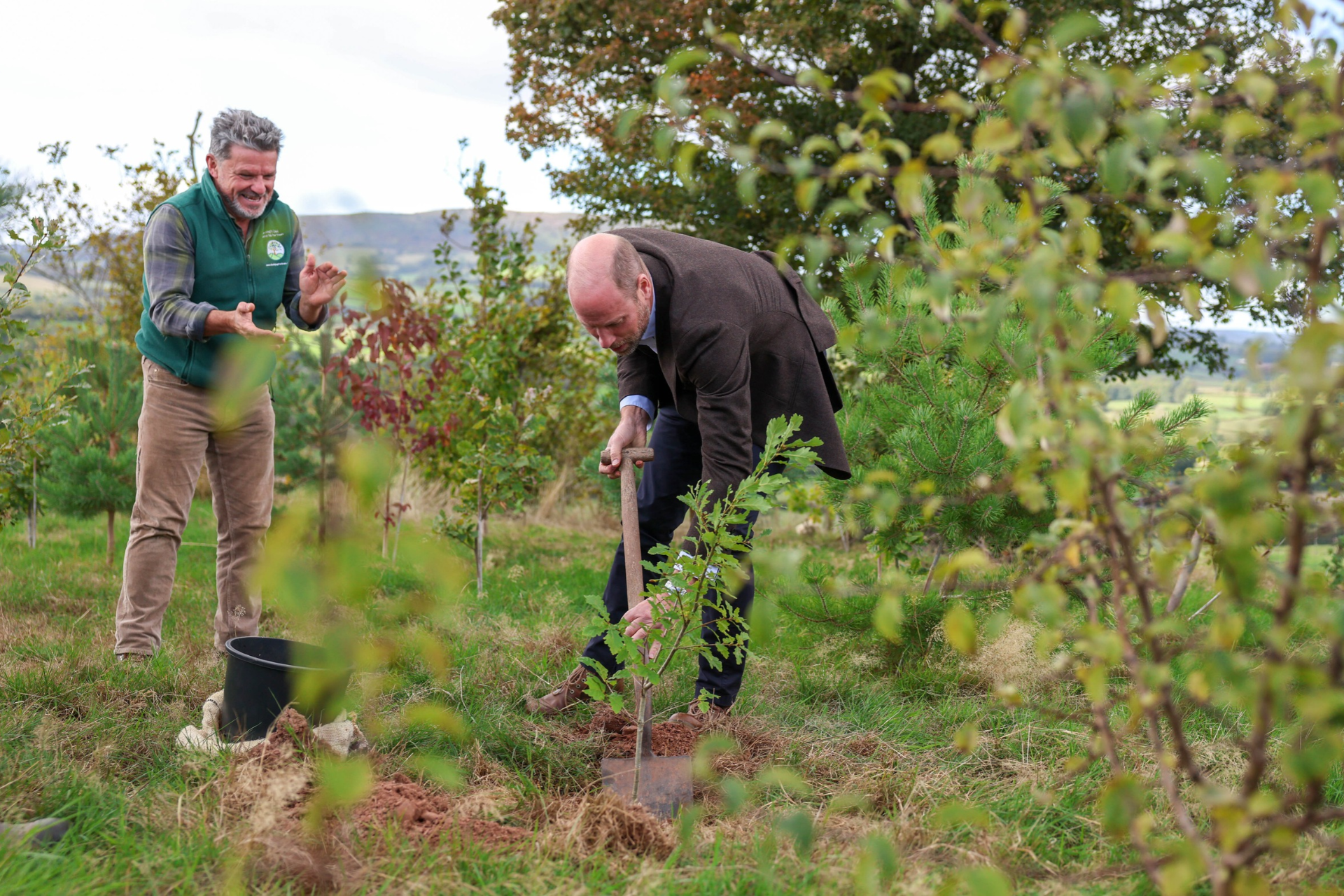
The new Duchy strategy, he insists, ‘cannot simply be a set of words that sound inspiring’. What counts is whether it delivers impact on the ground. The hardest part, he concedes, is bringing agility to an organisation with ‘our sense of permanence’. Yet permanence may also be the Duchy’s greatest asset. Davies regards his tenancy as only ‘short-to-medium term’. ‘We’re the stewards,’ he says. ‘Everything you’re doing is for the person coming after you.’
So is this a better story, or a different kind of stewardship? On paper, it is the latter, and something close to a new model of land ownership: a landlord that sets expectations, shares risk and has chosen to be measured – on carbon, on nature and on the health of its communities, including those it’s leaving. Monkhall’s soil cores are only the first reading. For an estate that has outlasted nearly seven centuries, waiting for the results should come naturally.
Photos: Courtesy of Kensington Palace