


Six Decades On From Silent Spring, What Have We Learnt?
By
1 hour ago
Rachel Carson's seminal text has influenced how we think about nature – and still does today
Her book challenged the way we farm. But the friendships around Rachel Carson, with a marine biologist neighbour and a woman she wrote to, tell an equally powerful story about how we should live alongside the land and the sea. Jenny Jefferies, whose great uncle was that neighbour, on the ecology, love and renewal that bind their work.
Rachel Carson and Dorothy Freeman: Ecology, Love, Renewal – And Friendship
Rachel Carson, Professor Norman ‘Jack’ Berrill and Dorothy Freeman were all ahead of their time in challenging humanity to reconsider its relationship with the natural world. Their work remains incredibly relevant in contemporary discussions about food systems, biodiversity and climate resilience.
Rachel Carson: More Than Silent Spring
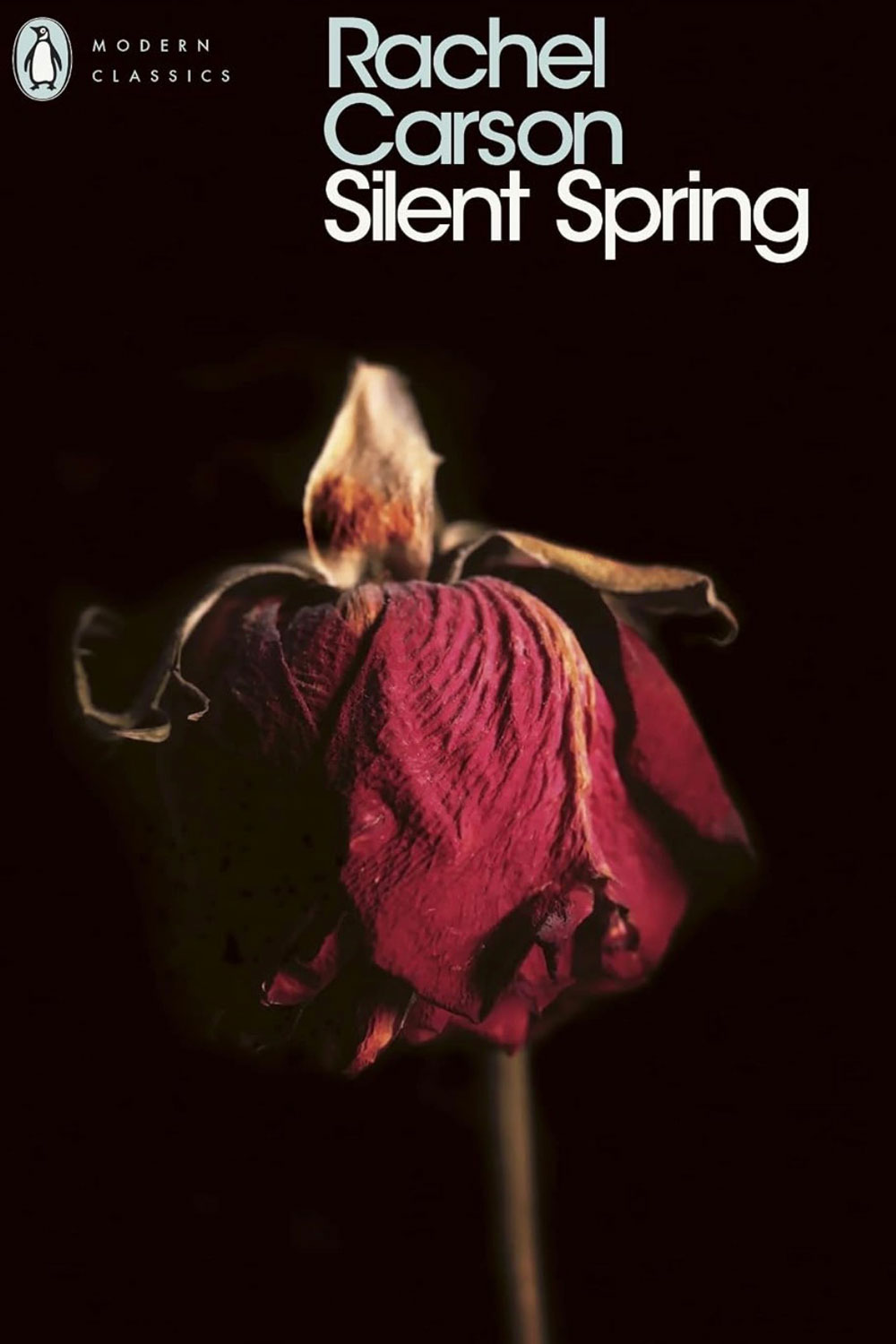
Carson is so closely associated with her bestselling 1962 book Silent Spring, and its challenge to the widespread use of chemical pesticides in agriculture, that her earlier life is easily overlooked. Before she turned her attention to pesticides, she was a marine biologist who wrote about the sea with a rare gift for bringing its wonders to life. Her sea trilogy, Under the Sea-Wind, The Sea Around Us and The Edge of the Sea, shows a profound scientific understanding of the ocean.
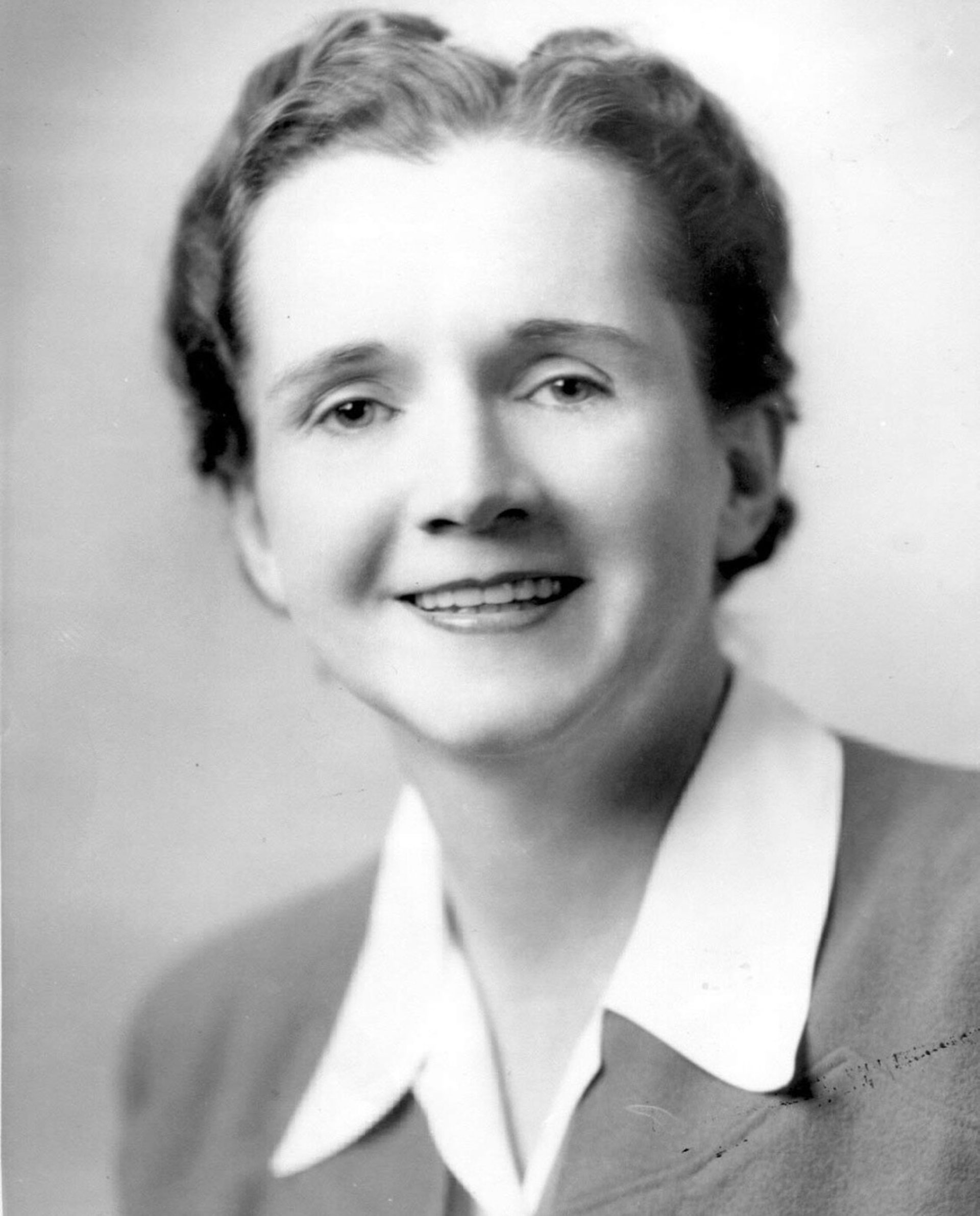
Rachel Carson
In this respect, she shared a natural affinity with her good friend and neighbour in Maine, US, Professor Norman ‘Jack’ Berrill. His own work explored the complexity, evolution and interconnectedness of life in the sea. Both he and Carson saw that the natural world is not a collection of separate parts but an intricate web of relationships, a realisation that would shape Carson’s passionate defence of the living world.
‘In Nature Nothing Exists Alone’
It is Carson’s most famous observation, from Silent Spring, and it is as true of the land and the sea as of anything else. From the soil beneath our feet to the rivers that run through the countryside and the seas beyond our shores, the natural world is connected in ways we do not always see. Farming, food production and the health of our oceans are part of the same living system.
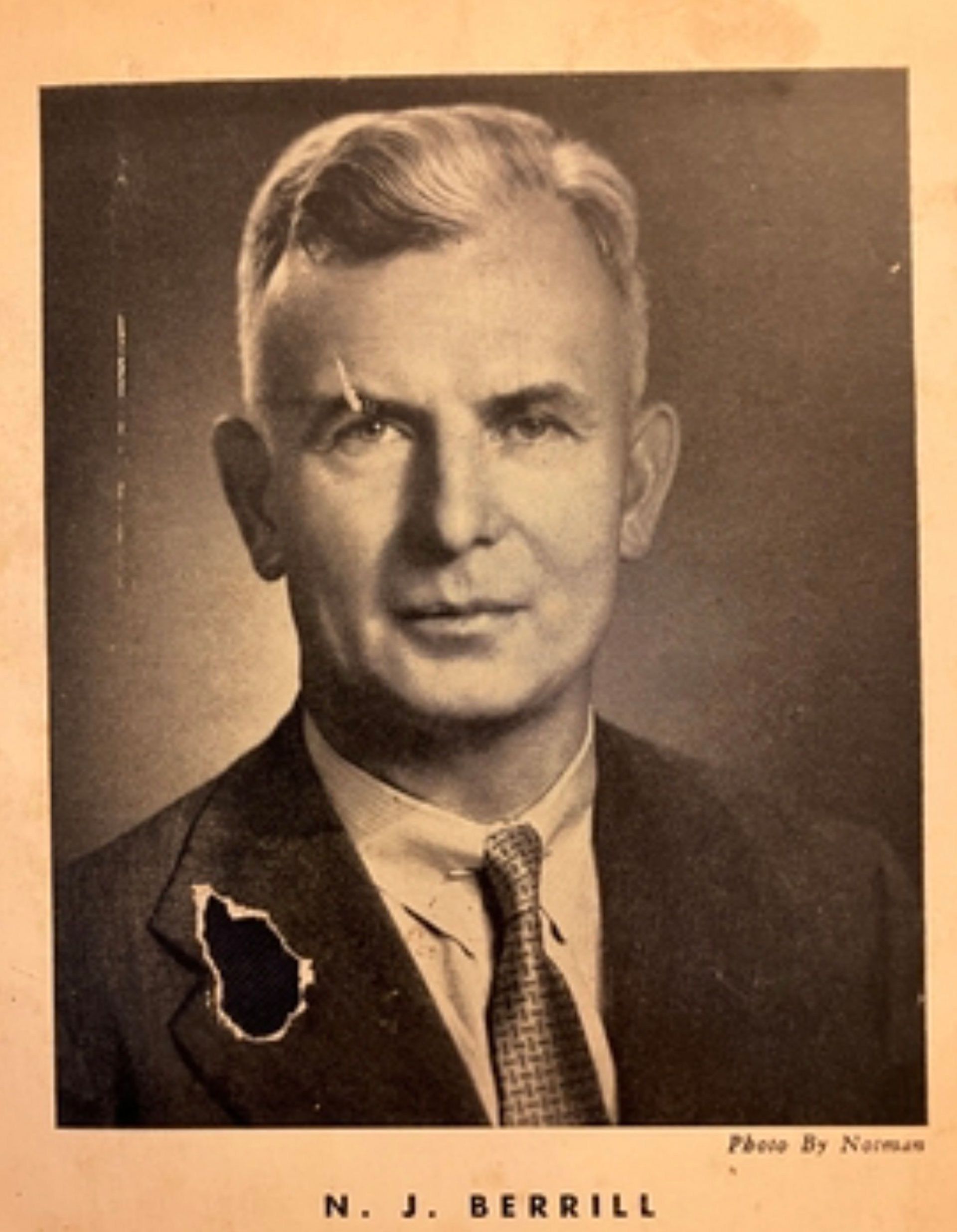
Jenny’s great-uncle, ‘Jack’ Berrill
Carson was ahead of her time in two ways: scientifically, in linking chemical use to ecological disruption; and ethically, in framing environmental degradation as a shared responsibility. Today her insights echo in regenerative agriculture, which aims to restore soil health and biodiversity rather than simply take from the land, and in aquaculture, the farming of fish and shellfish. Human wellbeing, she reminds us, is inseparable from the health of the ecosystem around it.
Jack Berrill’s Rules For A Good Life
Berrill’s thinking aligns neatly with contemporary systems thinking, which looks at how the parts of a whole interact rather than studying each in isolation. Farming, on land or in water, is not an external intervention in his view but an activity that must flow with ecological processes. By emphasising interconnectedness and resilience, he helped pioneer ideas now central to sustainable food systems, and brought a unique dimension to environmental thought: the deep recognition that humans are fully embedded in nature. He put his beliefs plainly:
‘The rules are simple but hard to follow: to determine what your values are and to live by them – when a man has that much wisdom and courage his stature is usually such that we all acknowledge it, knowing that there for the grace of man we should go too; to have faith in the power of those ideas which represent the truth and to be patient; to keep open the windows to beauty, which will always pass our understanding; and to love all life and the earth itself in humility, respect and wonder. There is richness here if only we will give ourselves to being alive and cease struggling to disown our nature.’
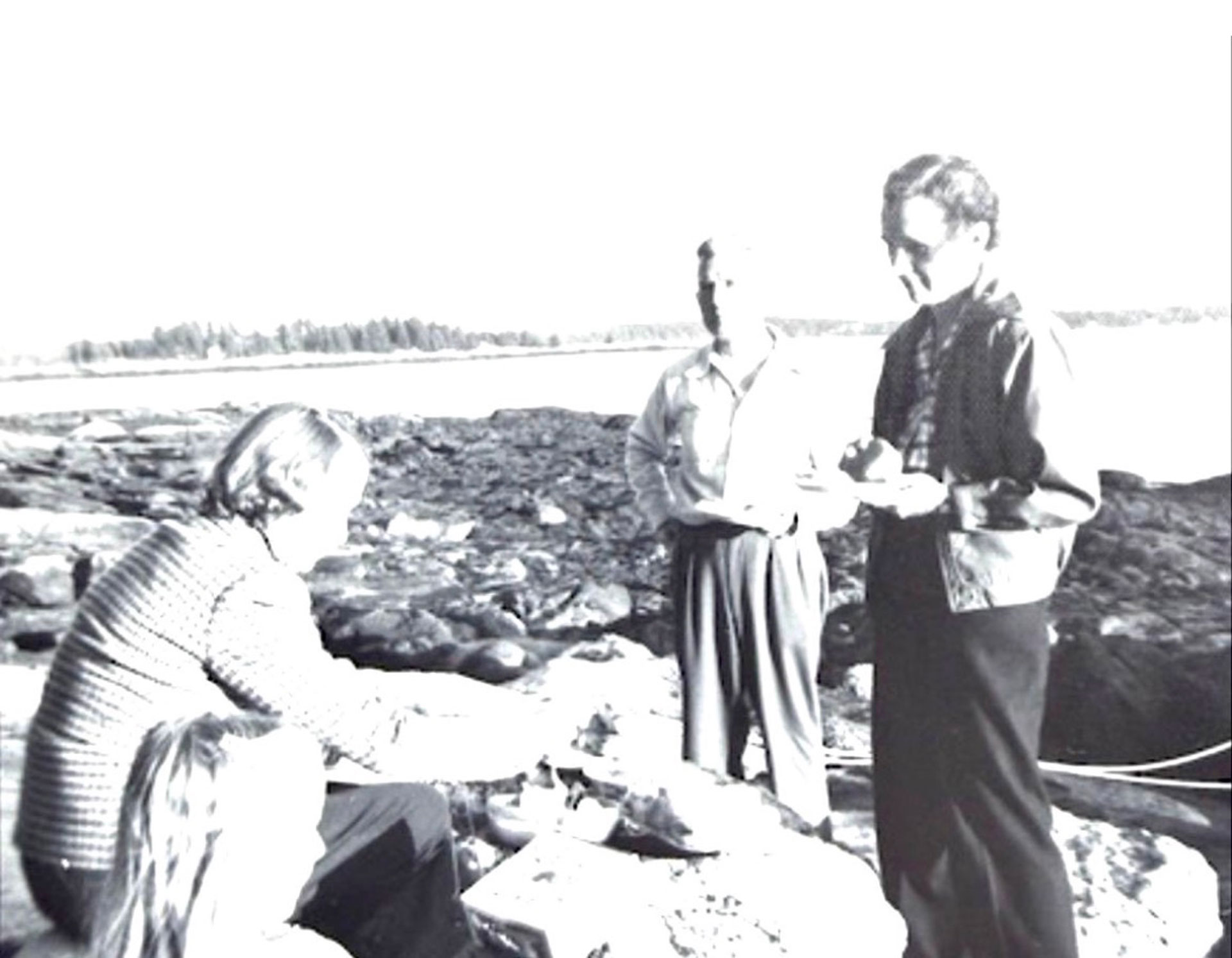
Left to right: Lynn Berrill (Jack’s daughter), Jacqueline Berrill(Jack’s wife), Jack Berrill and Rachel Carson.
He often observed that the closer we look at nature, the more deeply we learn to care. His conviction ran deep:
‘It is possible to live serenely in the midst of turmoil, to keep your true face open to all men; it is possible to fight for the life of your mind as much as your body, to know that ideals are but glimpses of truth, that truth is beauty and love is harmony and that evil comes from losing them. All this has been said before, and some have died for saying it. It is high time now that we listen.’
Dorothy Freeman And The Power Of Paying Attention
Carson’s name is known around the world. Dorothy Freeman’s is not, and her influence deserves to be better celebrated. Through her correspondence with Carson, her close friend, Freeman helped cultivate the intimate, emotionally attuned lens that pervades Carson’s work. Their fond letters are full of affection, intellectual companionship and a shared delight in the changing seasons and the natural world around them.
For today’s farmers, fishermen and environmental practitioners, Freeman’s example is a reminder that observation, care and connection matter as much as technical expertise.
Why They Are Worth Listening To Now
Berrill, Carson and Freeman continue to shape the way we think about ecological stewardship, regenerative food systems and environmental justice. Their stories invite us to look more closely, to listen more attentively, and to see how ecology, love and renewal are woven together in this fragile, enduring fabric of life. Berrill said it was high time we listened. They are still worth listening to.