


The A To Z Of Britishness
By
3 months ago
All the things that make Britain great
From Anne (Princess) to zounds!, Hugo Rifkind trots us through an eye-raising alphabet of what it is to be British.
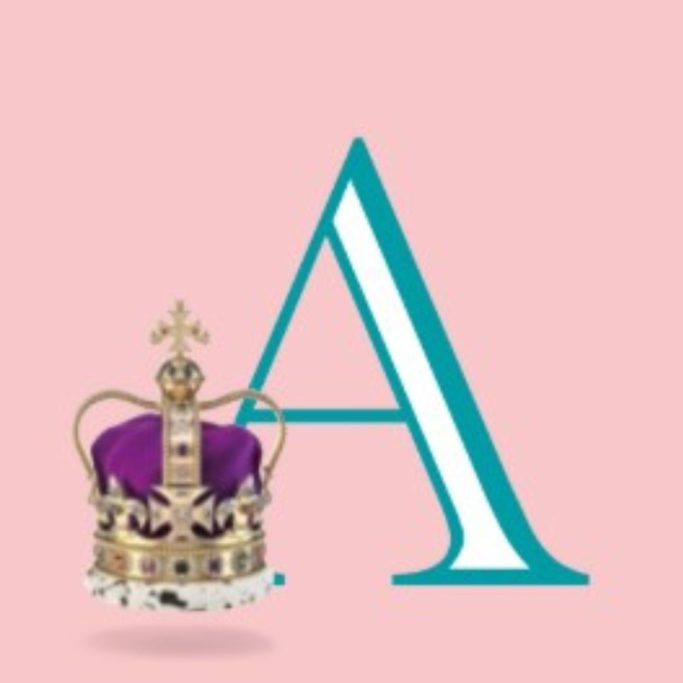
A is for Anne
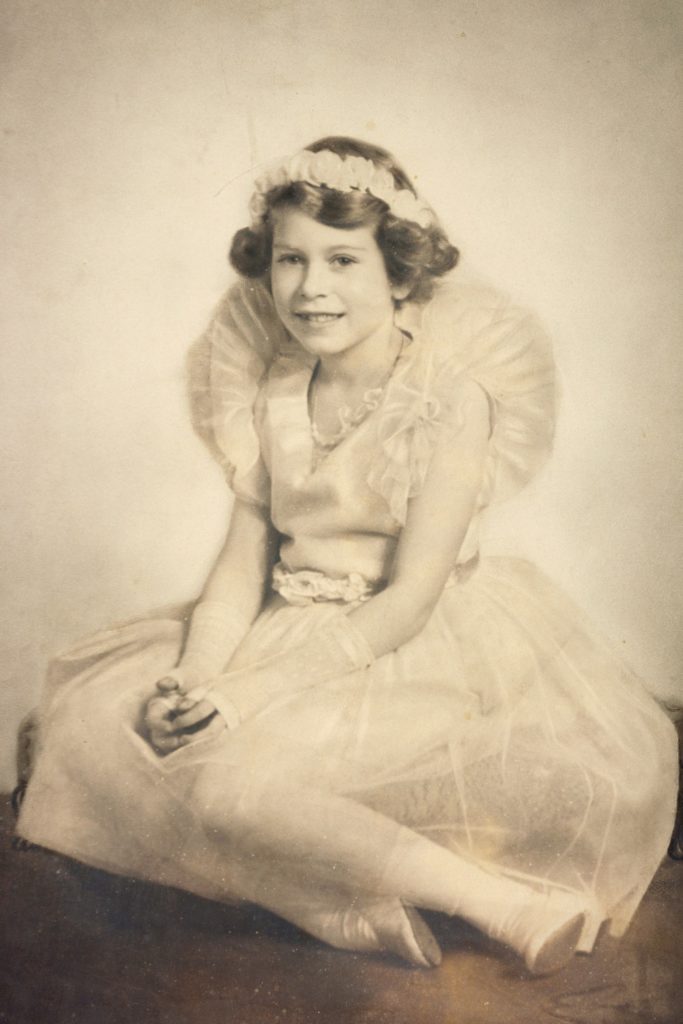
As in the Princess Royal, unequivocally the best royal. This even though – or perhaps because – she has a reputation for being really quite rude and everybody is pretty scared of her. She also spent the 1960s looking like she was friends with Austin Powers and the last Coronation looking like she was about to wage war on a distant galaxy, on behalf of another distant galaxy. Hurrah.
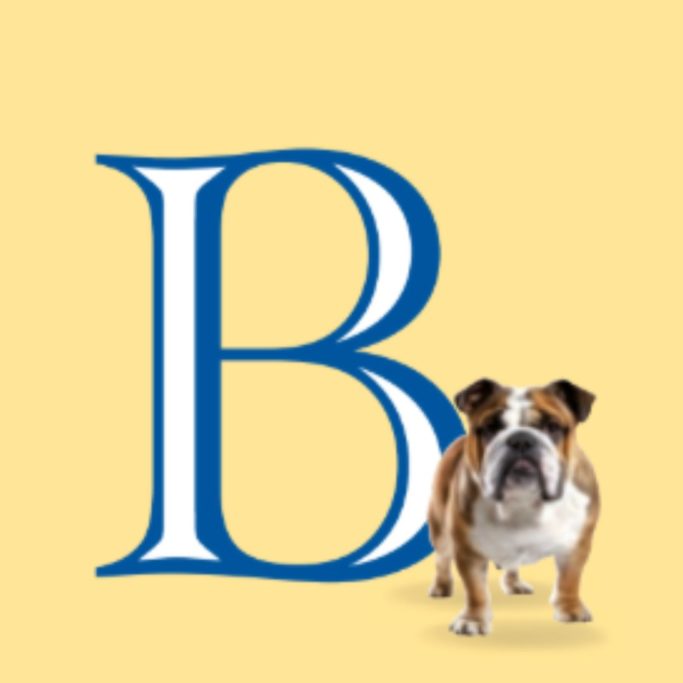
B is for British Bulldogs
They are the ubiquitous British dog, yet hardly anyone owns one. Being fairly sickly and disastrous, they’re also fundamentally bad at being dogs in the first place and have basically been usurped by the French bulldog, even though it looks like a proper dog which has been hit repeatedly with a shovel. Despite this, we cherish them. An extremely British situation.

C is for Carpet In The Bathroom
Less common than it once was, mainly because it’s a disgusting idea. Most other nations have always been baffled at the concept, such as the Germans, because they are health freaks, and the French, because their own toilets are usually just holes in the floor. Yet to be truly British is to yearn for the sensation of stepping directly from the bath onto a plush underfoot shag.

D is for Dickens
As in, Charles. Not necessarily the best British author, but certainly the most ‘British-British’ author. He sees class, he sees country and town, and he bloody loves a gentleman of a certain age in a natty waistcoat. Most of all, he nails down British sentiment, like few others before or since. ‘The kindness of people,’ he wrote in Martin Chuzzlewit, ‘is enough to break one’s heart.’
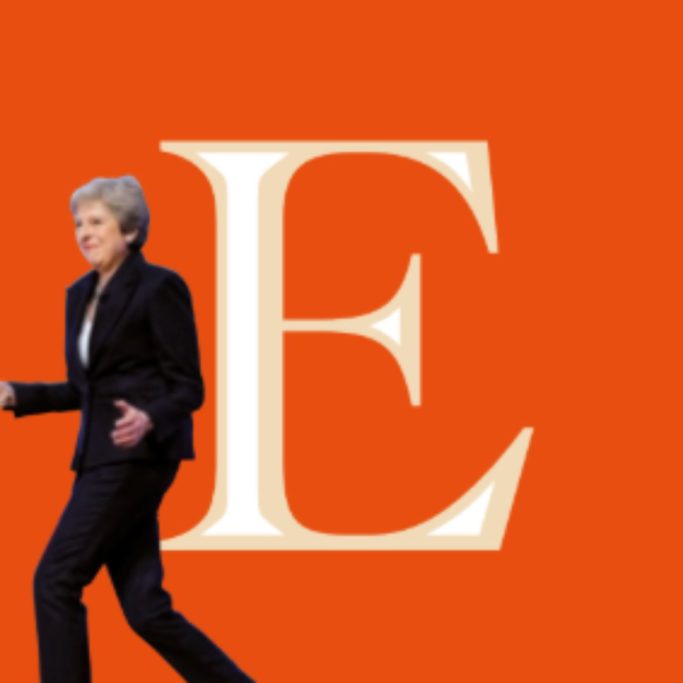
E is for Embarrassment
The quintessential British emotion. We are embarrassed when we succeed and embarrassed when we fail. Consider, for example, the British Empire, when we conquered half the globe through a combination of vicious brutality and raw cunning, and yet while still usually wearing ties, even in the jungle, because we were too embarrassed to take them off. See also: Sorry.
F is for France
Best understood as ‘the main place that Britain isn’t’.
G is for Girls Wearing Almost Nothing
Outside of London, no nation does this better. The moment you start thinking we have a domesticated nation is also the moment you should take a trip on a Friday night to Newcastle, Liverpool or Glasgow and watch a 17-year-old girl in a boob tube and hotpants and nothing else, defeating frostbite in the queue for a nightclub by means of pre-drinks, vaping and sheer force of will.
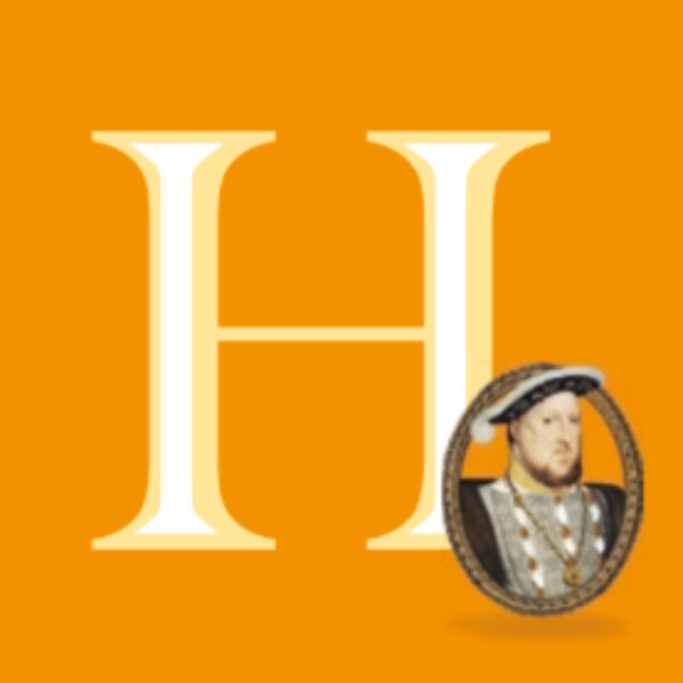
H is for Henry VIII
Technically English rather than British, although also ginger so the Scots probably won’t complain. Basically invented divorce and Anglicanism, shagged and ate himself to death, and still found time to write Greensleeves. The template Brit.
I is for I Couldn’t Care Less
Our kids already say ‘can I get a ride?’ and ‘fire truck’. Nonetheless, we will remain culturally distinct for as long as we know that the Americanism of saying ‘I could care less’ is wrong and stupid. Care a lot, and you could care less. Care a little, and you could still care less. As David Mitchell once put it, ‘the only thing it rules out is that you don’t care at all, which is exactly what you are trying to convey.’ Bloody annoying.
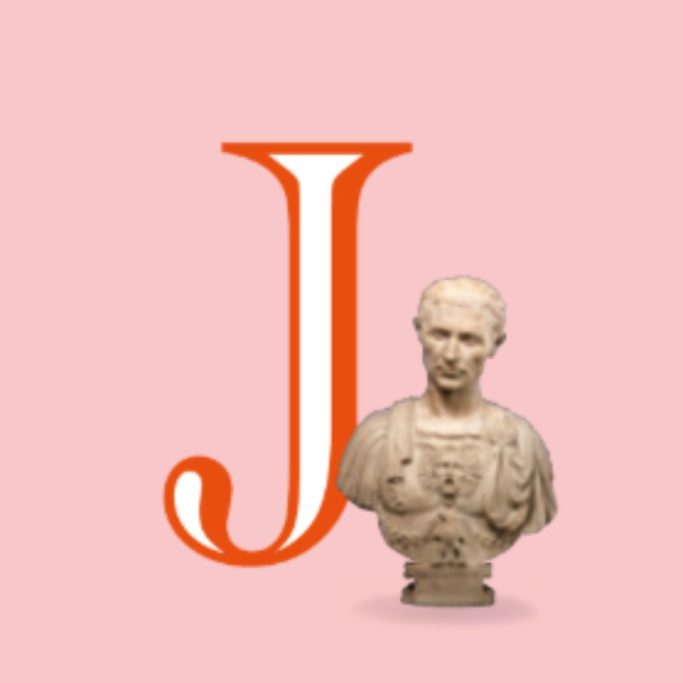
J is for Julius Caesar
He came, he saw, he conquered, and thus British recorded history began. Never forget, though, that he also went home again, probably because it was raining and he was bald.
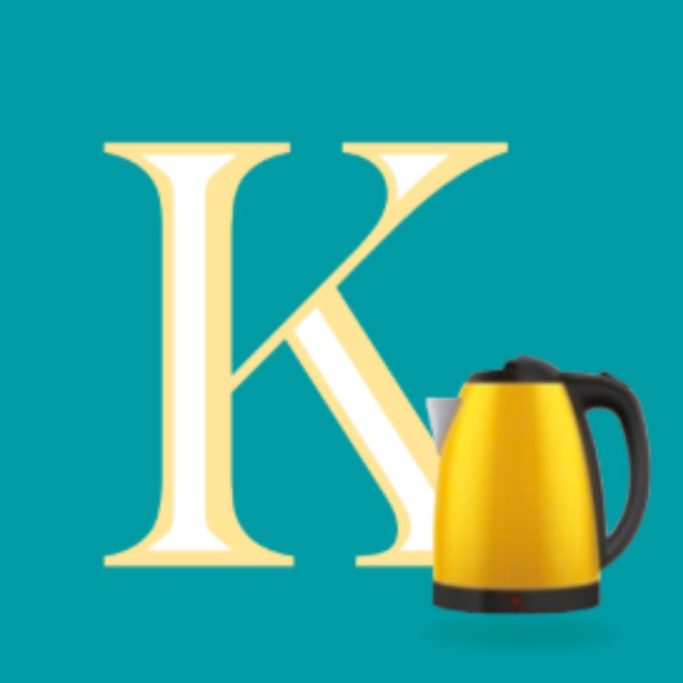
K is for Kettles
Only Britain does these properly. To cross the Channel is to enter a miserable world of kitchens dominated by coffee machines. Cross the Atlantic, and things get even worse. They sometimes think they have kettles, sure, but what they actually have are programmable water-boiling devices premised on the peculiar delusion that different drinks require water to boil in different ways. This is enraging madness. As for toasters…
L is for Le Carré
As in John le Carré, the man who taught us all that, when a Brit wants to save the world, he must first turn on a two-bar fire and make an unsatisfying cup of tea, before spending a while standing at a dirty window watching grey rain full on grey streets, perhaps while smoking a filterless cigarette.
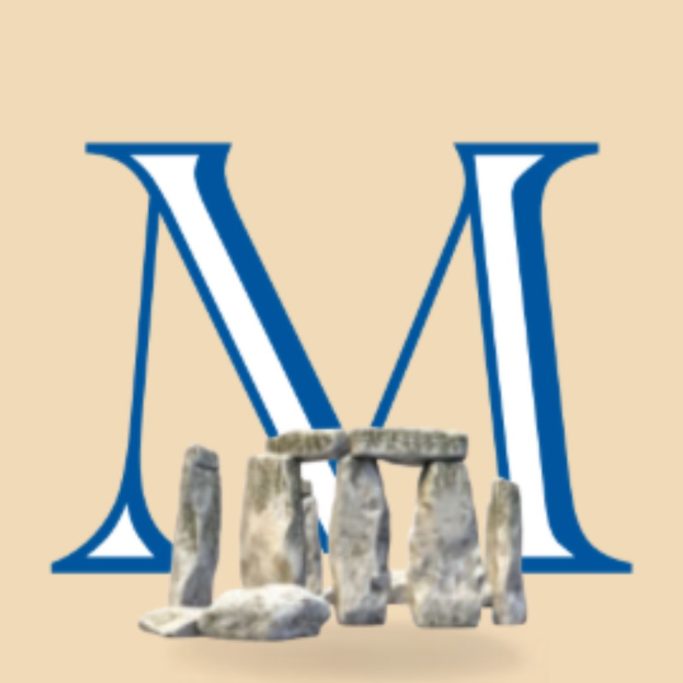
M is for Megalithic Structures
We have a few of these dotted around, and Britain would not be Britain without them. And yet, I have never been able to look at any of them in quite the same way since I read the writer Tom Gara, describing what happened when he showed a photograph of Stonehenge to his Egyptian wife. ‘This is pathetic,’ she said. ‘Your ancestors were small and weak.’
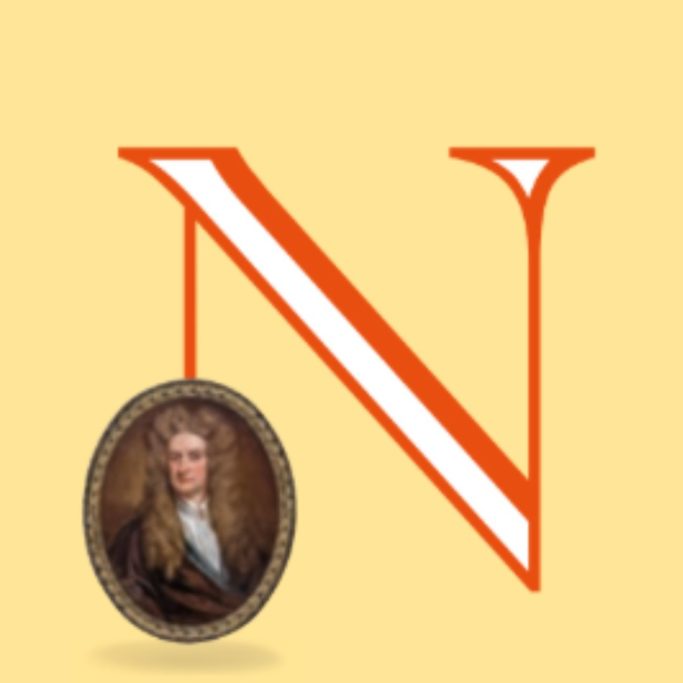
N is for Newton
As in, Isaac, who discovered gravity after seeing an apple fall from a tree in Lincolnshire, and without whom we’d all still just be floating around. Some historians draw a direct line between the Britishness of this discovery to the Britishness of the Industrial Revolution. The tree is still standing, having been put back up after blowing down in 1820. Which is mildly ironic, given the whole gravity thing, but there you go.
O is for Oaks
The quintessential British tree. Apparently there are still about 170 million of them, even though acorns are good for nothing. In our history, they have faced two grave threats. The first is the Royal Navy, which chopped down huge amounts of British oaks from the 16th century onwards, in order to build boats to defeat the Spanish Armada and then to rule the waves. The second, more recently, is moths.
P is for the Political Power Pose
Distinctively British, this is the stance adopted by British politicians on stages, when they stand with their legs extremely far apart, like Wonder Woman did. No other nation’s politicians do this, and nobody really knows where ours got it from. It may be that they feel they have more to prove. Alternatively, it could be a pants thing.
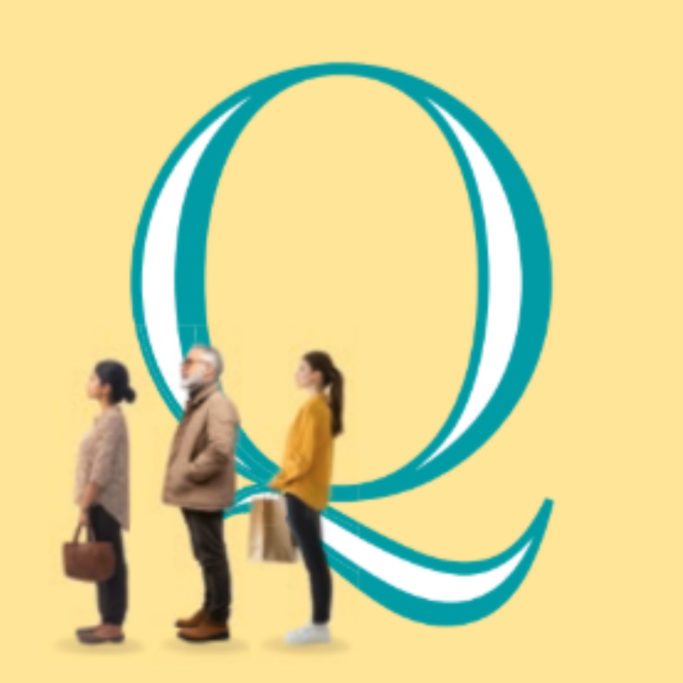
Q is for Queues
Brits really do stand in queues an awful lot. According to a 2023 study, the average Brit will spend about a week of every year in a queue. A poll the same year found that over three-quarters of Brits feel that how one behaves in a queue is an important reflection of one’s character. Funnily enough, though, the one place Brits never queue is in the most British institution of all – the pub. Here, the etiquette is more to sort of mill around. Nobody really knows why.
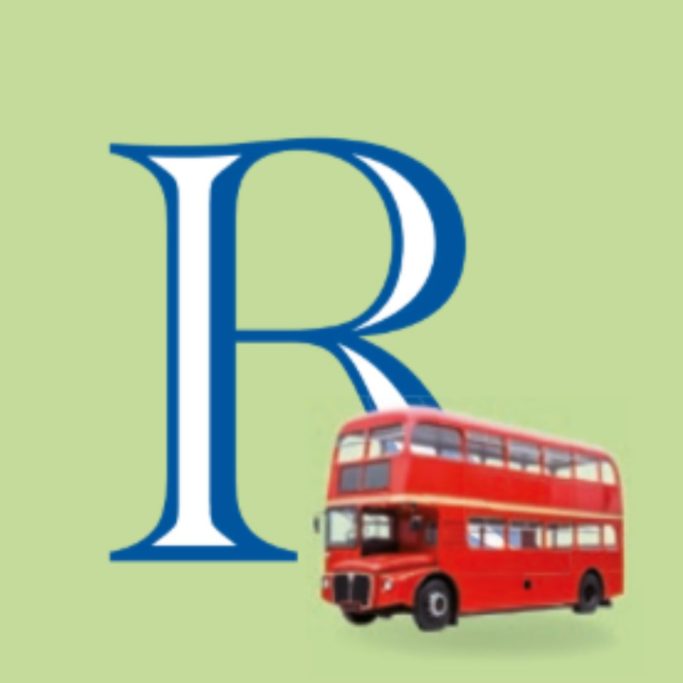
R is for Routemasters
The old Routemaster had an open platform at the back, allowing you to leap on or off at will, usually by means of a distinctive swinging manoeuvre around a sturdy pole. These were phased out in 2005, leading to public outcry and a popular promise from the then mayoral challenger Boris Johnson to bring them back. The new ones, though, had normal doors. This was roughly when British people stopped trusting politicians.
S is for Sorry
The most important word in British English. Deployed with fluency, it can not only mean ‘my apologies’, but also a bewilderingly broad variety of other things including, ‘you’re wrong,’ ‘get out the way,’ and ‘I’m about to say something for which I am not sorry at all’. According to a survey from a couple of decades ago, the average Brit says ‘sorry’ about nine times a day. Sorry, but no. More like nine times an hour.
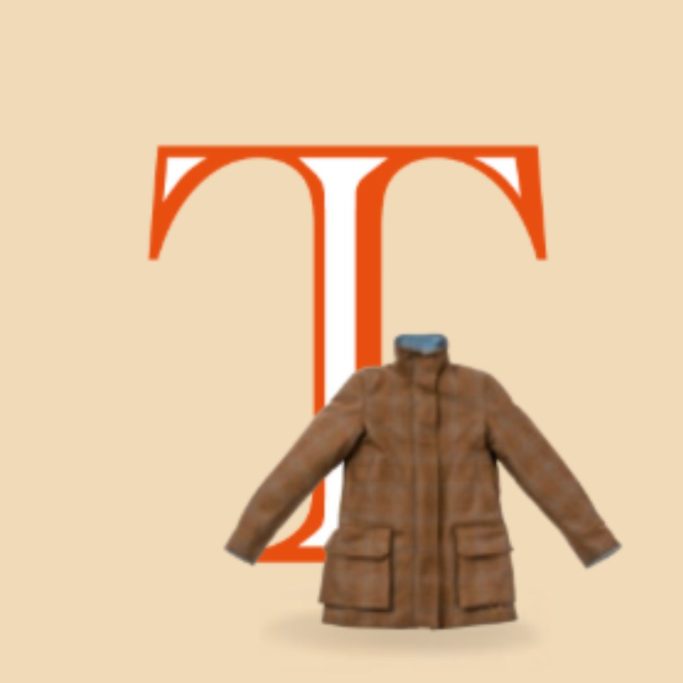
T is for Tweed
A distinctly British fabric developed in Scotland, which is basically what you end up with if you invent rain long before you invent waterproofs. Incredulously, some uninformed foreigners may suggest that extremely heavy clothes made of a fundamentally porous material are actually a fairly impractical thing to wear when water is sleeting from the sky and it’s cold enough to make your nose feel raw. Never let on, but these people are right.
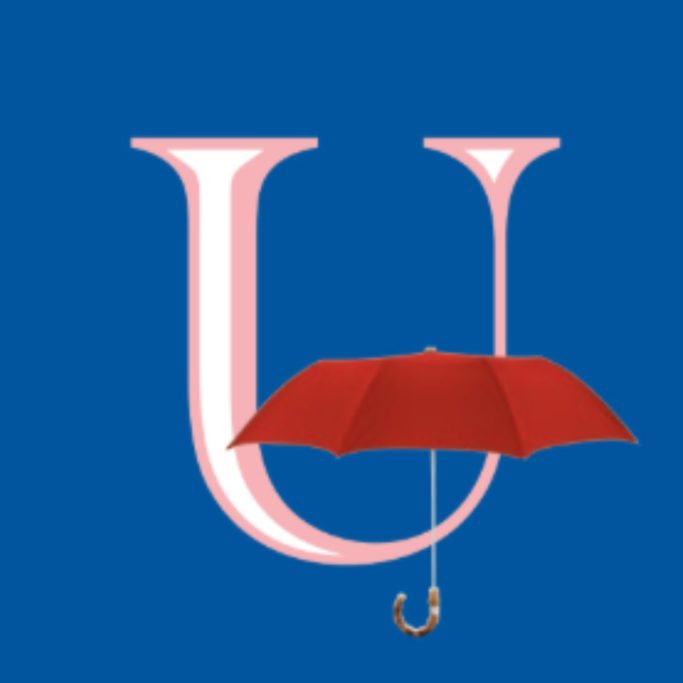
U is for Umbrellas
Along with a bowler hat, a black umbrella was famously part of the uniform of every British gent working in the City of London for at least 100 years. Traditionally they were carried closed, in all weathers. Some time around 1980, the discovery was made that they could actually be opened and used to keep the rain off. Whereupon, for the most part, men immediately stopped carrying them altogether.
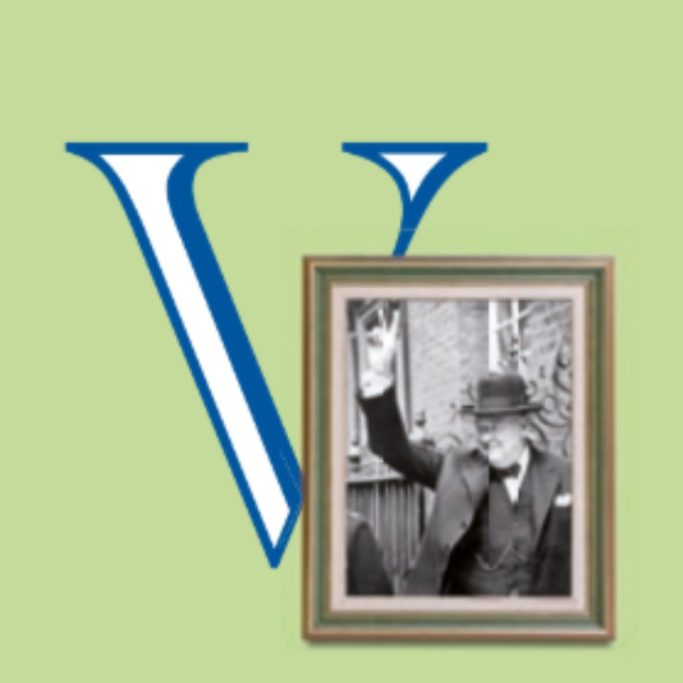
V is for the V sign
Just make sure you get it the right way around. As in, the wrong way around. Churchill was known to do both, probably because he had never heard of punks, but these days there is a vital difference between the forward V (meaning ‘victory’, or for hippies, ‘peace’) and the backwards V which means ‘f*** off’. Recently, it has been under threat from the rival American single raised finger, which must be resisted.
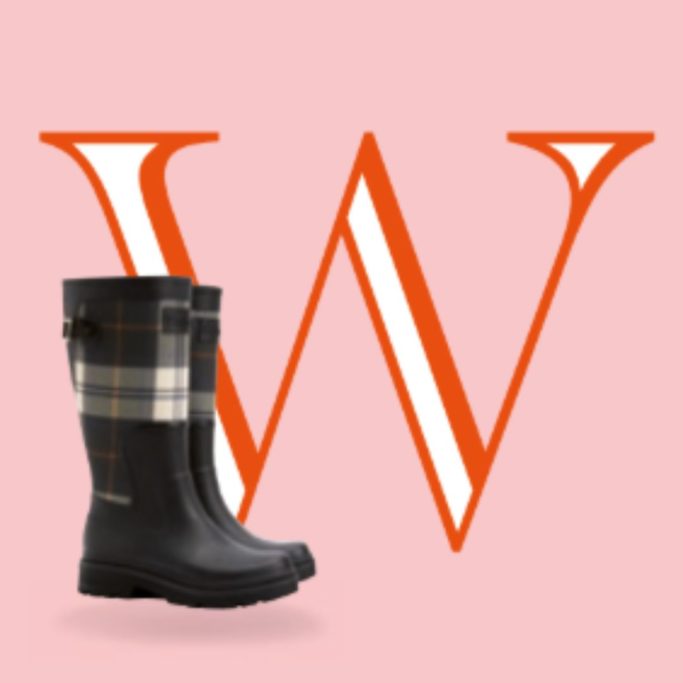
W is for Wellies
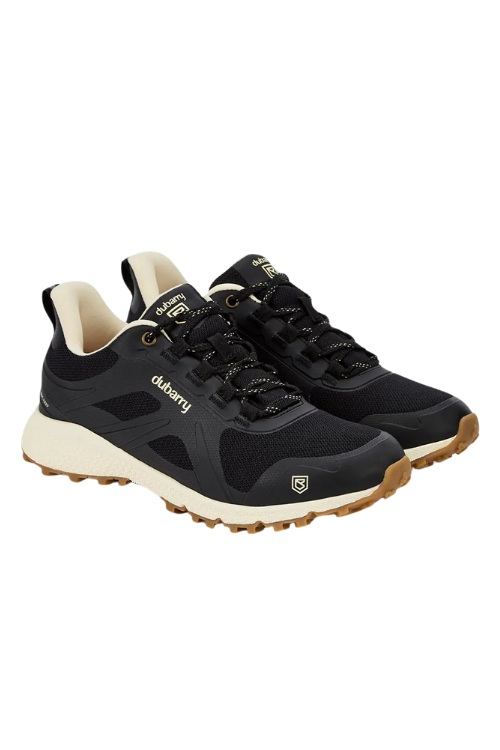
Essential British footwear, linked to our propensity for mud. Nobody knows why Continental Europe has less mud, but it might be something to do with them really going off it a hundred years ago, thanks to the Somme. Traditionally, wellies should be either green or black. The big exceptions here are yellow, which will make people think you’re a fisherman, and white, which will make people think you work in an abattoir.
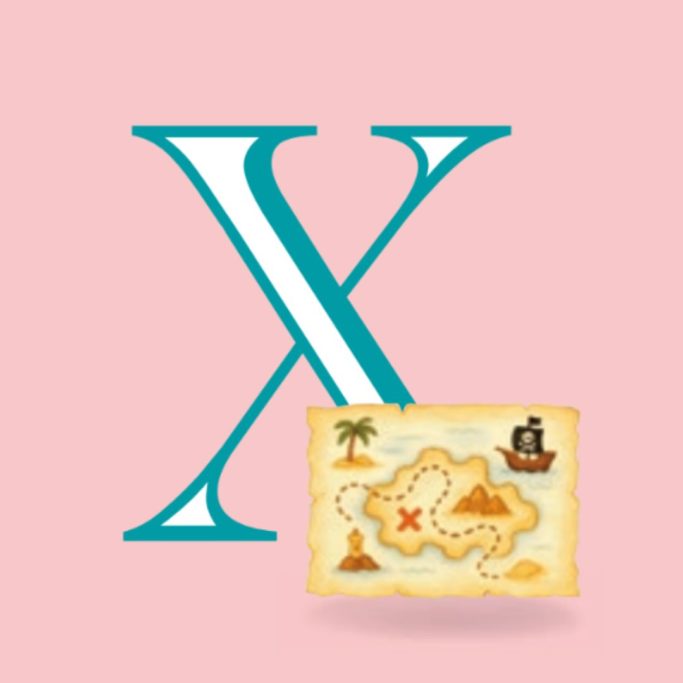
X is for X Marks The Spot
Sorry about this, but it turns out xylophones and X-rays are both German. Who knew? Also, no king or queen has yet had an X, even though there have been 12 Edwards. (The last one was Edward VIII; go figure.) Helpfully ‘X Marks The Spot’ is thought
to have been first used in Treasure Island by Robert Louis Stevenson, and he was from Edinburgh. So that’ll have to do.
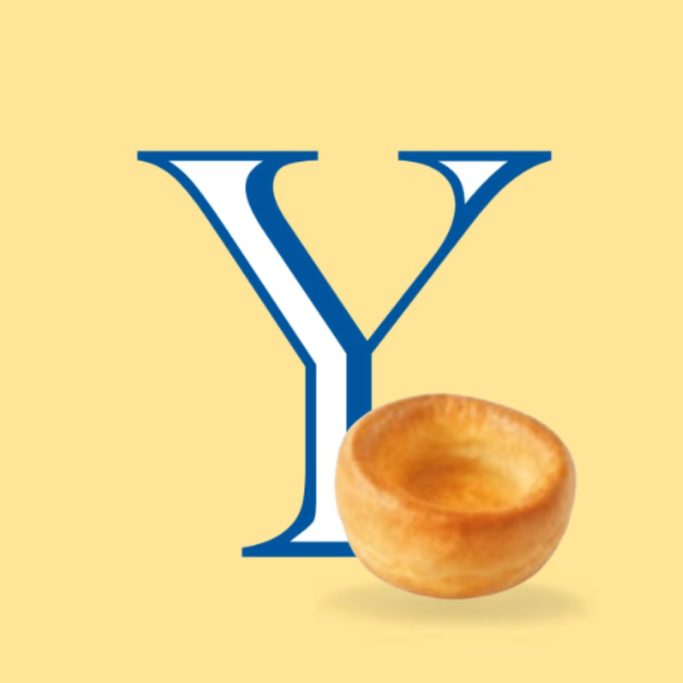
Y is for Yorkshire Puds
The cooking of a Sunday roast can be a surprisingly intricate affair with many moving parts. Generally, the meat is the hardest bit to perfect, followed by roast potatoes followed by the Yorkshire puds, which an ape could make in a blindfold. In terms of pleasure, however, this spectrum very clearly runs inversely. Or to put that another way, all that bloody work, and everybody’s favourite bit is always the easiest. Deeply British.
Z is for Zounds!
A fantastic, forgotten word. You will find it in Shakespeare. ‘Zounds, ye fat paunch!’ says Poins to Falstaff in Henry IV. A contraction of ‘God’s wounds’, it is an exclamation with heft, somewhere between ‘blast’ and ‘bollocks’. How did we let it fall out of common usage? Imagine how confused Americans would be if we started saying ‘zounds!’ again. Zounds zings. Bring it back! Not least because we don’t have zebras.