


Meet One Of The World’s Top Female Winemakers
By
2 months ago
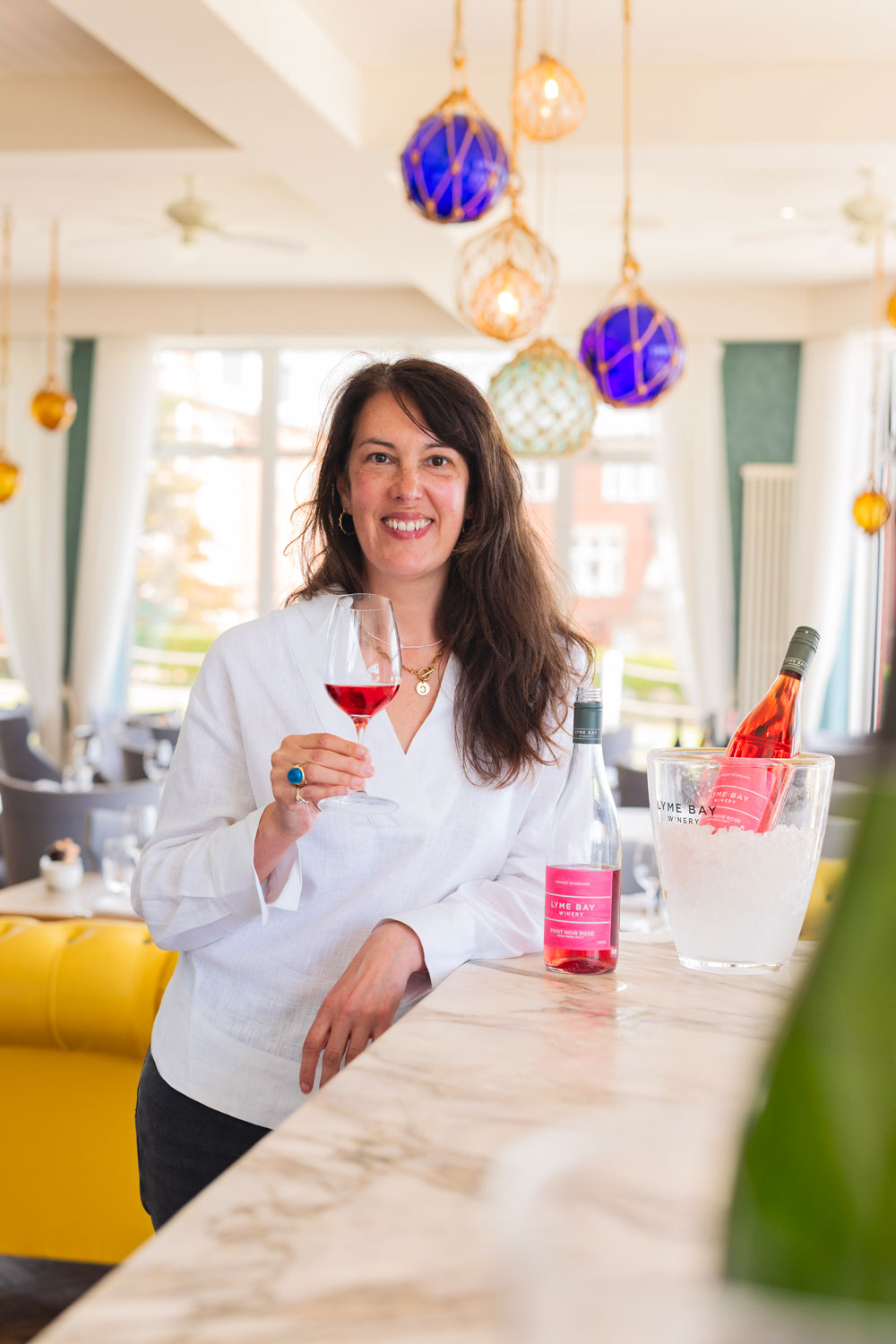
Clem Yates is head winemaker at Lyme Bay winery
The process to secure the title ‘Master of Wine’ – the highest credential in the professional wine world – is notorious. You must pass eight exams and submit a dissertation, and that’s after you’ve already tested into the programme. There are, as of 2026, only 420 masters of wine in the world, and of this, only 155 are women. Clem Yates is one such master, and among very few still that actively makes the stuff, too, as the head winemaker at Lyme Bay winery. We caught up with her to learn more about her career.
Meet Clem Yates, One Of The World’s Top Women In Wine
What’s your earliest memory of wine?
My first real tasting of wine was when a friend of mine organised a Ruinart tasting when we were at university. I was struck by how different all the cuvées were and how interesting the production of Champagne was, but it wasn’t really possible to be a winemaker in England at the time and so it didn’t occur to me that I could use my Chemistry degree to work in a winery.
What was your first experience of winemaking, and what made you realise you wanted to pursue it as a career?
My first harvest was in Australia in 2001, in a tiny winery and vineyard called Botobolar, Australia’s first certified Organic vineyard, located in Mudgee, NSW. I remember being so happy that someone would pay me to help make wine. I helped process the grapes, 100 tons in all, and worked in the basic lab doing analysis. It was very physical but I loved that each day was different. And Shiraz grape juice is delicious.
What does a day in the life of a winemaker look like?
It depends on the time of year but you are usually up early. We have a small team at Lyme Bay and we will have a quick meeting to discuss the day and then we are all out loading the presses if it’s harvest, usually by 7am. I then spend most of my morning in the lab, tasting through wines, ferments and looking at analysis. Tank planning is a big part of the job and like a jigsaw puzzle, trying to fit all the wines into their perfect tank and blending to preserve as much quality as possible.
We will then have lunch as a team, sometimes I will try and surprise them with a wine to taste, so that we are learning about other wines, styles and quality. Straight after lunch we are loading the presses for a second time. I will also be talking to our growers about when to pick the grapes and help co-ordinate the intake of grapes so we maximise our processing capacity but always thinking and worrying about what could impact the final quality of the wine. Towards the end of the day we start planning the next few days; it’s truly a team effort throughout the year.
And how does it affect your taste in wine? Does it make you bolder picks, or do you appreciate the classics more?
I have a very technical palate, which means I can pick up wine faults very quickly, but I try to be as open minded as possible to the wines that I taste. I love learning about wine and it’s such a vast topic that you will always be surprised by something. I try to taste as wide a variety of wines as possible, though, across prices, origins and wine styles with the aim of expanding my knowledge and experience as a winemaker.
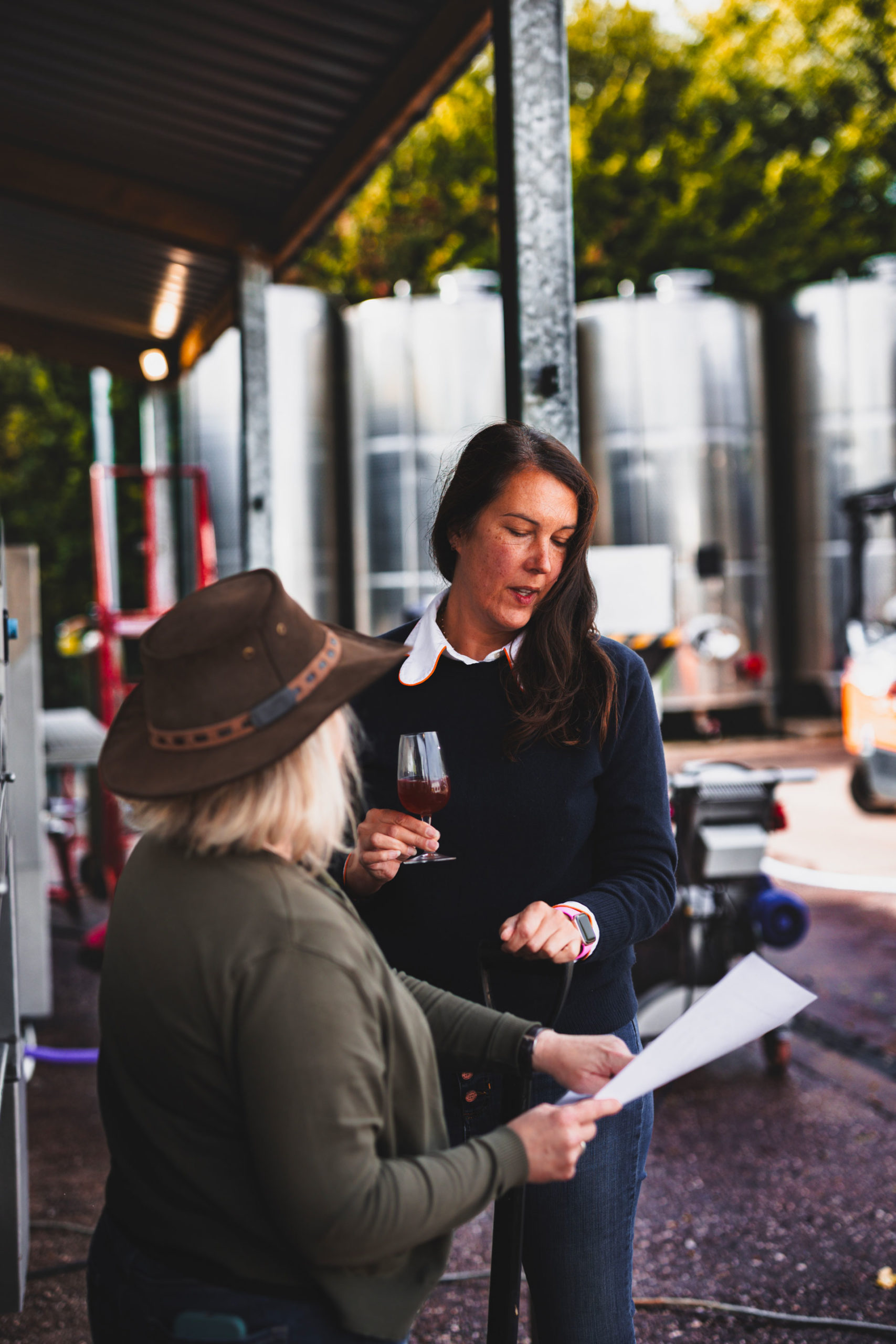
Clem Yates at work. Photography by Nick Hook.
Tell us about studying for the Master of Wine – notoriously hard – how long did it take you to get there and what went into it?
It was one of the hardest things I have ever studied for. I am lucky in that I passed the exams first time and so it didn’t take me that long, but I sacrificed going to parties and some weddings the year of the exams. I worked full time, so I had to study on weekends and the week before the exams, I spent 12 hours a day revising. I was committed to giving it my best shot and thankfully the hard work paid off.
Have you spotted any recent trends or changes in what wine drinkers want? Are they seeking novelty?
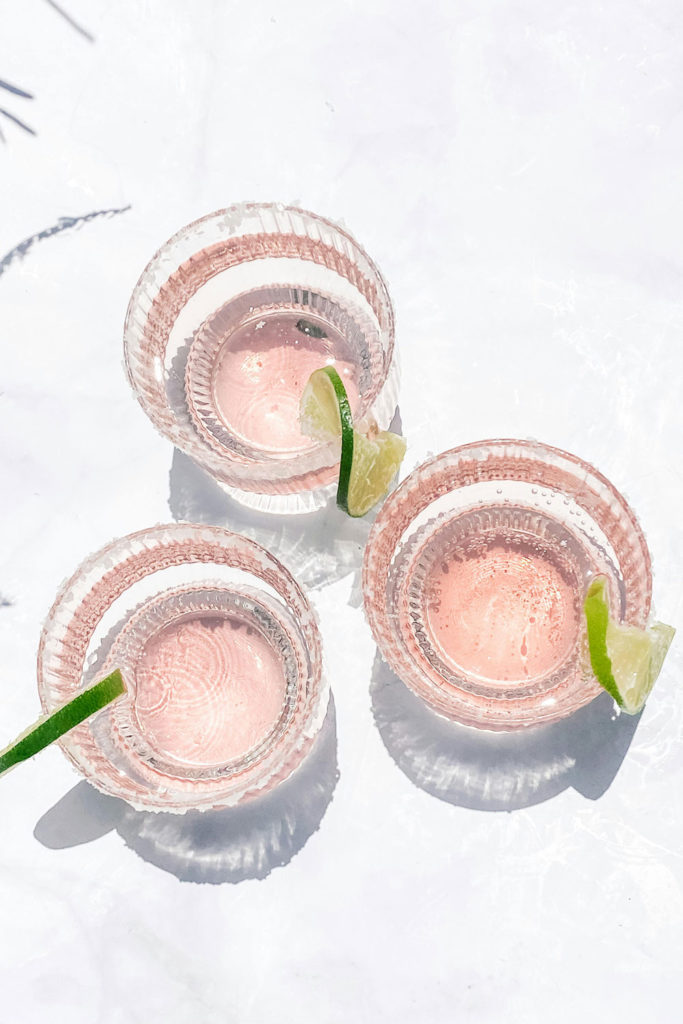
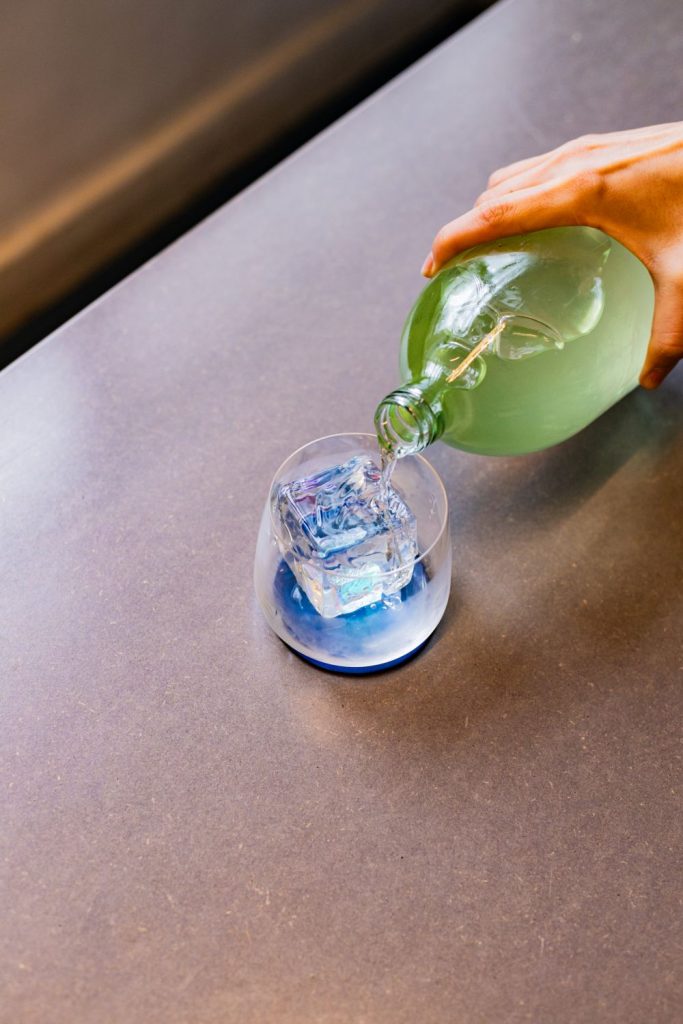
I am noticing an increase in wine-based cocktails, as well as smaller can formats. I think this is great for broadening the appeal of wine to more people; the category in the UK is complicated by the huge number of wines you can buy, which can be quite confusing if you don’t know much about wine. I’m seeing wine-based cocktails like Mirabeau rosé and Fever-Tree Spritz, Aperol Spritz To Go with sparkling wine and M&S Elderflower & Mint Hugo Spritz, all made with white wine. By combining familiar brands with cocktail flavours and using a single serve can format, there’s so much less risk to the consumer purchasing one – it’s not such a big cost if they don’t like it.
You’ve worked across Australia, France, California and now England. Did the culture around being a woman winemaker differ noticeably from place to place, or has it been fairly consistent?
The culture differs hugely from place to place, but I have worked with some great people who have helped me throughout my career and some of the greatest winemakers in the world are female, for example, Helen Turley and Susan Bilbao.
Is there still a big gender imbalance in wine, production, buying, criticism and ownership?
We have a very balanced team at Lyme Bay Winery, three females and two males on our permanent winery team. Now the wine industry has much more equality and inclusion than it did 30 years ago when I started.