


Could The Green Mediterranean Diet Be The Key To Longevity?
By
12 months ago
This science-backed style of eating is gaining traction
The Mediterranean diet has long been viewed as the gold standard for health, but new research suggests an offshoot could be even more beneficial. Say hello to the green Mediterranean diet, which scientists are saying offers extra perks for brain function and may even help us live longer.
What Is The Green Mediterranean Diet?
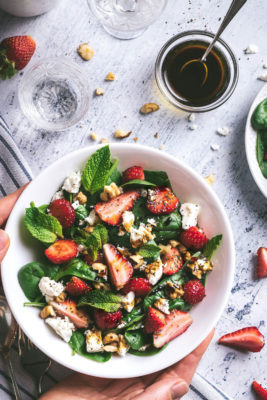
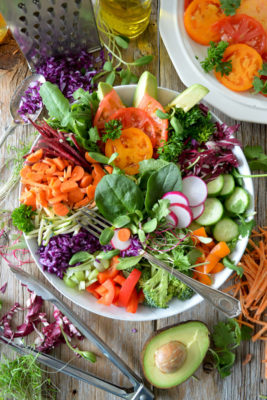
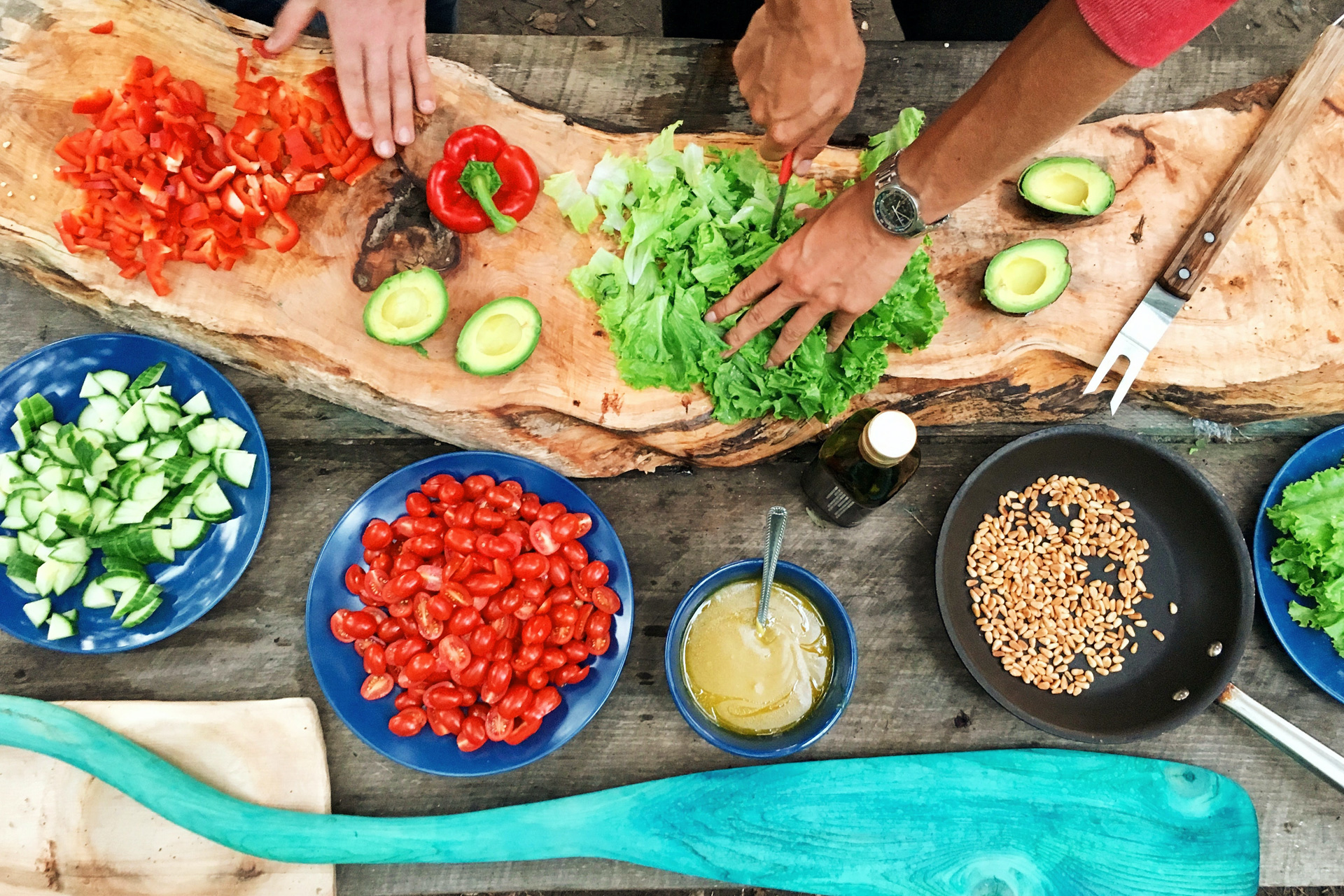
Far from a fad, the Mediterranean diet has been followed for centuries by people living in European countries including Spain, France and Greece. Rather than following a strict set of guidelines, it’s more of an approach to eating which involves consuming whole foods: lots of fruits, vegetables, nuts and seeds, as well as moderate amounts of fish and white meat. Food groups aren’t banned, but ultra-processed food is generally limited, as are foods containing a high amount of saturated fats.
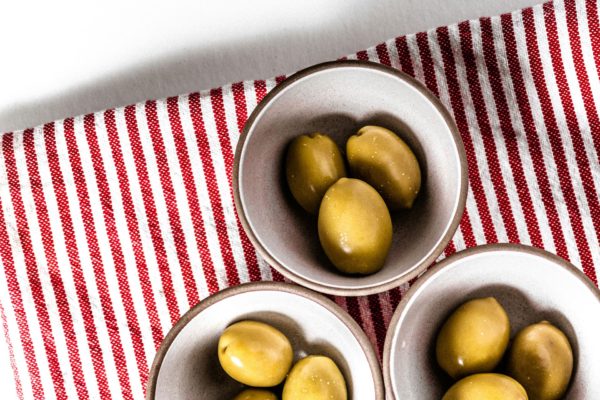
The green edition – which is increasingly being explored by scientists – is not hugely different from the original, but it involves a few tweaks. As nutritionist Rhiannon Lamber explains: ‘The green Mediterranean diet (Green-Med) is an amplified version of the traditional Mediterranean diet that emphasises plant-based, polyphenol-rich foods while further reducing red and processed meat. It includes all the core components of the classic Mediterranean pattern, such as fruits, vegetables, whole grains, legumes, extra virgin olive oil and nuts, but adds specific high-polyphenol foods like green tea, walnuts, and Wolffia globosa (also known as Mankai, a plant-based protein source).’

Pexels
What Are The Benefits?
There’s an abundance of research demonstrating positive benefits of following the Mediterranean diet. A landmark study from the 1950s found people living in the Mediterranean had lower rates of cardiovascular disease than other parts of the world, with scientists crediting diet as a key factor. More recently, research has focused more on brain health. A 2023 study linked the Mediterranean style of eating to lower rates of Alzheimer’s, while another found it has a positive impact on the gut microbiome, which is pivotal to overall health and particularly connected with cognitive function and mood.
However, the green Mediterranean diet may be even more impactful. ‘The Green-Med diet has been investigated in the DIRECT-PLUS randomised controlled trial series,’ explains Lambert. ‘Evidence from these studies indicate that the Green Mediterranean Diet could offer several health benefits, such as reductions in visceral (abdominal) fat and improved lipid profiles (lower LDL and higher HDL cholesterol). The Green-Med diet may also enhance gut microbiome diversity and increase the abundance of bacteria that produce short-chain fatty acids (SCFAs), which are linked to lower inflammation and improved metabolic health.’
One of these studies, published in Genome Med in 2022, delved deeper into how these small ‘green’ tweaks affect the gut microbiome. Across an 18-month period, scientists tracked 294 participants with abdominal obesity, splitting them into three groups, each following one diet: standard ‘healthy dietary guidelines’, the Mediterranean diet, and the green Mediterranean diet. They found both of the latter resulted in significant changes to the gut microbiome, with the green version leading to ‘more prominent compositional changes’.
Researchers also measured proteins in the participants’ blood, finding that two proteins (Galectin-9 and Decorin) associated with brain ageing were reduced in those who followed the green Mediterranean diet.
Anat Meir, PhD, a postdoctoral research fellow at Harvard Chan School and co-lead author of the study, says this ‘gives us a dynamic window into brain health, helping to reveal biological changes long before symptoms may appear’. She adds: ‘By mapping these protein signatures, we gain powerful new insight into how interventions, such as diet, may help preserve cognitive function as we age.’
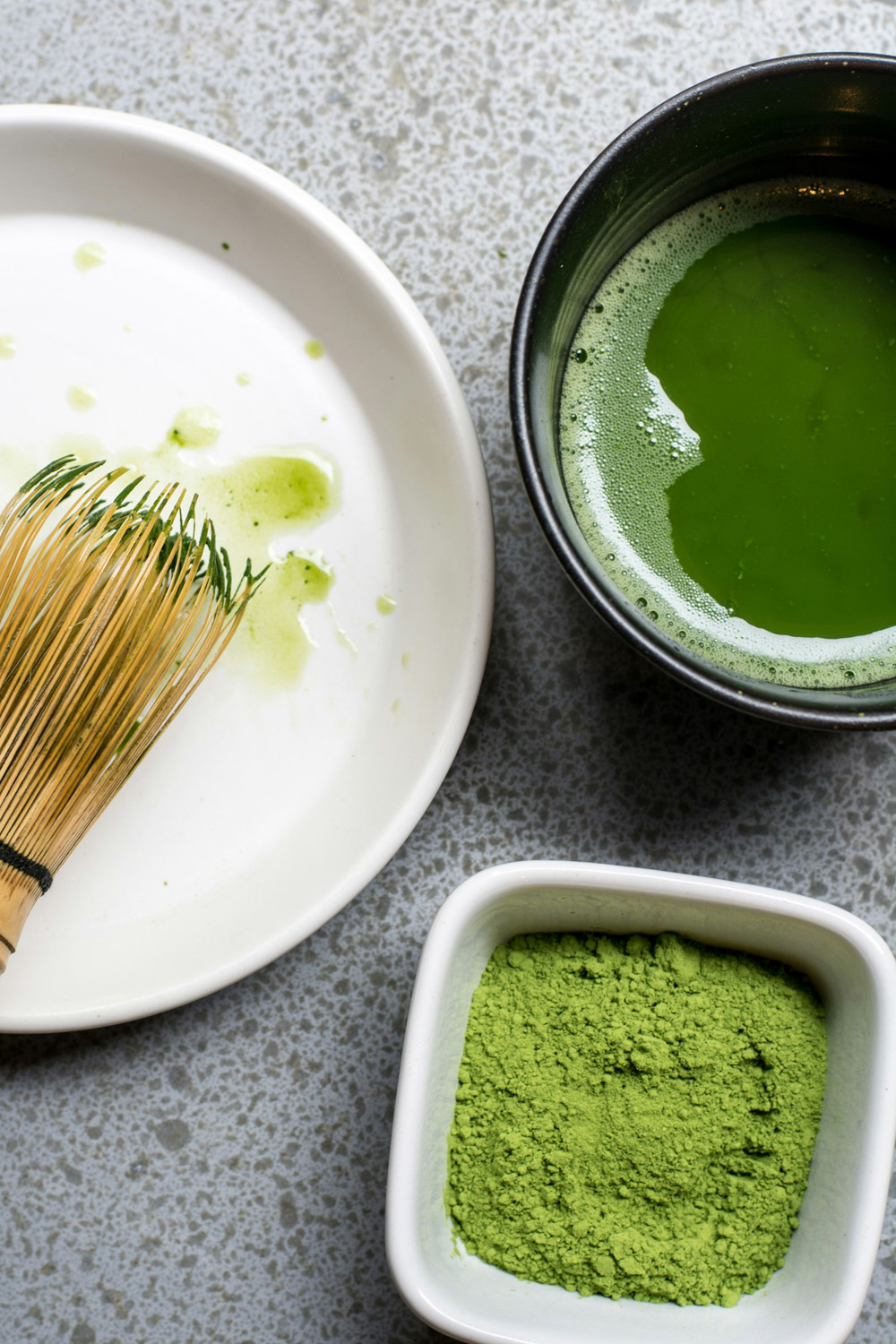
Mankai, normally sold as a powder, is thought to be especially beneficial. A type of duckweed known scientifically as Wolffia globosa, the plant is a complete protein – meaning it contains all nine amino acids – which can be tricky to find outside of meat. It also contains an impressive 200 polyphenols, which provide anti-inflammatory and antioxidant effects, as well as vitamin A and zinc, two nutrients known to lower risk of illness. Plus, it’s a source of vitamin B12, which is important for keeping blood and nerve cells healthy.
Green tea, too, is a nutritional powerhouse. Not only is it also high in polyphenols, science suggests drinking it could lower your risk of heart disease, boost cognitive function, and help slow ageing – with a 2025 study finding two to three cups a day could help prevent dementia, particularly in men.
How To Follow The Green Mediterranean Diet
‘Adopting the green Mediterranean diet involves following the main principles of the traditional Mediterranean pattern while placing additional emphasis on plant-based, polyphenol-rich foods and limiting red and processed meats even further,’ says Lambert. If you can’t find mankai in the shops, she suggests substituting for soy-based foods like tofu, tempeh and edamame, which all provide all the essential amino acids, as well as legumes including chickpeas and beans. ‘If seeking foods with polyphenol and antioxidant content comparable to mankai, options such as green leafy vegetables (spinach, kale, watercress) and seaweeds (such as nori or wakame) offer diverse phytonutrients and minerals,’ she adds.
Lambert’s other top tips include:
- ‘The foundation of daily meals should centre around fruits, vegetables, whole grains, legumes, nuts, seeds and extra virgin olive oil.
- Protein intake should prioritise plant-based sources, such as lentils, chickpeas, beans, tofu, tempeh, and edamame, along with moderate amounts of fish, eggs, and poultry.
- Red and processed meats are limited to occasional consumption.
- Enjoy fermented foods like live yoghurt or kefir to promote a diverse gut microbiome and to flavour meals with herbs, spices, garlic, and lemon rather than salt.’
But it’s not just about what’s on your plate. Lambert stresses that adopting this diet is about incorporating sustainable lifestyle changes, such as cooking at home with whole food ingredients, eating mindfully, being physically active and maintaining social connections around food.
Rhiannon Lambert is a registered nutritionist and the founder of rhitrition.com. Her latest book, The Fibre Formula, is available for pre-order now (out 12 March 2026).