



Cocktail King Mr Lyan Shares His Top Festive Hosting Tips
By
2 months ago
Party like a pro this Christmas
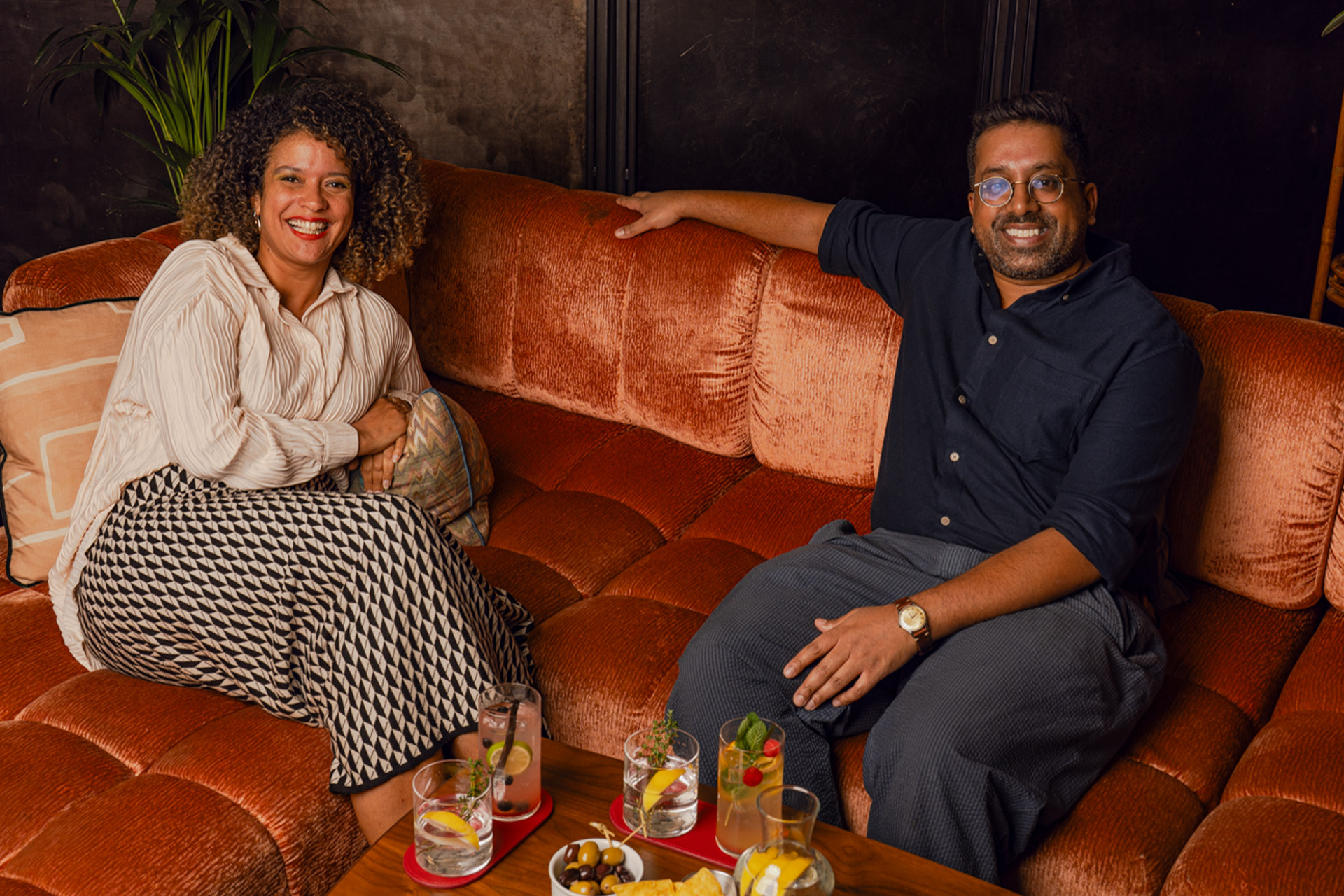
If anyone knows how to throw a good party, it’s Ryan Chetiyawardana. Under his moniker Mr Lyan, the cocktail maestro has spent the past 20 years honing his craft, bringing his pioneering drinks and fun spirit to a string of London bars. First came White Lyan, a low-waste cocktail joint in Hoxton, followed by Dandelyan, Cub and the two latest: Lyaness at the Sea Containers hotel and Seed Library in Shoreditch. Chetiyawardana has scooped up a string of awards along the way, earning a reputation as one of the world’s greatest bartenders while also making big strides in the low-waste movement – bringing learnings from his studies in biology to mixology to create innovative, almost scientific drinks.
Ahead of silly season, we caught up with Mr Lyan to steal his festive hosting hacks, which he has explored in his latest campaign with Diageo, including his go-to cocktail recipes and common pitfalls to avoid.
Mr Lyan On How To Host The Ultimate Christmas Party
When did you first become interested in cocktails?
When I was working in a kitchen, I found the disconnect from talking to people very strange. My oldest friend rather flippantly said, if you want to work with flavours and stories, but you want to talk to people, why don’t you go and work in a bar? I went and did that, and I absolutely fell in love with it: the energy of being in the bar, the way that you’re looking after people, interacting and working with flavours.
What was the first cocktail you learnt to master?
It was the margarita. At the first bar I worked at, in Birmingham in 2002, it was a very different landscape and we were trying to encourage people around the wonders of tequila. For a very simple cocktail, there’s a lot of skill in making a solid one.
What makes a good host?
To me, a good host is simply about consideration. It needs to feel personal. When you’re going to somebody’s house you want to be able to get an insight into their thoughts, their preferences. But it’s also that idea of just everything feeling taken care of – the conversation flows, the memories you form feel much more considered, because you’re not having to focus on the practical elements. A good host to me is somebody who has just thought of the details. They’ve cared about it. They’ve made you feel welcomed and looked after.
What are your top tips for mindful hosting?
It sounds so simple, but having those little bits in place is massive. Laying the foundations to get everything stress-free – putting in layers of prep means you’re not running around and spending time in the kitchen instead of with your friends. Being able to focus on the flavours of the season makes a big difference as well, they tee up that sense of cosiness. And being able to fold in things that feel personal to you. It’s great when you go to somebody’s house and you’re like, this person’s folded in this spice mix from their travels.
What are the key downfalls people make when making cocktails at home?
There are a couple of things that people often overlook – things like getting ice together for drinks. And you’ll go to somebody’s house and you realise that you haven’t had a glass of water in a while, so you’re dehydrated, and it hasn’t helped you pace the evening.
The key is trying to think about the occasion in a detailed way. If you’ve got a big group of people arriving, trying to shake up margaritas for a big group of friends is a nightmare – you are literally trapped in the kitchen. Having something like a punch or a highball station makes life so easy. And then a similar way, if you’ve got something a bit more intimate, have a drink that works alongside food and is a little lower in ABV so it doesn’t knacker your palate.

Unsplash
What’s your go-to Christmas drink?
I love doing something with bubbles – so a base of something that you can top up. It’s a little lower in ABV, and you want something where you’ve got it ready, you can hand somebody a glass and top it up and it’s done. That’s a secret hack.
Favourite festive nibbles to make?
I want a variety of things because usually you’ve got different palettes coming together. And it’s the beginning of the evening, so you don’t want anything too heavy. My all time favourite ingredient – both in drinks and food form – is anchovy. I love being able to kind of serve things that are a little salty, a little bit rich, those kinds of little snacks. Or something that feels festive, like vol au vents or sausages wrapped in bacon.
What are your NYE traditions?
People often go too heavy on New Year’s Eve, both from a food and a drink point of view. The years I lived in Scotland, I loved the Hogmanay traditions – it’s a family affair, it flows into celebration, but it’s much more lightly paced. I’ll spend New Year’s Eve in the bar. We’ll have a punch, and it’s all about snacks you can share.
What’s your go-to non-alcoholic cocktail?
A punch with a non-alcoholic base. I mix Seedlip with some apple, topped with either kombucha or tea, alongside a bit of cordial and some spice. It’s quite zesty but it’s got a lot of aromatics, it doesn’t feel like you’re drinking juice, it’s not sugary.
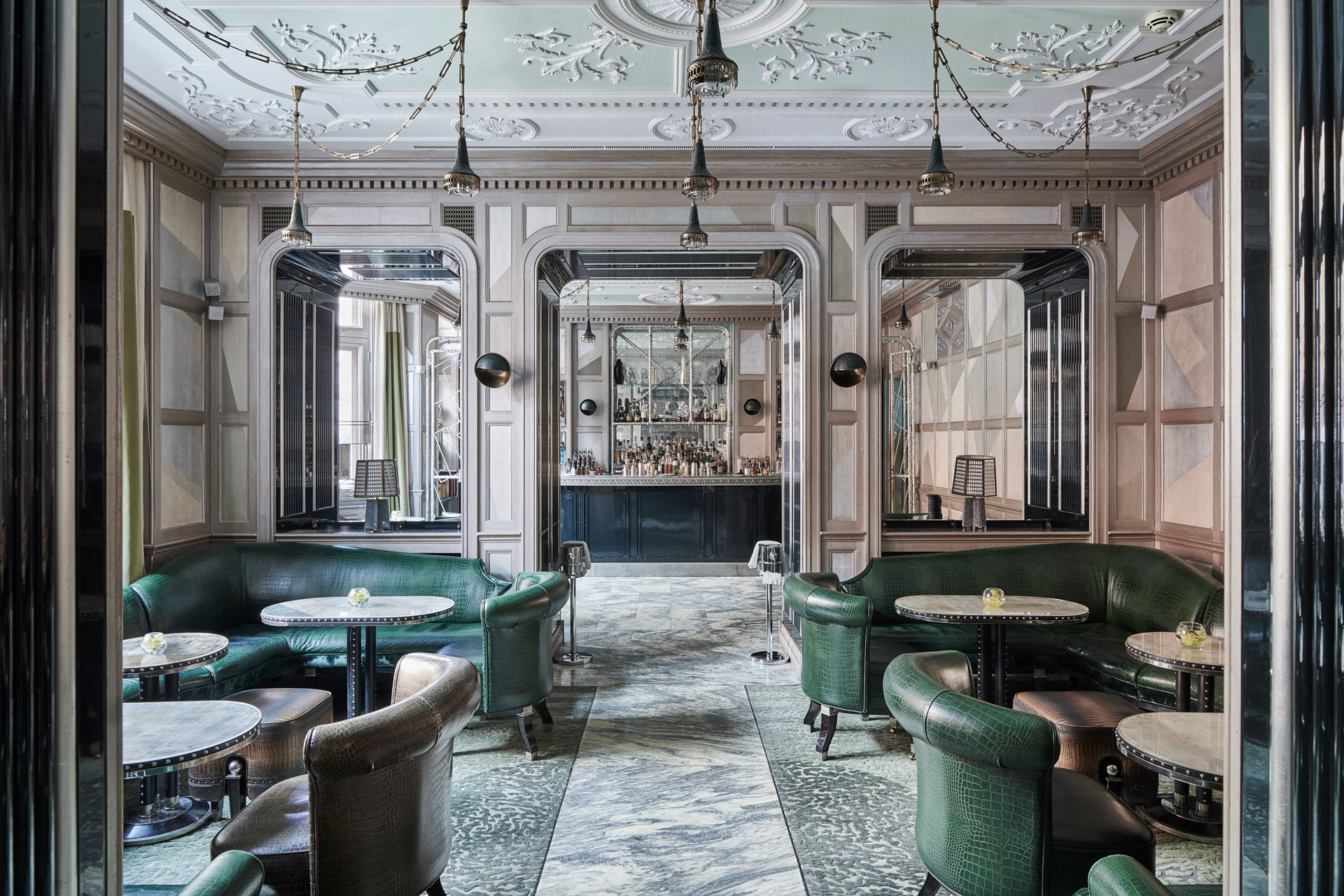
Connaught Bar
Where would you go for a Christmassy cocktail in London?
If you want to feel festive, go to a hotel bar – The Connaught, Dukes, Claridge’s, or even Side Hustle [at The NoMad] which isn’t traditional but you feel a million bucks. Or Dram Bar in Soho for a delicious whisky.
Which city has the best cocktail scene in the world?
The scene in Sydney, where you have unbelievable ingredients, you have a natural culture of hospitality, and such a diversity of bars is very excellent. But London is the greatest food and drink city on the planet. The diversity that’s here, the access to ingredients, the quality of homegrown ingredients, the passion, the quality of talent is unsurpassed.
Where do you find your inspiration for cocktail making?
Some of it can come from an ingredient point of view. Sometimes you’ll discover something new, particularly when you’re on travels, and you come across something that feels distinctly different to what your experience is. And that’s exciting, because you can do a deep dive into the facets of the flavour.
But actually a lot of the rest of it comes from: how do we tell a story around something? Connecting the context, because not everybody is a geek on flavour. This is the reason why we love working with great spirits – they have amazing stories behind them. We don’t use them in a generic way. It’s always about pulling out the particular flavour idiosyncrasies, but it’s also the story of where they’re from. For example, as a single malt from the West Coast of Scotland, if you tell the story of the West Coast, the landscape and the ruggedness, you’re able to connect them to things that they actually do relate to.
What tips do you have for cutting waste in the kitchen?
A lot of my journey into that world was from being a biologist and thinking things should be cyclical. That’s the way that nature works. Also, when you don’t have loads of money growing up… my mum was so inventive, nothing would just be thrown away. It was this consideration, respect for ingredients.
If you apply that problem solving to things that you encounter, you realise that all of those bits that you end up throwing away, you can actually find a different application for them. If you start noticing the stuff that you throw away, just try and think about where they can get folded into something else. It might just simply be brewing a tea so you’re getting the flavours out of it. The magic is teaching people that it’s not difficult to get started. Even if you just start with getting a compost bin, that’s a massive change. Start to frame it as an opportunity, rather than something to ignore.
Find out more about the campaign at diageo.com