


Is Oudh 1722 London’s Best New Indian Restaurant?
By
2 months ago
Inside Aktar Islam's latest opening
Ina Yulo Stuve test drives Aktar Islam’s debut restaurant housed in a three-storey Victorian townhouse in Borough
First Sitting: Oudh 1722, Borough
During the Industrial Revolution, Birmingham earned itself the nickname ‘The City of a Thousand Trades’, a reflection of the grit and innovation that was flowing out of this West Midlands metropolis. After World War II, a wave of South Asian migrants arrived in the city to support Britain’s labour shortages, and today, Birmingham has one of the largest populations of Indian, Pakistani, and Bangladeshi residents in the country. Unsurprisingly, the city’s food culture has been largely influenced by the flavours and dishes of South Asia, with one man’s name leading the charge: Aktar Islam.
Born and raised in Birmingham to Bangladeshi parents, Islam grew up in the kitchen of his family’s restaurant before branching out and opening his own dining destination at the tender age of 21. The crown jewel of his career, however, comes in the form of Opheem, a fine dining restaurant where he challenges the traditional British view of Indian cuisine. Opheem eventually became the first two-Michelin-starred Indian restaurant outside of London, turning Islam into one of the most prominent Brummie chefs in the country. This year, he decided to head south and take on the British capital with a concept still largely under-represented in the UK: Awadhi cuisine.
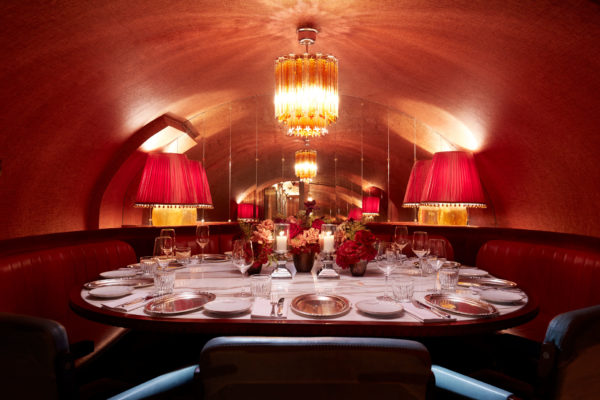
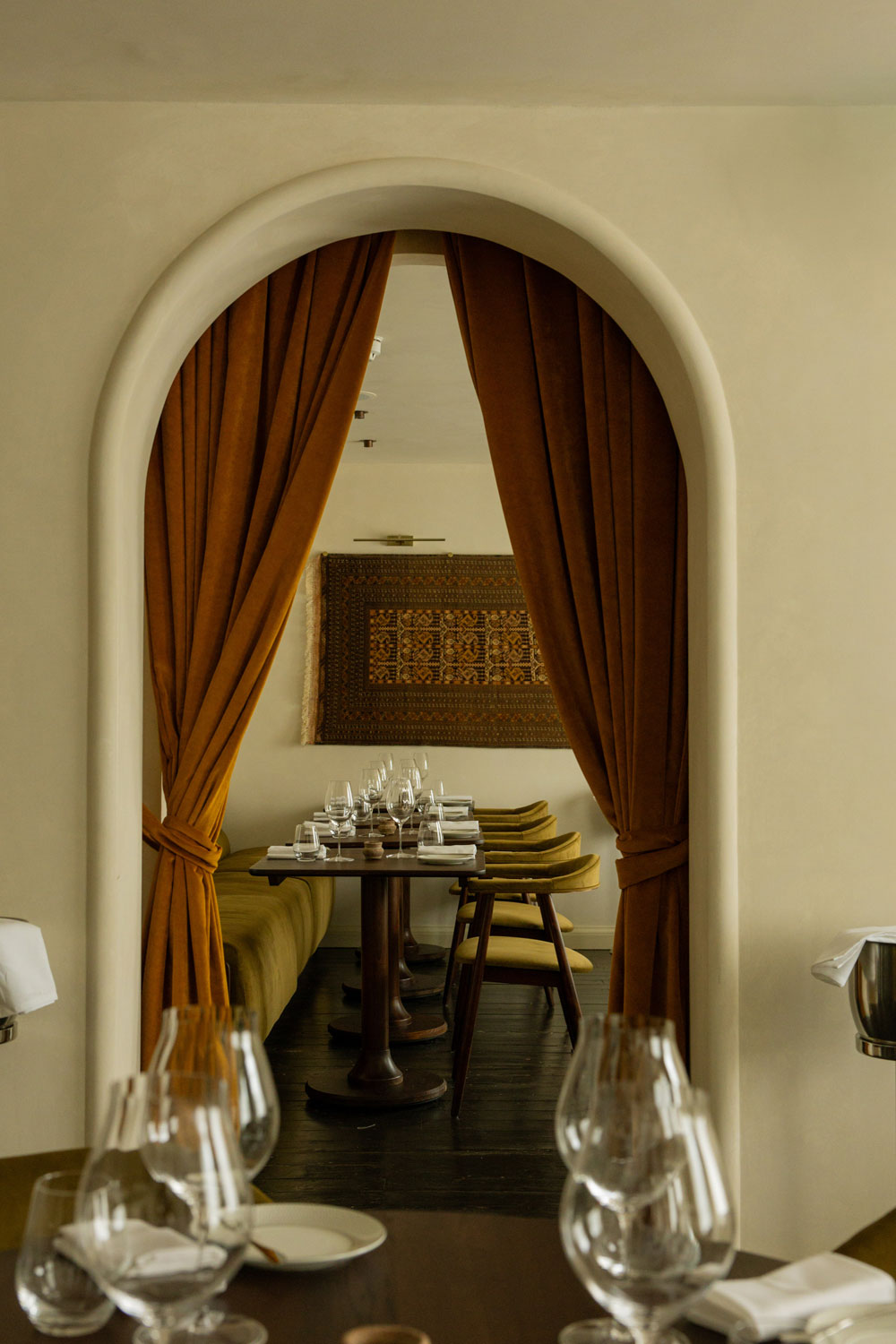
Over the past couple of years, Borough has seen a rise in new restaurant openings, drawing Londoners and tourists alike to creative new dining options outside the confines of the famous market. Situated inside a charming three-storey listed Victorian townhouse on Union Street, Oudh 1722 is Islam’s love letter to the distinct spirit of Lucknowi culture. ‘While many are familiar with regional street food or Punjabi-style curries, the courtly elegance of Lucknow is rarely given the dedicated platform it deserves. Bringing Oudh 1722 to life is about honouring those centuries-old techniques while pairing them with exceptional British seasonal produce,’ Islam tells Country & Town House.
We visit the bustling restaurant on a warm, summer day. The dining room is already filled with a lunchtime crowd that’s a mix of business folk and casual diners, all enjoying a glimpse of the chefs at work inside the open kitchen. Upstairs there’s a quieter dining space for more intimate meals, while the top floor is reserved for the restaurant bar – a cosy drinking den where exposed brick and colourful tapestry cocoon guests as they sip on thoughtfully-concocted cocktails like a punchy margarita with mango chutney; or a smoky whiskey with pops of citrusy timur pepper, sweet raisin, and lemon. For the tee totallers, the lemon sharbat makes for a refreshing choice.

Though Islam describes the food at Oudh 1722 as ‘refined, indulgent, and evocative,’ he’s also clear that he wanted to create a different experience to Opheem. Instead of a more formal tasting menu, the food at Oudh 1722 is presented as an approachable, shareable a la carte offering centred around biryanis, unctuous kebabs, and meats cooked slowly over a gentle fire. ‘Awadhi cuisine originates from the royal court kitchens of 18th century Lucknow, where the Nawabs elevated dining into an extraordinary art form,’ explains Islam. ‘It is defined by patience, restraint, and subtle aromatics rather than explosive heat. Signature techniques like dum pukht (slow cooking sealed pots over a low fire) and the creation of ultra-tender, melt-in-the-mouth gilawat kebabs allow complex layers of saffron, rose, cardamom and clove to emerge gently.’
Throughout our meal, we were presented with dishes that seemed familiar, yet we were floored by the magical ways Islam managed to coax different flavours out of each ingredient. Crunchy lentil pappads with varied textures and colours arrived with a selection of chutneys, each one more complex than the previous (we kept this deceptively simple dish on our table for longer than normal because we kept dipping in and finding new flavours each time).
The traditional North Indian street food snack, gol gappa, is a pop-in-your-mouth one-biter, filled with spiced potato, moong, and a minty jaljeera broth, while the gilawat lamb kebab takes Herdwick’s finest and transforms it into a rich and creamy spread that’s perfectly paired with roti. Lamb makes its way yet again into a Nihari stew made with lamb neck and a hearty bone marrow sauce; and then we have the dish I have not stopped thinking about, the malai murgh, a whole free-range chicken leg (claw and all) sits in a creamy bath with a moreish interplay of flavour thanks to a combination of cumin, cardamom, and nuts. My only regret was being too full for dessert, but I’ve already booked a table for this week and am eyeing the chocolate chikki with peanut ice cream.
THE FINAL WORD
Oudh 1722 may be a new player in the London food scene, but it has already become a firm favourite for many a gastronome. ‘Lucknowi culture and cuisine is something that has fascinated me for decades. We crafted Oudh 1722 specifically for how I believe people love to dine in London today: seeking depth, storytelling, and authenticity in characterful spaces,’ Islam says. With a stunning space, welcoming service, and a menu that continues to surprise diners at every turn, the award-winning Brummie’s first foray into the capital will no doubt have his fans captivated and coming back for more.
BOOK IT