


A Sommelier’s Guide To Orange Wines
By
3 months ago
Which labels deserve a place on your table this summer?
Orange wine may be enjoying a moment, but there is very little about it that’s new. Long before the rise of natural wine bars and Instagram-worthy bottle shops, winemakers in Georgia were fermenting white grapes with their skins over 8,000 years ago, producing the earliest version of what we now know as orange wine.
Its recent resurgence has seen orange wine move from niche curiosity to a restaurant staple, championed by sommeliers and natural wine advocates alike. But despite its popularity, it’s still one of the most misunderstood styles on the wine list.
To demystify the category, we asked some of the UK’s leading sommeliers to explain what orange wine actually is, how to choose a bottle, and which labels deserve a place on your table this summer.
What is Orange Wine?
Made from white grapes and not, as you would be forgiven for thinking, oranges, winemakers ferment the crushed grapes, alongside their skins, seeds, and sometimes stems, instead of pressing white grapes and immediately removing the skins.
‘The easiest way to think of it,’ explains James Clark, sommelier and owner of Edinburgh’s Sotto, ‘is that they use white grapes, but made in the style of a red wine. This means that after the juice is pressed, it spends some time mingling with the skins and pulp, which extracts some colour and tannins.’
How Should You Pick Orange Wine?
Like many wine categories, orange wines span an enormous range of styles, from light, fresh and citrus-led to deeply structured, tannic and aged.
‘Although I normally firmly say don’t judge a wine by its colour, in the case of orange wine, sometimes it helps, especially when you don’t have a sommelier to hand,’ says Nell Watson, head of beverage at West London’s Clipstone. ‘Generally speaking, the longer the maceration, the deeper the colour of the wine. If you want something lighter, with gentler tannins and an approachable introduction to orange wine, go for something with a slight orange hue to it.’
‘I always encourage people to look first at where the wine comes from and who made it,’ says Remi Cousin, head sommelier at Wild in Berkhamsted. ‘Then consider the grape variety. That will tell you a great deal about the fruit profile, texture and concentration, whether you’re looking for floral aromatics, stone fruit, or something with more grip.’
‘The flavour profile can be affected by the type of grapes used. Aromatic grapes such as Gewürztraminer or Malvasia can produce intensely floral, spice-driven wines,’ adds Clark. ‘While varieties like Ribolla Gialla tend to create more savoury, mineral expressions. There’s an enormous breadth of styles and variation, so be curious and try new things.’
What Do We Often Get Wrong About Orange Wines?
One of the biggest misconceptions is that orange wine and natural wine are interchangeable. ‘The two often go together, but both are misunderstood terms,’ says Clark. ‘Natural wine is above all about respect for the natural environment in the vineyard, and not masking that in the wine. Orange wine is a winemaking style, some of them are in no way natural.’
An orange wine may not even be orange. ‘Some bottles I refer to as “undercover” orange wines… bottles that resemble a white wine in colour, but provide a more texture and structure once in the glass,’ Watson says. ‘These come from winemakers who have decided to use a short amount of skin contact to offer the freshness of a white wine, but with a little more grip. These are often hiding in plain sight on wine lists under “white wines”, but technically are skin contact wines, an orange in disguise!’
Top Picks From Sommeliers
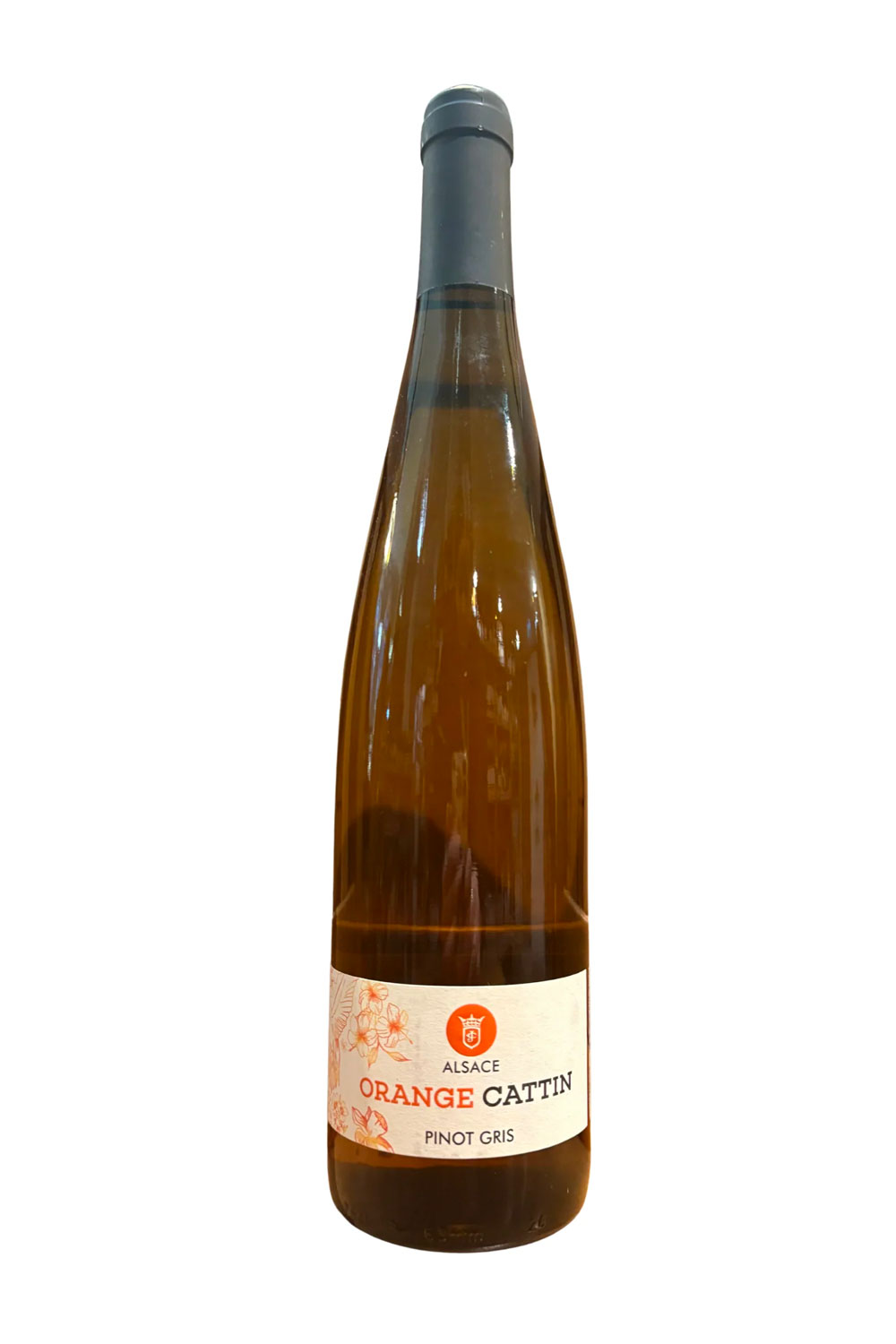
Remi’s Top Pick: Joseph Cattin Pinot Gris ‘Orange’ 2024, Alsace
Delicate yet expressive, with notes of apricot, orange peel and rose petals balanced by gentle texture.
Pair with: Lamb flatbread with mint, where the wine’s subtle aromatics complement both the richness of the meat and the freshness of the herbs.
£17.99, bowlandforestvinters.com
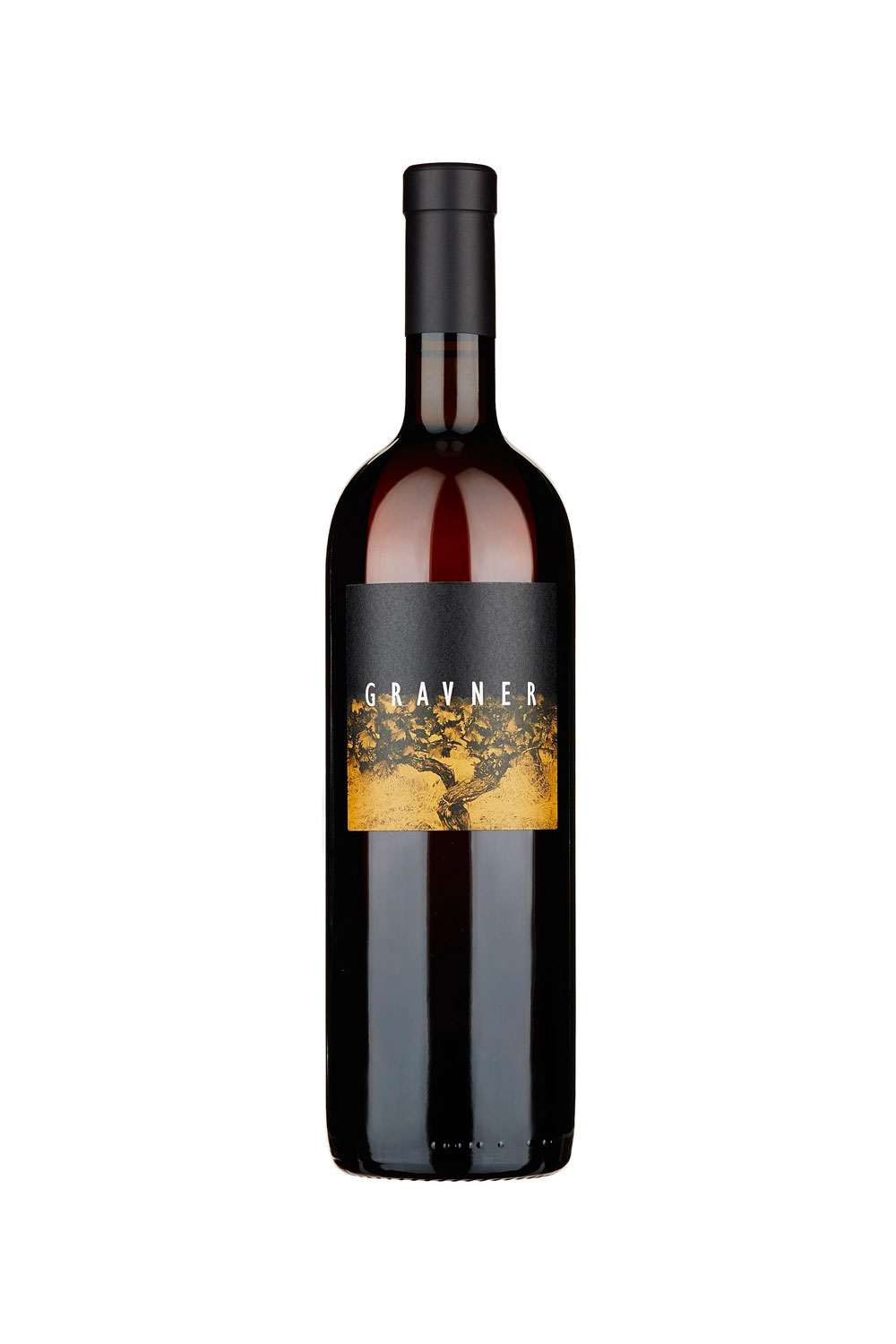
James’ Top Pick: ‘Gravner Ribolla’ Gialla 2016, Friuli Venezia Giulia
A true icon of the category. Aged in traditional Georgian qvevri, Gravner’s wines are deeply complex, intensely structured and will continue to mature.
Pair with: Radicchio risotto, where the wine’s earthy savouriness mirrors the bitterness of the chicory.
£135, wanderlustwine.com
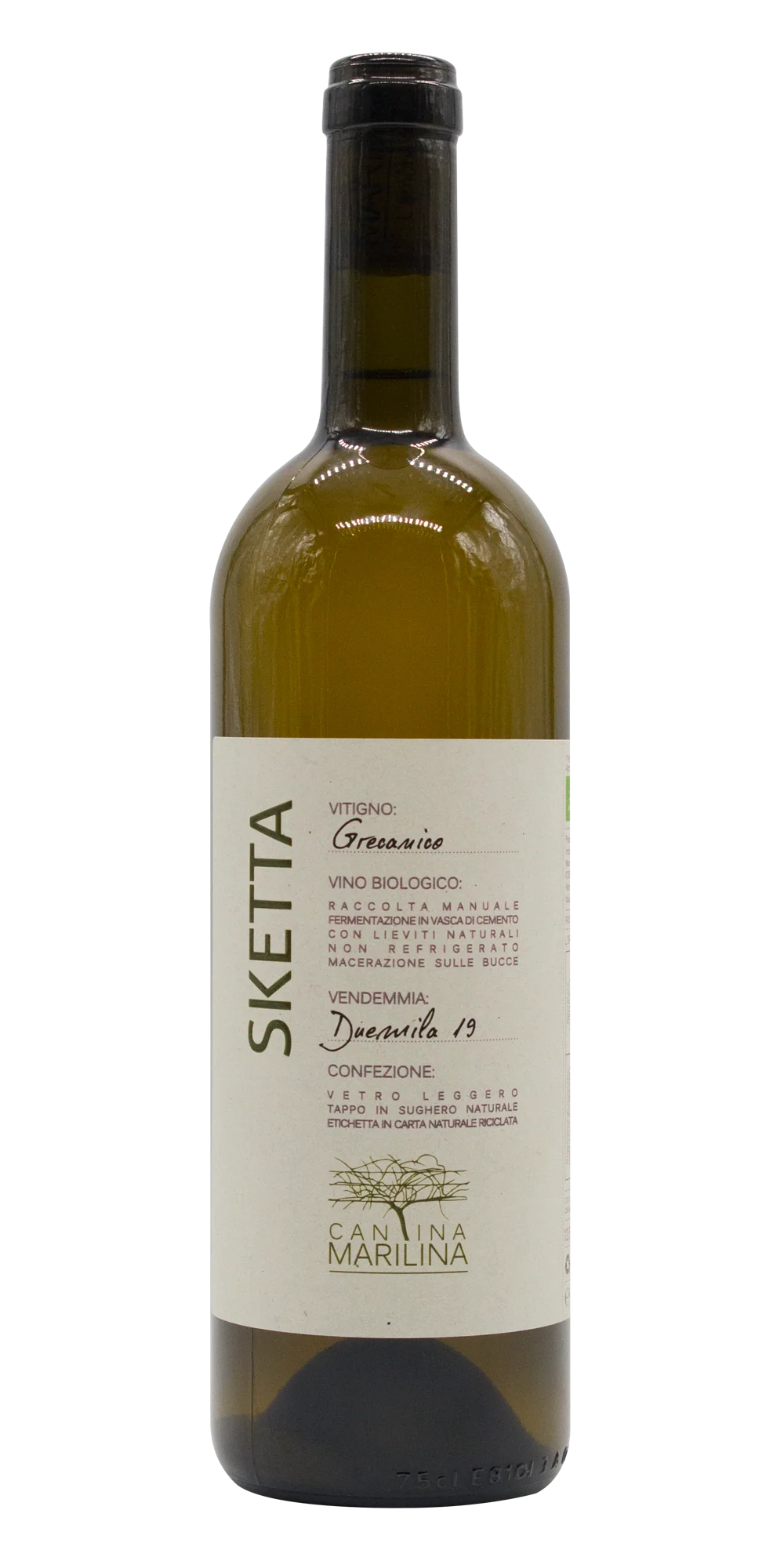
Nell’s Top Pick: Cantina Marilina ‘Sketta’ 2019, Sicily
A fantastic introduction to orange wine without breaking the bank. Made from Grecanico, a grape indigenous to Sicily, it offers notes of lemon peel and almonds with a gentle, textured finish.
Pair with: A simple grilled white fish or enjoy it as part of a picnic in the park.
£15, oranj.co.uk
The C&TH Edit: More Great Orange Wines
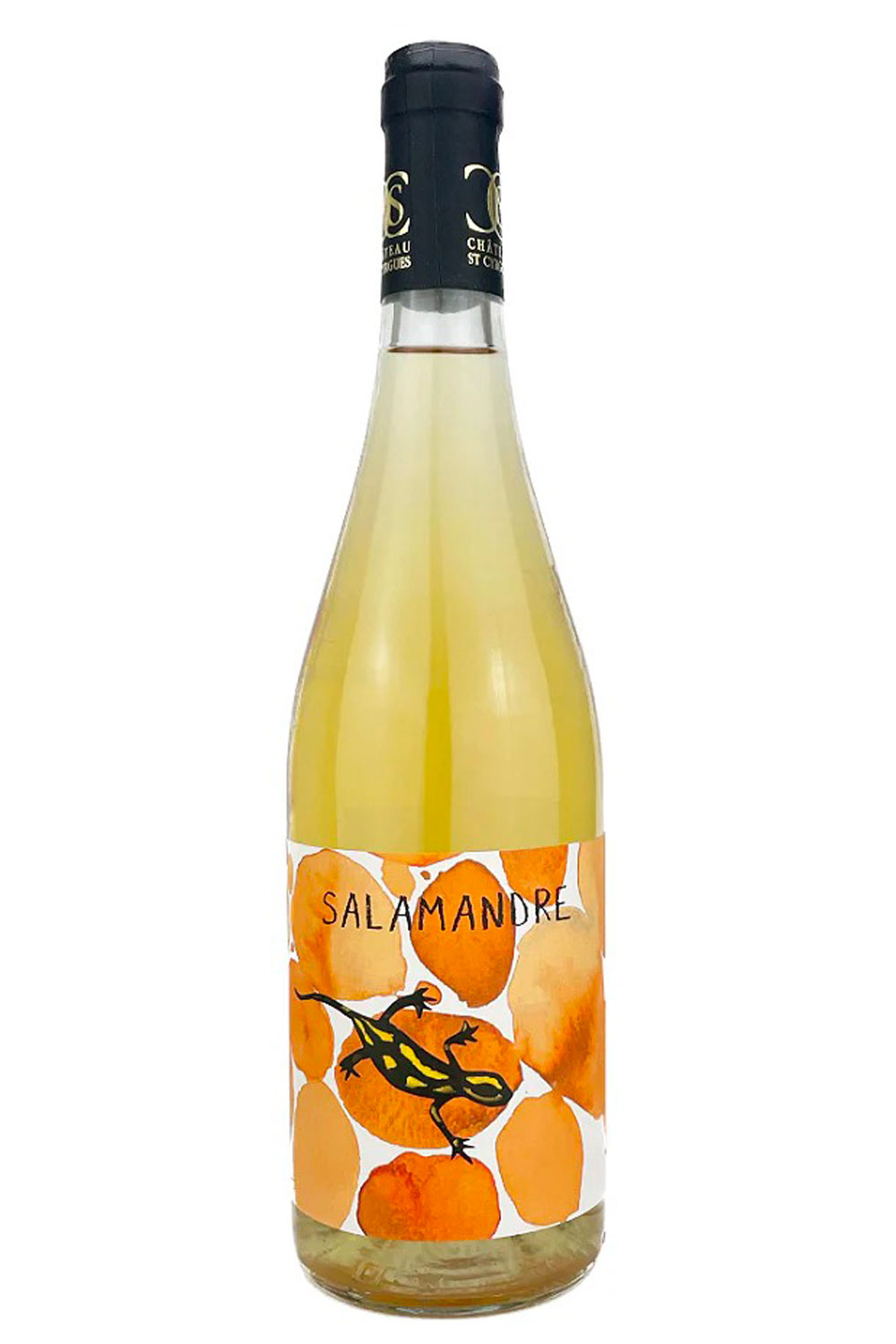
Château Saint-Cyrgues
‘Salamandre’ Grenache Blanc 2024, France
Bright, citrus-led and refreshingly vibrant, with enough freshness to lift delicate seafood.
Pair with: Sea bass dressed with citrus and jalapeño.
£17, forestwines.com
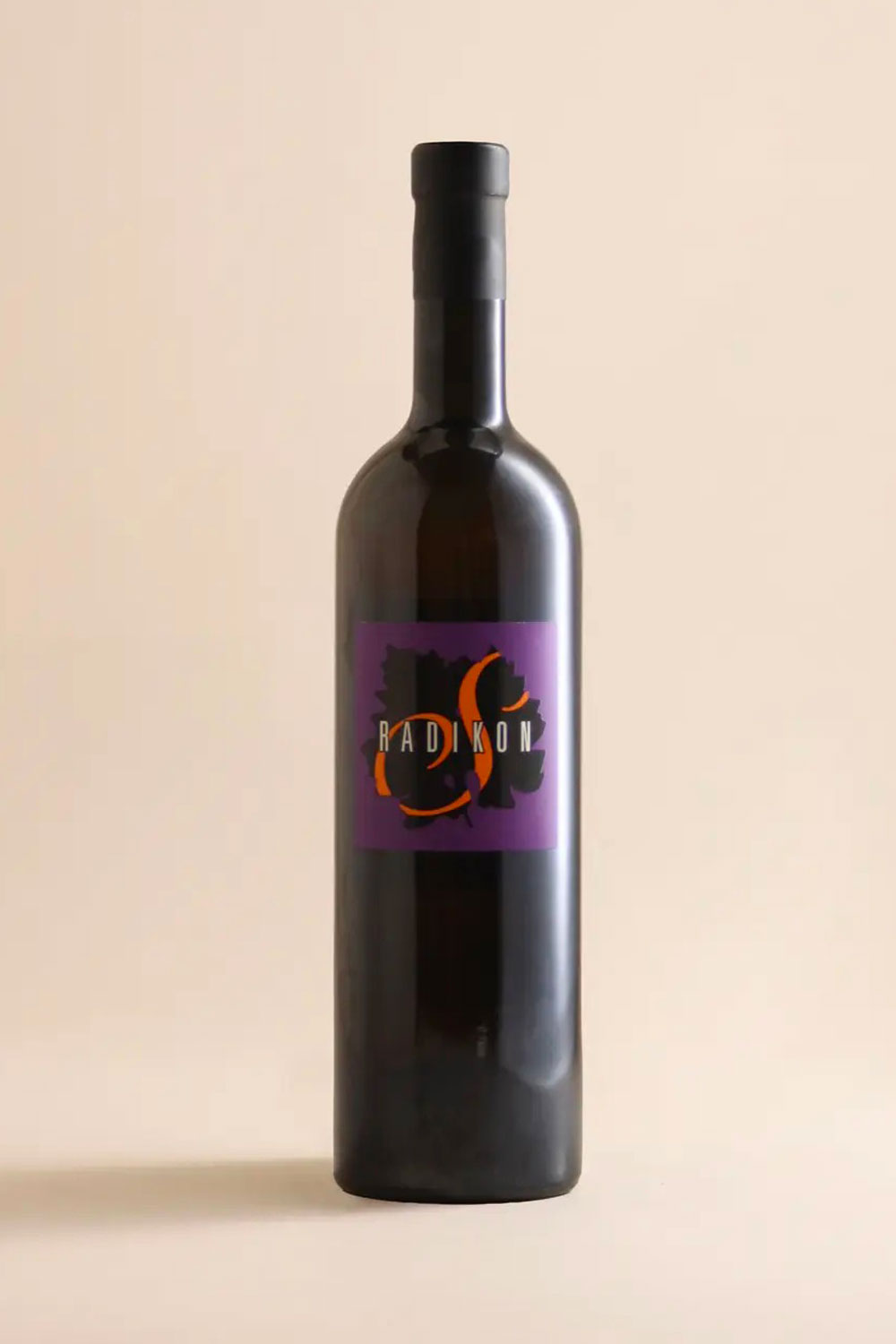
Radikon
Venezia Giulia ‘Slatnik’ 2023, Friuli
Widely regarded as one of the benchmark producers of modern skin-contact wines, Radikon’s blend of Chardonnay and Friulano is layered, savoury and beautifully balanced.
Pair with: Roast guinea fowl, wild mushrooms, or aged Alpine cheeses.
£50, dynamicvines.com
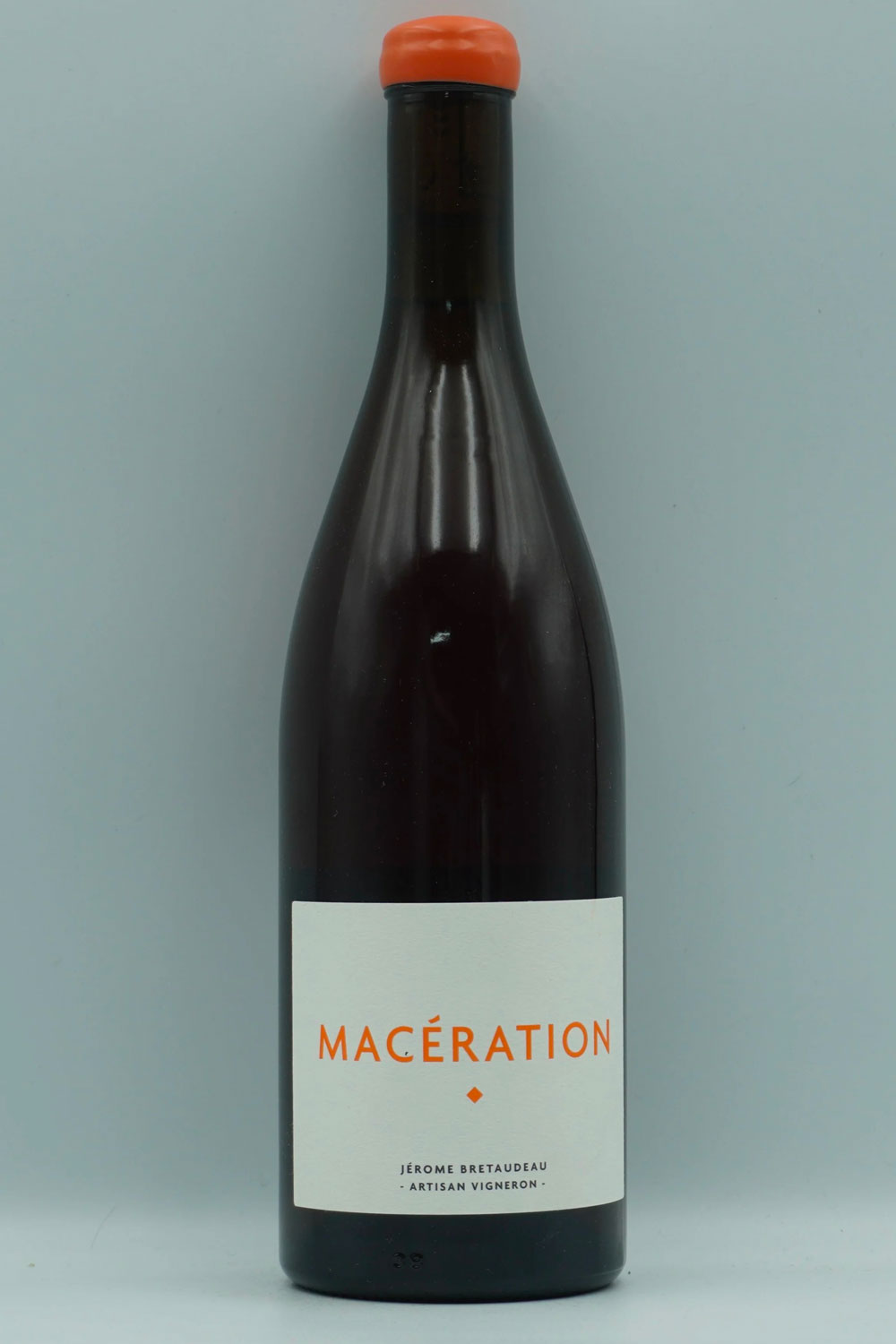
Domaine de Bellevue
Pinot Gris ‘Macération’ 2021, Loire Valley
Elegant and refined, with delicate spice, orchard fruit and finely judged tannins.
Pair with: Roast chicken, mushroom dishes, or Comté.
£48, buonvino.com
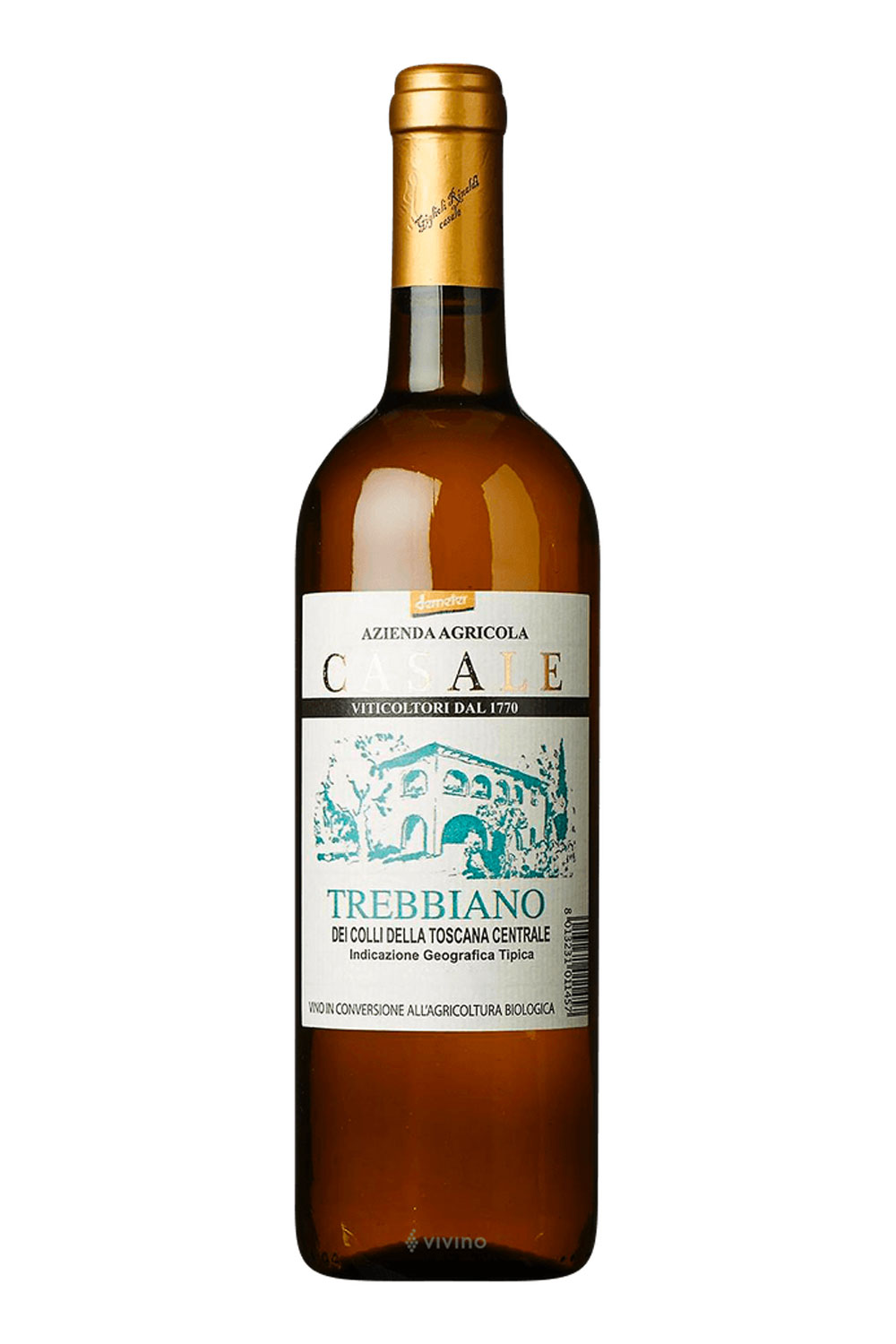
Casale
‘Trebbiano’ 2024, Abruzzo
Skin-contact Trebbiano that showcases why the variety is so highly regarded by sommeliers: savoury, layered and exceptionally food-friendly.
Pair with: Roast pork, grilled mushrooms, or mature Pecorino.
£19, woodwinters.com
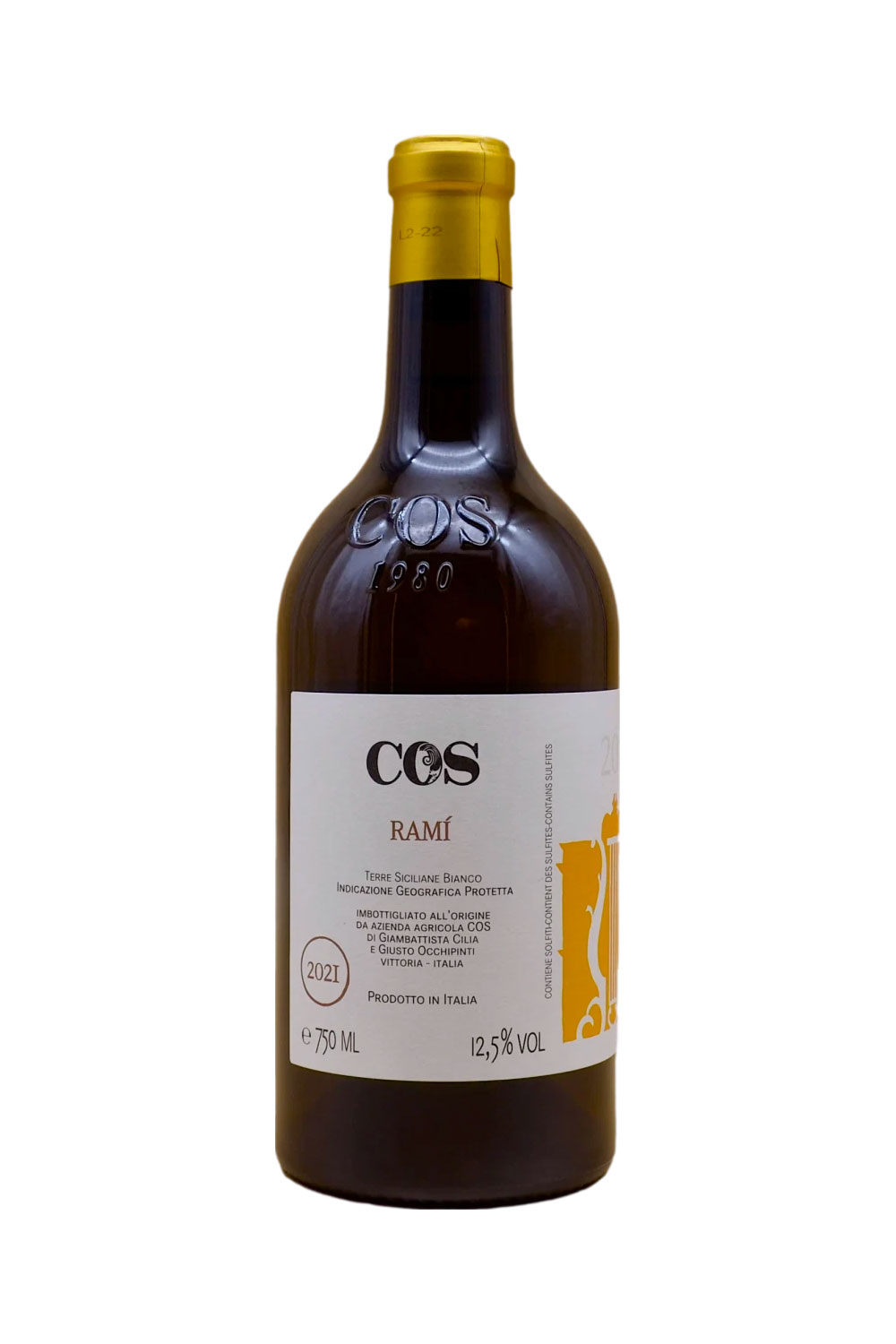
COS
‘Rami’ 2022, Sicily
A fascinating middle ground between rich white and light orange wine, blending Inzolia and Grecanico to produce flavours of dried flowers, apricot and orange peel.
Pair with: Aubergine caponata, where the wine stands up beautifully to the sweet-and-sour flavours.
£24.24, decantalo.co.uk