


An Expert’s Guide To Bathroom Tiles
By
1 day ago
Tiles for miles
Some people paint, some wallpaper – but most people like to give their bathroom the tile treatment. ‘A carefully chosen tile scheme can make a bathroom feel serene and restorative, rich with texture, or quietly playful depending on the story you wish the space to tell,’ says Grazzie Wilson, Head of Creative at Ca’ Pietra. ‘And that sense of atmosphere is what turns an everyday room into somewhere you genuinely enjoy spending time.’
Below, the experts tell us everything we need to know when it comes to choosing, laying and looking after bathroom tiles. (Plus, we round up some of our top interior inspirations for this season.)
The Case For Bathroom Tiles
There aren’t many bathrooms without tiles these days – and it’s for good reason: tiles perfectly bridge the gap between design and durability. ‘Bathrooms are one of the few spaces in the home where beauty and practicality must live side by side, and that is precisely where tiles come into their own,’ confirms Grazzie. ‘Water, humidity and daily wear place particular demands on surfaces, yet tiles answer those demands with ease, offering durability, longevity and a surface that feels reassuringly robust underfoot and to the touch.
‘Tiling also offers huge creative potential,’ adds Lee Thornley, founder of Bert & May. ‘Tiles allow you to introduce colour, pattern and texture in a way that paint or other materials often can’t handle in a wet space. From full wall installations to tiled vanity splashbacks or statement floors, tiles can really shape the character of a bathroom while still being highly functional.’
And depending on the way you lay your tiles, you can create any atmosphere you want. ‘A tiled bathroom can feel calm and cocooning, bright and uplifting, quietly textural or richly decorative,’ says Grazzie. ‘This is why tiles have remained the cornerstone of bathroom design for centuries.’
Ca’ Pietra x Simply Bathrooms
How To Pick Your Tiles
Tiling can become a pretty big job, so the experts recommend starting the process by thinking about the area you want to tile. ‘Thinking about tiles by area is helpful when planning a bathroom because each surface has its own practical requirements,’ notes Grazzie. ‘What matters most is selecting materials that are suited to the conditions of each area so that the room feels cohesive yet entirely practical:
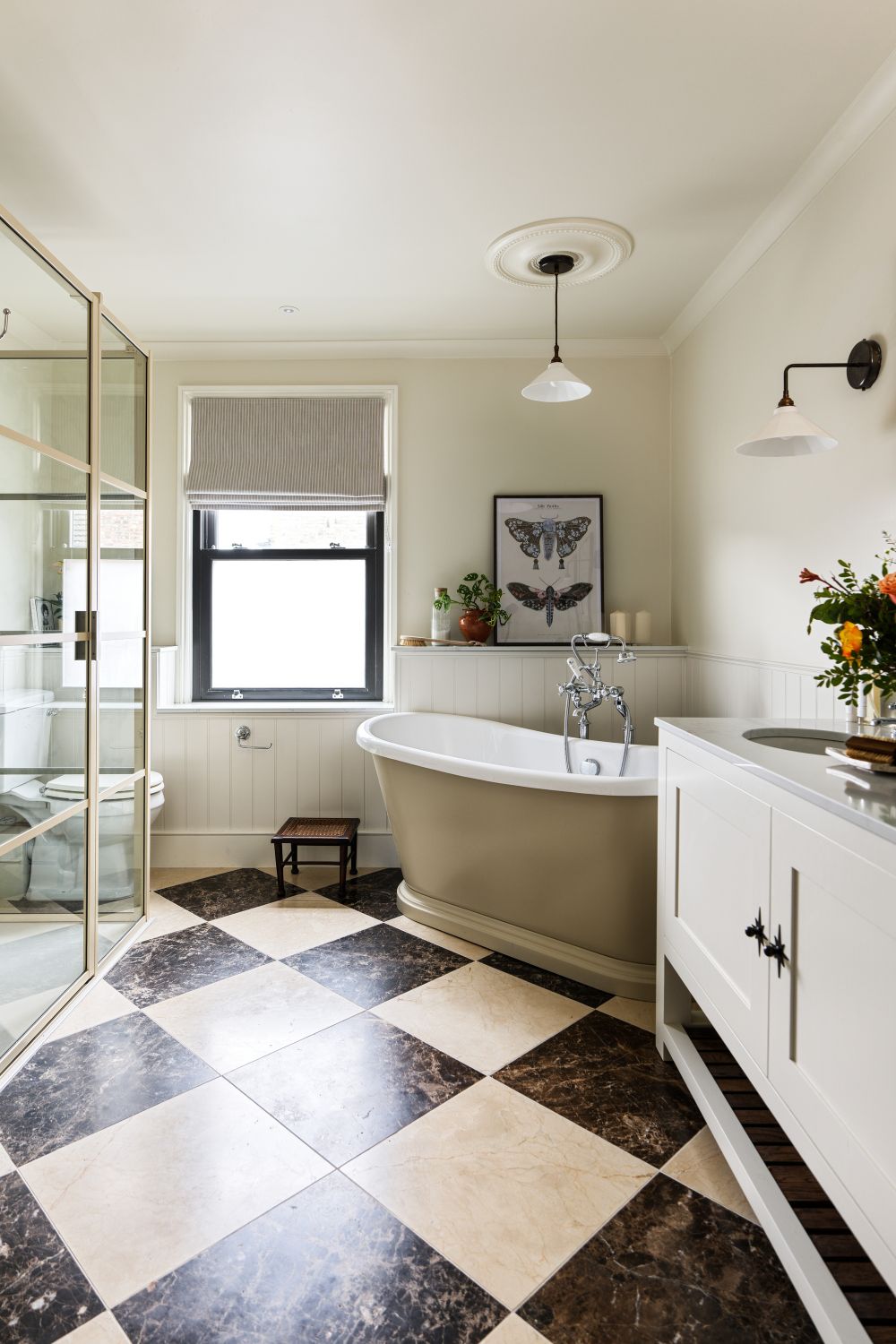
- Floors, for instance, need tiles that feel secure underfoot and capable of handling daily traffic, which is why porcelain, natural stone and encaustic tiles tend to be popular choices; they offer strength, longevity and, when finished correctly, a reassuring grip in wet areas.
- Walls invite a different approach because they are less exposed to wear, which opens the door to glazed ceramics, decorative patterns, softer finishes and smaller formats that add detail and texture.
- Shower enclosures and splash zones call for tiles that cope well with constant moisture, so porcelain, glazed ceramics and many natural stones perform beautifully here when properly sealed and installed.’
You’ll also want to consider the material of the tile itself, both in terms of practicality and design. ‘Each material brings something slightly different to the room, so the decision often rests as much on atmosphere as practicality,’ confirms Grazzie. ‘Some of the most common choices for tiles include:
- Porcelain is often favoured for its resilience and versatility, offering everything from crisp contemporary finishes to convincing stone effects.
- Ceramic tiles bring colour and glaze to life with a softness that feels wonderfully handcrafted.
- Natural stone introduces its own quiet richness, with marble, limestone and travertine each carrying variations that give a room depth and authenticity.
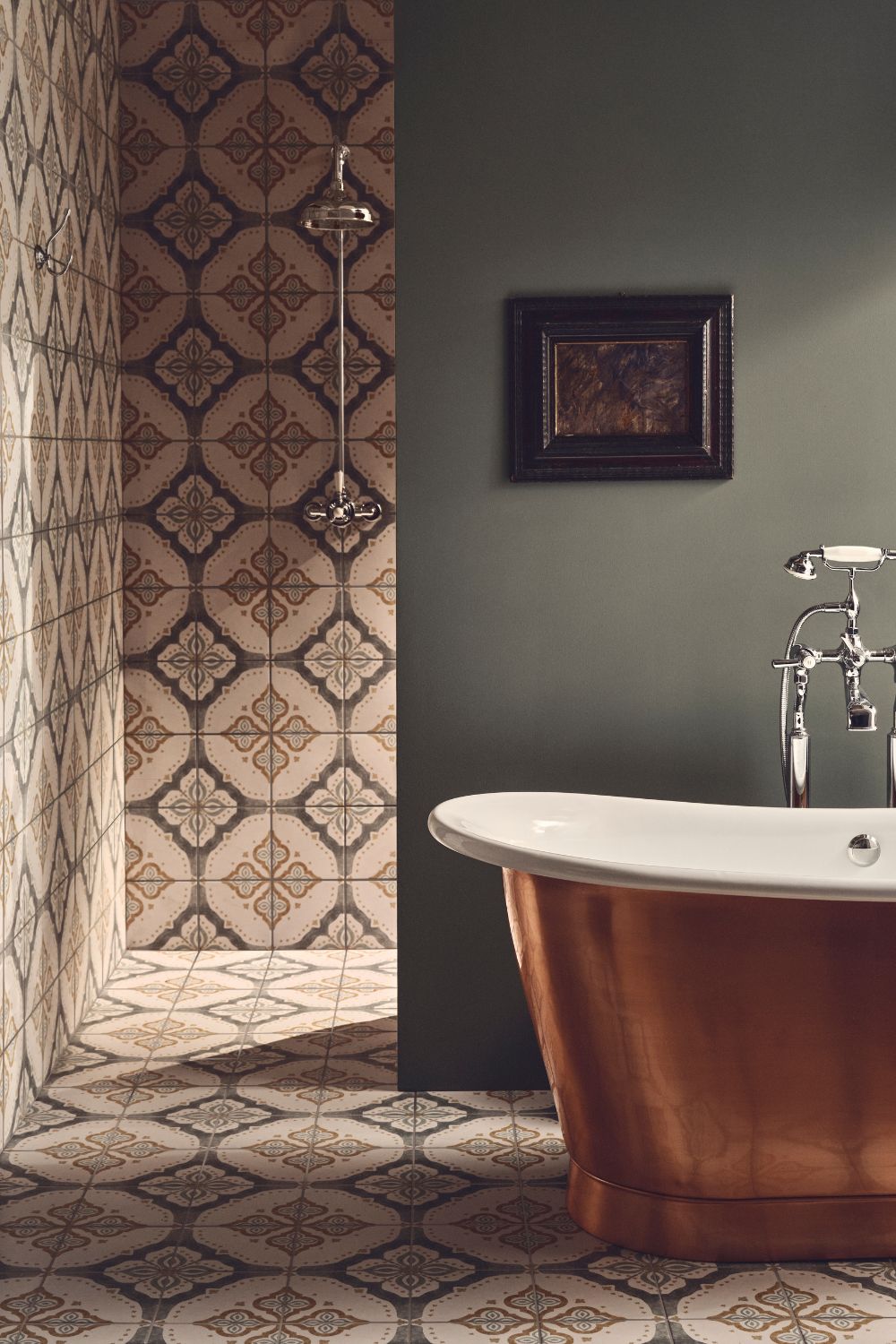
- Encaustic cement tiles are loved for their pattern and pigment, particularly on floors where they create a sense of heritage and artistry that anchors the space beautifully.’
Fired Earth
Expert Tips: How To Tile The Bathroom
Prep The Space
First off: prep. ‘Ensure the surface is clean, dry, and completely level,’ instructs Lee. ‘Any old adhesive or plaster should be removed, and for best results, I suggest priming the wall to ensure the tiles are fixed properly.’
‘Careful preparation is essential,’ emphasises Grazzie. ‘Begin with a level, stable substrate that has been properly waterproofed in wet zones, because even the most beautiful tile will only perform as well as the surface beneath it.’
Slow and steady wins the race here. ‘Rushing the preparation stage can lead to problems later, particularly in bathrooms where moisture management is crucial,’ says Grazzie.
Plan The Layout
Having a plan beforehand will also pay off in the long run. ‘Taking time to plan the layout before installation helps achieve a balanced result, ensuring that edges and corners fall neatly and that focal points, such as a bath surround or shower wall, feel balanced rather than accidental,’ explains Grazzie. ‘Substrates must also be properly prepared and waterproofed where necessary, because a beautifully tiled surface relies on solid foundations beneath.’
Pick A Grout
You might have the tiles picked out, but what about the grouting? While most people opt for neutral colours, it’s worth thinking carefully about the colour palette this will create. ‘Choose grout colours thoughtfully, as grout can either quietly blend into the background or gently frame each tile, subtly shaping the overall character of the room,’ says Grazzie.
It’s also important to pick the right type of grout, she adds: ‘Using the wrong adhesive or grout for the material is a common pitfall for first-time tilers, especially with natural stone or larger formats that require specific products to perform well.’
Be Gentle
Don’t destroy all that hard work by using overly abrasive cleaning products, warns Grazzie. ‘These can dull the finish of certain tiles or weaken grout over time, so it is always better to opt for gentler methods that maintain the integrity of the surface.’
Fired Earth
How To Clean Bathroom Tiles
Tile care will also depend on the materials you’ve used – but one the whole, Grazzie assures us that ‘once installed, tiles are refreshingly easy to care for.’
‘For cement and encaustic tiles, we recommend using a pH-neutral, acid-free cleaner and warm water to remove any residues that build up over time,’ suggests Lee. The main thing to avoid? ‘Acidic cleaners – these can scratch the tile surface if you’re not careful.’ Avoiding harsh chemicals will also ensure that any grout and sealant remains intact.
‘Natural stone tiles benefit from periodic resealing to protect them from moisture and staining, though the process is straightforward and helps preserve their depth of colour over time,’ adds Grazzie. ‘With the right care, tiles can last for decades while ageing gracefully.’
Bathroom Tile Inspiration
Fired Earth x Nina Campbell
Bath(room) Tiles
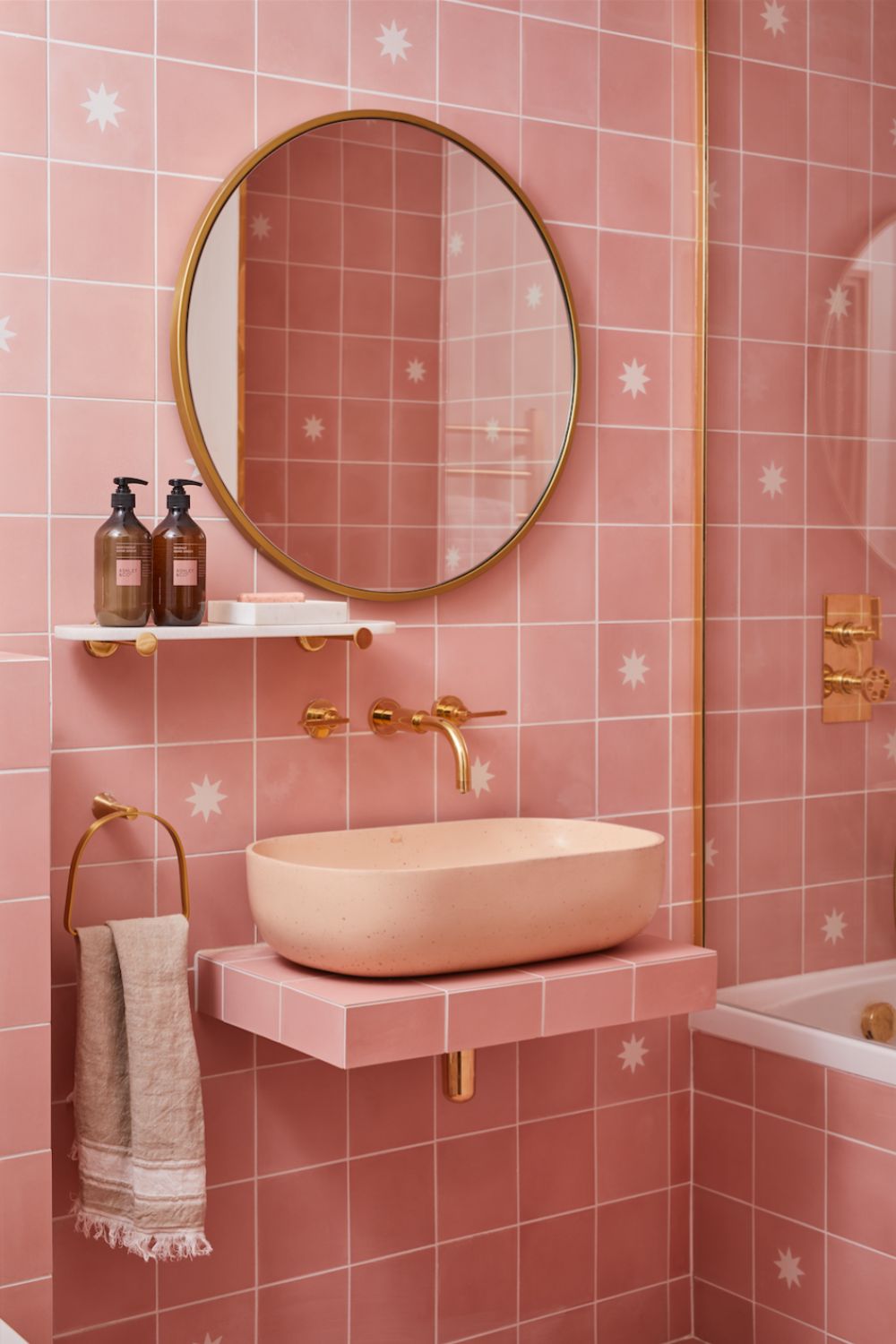
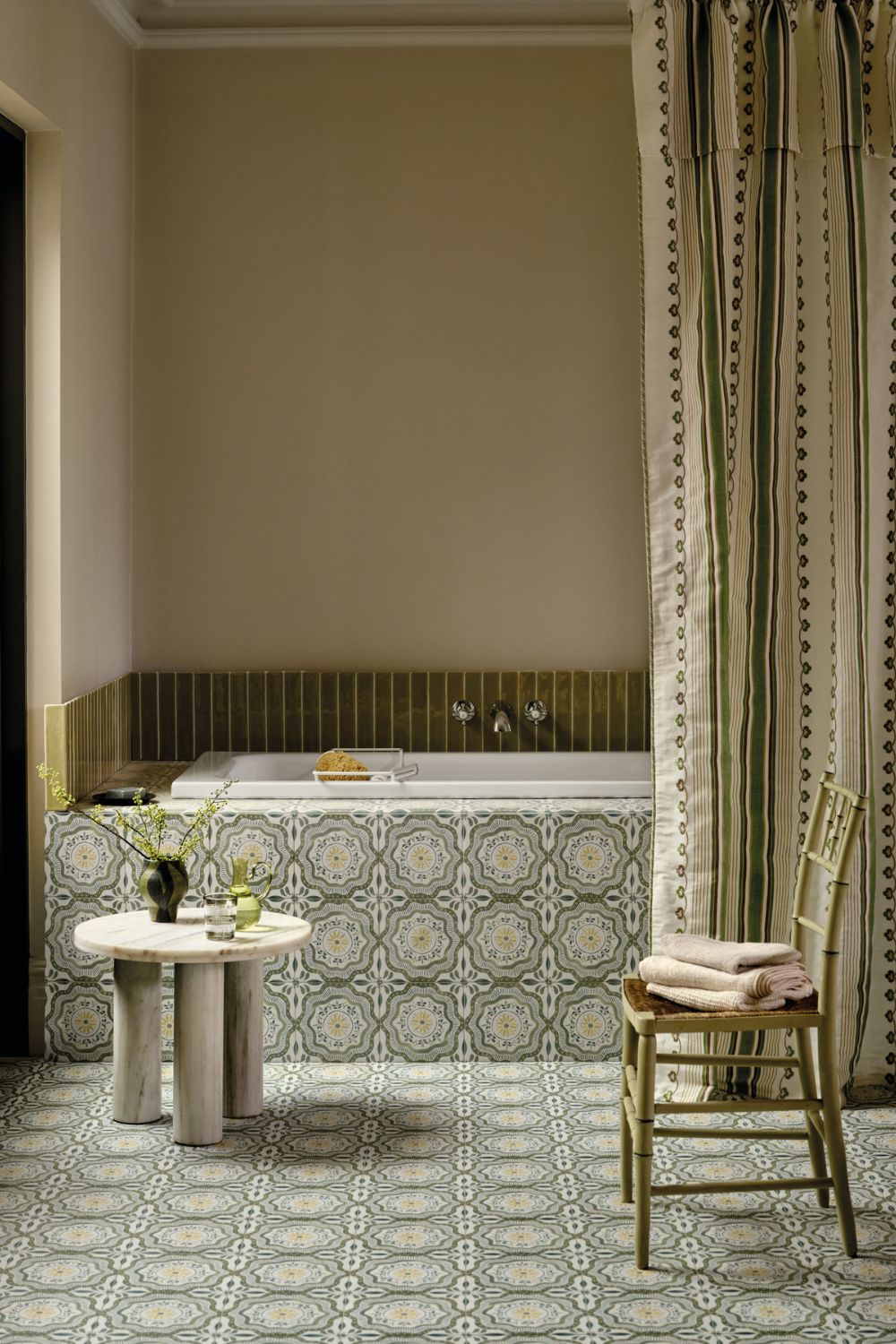
If a small strip of tile doesn’t satisfy your design plans, then think bigger. It’s not just the walls and floors you can tile, after all. ‘We’re seeing people opting for matching tiles on both the floor and the bath front; it really elevates the space and creates a focal point in the room,’ says Carly Allison, Head of Brand and Product at Fired Earth. ‘Tiling the side of a built-in bath in the same pattern blurs the boundaries between floor and bath. This will create a seamless flow and also make smaller bathrooms feel more expansive.
‘Patterned tiles like this work particularly well across two areas of a bathroom and offer a versatile way to introduce colour, texture and personality.’
Ca’ Pietra x JJ Bathrooms
Warm Materials, Tones & Textures
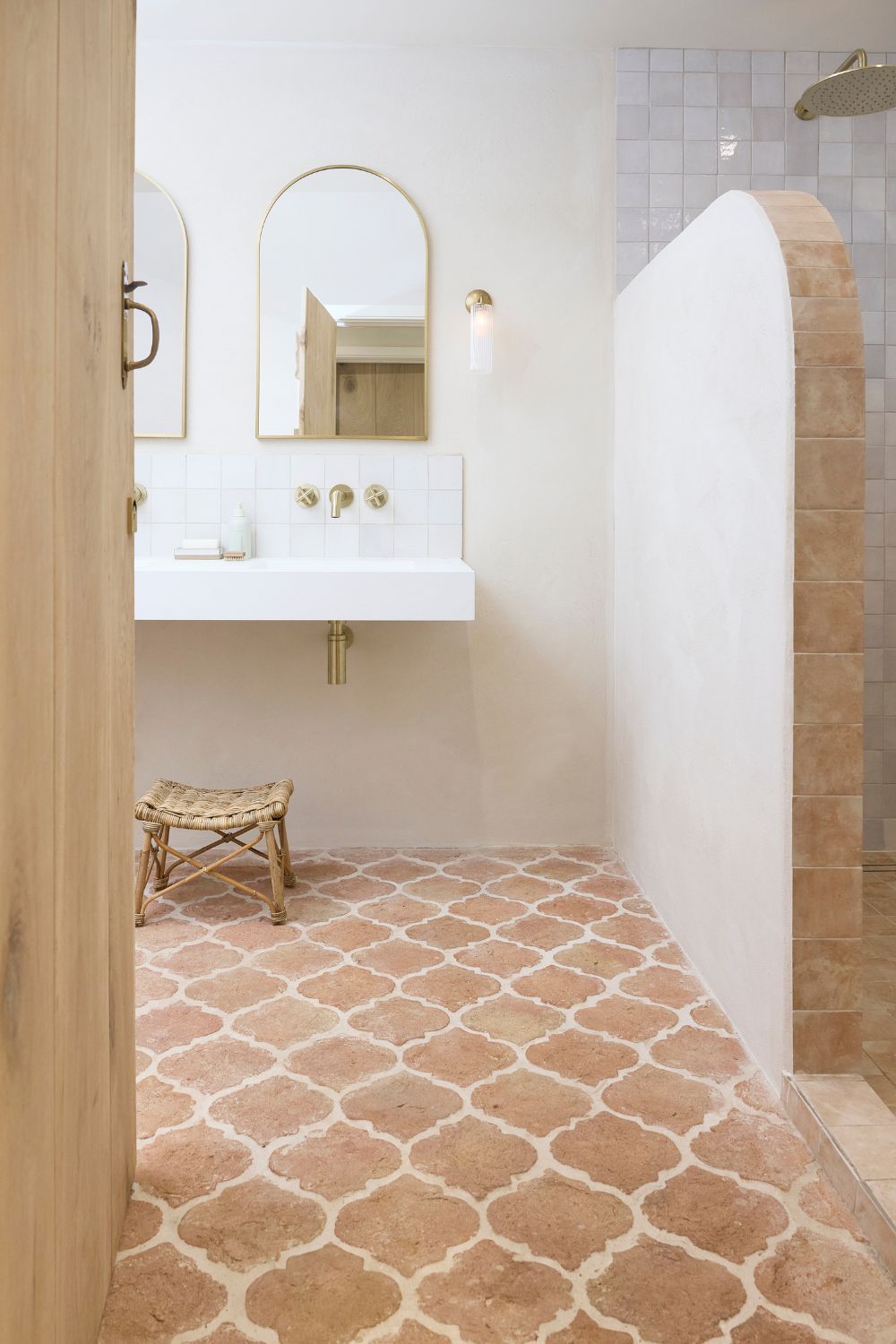
Warmth is key to bathroom design in 2026, and tiles are following the trend. ‘There’s a growing appetite for surfaces that feel warm and characterful rather than clinical,’ notes Grazzie. ‘It’s about tiles that carry gentle movement through their glaze, subtle variation in tone, or softly worn edges that give a sense of depth and history.’
Ca’ Pietra x JJ Bathrooms
Pattern Moment
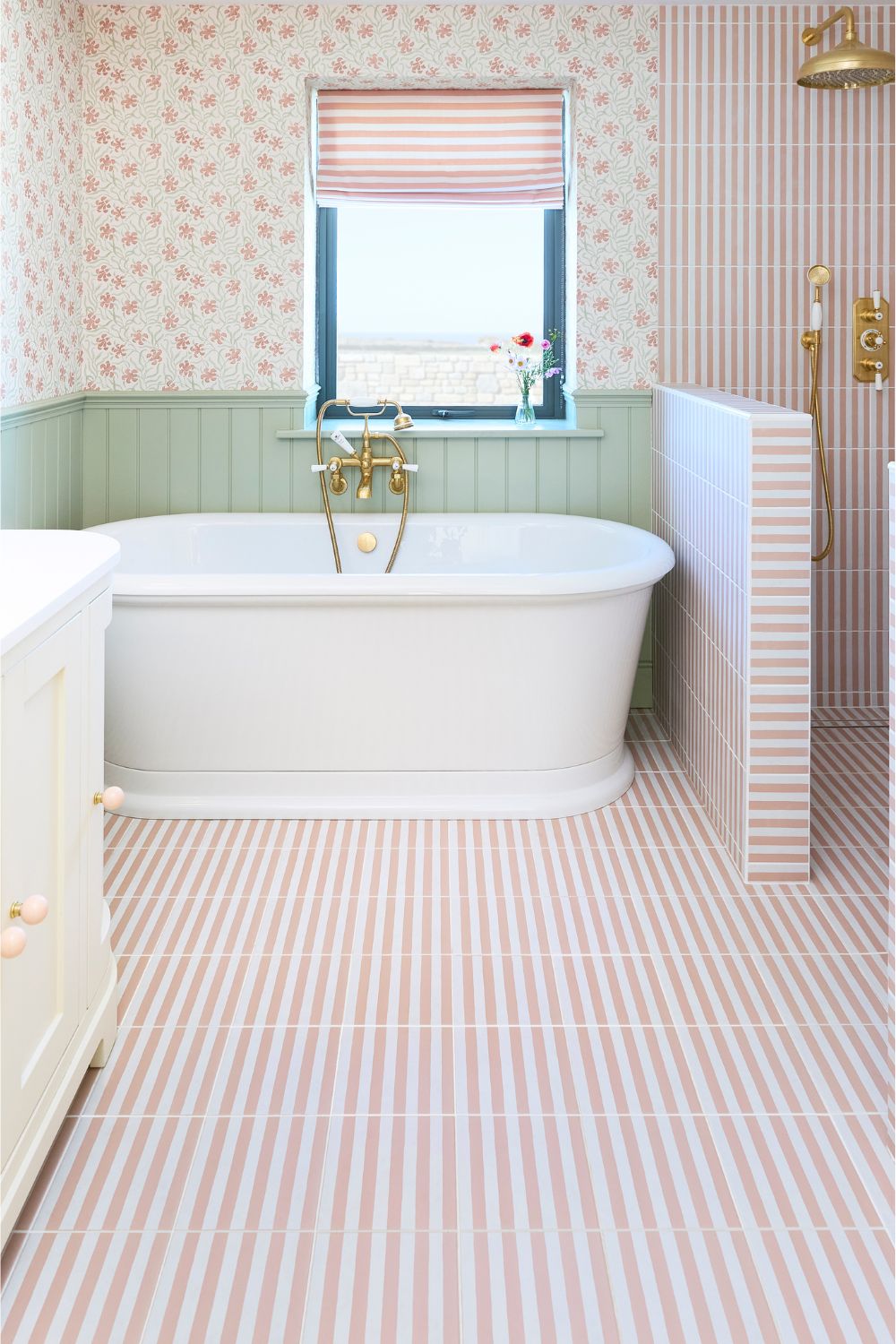
‘Pattern is finding its way back into bathrooms as well, though often in a more relaxed and artful way than in years past,’ notes Grazzie. ‘Across a floor where a decorative tile grounds the room and introduces personality, or within a shower where a playful motif can transform an everyday routine into something a little more uplifting.’
Ca’ Pietra x Simply Bathrooms
Natural Stone
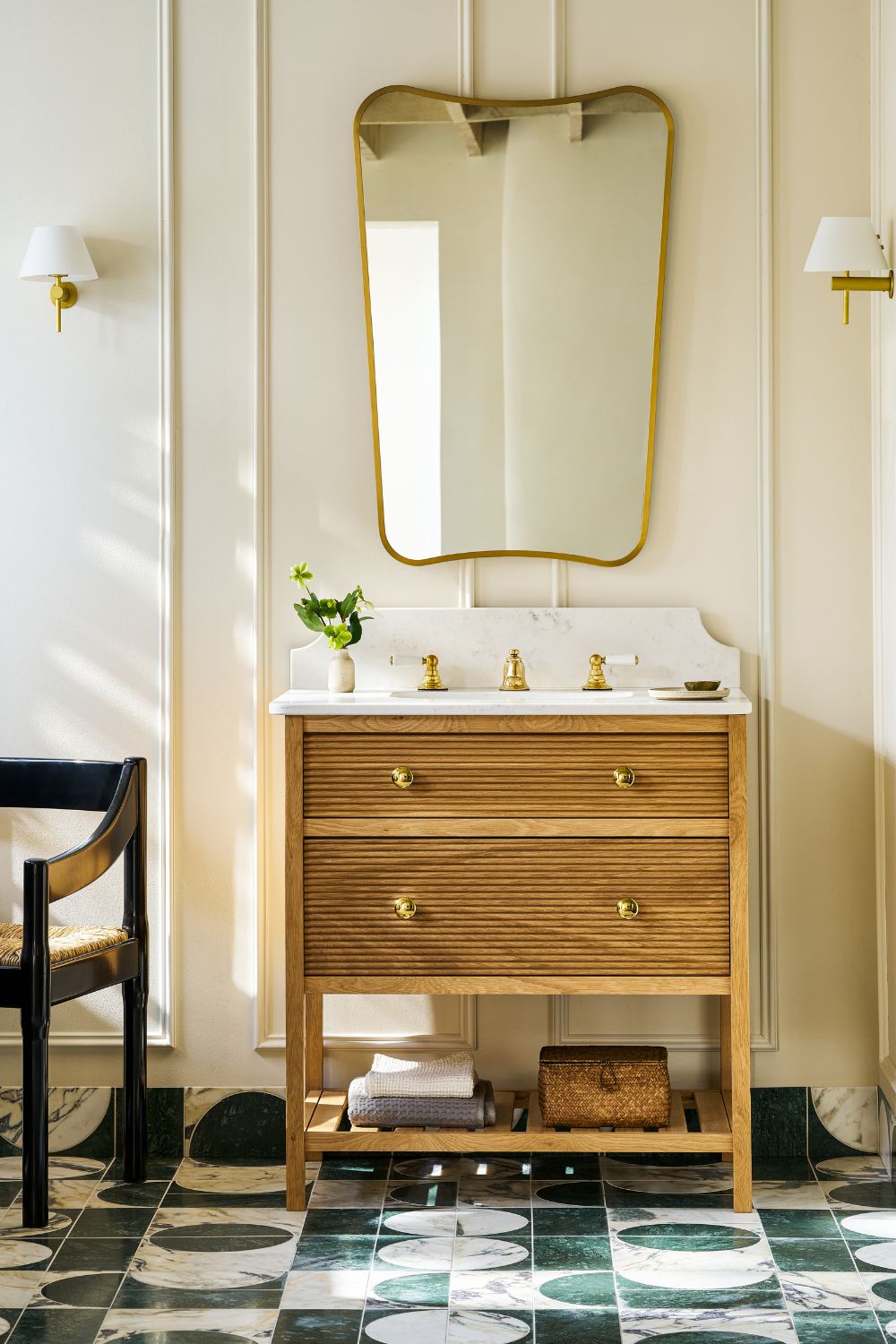
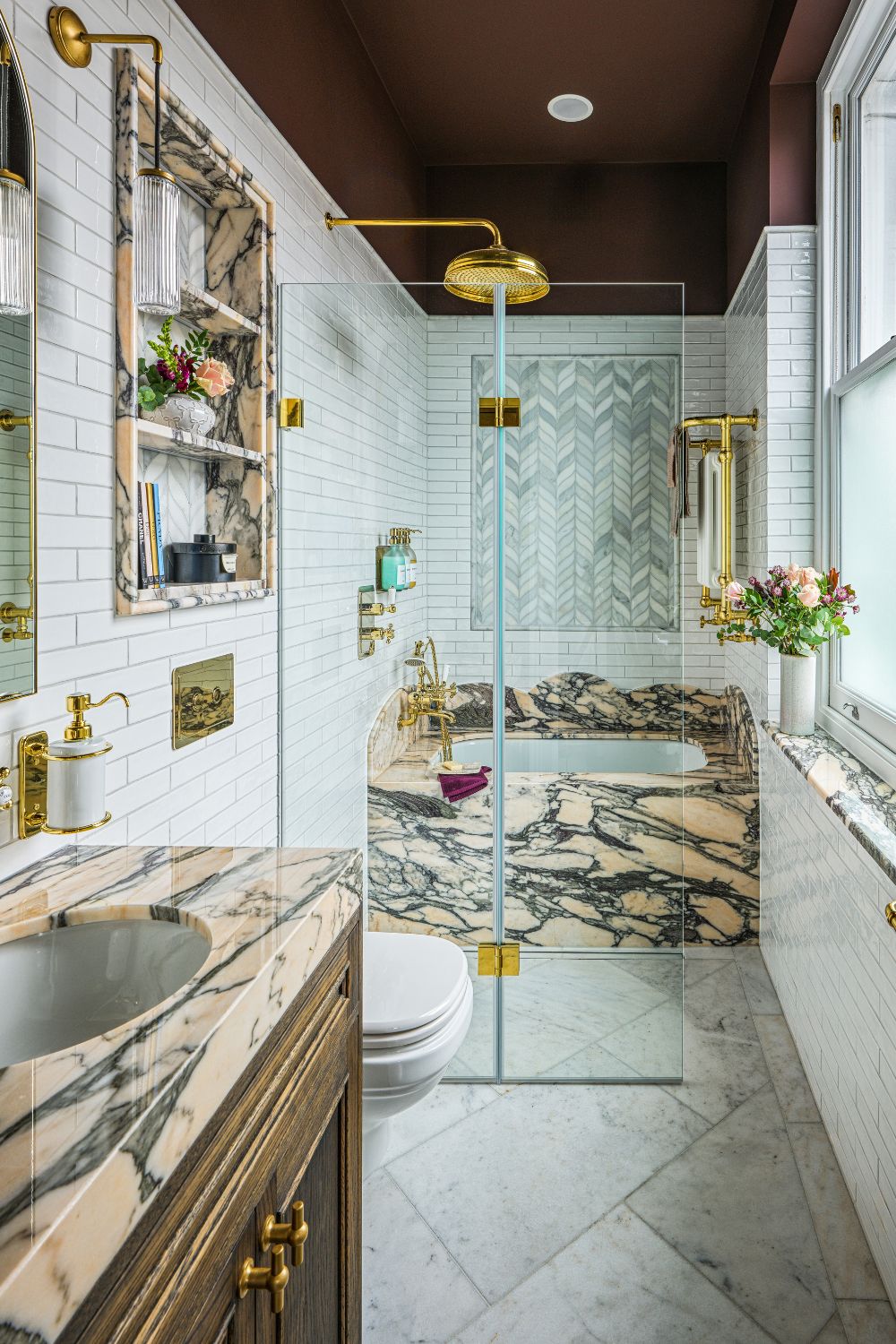
For those who love a classic look. ‘Natural stone continues to hold enormous appeal,’ says Grazzie, ‘particularly when the aim is to create a bathroom that feels calm, layered and quietly luxurious without relying on obvious statements.’
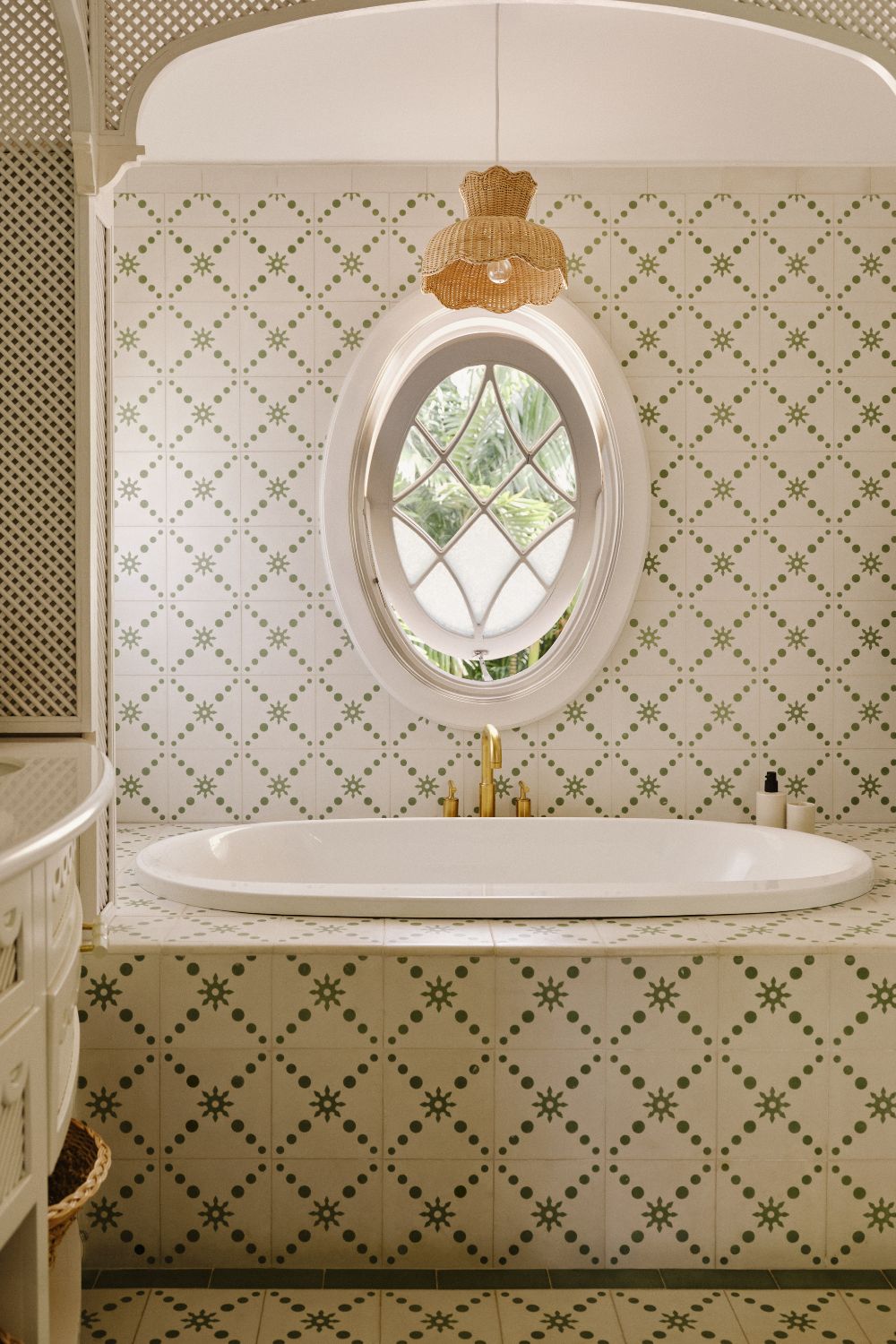
Bert & May
Handmade Motifs
The bathroom is a key canvas for adding personality to your home – and your tiling is where you can have some real fun. ‘People are using tiles more creatively, treating them as a design feature rather than just a practical finish,’ notes Lee. ‘Specifically, there’s a big movement towards handmade motifs that give some insight into the people living in that home.’
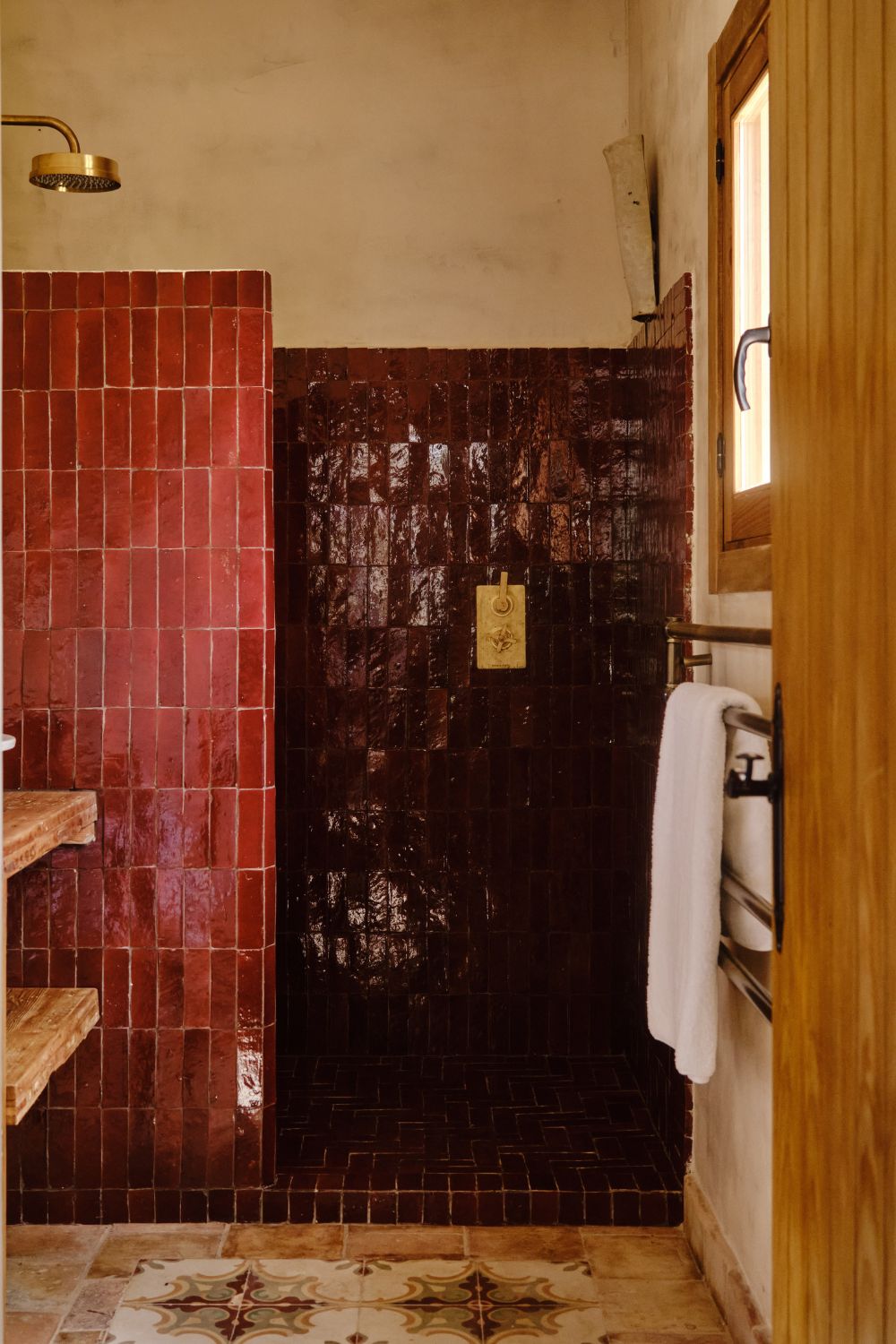
Bert & May
Textural Finishes
Don’t think your tiles need to stay flat, either. ‘Textured finishes bring warmth and variation, while preventing bathrooms from feeling too clinical,’ says Lee.