


Elevate Your Hallway With These Designer-Approved Ideas
By
6 months ago
First impressions count, after all...
Kerb appeal might be crucial, but when it comes to really transforming your home for guests, potential buyers or just your own peace of mind, decluttering and updating your hallway is guaranteed to make a difference. If you feel like giving your space a bit of a refresh, we’ve rounded up a few hallway ideas from interior design experts.
How To Style Your Hallway
The hallway is often the first thing people see when they enter your home – which arguably makes it one of the most important spaces in the building. ‘It sets the tone before a single living space is seen; it is where first impressions are formed,’ confirms interior designer Sarah Ferreira. ‘The atmosphere here should feel deliberate and cohesive, not accidental. A well-considered hallway quietly communicates the style and mood of the rest of the house.’
‘Hallways are often overlooked but they offer a wonderful opportunity to introduce personality,’ adds Henriette von Stockhausen, Creative Director of VSP Interiors. ‘Thoughtful design – such as celebrating architectural features, introducing a statement piece of furniture, or adding artwork and lighting – can transform it from a simple passageway into a welcoming and characterful space.’
The trick to creating an inviting hallway, says Sarah, is treating the space as a room in its own right. ‘That means thinking about lighting, functionality and proportion just as carefully as you would in a sitting room,’ the designer tells us. ‘It is not simply a passageway; it is where guests are welcomed and where you transition from outside to inside. A hallway does not need to be loud to feel impactful, but it can still hold plenty of personality.’
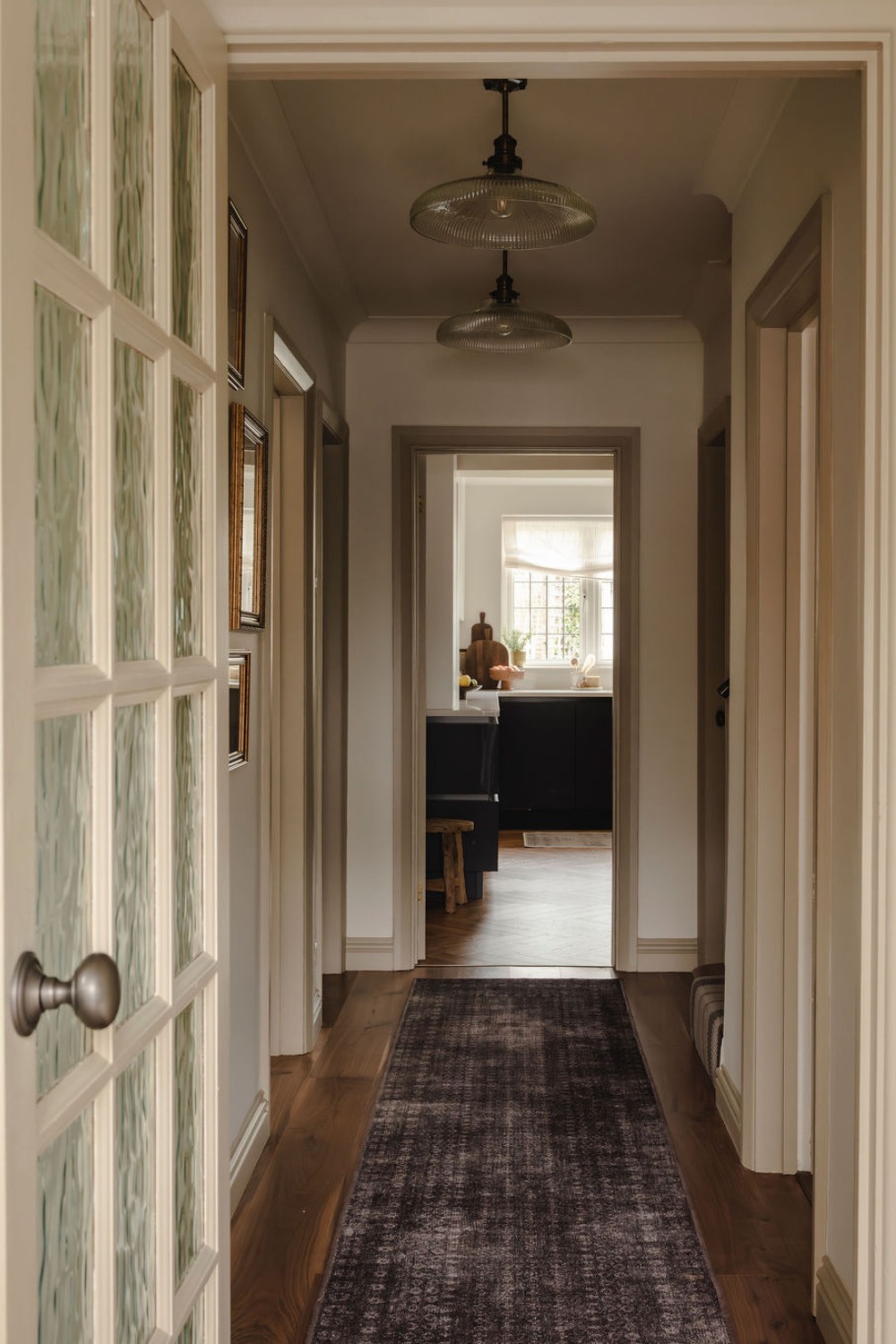
Sarah Ferreira Interiors (photo by Joey Kendal Brown)
The Challenges To Be Wary Of
As with any home design project, quite a few challenges tend to crop up when styling a hallway. Some of the most common include:
- Lighting: Hallways are often dark, tunnel-like spaces, prone to poor lighting.
- Storage: We never seem to run out of shoes, coats, umbrellas and assorted knickknacks – and most of them end up on our hallway floor.
- Space: Hallways differ in shape and size, but most remain quite narrow. No bulky cabinets allowed here.
- Wear & Tear: We spend a lot of time walking back and forth through this space, so expect it to bear the brunt of use.
‘Hallways present very specific design constraints,’ adds Sarah. ‘Many British homes have long, tight corridors, and the risk is making them feel tunnel-like or cluttered. Because the hallway is transitional, it can quickly feel cluttered. It is also one of the hardest-working areas of the home. This is where people remove shoes, hang coats, put down wet umbrellas and drop keys at the end of the day. Flooring, paint finishes and stair treatments need to be durable enough to cope with daily wear while still feeling considered.’
But it’s also a space that should be considered as a room in its own right. ‘A hallway should feel welcoming, not like a storage cupboard,’ emphasises Hattie Hansard, Interior Designer at Joanna Wood. ‘Even small details – a beautifully framed mirror, a well-shaped chair, a basket for umbrellas, a scented candle or diffuser – elevate the everyday ritual of coming home. If you treat it as a room in its own right, it will transform how the whole house feels.’
Expert Tips: How To Elevate Your Hallway
Start With Lighting
First things first: get the lighting right. ‘Layer your lighting from the outset,’ instructs Sarah. ‘A single central pendant may be sufficient if there is good natural light, but in many homes it simply is not enough. Combining overhead lighting with wall lights or picture lights introduces warmth and rhythm and prevents the space from feeling flat.’
Commit To Colour
Don’t be afraid to give your hallways a more colourful transformation – just make sure to give the decision plenty of thought beforehand. ‘Think carefully about how colour can be used – particularly what colours you will see through doorways as you move through the hallway,’ advises Louise McGarry, Creative Director of Studio Braw. ‘Colour drenching can work beautifully in hallways and can make the space feel considered and cohesive. Don’t forget the staircase either – there’s no rule that says it has to be white.’
Sarah adds that it’s best to keep ‘walls, doors and trim within a closely related tonal family’ as this will help avoid ‘harsh visual breaks’ while ‘making narrow spaces feel wider.’
Set A Focal Point
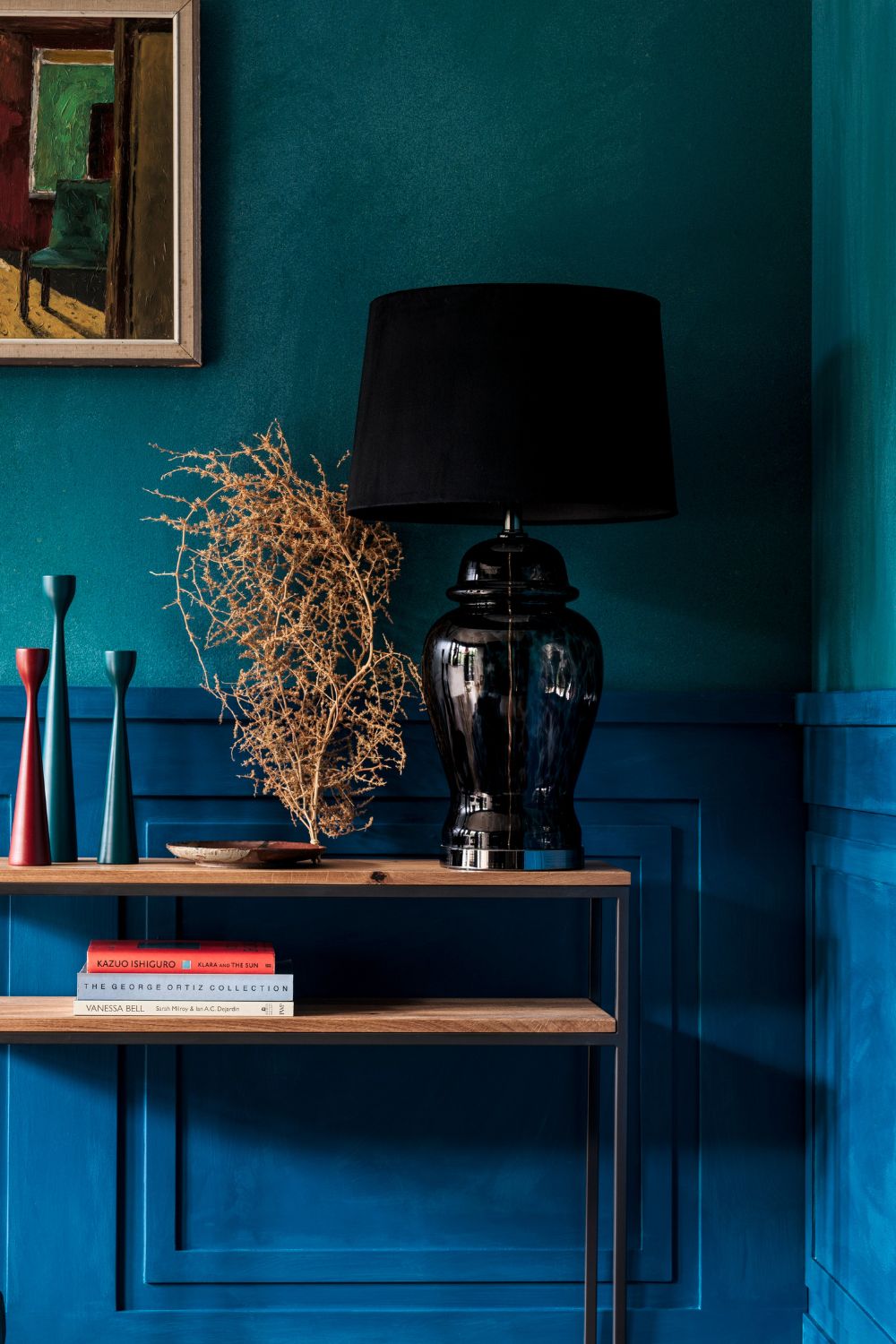
To prevent the space from feeling flat (both visually and in atmosphere), you’ll want to create some kind of focal point. ‘Start by thinking about the mood you want to create as someone enters your home,’ suggests Henriette. ‘Introducing a focal point, such as a console or central table styled with a lamp, ceramics or flowers, can anchor the space.’
This focal point can also create a sense of flow that leads into other areas of the house. For some, this could be ‘the coveted architectural feature of a sightline from the front door through to the garden,’ says Louise. But if this isn’t possible, she suggests an ‘object, colour or artwork that you can place ahead to gently draw you into the home.’
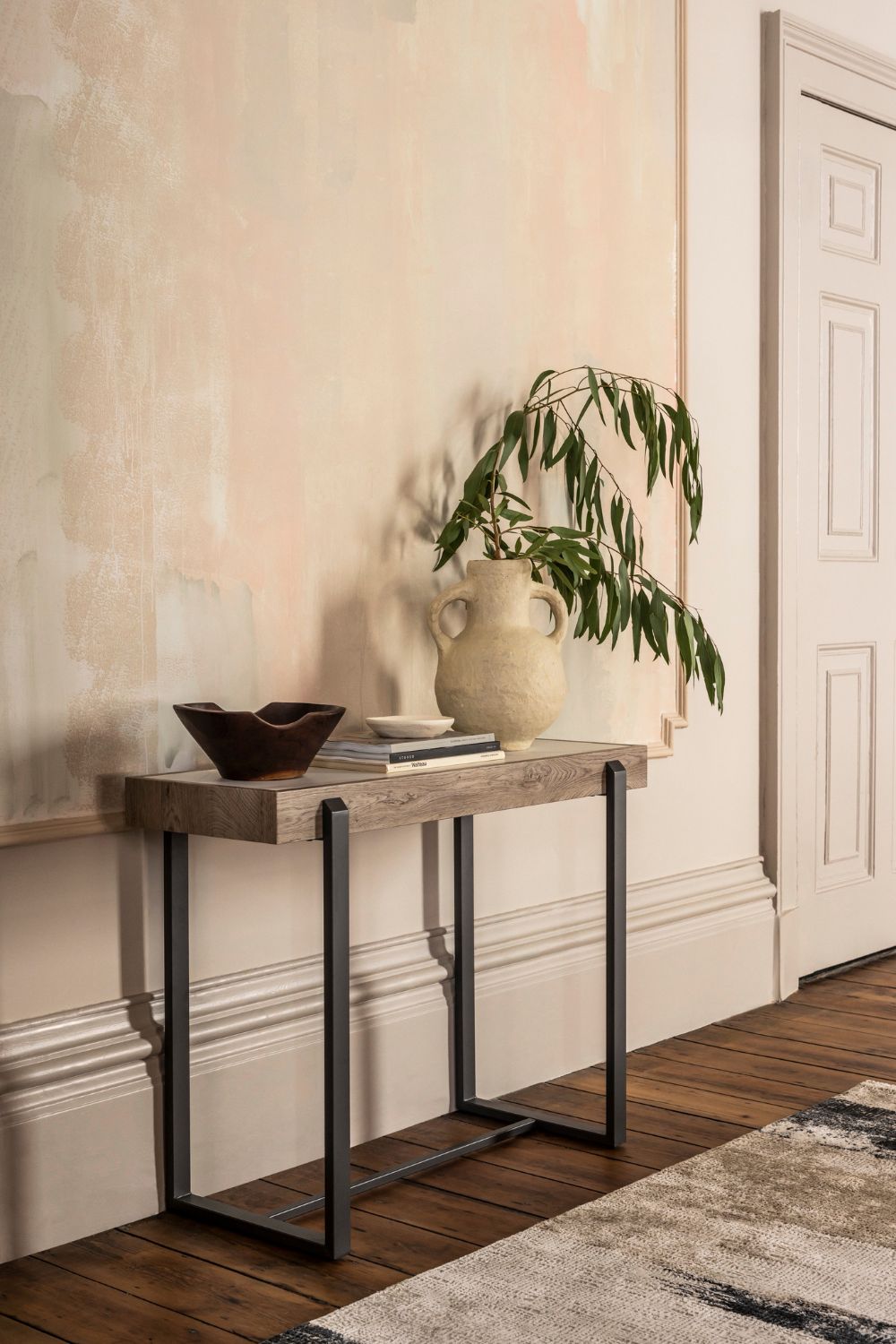
Furniture Village
Think Of Furniture In Scale
While a room in its own right, a hallway is also a passage – and you need to be able to comfortably walk through it, whatever furniture you decide to put in there. ‘Choose furniture that respects circulation,’ emphasises Sarah. ‘A slim or floating console table keeps the floor visually open. Artwork should be proportionate and thoughtfully arranged rather than scattered.’
‘A simple chair and well-placed hooks can also be enough,’ adds Hattie. ‘Anything bigger or bulkier and it can start to feel congested.’
Introduce Clever Storage Solutions
‘The main challenge we often face in hallways is storage – and the dreaded pile of shoes that almost everyone ends up with by the front door,’ says Louise. ‘Wherever possible, clever storage solutions should be employed to take advantage of every nook and cranny, including any space under the stairs.
‘If you’re lucky enough to have a slightly more generous hallway, it never hurts to include some form of seating – whether that’s a bench or a small stool – so there’s somewhere to sit while putting shoes on.’
Use Mirrors Strategically
Empty walls? Consider hanging up a mirror. ‘Mirrors are not just decorative additions – they shape how a hallway feels,’ says Sarah. ‘When positioned intentionally, they amplify natural light, extend sightlines and create a sense of depth.’
They’re also quite practical: ‘they offer that final check before leaving the house, and help the space feel more considered and complete.’
Don’t Forget The Practical Bits
While a canvas for creative flair, the hallways should also work practically. ‘Include a tray for keys, discreet storage for shoes, somewhere to hang coats and bags, and where possible a stool or bench so people can sit to put shoes on,’ suggests Sarah. ‘When function is integrated thoughtfully, the space feels effortless rather than cluttered.’
What To Avoid
With most hallways being a small, somewhat limited space, it’s best to avoid designs that prioritise bulk or disjointed. ‘Avoid overcrowding,’ highlights Hattie. ‘Narrow consoles piled with post are the quickest way to make a hallway feel chaotic.’
And you’ll also want to give more delicate fixtures and materials a wide berth. ‘The hallway is a high-traffic area in almost every home, so it’s best to avoid materials that are less robust in nature,’ explains Louise. ‘Silk wallpaper, for example, is probably not the best choice. Similarly, avoid paints and finishes that mark easily. Limestone floors are beautiful, but in a hallway we would always recommend sealing them properly to ensure they stand up to daily wear.’
Hallway Ideas To Inspire You
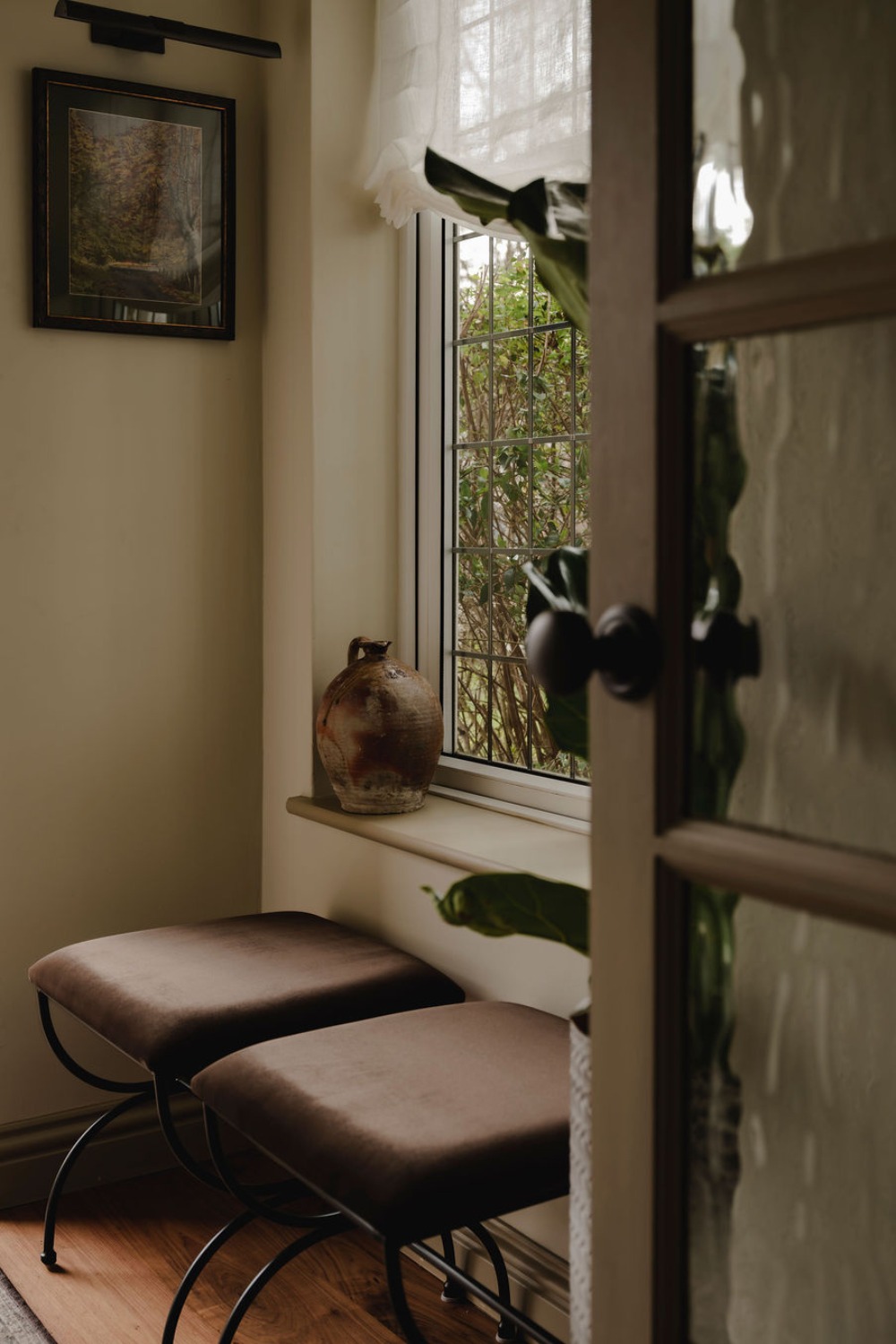
Sarah Ferreira Interiors (photo by Joey Kendal Brown)
Tonal Scheme
‘A closely related palette across walls, doors and trim creates a seamless envelope and elongates the space,’ notes Sarah. ‘Depth can then be introduced through flooring, hardware or subtle contrast rather than abrupt colour shifts.’
Studio Braw
Gallery Walls
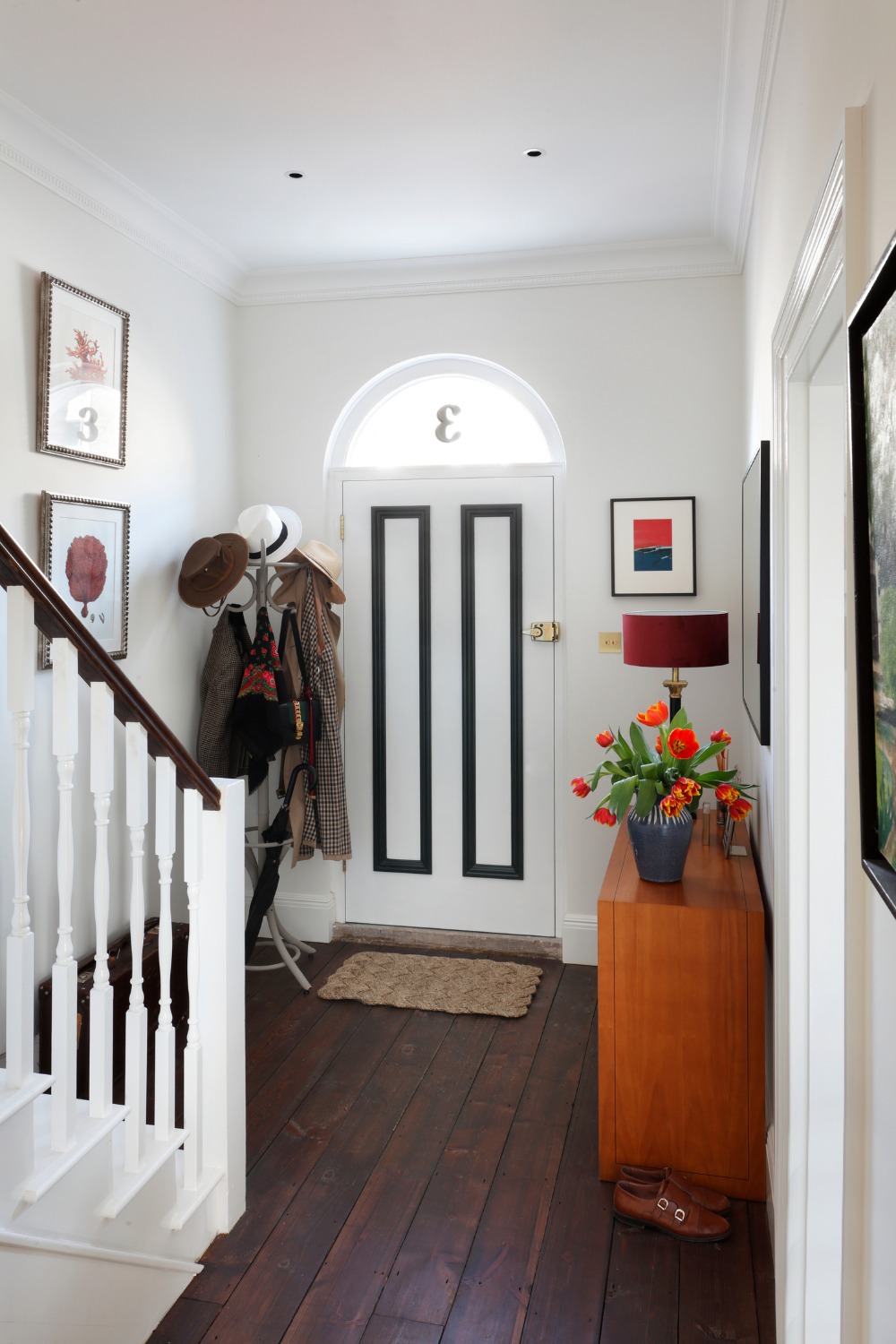
‘The inspiration for this space was an eclectic art gallery,’ explains Louise. ‘Bright white walls pair beautifully with dark floors, and in this particular hallway we were lucky to have gorgeous original floorboards alongside a large and eclectic art collection. The walls were intentionally kept bright so the artwork could really shine against a clean canvas. Introducing an antique console and coat rack helps the space feel lived-in and collected over time, rather than overly styled. The key to achieving this look is to allow the artwork to take centre stage while layering in characterful pieces that add warmth and personality.’
Hattie Hansard/Joanna Wood
Blue Cocoon
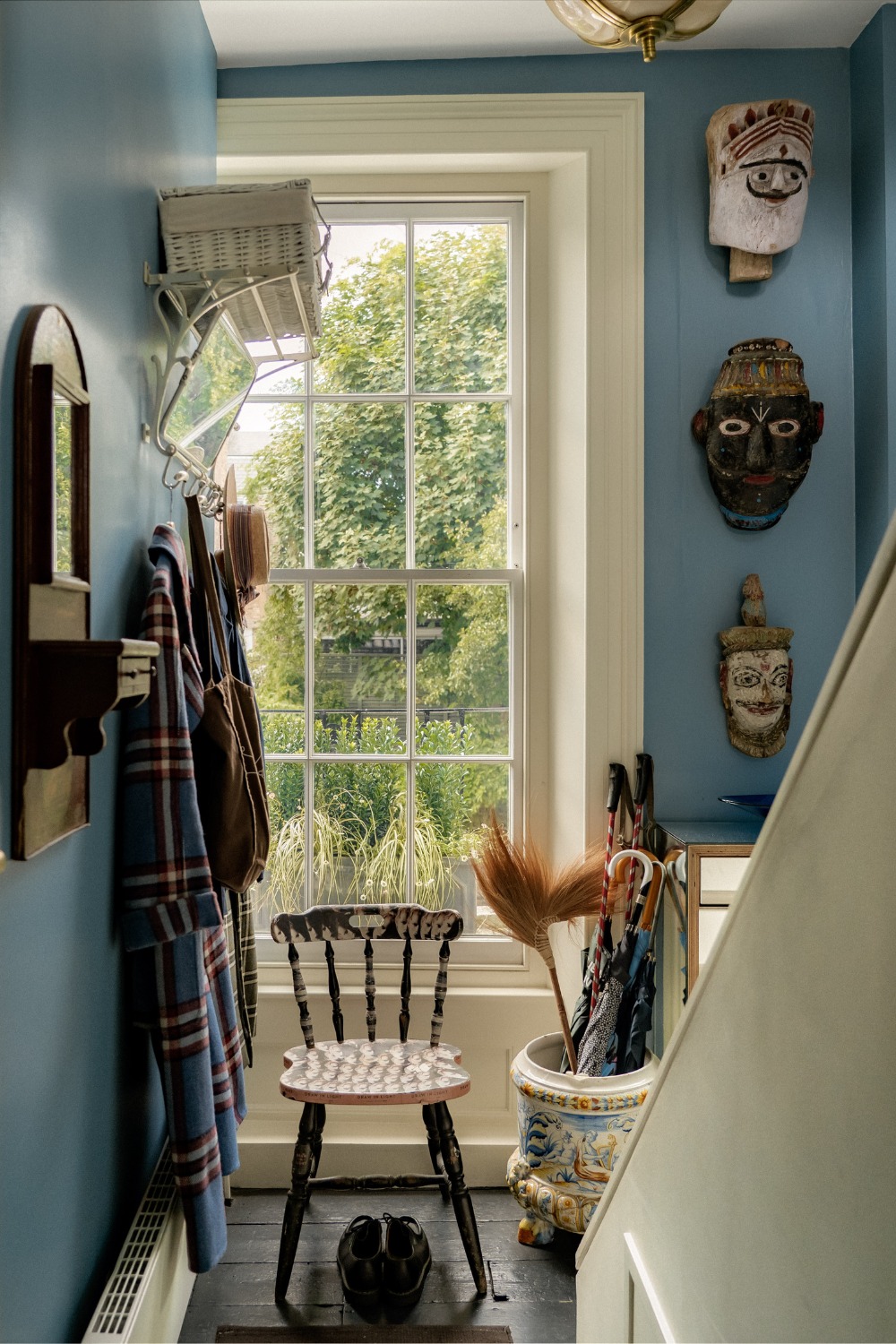
Bold pops of colour fare well in a hallway, says Hattie. ‘I wanted the space to feel personal and collected; the blue creates a cocooned backdrop, while the masks add sculptural interest and a sense of travel and story. The view of greenery softens everything and prevents the colour from feeling heavy. To achieve this look, choose one strong wall colour, add vertical artwork or objects for rhythm, and edit ruthlessly. In a hallway, less really is more.
Sarah Ferreira Interiors (photo by Joey Kendal Brown)
Statement Mirrors
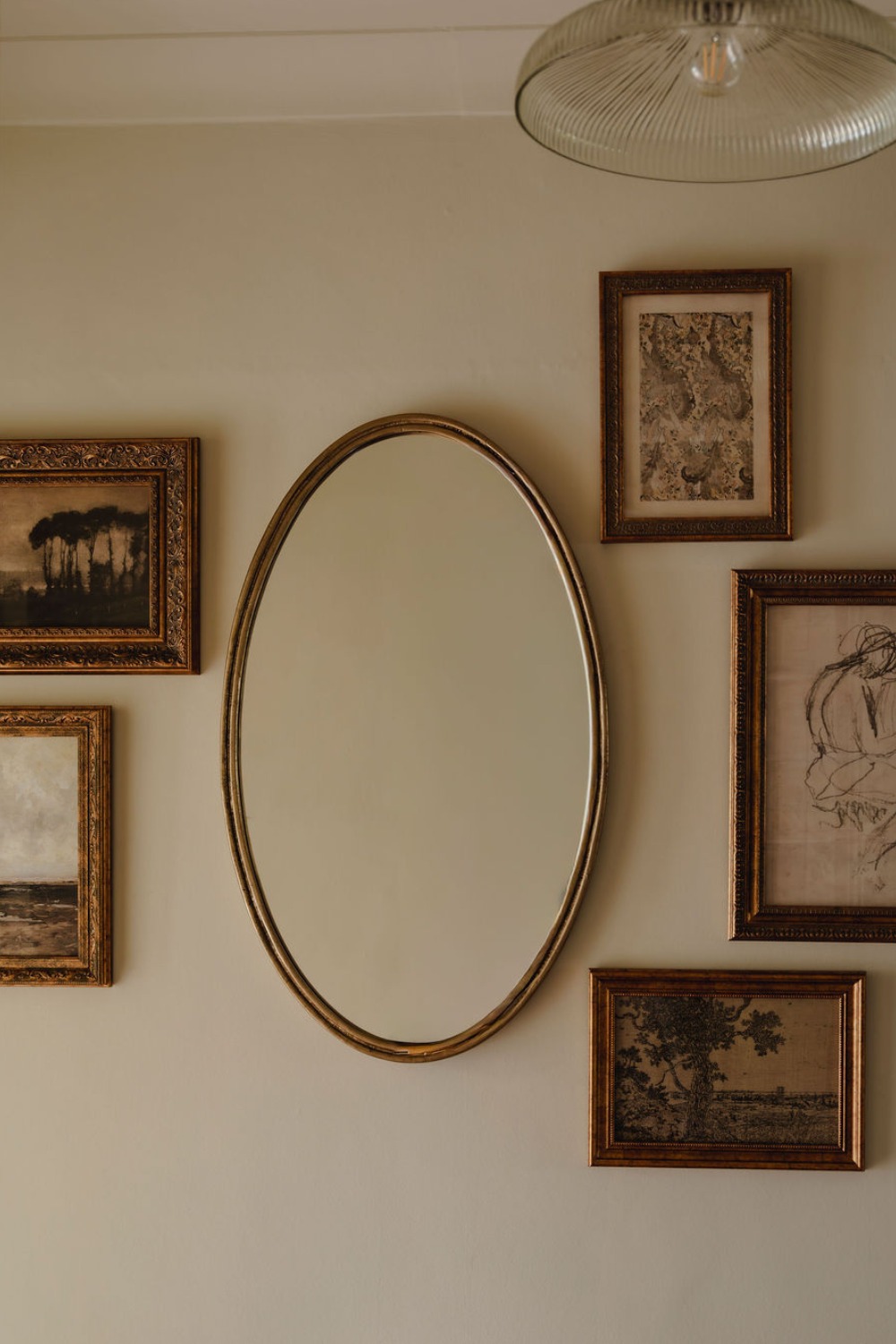
Don’t underestimate the power of a good mirror, says Sarah. ‘The mirror scale should feel confident. In narrow corridors, an oversized mirror can dramatically expand space and reflect light. In smaller settings, a more modest mirror works beautifully when visually anchored with surrounding artwork.’
Wendy Morrison Designs
Patterned Rugs
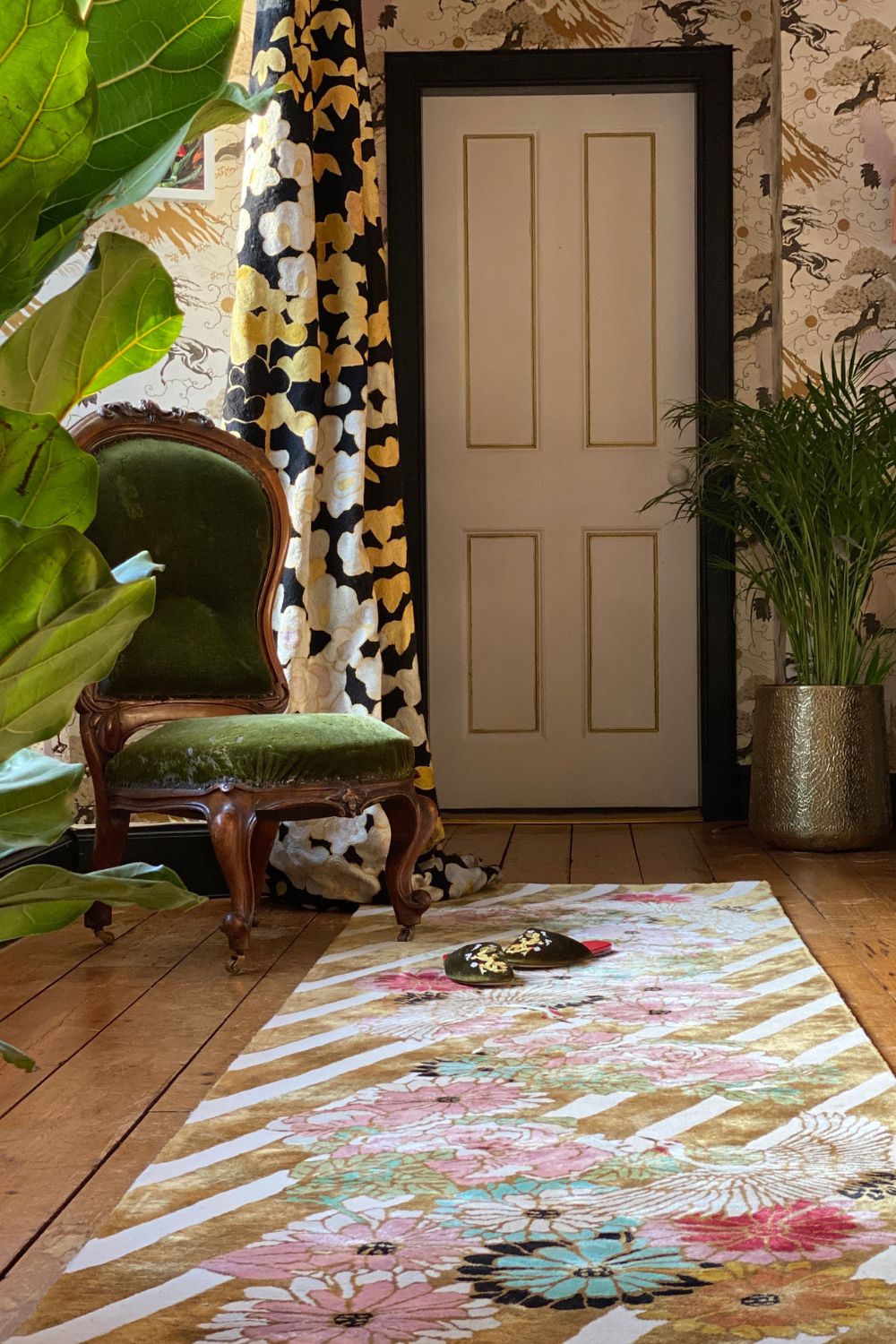
‘A simple way to instantly update a hallway without investing a lot of time or money is to add a rug,’ says Lena Gierasinska, Head of Product and Displays at Barker and Stonehouse. ‘Choose something hardwearing; I’d recommend a checked or striped pattern – not only are these designs timeless, but they’re more forgiving than neutrals when it comes to stains. This makes them the perfect choice for high traffic areas.’
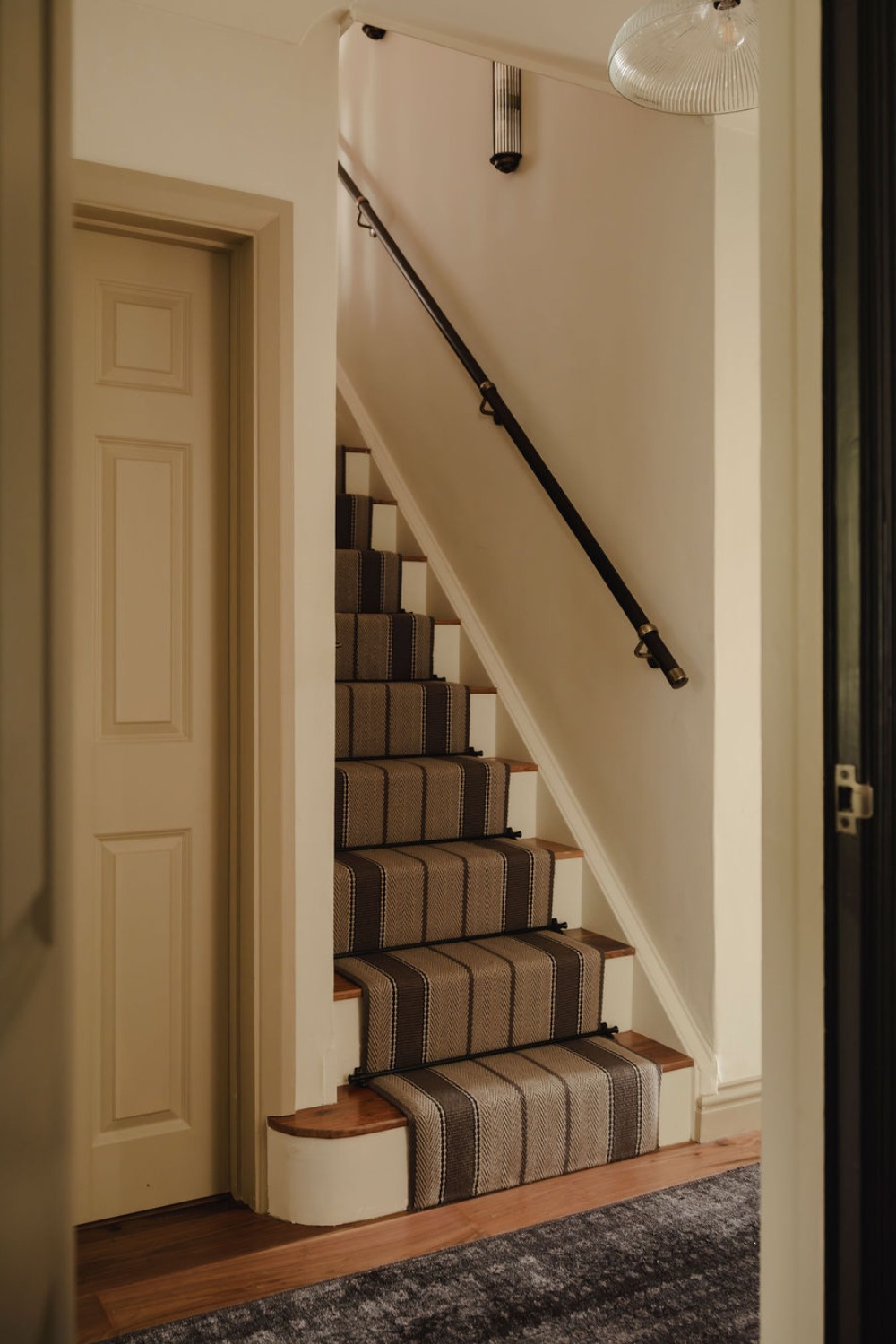
Sarah Ferreira Interiors (photo by Joey Kendal Brown)
Soft Textures Underfoot
‘Flooring needs to work hard,’ emphasises Sarah. ‘A runner is not only practical; it can introduce pattern and rhythm while guiding the eye along the corridor. The direction and scale of pattern can subtly lengthen or visually widen the space, while adding warmth underfoot. On staircases, a carpet runner can transform both comfort and appearance.’
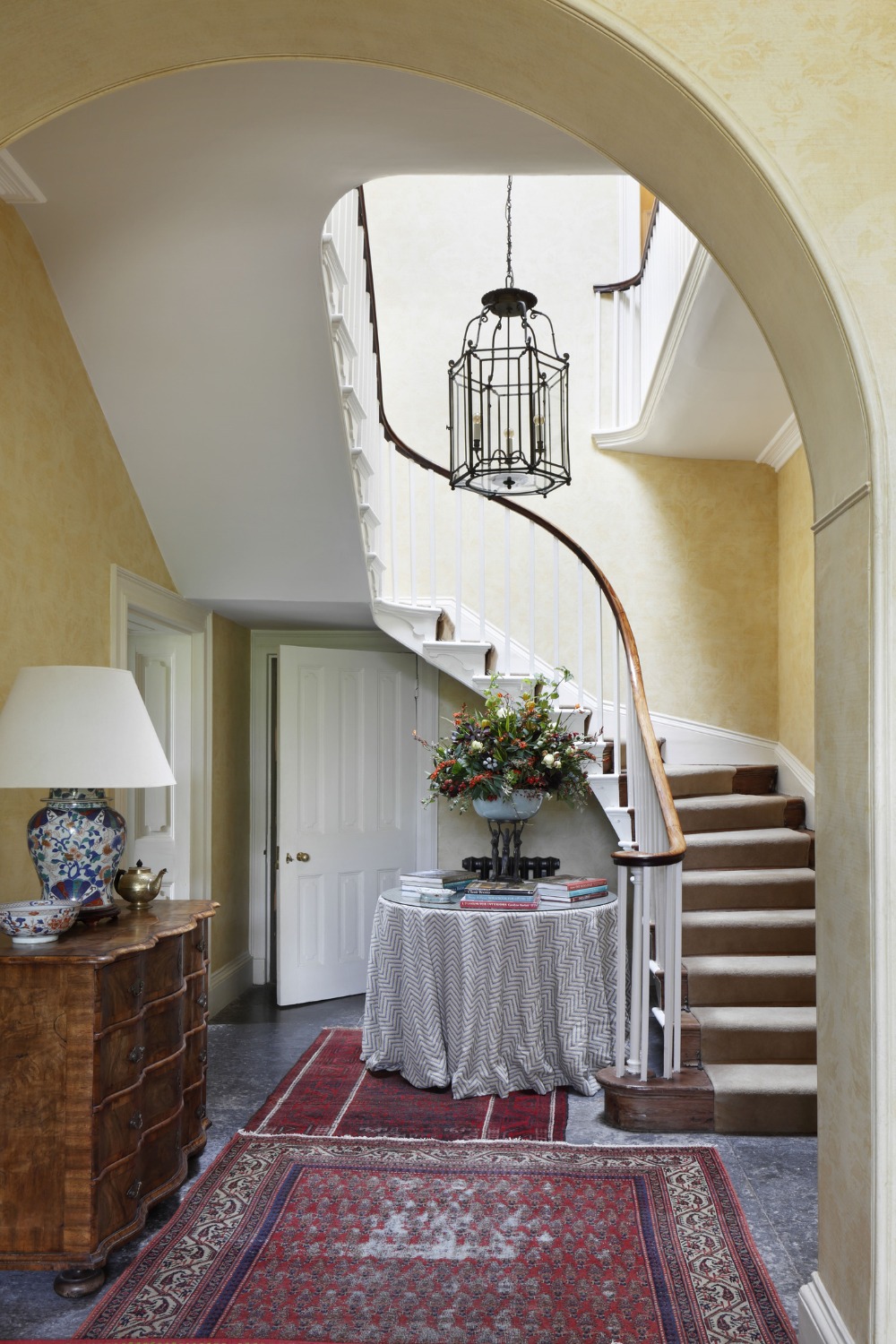
VSP Interiors
Architectural Highlights
‘These hallways focus on creating a warm and welcoming introduction to the home by celebrating architectural features such as the archway and staircase,’ says Henriette. ‘Classic antique pieces, layered rugs and decorative objects help add character and softness. To achieve the look, combine traditional furniture with collected accessories and introduce warm lighting through table lamps or pendants.’
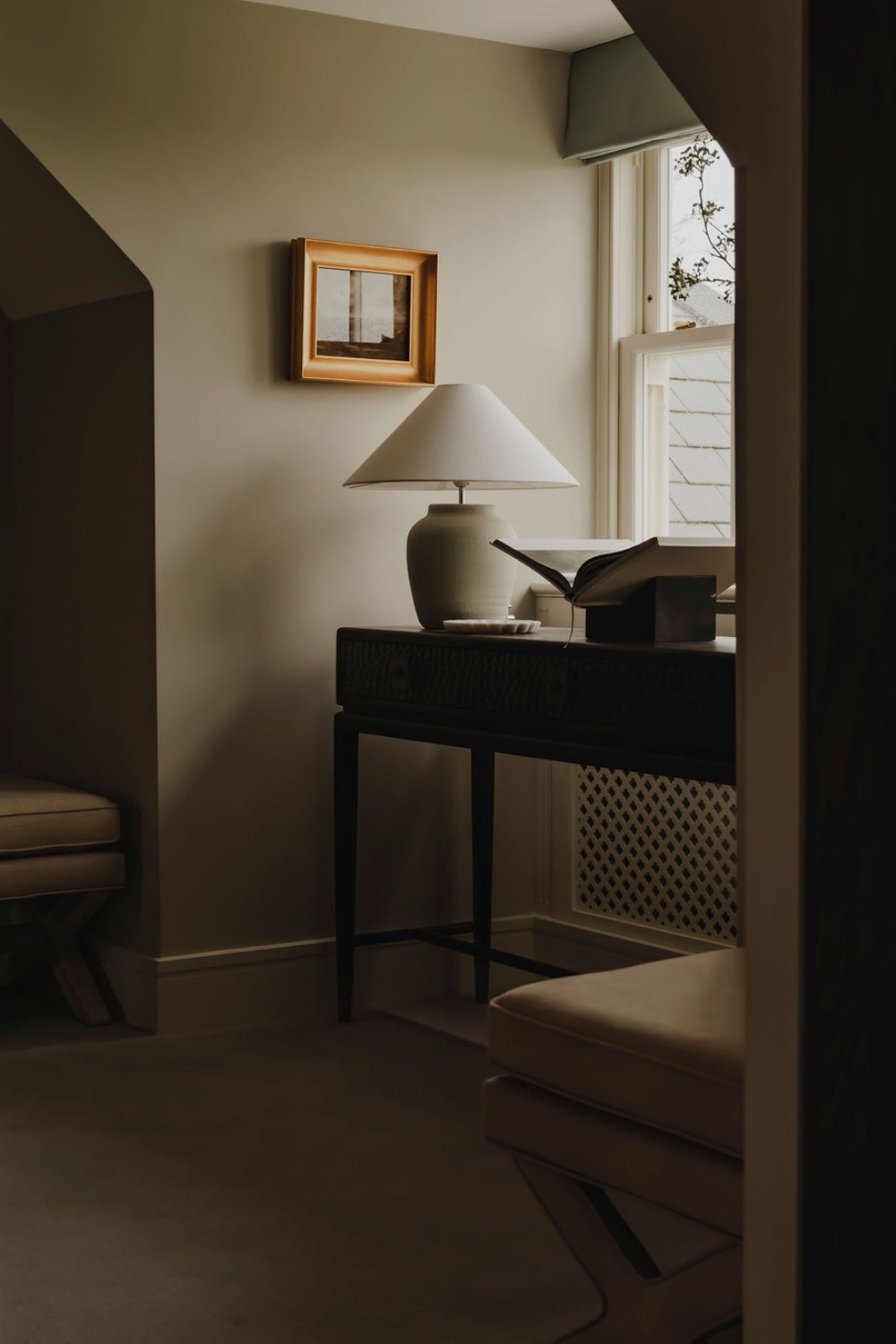
Sarah Ferreira Interiors (photo by Joey Kendal Brown)
Considered Landing
‘An upstairs landing should feel like a continuation of the hallway, not an afterthought,’emphasises Sarah. ‘Carrying through palette, detailing or material language ensures cohesion. A simple styling moment reinforces that the design story does not stop at the top of the stairs.’
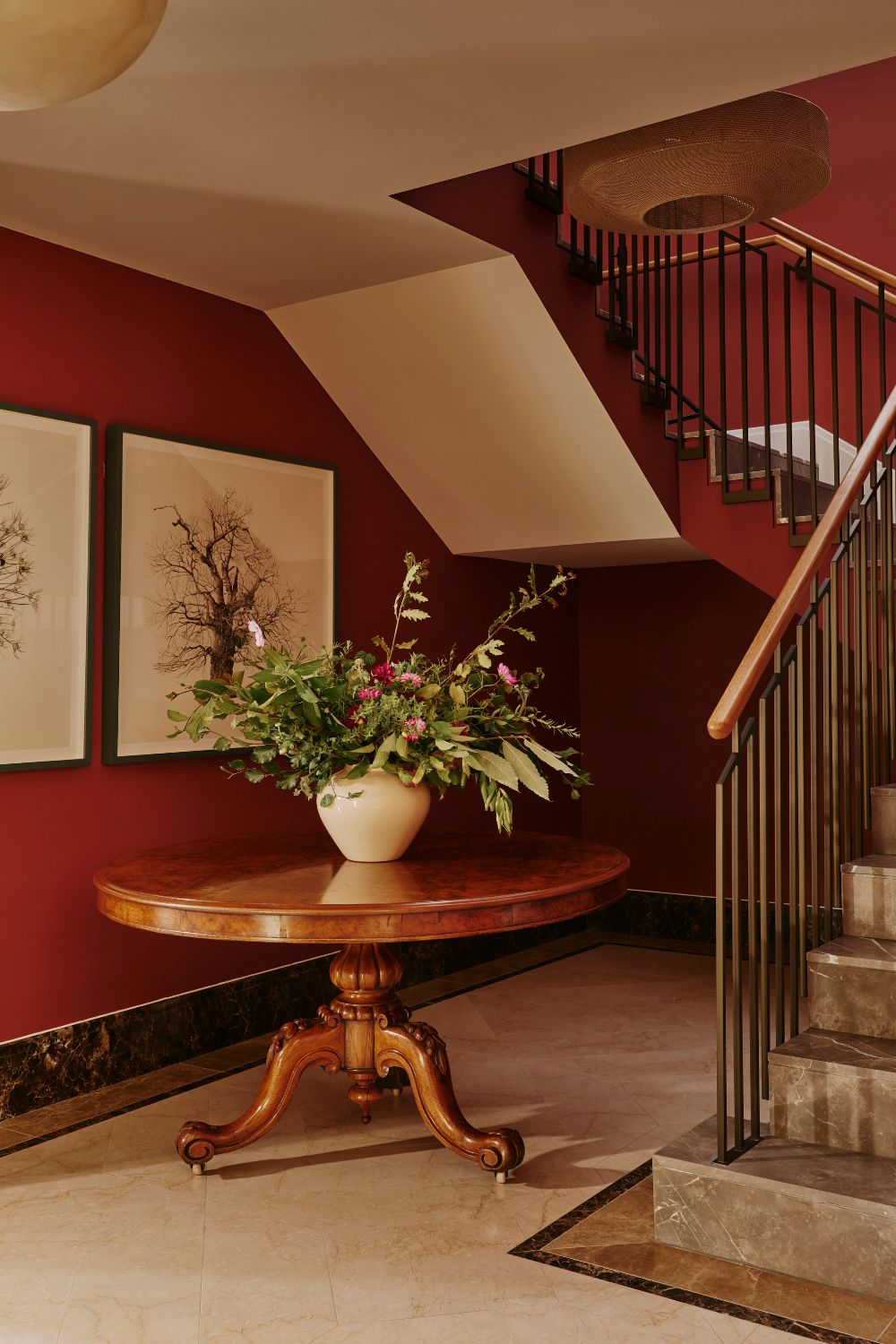
Chelsea Barracks / Studio Atkinson
Primary Hues
If you’re looking for a particularly maximalist hallway idea, try colour drenching. ‘Try a modern colour palette of lively reds,’ suggests Shelley Cochrane, Accessories Buyer at Furniture Village, ‘styled with a mid-century-inspired wooden sideboard, an eclectic selection of vases or ceramics, and a canvas or tapestry for final flourish.’