


Is Building A Garden Room Really Worth It?
By
3 months ago
The experts weigh in
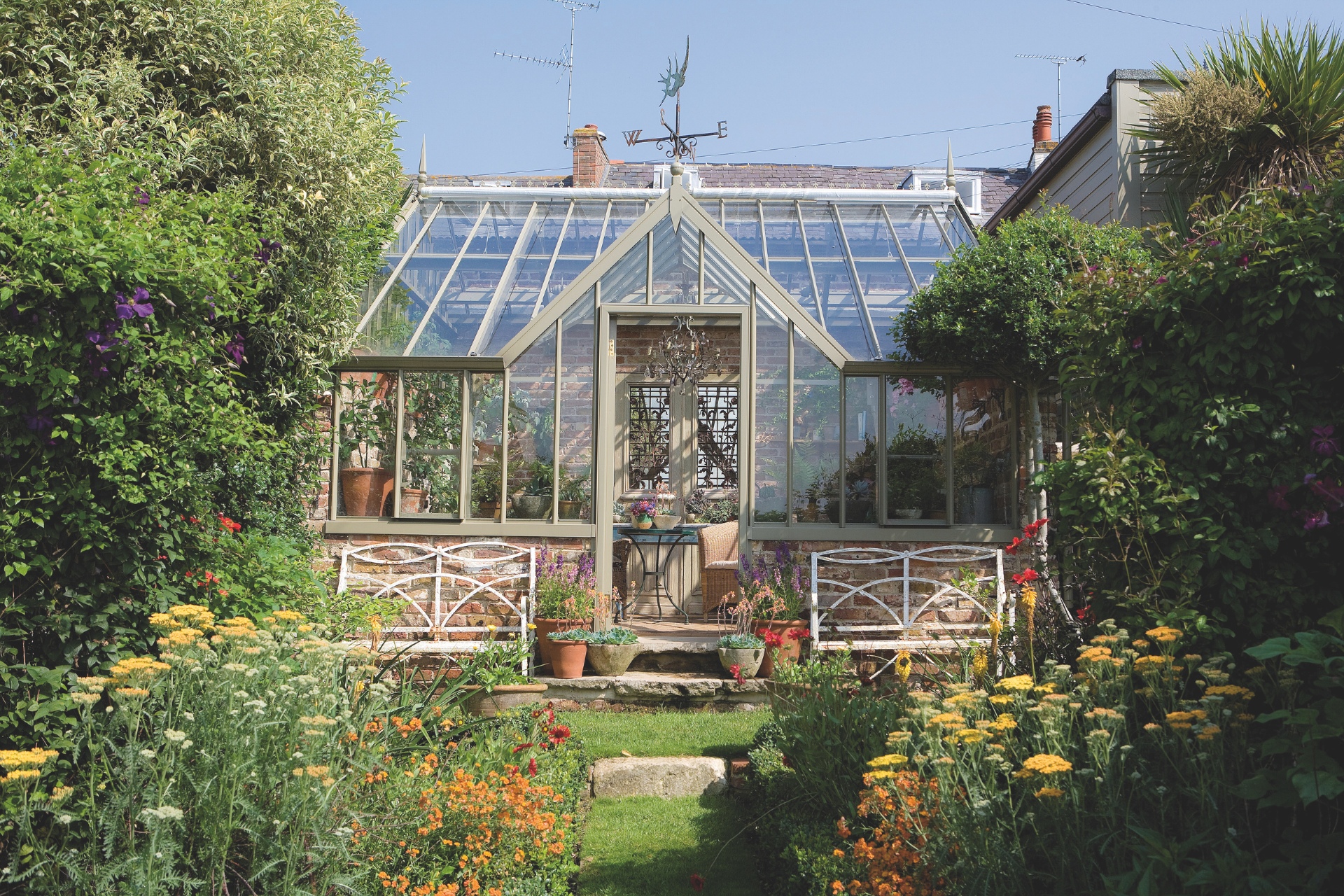
Outdoor kitchens and alfresco dining areas might help to transform your home, but handsome garden studios are the next step up. On the fence about the investment? Lucky for you, we have the expert take on how to make your garden room the star of your home (and garden).
What Is A Garden Room?
Think of it as the next step up from your typical garden shed. Separate from the rest of the main building of your home, a garden room is a building that sits in the garden itself. Although it’s not to be confused with a green house, which is primarily used for growing plants. A garden room is usually a bit more multifunctional, and filled with furniture – the type depends on how you want to use the space: an office desk and chair, a plush recliner for winding down, or a table and sink for potting plants in style – and has an overall homey feel in-keeping with the rest of the house.
If this sounds like your kind of garden project, read on. Below, we ask London-based designer Portia Fox exactly how to design a garden room– and whether it will really add value to your home.
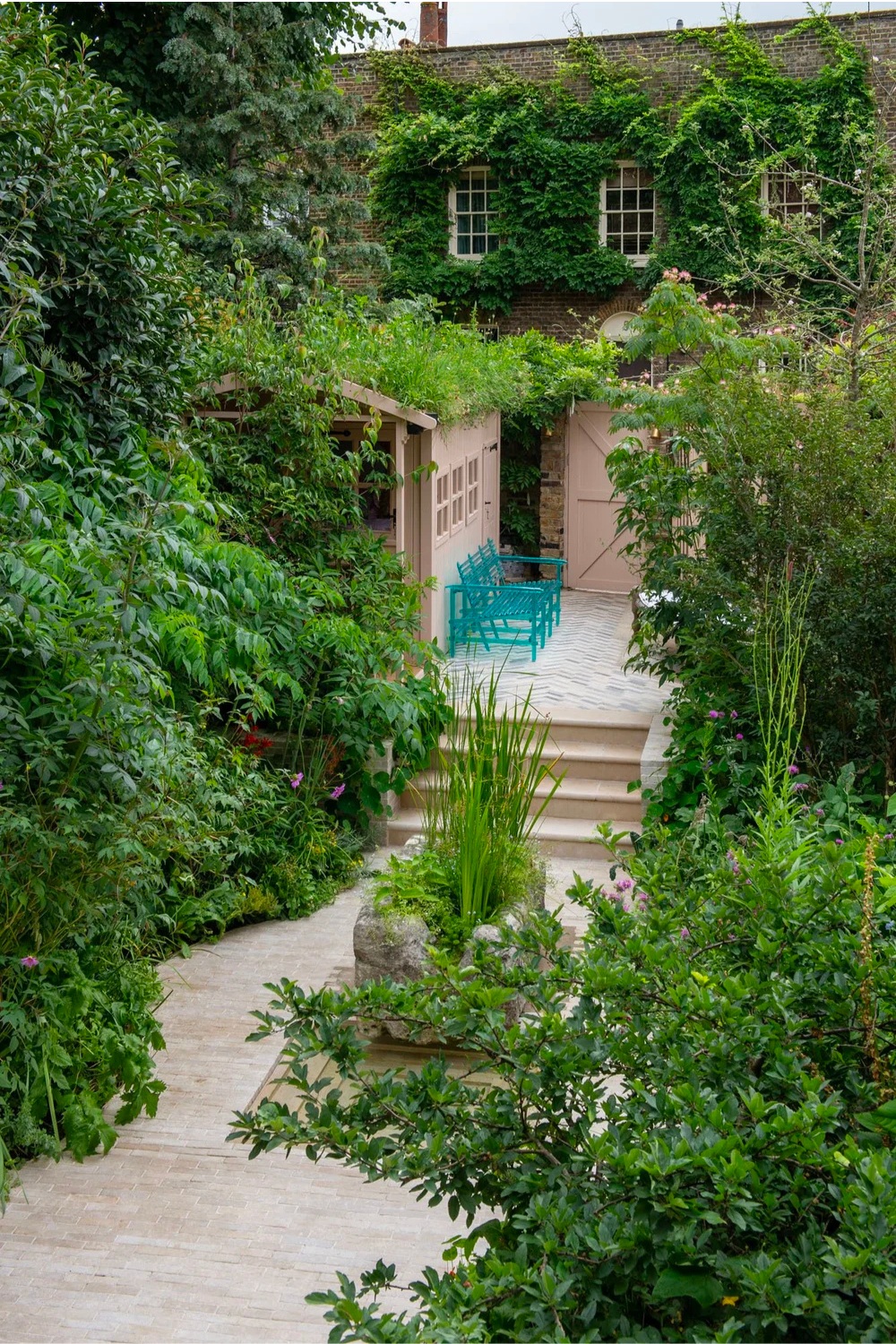
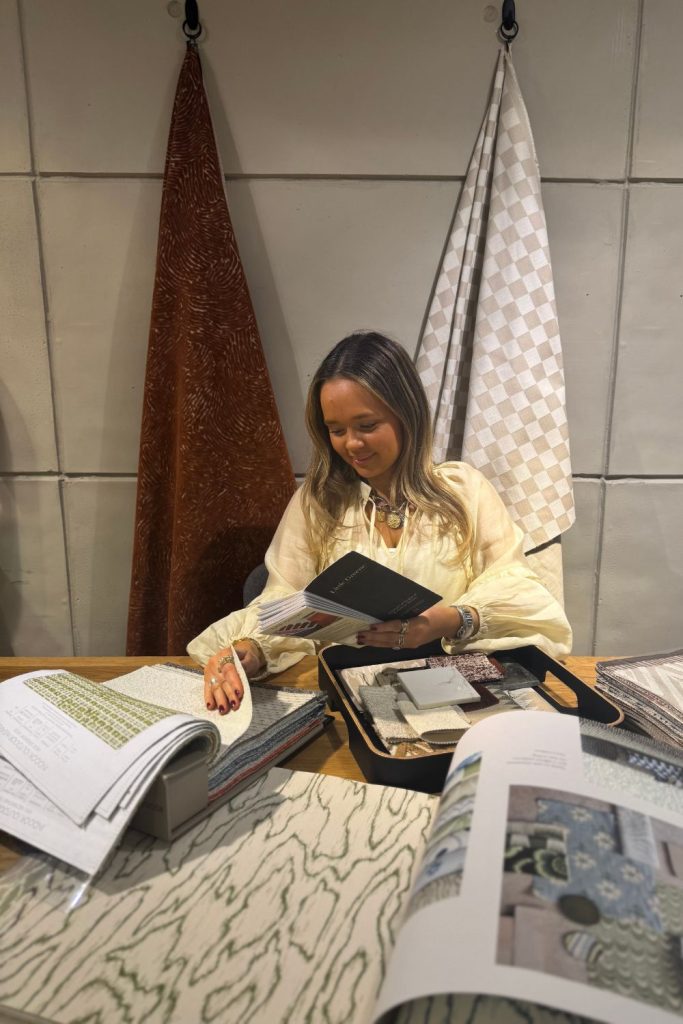
Sophie Walker (photo by Bennet Smith)
How To Design The Perfect Garden Room
Take Inspiration From The Garden
‘Designing a garden room is an opportunity to create a seamless extension of the outdoors, one that not only complements the surrounding landscape but enhances your overall enjoyment of it,’ says Portia. This is where the ‘fifth room’ trend comes in: no longer an afterthought or a forgotten space, your garden can get the attention it deserves – and after all, nothing is as impressive as a beautifully-designed garden room.
So, where do you start? ‘The design process should begin with a careful consideration of the garden itself,’ states Portia. ‘The colours, textures, and overall style of the planting – whether whimsical and meadow-like or structured and architectural – should inform choices in furniture, fabrics, and lighting.’
Matching the room’s interior to the colours and textures of your garden allows a seamless flow from inside to outside. ‘This ensures the garden room feels naturally integrated, rather than appearing artificially placed,’ Portia explains.
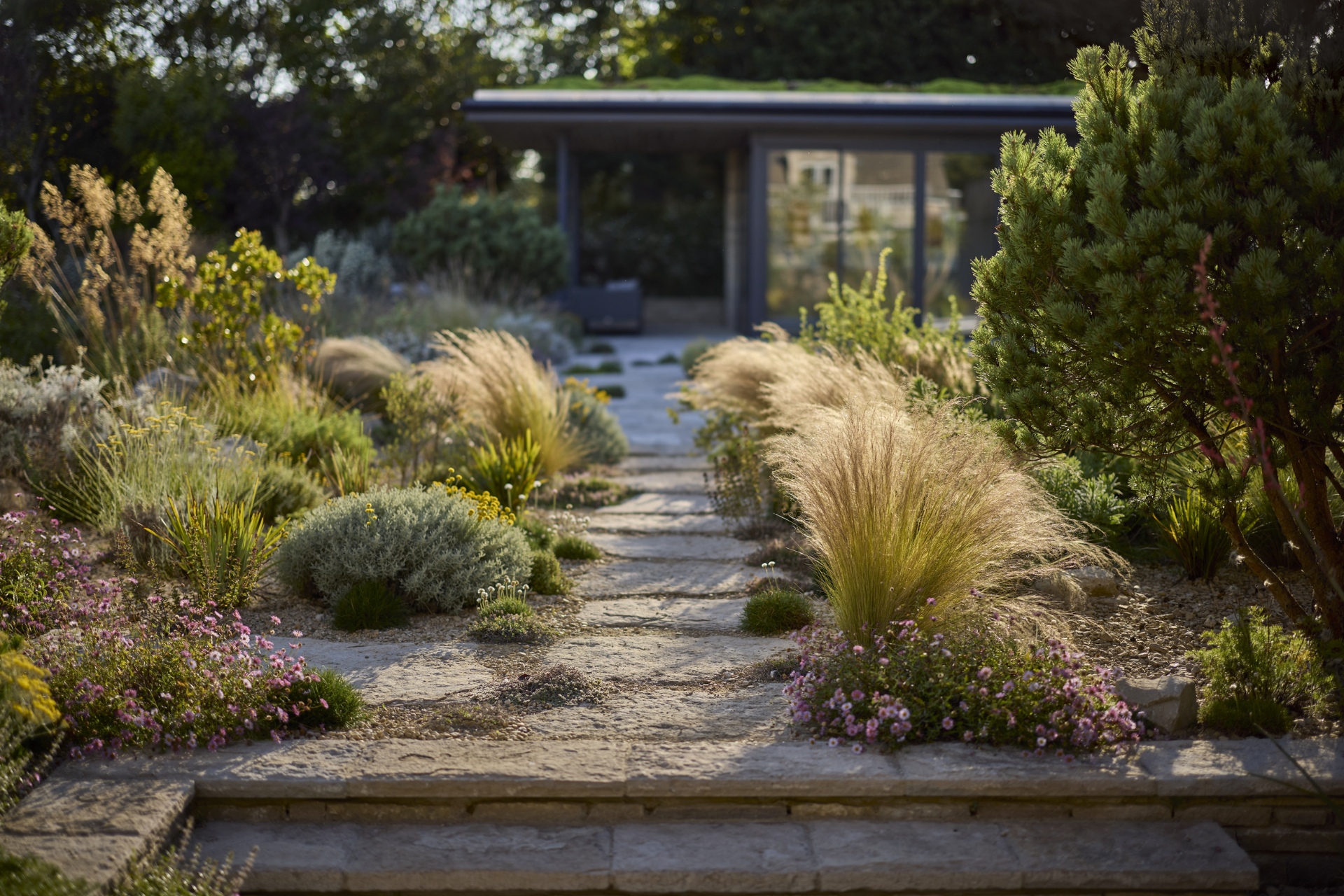
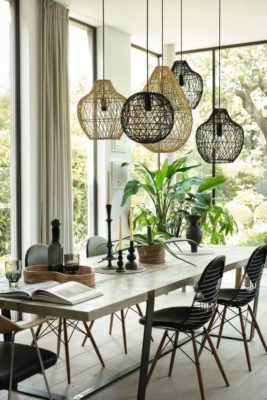
Tom Massey Studio (photo by Alister Thorpe)
Harness The Power Of Lighting
‘Lighting plays a pivotal role in creating atmosphere,’ says Portia. ‘I recommend designing flexible lighting scenes that respond to the rhythms of natural light throughout the day.’ In other words, utilise types of lighting that emulate the natural sunlight you’ll see in your garden itself.
‘During daylight hours, the space should feel bright and welcoming, while evenings call for a shift to softer, warmer tones,’ Portia tells us. ‘Low-level lighting (like floor or table lamps with linen or cotton shades) introduces a cosy, ambient glow, ideal for winding down or entertaining.’
Plan For Year-Round Functionality
A garden room might be a costly addition to your home, but designing a functional space will ensure it’s really worth the investment.
According to Portia, a truly versatile design starts with a few logistical considerations. ‘Whether used as a home office, guest room, creative space, or personal retreat, the structure must be insulated and well-ventilated, with heating solutions for colder months,’ she advises. ‘Practical features like strong Wi-Fi, task lighting, and conveniently placed power points also go a long way in supporting everyday usability. Cutting corners on essentials like these may seem cost-effective, but it often results in a cold, underused space that adds little value to your home.’
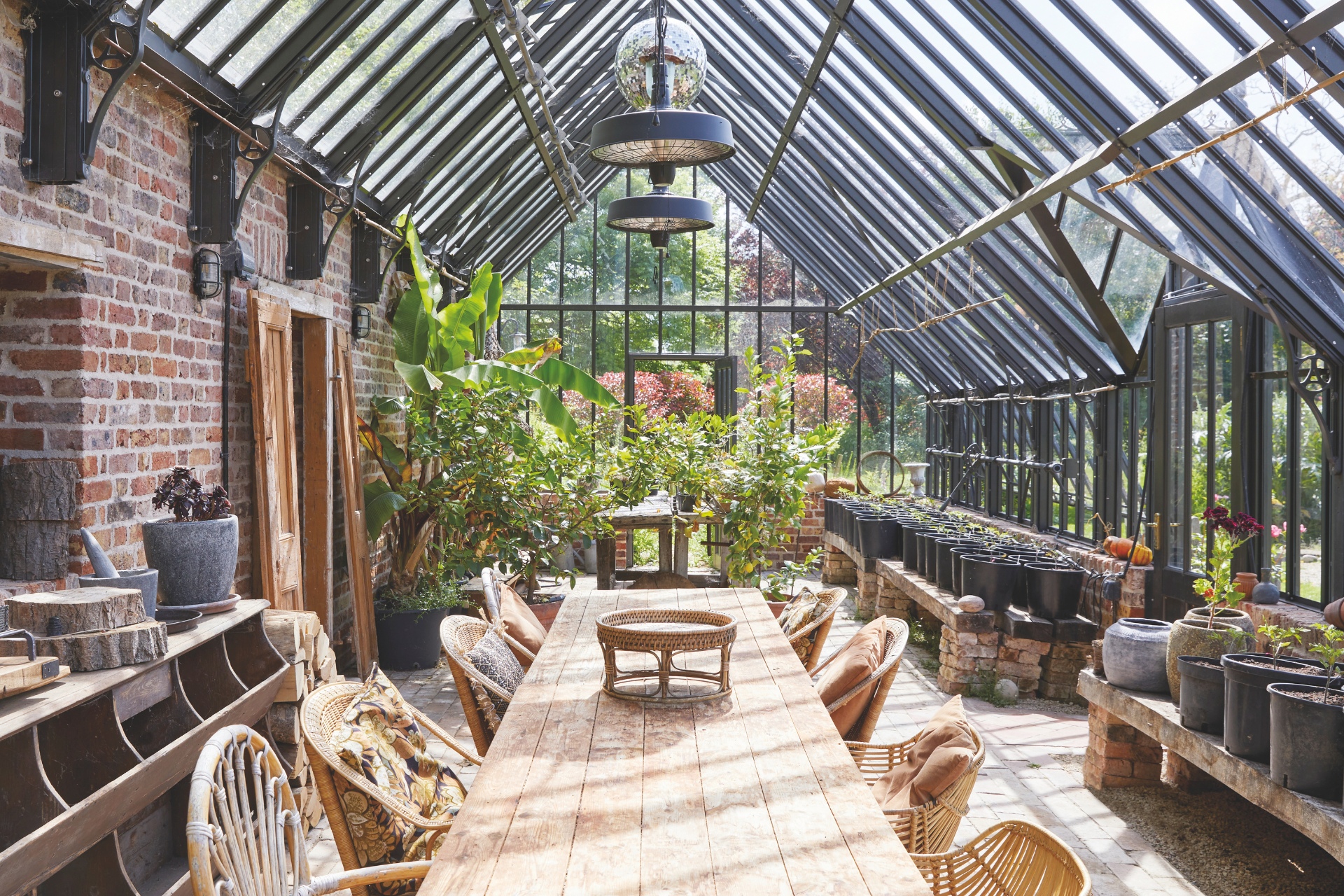
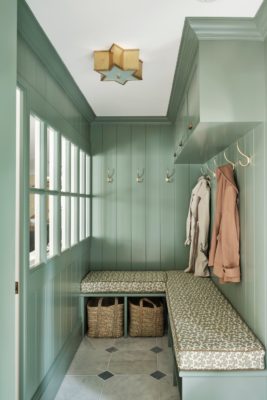
Alitex
Focus On Natural Textures
While earthy tones and textures are among the biggest design trends this year – and there’s no space that’s quite as suited to them as a garden room.
Yet it’s not simply about trends; Portia notes that natural materials will reinforce the indoor/outdoor experience of your garden room, helping to provide both functionality and flow.
‘Materiality is a cornerstone of an effective garden room,’ she says. ‘Incorporating natural, tactile materials like jute rugs, linen upholstery and alpaca throws not only brings a sense of softness and comfort, but also visually echoes the organic textures of the garden. These materials create a sensory bridge between the indoors and the outdoors, enhancing the feeling of harmony with nature.’
Prioritise Quality Finishes
The key to designing the perfect garden room isn’t just about the decor, of course; the exterior is just as important.
‘Quality finishes are essential for both longevity and aesthetics,’ Portia emphasises. ‘Opting for timber cladding, green roofs, and careful landscaping will allow your garden room to age gracefully while blending into its surroundings.’ This will guarantee that your garden room stands the test of time and adds plenty of value to your home.