


Inside The British School With Its Own Conservation Zoo
By
25 minutes ago
This on-site facility is transforming lives from polecat to pupil
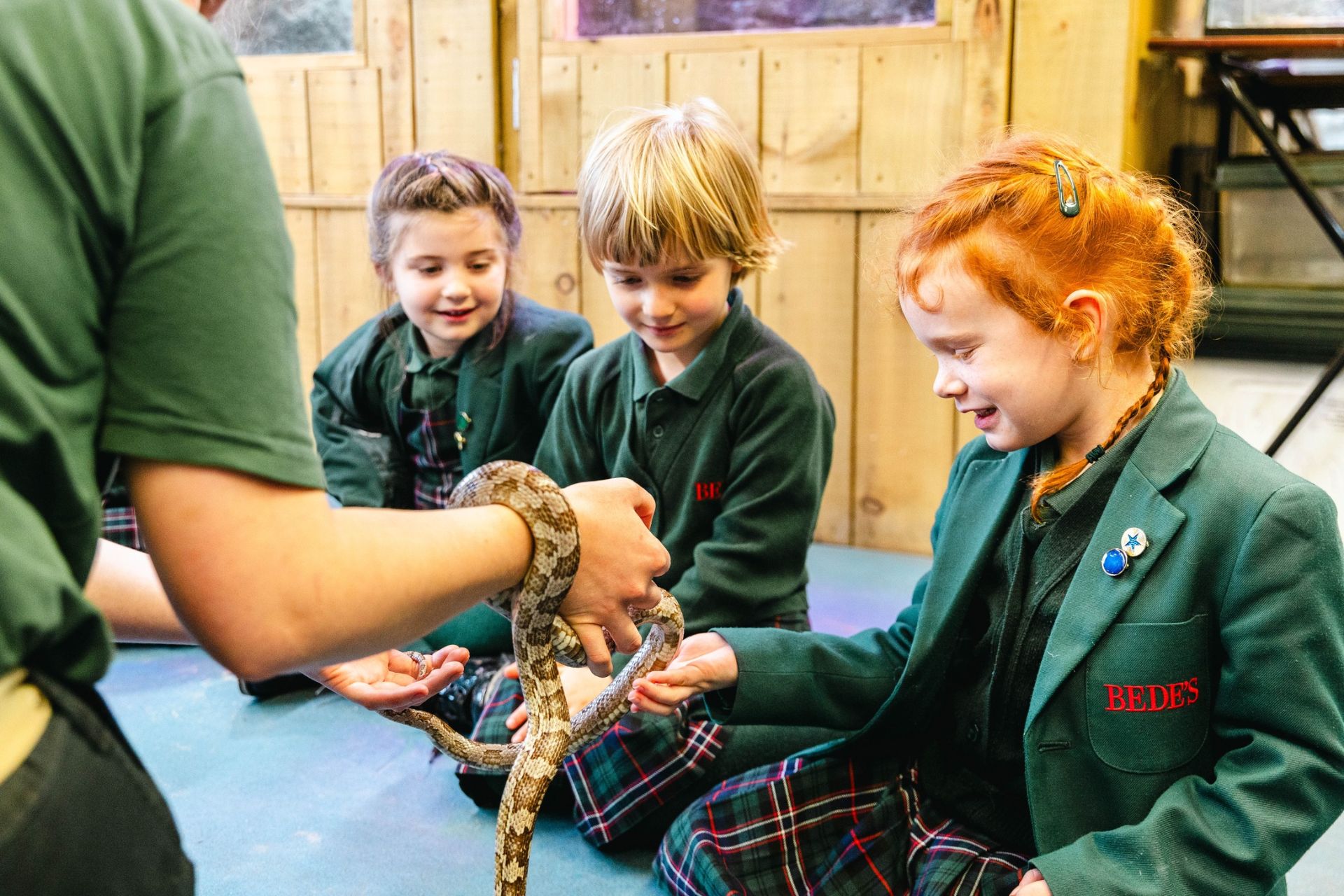
Drop into Bede’s Senior School in East Sussex on a weekday evening and you might find senior deputy head John Tuson being mobbed by pupils. ‘If it’s just me, they disappear,’ he says. ‘If I’ve got my dogs with me, I can barely move through the crowd!’ Such is the effect that animals can have on schoolchildren. It is fitting, then, that as well as teaching English, Tuson should be partly responsible for the school zoo. You read that right: a zoo in a school, one of a tiny number across the UK.
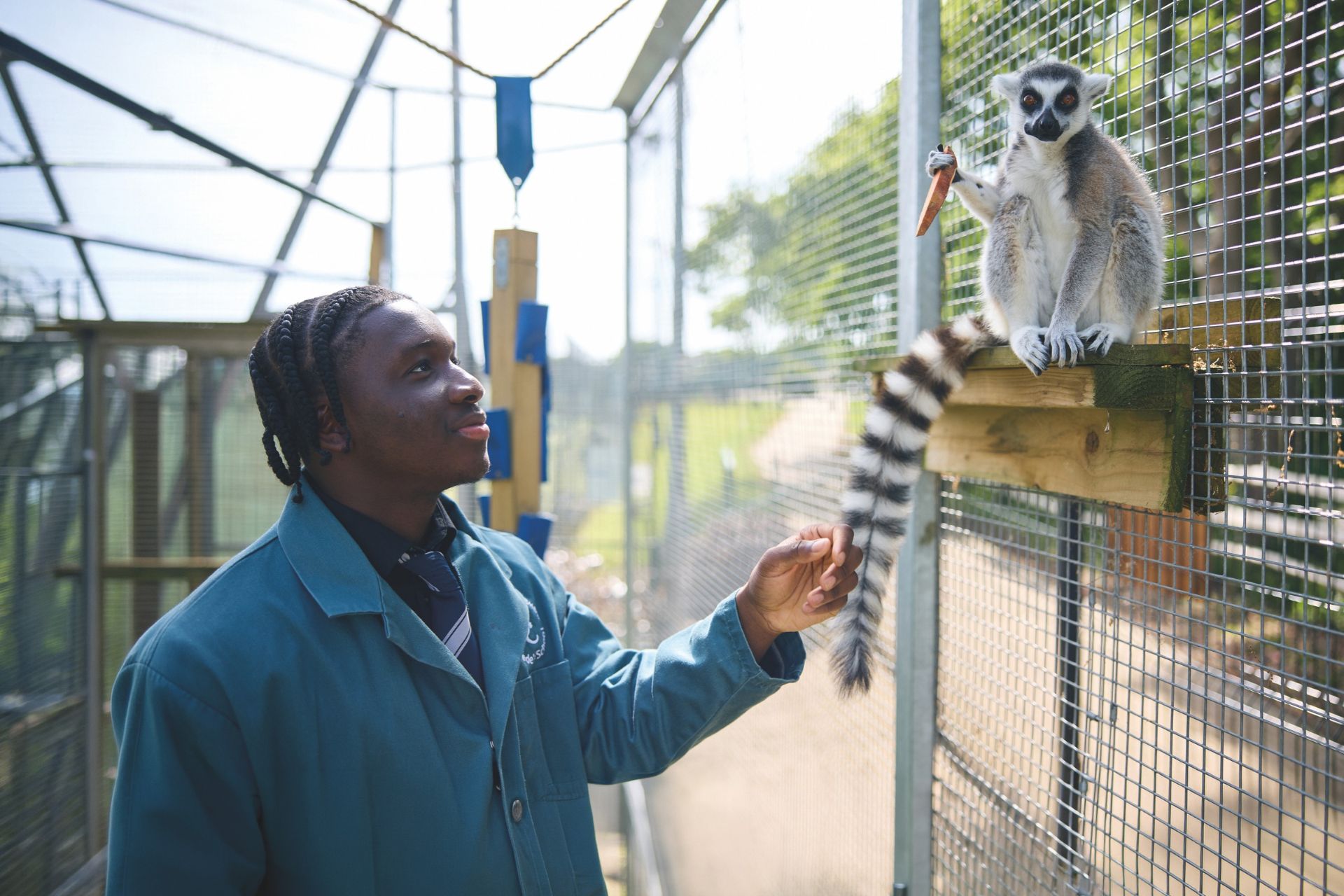
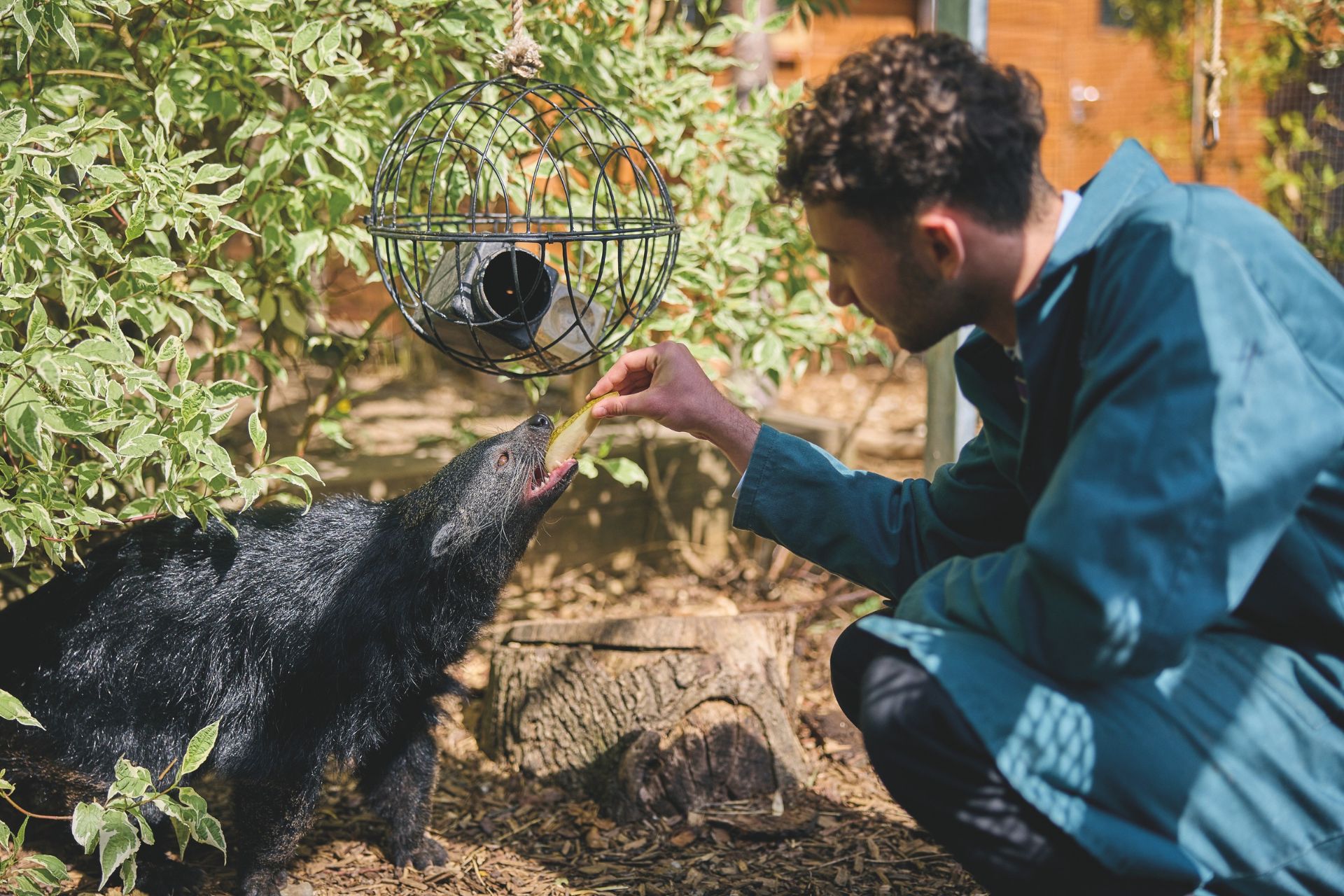
Among its 70 species are squirrel monkeys, mongooses and the beautiful turquoise dwarf gecko – a critically endangered Tanzanian lizard. Some, like the dormice, are nocturnal; others, such as the binturongs, a type of civet that smells like buttered popcorn, are keener still: ‘Everybody loves the male; he’s always out and about.’
For Tuson, having a zoo on school grounds represents the best of both his worlds. ‘As a young whippersnapper I read lots of Gerald Durrell [author of My Family and Other Animals] and wanted to be him,’ Tuson says. Having worked briefly as a zookeeper, he joined Bede’s in 1993 and has spent the last 33 years teaching, with the natural life logged in his hinterland.
When in 2008 former zookeeper Paul Juniper joined Bede’s as an environmental science teacher, one thing led to another. First came a reptile tank in his lab; then, in 2011, a former sports storage shed was converted into a zoo space. A new zoo building is now planned, which will not only house more animals but also offer a space for ‘boarders to work around animals that are comforting and reassuring: a big tank of fish and animals that are handleable. The idea is that if people are around animals, they are somehow taken away from themselves.’
Sometimes, Tuson can’t believe his luck in having managed to combine his two passions. ‘We’ve stumbled upon something that absolutely works,’ he says. The school’s zoological society runs as a cocurricular activity and is at capacity; meanwhile, between 12 and 14 sixth formers study towards the BTEC Animal Management Extended Diploma yearly.
‘There is a sort of child for whom people are complicated and animals are more straightforward,’ says Tuson. ‘As a child, I found the world slightly baffling; animals were an escape from that. That’s absolutely the case for some of our children here.’ There are benefits for the animal population, too: the family of ruffed lemurs came to Bede’s as part of a European breeding programme, and the school has bred dozens of endangered hazel dormice, contributing to a nationwide effort to boost their numbers in the British countryside.
The zoo, says Tuson, is more than just another cocurricular activity – it represents the school’s ambition to help every child find what they love in life. ‘Of our 800 students, 797 won’t recognise what’s going on with the Grandidier’s mongoose. But for the three that do, it’s the most incredible thing.’ He recently caught up with one student who is a keen member of the zoological society and asked what animal he liked. ‘He said it was the reed frog, which is about the size of your thumbnail and which you never see because it’s so shy. The fact that this is the thing this boy latched onto is fantastic. That’s what we’re all about: finding joy in what you’re doing.’