


Stella McCartney Continues To Ruffle Feathers For All The Right Reasons
By
27 seconds ago
Vegan feathers have hit the runway
Stella McCartney has long been a pioneer of sustainable and ethical fashion. Since founding her eponymous bran 25 years ago, she has endeavoured to never use leather, feathers or fur, and has been a trailblazer for animal product alternatives – from mushroom leather and plastic-free plant leather to lab-grown, vegan silks. And now, Stella McCartney is tackling the use of feathers in the fashion industry, spotlighting a brand new material alternative created by FEVVERS.
Stella McCartney Debuts Feather Alternative With FEVVERS
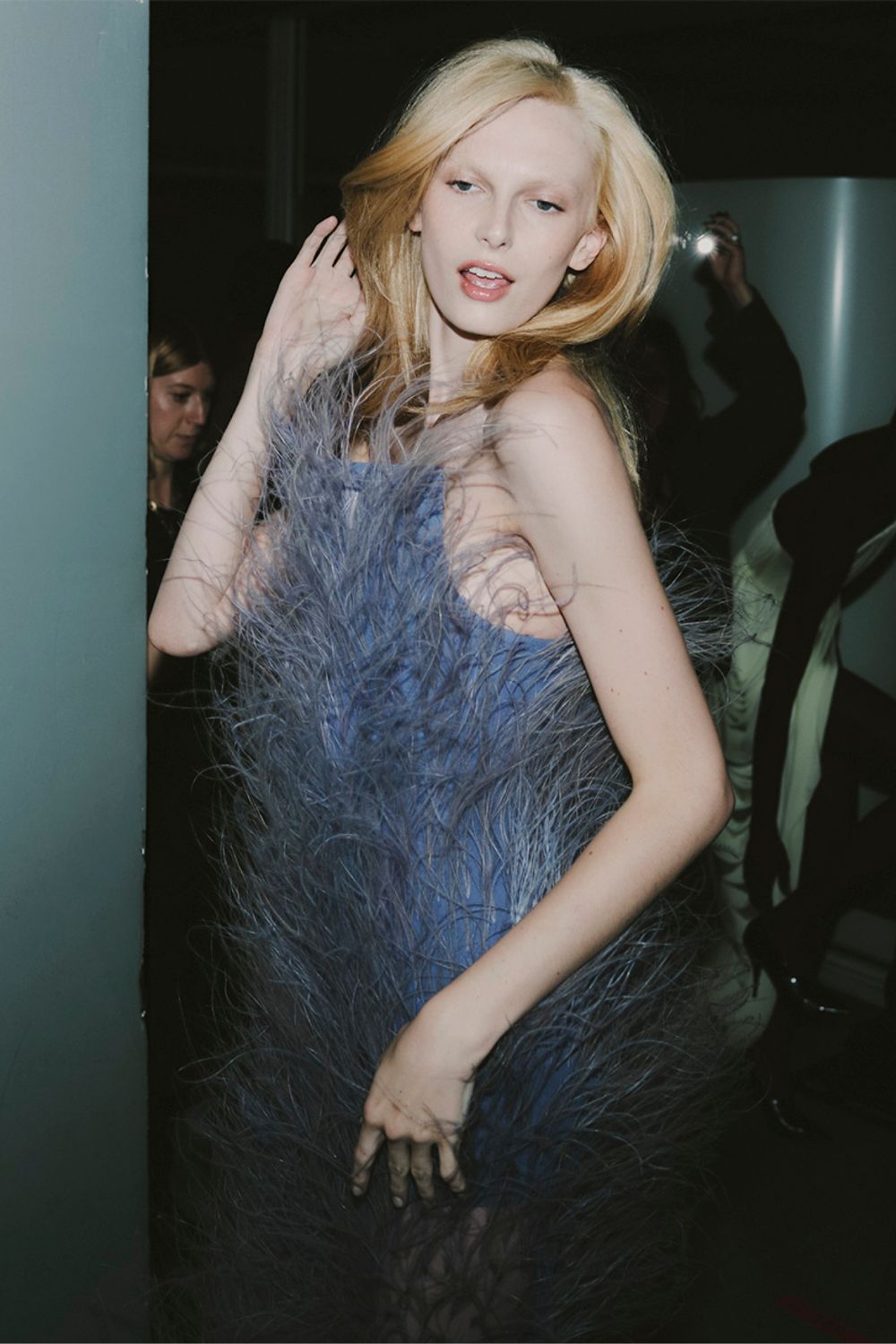
It seems Stella McCartney isn’t done when it comes to setting new industry standards. In her Paris Spring/Summer 2026 show last September, the designer closed with three dresses made using the world’s first plant-based alternative to feathers. The ‘feathers’ in question were by British startup FEVVERS, who worked with McCartney to showcase how their material could behave on the global stage. The result? The dawn of a new era of flamboyant fashion.
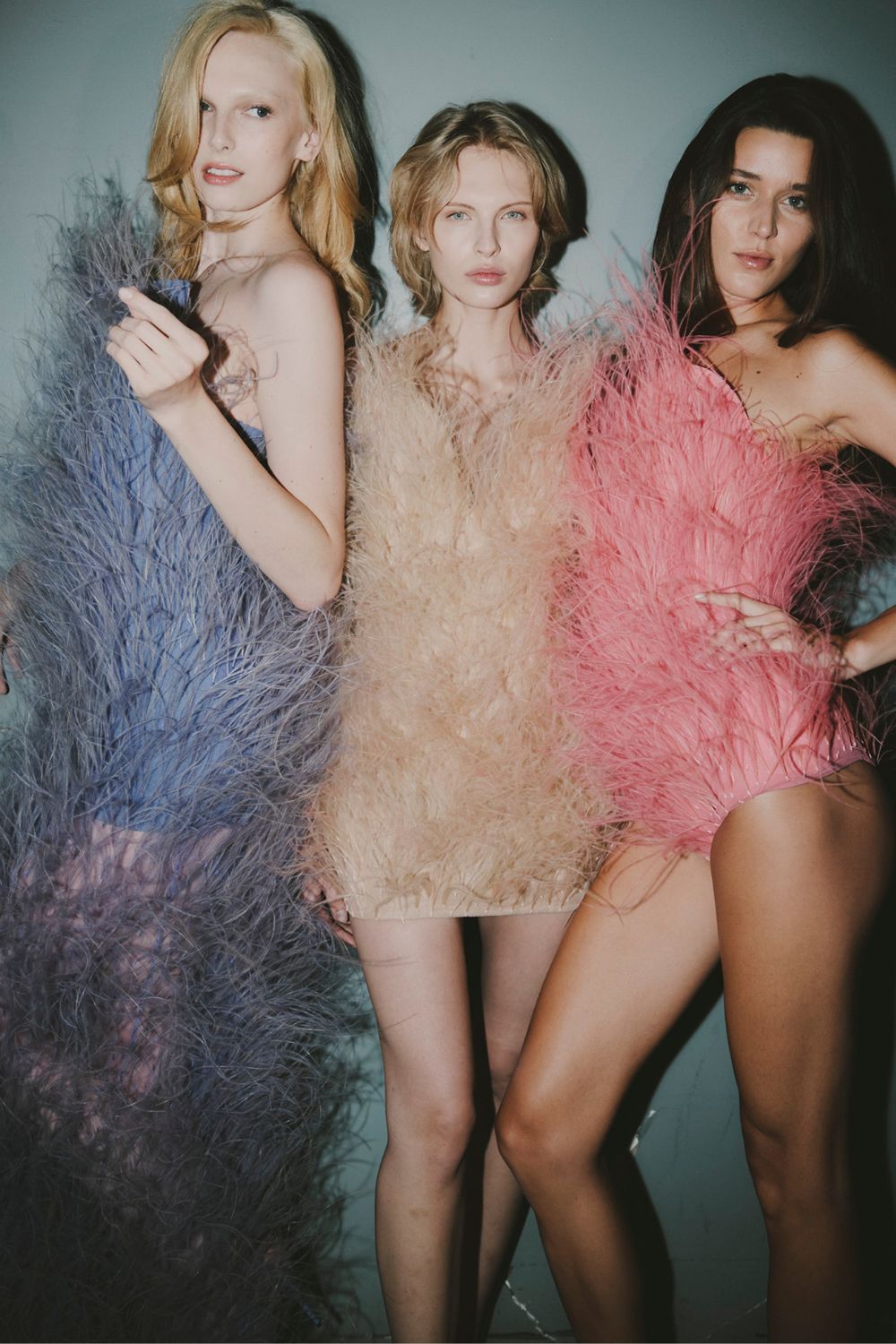
Stella McCartney SS26
FEVVERS was co-founded by Nicola Woollon and James West, who are on a mission to use vegan fibres to structure a feather alternative – one that retains the look and feel of the real material, but without the cruelty, and with a much less demanding environmental impact.
Though the company was registered in 2025, co-founder Woollon became aware of the challenges around feathers after more than a decade working in embroidery and fashion. Speaking to C&TH, she said that the response to FEVVERS so far has been incredibly positive: ‘What’s been most interesting is the moment of surprise – people don’t just see an alternative; they see a new kind of beauty. That shift from curiosity to excitement has been consistent across press, customers and industry audiences.’
It’s a viewpoint shared by McCartney. Speaking to AFP after her SS26 show, the designer said she had ‘been having the conversation about not killing cows and goats and snakes or any living animal to be made into a shoe or handbag in my industry for over 30 years, but I realised not that long ago that feathers were a whole other barbaric part of the industry.
‘The innovation [created by FEVVERS] is just insanely beautiful, and we have created some of the most striking couture pieces I have ever seen,’ she continued. ‘It’s not only the world’s first plant-based feather alternative, but it’s also proof that brands who continue to use feathers are choosing cruelty over creativity.’
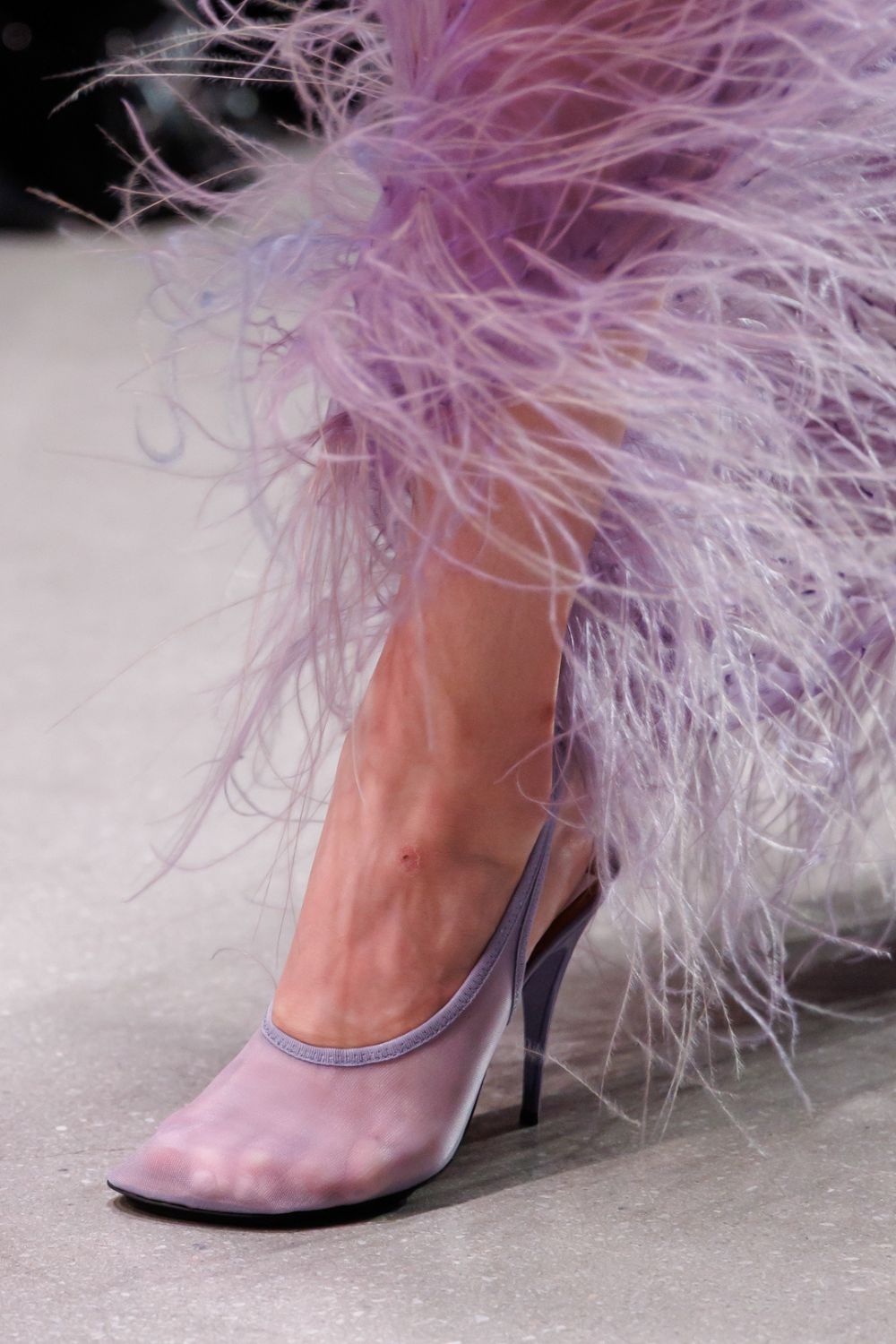
Stella McCartney SS26
A commong misconception with the industry is that feathers are obtained without hurting the animal; in this case, that ostriches can naturally moult their feathers. But this is not the case. In reality, ostriches are either live-plucked or their feathers are cut off – with both practices still widely unregulated. In the wild, ostriches can live for up to 40 years, yet in captivity they are often killed when they are less than 12 months old.
The environmental impact of feathers is also vast. According to PETA UK, 62,000 tonnes of carbon emissions per year are emitted by the ostrich industry in South Africa alone, and just one ostrich can produce five kilograms of methane annually. Chemicals that are used to treat and dye feathers, such as formaldehyde and chromium, are often carcinogens, and the treatment means that feathers become non-biodegradable.
And this is why groups like FEVVERS are so important to the an industry that has historically relied on animal products. And while it’s still early days for this kind of innovation – the ‘fevver’ is still in the development stage, says Woollon – the team are on a mission to uphold this new material’s quality, so that it retains the lightness and movement of feathers. ‘Versatility has been a core part of the development,’ says Woollon. ‘The material is lightweight, expressive and designed to move naturally within garments. We’re continuing to explore colour, finish and application with partner brands, but the intention is always to give designers creative freedom without compromising the integrity of the material.’
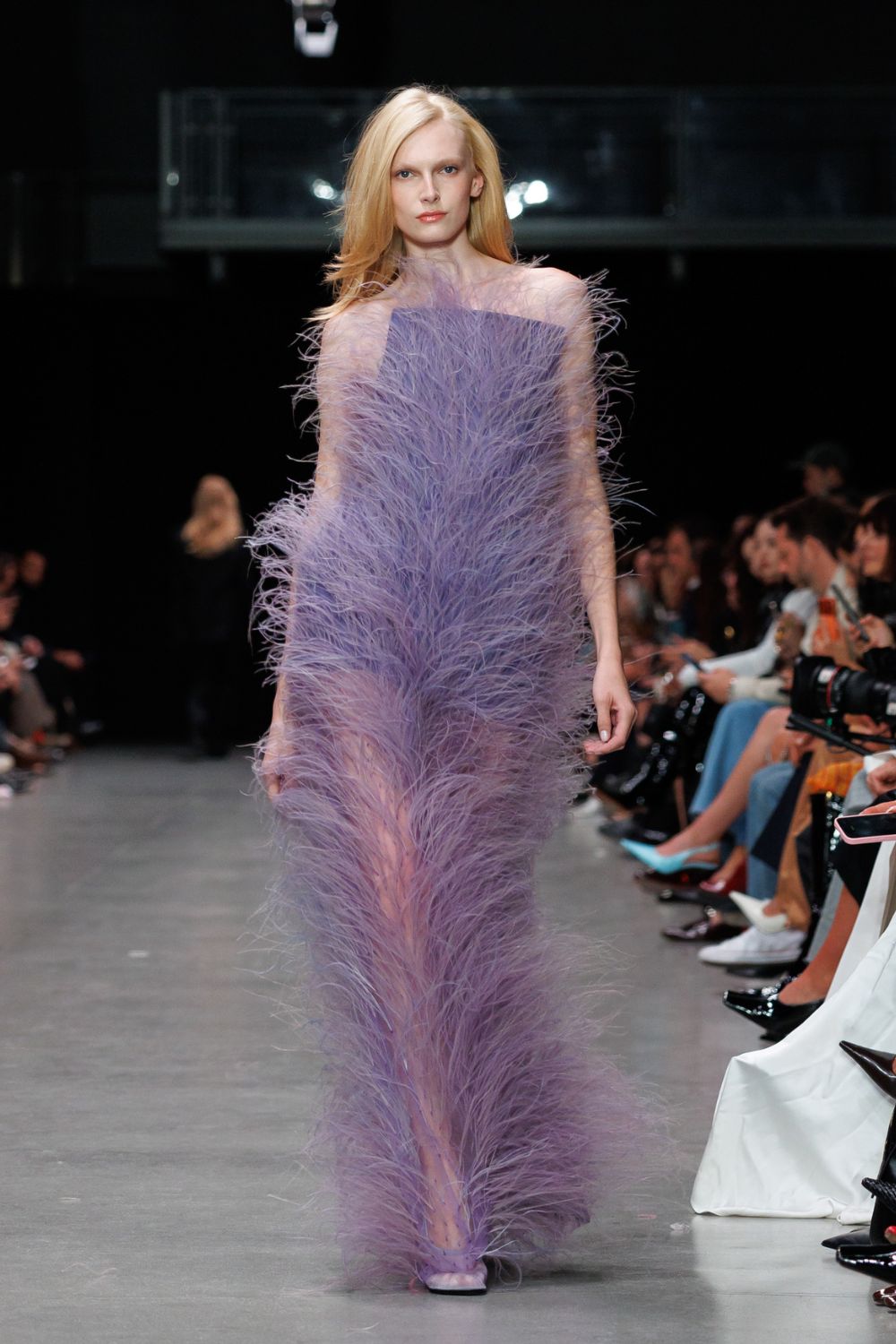
Stella McCartney SS26
This isn’t a material meant solely for the runway, either. Since Paris fashion week, Stella McCartney’s FEVVERS gowns have been seen on the red carpet. Cate Blanchett wore a lilac rendition of the gown to the 2025 BAMBI Awards, where she picked up the award for International Actress. Ever the ecologically minded dresser (you may remember when she wore a top made of 102 spoons on a press tour), the award celebrated Blanchett for her humanitarian and environmental efforts.
And beyond that, there’s plenty of opportunity to see FEVVERS move even further into the mainstream. ‘We’re building what we see as a new material category,’ says Woollon. ‘The next phase is about deepening collaborations, refining the material through real-world application, and expanding what’s creatively and technically possible – not just in fashion, but across multiple sectors.’