


A Decade On From Its UNESCO Biosphere Designation, The Isle Of Man Remains An Under-Appreciated Haven
By
1 minute ago
An idyll for keen kayakers, walkers and sauna enthusiasts, life on the Isle of Man feels more laidback
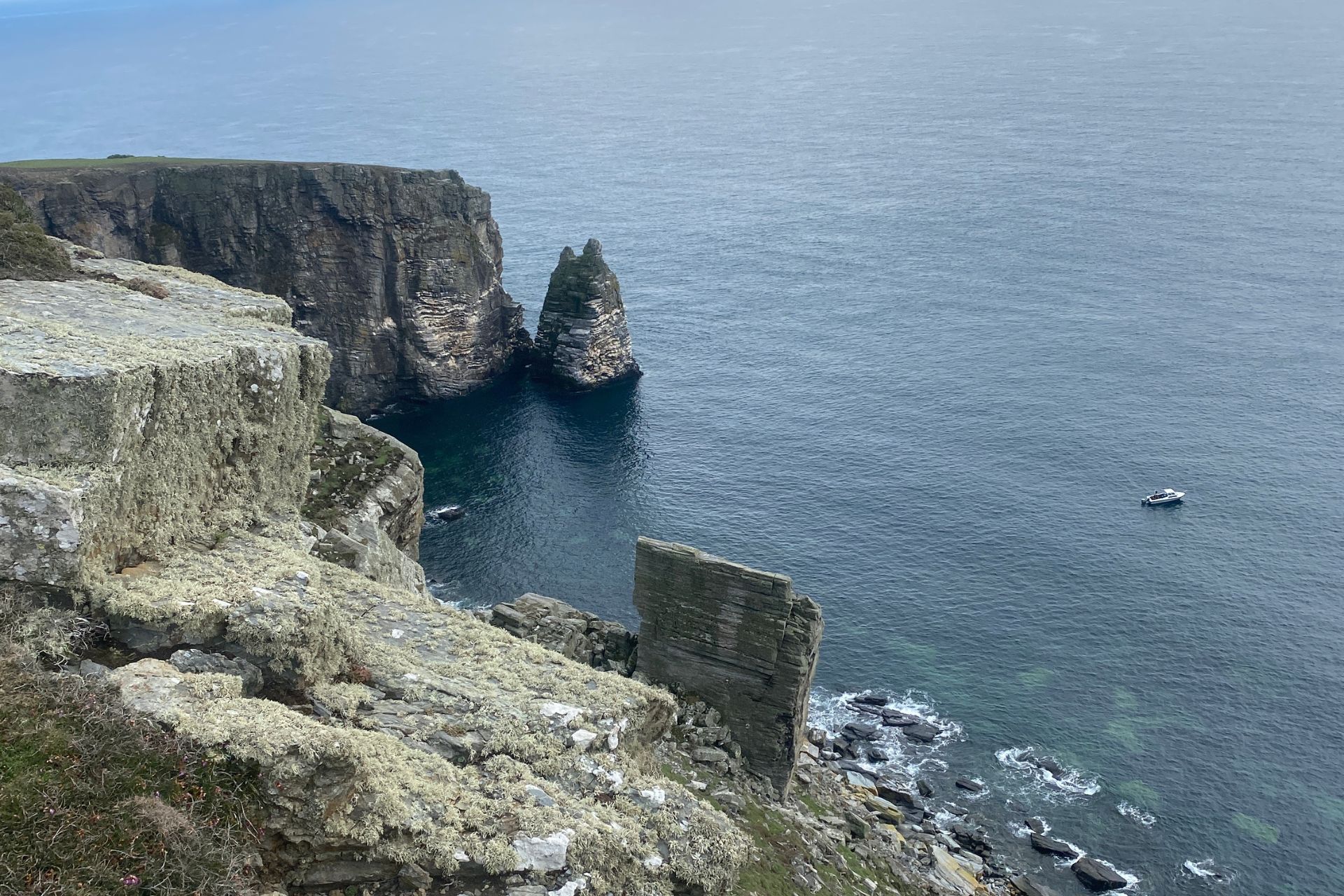
I am perched in a Celtic stone circle, 100m-deep chasms cleaved through the cliffs at my feet. A Viking flute reverberates against the wind, singing a century-old song. I have just been asked to give thanks to the oxygen-making phytoplankton in the sea and to the Hawthorn flower, brewed into my tea. A raven, chatters to us overhead – uttering one of the 100 or so words in its vocabulary.
The song that’s playing, says our flutist and nature guide Andy North, was first sung by a mysterious man with long white hair. He rowed to the Isle of Man once a year to recite the melody, before disappearing back to the horizon. He never came to the shore and no one knows from whence or why he came.
Yes, it all sounds a little woo-woo, but it feels like a fitting ritual for a land that puts nature at the fore. This year marks a decade since the Isle of Man was designated a UNESCO Biosphere – select areas that balance biodiversity conservation with sustainable human development. There’s a handful of them dotted around the British Isles, but the Isle of Man is the first whole jurisdiction to be christened as such.
The first thing I notice as my feet hit tarmac is the smell. I’m transported, far from the usual airport fumes, to childhood holidays in the Lake District. That crisp, clean, mossy scent, cold, sharp and green. Another whiff, and the saline song of the sea mingles in.
Even in the Isle of Man’s busier towns, this feels like nature’s jurisdiction. While staying in Castletown – with its airport, schools and streets – it only takes a 10-minute stroll from the centre for the night sky to reveal itself in its full glory. Having grown-up in a semi-rural village, I always thought me and the stars were on close terms. But this is the first time I’ve ever snatched a whisper of the Milky Way. Watched from an unlit nook, the usually so-sparse sky blooms into a meadow of heavenly flower heads, revealing far-off suns I’ve never spied before.
Like the stars, the coast is another constant companion throughout our stay. In the Isle of Man, you’re never more than seven miles away from its protected waters, teeming with basking sharks and its famous Manx queenies (a small and very delicious scallop). Where the coastal rocks of Norfolk are gashed with yellow ‘don’t climb’ signs, the Isle of Man is free from such nanny-state dictation. Here, we clamber over mish-mashed formations, addled with lime-green lichen and strewn with sea-sprayed strands of kelp. Peering out to the Calf of Man – a small island just off the central land mass – we spot two seals bobbing in the water, while dolphin-watchers wait patiently by.
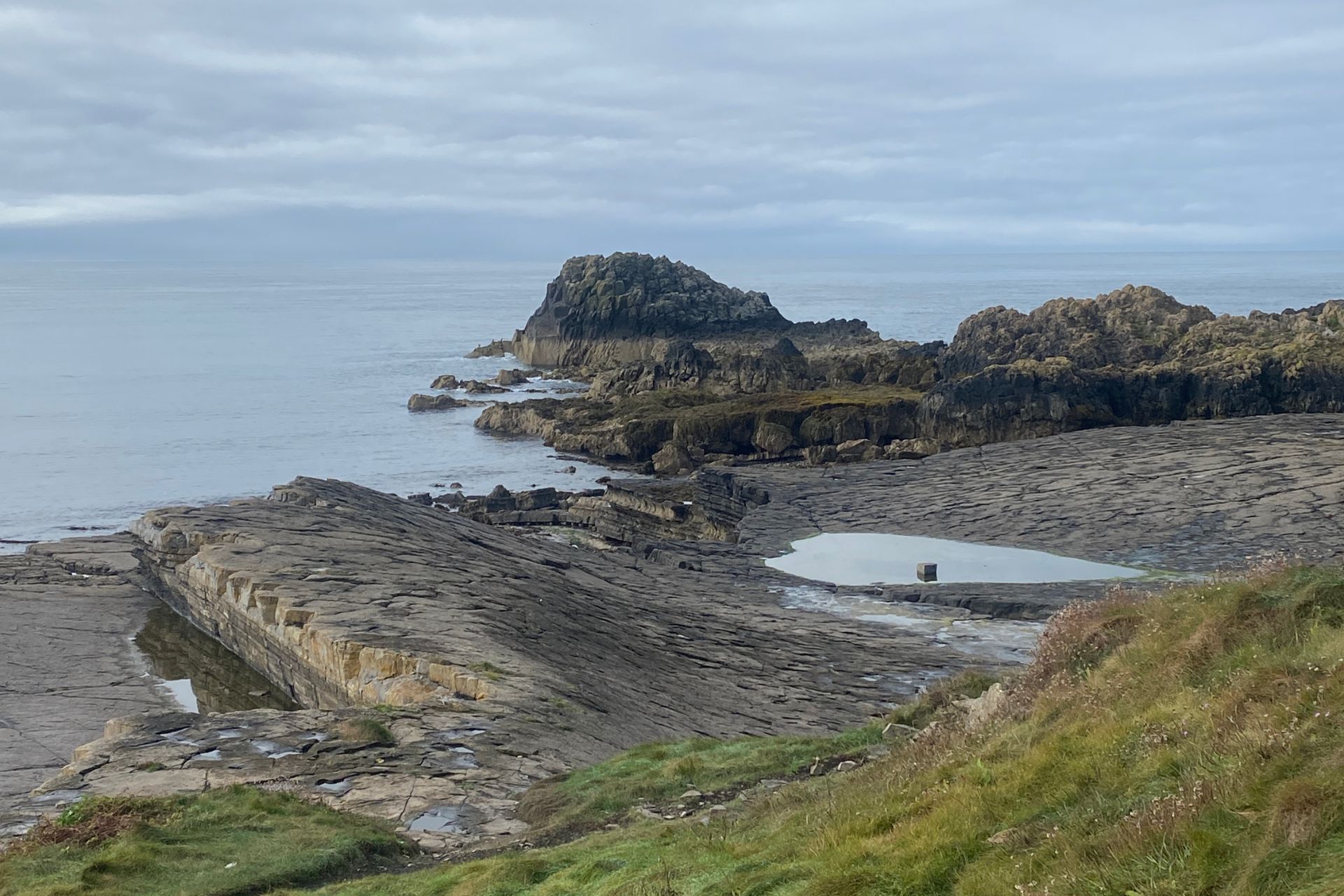
On another stretch of coast, set within the Scarlett Nature Reserve, flat rock beds bask in the sun. Palm-sized birds dance through the wind streams and kites skate overhead. Ruins are scattered across the fields and the Drinking Dragon (a sea-sculpted rock formation) marks the blue horizon. This, I think, as I breathe in the newly autumnal air, is peace.
Compared to the better known tax havens of Guernsey and Jersey, Man is much larger in size and smaller in population. Its sparseness unfolds itself as we wind up its higher altitudes. Below, a patchwork of green fields interspersed with rare clusters of white button homes. (It is on these same 30mph country lanes, our taxi driver informs us, that riders in the Isle’s famous TT motorbike derby reach speeds of up to 200 mph. For context, the world’s fastest rollercoaster has a maximum speed of 155 mph.)
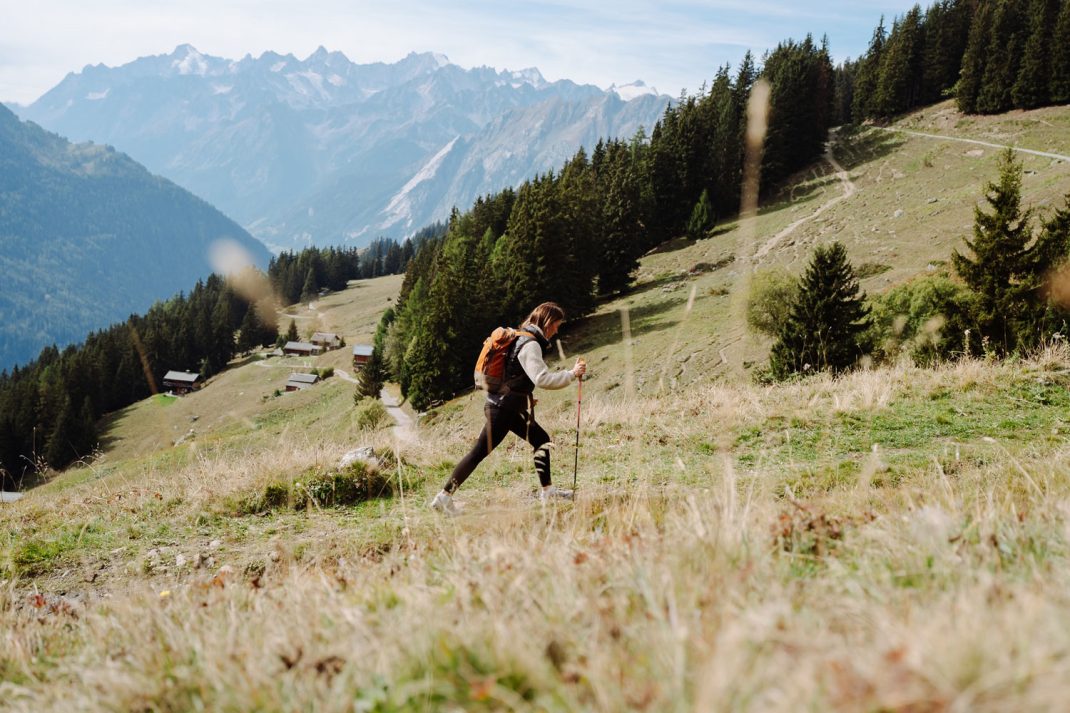
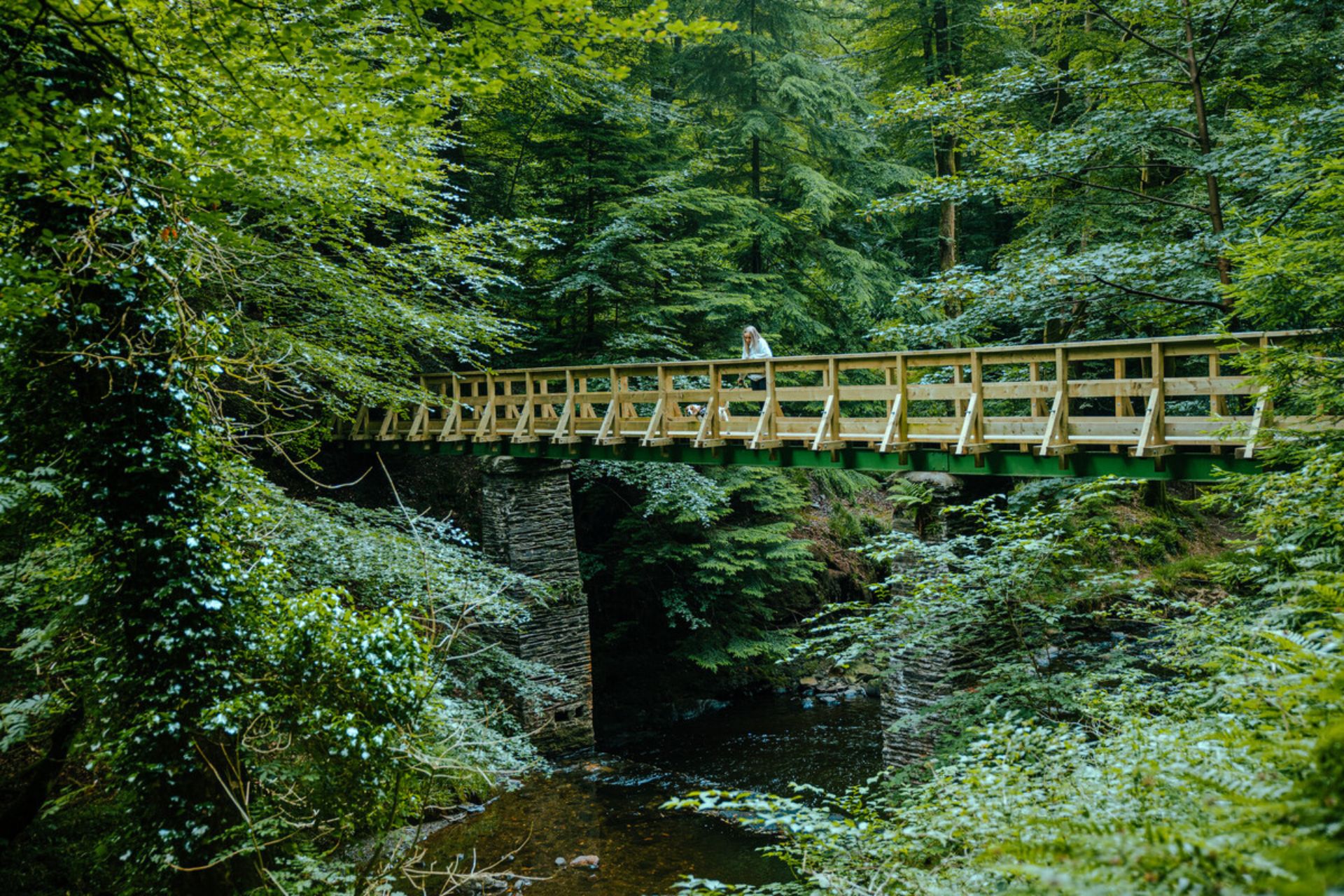
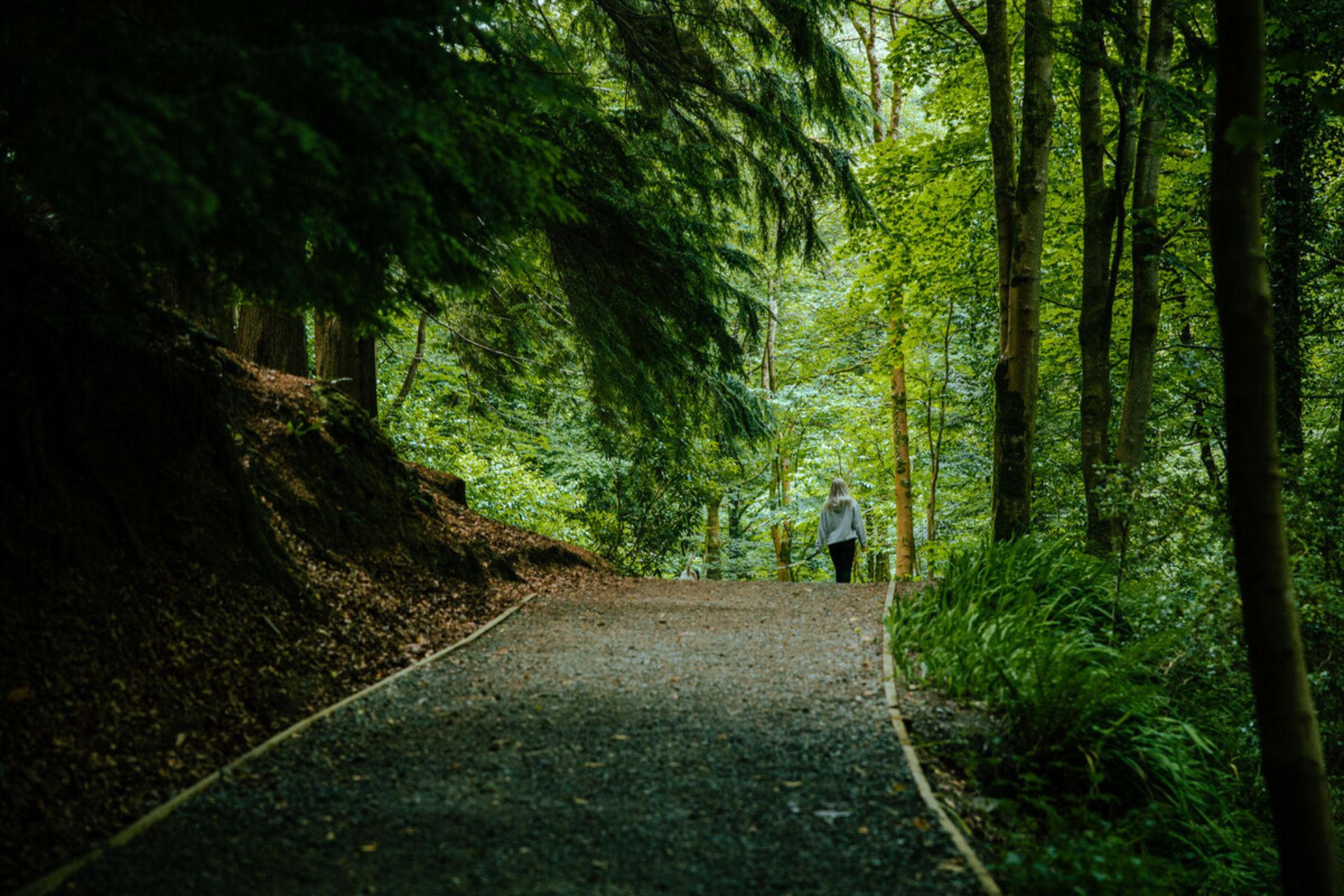
Mad motorcyclists aside, life here feels laidback. Our most memorable afternoon is spent in Glen Helen. Following a quick bite in the on-site cafe, we head into the valley. Thick with ancient ferns and moss-quilted trees, this is where the force of the biosphere is felt most strongly. The river crusades against the rock, sudsy foam etching its mark. The roar is only interrupted by the chatter of soft chirps looping through sun-strewn branches. At the halfway mark, sits a waterfall – the picture perfect daydream of a fairy book.
At the end of our amble, came the real reward: an hour at Rhen Wild sauna. Having entered as a sauna agnostic – previously suffocated by stuffy London hotels – I am converted by its wood-burnt must and plant-laced air. Hugged in green, russet wood-chips at my feet, and hot tub steam dancing through sunlit pools, I feel untethered from reality. No longer a painful ‘why would you?’, in this rural idyll the icier of the two cold plunges gives its full life-affirming effect.
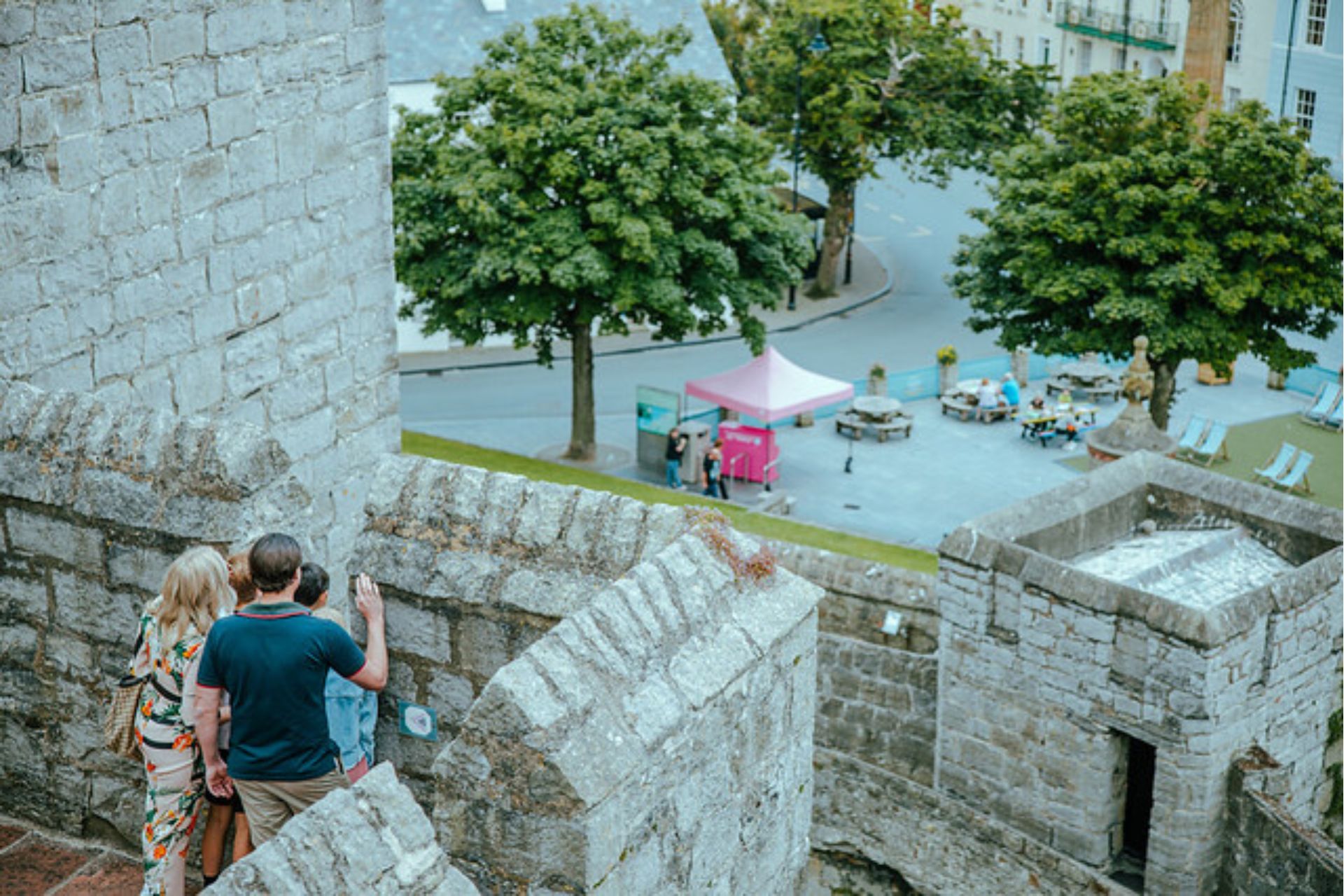
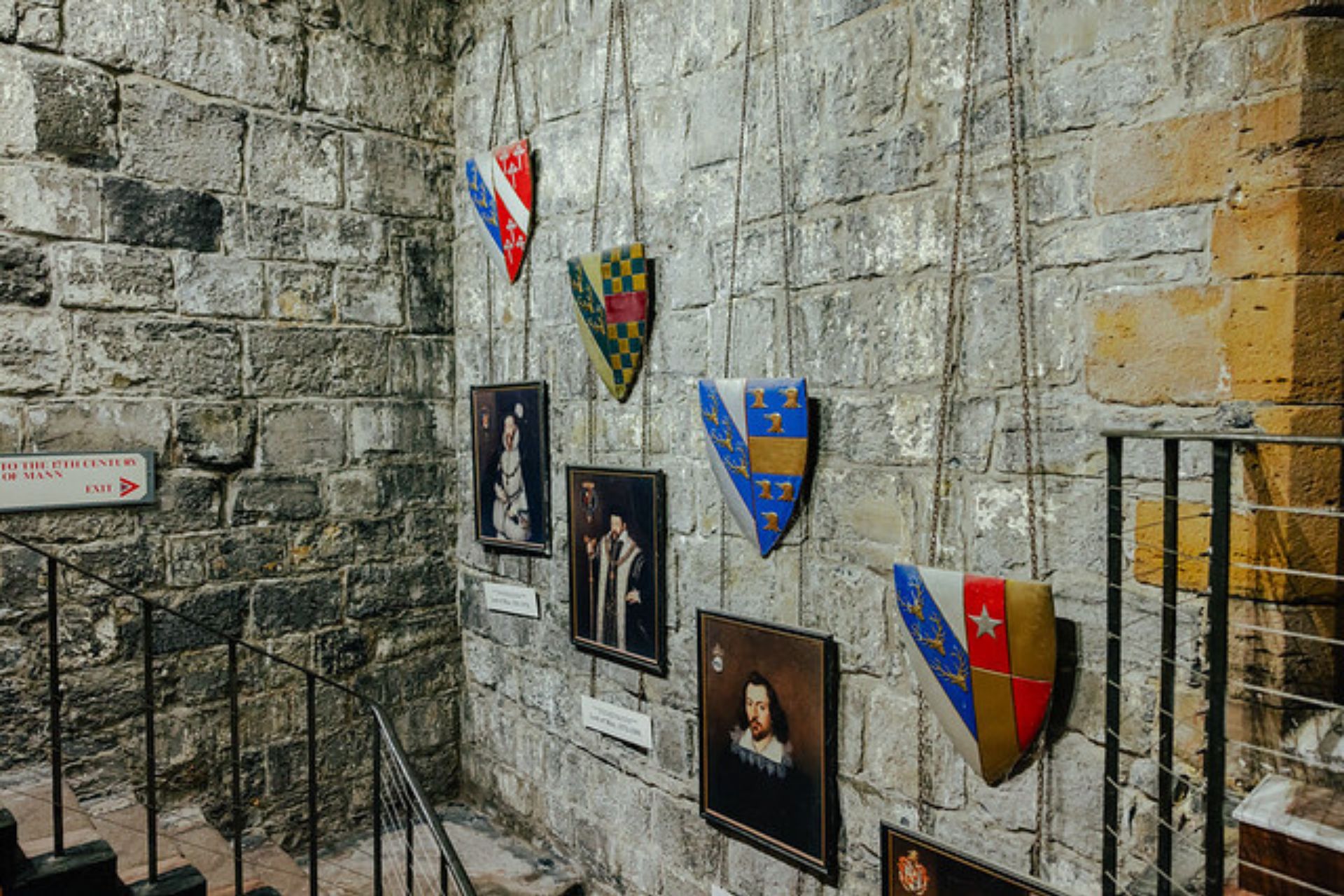
But nature isn’t all that’s celebrated by the isle’s UNESCO status, so too is its rare heritage. According to ancient folklore, the Isle of Man was once protected by Manannán mac Lir, a Celtic sea god who devised a magical cloak of mist to hide the island from enemies. Maybe it is this same supernatural power that has kept Castle Rushen, our next-door neighbour in Castletown, so well intact. Having never been battered by invading cannon-fire, it is a remarkably well-preserved piece of history. On our first morning, we take a gander inside, twisting through time, from its Viking origins and its Victorian prison cells, to the expansive views up top.
From here, it’s a steam train ride to the capital of Douglas. Shuffling through the countryside, this and the Electric Railway trams are the primary form of public transport on the island. Chugging us back in time, steam rollicks through the hedgerows, puffing past fields of cows.
Making our way to the Manx Museum, a delightfully retro documentary talks us through the Isle of Man’s history, from hunter gatherers and early Celtic mysticism to Cromwellian plots, Tynwald Hill (the site of the world’s oldest continual parliament), Manx cats and the preserved 19th century village of Cregneash – the last settlement where the Manx language was spoken. A significant portion is also dedicated to the island’s holiday boom. Like most seaside escapes, the Victorian and Edwardian eras saw an influx of tourists flocking to its enchanted shores. Today, numbers have dwindled – but just a 45 minute plane ride away from London, it seems us Brits are missing a trick.
While the once deck-chair-packed beaches are still ready and waiting, today it’s their on-shore saunas (see Port Erin) and unmuddied waters that are the real draw. Its UNESCO Biosphere stamp has left this a land untainted, a place to escape back in time, away from the pollutants of modern life. Speaking to local taxi drivers, they don’t think about its status all too much – rugged coasts and untouched hills folding into the background. It’s only when I mention it that they pause: ‘You forget it,’ they all repeat, ‘but this is such a beautiful place to live.’
Find out more at locate.im
Isabel’s return flights from London to the Isle of Man had a carbon footprint of 214kg of CO₂e, ecollectivecarbon.com