


A Guide To Taking A North West Norway Road Trip By Electric Car
By
10 seconds ago
Cruises are out – EVs are in
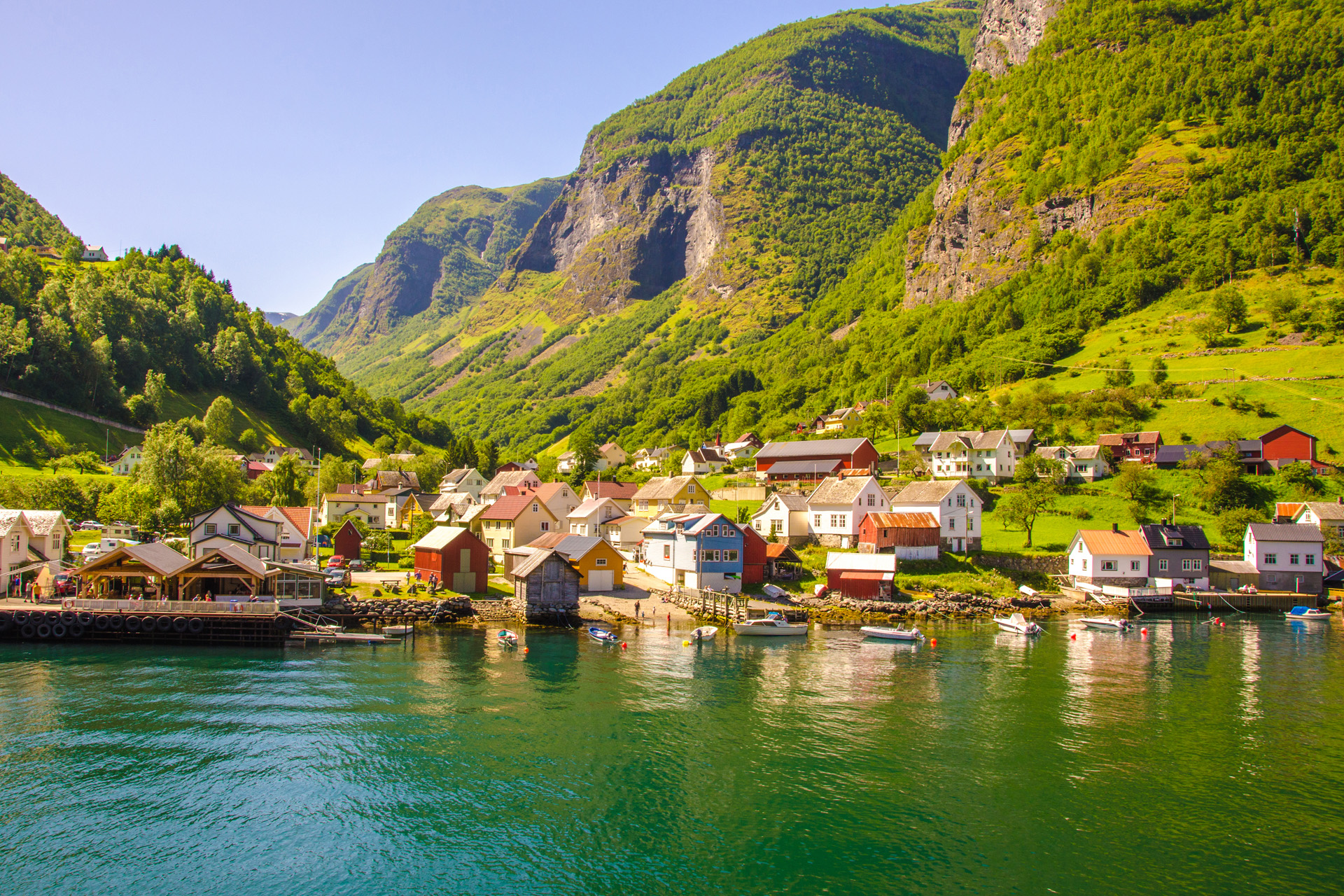
When people think of Norway, unspoilt natural landscapes, towering mountains and ocean-deep fjords usually spring to mind. But despite the nation’s awe-inspiring beauty, Norway is still relatively undiscovered, with roughly 6 million visitors in 2024 (to its 5.6 million population).
For us Brits, seeing Norway often means travelling on a convenient cruise – but this option means spending less time ashore experiencing the country first-hand, and comes with a certain environmental cost.
The C&TH way to travel? On the ground – and on this occasion, by electric car on a roadtrip through the wilds of North West Norway.
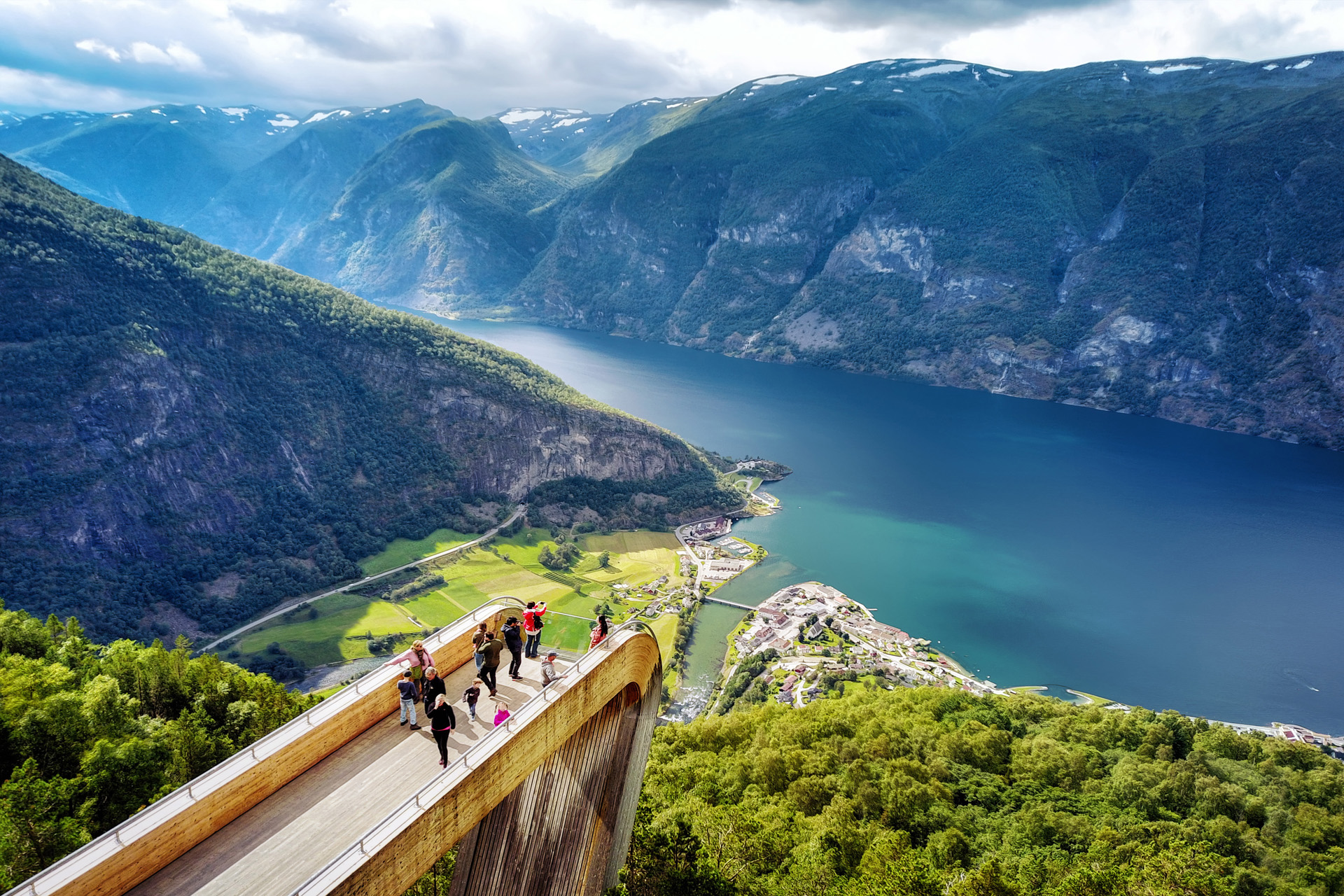
Day 1: Ålesund
After a late flight from London and a rejuvenating night of sleep at boutique Hotel Brosundet, we began our trip with a walking tour of Ålesund, a stunning gem of a town, with local guide Bente Giørtz. As we wandered through the streets of this west coast town, founded in the early 19th century, Bente detailed its history, including how Ålesund was largely rebuilt in the Art Nouveau style after a devastating fire in 1904. From its intricately detailed buildings with their curved facades to the ornate ironwork and decorative tiles, Ålesund’s distinctive architecture is unique in Norway (and can be explored more at Ålesund’s Art Nouveau Centre).
Later, venturing into the Old Town gave us a glimpse into Ålesund’s ancient past. The charming wooden houses lining its narrow streets are the only buildings to have survived the 1904 fire. Their simple, pared-back design – more in keeping with other coastal Norwegian towns – gives a feel for what Ålesund looked like before the reconstruction.
No visit to Norway is complete without paying homage to its Viking past, so we ticked this off early on. Ålesund’s Town Park has an imposing statue of Rollo, said to have originated from Ålesund, whose story was featured in the TV hit series Vikings. Standing at his feet is a great way to remember the town’s Viking heritage and seafaring past.
From the park, we climbed the 418 steps to the top of Mount Aksla for breathtaking views of the town and the surrounding archipelago. We concluded the day with dinner at Anno, a local restaurant that showcases the region’s culinary delights.
STAY: A former warehouse, Hotel Brosundet is a seriously boujee designer hotel in Ålesund with lots of cosy contemporary finishes. Think sheepskin throws on simple wooden interiors, open fireplaces, eye-catching artwork and al fresco spa baths on the hotel’s dock. Its quayside location overlooks the Brosundet Canal, a definite must-visit when in Ålesund.
Day 2: Ålesund To Geiranger
The first day of our Norway road trip started with picking up our electric car from Avis. It was then time to wave goodbye to Ålesund and venture to the UNESCO World Heritage-listed site of Geirangerfjord. In total, you can expect to spend at least four hours travelling, but we took a slightly longer route that includes a scenic ferry trip down the Geirangerfjord from Hellesylt.
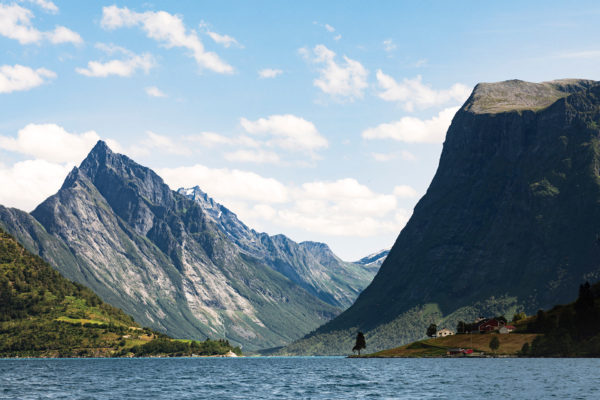
Carved out during successive ice ages and now one of the longest and deepest fjords in the world, Geirangerfjord boasts spectacularly steep crystalline rock cliffs rising to 1,400m above sea level and waterways plunging to depths of up to 300m. The car ferry from Hellesylt to Geiranger is a great way to see it: the boat winds through the fjord following the path of the glacier, with numerous waterfalls sprouting along the way, including The Seven Sisters, The Suitor and The Bridal Veil. Another favourite highlight is the Troll Face (a natural rock formation resembling a grinning troll’s face), which you can spot on the cliffside.
STAY: Once you hit Geiranger, check into the family-owned Hotel Union perched on a hill overlooking the village and dating back to 1897. Breathtaking views of the majestic Geirangerfjord come as standard, and the hotel’s yesteryear charm is coupled with contemporary additions, including a divine spa and noteworthy restaurant.
Day 3: Geiranger
To savour and soak up the awesome scenery of the Geiranger region, I would recommend spending a day exploring the area. There are many hiking trails fit for varying degrees of skill and fitness. We opted for the picturesque Waterfall Trail which, by Norwegian standards, is a beginner’s route, taking you up through wooded forests, across river tributaries and over stiles. Sheep, goats and even alpacas graze in fields. The setting feels like a Norwegian version of Johann Spyri’s Heidi.
The destination, as the trail’s name suggests, is a waterfall, but a perfect pitstop with a phenomenal view is lunch at the Westeras Farm, which dates back to 1603. Sitting on the cafe’s wooded veranda, we enjoyed our red onion goat’s cheese sandwiches and cider in glorious sunshine before, revived, we finished the hike to the waterfall, where you can walk behind its 100ft fall and admire its cascading water. We then headed back down the hillside, returning to the hotel with our rather sleepy daughter on our shoulders.
Day 4: Geiranger to Andalsnes
Taking around three hours, the roadtrip to Andalsnes from Geiranger is a beauty. Think deep valleys, towering mountains and unspoilt wilderness. You’ll be struck by Norway’s awesome vastness, both in the scale of its mountains and the scarcity of development. Nature stands front and centre here. We particularly enjoyed spotting Norway’s iconic red weatherboarded barns and outbuildings along the route.
From Hotel Union, drive along the Eagle Road, stopping at the viewpoint in Ørnevegen, which gives a bird’s-eye view across the Geirangerfjord as you wave a final goodbye. Then drive to Eidsdal, where you will take a 10-minute car ferry to Linge. Here, take a pitstop at the family-run Lingebakken fruit and cider farm. It offers tours and tastings, but also has a great little farm shop to stock up on its artisanal cider and local apple juice.
From Lingebakken, drive toward Valldal and on to Trollstigen. The famous hairpin road of Trollstigen down to Andalsnes definitely calls for playing a James Bond theme song while you drive it. Winding down the sheer cliffside, the thrilling figure-of-eight road cuts into the rock, giving you the feeling that you are perched on the edge, clinging on like a mountain goat. You’ll drive past a cascading waterfall and, on reaching the bottom of the 11 hairpin turns, you’re sure to feel a mix of wonder, awe and exhilaration.
A definite must-stop is Trollveggen (The Troll Wall) to take in Europe’s tallest vertical, overhanging rock face. Rising to a colossal 1,000 metres, this towering black cliff is one of Norway’s most awesome natural wonders and casts a staggering figure over the Romsdale Valley. Standing at its foot, its otherworldly magnificence transports you to Game of Thrones-esque thoughts of what could lie in the wild lands beyond. It’s not surprising local folklore says it was formed by trolls being frozen solid in sunlight.
STAY: After a thrilling day of driving, we checked into the Grand Hotel Åndalsnes, situated at the foot of the Romsdalsfjella mountain and dating back to 1890. We finished the day at the hotel’s restaurant La Vue, enjoying a delicious burger and steak dinner while discussing the day’s awesome moments.
Day 5: Andalsnes To Hustadvika
Road trip details: Today’s drive takes you from Andalsnes to Hustadvika, via Sølsnes and Karvåg. It includes one ferry trip and a detour to experience the Atlantic Road. Expect to be driving for about three hours.
Before hitting the road, we started the day by taking the electric Romsdal Gondola to the top of the Nesaksla Mountain – a must-visit in Andalsnes. At the top (708m above sea level), enjoy panoramic views of the Romsdalshorn, the Trollstigen valley, Andalsnes and the emerald-green Rauma river. There is a sturdy walkway to different viewpoints at the summit and several hiking trails to explore the mountainscape on foot. Before heading down, we popped into the Eggen restaurant for a delicious hot chocolate with a view.
From Andalsnes, we commenced the day’s three hour journey by driving to the ferry port of Åfarnes. From here, take the ferry to Sølsnes and enjoy a svele (a folded buttercream-filled pancake) – a Norwegian rite of passage. They offer both sweet and savoury options, and it is the unofficial ferry food of western Norway.
Arriving at Sølsnes, head to Karvåg in Averøy. Destination: the Atlantic Road. This scenic route achieved silver-screen fame thanks to the James Bond movie No Time to Die, but it was already one of Norway’s most famous road trips thanks to its unique bridges and otherworldly views. Part of Route 64, which links the towns of Molde and Kristiansund, the five-mile ‘Atlantic Road’ stretch connects Averøy island with the mainland, and its crown jewel is the cantilever Storeisundet Bridge, aka ‘the road to nowhere’. The quirky design gives the illusion that the road ends sharply and drops off into the sea.
From the Atlantic Road, continue on to Hustadvika.
STAY: On the coast, Hustadvika Havhotell is a sanctuary that immediately immerses you in nature. Seaside cabins have an unobstructed view straight out onto the seafront, and any neighbours are a fair drive away. Because light pollution is low, it is a great place to view the Northern Lights. On site restaurant Flo uses locally sourced seasonal ingredients to create its delicious menu.
Day 6: Hustadvika To Molde
The drive from Hustadvika to Molde is the shortest of this Norway road trip, even when we decided to take a short detour to a small fishing village called Bud. Total driving time should be no more than 90 minutes, and charming Bud with its natural harbour is a perfect pitstop. Think bobbing wooden fishing boats and red weatherboarded Norwegian buildings on stilts.
The village was heavily fortified during its Nazi occupation, and fortifications can still be seen dotted across its landscape. There is a great view from the Ergan coastal fortress, a fort built by the Nazis during the war, which now serves as a war museum.
On arrival in Molde, we checked into the Scandic Alexandra, but only after taking in the stunning views from the Varden Viewpoint, which sits 400m above sea level. From there, we marvelled at vistas of the city and surrounding fjords and islands. But best of all was turning our gaze inland, looking at what the locals call the Molde Panorama, a collection of 222 peaks visible from Varden. We made it by sundown, and the view was simply divine.
STAY: Situated by Molde’s picturesque harbour, Scandic Alexandra is a modern hotel with comfortable rooms and fjord views. It’s a perfect base for exploring the town or the surrounding natural beauty.
Day 7: Molde To Ålesund
Road trip details: Today’s drive starts with a ferry trip from Molde to Vestnes and continues to Ålesund. In total, the journey takes about two hours.
On the last day of our trip, we decided to get on the road early, arriving in Ålesund by mid-morning and intending to do some more sightseeing before our evening flight. The drive begins with a ferry trip from Molde to Vestnes and continues to Ålesund, in total taking about two hours.
Our first stop took us slightly outside of town to the Atlantic Ocean Park, an important research centre for marine science in Norway and a great stop for the whole family. We loved the outdoor enclosures with seals, penguins and otters, while our daughter loved the kids’ zone and large tanks filled with local marine life.
We then drove back into town and shopped for some souvenirs at Kongens gate, before stopping for coffee and pastries at Racoon Coffee. The solboller, a traditional custard-filled bun, is to die for.
After a last stroll along the Brosundet Canal to admire the Art Nouveau buildings once more, it was time to drive to the airport for our flight back to London.
Best Time To Visit
Most tourists visit Norway in the summer: June, July and August. But, for this road trip, I would actually recommend spring or early autumn to avoid the crowds and also increase your chance of spotting the Northern Lights.
Obviously, I can’t promise a sighting of the magnificent aurora borealis. But as the charming manager of the Hustadvika Havhotell explained to me, the Earth’s tilt during the spring and autumn equinoxes (around 20 March and 22 September every year) facilitates stronger, more frequent auroras. Roads, restaurants and famous tourist spots are also quieter, calmer and more enjoyable outside of peak season.
Final Word
From its ubiquitous hydroelectricity and efficient recycling systems to its electric vehicle incentives, Norway is a global leader in sustainable living. Better still, the country plans to allow only carbon-neutral, electric ferries to operate in its waters by 2030 – a bold move aimed at preserving air quality in one of their most prized environments. So this eco-conscious Norway road trip via electric car and electric ferry might come in handy when planning a trip to Norway’s magnificent West Coast.
Getting There
Norwegian new route from London Gatwick to Ålesund runs twice weekly (Mondays and Fridays) from May to October.
We hired an electric car with AVIS at Nedre Strandgate 50.
For more information, please visit visitalesund.com and visitnorthwest.no
Return flights from London Gatwick to Ålesund emit approximately 400kg CO2e. ecollectivecarbon.com
Hannah’s electric car journeys emitted approximately 30kg CO2e, around three times lower than a typical petrol engine.