


How Fowlescombe Farm Became Devon’s Hottest Foodie Getaway
By
9 months ago
Chef Elly Wentworth takes us inside the farm retreat
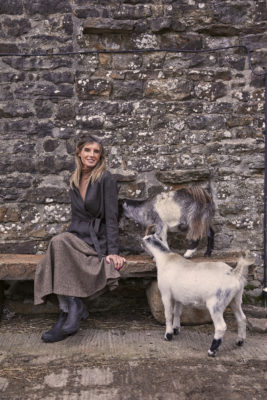
Chic farm stays are popping up all over the UK right now, but in Devon one hotspot is garnering a particularly big buzz. Nestled in the foothills of Dartmoor sits Fowlescombe Farm, an old working farm which introduced accommodation for the first time this year. Alongside the stylish Scandi interiors and sprawling valleys, visitors are drawn here by the excellent food offering, which is helmed by chef Elly Wentworth.
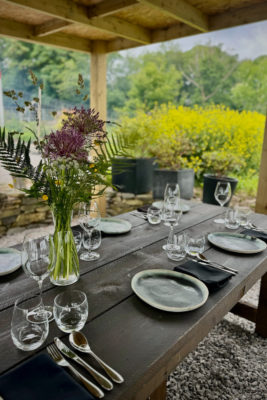
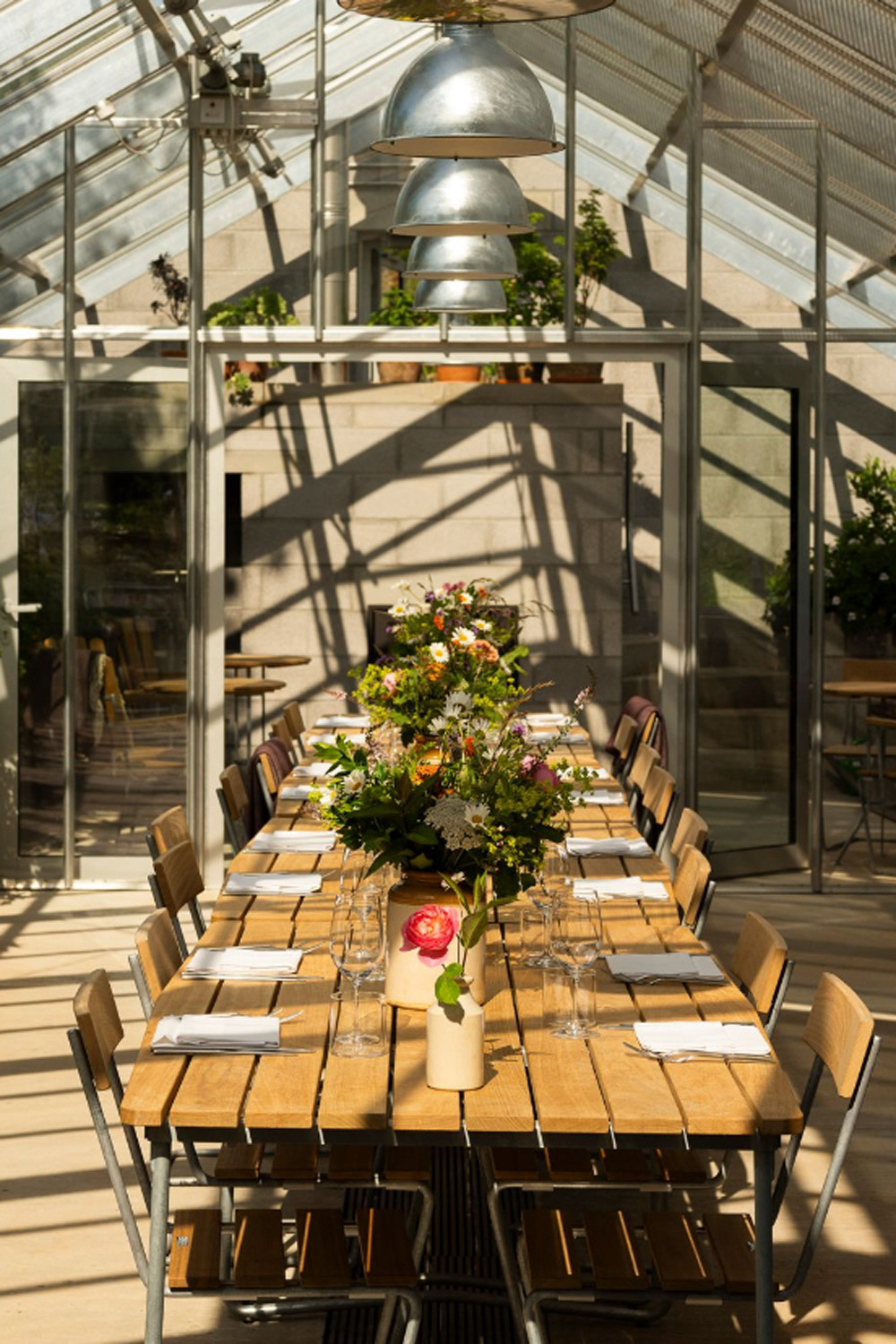
At the heart of the farm is The Refectory, a true farm-to-fork restaurant with an open kitchen, where guests can watch the chefs at work, explore the gardens and even select their own ingredients. The eatery works in harmony with the farm, which is organic and regenerative – it employs rotational grazing with rare and native breeds, such as English Longhorn cattle and Manx Loaghtan sheep, to enrich soil health and create diverse ecosystems.
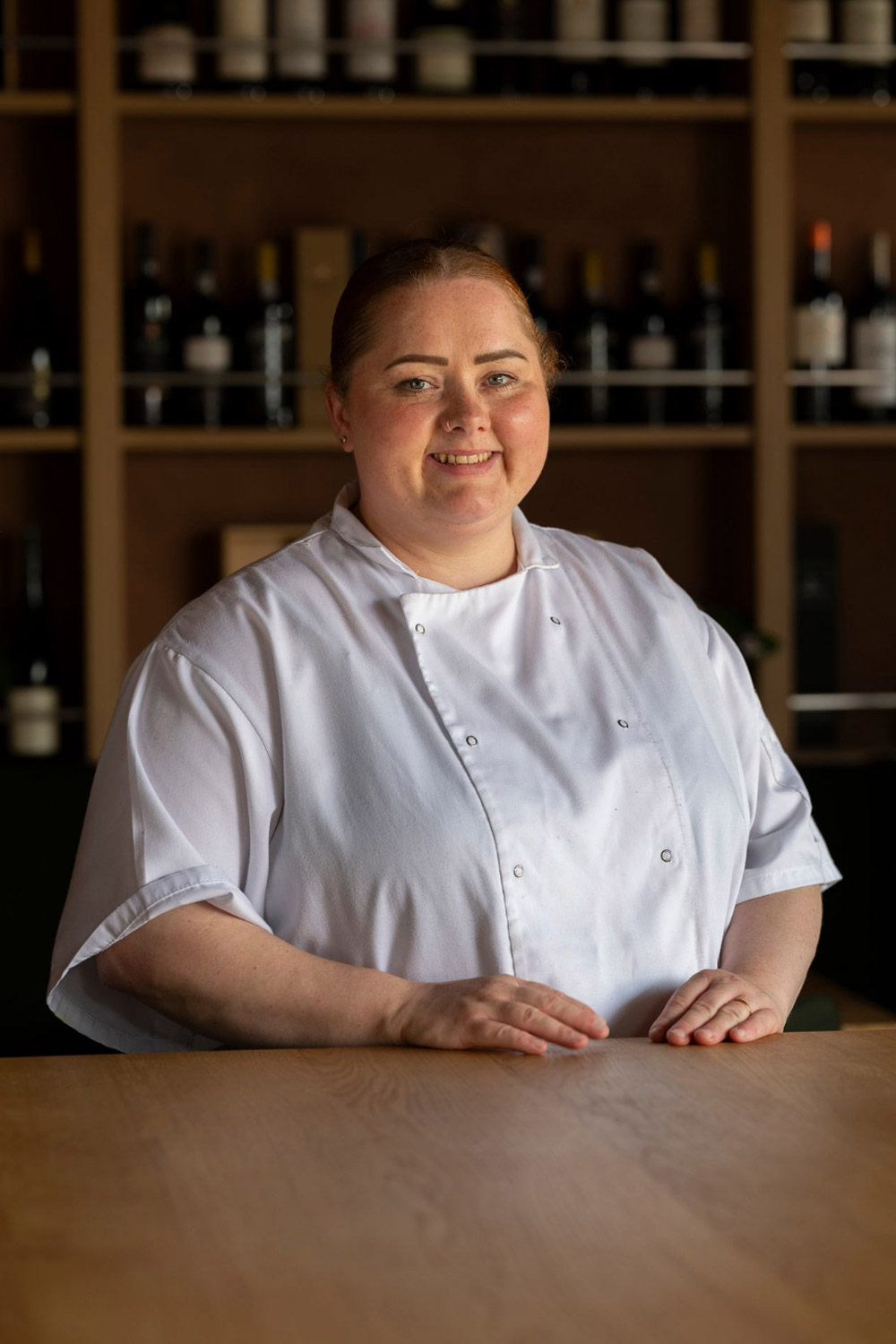
Elly brings a wealth of experience to Fowlescombe: she worked in kitchens like Restaurant Hywell Jones at Lucknam Park and The Elephant before joining the Angel in Dartmouth as head chef. Alongside this, she has starred on Great British Menu three times, as well as landing a place in the final on MasterChef: The Professionals.
She tells Jenny Jefferies about life at Fowlescombe below.
Elly Wentworth On Fowlescombe Farm
How does your menu evolve with the surrounding seasonal landscape?
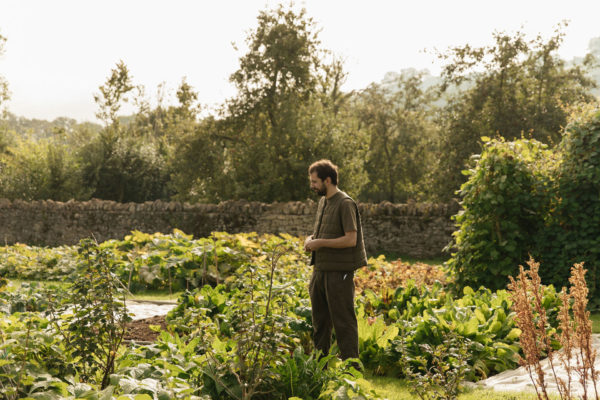
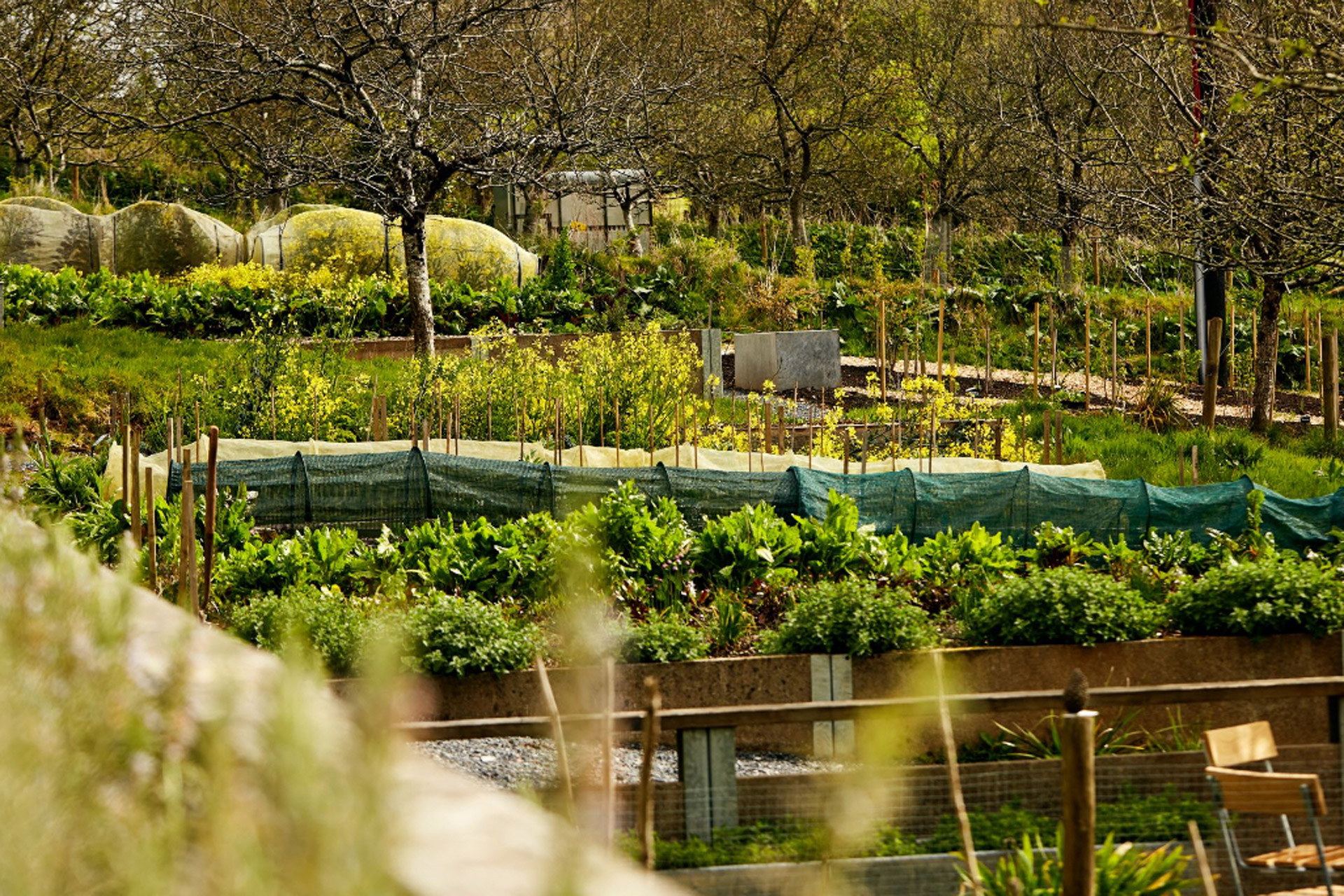
Everything is led by the landscape. This first season has been about using what the land has given us – shaping menus from what is available from the garden and the farm, which has formed the base of every dish. The menu evolves seasonally, just as the harvests do, and I guess there is an element of urgency in it: each week, or even day, we’re looking at what is at its best right now and what the garden or farm has to give the kitchen. We work very closely with Shelley in a constant conversation between the farm team and the chefs: ‘A couple of squash are through already if you’d like them for tonight; leeks are ready; artichokes will be through in two weeks; nasturtium is frosted, but lots of parsley,’ and so on. The menu evolves with the landscape, and the landscape leads, but there’s an element of the menu influencing the landscape too.
The farm was here before the retreat and was already doing great things in the regenerative farming space. I have always been a huge believer in championing and respecting local produce, it’s something both myself and my team are very passionate about. To have that produce come from our own doorstep, literally a few steps from the kitchen, is mind-blowing. We’re very grateful to have so much at our fingertips, it’s a chef’s dream, and respecting the role the farm plays in growing that produce is very important to me.
In what way does your menu also influence the wider ecology of the whole farm?
As we have settled in and started thinking more about the future, the conversation has become even more of a two-way one, with myself and the chef team sharing ideas on what produce we’d love to have available to us next year. Shelley’s experience is so in depth, but she also isn’t afraid to play with new things. For example, we’d love to get more green tomatoes in dishes next year and to have the boldness of violetta potatoes, so both have been included in her planting plans.
Because we’re working regeneratively, we think long term and with the ecology of the farm in mind: fruit and vegetables that don’t take away from the soil and that support pollinators. When it comes to meat, we work much more with what we already have rather than looking to change anything, working very closely with head farmer Rosie to understand how each animal is reared and what that means for the flavour and the menu. And we’ll always use the whole animal on the menu. Nose-to-tail is very important to me.
How does the head gardener Shelley Hutcheon help influence the food you serve?
Shelley is so knowledgeable, but it’s especially exciting because she is also passionate about how produce from the garden translates into the kitchen. She’ll often suggest specific ways we can use something in a dish, or propose planting something new because she has seen what we are cooking and thinks it might sit well with that. She influences the rhythm of the kitchen too, keeping us constantly updated on what’s coming through, what’s not quite there yet, and what we need to use up (we work to a zero-waste ethos, so this is really important).
Shelley also acts as a guardian for the biodiversity and ecology of the farm, so she’ll tell us if an ingredient we’d like to grow might work for the menu but won’t work for the wider good of the farm. That’s important, as we don’t want to lose sight of giving nature space to thrive between supporting the kitchen.
What are the main challenges of being a chef?
I’ve always been taught that the cooking is the easy part, and that managing and maintaining a happy team is more of a challenge. It’s something I put a lot of thought and care into, I genuinely want my team to enjoy coming to work and to feel like they can throw ideas around freely – for them to be as excited as I am about what’s in the garden and to feel confident finding new ways to work with it. Working in hospitality means very long hours and pressure at times, and while we all thrive on that, I’m always conscious to make sure we keep some balance. A happy team means a happy place.
How does collaboration underpin Fowlescombe Farm?
Collaboration is definitely key. We source as much as we can from the farm and garden, but there are always going to be things we have to source elsewhere. Where we do that matters and I have always been very passionate about working with suppliers I trust, and who have similar values to myself when it comes to sustainability. When we are putting so much care into what we grow and serve, it’s important that we only work with others who care just as much. We keep things very local, which is easy as we have some amazing producers and suppliers in this part of Devon. Our fish is responsibly caught in local waters and many of the dairy products we use come from a neighbouring regenerative farm, How Now Dairy, who were the first carbon negative dairy in the UK. Our wild scallops are hand-dived a few miles away from the farm; our supplier dives to order, only taking what they need, and doing so in a way that gives the seabed time to regenerate. Our collaborators are a big part of our story and we all share the same ethos.
What is your number one top cooking tip?
It’s all about the ‘mise en place’: always making sure you’re ready before you start anything.
What do you think defines a good chef?
For me, it all comes down to understanding and respecting seasonality. Not just in the obvious ways of knowing how to work with ingredients when they’re at their absolute best, but also in fully understanding how to get the full yield and potential out of something. When you understand how it grows, how long it lasts, how it behaves when preserved or cured, you can stretch that ingredient and showcase it in more than one moment.
We use the full spectrum of the season: shoots at the start, vegetables when they’re at their peak, leftovers in stocks, sauces and pickles. The same with our animals, every part of it has a purpose. It means nothing is ever wasted and it makes for a more interesting menu.
What are you looking forward to in the new year?
We have some exciting guest chef collaborations planned and I’m looking forward to cooking with chefs who share the same ethos we do. I’m also excited to see what the new seasons bring in terms of the farm and garden produce, how we can bring that into menus that are exciting and a bit unexpected. I’m generally just excited to see where Fowlescombe Farm and the Refectory is this time next year.