


This Norfolk Railway Station Has Been Transformed Into A Historic Family Home
By
10 months ago
This station was quite literally designed to be fit for a king
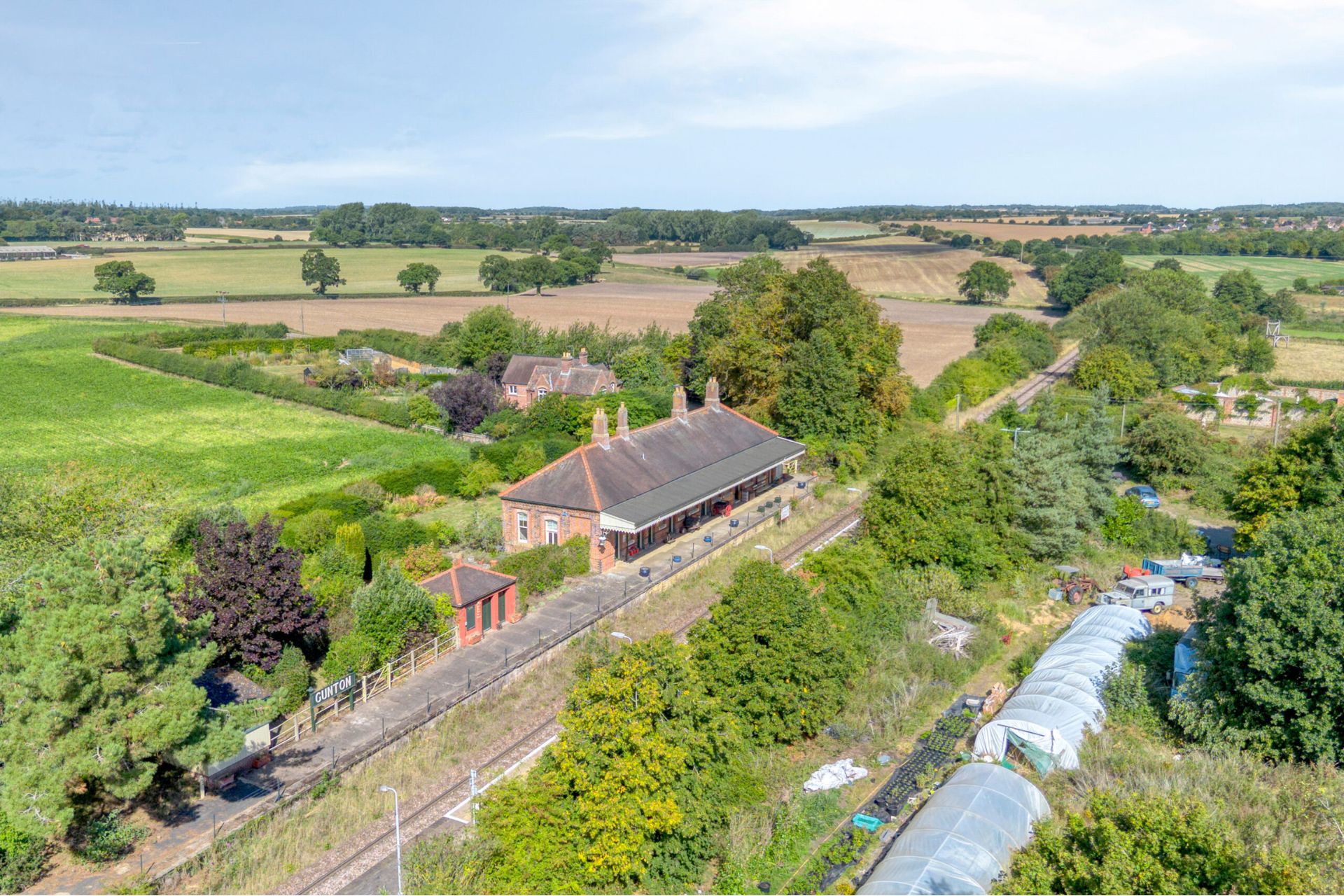
All aboard! Whether you’re a train obsessive, or just really love imagining yourself in the Railway Children, East Norfolk House, a former Victorian railway station turned home, may just be the house for you.
Discover East Norfolk House
The History
The story starts in 1859 when planners drew up a project for a new railway service in Norfolk set to be known as the East Norfolk Railway line. Eventually opened in 1874, things didn’t exactly go to plan for the entrepreneuring train enthusiasts. The project was incomplete upon opening with many of the crossing keeper’s cottages and goods sheds still unfinished. Without the necessary cash flow – of the kind you’d get from a fully ready and working project – the railway line, which was intended to run all the way from the busy city station of Norwich Thorpe to the seaside town of Cromer, stopped in the middle of nowhere North Walsham without hopes of being extended any time soon.
But there was one problem. This left Lord Suffield of the nearby Gunton Hall Estate sans railway. And in the era before private cars and chauffeurs, this was a problem. To rectify the issue of the shortened line, Suffield sponsored its extension to Gunton, with the new railhead opening on 29 July 1876 – this time complete with the necessary crossing keeper’s cottage built by his lordship to blend into the estate.
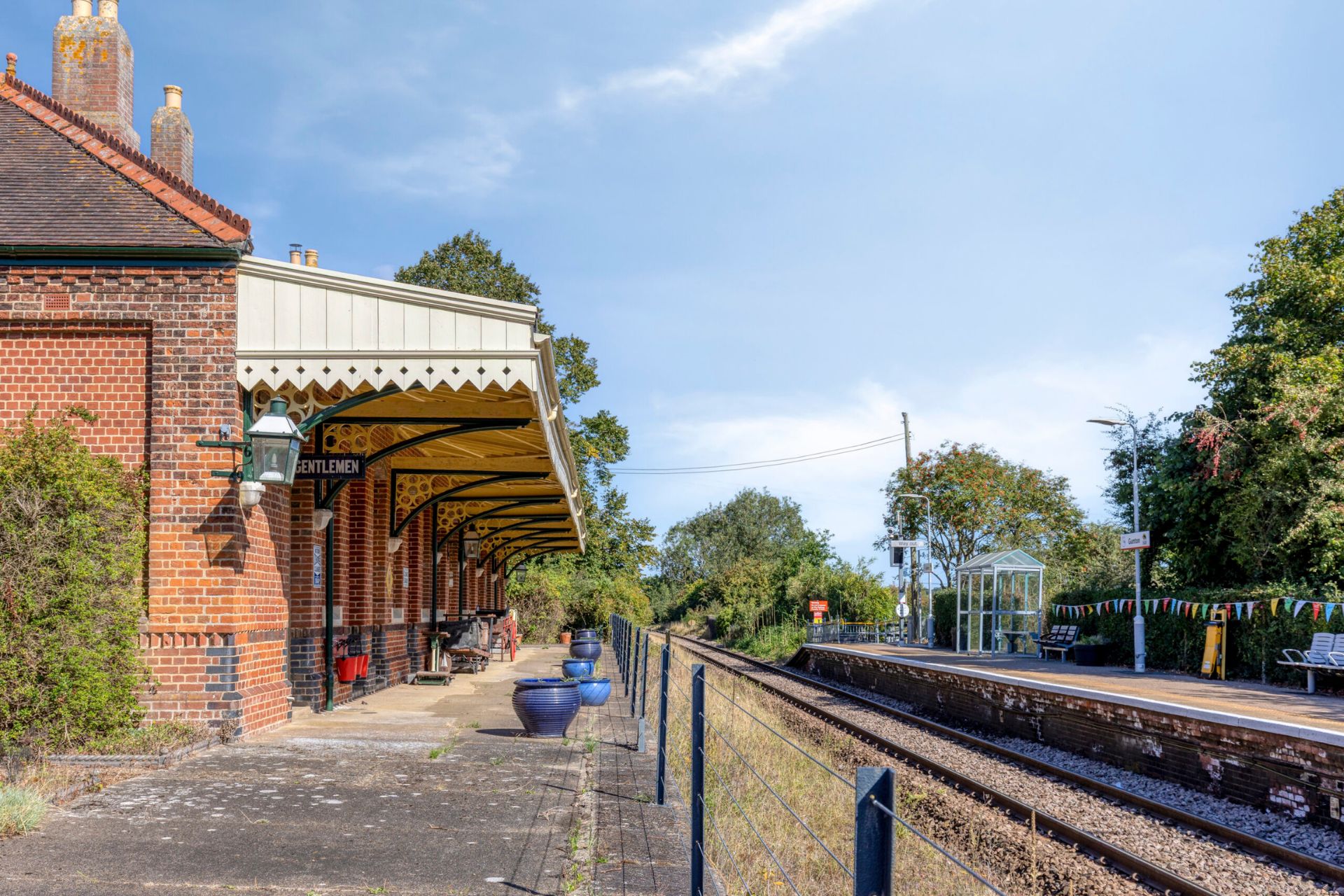
Crucially, Lord Suffield needed a quick and convenient way to meet up with his old pal, King Edward VII, the then Prince of Wales. The design and fit-out of the station had to quite literally be fit for a king. Though the full details of those royal weekends only survive as colourful local lore (considering Edward’s rumoured 55 mistresses and nickname ‘Dirty Bertie’ we can probably presume what lurid details those stories entail), the impressive interiors, architectural detailing and grand proportions of the station-turned-home remain.
By 1881, East Norfolk Railway was taken under control of the Great Eastern Railway, which was eventually nationalised and then re-privatised (then more recently nationalised again), and is now under the remit of Greater Anglia. If, however, you want a taste of what East Norfolk House would have looked like back in the day (steam engines and all), then the nearby Bure Valley Railway at Aylsham Station (a surviving track from the East Norfolk Railway route) provides an authentic steam train experience.
Step Inside
Though Gunton Station still operates today (though trains only operate every one or two hours to a rather limited set of locations), the original northbound station building has been transformed into a functional family home. Sensitively restored over time, East Norfolk House has been converted into a three-bedroom home, complete with the original platform where you can watch trains pass by on the active Greater Anglia line – the perfect spot for a bit of light train-spotting. Beyond the platform is a further acre of gardens, including formal lawns, vegetable plots and areas of wild growth. To the west, open fields provide uninterrupted rural views of the surrounding countryside.
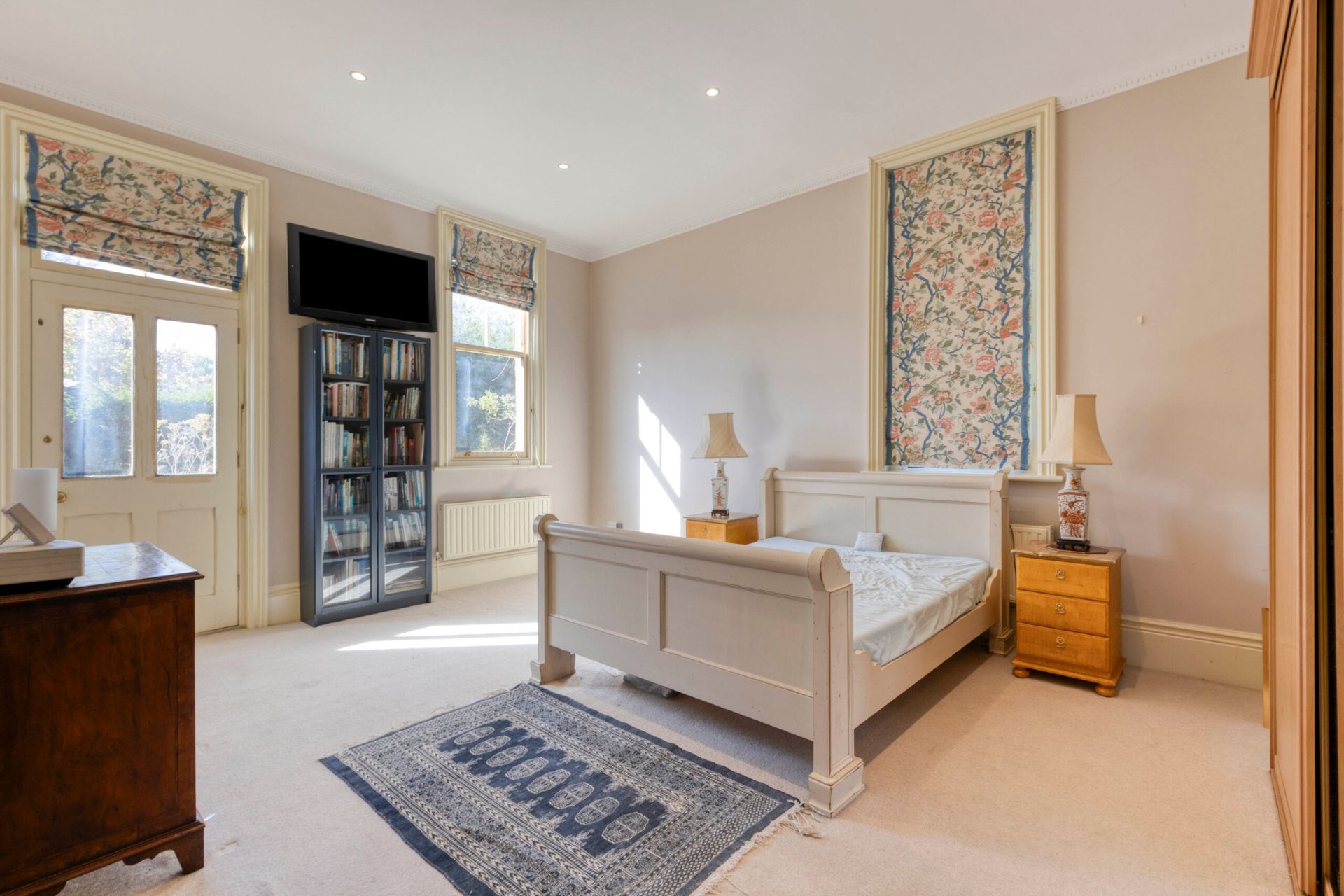
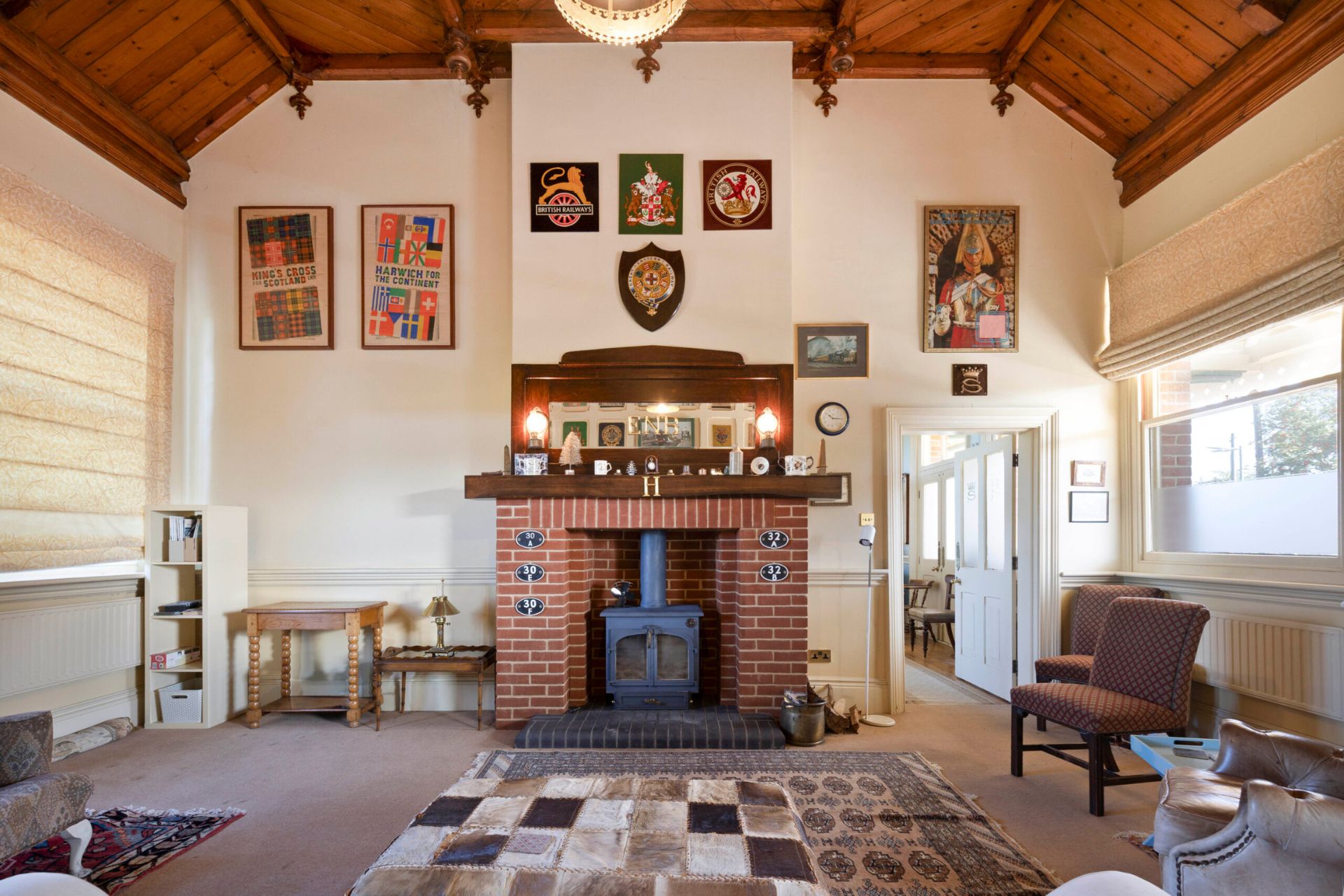
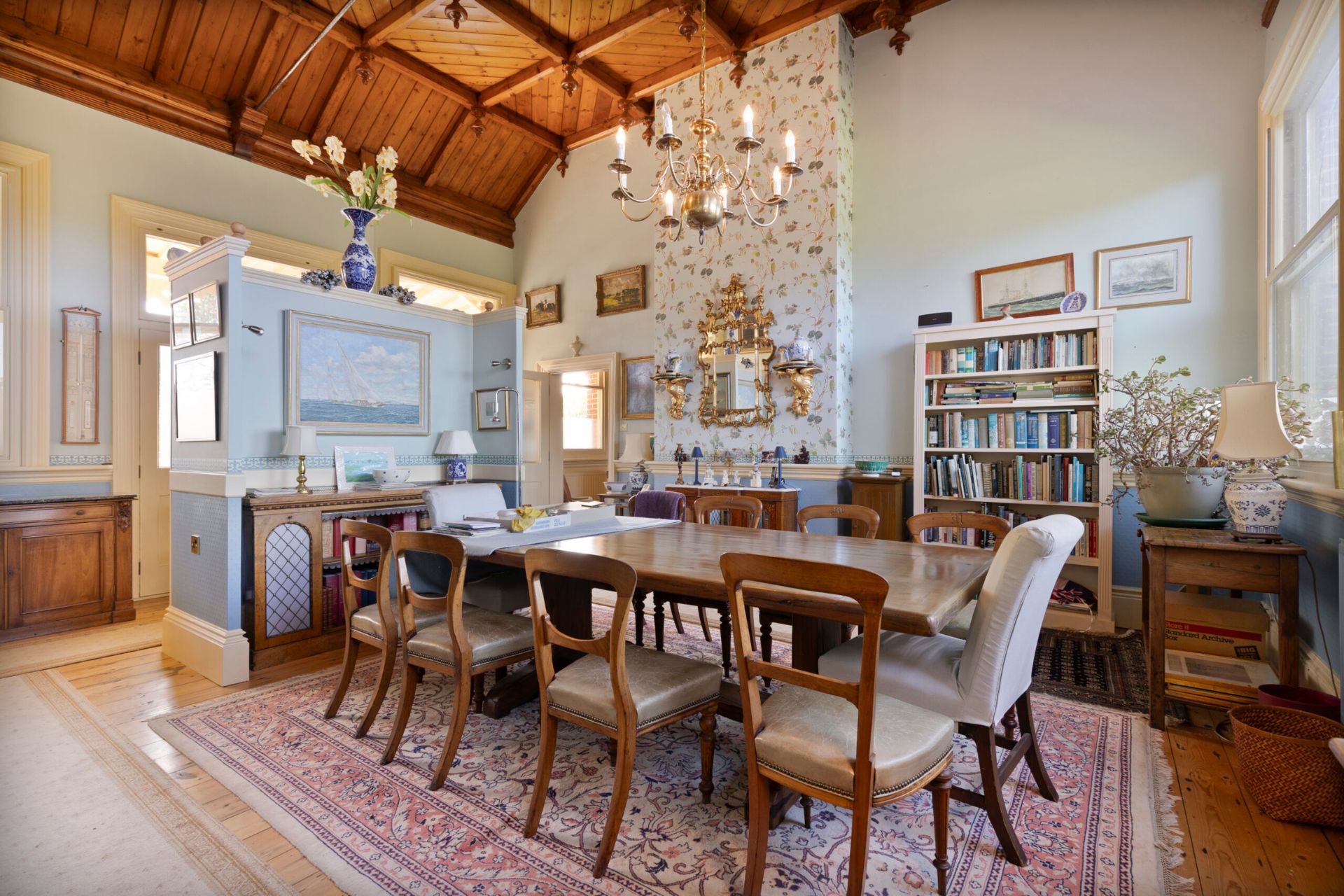
Inside, the reception rooms offer up original vaulted ceilings and exposed timbers, as well as large light windows in the living spaces. The kitchen provides direct access to the garden, while three double bedrooms are all complete with their own ensuite bathrooms, successfully combining period features with contemporary convenience.
As for transport connections… they’re right there on your doorstep. The still operational Gunton Station which sits adjacent to East Norfolk House runs direct services between the city of Norwich and the beach town of Sheringham. Across the road, meanwhile, sits one of Norfolk’s most beloved pubs: The Suffield Arms, renowned for its Mediterranean food and tapas.
East Norfolk House is on the market for £750,000. Find out more at sowerbys.com