




Nutrition Trends We Should Ditch In 2026 (And What To Do Instead)
By
8 months ago
Forget protein cereal and hormone hacks
Last year we were subject to a flurry of nutrition trends that captured public imagination but did little to improve health. In 2026, it’s time to be honest about the habits we should retire. Make a new year’s resolution to ditch the influencer advice and tune into what truly matters, urges Dr Federica Amati.
Social Media Health Trends To Avoid (And What To Do Instead)
UPFs With Added Protein
The first is the growing tendency to spend more money on junk food simply because it contains added protein. Supermarket shelves proliferated with protein-boosted biscuits, cereals and puddings, many relying on the same additives, sweeteners and processing techniques as their non-protein counterparts. Protein is essential, but when it becomes a marketing veneer for ultra-processed food, it distracts from what truly matters: quality, fibre and nutrient density. Legumes, nuts, cultured dairy and minimally processed plant, fungal or algal proteins are your go-tos.
Polysupplementation
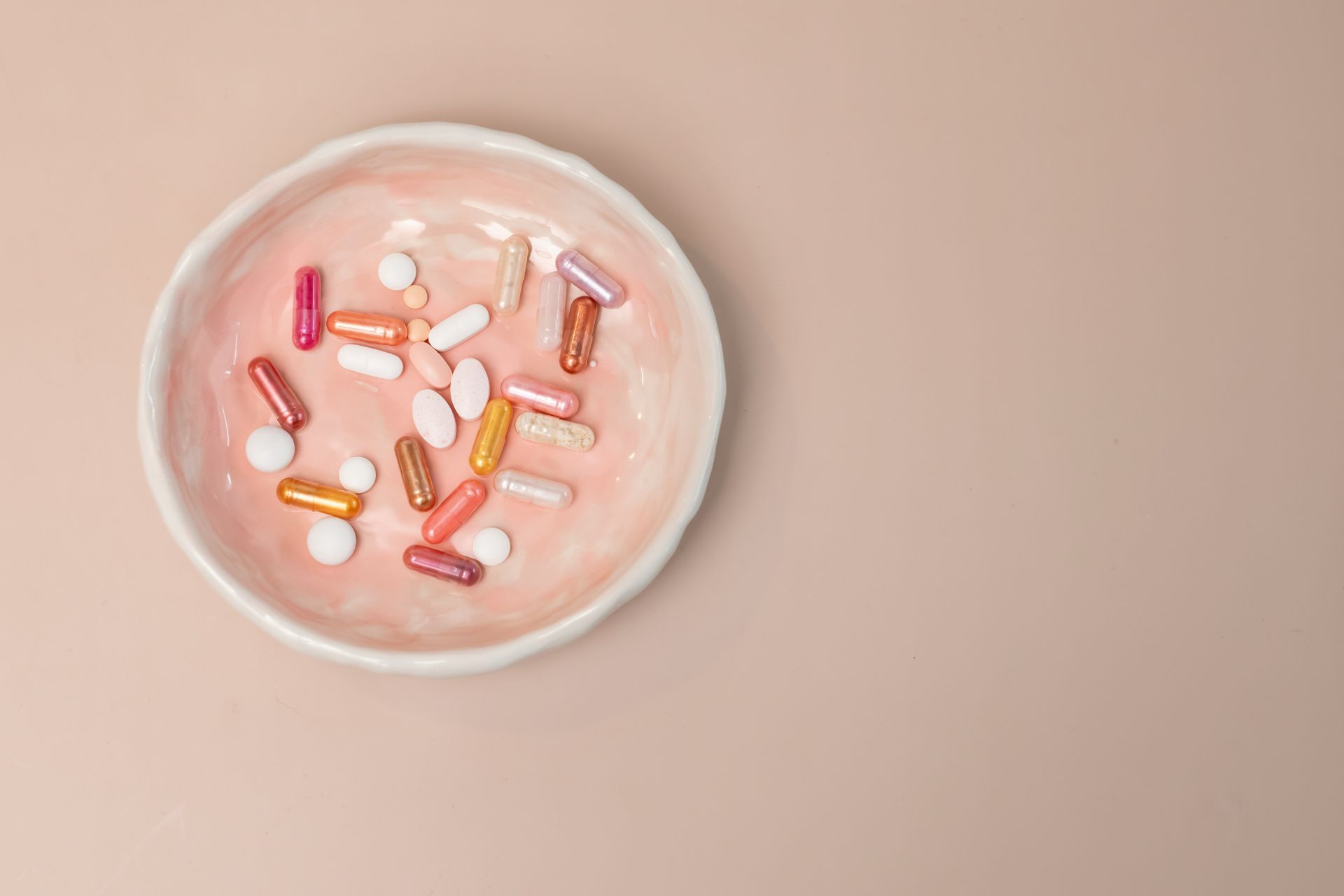
Secondly, let’s look at indiscriminate polysupplementation. In 2025, many people layered powders, tonics, adaptogens and multivitamins without regard for dosage, interactions or biological need. Reports of liver strain increased, and many formulas delivered extreme concentrations far beyond safe daily limits. More importantly, supplements became a shortcut for neglecting the foundations of health: a fibre-rich diet, quality sleep, regular movement and stress management. Supplements can be useful, but they were never meant to replace the basics.
Influencer Advice
Thirdly, it’s time to ditch health advice from influencers whose recommendations are not grounded in evidence or clinical practice. Social media feeds are filled with viral metabolic ‘hacks’ and hormone resets, many of which are ineffective and sometimes unsafe. Relatable storytelling quickly became generic advice applied to thousands of very different bodies. As we enter 2026, discernment matters more than ever.
What Should Be We Focusing On In 2026?
Letting go of these trends makes space for what genuinely matters. And the defining shift is the return of fibre. Fibre feeds the microbiome, stabilises inflammation, improves blood sugar control and strengthens natural satiety signals. Different fibres act at different stages of the gut, with slow-fermenting fibres stimulating the body’s own GLP-1 – the same hormone targeted by appetite-suppressing drugs.
As many people discontinue using weight-loss drugs, there is a need to restore natural hunger, fullness and metabolic stability. The emerging approach focuses on rebuilding satiety hormones through fibre, fermented foods and complex carbohydrates, reactivating the body’s elegant appetite pathways.

Brain health is also moving centre stage. With growing interest in the gut–brain axis, food is increasingly understood as a regulator of mood, stress and cognition. Fibre-rich, minimally processed diets support steadier neurochemical signalling, while ultra-processed foods may do the opposite.
Taken together, these trends point to a deeper understanding of how food interacts with our biology. We’re moving away from simplistic narratives and towards nutrition as an ecosystem – where fibre feeds the gut, the gut feeds the brain, and the brain shapes daily choices. Food culture is finally catching up with physiology, and that’s something worth celebrating.