


Knepp Estate’s Wilding Kitchen Has Won A Green Michelin Star – Here’s Why
By
8 months ago
Inside the next phase of this radical rewilding project, within the kitchen
Knepp Estate’s next generation is evolving its rewilding strategy, bringing it into its Wilding Kitchen – which has now bagged a Green Michelin Star. Jenny Jefferies steps behind the pass to meet the chef director of the project, Ned Burrell.
Ned Burrell Is Taking The Reins At Knepp, Starting In Its Kitchen
In 2022, governments initiated a global pact called ‘30 by 30’, aiming to designate 30 percent of our planet’s land and sea as protected areas by 2030. And rewilding is recognised globally as one of several methods needed to achieve worldwide restoration of our natural ecosystems.
At the forefront of this movement is the groundbreaking Knepp Estate, West Sussex. Since 2001, the 3,500-acre former intensive arable and dairy farm has been transformed into a thriving biodiverse site under the stewardship of Sir Charles Burrell and Lady Isabella Tree. The first of its kind in England – think free-roaming animals and patchwork landscapes – today the land hums with nature and forms the model of successful rewilding. Tree attributes Knepp’s success to ‘letting go; allowing nature to take the driving seat’.
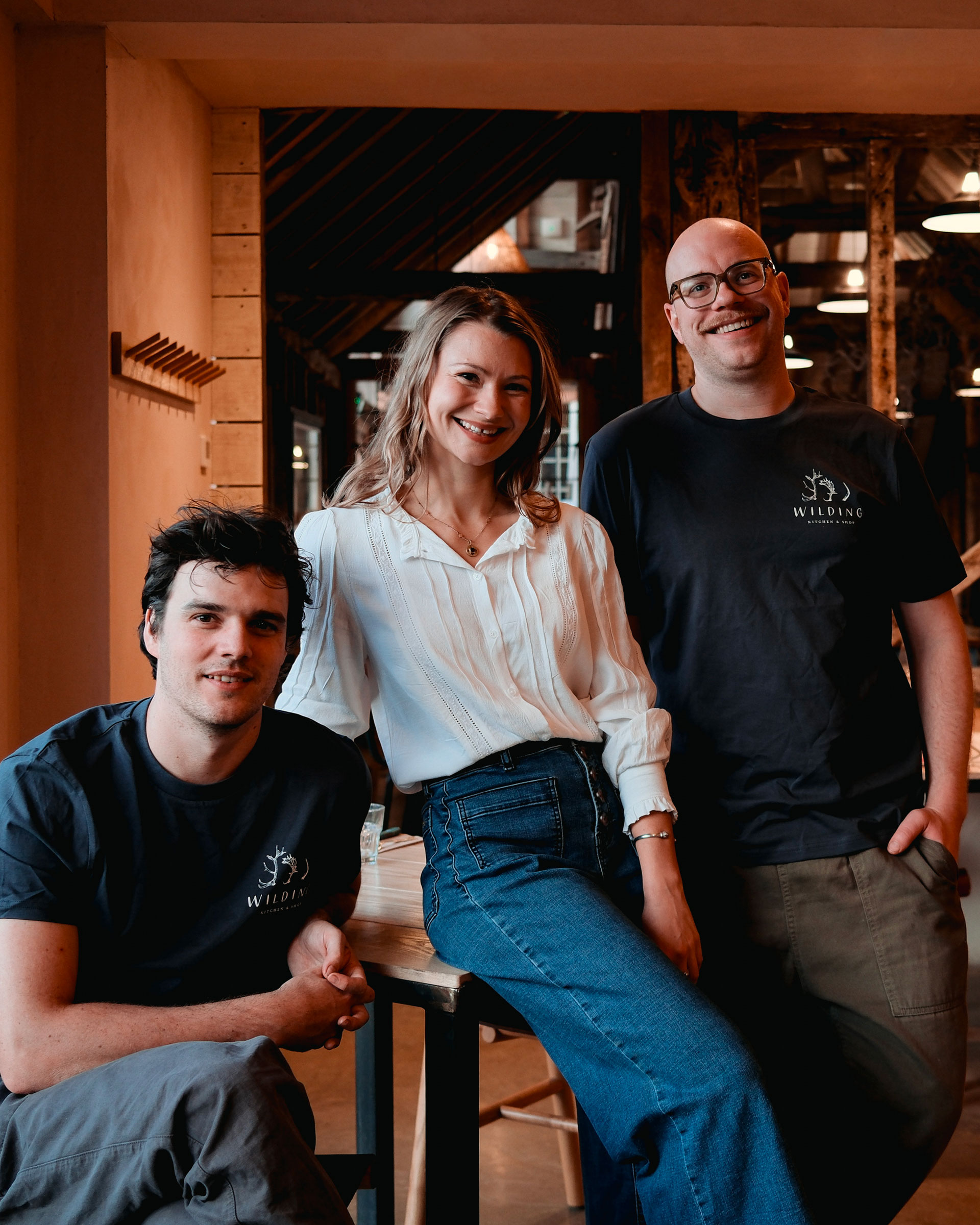
From left to right: Ned Burrell, Lia Brazier and head chef Alex Dome
And nature follows; the next generation has begun to take steer. Ned Burrell, the couple’s son, is chef director of the Wilding Kitchen and its shop, where he is bringing the Knepp ethos into the kitchen. Alongside his partner (and the estate’s creative director) Lia Brazier and head chef Alex Dome, he is driving a vision of ‘ecological hospitality’ – which won a Green Michelin Star in the latest round of Michelin awards. And where rewilding has transformed the landscape, it’s now transforming the way we eat.
‘The restaurants I have previously worked at are masters of storytelling,’ says the younger Burrell, ‘showcasing the different ways in which we can grow, hunt, fish and ferment to create flavour alongside sustainability.’ It is during stints at organic pioneer The Bull Inn, Totnes as well as Michelin-starred BRAT in London – restaurants in which sustainable practices defined the menu – that Burrell refined his worldview.
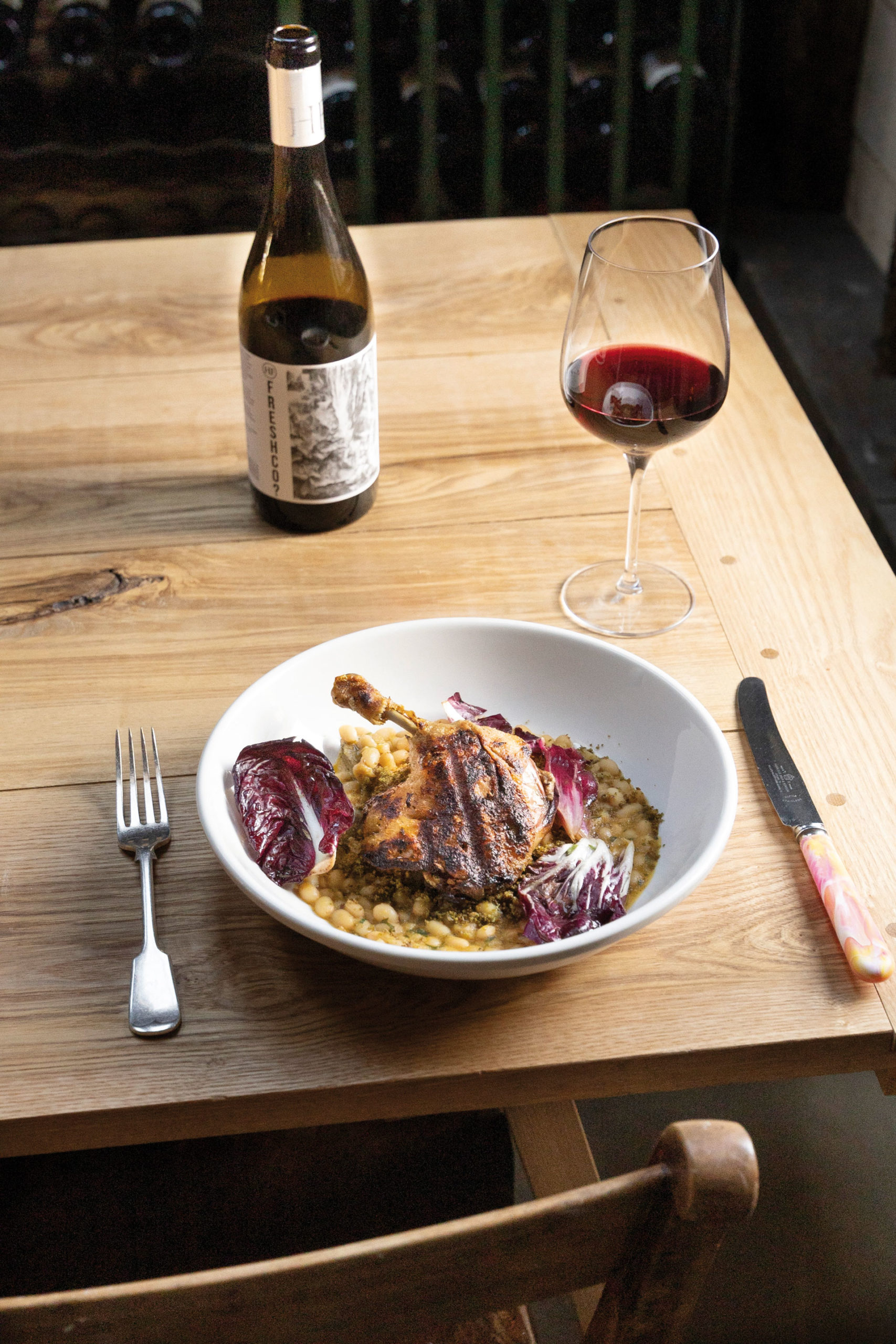
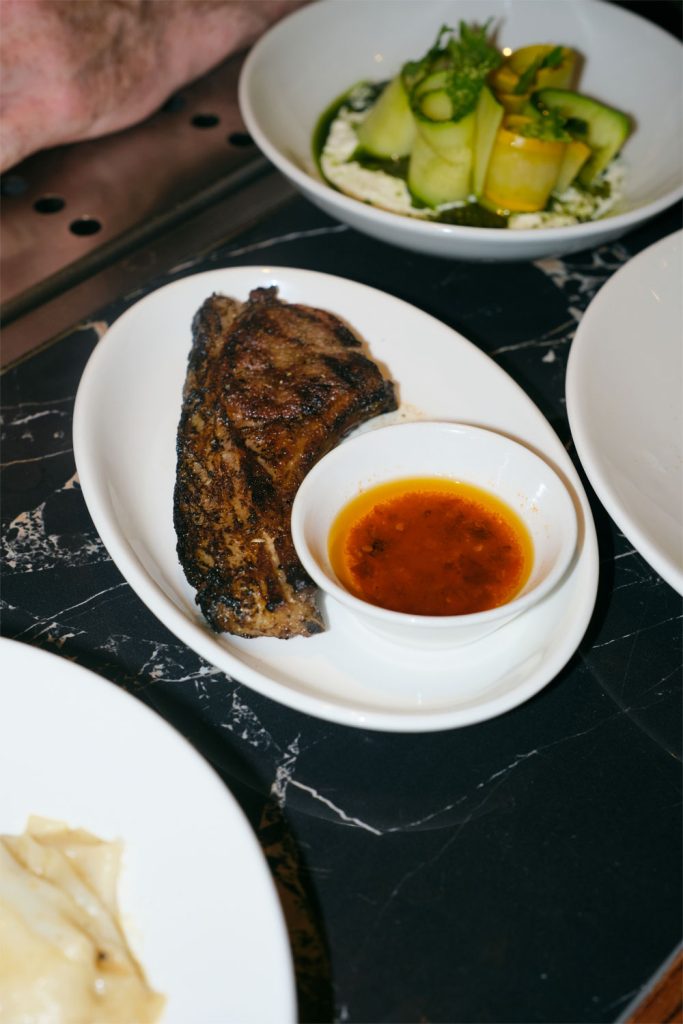
Dinner at Knepp’s Wilding Kitchen
Numerous global reports and worldwide campaigns collectively set out the case for reforming our food systems as a matter of urgency. ‘The single biggest threat to biodiversity loss and climate change is the food industry,’ points out Burrell, ‘so as restaurateurs, we have the chance to make real change. Restaurants play an incredibly important role in our relationship with food,’ he continues. ‘It’s the meeting point between guests, chefs, and ingredients, farmers, fishers and foragers.’
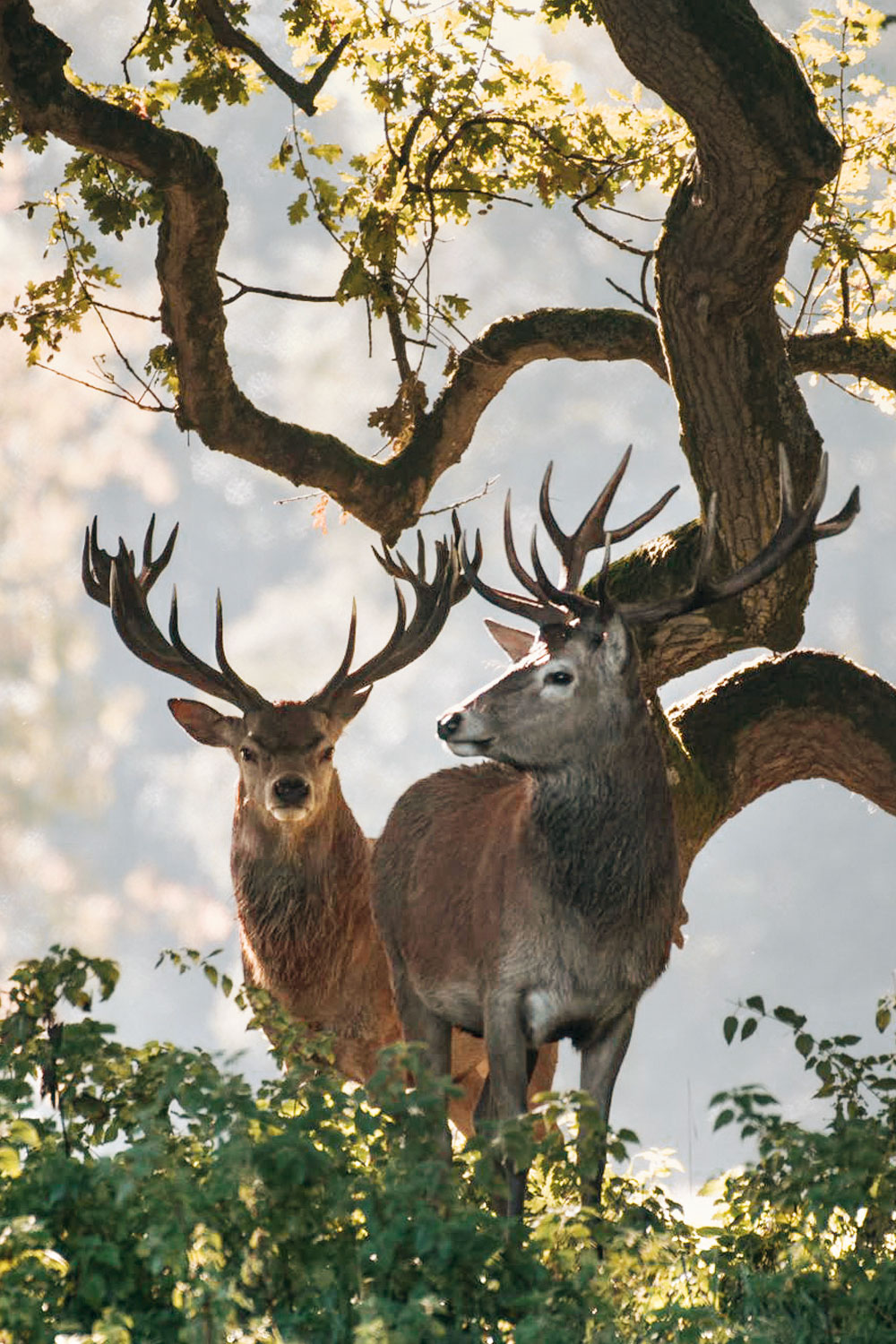
The estate allows its animals and herds to interact and breed naturally as they would in the wild. ‘But, 30 miles from Marble Arch – as the stork flies – and in one of the most densely populated areas of Britain, there are no wolves or lynx to naturally manage animal numbers at Knepp, so humans have to step in to act as the apex predators.’
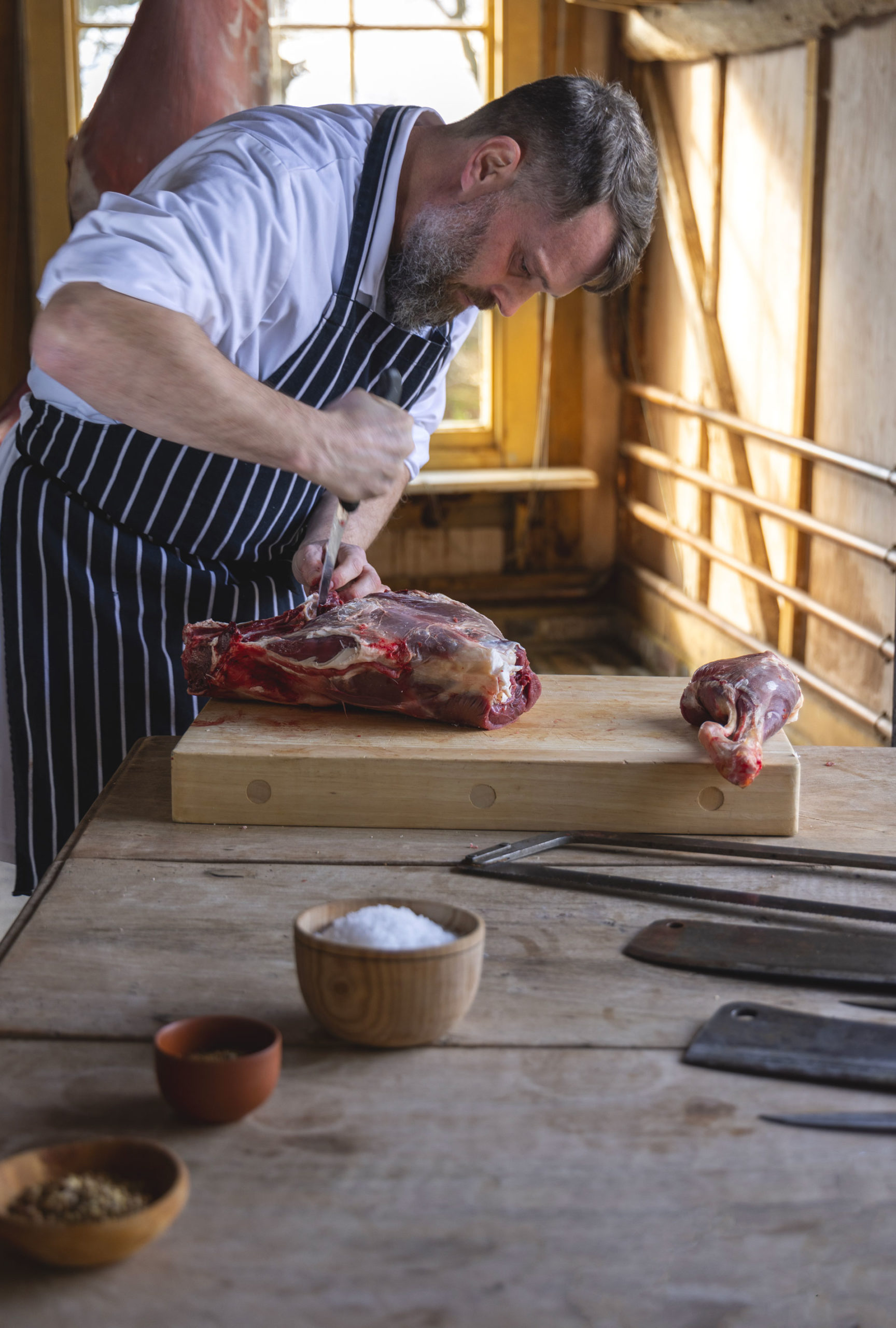
The Knepp butchery aids the goal of keeping ingredients super local
The restaurant provides a way to honour and celebrate the meat that comes from this process, closing that ecological circle. ‘When our guests eat at the Wilding Kitchen, they become a part of that cycle, too, playing a vital role in helping the ecosystem stay in balance.’ With this in mind, the estate operates a sustainable butchery, which prioritises high animal welfare to create a healthier, less wasteful food system. The resultant meat is of exceptional quality, flavour and nutritional value, a byproduct of nature restoration rather than the primary goal of it. Knepp is now offering meat boxes straight to customer doorsteps to bring home the experience.
‘What we’re doing is a reminder that a wilder future is within reach,’ says Ned Burrell. ‘We see the restaurant, shop and our meat boxes as another way for people to connect with this rebounding landscape, to feel themselves restored, and to leave inspired to rewild their own spaces, whether that’s a community park, a garden or even a window box. Our hope is that the restaurant and shop can become a hub for those who care about nature recovery to gather, share ideas and enjoy good food.’
Visit Knepp Wilding Kitchen and find out more at knepp.co.uk