


How To Keep Your House Plants Alive
By
8 months ago
Top tips from the founder of The Real Flower Company
Has your home become a graveyard of withered and wilting flowers? Are you struggling to keep your collection of potted plants alive? Rosebie Morton, founder of The Real Flower Company, shares her top tips on how to keep your house plants alive and thriving.
Rosebie Morton’s March Gardening Guide 2026
Who else has been given a beautiful flowering house plant (perhaps a cyclamen, phalaenopsis orchid or a stephanotis) full of vigour with healthy green leaves, only to reduce it to a yellowing, bud-dropping, shadow of its former self within a week or two? Sound familiar?
We all start out with the best of intentions to nurture our new acquisition, only to kill it through overzealous watering or bad positioning. These two factors are the main cause of a short-lived indoor plant – along with yoyo watering, overheating and drafts. Infact, often people who neglect their house plants seem to have more success.
Most house plants are reasonably undemanding and thrive in indirect light so are very happy on an east or west windowsill. Too often people place their plants in full sun so their leaves get scorched and the plant dries out. Mimicking the plant’s natural habitat is the best way to keep your house plant healthy.
Orchids, for example, grow under trees or in the nooks of tree branches so will do well in semi-shaded moist atmospheres. They are used to a down pour one moment followed by a drier spell the next, but always with a humid atmosphere. Humidity can be ensured by placing your plant on a dish of pebbles which are sitting in water but not completely covered (this is very important so the plant is not in contact with water). They only require watering when nearly completely dry and then water them really well from above (tap water is fine), allowing them to drain properly before placing them back in position. Alternatively, they can be submerged in a container of water for 5–10 minutes and then lifted out and drained. Feed them with a high potash feed once a fortnight in their flowering season. Once their flowers are spent, cut back the stem to a leaf node near the base of the plant which will then sprout a new stem in the growing season.
Stephanotis, being tropical, are similar in their requirements to orchids. They are incredibly sensitive to temperature fluctuations and hate being moved, so once established in indirect light leave them on their pebbles, and like orchids allow them to dry out between waterings. There is nothing more upsetting than a gorgeously scented stephanotis dropping all its flowers.
Anthuriums also known as the flamingo plant have the reputation as the longest blooming house plant you can buy. Each bloom – although not strictly a flower, but a modified waxy leaf – will last up to eight weeks. Another tropical plant, they are very similar in wishes to the others. If all these tropical stars seem too demanding then it’s worth looking at a peace lily which has a reputation for being unkillable.
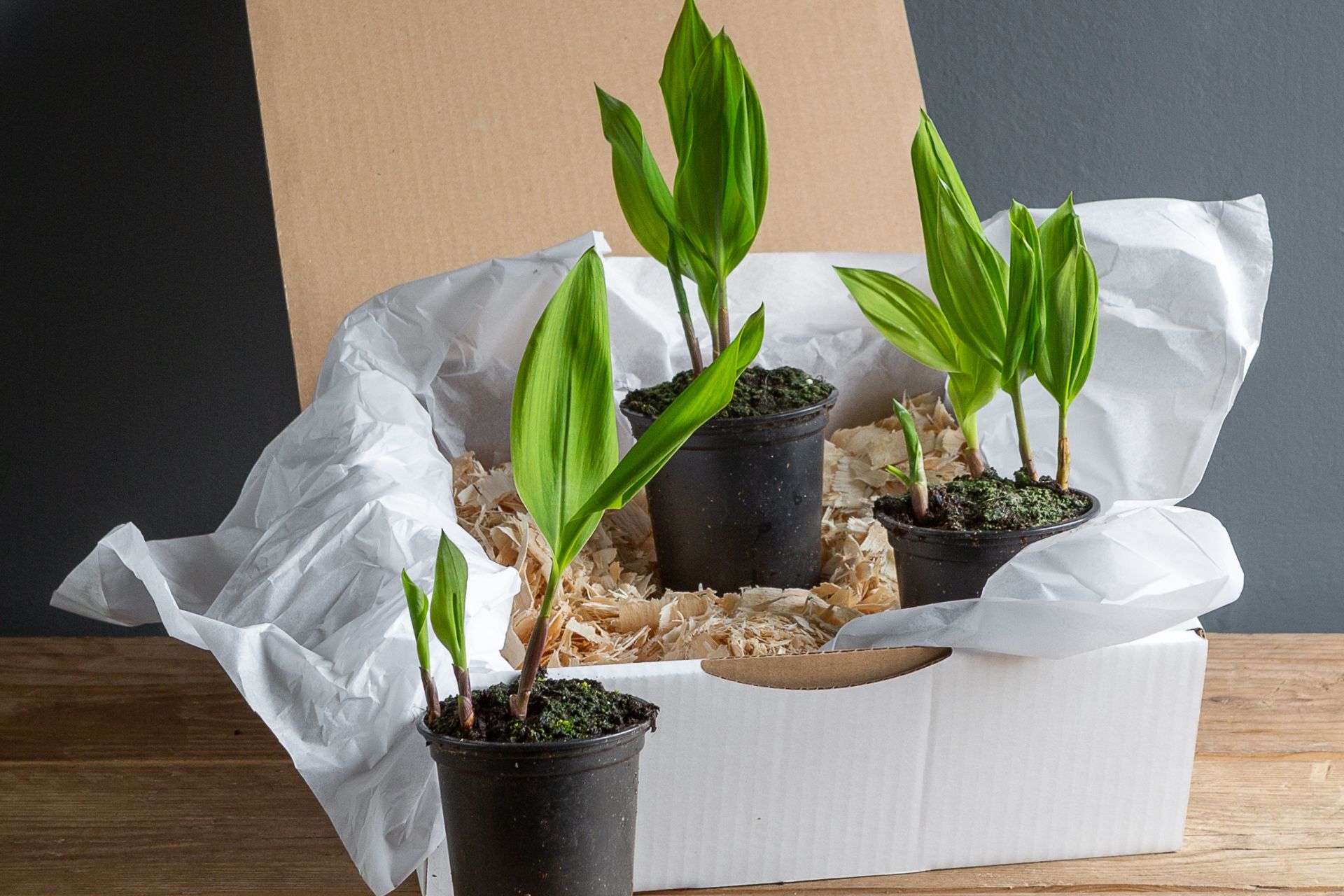
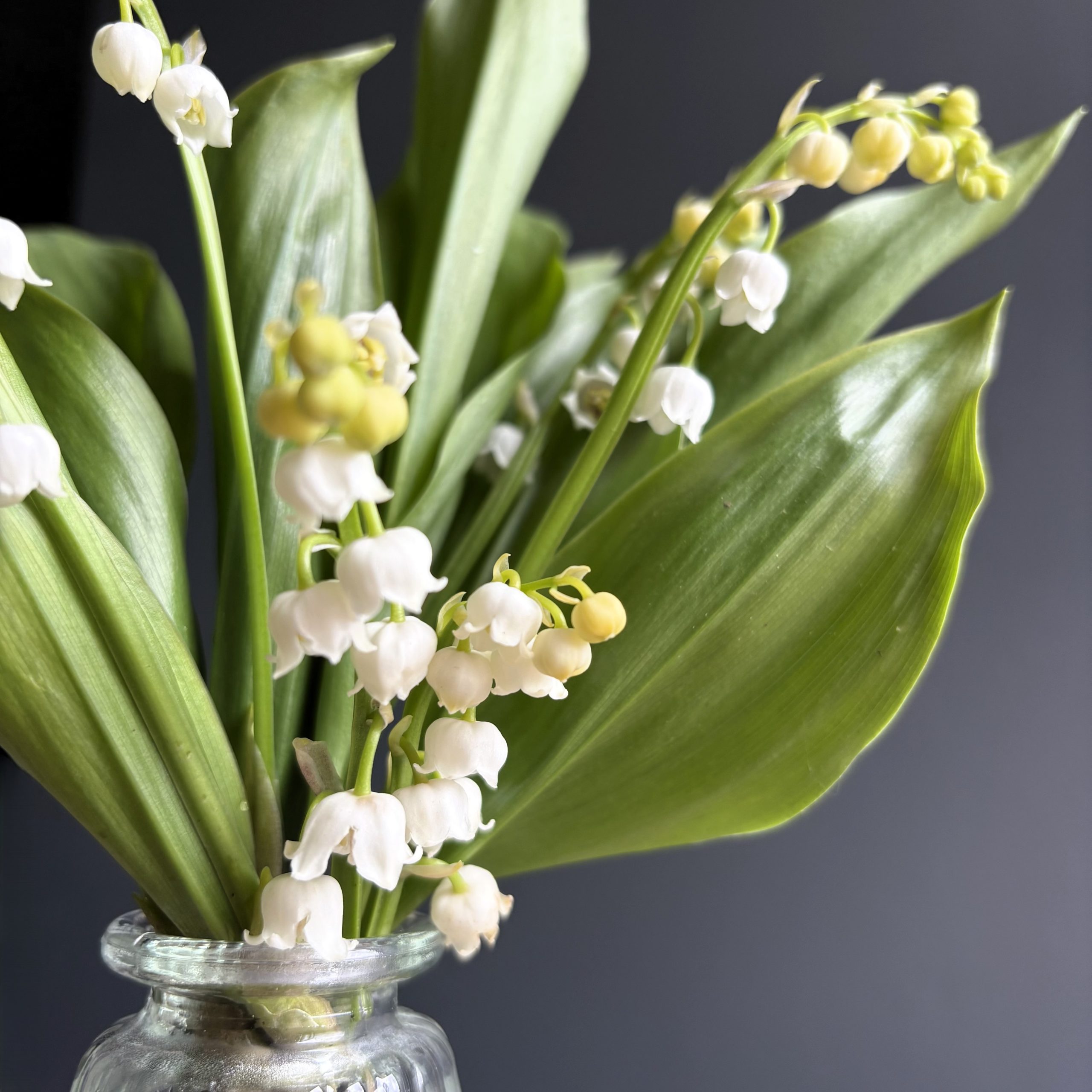
Alternatively, outdoor plants can make great house plants to force into flower inside on a windowsill and, once flowered, can be planted in a pot or garden outside. There is nothing more uplifting than a pot of lily of the valley at this time of the year, bravely poking their noses out of the compost before bursting into flower in a matter of weeks and filling a room with an exquisite perfume. Narcissi will equally oblige inside. Following a few basic requirements, you will get months, and hopefully years, out of your house plants.