


Egyptian Food Is Having A Moment – Here’s Why
By
7 months ago
A deep dive into the staple dishes of Egypt, plus where to try them
For decades, the global palate has been captivated by the fragrant curries of India, the vibrant spice of Mexican chillies, and the umami depth of Japanese sushi. But a new, ancient contender is quietly stirring its pots, ready to step into the international culinary spotlight: Egyptian food. Often overshadowed by its Levantine neighbours, the cuisine of the Nile Valley is a trove of unique flavours, satisfying textures, and a deeply rooted history that is poised to make it the next great thing in the world of gastronomy.
Egyptian Cuisine: The New Frontier?
A Crossroads of History and Flavour
Egyptian food is the true definition of a ‘melting pot.’ Born from millennia of civilisation and influenced by successive waves of invaders, traders, and cultural exchange, its dishes tell the story of the country itself.
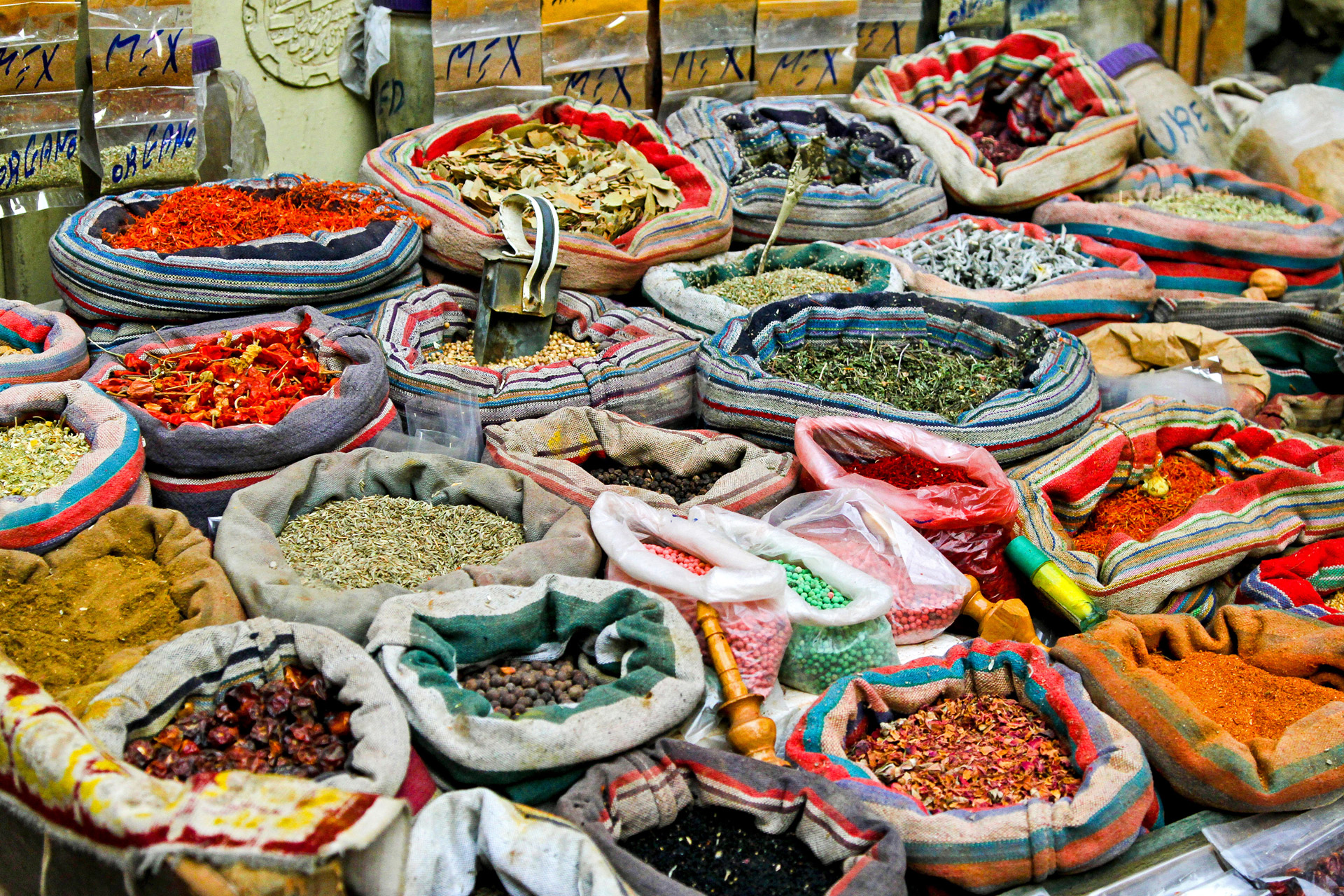
It features the use of ancient grains like wheat, lentils, and the fava bean (fūl) blended with Mediterranean and North African notes of lemon, fresh herbs, and olives mixed with the heartiness of cumin, coriander, and dried spices. Unlike some of its global counterparts, Egyptian food is generally not characterized by heat. Instead, it focuses on the aromatic complexity of spices like cumin, coriander, and allspice, used generously but thoughtfully to build deep, earthy flavours.
Egyptian cuisine will move into the spotlight as it benefits from three global food trends:
- The Rise Of Plant-Forward Eating: Many of the most iconic and beloved Egyptian dishes – koshary, fūl, ta’ameya, mesaka’a (a comforting baked eggplant dish) – are naturally vegan or vegetarian. As diners seek more sustainable and healthy options, this naturally plant-rich cuisine becomes incredibly attractive.
- The Search For Authenticity: Modern diners are moving past fusion and seeking genuine, historical flavours. The deep history embedded in every grain of rice and fava bean in Egypt offers an authentic story that few other cuisines can rival.
- The Vibrancy Of Street Food Culture: The buzz around international street food is huge. From the casual koshary carts to the hot grills selling kebab and kofta, the cuisine translates perfectly to the fast-casual and food hall environments that dominate modern dining.
Getty Images
The Star Dishes That Will Sizzle
To break through internationally, a cuisine needs its star players – and Egypt has a formidable line-up:
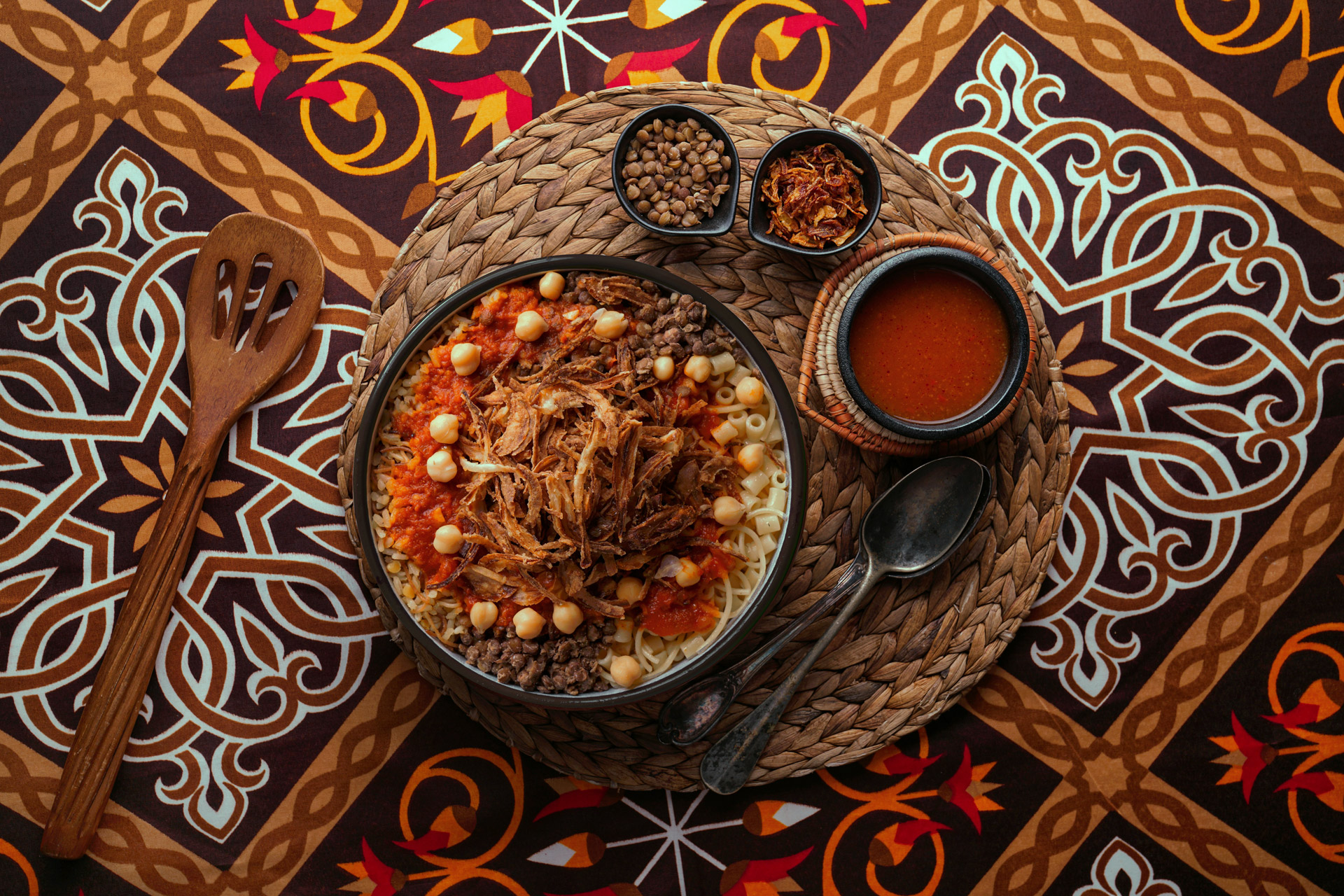
- Koshary: The Ultimate Comfort Food – Often called the national dish, koshary is an unexpected but utterly addictive carb-loaded mashup. It combines rice, macaroni, and lentils, topped with a spicy tomato-chickpea sauce, and finished with a generous sprinkle of crispy, caramelised fried onions. It’s inherently vegan-friendly, extremely affordable, and offers a delightful variety of textures – crunchy, soft, and chewy – all in one bowl.
- Ta’ameya (Egyptian Falafel): The Superior Fritter – While the rest of the world knows falafel made from chickpeas, the Egyptian version, ta’ameya, uses dried fava beans. This change gives the fritter a brighter green interior, a fluffier texture, and a more pronounced, earthy flavour, often seasoned with fresh parsley, coriander, and dill. It presents a familiar concept but with a superior, unique twist that can set it apart in the burgeoning plant-based market.
- Fūl Medames: The Breakfast Powerhouse – This simple, stewed fava bean dish is the quintessential Egyptian breakfast. Served with olive oil, cumin, chopped parsley, and lemon juice, it’s hearty, protein-rich, and utterly satisfying. It’s the original ‘power bowl’, healthy, clean, and easily customisable for breakfast or lunch options.
The Best Places to Find Authentic Egyptian Cuisine
Cairo
Let’s start in Cairo. There is only one place to experience koshary and that is Abou Tarek, on Champollion Road, in the midst of a plethora of car repair shops, in downtown Cairo. It’s fast, it’s simple, there are no choices (apart from how spicy you’d like it and whether to add vinegar and garlic) and it’s inexpensive, even if tourists pay a slight premium. Don’t forget to try the mint lemonade and the rice pudding (as you remember it as a child), and finish the meal with an excellent espresso.
Breakfast or lunch the next day should be picked up at one of the GAD outlets. There is one in Giza near the pyramids and the Grand Egyptian Museum, but there are others around the city. This restaurant specialises exclusively in fūl medames and ta’ameya. The fūl is a flavoursome, more liquid, version of refried beans wrapped in a pita bread, so eat with care. The ta’ameya fritter with its hints of coriander and parsley is easier to consume, tucked up as it is in a small super fresh, soft pocket of pita, and no less delicious.
To experience the full range of traditional Egyptian specialties head to Naguib Mahfouz, hidden away in the Khan el Khalili Bazaar – a labyrinth of narrow streets and alleys with multiple ‘districts’ selling everything from kitchenware to textiles, hookahs and weighing machines, to gold and silver. It is hard to find but a must visit along with the nearby El Moez Street with its many fine buildings and mosques. It was opened in 1989 in homage to Naguib Mahfouz who won the Nobel Prize for literature in 1988. The waiters wear Tarboosh hats, similar to the Fez, and the cold and hot mezze, which shares similarities with its Greek and Lebanese cousins, followed by ta’ameya, grilled meats and kofta, complemented by a lemon and mint cooler (no alcohol is served).
In the evening take a taxi to the vibrant Zamalek district on the island in the centre of Cairo. It is full of bars, cafes, shops and art galleries and it contains one of Cairo’s most famous restaurants, Abou El Sid. While a popular tourist spot with a potentially overwhelming menu, the beer and wine flow and the atmosphere is fantastic, capturing the energy and excitement of old Cairo.
Luxor
If your travels take you to Luxor, visit the magnificent desert oasis Hotel Al Moudira. This hotel has all of the amenities that you would expect from a Relais & Chateaux destination. In addition, it has an extensive farm, where all of the produce for the restaurants are grown and reared. Even more impressive is the owner’s commitment to fostering local crafts. Here you will find alabaster bowls and vases being made in the same way, with the same tools, as they have been for millennia. There is paper being made from sugar cane and furniture from palm fronds; weaving and pottery and others soon to be added. The hotel provides a much needed retail outlet for their collective work in a small bazaar where you are freed from the incessant hassling of the souk. It is a must visit.

Getty Images
If this wasn’t all enough, the hotel has the foundations and ambition to be the epicentre of a new Egyptian cuisine. There are no Michelin-starred restaurants yet in the whole of Egypt but Al Moudira is striving to change that. The menu features traditional dishes, with an emphasis on the quality of the seasonal produce from the farm and well executed preparation and presentation along with a willingness to tweak and delight. The daily four-course special menu that I enjoyed began with a cauliflower tabbouleh with pomegranate and sesame, followed by a pea with mint and yoghurt soup. For the main course, I had a duck ragout (from ducks reared in the farm) blended with figs, grapes and sweet potatoes. To finish it was a nod to the present with a chocolate cake accented with a homemade lemon ice-cream. At a price of $46, in a beautiful setting, they are on their way to Michelin stardom.
From Cairo to London: What’s Next?
The next phase of the Egyptian food revolution will rely on a handful of brave chefs and entrepreneurs. We are starting to see small, authentic Egyptian eateries open in major global cities, moving beyond the local expatriate community to attract a diverse clientele but the public’s perception of the quality and delight of the cuisine will need to catch up. Egypt needs its Ottolenghi.
The challenge now is to standardise the quality and tell the story. As these pioneering restaurants introduce the world to the unique comfort and taste of freekeh (from Egyptian durum wheat mixed with gentle spices, parsley and available vegetables), molokheya (a savoury, viscous green jute leaf soup) and the sweet decadence of Om Ali (a creamy bread pudding), the Pharaoh’s feast will finally claim its rightful place on the international table.
Get ready to fall in love with the soulful, ancient flavours of Egypt. Sail on the Nile in a Dahabiya. Visit the monuments and temples and tombs, discover the beliefs of this ancient civilisation, and prepare to be entranced by the cuisine.