


Fancy Living In A Home Built By The Founder Of Liberty?
By
6 months ago
Arthur Lasenby Liberty built this Buckinghamshire home for his nephew and future heir
Liberty London. A synonym of luxury, good taste and refinement. Who wouldn’t want to live in a home designed by its founder?
Look Inside This Liberty Home
In 1875, Liberty’s founder Arthur Lasenby Liberty took the lease on half a shop at 218a Regent Street, with just three staff members and a £2,000 loan from his future father-in-law to sustain him. Selling ornaments, fabric and objets d’art, with a particular preference for East Asian fare, within eighteen months the shop had made enough money for Liberty to repay the loan and buy up the adjoining 218b.
As we well know, the shop continued to prosper. In 1885, Liberty (the store) relocated to 142–144 Regent Street and soon became renowned as the most fashionable place to shop in London; as Oscar Wilde wrote in 1889, ‘Liberty’s is the chosen resort of the artistic shopper’.
With his newfound wealth, in 1890 Arthur Liberty decided to expand his property empire. He was a frequent visitor to his grandparents at Chartridge Farm, and so moved into the Manor House at The Lee in 1890 before buying up the Buckinghamshire estate in 1898. As Lord of the Manor, he expanded it to over 3,000 acres, stretching well beyond the parish boundaries and encompassing 12 working farms, plus multiple houses, cottages and pubs.
Keen to improve the area, Liberty was the first to pump fresh water to the village from the Missenden valley, and many reminders of his influence persist today – including the Queen Victoria Diamond Jubilee Well and the Cock & Rabbit village pub built in 1907. The unspoilt quintessential village boasts a 12th century church, village hall and credits in multiple Midsomer Murders episodes.
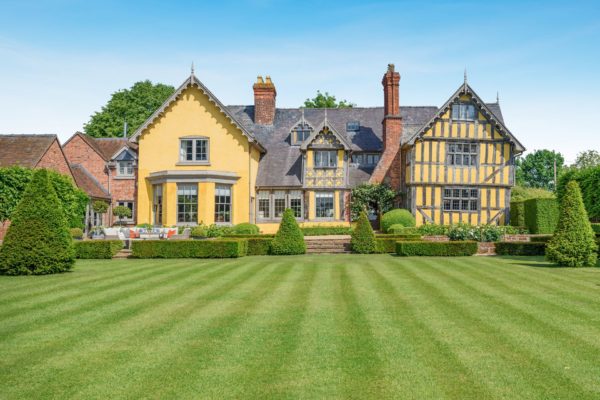
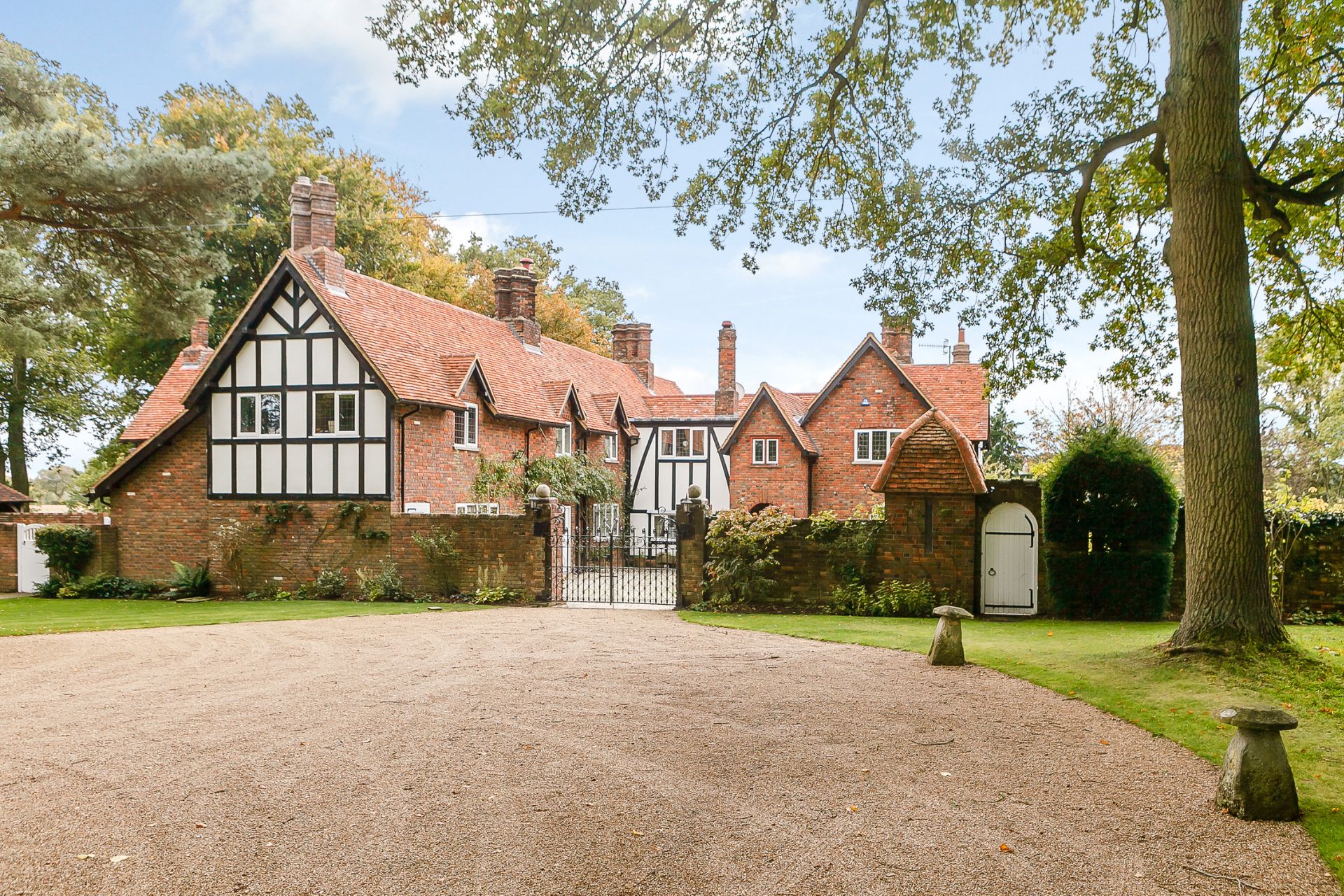
One such property he built on the estate was for his nephew and eventual heir, Ivor Stewart-Liberty. Built in 1913, four years before Arthur Liberty’s death, the seven-bedroom property and its mock-Tudor beams bear a striking resemblance to its predecessor – the Liberty store in London. Inside, the similarities continue. Whether real Liberty or not, many of the floral furnishings, blinds, carpets and drapes incorporated by the current owners are certainly Liberty in style.
Beyond its connections to the world-famous store, the home also boasts a Grade II listed figurehead taken from a Royal Navy ship. The figurehead is of Admiral Lord Howe, who among other posts commanded the Channel fleet during the French Revolutionary Wars, and was taken from the eponymous HMS Howe – the Royal Navy’s last ever wooden warship built in 1860. Sadly, HMS Howe never saw active service and was instead used as a training vessel at Devonport. Later renamed HMS Bulwark and HMS Impregnable, it was eventually broken up in 1921, with many of its timbers used to build the mock Tudor extension at the London Liberty store.
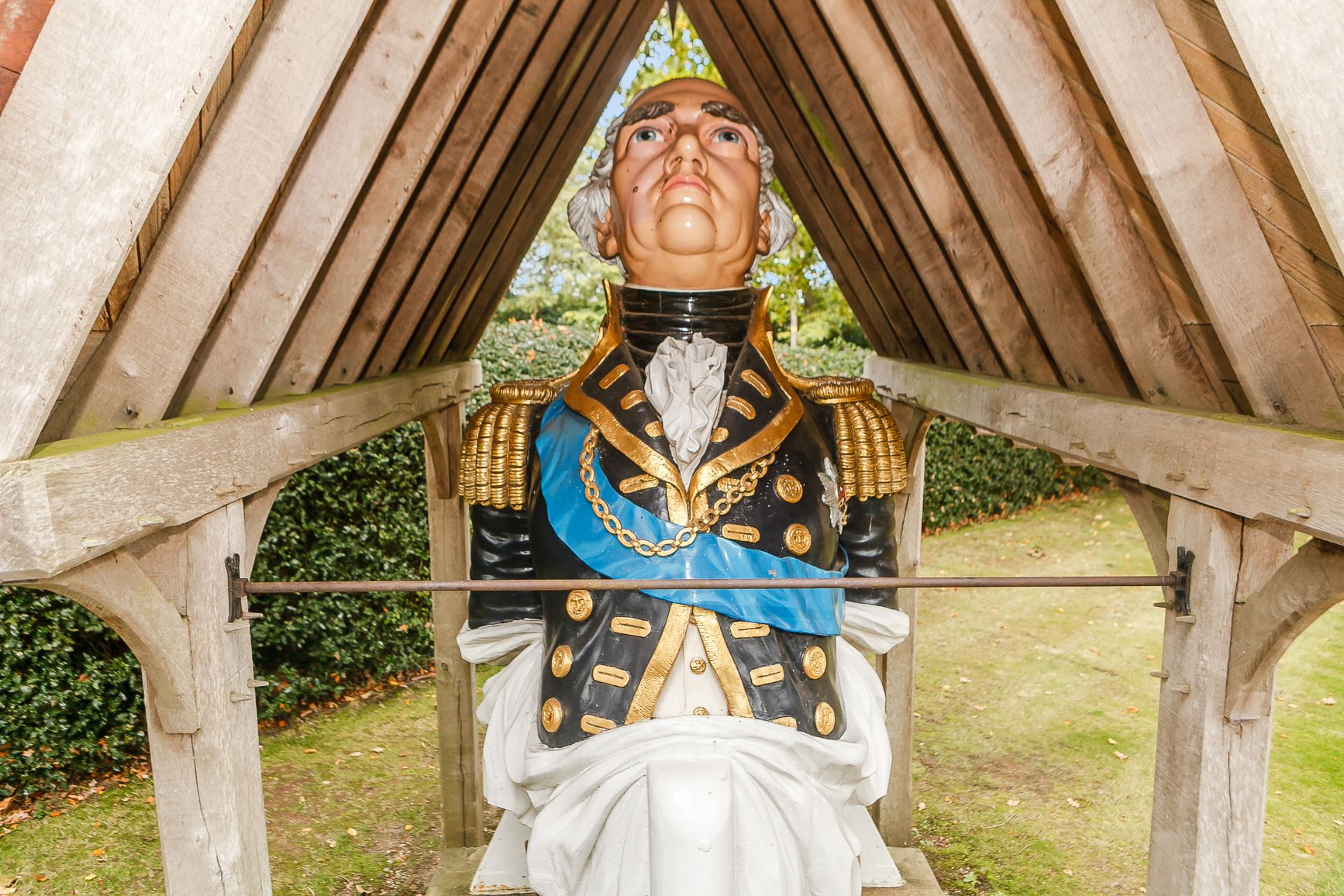
Having been restored by the current owners, today Admiral Howe guards the entrance to the home from his wooden shelter by the front gate. Though a local attraction for residents and tourists, there is something slightly sinister about his glassy Madame Tussauds gaze.
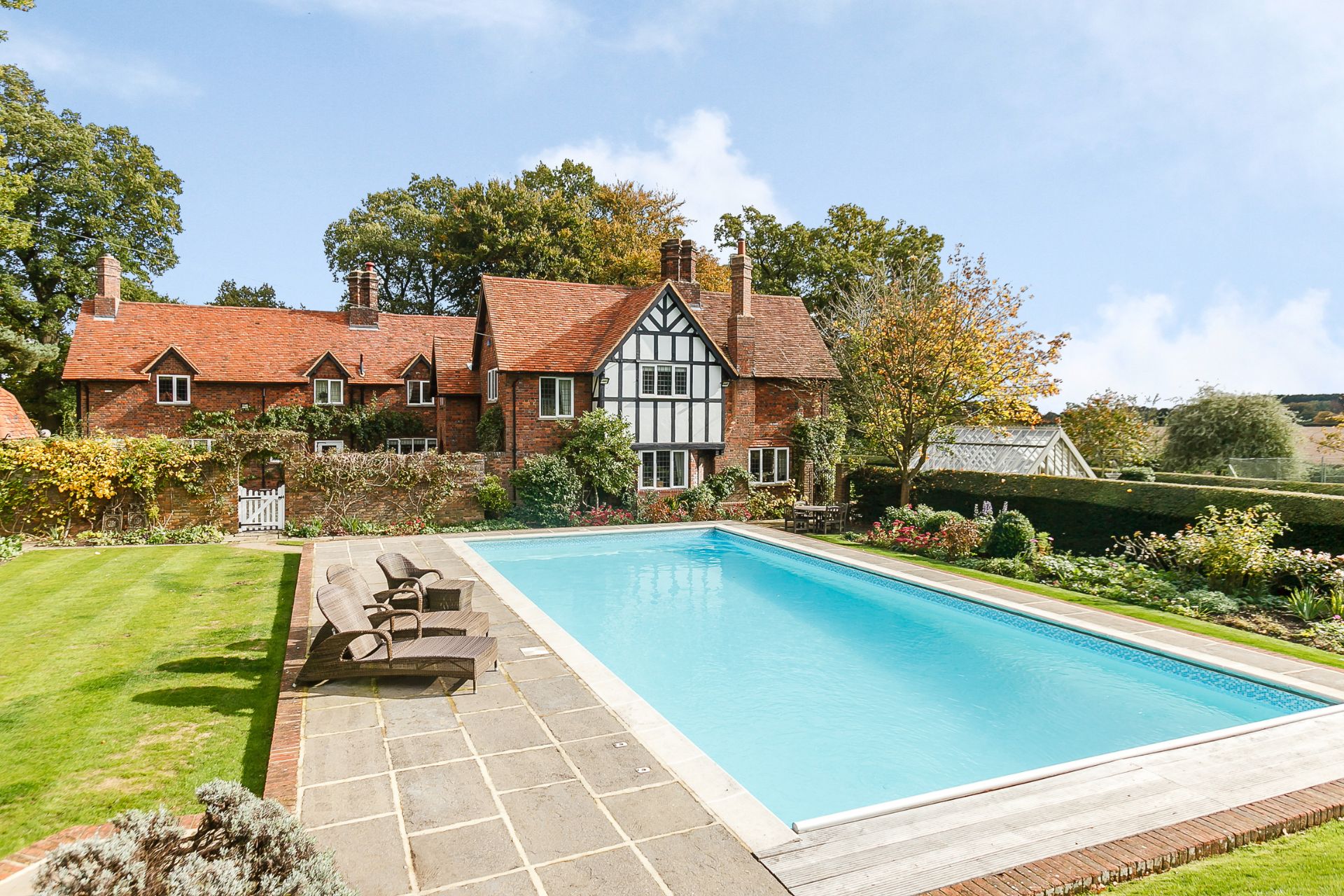
The house itself is set within two acres of grounds, including a heated swimming pool, enclosed tennis court, hedging, Victorian-style greenhouse, ornamental pond, waterfall, a vegetable and soft fruit garden, plus sheds and summer houses.
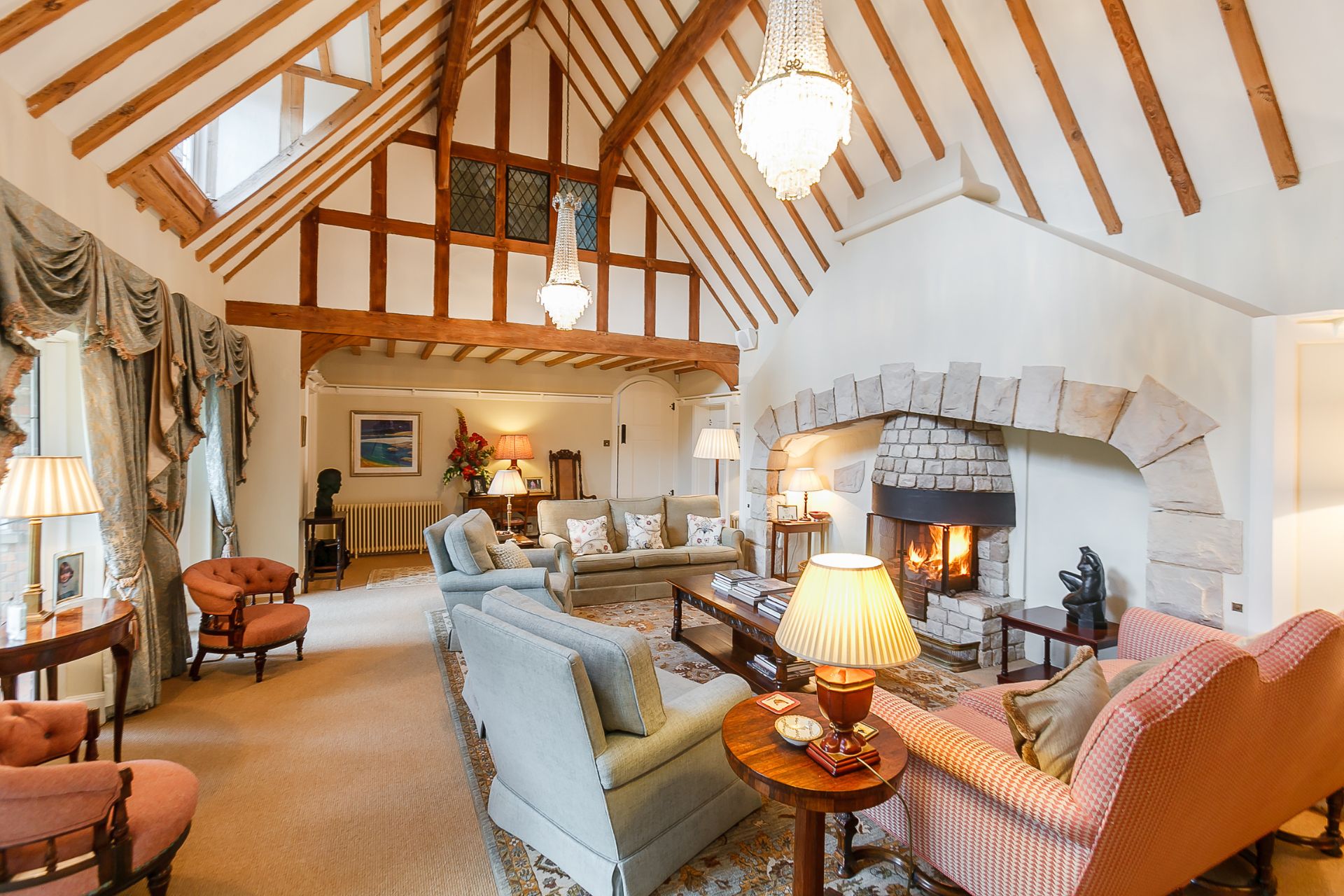
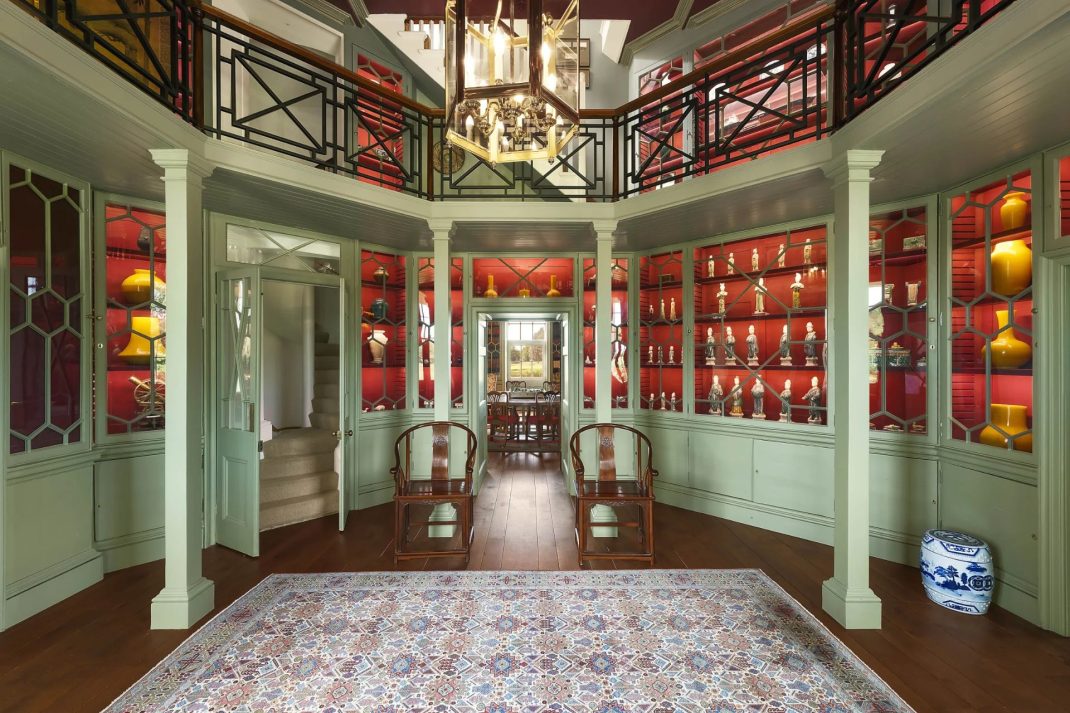
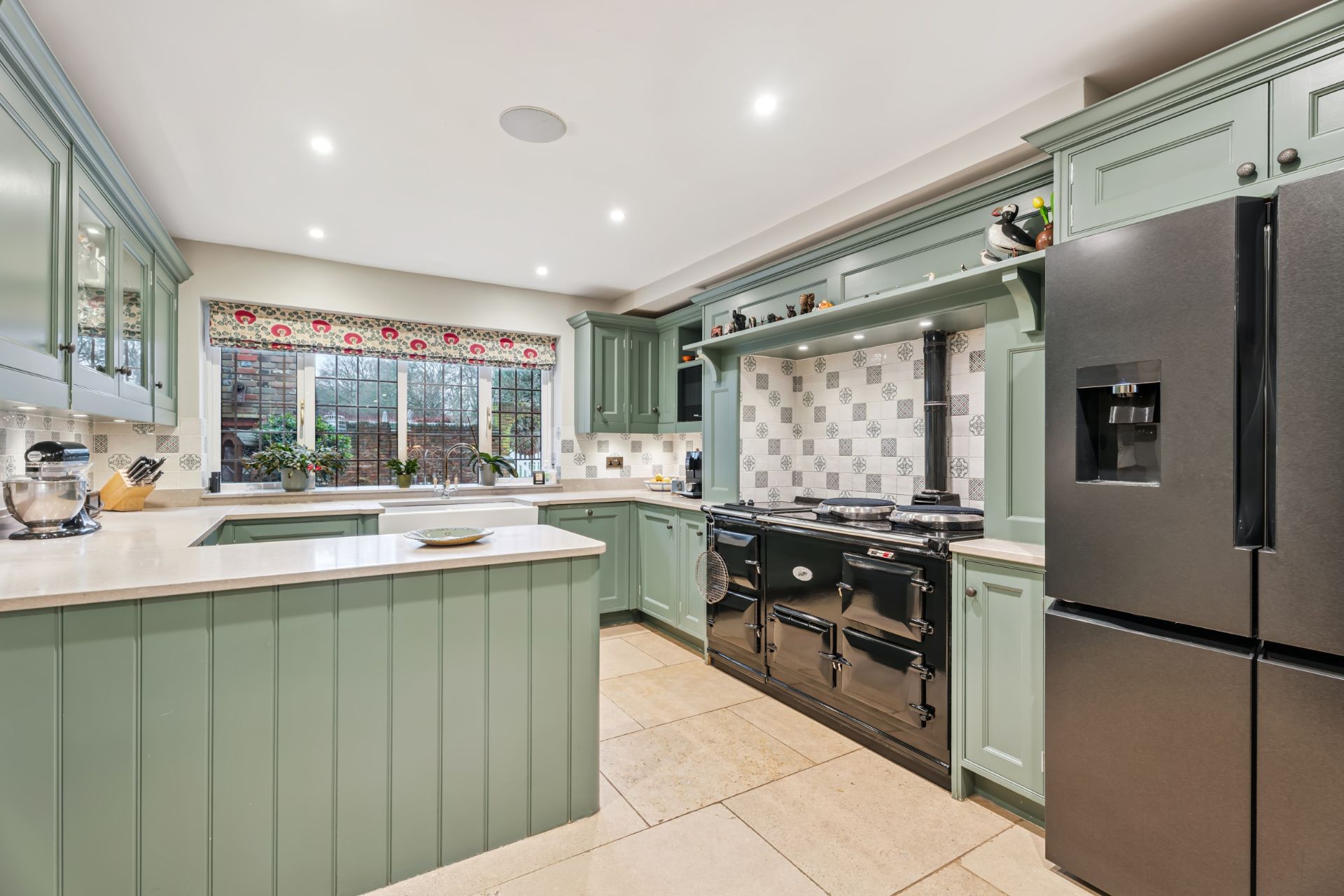
Inside, key features include a central drawing room with a vaulted roof, exposed beams, chandeliers, galleried windows and an expansive stone fireplace, plus a sitting room with a study area and a dining room with rounded bay windows. Elsewhere, there is a beautiful sage green kitchen / breakfast room and an informal dining area with doors overlooking the patio, as well as a utility room, TV / play room and wine cellar.
On the market for £4.25m. Find out more at search.savills.com