



Meet The Chef Turned Researcher Cooking Up Low Carbon Menus
By
6 months ago
Andrea Zick aims to dispel myths around sustainable cooking, whether at home or in professional kitchens
Andrea Zick is a trained chef turned food researcher at Brunel University uncovering how small restaurants can overhaul their menus by greening them up, and how we can create better food systems. Jenny Jefferies meets her to dig into her new report – and find out what we can learn from this, too.
Interview: Andrea Zick
What is a low carbon menu?
A low-carbon menu is one designed to reduce greenhouse gas emissions across its lifecycle, from farm to fork. It emphasises plant-rich dishes, uses animal products thoughtfully, minimises waste, and prioritises ingredients that are seasonal and diverse, considers production pathways, and responsibly-sourced ingredients.
What isn’t a low carbon menu?
It’s certainly not about banning beef or dairy or making people feel guilty. It’s about proportion and purpose, using high-impact ingredients more sparingly and more meaningfully. For example, chefs might use beef in a rich broth or as a flavour-building element rather than the centrepiece of every dish. Making the animal product become a treat, not a default.
What’s on a low carbon menu?
It doesn’t have a single look or taste, but chefs might lean into seasonal veg, pulses, grains, ferments, pickles and thoughtful sourcing.
If I was to start by cooking myself a redesigned menu for a week, I would start by making plants my ‘hero’ ingredient. These would be diverse, and, if possible, types that are grown with companion crops (to help regenerate the soil). As I’m writing this in March, leeks, swedes and celeriac are super seasonal so I would use those. And then I’d add some fermented plants into the mix – on one hand to ensure food surplus gets a place on my plate, but also to add flavour and feed my gut.
I love textures. I usually aim to add something crunchy. This could be something like toasted seeds such as sunflower, linseeds, hazelnuts or even a wholesome sourdough bread.

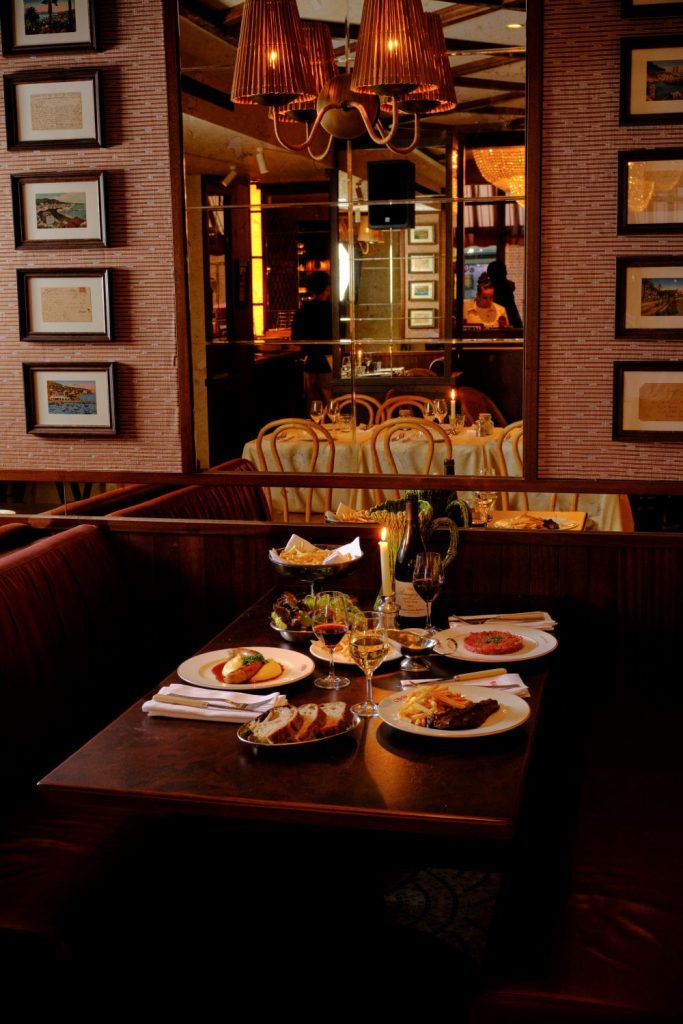
A rabbit dish boasts a lower carbon footprint than that containing other animal proteins. Pictured: Joséphine Bouchon’s iconic Lapin à la Moutarde.
Throughout the week, I would probably include some animal sources, but sparingly. I’d ideally use them to add flavour, selecting lesser used cuts, or less fashionable animal proteins. Think rabbit, wild boar, pullet eggs, snails, limpets, and mussels.
I also love foraging for herbs and flavour components at this time of year; you can find three-cornered leeks, which is also invasive so picking them is useful. Alternatively, I’d look out for the first nettle shoots – an extra iron and vitamin C boost.
Can you cook – in terms of method – with a low carbon mindset?
Yes! When cooking those ingredients, I’d be thinking about how to make the most of the energy they all provide, i.e. where cooking enhances or hinders nutrient accessibility. The swede and celeriac can be microwaved before oven-roasting; the microwave would reduce cooking energy significantly while retaining the water-soluble vitamins.
I also would use a breakfast plate, to prevent overloading how much I stack up for dinner, which reduces food waste.
I would say you can sum up this style of cooking as a Ready Steady Cook attitude: resourceful and making the most of what you’ve got. There’s something deeply satisfying about turning a seemingly random mix of ingredients into something comforting and generous.
You’ve created a toolkit for chefs based on your low carbon menu research. How do they use it?
They use it like a recipe. It offers ingredient suggestions and flexible methods that they can adapt to their own style. It shows, in clear and achievable ways, how kitchens can reduce carbon and waste. And is suitable for any kitchen, from neighbourhood cafés and gastropubs to independent restaurants and street‑food stalls.
Some would say that academic research is a world away from the very real pressure faced by restaurants in today’s financial climate.
This is one of the biggest misconceptions: many low-carbon practices actually save money. Reducing waste, using whole ingredients, designing more versatile prep, and focusing on seasonal produce can stabilise costs in a volatile market. Several chefs in my research described menu redesign as a financial survival tool rather than a climate gesture. For example, shifting to flexible vegetable-led dishes means kitchens can adapt to price changes more easily. Using trimmings for stocks, ferments, or specials reduces waste bills and increases margin. One chef told me that reducing waste by just 10 percent saved them thousands of pounds annually – money that then went back into wages and equipment. The point isn’t that sustainability is easy. It’s that it can be a source of resilience, creativity, and financial stability at a time when hospitality desperately needs all three.
It’s true that the hospitality sector is under immense pressure, with rising costs, labour shortages, and climate catastrophe all happening at once. Yet restaurants are also where some of the most innovative sustainability work is happening. Our report is about giving chefs the tools they need to be part of the transition without sacrificing the joy and creative autonomy that make the profession special.
What inspired you to carry out this research?
During the pandemic, while working with community groups tackling food insecurity, it became clear that our food system is both deeply vulnerable and full of potential. I wanted to help bridge the gap between our climate ambitions and the day-to-day realities of people who cook for a living. I’ve worked across the food system, from community kitchens to fine dining, from public health to sustainability tech. I’ve seen how much passion there is among chefs, but also how fragmented the knowledge landscape can be.
How can home cooks further apply your research to their own cooking?
Yes. There are obvious things you can do, like cook seasonally, with diverse plants, and focus on reducing food waste. But then seeking out local and regenerative producers makes a big difference, too.
And as a diner at a restaurant, you can do a lot, like asking questions about where your food is coming from, or seeking out food businesses audited by the Food Made Good Standard.
Read the full report at ukfoodsystems.ukri.org