


Watched The Plastic Detox & Feeling Freaked Out?
By
6 months ago
We asked the experts what to do about it.
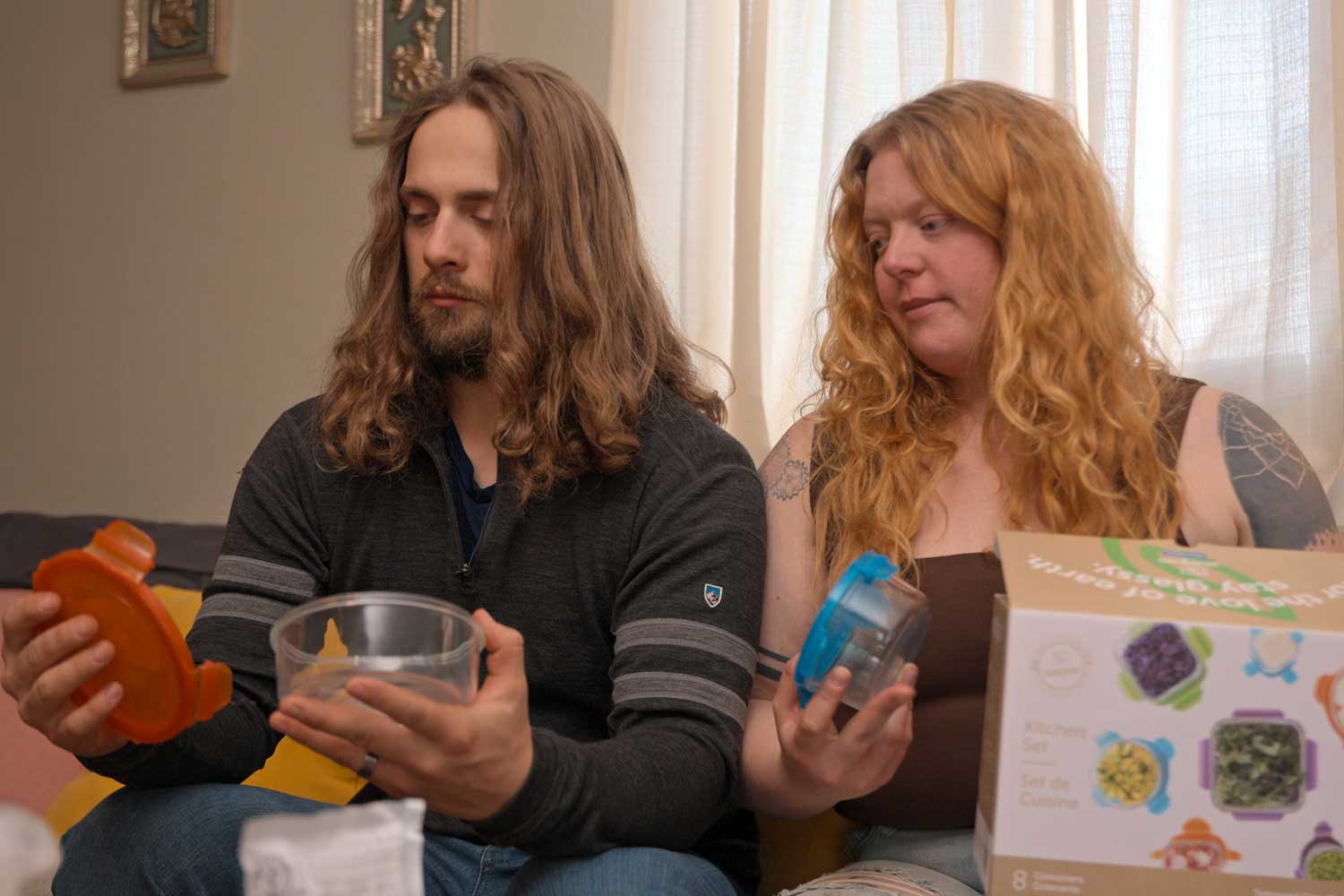
Everyone’s talking about Netflix’s The Plastic Detox. Shining a light on how invisible plastics and hormone-disrupting chemicals infiltrate our daily lives, from frying pans to face creams, it’s a wake up call for anyone who thought better recycling practices were enough to tackle the crisis. The film blends science with human stories (including families attempting 90-day plastic detox challenges), revealing the potential links between microplastics and declining fertility rates. The result? A feed-saturating wave of anxiety and intrigue. It’s being described as ‘terrifying but necessary’, ‘a parenting wake-up call’, and ‘the Blue Planet of our homes’. But once the shock-factor settles, what can we actually do to improve the situation?
At Country & Town House we champion brands doing things differently with our Future Icons awards and brands Collective, which celebrates businesses designing for a fairer, cleaner future. So rather than panic, we turned to some of our C&TH community, founders and innovators already tackling the issue, to ask what they make of The Plastic Detox and how we can meaningfully reduce our own plastic exposure at home.
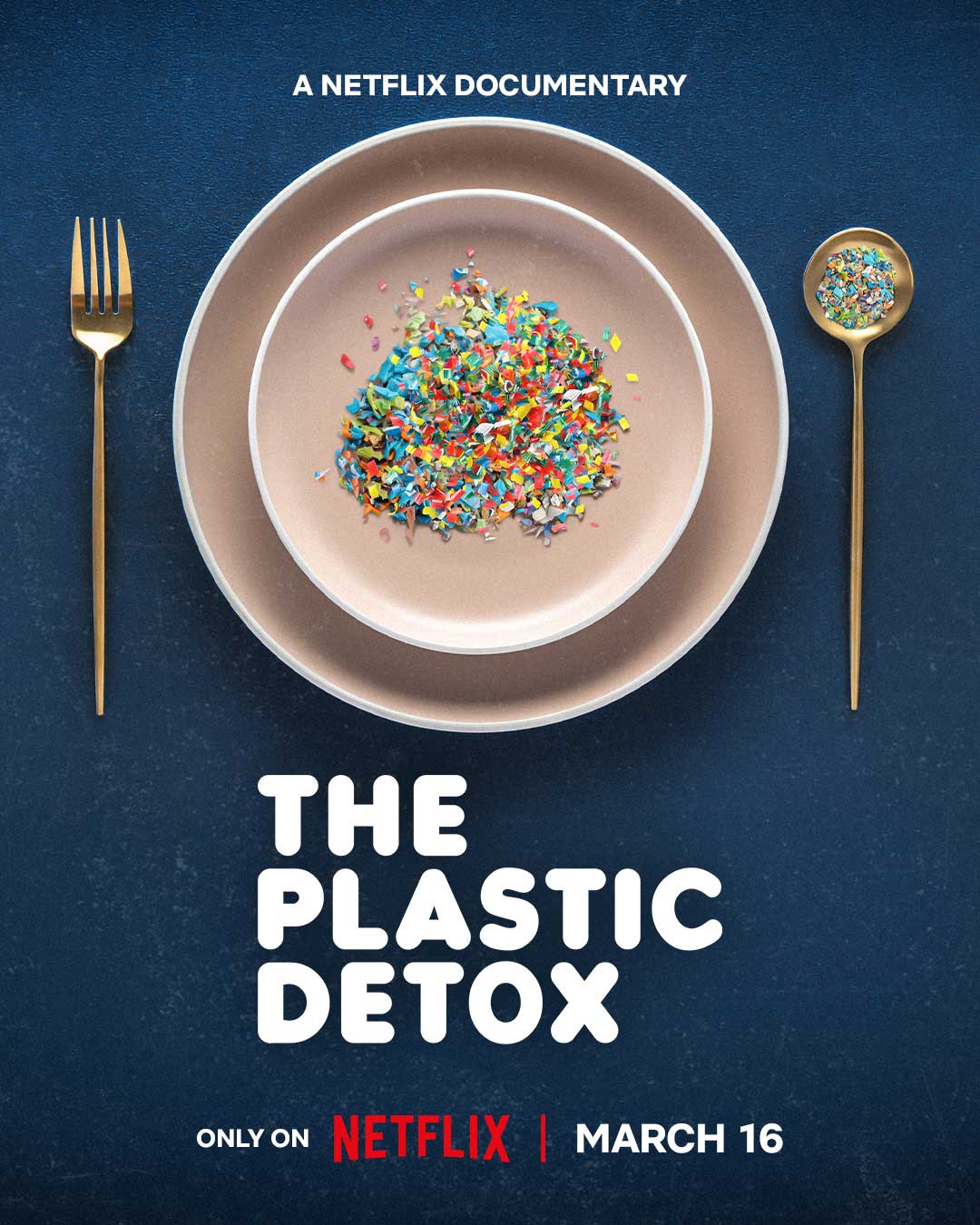
The Plastic Detox (c) Netflix
From Shock to Solutions
For Laura Harnett, founder of Seep, The Plastic Detox hits close to home. ‘It was a lot more personal for me because I got breast cancer at 39 with two young children, and watching the science around hormone-disrupting chemicals laid out so clearly, it felt like finally the rest of the world was starting to realise the wide-ranging implications of them.’ For Harnett, the science has long been clear; the difference now is reach. ‘Now with a Netflix budget behind it, a brilliant set of scientific minds and human stories to bring it to life, I’m hoping this will start to get the cut-through it deserves.’
Her first step? ‘Start in the kitchen, genuinely it’s where the exposure is highest and the swaps are most straightforward. Look at your pans. Most non-stick coatings contain PFAS. PFOA and PFOS are both listed as human carcinogens by the International Agency for Research on Cancer. Stop heating food in plastic… Glass containers are an easy, lasting swap. Check your sponge. Most conventional ones shed microplastics every time you use them. It’s such a simple change, and it’s exactly why I built Seep.’
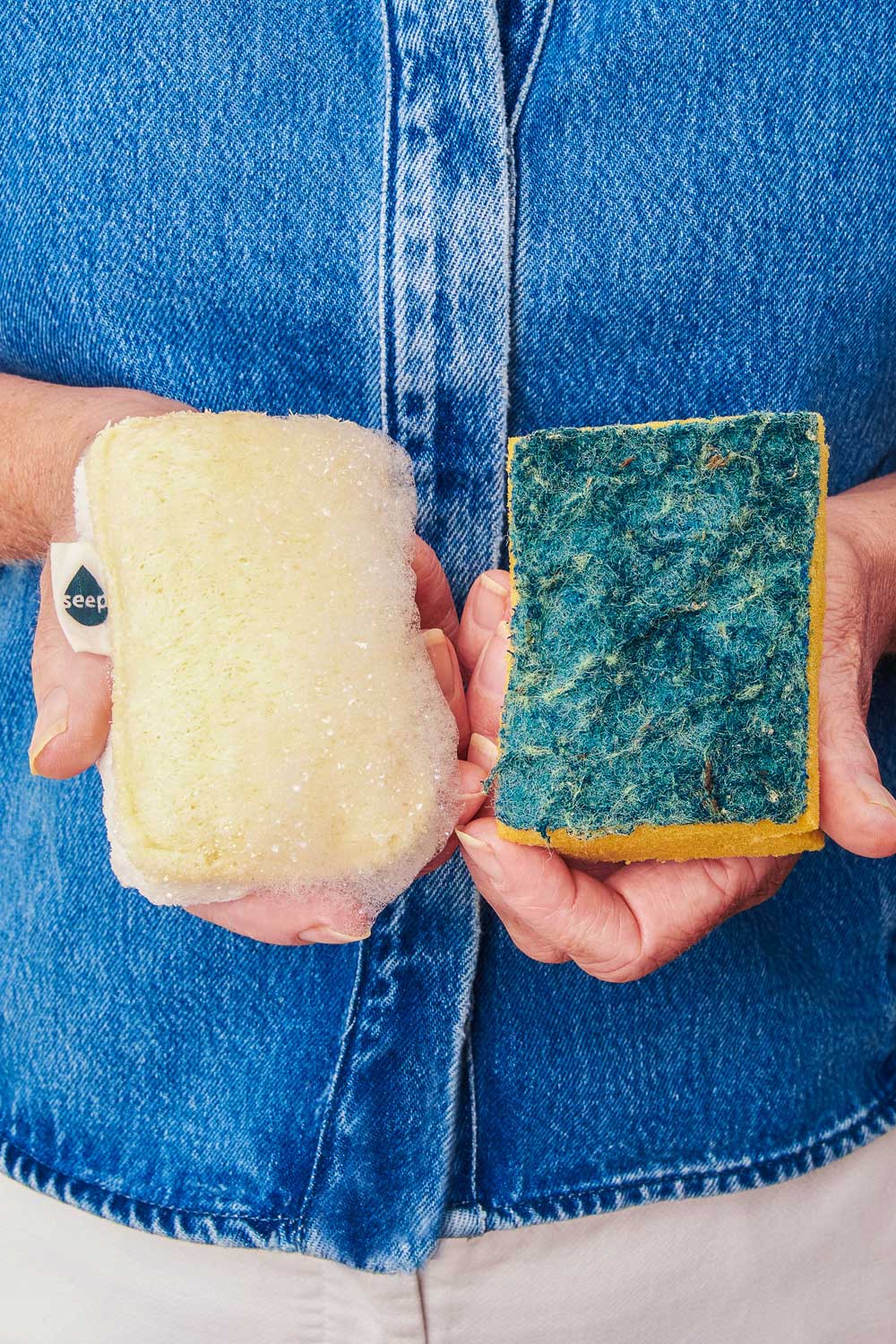
Seep sponge V plastic sponge
The Reuse-and-Refill Reset
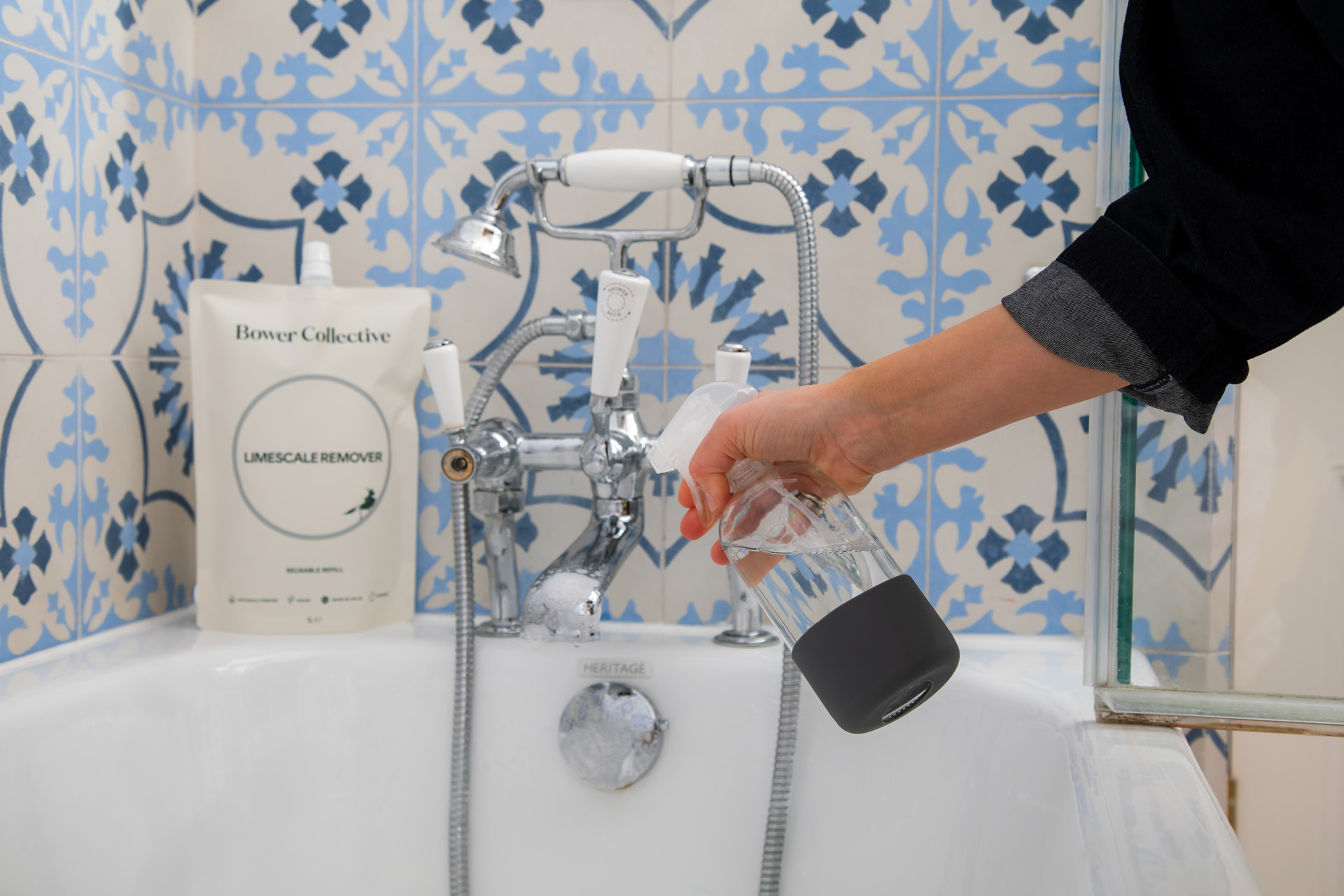
At Bower Collective, co-founder and CEO Nick Torday sees the film as part of a long-building shift. ‘Reducing plastic usage and waste is absolutely central to our mission at Bower Collective so of course we were intrigued to see Plastic Detox, which covers many areas we’ve been talking about for years.’ He praises its breadth: ‘The main focus is on the impact of harmful plastic chemicals on fertility, but it also covered the broken promises from big industry, the fact that recycling is totally broken and the significant environmental damage inflicted around the world by avoidable plastic waste.’
Bower was set up to confront plastic waste head-on. ‘We founded Bower to directly tackle this crisis. Our mission is to create a world without plastic waste in which everyone enjoys a more sustainable life. We do this through producing an outstanding range of natural household products which we deliver in our world leading BowerPack™ reusable packaging system.’
His advice for households is to start with the obvious wins. ‘Get into reuse and refill – for home and personal care products, this will massively reduce plastic usage in your home. If you can, buy fruit and veg locally from a greengrocer or market – this cuts out loads of avoidable plastic packaging. If you have young kids, try as much as possible to avoid the temptation to get loads of minimal use plastic toys – it’s hard but necessary!’
© Bower Collective
Conscious, Not Fearful
For Penny Ryan, founder of Katoa Botanicals, the film is useful so long as it’s viewed in context. ‘The documentary does a strong job of highlighting a very real and growing area of scientific research: our increasing exposure to plastics and the presence of microplastics and certain chemical compounds in the human body…Where I think it becomes less helpful is in the tone. Like many documentaries, it leans into urgency and, at times, fear. While we do know that some plastic related chemicals can interact with the body’s hormone system, the long-term health impact of everyday exposure, particularly from products like skincare is still being studied and is not yet fully understood.’
This philosophy runs through Katoa’s decisions. ‘Our focus is on reducing unnecessary plastic at every stage – from formulation choices through to packaging design and supply chain decisions.’ And crucially, she avoids scare tactics. ‘Importantly, we try to avoid fear-based messaging. Instead of framing ingredients or materials as ‘toxic,’ or ‘clean’ we focus on transparency, evidence, and thoughtful reduction where it genuinely makes sense.’
Ryan suggests focusing on realistic habits. ‘When possible, choose products with minimal or recyclable packaging, particularly for everyday items you repurchase frequently. When time permits, look at each room and question achievable swaps. I recently switched to bamboo dishcloths. Even swapping to 100 percent natural fibres such as cotton, linen, bamboo, or hemp, eliminates synthetic fibres.’ Her bottom line: ‘It’s not about eliminating plastic entirely – that’s not realistic for most people but about reducing unnecessary and avoidable exposure over time.’
Rethinking Materials
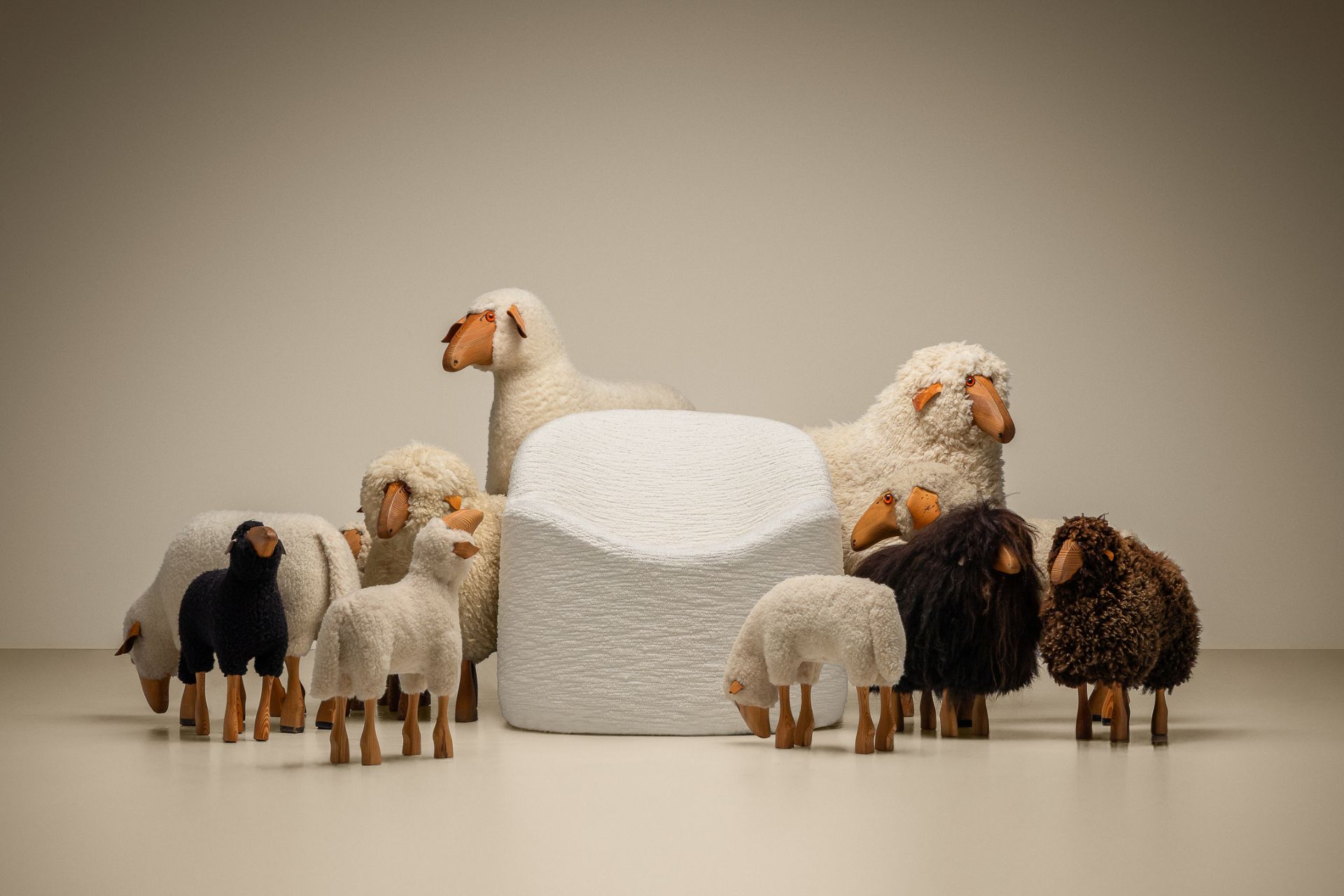
In fashion and textiles, BioFluff co-founder and chief commercial officer Roni Gamzon sees The Plastic Detox as a powerful prompt. ‘Even as someone very educated in the space, the film still brought to light more microplastic sources I never thought about.’ BioFluff is built around offering alternatives. ‘Our business is inherently built around creating an alternative to animal-based and fossil fuel-based materials that are healthier for people and the planet.’
Her guidance for cutting back is rooted in materials literacy. ‘Look at the compositions of items, the most important are clothing, bedsheets, blankets, and for kids – toys. Avoid polyester, nylon, or plastic. Aim for high quality natural fibers and natural materials more generally.’ On the lifestyle front, she adds: ‘Try to avoid pre-packaged food, particularly plastic packaging. Prioritise refillable over single use products. Cut back on takeaway food! You have more control when preparing your own food.’
The Paint Problem
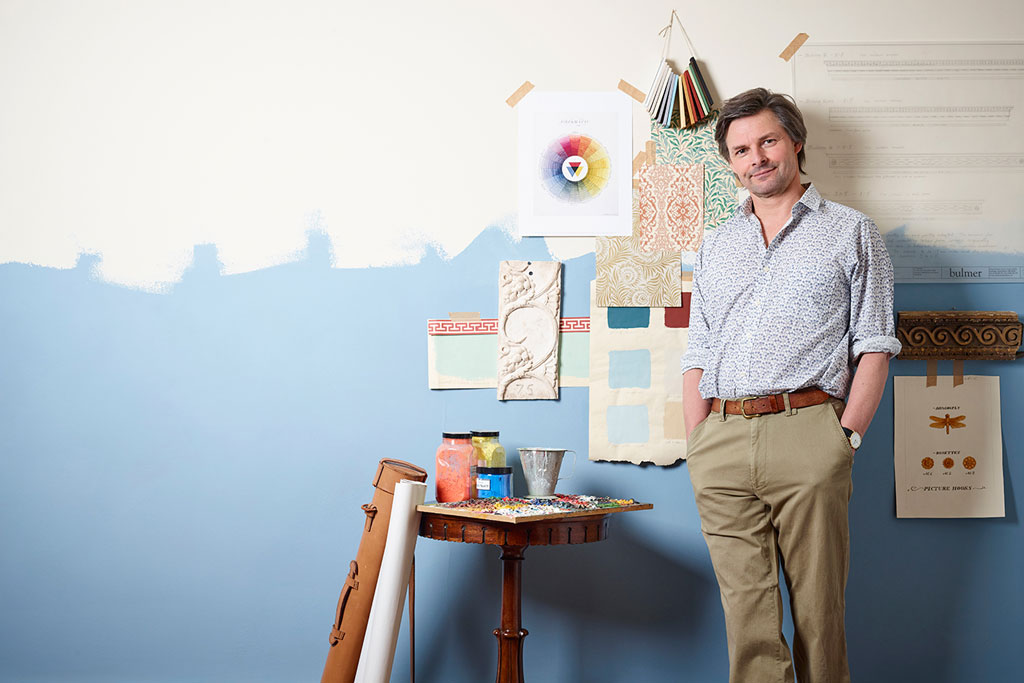
For paintmaker and natural-colour advocate Edward Bulmer, the documentary was sobering even with his background. ‘As the show makes very clear, chemical use is not effectively regulated and in countries like the US, where corporate profit caps everything, barely at all.’ His own company was designed as a rebuttal to plastic-heavy paints. ‘We set up our business to avoid it. There is no good reason why paint has to be made from fossil fuel – it was not for the 79,900 years before the advent of the petrol age.’
When it comes to everyday choices, Bulmer doesn’t mince words. ‘Cook your own food with raw ingredients. Where natural fibres and keep your clothes going. Never choose plastic when there is a natural or non-plastic alternative This means paint too – if the paint maker won’t tell you what is in it then assume it is largely petrochemicals/plastics.’
Recap Of The Actions
Let’s recap those main action points highlighted by our experts.
- Replace your non-stick pans with cast iron and stainless steel
- Stop heating food in plastic, switch to glass
- Replace plastic sponges with natural options
- Get into reuse and refill products for your home
- Buy fruit and veg from your greengrocer or market to avoid plastic packaging
- Avoid plastic toys for kids
- Opt for non-plastic and reusable water bottles, coffee cups and storage containers
- Choose products with minimal packaging
- Switch to natural fibres such as cotton, linen, bamboo and hemp
- Cut back on takeaway food that arrives in plastic containers
- Switch to plastic-free paint
- Never choose plastic if there’s a plastic-free alternative
Watch The Plastic Detox on Netflix and learn more about our Future Icons Collective brand guide here.