



It’s Galaxy Season: Here Are 4 Night Sky Events To Spot This Spring
By
6 months ago
From meteor showers to planetary alignments
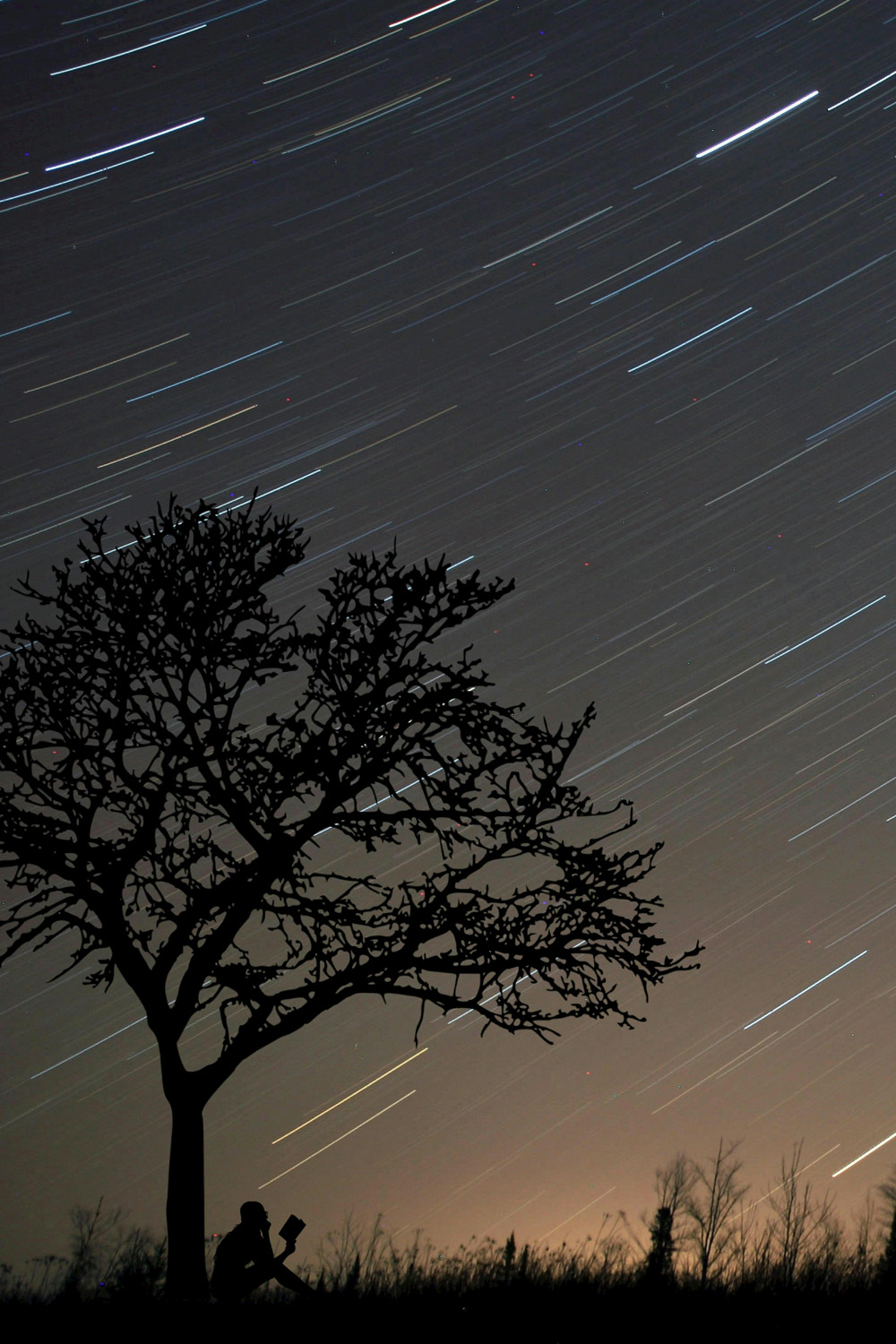
As the evenings get lighter and the temperatures gradually (gradually) warm, you are probably dreaming more about summer days than gloomy nights. But astro-enthusiasts know when the sun sets, the stars and planets come out to play.
And this is especially true in spring in the northern hemisphere: nicknamed ‘Galaxy Season’, this runs from March to early June and is when the night sky offers the best views of distant galaxies. By distant, I mean not the Milky Way – the spiralling galaxy with a diameter around 100,000 light-years we on Earth call home. And because our night sky turns away from the Milky Way at this time, spring is the best time to spot these far-flung neighbours.
The universe is home to billions of galaxies, which range from dwarf galaxies to massive spirals larger than our own. The closest, the Andromeda Galaxy and the Triangulum Galaxy, can be seen with the naked eye – though the latter is considered the farthest permanent entity visible without a telescope. Other prime targets during Galaxy Season include the Leo Triplet, Markarian’s Chain, the Whirlpool Galaxy and the Needle Galaxy.
But there are other night sky events to spot this spring. Here are four on our hit list.
Lyrid Meteor Shower
Dates: 16–25 April 2026; peak on 22 April
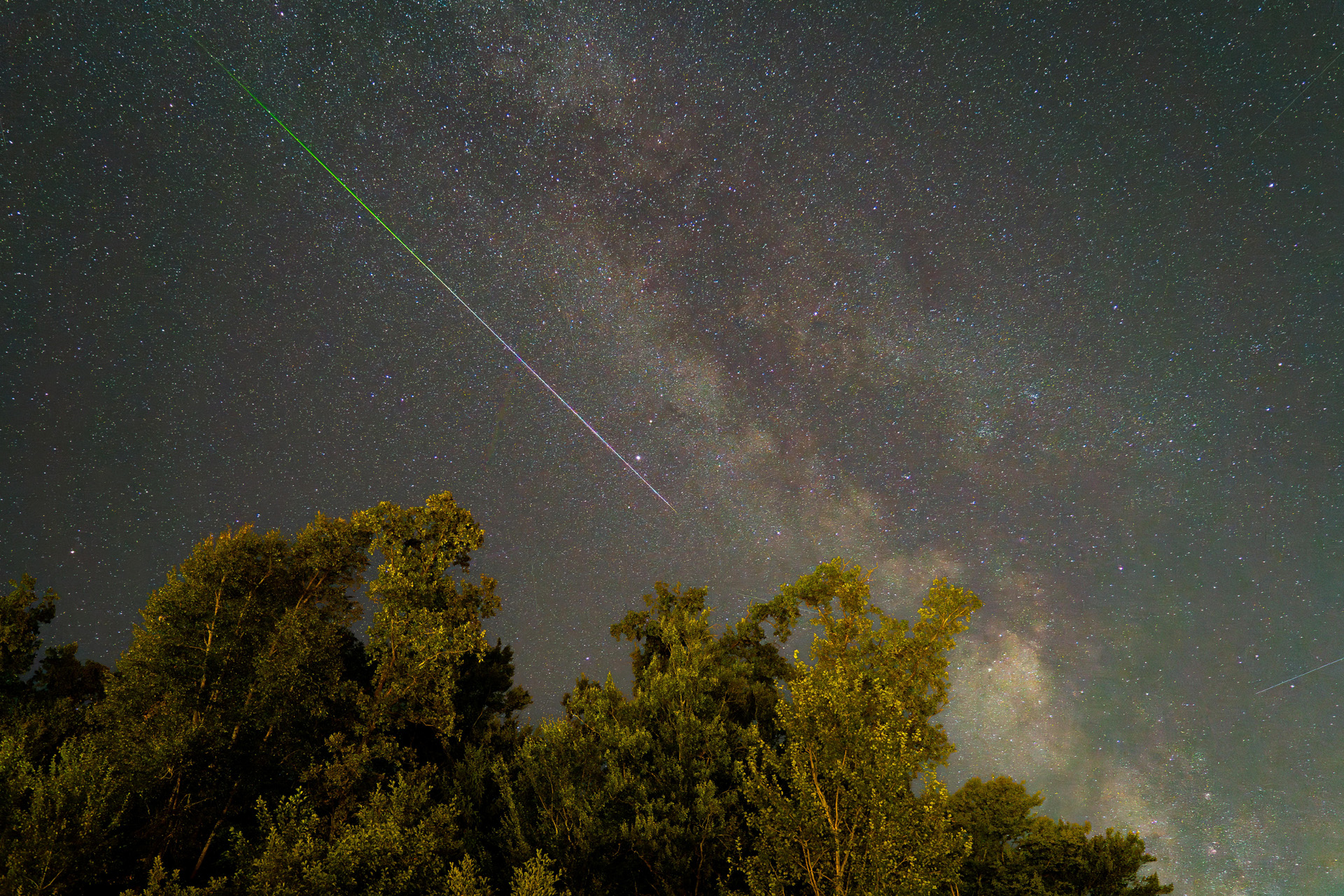
The Lyrid Meteor Shower is an annual burst of meteor activity as Earth passes through the trail of debris left behind by Comet C/1861 G1 Thatcher. The oldest recorded meteor shower, the first sighting of the Lyrids was back in 687 BCE, and every year it brings around 18 bright, fast meteors into our night sky every hour, some with burning trains. You might know them better as shooting stars. Appearing to emerge from the constellation of Lyra (though they are unrelated), the shower will be visible from Thursday 16 to Friday 25 April 2026, but the best night to see them is Wednesday 22 April when activity peaks.
Eta Aquariids Meteor Shower
Dates: 19 April–28 May 2026; peak before dawn on 6 May
There’s a longer window in which to see another meteor shower, this time the Eta Aquariids linked to Comet Halley. We can expect up to 40 meteors every hour, though it’s trickier to see them in the Northern Hemisphere than the Southern; here in the UK, the Eta Aquariids will appear low in the eastern sky in predawn hours, which is the best window to see them. Unlike many other meteor showers, the Eta Aquariids don’t have a sharp peak but instead a plateau of high activity; this year that lasts around a week, centred on Wednesday 6 and Thursday 7 May.
4 Planet Alignment
Dates: 16–23 April 2026; peak on 18 April
While we know them as huge globes not dissimilar to the own planet we walk on, planets appear in our night sky more like stars to the naked eye, and as bright disks through a telescope. Our nearest neighbours are arranged in the solar system orbiting the sun, each a different system from the giant molten star. But from 16 to 23 April 2026, it will look like four of these planets are lined up in the sky – a phenomenon known as a planet parade as the string of planets seemingly parades across the sky purely for our viewing purposes. They are Mercury, Mars, Saturn and Neptune – Mercury being the closest and Neptune being the furthest planets from the sun. From the UK, Mercury and Mars will be visible with the naked eye, while it will require good conditions for us to see Saturn. Neptune is expected to remain elusive, but you might be able to pick it up on a telescope.
Spring Triangle
Dates: March to June; peak in April and May
The clue is in the name: the Spring Triangle is an annual night sky phenomenon which returns every spring. And it is very prompt indeed, typically rising around the vernal equinox, which heralds the astronomical first day of spring. But what does it consist of? Again, there’s a clue in the name: the Spring Triangle comprises a trio of stars from three separate constellations appearing in a pyramidal shape. They are Regulus in Leo, Arcturus in Boötes and Spica in Virgo, and all are visible with the naked eye. Because these stars come from their own constellations, the Spring Triangle is known as an asterism, a recognisable pattern of stars.