


Charles Dickens’s Isle Of Wight Holiday Home Is On The Market
By
6 months ago
The author wrote that the home was 'the prettiest place I ever saw in my life'
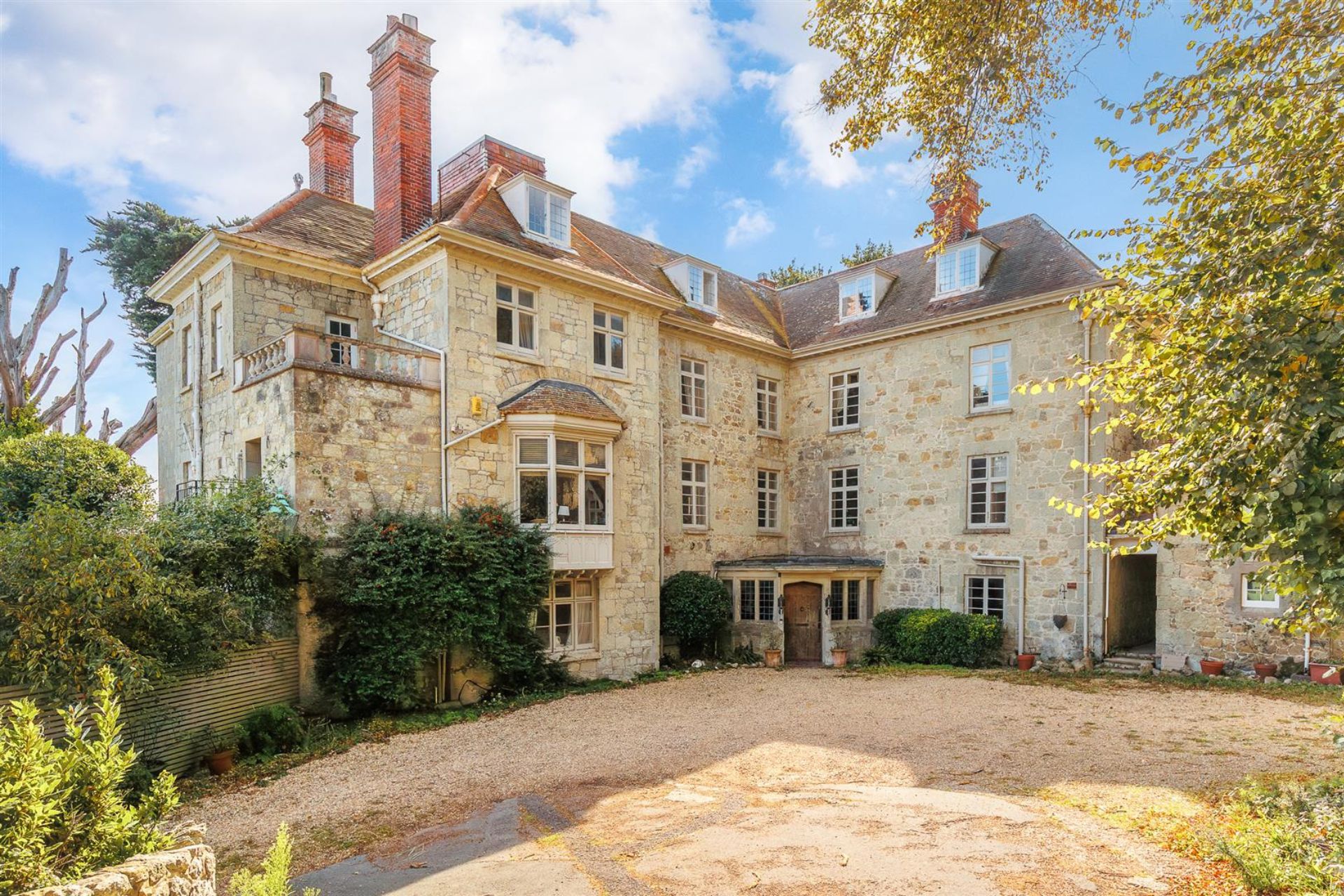
While Charles Dickens’s last-surviving London home (bar a modernised city retreat) and his Kent birthplace have both been transformed into museums, there is one historic property where the author resided which is still up for grabs: Winterbourne. His holiday home on the Isle of Wight, the property is now on the market for £1.6m.
Winterbourne House Is For Sale
When you think of Charles Dickens, his world tends to conjure up images of murky London streets: flickering gas lamps, cobbled alleys and a thick dank mist of coal clinging to the air. Dickens was of course a London local – having first moved to the capital aged three in 1815 and permanently returned in 1822, aged 10 – but the city wasn’t the only corner of the country he frequented.
Outside of London, one of Dickens’s favourite spots in the UK was the Isle of Wight. Born just across the thin strip of sea in Portsmouth, Dickens first made a visit to the island in 1838 when he and his wife Catherine spent a week in The Grove’s Needles Hotel at Alum Bay, and then a second week at the Ventnor Hotel (now known as The Royal Hotel).
Little did they know that the Isle of Wight was about to become the holiday destination of the moment. In 1845, Queen Victoria and Prince Albert purchased Osborne estate on the island. Quick to become their favoured summer residence, as such the island soon became the favoured summer residence of every other member of Victorian society.
And so, in 1849 Dickens made his return. Already a global superstar, he needed a sanctuary where he could hide away from the world and concentrate on his craft, specifically to bring his ideas for David Copperfield to life. (Though the fact that he only wrote five chapters of the novel during his summer-long residence suggests that his attempt at a writing retreat wasn’t the most effective).
He and his family of eight children travelled down on the newly built railway from London before taking a paddle streamer ferry from Portsmouth to Ryde. And from here, made their way over to their holiday home for the summer: Winterbourne House. Located on the south of the island in Bonchurch, Dickens instantly fell in love with the property. He wrote to his wife: ‘I have taken the most delightful and beautiful house belonging to White at Bonchurch, cool, airy, private bathing, everything delicious – I think it is the prettiest place I ever saw in my life, at home or abroad.’
A wild water swimming, cold-plunging enthusiast long before the wellness mania of today, each morning, Dickens would take a swim from the beach in Bonchurch, before showering under an ice-cold waterfall that tumbled over the cliff – Dickens had brought in a carpenter to route the waterfall in place and it still flows today in the garden of the neighbouring Waterfall Cottage. Then it was a walk up the steep slopes of St. Boniface Down to the island’s highest point before Dickens was finally ready to pick up his quill. As he declared to family and friends: ‘I have made it a rule that the inimitable is invisible until two every day.’ He would then spend the afternoons after his writing sessions holidaying with his family, often heading down to the beach to play a game of rounders where the entire village came to watch.
While staying at Winterbourne, Dickens made friends with local property owner Reverend James Wight, as well as the confusingly named Dick family. It’s said that their son, the even more confusingly named Charles Dick, inspired the character of Mr Dick (originally named Mr Roberts) in David Copperfield. Meanwhile their daughter Margaret – who later fled the altar in a wedding dress and became a recluse – is said to have inspired Miss Havisham in Great Expectations.
Across that summer, many other friends popped down to visit the Dickens family, including poet Lord Alfred Tennyson (who would later settle on the island himself), essayist Thomas Carlyle, A Christmas Carol illustrator John Leech, novelist William Thackeray, and Punch magazine founder Mark Lemon. In August, Dickens met with his friend the Reverend Chauncy Hare Townshend to watch Queen Victoria embark on the Royal Yacht for her first state visit to Ireland.
Look Inside
Built in 1839, Winterbourne has been partially restored in recent years, though the agents note that other corners of the home would still benefit from further work. Entered through a stone arched doorway with a studded oak door, the property opens up into a reception hall with tiled flooring and seating around the period fireplace. Historically a staff flat with separate access, today the ground floor holds the kitchen, sitting room and home office, alongside the laundry room, store room, workshop and plant room.
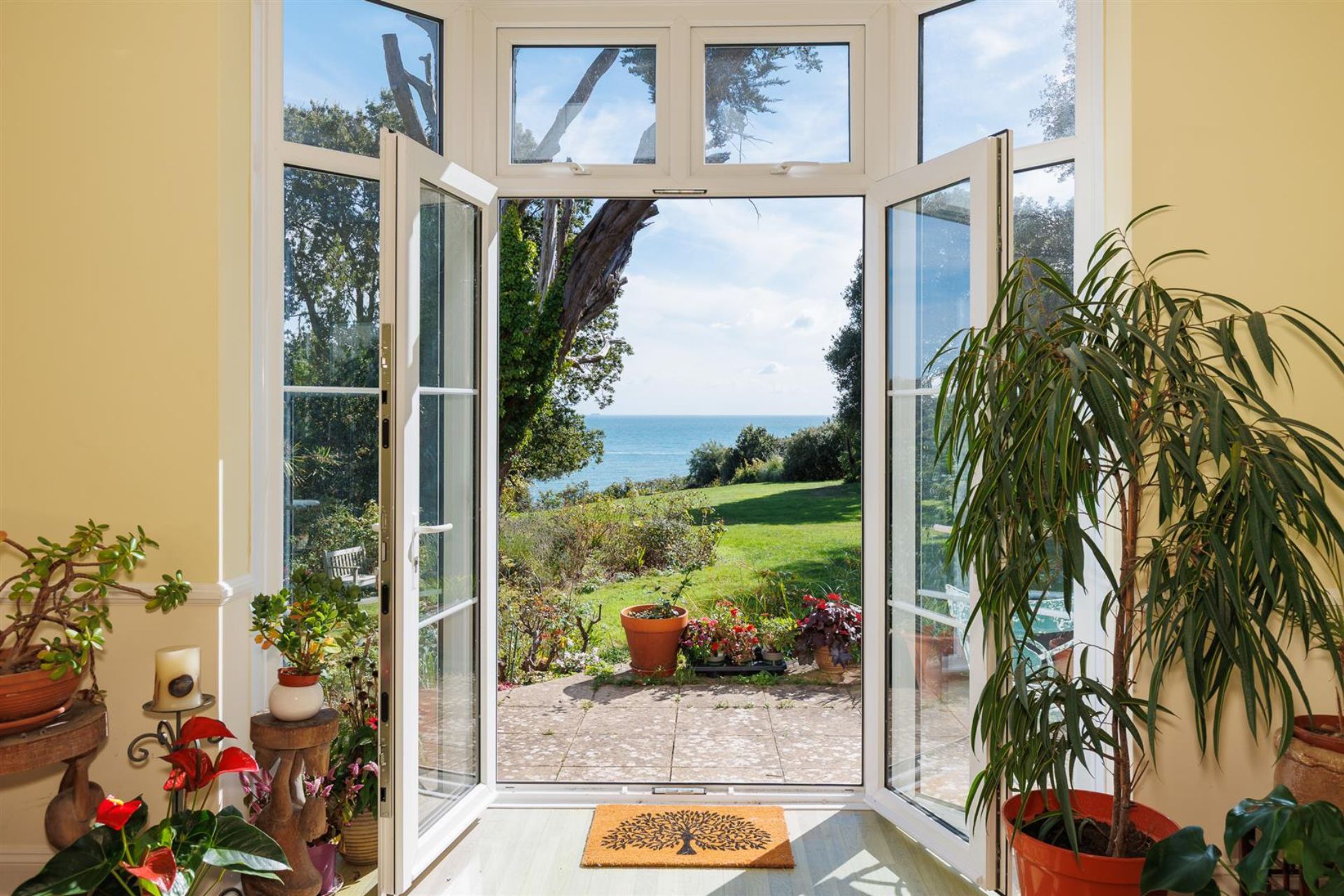
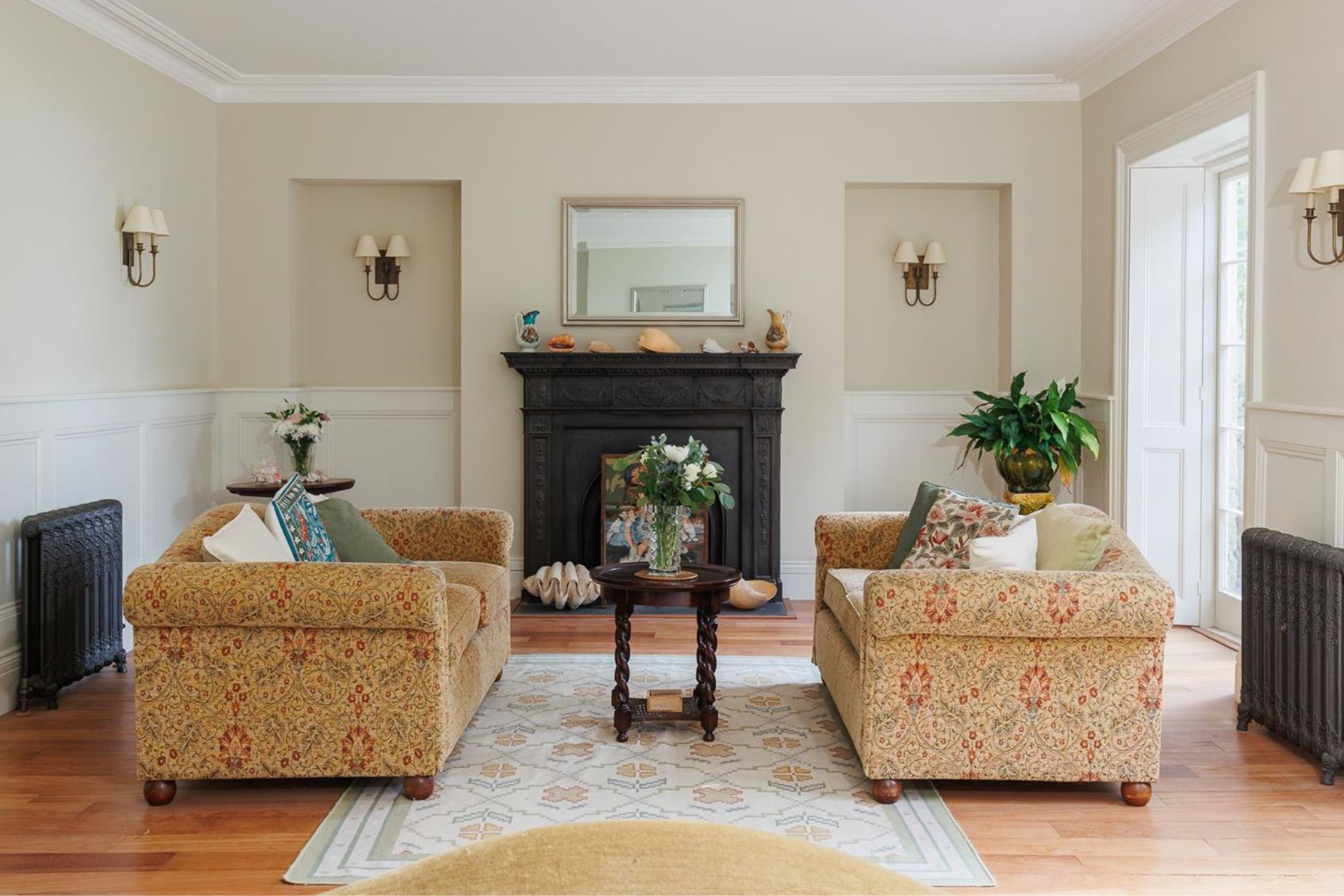
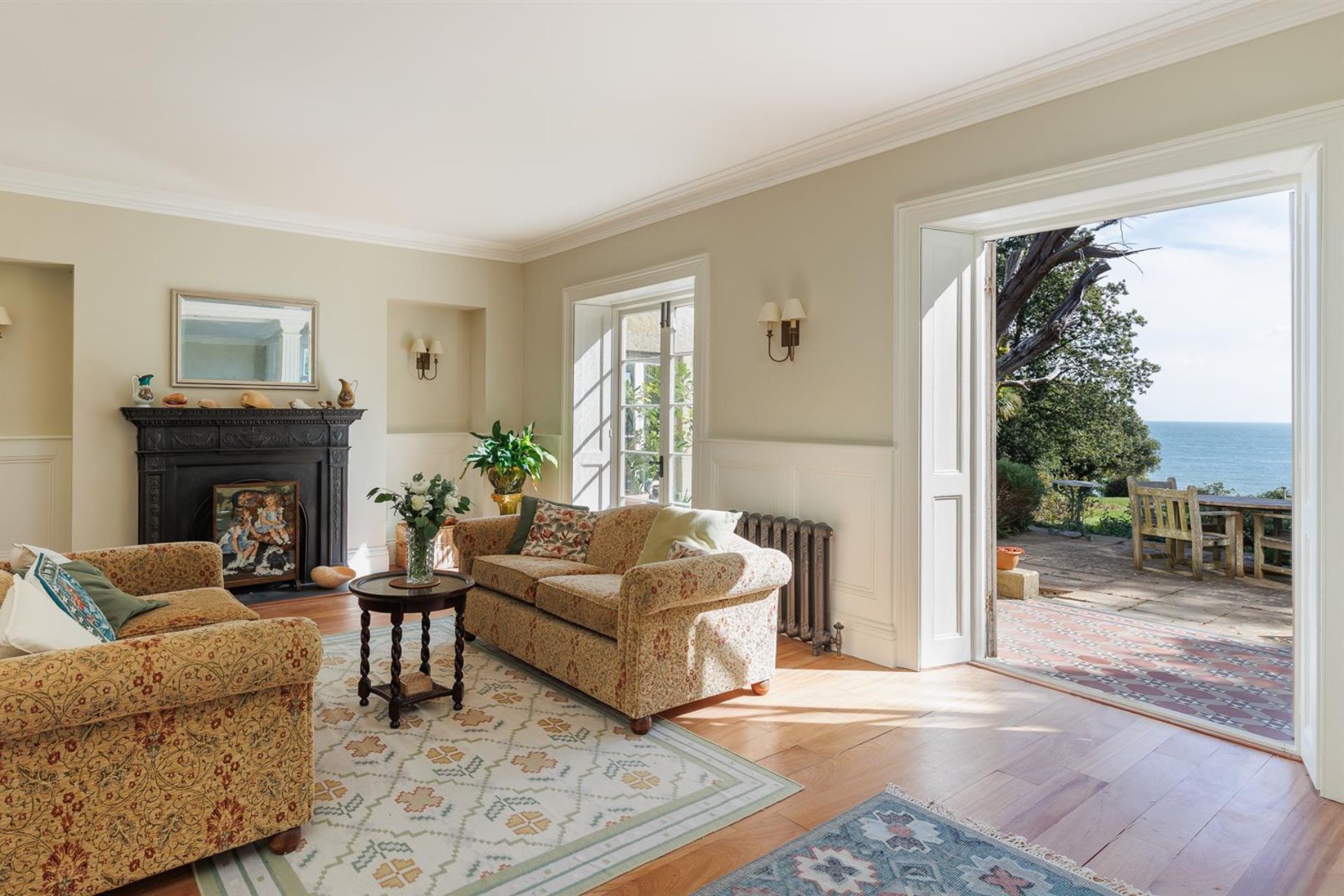
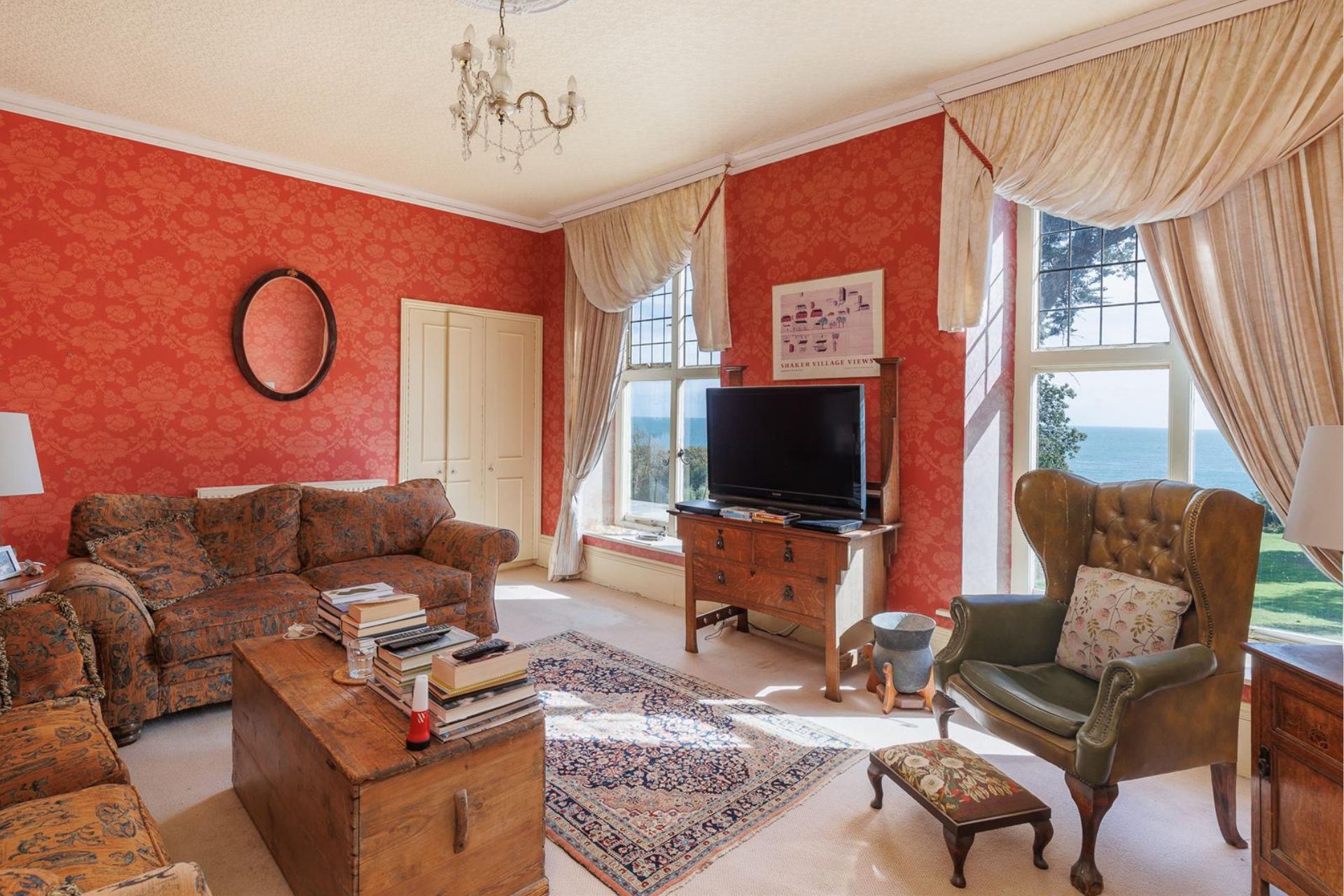
The main living areas, meanwhile, are located on the floor above. Here sits the drawing room, which boasts French doors that open onto the Minton tiled terrace, plus original fireplaces at either end of the room which were used to frame the theatrics that Dickens, his children and their famous visitors performed. There are two further kitchens on this floor, alongside a dining room, seating area, utility room, study, and an ensuite bedroom. The majority of the bedrooms sit on the floors above where the landing and gallery offer up a third study area – no wonder Dickens enjoyed writing here. With six bedrooms in total, the principal bedroom suite boasts a private sitting room with sea views and a shower room ensuite.
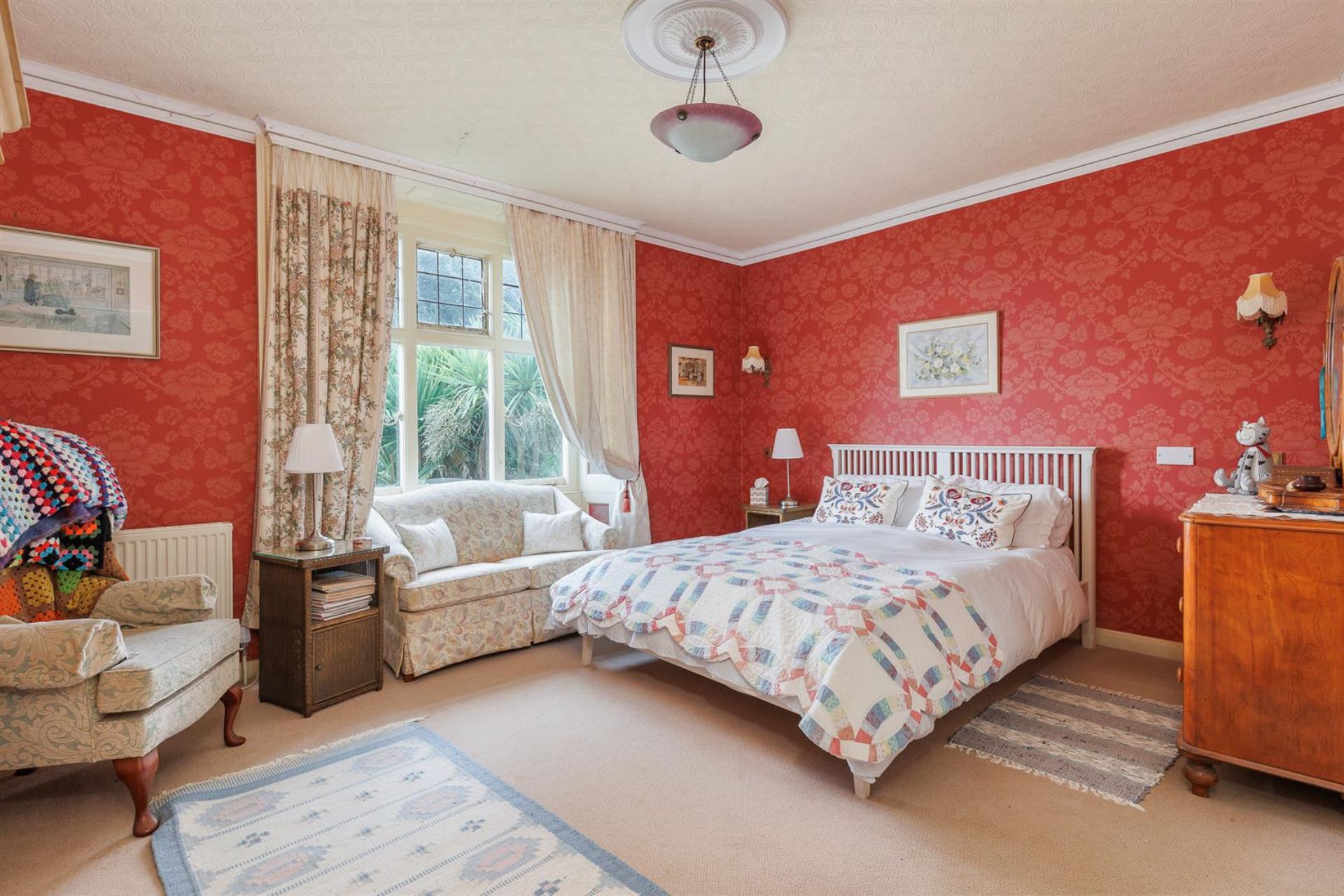
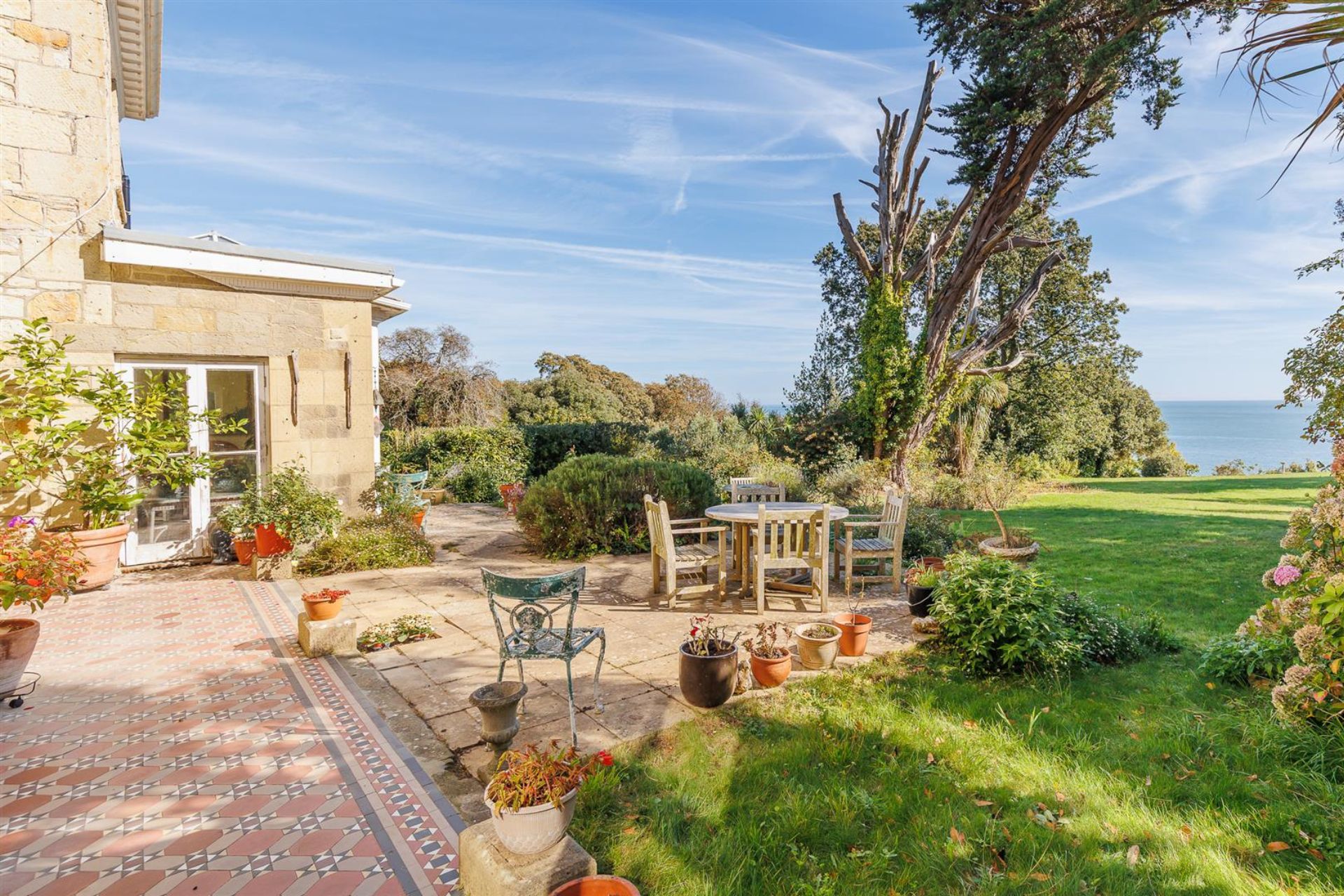
Outside, are 1.9 acres of south-facing grounds, spanning terraces, lawns, an orchard, a rose garden, a pond, and Dickens’s beloved waterfall which feeds into the sea. With views overlooking the water, there is potential for the historic coastal path to be reopened to provide directed access to the beach below. To the southeastern side of the grounds is a stone-built vinery (formerly a three-bedroom house) in need of repair, as well as a now derelict swimming pool once voted the best new pool in the country. The four-bedroom Hadfield Cottage also sits on the grounds but is only available to the buyer via separate negotiation.
On the market for £1.6m. Find out more at spencewillard.co.uk