


The Cool Girl’s Guide To Birdwatching
By
5 months ago
Move over, wild swimming – it’s all about twitching now, says Olivia Emily
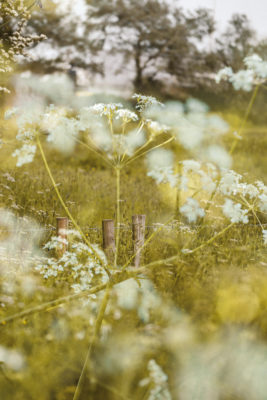
North-west of Tetbury, the honey-hued Calcot & Spa comes with all the bells and whistles expected of a modern countryside retreat. Yet across its 220 acres of rewilded land, spa-goers are far from the only residents. Alongside its Cotswold-cosy bedrooms and restaurants, Calcot functions as a vital wildlife corridor, allowing animals to move between hedgerows, wildflower meadows and woodland without hitting the dead end of urban development.
When I first visited in 2024, it felt like a pleasant bonus – a scenic nature walk stitched into an already tranquil stay. But wandering the wildflower fields at dusk with naturalist Ed Drewitt, the air tittered and cheeped, squawked and chirruped – and these lands revealed themselves to be anything but quiet.
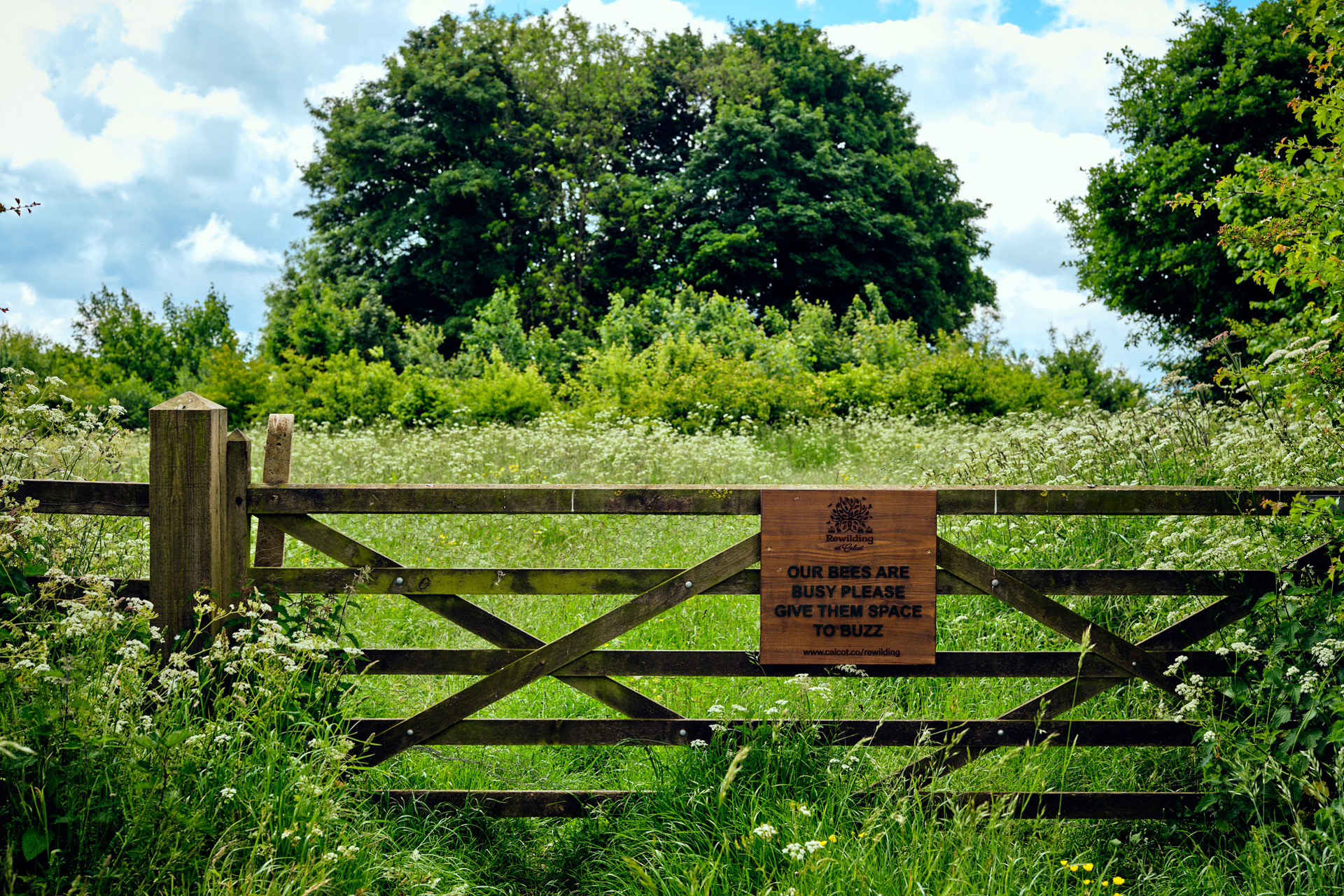
Calcot & Spa functions as a vital wildlife corridor.
‘There are many, many millions of acres in Britain where you can go and it will all be silent,’ Drewitt tells me. ‘And people think that’s normal. They don’t realise that 40 years ago, those fields would have been full of skylarks and yellowheads.’
Calcot’s grounds host everything from barn owls and chiffchaffs to willow warblers and redstarts, but it’s the skylarks that delight Drewitt most. When their spiralling song spills across the fields, he points it out to guests on his guided walks, which he also leads in the Forest of Dean. Long used to groups in their 60s, 70s and even 80s, he has recently noticed a shift in the flock.
‘Thirty years ago, birdwatching was something men did by themselves; there is a really big shift away from that now,’ he says. ‘While men often birdwatch alone, you tend to get women in groups, and many more women make enquiries about wanting to do birdwatching now. I took a group of women out the other day who were all celebrating their 30th birthdays.’
We all know Brits have been getting outside more since the pandemic. Social media has popularised hot girl walks, cottagecore pastoralism and outdoor communities focussed around hiking and bouldering. In 2025, trail app AllTrails reported a 37 percent increase in hiking compared with the previous year. Birdwatching mingles with these familiar trends and, according to AllTrails, spikes in warm weather too: May and August are the UK’s most popular months, with forest and river trails drawing the keenest birders. In 2020 the RSPB noticed an 85 percent uptick in participants in its annual Big Garden Watch as cooped up Brits turned their attention to the flutterings outside.
‘I am constantly surprised by how many people I connect with that are also birdwatching, especially young women,’ Emily (@emilyinnature_), an ecologist on the east coast, tells me. She began birding in 2024 when a job nudged her deeper into the countryside. ‘I was surrounded by birds all the time. I started looking at them in a new way, constantly observing their behaviour and becoming fascinated with their calls.’ Now, she shares photos, videos and wildlife facts with her almost 21,000 Instagram followers.
View this post on Instagram
‘Historically, the field is male-dominated, with bird experts being thought of as men, but young women want to change that,’ she says. ‘Women are constantly trying to find their feet in male dominated industries, so it is really nice for us to find each other online. I have recently joined the Birding Girlies group on social media [an under-30s community of women], which really shows the scale of young women in birding across the country.’
Community is something Dr Mya-Rose Craig is grateful for. Best known online as Birdgirl, a blog she began aged 11, the now 23-year-old admits: ‘When I started secondary school, birdwatching wasn’t cool. It was not something I wanted to talk about with my friends.’ She built an online following documenting her birding adventures, which shifted into environmental activism and earned her an honorary doctorate from the University of Bristol at just 17, making her the youngest Briton to receive one. But still, birding was hardly fashionable – until recently.
‘Being yourself and having interests is quite cool at the moment,’ she reflects, pointing to the rise of so-called ‘analogue living’ online. ‘In particular birdwatching, because it’s a very unplugged hobby – it’s very mindful, present and grounding. I’ve definitely noticed an increase [of it] in my personal life: I recently went over to my friend’s flat, who I’ve known for more than ten years, and spotted binoculars on the windowsill. When did that happen? Years ago, my friends would ask me, “Why birds?” But now, everything has changed.’
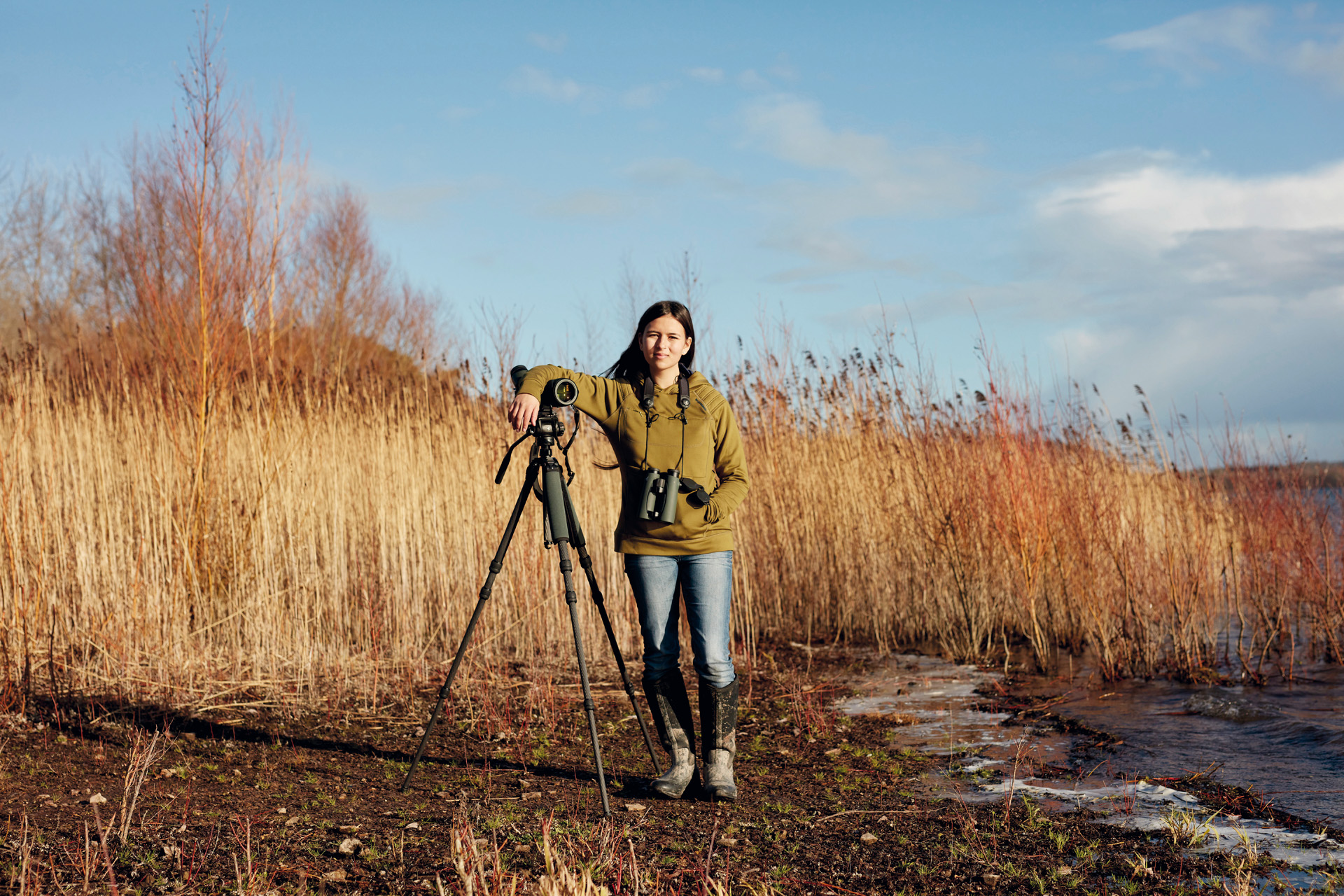
Dr Mya-Rose Craig started her birding blog aged 11.
And while Dr Craig has always loved birds, Lira Valencia came to birding later, discovering it while volunteering during lockdown. ‘I had no experience with birds, and I didn’t understand the obsession. I couldn’t understand why they were twitching,’ she says, referring to a birdwatcher’s pursuit of a particular species. ‘In my head, I was like, “it’s just a bird”, because I didn’t know what they were experiencing. But as I spent more time around them, the enthusiasm rubbed off on me.
‘To my own surprise, I became obsessed. I started dreaming about having an owl on my windowsill. I would twitch when I heard things rustling in bushes. I remember thinking, “Oh my gosh, they’ve got me. I’m one of them. Now I understand the obsession.”’
Growing up in south London, Valencia ‘felt very alone’ in her passion for the environment. ‘I really did think I was the only south Londoner interested in nature,’ she reflects, laughing. ‘But it’s always been represented as something you do when you retire.’ Now, she hears daily from newcomers to her 114,000-strong Instagram community. ‘People come out with all sorts of stories,’ she says. ‘Like, “I also like to secretly look for bugs or listen out for birds”. It’s so nice to know there are so many people who are like-minded, enjoying nature in their own cool ways.’
View this post on Instagram
Calcot’s bird walks are a gentle introduction to the world of birding because, as Drewitt puts it, they ‘suit people who don’t necessarily want to be out the whole day, but want a taste of bird and wildlife watching’. For Valencia, accessibility is the key to the hobby’s appeal. In Britain, she says, we are often told that extraordinary wildlife lies somewhere far away. ‘That’s a big mistake,’ she says. ‘Some of the coolest stuff I’ve ever seen has been in cities. I’ve seen woodpeckers, kestrels, peregrines, all on concrete streets. You really don’t have to go far, or spend lots of money, or have cool equipment or hiking gear. I could go outside in my pyjamas and probably see something really cool.’
And on this point, despite the utter wonder of Calcot, Drewitt agrees: ‘Birdwatching is just about being aware of what’s around you. For example, going out the kitchen door and just listening. A lot of it is about bird-hearing rather than bird-seeing. And when I take people out, first of all, they’re hearing the cars and planes, but by the end of a session, they’re hearing those different birds. They’re hearing the layers.’
What’s the best way to get started, then? ‘Stop for a moment, even if it’s just half a minute with your cup of tea in the morning, outside your back door, your front door – and just listen.’
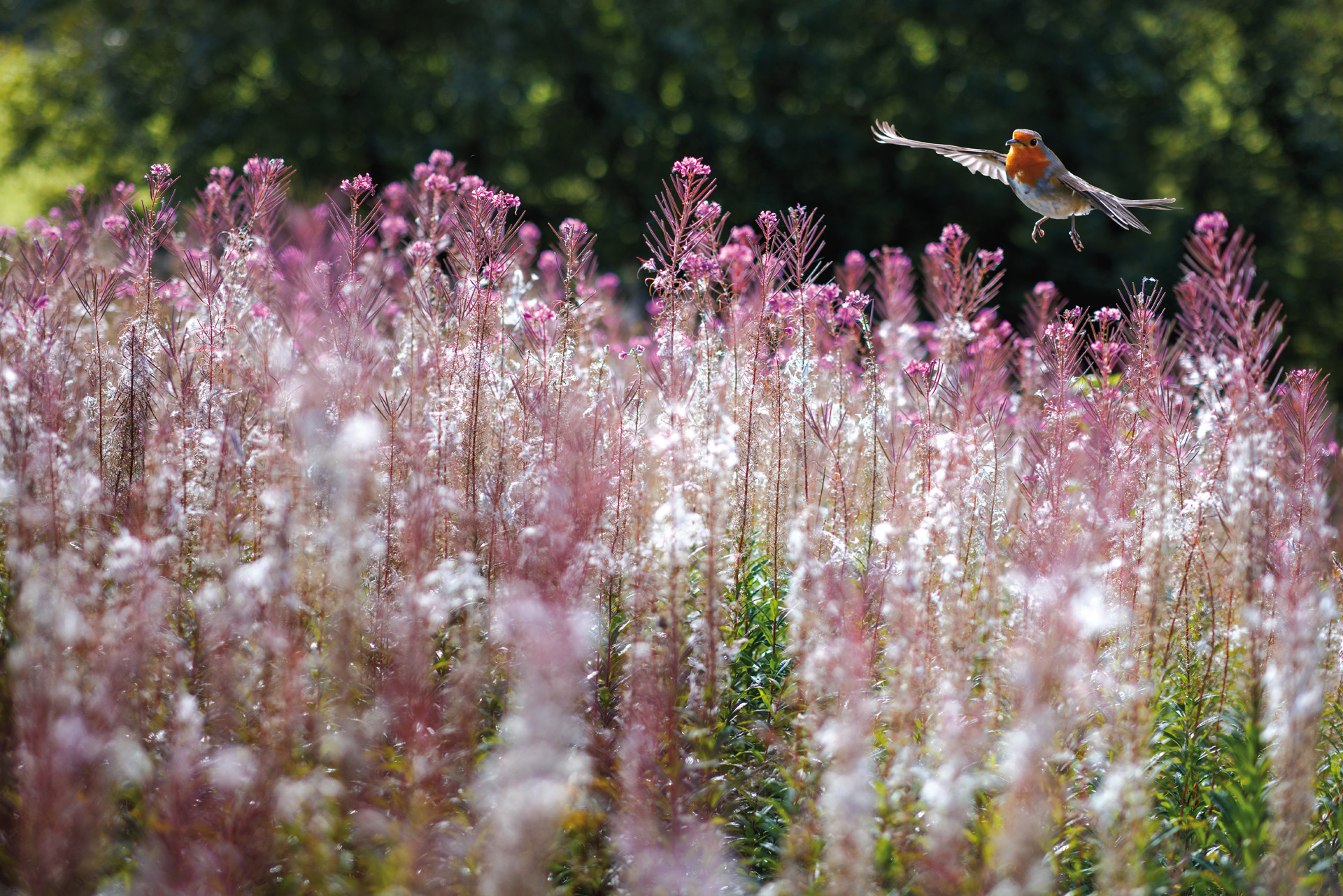
Calcot Manor in Gloucestershire has undertaken an extensive rewilding project.
Birdwatching Starter Pack
–BUY: Binoculars. ‘8×42 or 10×42 are best for birdwatching,’ Emily In Nature recommends.
–WEAR: ‘Neutral, comfortable and warm clothing,’ Emily In Nature advises. ‘You can be outside for a long time, so warmth and comfort are important. You also want to blend in with nature, so avoid bright colours!’
–TAKE: ‘A physical guidebook,’ Dr Craig suggests. ‘I think it’s quite nice to not look at your phone when you’re out and about.’
–DOWNLOAD: Merlin, ‘a free app which will record what you’re hearing, and tell you which birds they are’, advises Valencia.
–LISTEN: Rings & Wings podcast by Amira Nuseibeh, volunteer ringer for the British Trust for Ornithology.
–KEEP: A journal so you can note down what you have heard and seen; Drewitt has been keeping one since the 90s.
–REMEMBER: ‘Be patient and enjoy the process,’ Valencia says. ‘All the birds are going to sound the same at first, and that’s OK. As you do it more, you will become in tune with all the different species. You’ll feel like you’re a witch.’
This feature appears in the 2026/27 Great British & Irish Hotel Guide.