


Digital Product Passports Have Hit British Soil
By
5 months ago
Meet the brand tackling positive industry changes head-on
Can you find responsible, ethically made clothes at high street prices? Yes you can, says Tiffanie Darke. Nobody’s Child is getting ahead of the EU’s 2028 transparency law with its own Digital Product Passports – and showing the rest of the industry how it’s done.
Inside The Digital Product Passport Revolution
Imagine if you knew everything about your clothes. Where the fibre was grown, which factory processed it, where it went to be cut, who designed it. How many miles it travelled, its carbon impact, who owned it before if it’s second hand, how you could rent it out.
Well, these heady days are coming. By 2028, EU law will require it. The Digital Product Passport marks the end of fashion’s blank label era. After decades of vague claims about ‘ethically sourced’ this and ‘eco-friendly’ that, regulators have decided enough is enough. The DPP is a small QR code or NFC chip embedded in your garment, linking through to a digital file the brand cannot fudge. Other industries (food, electronics, batteries) have been working with this kind of traceability for years. Fashion, with its tangled global supply chains and very persuasive PR, has been the laggard. Not for much longer.
For the shopper, it means fishing your phone out of your bag in the changing room and getting a straight answer about that linen blazer before you commit. For the brand, it means producing receipts on demand. And for everyone who ever shrugged at a ‘made responsibly’ tag and wondered what that actually meant, it’s a long-overdue reckoning.
The gathering of information needed for a Digital Product Passport (DPP) has got the frilly knickers of the fashion industry in a twist. Some, however, are getting ahead of the game. First out the gates? British high street darling, Nobody’s Child.
Once the go-to brand for the ubiquitous midi dress and plimsoll trend (remember that? Heady, easy days), the ambition of Nobody’s Child was already far ahead. Founded by a techpreneur and with a passionate CEO at the helm, its mission is to show that sustainable best practice can be affordable. It now has seven stores, three in London.
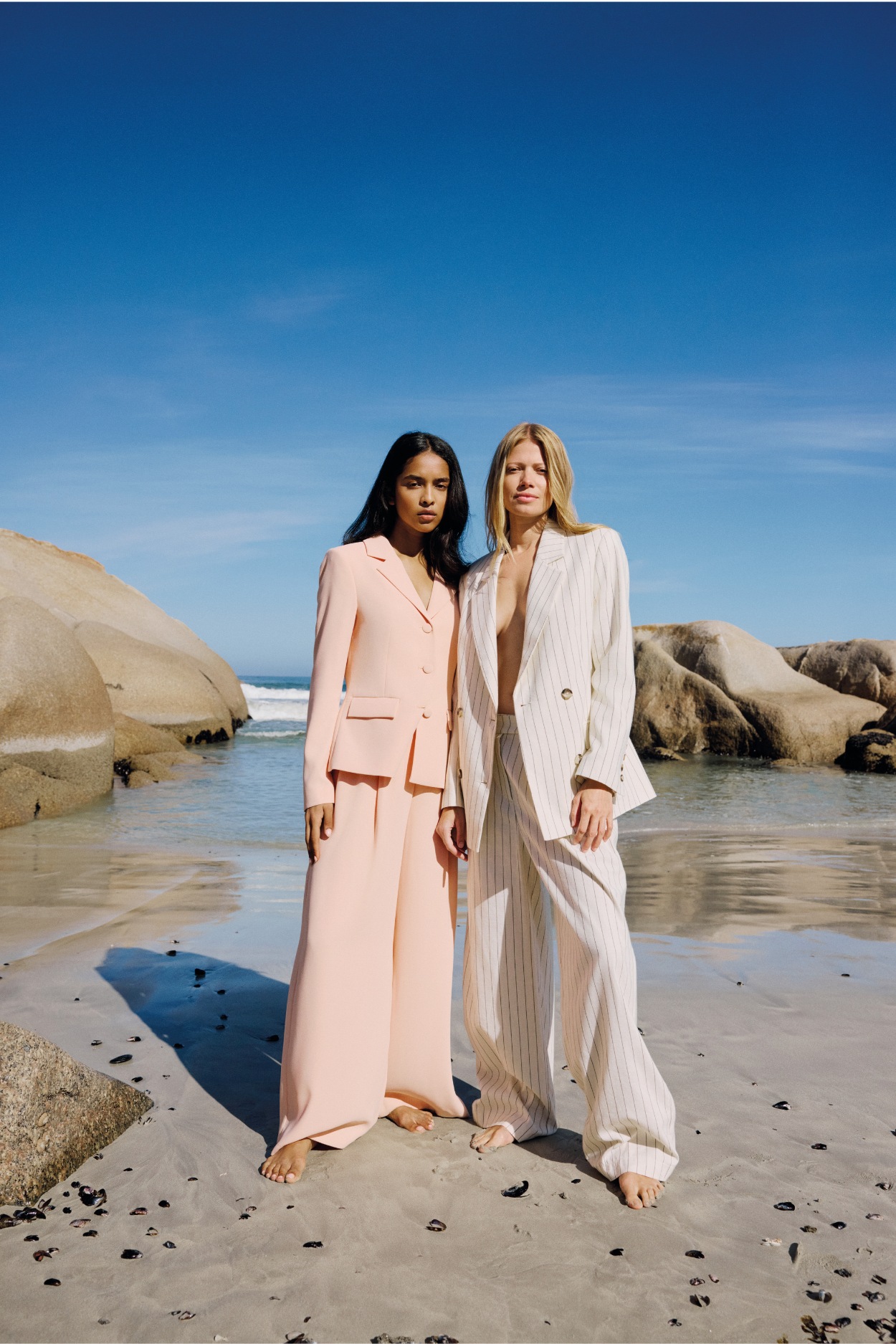
Its spring collection is a colourful story of feminine blouses, baggy trousers, cropped jackets and light cotton dresses that present joyful solution dressing priced £70 to £100, with jackets, trenches and coats pushing into the £150 to £250 bracket. This is a comfortable place to be: not so cheap you can chuck it away after a few wears, but not so expensive you have to live in Mayfair to afford it.
The brand is successfully managing the tightrope of affordability and responsibility, having achieved B Corp status, guided by a material matrix that balances practicality with impact and impeccable supply chain partnerships. Sustainability officer Philippa Grogan says her supply chain managers are the most powerful women in the business: relationships with factories come first. I recently invested in a £125 aubergine trench in brushed cotton. The DPP delightfully revealed it was made in China, was transported by truck, has a carbon footprint of 19.64kg CO₂e (of which 82 percent came from the fabric), and invited me to consider channels for repair, re-use and rental.
‘For decades fashion has had this closed door where no one asks questions,’ says Grogan. ‘Suddenly in this age of radical transparency, people are asking to read their diaries.’