


This Twin-City Trip To Kazakhstan Is The Perfect Getaway For The Culturally Curious
By
5 months ago
From revitalised Soviet-era cafés to a jaw-dropping new central mosque, Caroline Eden returns to Kazakhstan to find Almaty and Astana ripe for discovery
Like a horse-riding nomad stampeding across the steppe, Kazakhstan is a country on the move. Sitting at the very heart of Asia – with China to the east, Russia to the north and west and Uzbekistan to the south – the country’s vast wealth, gained via deposits of oil and natural gas, has gradually been injected into its two primary cities: the former capital and cultural hub, Almaty, and Astana, the young northern capital.
It is here, in these two cities, that today’s traveller is rewarded with revitalised historic cafés, newly opened art galleries and stunningly designed mosques, architecturally unlike anywhere else in the world. For the culturally curious, combining the two cities makes for an immersive and unusual getaway.
Five years had passed since my last visit, and 15 since my first time in Central Asia, so I knew not to take these changes for granted. As Dennis Keen, who runs the tour company Walking Almaty, half-jokingly said when we met, ‘A decade ago you’d likely have a lunch of kotleti [meat patties] in a canteen-style restaurant. Nothing wrong with that, but today there are so many different dining experiences available.’
Almaty: Food, Art & Collective Memory
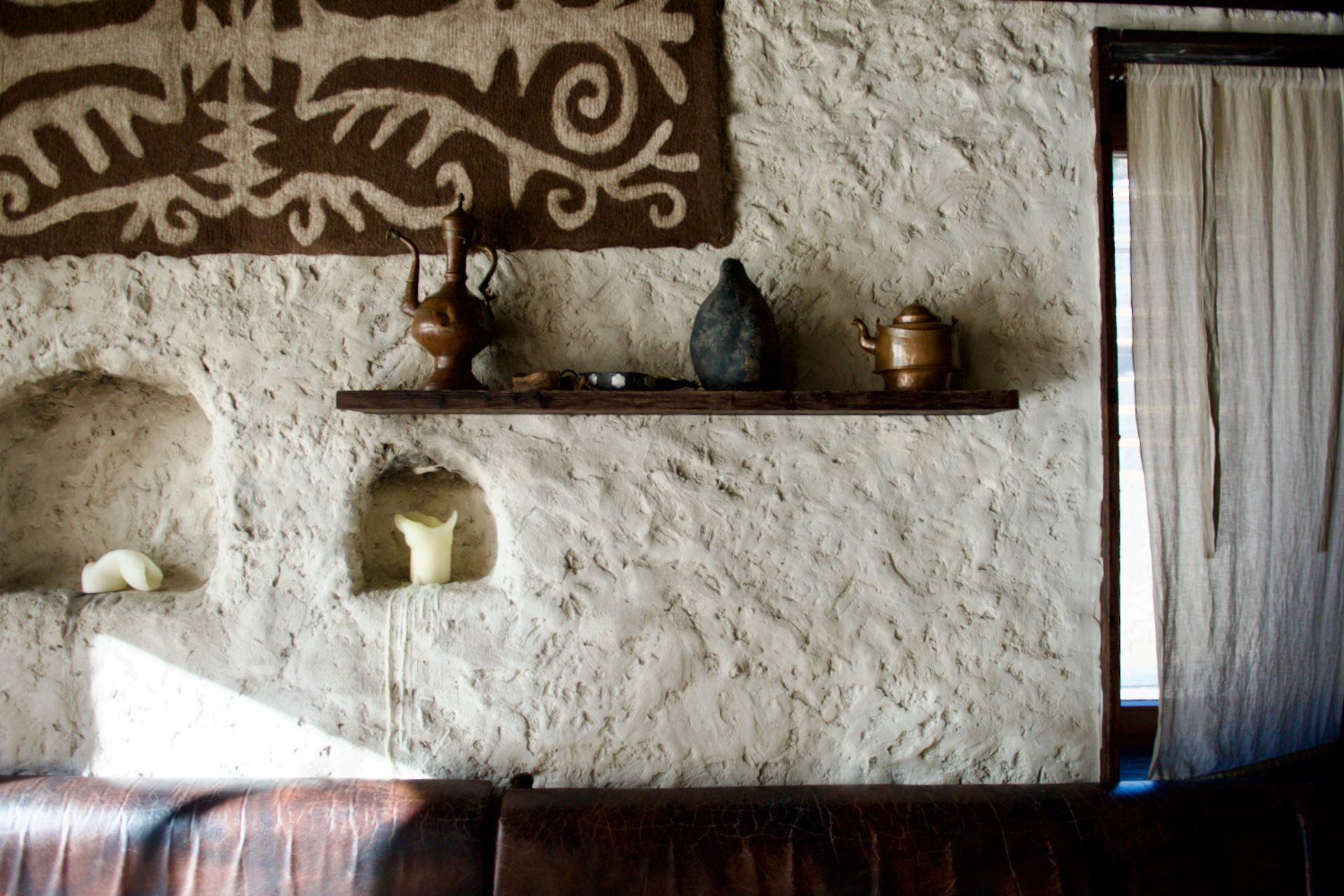
I thought of Dennis’s words as I stepped inside Kazakhstan’s most celebrated restaurant, AUYL (which means ‘village’), located on the outskirts of Almaty, close to Medeu, the famous Soviet-era speed skating rink. Aisana, one of the servers, showed me around, explaining how the building was once the summer residence of Kazakhstan’s former leader Dinmukhamed Kunayev, and that the handsome 1970s mural above the door depicts the last khan of the Kazakh khanate, Kenesary Qasymuly, on a hunt.
Sitting at an altitude of 1,700m, the building itself is fascinating – and that’s before you see the interior or taste the food. During a busy lunch service, waiters ferried plates of freshly baked baursak (puffy little doughnuts), marrow bones dressed with lazjan (a fiery chilli sauce), smoked horse meat and tandoor-baked flatbreads. These are flavours harking back to not just pre-Soviet times, but to the pre-Islamic era when Kazakh nomads worshipped Tengri, the eternal blue Sky God – dishes built around the nomad’s staples: water, flour, dairy and meat.
Afterwards, a visit to the Almaty Museum of Arts is just the ticket. Covering almost 10,000 sqm and designed by Chapman Taylor of London, it opened last year as a significant new cultural landmark – and it could not be more different from the older museums in the city, with their archaeological finds and stuffed animals. Founded and funded by Kazakh entrepreneur and collector Nurlan Smagulov, it showcases works by the pioneering female artist Aisha Galimbaeva and Rustam Khalfin, considered the father of modern Kazakh art, as well as some heavyweight international names.
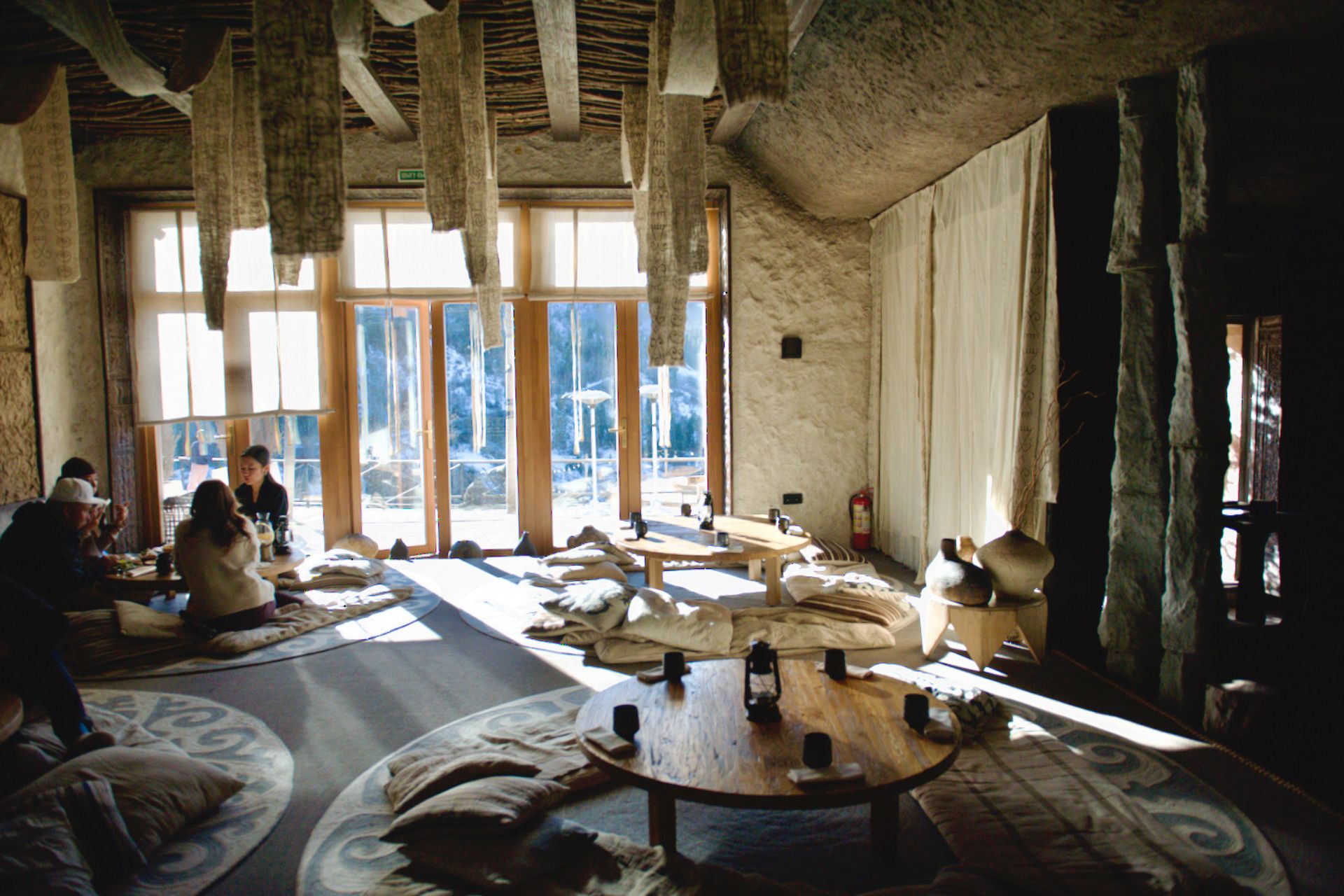
The next day, before leaving for Astana, I had lunch at Akku – a café in the centre of the city by the Kazakh-British Technical University, finally rebuilt after a fire destroyed it 25 years ago. Its opening last autumn got residents talking, as Akku is closely tied to the city’s collective memory. During the 1960s, 70s and 80s, it was a community space: somewhere that songs were sung, debates raged and people fell in love.
Inside, it isn’t hard to imagine the old version of Akku. The design is decidedly retro and all the furniture has been handcrafted locally in Almaty to recreate the bygone style. On shelves by the door are jars of pickles, loaves of bread and vintage teapots, while the menu offers bowls of porridge – including millet, traditional in Kazakhstan – local horse meat sausages and thick potato pancakes.
Astana: A Capital Finding Its Soul
Such history is harder to get a feel for in Astana, a two-hour-ish flight northwards. Since the capital was moved from Almaty in 1997, the city has been almost entirely built anew, and its image as a lonely windblown metropolis, filled with government workers, has been hard to shake off. But things are changing.
A fabulous place to begin is the Astana Opera house in the centre of the city, fronted by a statue of golden galloping horses. Inside, memorabilia – posters, programmes and photographs – fill display cases, but it is the intricately stitched costumes set on mannequins, made for operas such as Verdi’s Attila and ballets such as The Nutcracker, that catch the eye. All are sewn in the opera house’s warren of workshops.
The place to stay is the St Regis, a ten-minute drive from the opera house. The decor throughout the hotel has local touches – carpets that reflect traditional local rugs and framed pictures of yurts – and makes a comfortable, well-located base.
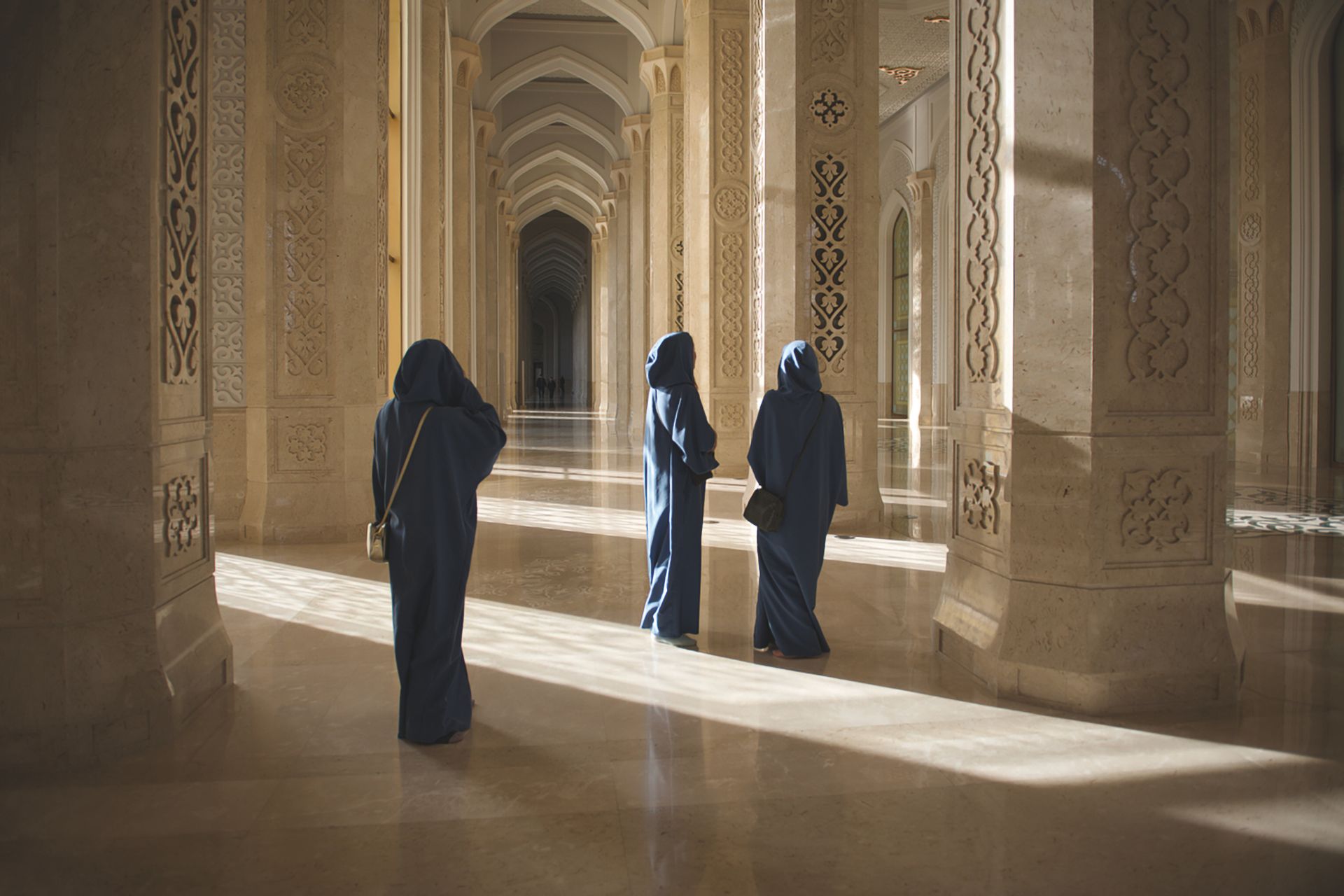
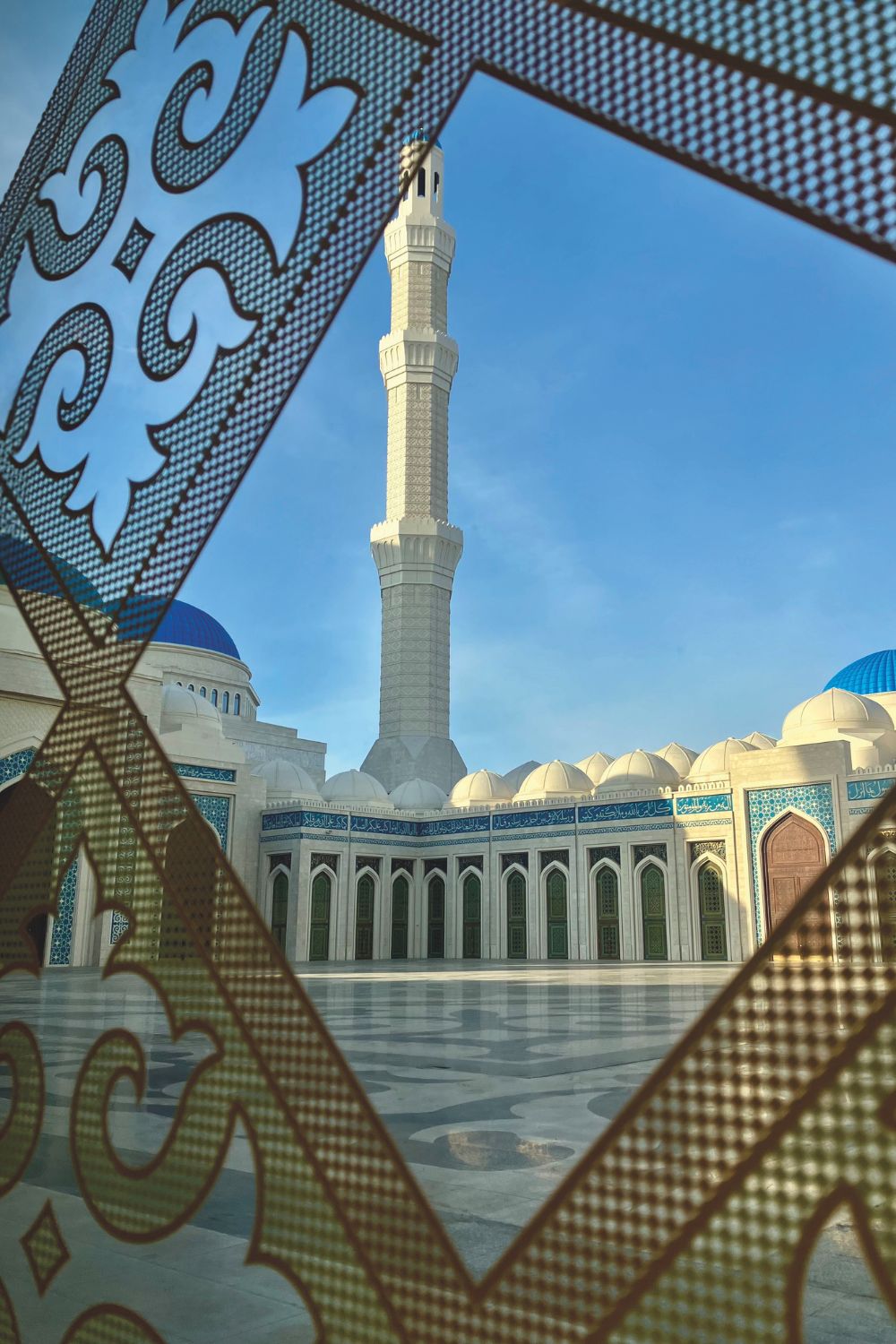
The biggest surprise, though, was the Central Mosque, which opened in 2022, and was unlike any place of worship I have ever visited. The long, cool marble corridors lead past little shops and models of Kazakhstan’s other mosques – all wildly different architecturally, they vary from the 19th-century double minaret mosque of Semey to the futuristic shuttlecock-shaped one in the northern city of Pavlodar. These miniature mosques encouraged dreams of further explorations of this vast country (it is the ninth biggest in the world).
Welcoming, futuristic, spotlessly clean, and not another tourist in sight, the visit made for a fascinating insight into modern-day faith in Central Asia. On my last visit in 2019 I sensed little soul in Astana – this time I found a city finally settling into itself.
Climate, Trees And A Touch of Green
Inside the mosque, I’d noticed that the temperature was ‘just so’ – and for worshippers, that matters in a city of serious weather. Temperatures range from minus 40°C in winter, when wind whips across the frigid surrounding steppe, to a sweltering 40°C-plus come summer. Astana is, in fact, the world’s second coldest capital after Mongolia’s Ulaanbaatar.
Thankfully, it is a little less breezy nowadays – and not by chance. In Almaty, I had an interesting chat with Saginbek Shunkeyev of the Halyk Foundation, who told me about the role trees have played in balancing Kazakhstan’s extreme hyper-continental climate. ‘In Astana 20 years ago it was very windy,’ he told me, ‘so much so that small ladies couldn’t even walk because of the wind! The president launched a project – the green belt of Astana – and trees were planted surrounding the city, like a buffer zone. Now, it’s not so windy.’ Since the late 1990s, over 100,000 hectares around the capital has been forested, resulting in a slight rise in temperatures, lower average wind speeds, and a drop in snowstorms and fog.
Shopping And A Glass Of Kazakh Riesling
Back in Almaty, I had a couple of things to tick off before leaving. First, a pitstop at the Forum shopping mall, where I made a beeline for Adili, a local design studio, to shop for silk scarves with Kazakh designs, pyjamas and wash bags.
I also made sure I had time for one more glass of Kazakh riesling, from the Ak Arba winery in the Assa Valley near Almaty. Yes, really. I too would have once scoffed – but the riesling is perfection: crisp, light and refreshing on the palate. It comes as no surprise to learn that their wines have won various medals, including at the Decanter Asia Wine Awards. It tastes distinctly sunny, I thought, but then that is fitting too, as Almaty gets 2,400 hours of sunshine per year, while London gets only 1,400.
This wine is, in many ways, just like these two fast-changing cities – ripe for discovery and more than ready to reward the adventurous.
Caroline’s return flights from Edinburgh to Almaty had a carbon footprint of 1,659.4kg of CO₂e (ecollectivecarbon.com).