


I Travelled The Scottish Highlands By Train – And I Already Can’t Wait To Return
By
5 months ago
Nicola Venning takes to the rails
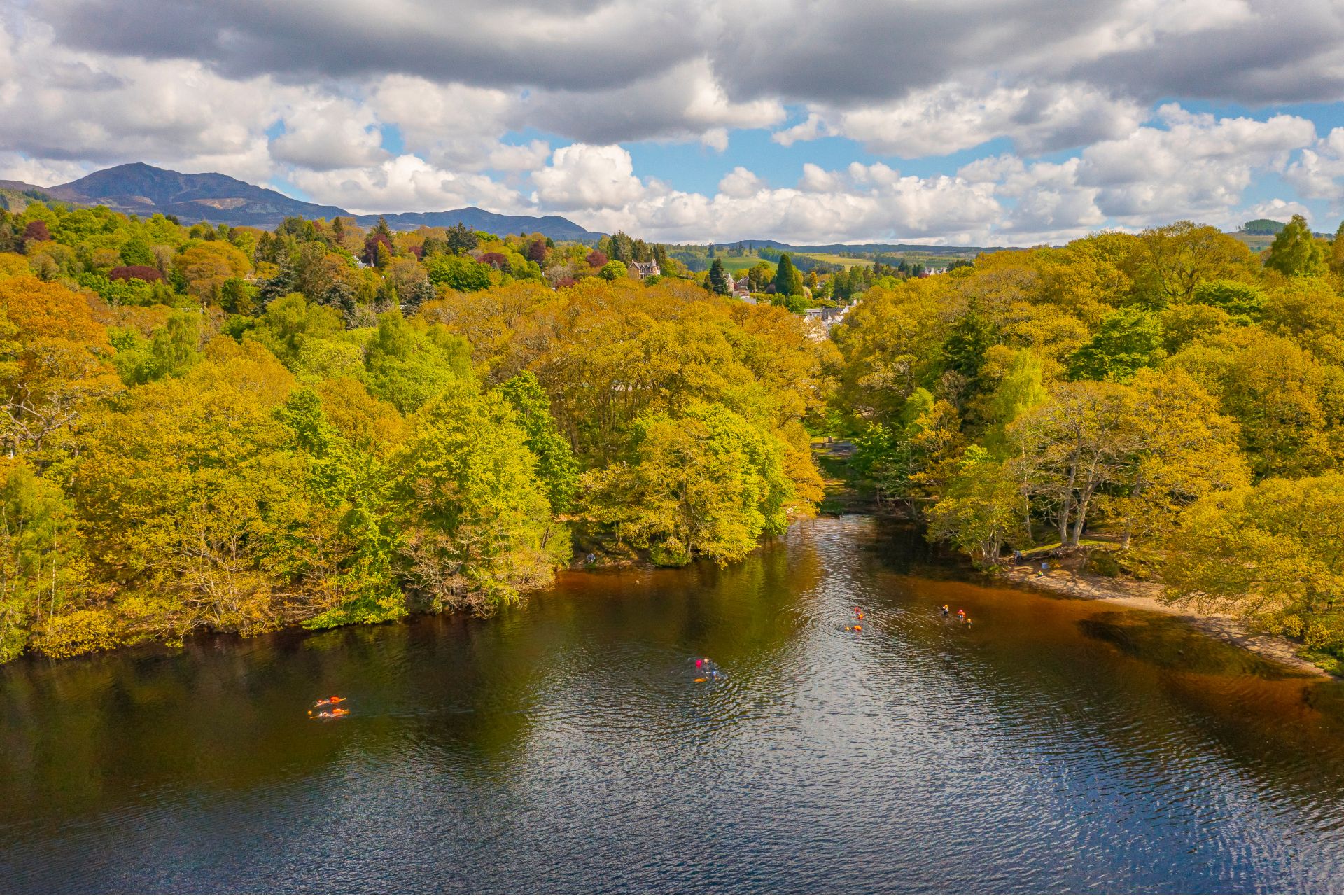
‘It’s a bit dreich,’ apologised Mike, our kilt-clad hotel driver who greeted my husband and I at Pitlochry station in the Scottish Highlands. But the faint drizzle didn’t matter. Just moments later, we were enjoying breathtaking views of Loch Faskally and Pitlochry’s popular dam and fish ladder, both a short walk (and even shorter drive) from the station and our hotel.
We had travelled from Edinburgh to the Victorian town and Highland gateway by train – the beginning of our Luxury Highlands by Train package with McKinlay Kidd – and were now in the depths of remarkably beautiful countryside that normally would take hours to drive to. So far, so easy.
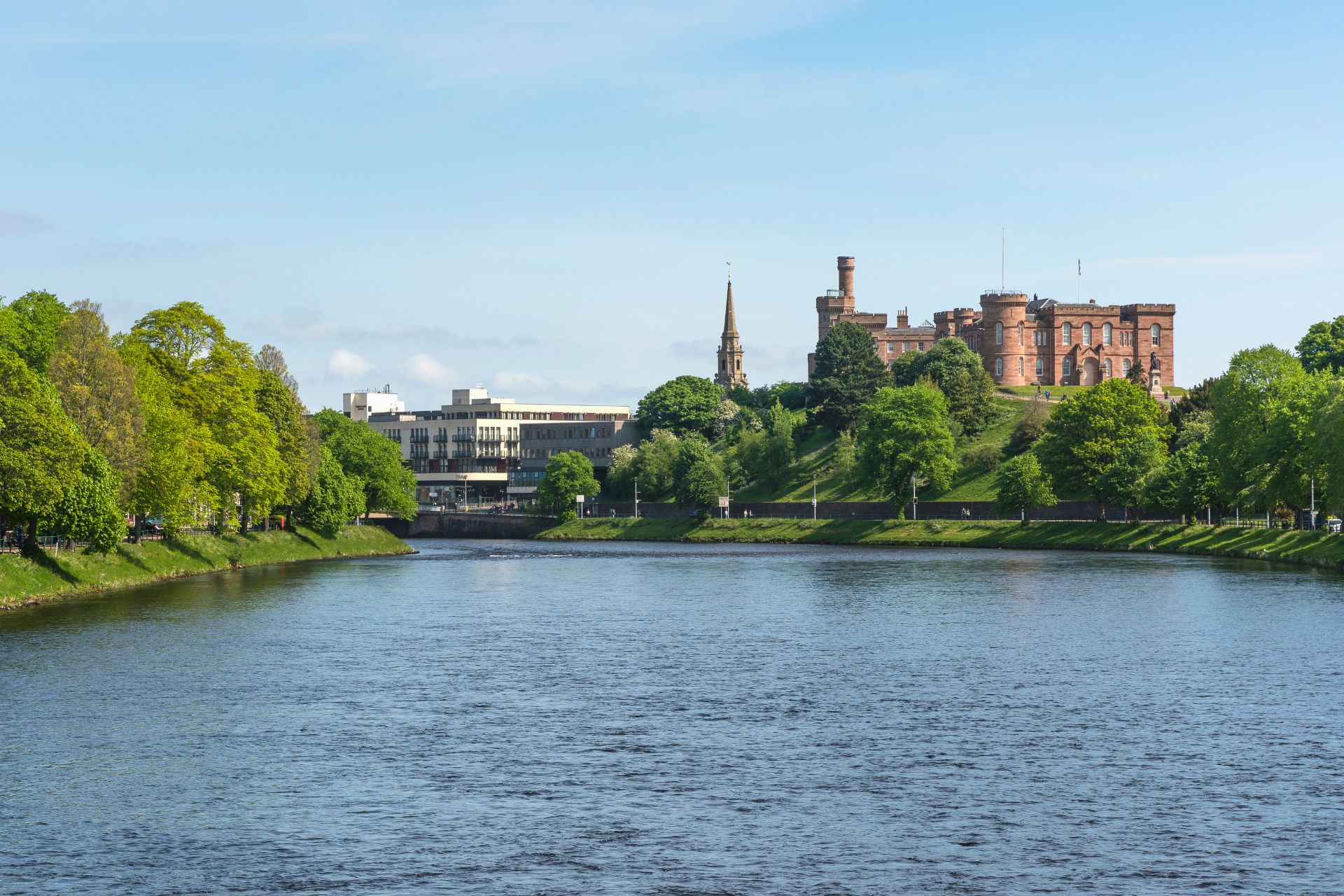
Inverness Castle. Credit: Visit Scotland
Our hotel, Fonab Castle, a 19th century turreted baronial manor once owned by the Sandeman family (better known for their port), was idyllically situated, overlooking Faskally. It doubled as a handy starting point for the Pitlochry Path network; the wonderfully named Killiecrankie route demanded to be hiked.
Red squirrels zipped to and fro as we passed under ancient trees, the Ben Vrackie mountain glimpsed in the distance. Running short on time, we returned early along the vast glassy loch. Even the distant hum of the A9 could not detract from such a perfect introduction to the area. The next day, we boarded the train at the tiny local station and sped past rolling mountains, wide rivers and small white farmhouses to Inverness, where we were met by our guide and driven to beloved Loch Ness.
Rubbing shoulders with fellow Brits and several Americans keen to explore their Scottish roots, my husband and I hopped aboard a boat with Jacobite Loch Ness Cruises. While we didn’t spot Nessie, we did learn a bit about the (failed) Jacobite cause, as well as Queen Victoria’s love of the Highlands.
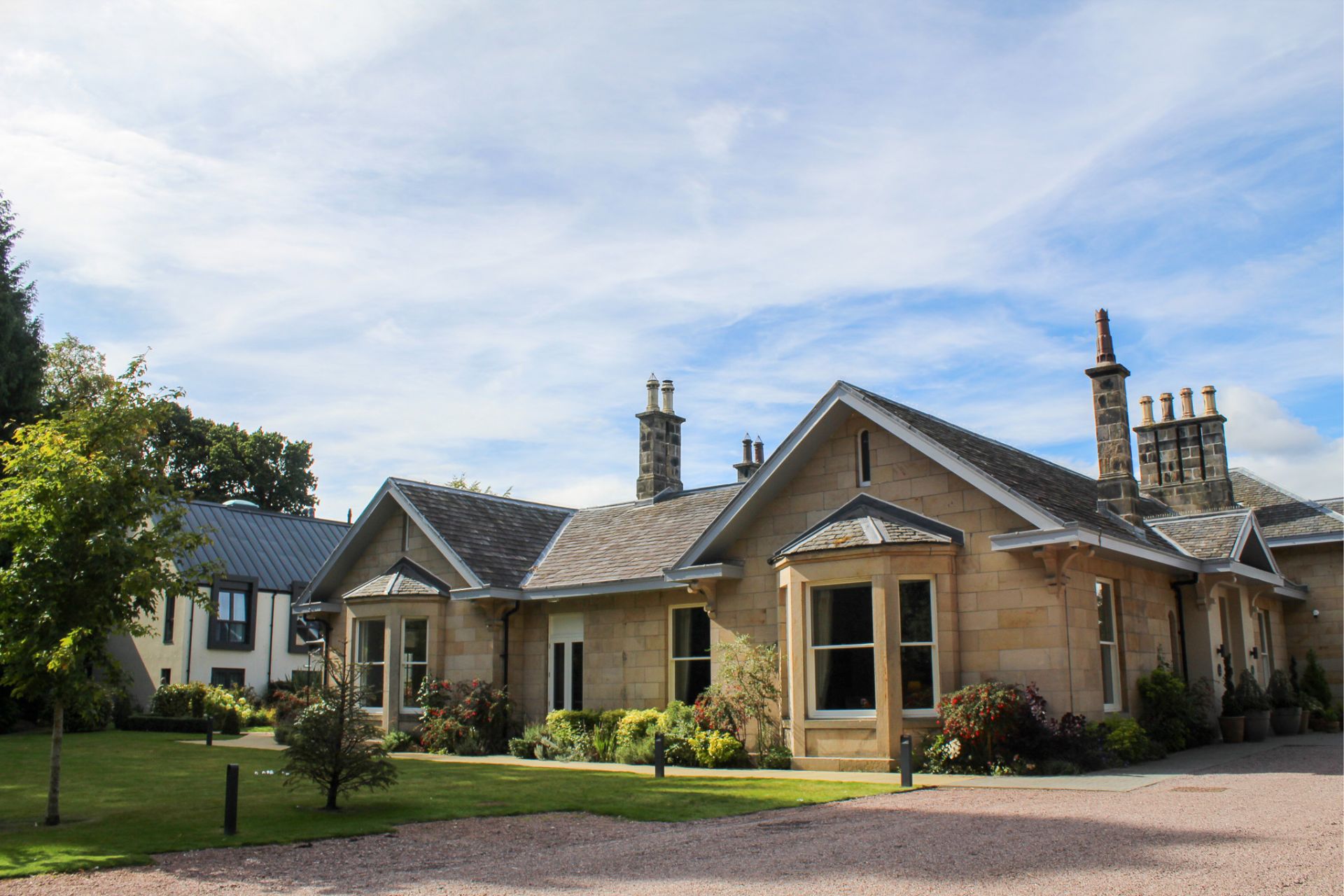
Ness Walk Hotel
But it was when we stopped at Urquhart Castle that the trip really scored. Perched on the edge of the loch, stone walls tumbling to the shore, this beautiful medieval ruin is as typical of the Highlands as tartan. Once home of the Grant clan, it was regularly raided by the Lord of the Isles (a MacDonald), before eventually being bombarded by the English. Grant Tower has been refurbished, and in low season visitors can climb to the top and enjoy expansive views of the surrounding landscape.
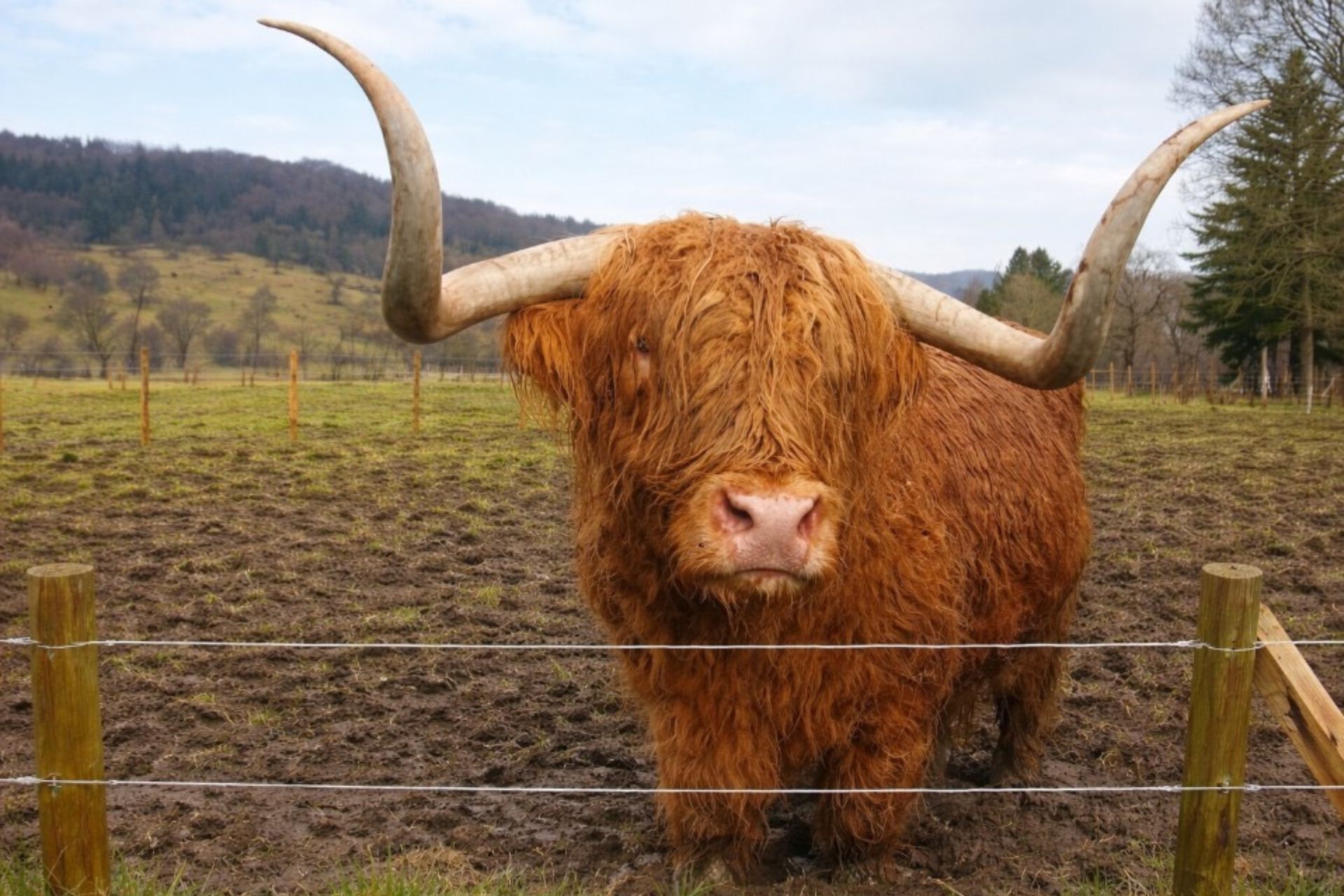
While many people visit the Highlands for hiking, golf and shooting, I prefer the cows. After our boat trip, we visited Robertson’s Farm near Beauly to see their huge, shaggy Highland cows. Among the oldest registered cattle breeds in the world, the bafflingly long fringe on these long-horned, gentle creatures is to protect their eyes from wind, rain and summer midges – but not from fans with cameras.
It was just a short drive back to Inverness and to our hotel, the super-comfy Ness Walk, a former doctor’s house prettily positioned by the swift-moving Ness river, where otter families nest. More than ready for dinner, we tucked into delicious local fare with a modern twist, including curried scallops and roasted partridge.
Inverness is a small city with the countryside readily accessible – and the scenic riverside walk from Ness Walk is a prime example. The view of the cathedral and imposing Inverness Castle from the wonderfully wobbly Greig Street pedestrian bridge felt more Scottish than shortbread. A former court house built in the 1830s, the castle is now a museum and home to The Inverness Castle Experience – a high tech immersive tour through Highland history and culture. Children will love the many interactive sections, whether that’s designing a kilt or creating a folk music hit on the mixing desk.
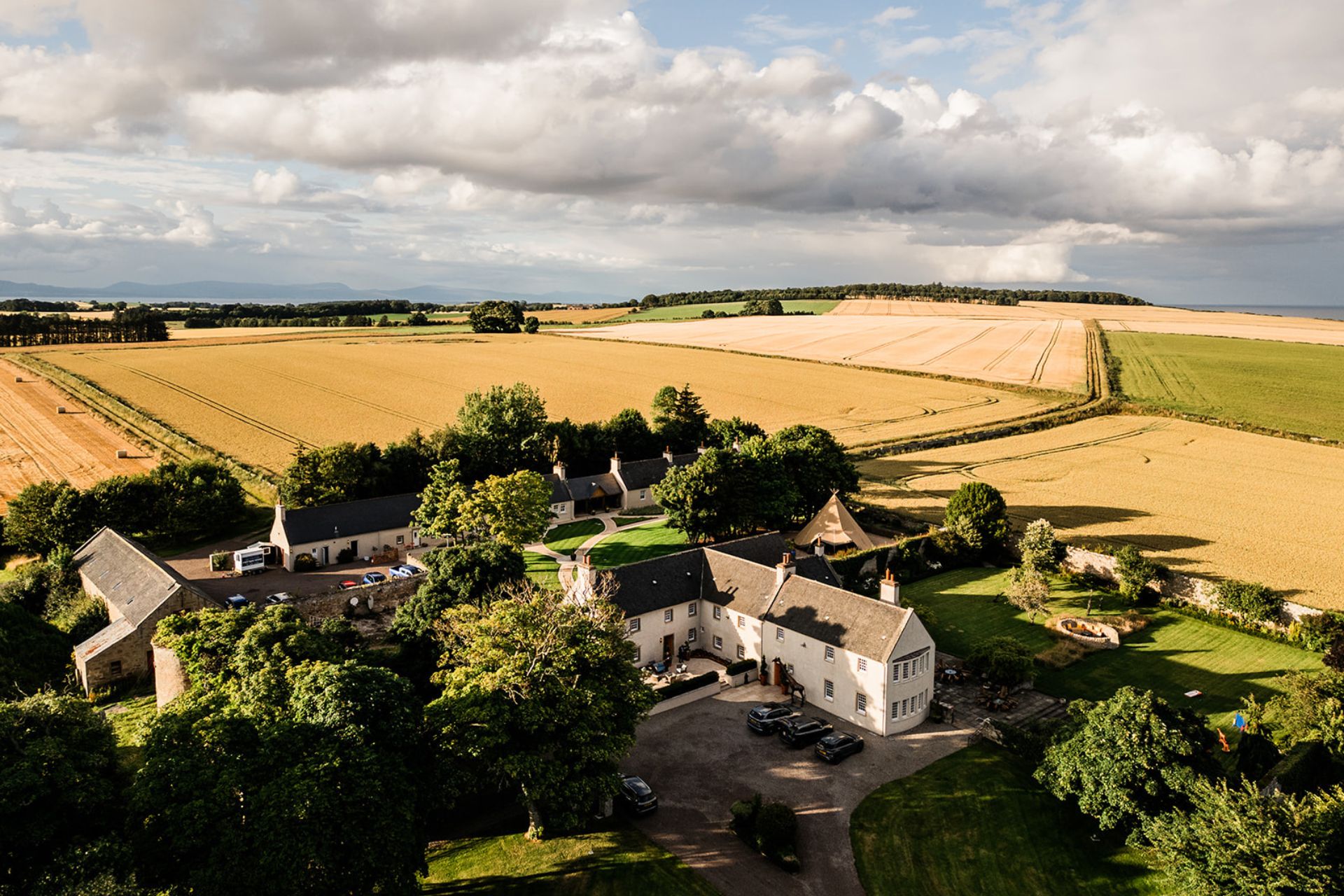
Glenmorangie House
No visit to the Highlands would be complete without a visit to a whisky distillery, so we collected a hire car for the 50 minute drive to Glenmorangie in Tain, Scotland’s oldest Royal Burgh. Outside, a colourful giraffe statue greets visitors – a nod to the adult giraffe height of the tallest bright orange copper still, used to produce a lighter spirit. Tours, which should be booked in advance, include informative (and delicious) tastings. My favourite was The Original, a smooth 12-year-old single malt aged in bourbon casks with citrus notes. I am in good company: it’s the dram of choice for Glenmorangie ambassador Harrison Ford.
Around 15 minutes further down the road, find Glenmorangie House, a 17th century farmhouse-turned- boutique hotel, also guarded by a colourful giraffe. The Russell Sage interiors are a glorious medley of colour and texture, while each of the main rooms are based on a stage in whisky production. The morning room, for example, has a display of sheaves on the mantlepiece and flecked gold-leaf painted walls reminiscent of barley field, while in the breakfast room, blue walls and pale blue glass bowls echo the pure spring water used in the whisky making process. Each bedroom, meanwhile, references a different type of Glenmorangie single malt. Our suite, beautifully themed around The Original, was decorated in burnished oranges and taupes, nodding to the citrus flavours in the whisky classic.
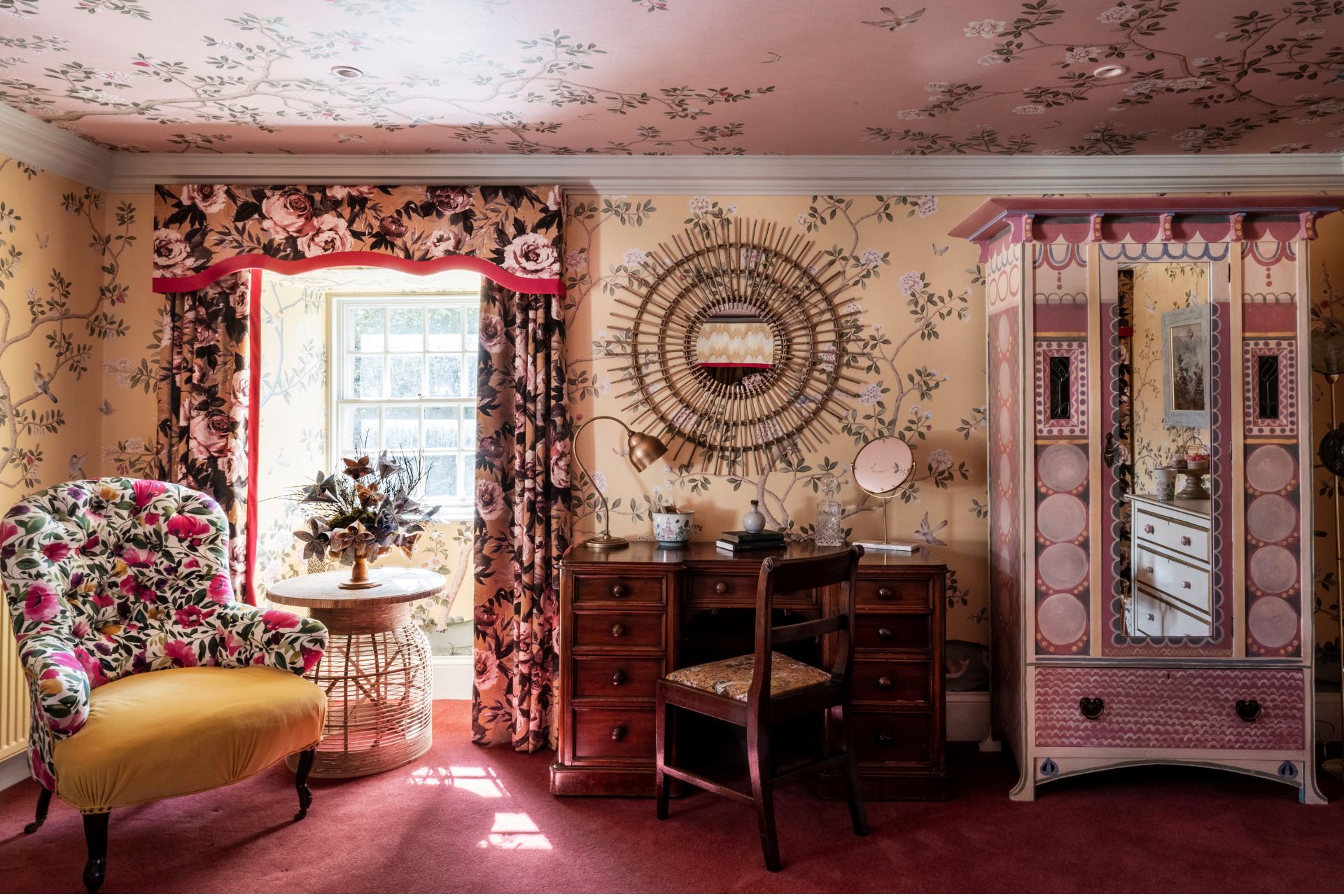
Glenmorangie House
Glenmorangie House overlooks Cromarty Firth, and in the morning we enjoyed a sunny stroll down the treelined avenue to the rocky shore before following the footpath to neighbouring Tain. We had time to quickly visit a local Pictish relic before packing to return home.
The logistical blend of car and train travel proved to be a surprisingly restful and wonderfully wide-ranging way to explore, affording the freedom to explore without succumbing to travel fatigue.
BOOK IT
McKinlay Kidd’s Luxury Highlands by Train package is priced from £4,795 per person from November to March, £5,350 in April and October, and £5,425 from May to September, including nine nights B&B, first class train travel, tours and more.