






The Top Treatments & Products For Tackling Dry Eyes
By
5 months ago
Dry eyes can cause havoc for those suffering, but treatment options are aplenty
Burning, gritty, watery eyes can quickly derail your day – and they’re far more common in midlife than most women realise. Dry eye disease is now recognised as a chronic condition driven by everything from hormonal shifts to screen time and eyelash-growth serums. But it isn’t something you simply have to live with. Beauty expert Alice Hart-Davis rounds up the dry eye treatments worth knowing about, from the unglamorous basics you can do at home to the high-tech IPL and radiofrequency protocols transforming how dry eyes are now treated.
What Causes Dry Eyes – And The Dry Eye Treatments That Actually Work
Of all the small indignities of ageing, dry eyes is one of the least discussed. If you find your eyes sting, blur and water at the first sign of wind or cold, it tends to be dismissed as ‘just one of those things’, particularly for women in mid-life. But burning, gritty-dry or wet-and-watery eyes are all signs of Dry Eye Disease (DED), a chronic medical condition that tends to get worse unless we take steps to treat it.
There are two main types of DED, as optometrist and dry-eye specialist Sharon Flora explains. ‘In one, the eyes simply don’t produce enough tears, and in the other, far more common version, the tears we produce evaporate too quickly due to a lack of the eye’s natural oil film that helps them stay put.’
Those oils are secreted by the tiny meibomian glands in our eyelids. Every time we blink, they should release oily lipids to support the tear film. But if those glands become blocked or sluggish, the tears evaporate too fast – and your poor dry eyes water like mad, trying to maintain the balance.
So many things contribute to dry eyes, from wearing contact lenses to too much screen time (it reduces our blink rate), eyelash-growth serums and retinoids (best kept away from the eye area). Hormones play their part, too. As we lose oestrogen, mucosal tissues in the eyes become drier, just as they do in the mouth and vagina. ‘Women are often told dry eyes are just part of menopause,’ Flora says. ‘Yes, hormonal changes can trigger dry eyes. But that does not mean persistent discomfort is something you simply have to live with.’
So what can you do? On a daily basis, the unglamorous basics matter. Blink more. A warm (not hot) compress, used for five to ten minutes, helps soften and loosen blocked oils in the glands. Gentle eyelid cleansing, with a hypochlorous spray or dedicated eyelid cleanser, reduces inflammation and bacterial build-up.
Then there are the high-tech clinic treatments. Intense Pulsed Light (IPL), long used in dermatology for rosacea, is now employed to calm inflammation around the eyelids and improve gland function. A friend had striking success with IPL and low-level laser at the Tom Davies Dry Eye Clinic in Sloane Square, reporting less redness and markedly improved comfort after a short course over a few weeks. Under the care of optometrist Tuija Kankaanpaa, several scans and measurements – such as conjunctival redness and tear break-up time, which measures how quickly the tear film evaporates after blinking – were taken. These were then retested after the final treatment, just 20 minutes a pop, and improvements were noted across all four measurements.
I’ve tried a course of Envision at The Eye Retreat; this uses radiofrequency energy to heat up the oil in the meibomian glands (this is then squeezed out carefully by the optometrist using tiny forceps, which is no fun but effective), followed by IPL to bring down the redness in the eyelids. I had half a dozen treatments and it made a big difference, though a year later, I can tell I need a refresher treatment.
For an even more comprehensive approach, oculoplastic surgeons Professor Jonathan Roos and Rachna Murthy of Face Restoration have developed the ‘OptimEyes’ protocol. Eyes are scanned to assess underlying rosacea, too. ‘Blocked glands can be due to underlying rosacea,’ says Professor Roos, ‘which is best treated with OptiLight (IPL), low-level light therapy and microbiome-friendly skincare.’
‘Rosacea is due to gut dysbiosis,’ adds Dr Murthy. ‘The microbiome in the gut communicates with the microbiome in the skin, and also with the microbiome in the eyes. One in ten people worldwide have rosacea, and of them, 80 to 90 percent will have dry eyes.’
Our Product Picks
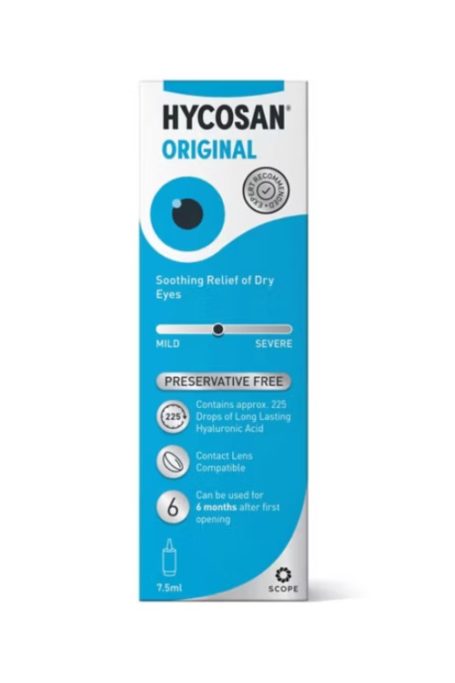
Hycosan
Preservative Free Eye Drops, £10.49
A must-have for dry eye sufferers.
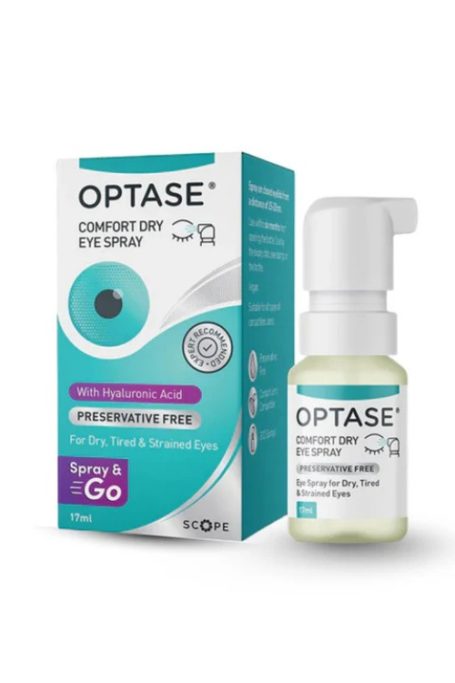
Optase
Comfort Dry Eye Spray, £13.99
If you can’t abide drops, try a spray like this one.
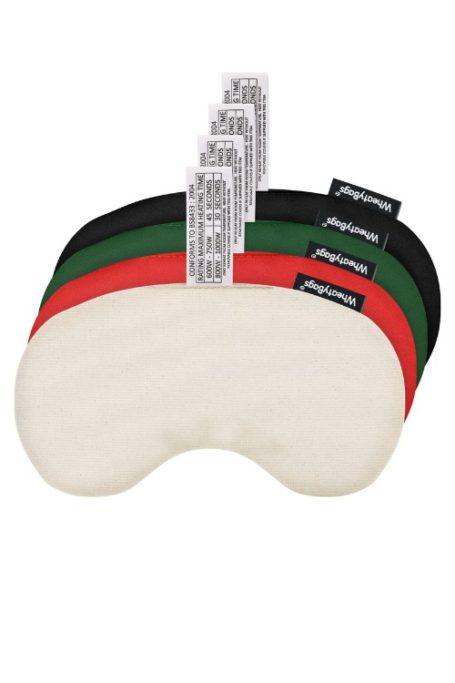
WheatyBags
Heatable Eye Mask (Pack of 2), £10
Try a warm compress. You can use a flannel wrung out in warm water or a microwaveable heat-bag eye mask like this one.
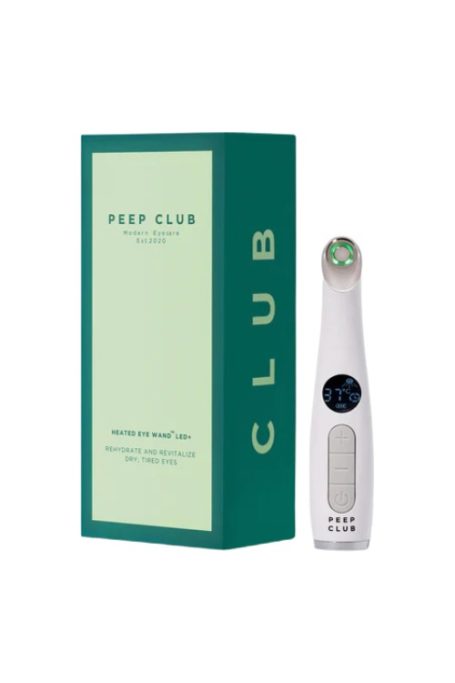
Peep Club
Heated Eye Wand LED+, £85
Used gently around the eye area to warm the meibomian glands and soften the meibum (oil), a heated eye wand can be a very useful tool. And this one is optometrist-approved.
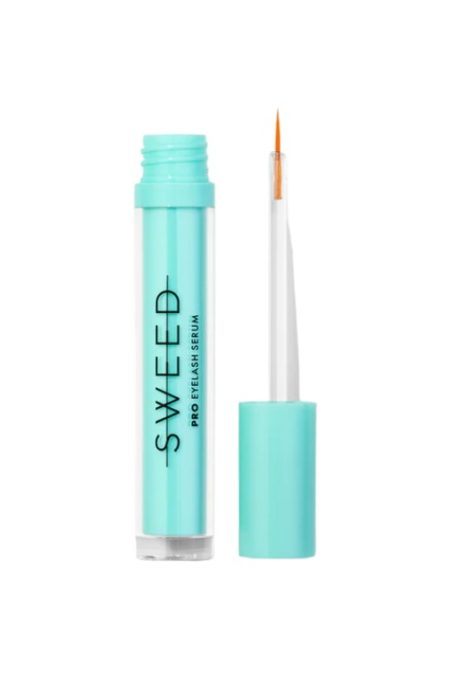
Sweed Beauty
Eyelash Growth Serum, £42
Why not try an eyelash growth serum? Sweed’s version is one of the few that doesn’t contain prostaglandin analogues, which have been linked to meibomian gland dysfunction.