



Ooh La La: What Brits Can Learn About The French Approach To Beauty
By
5 months ago
Discover some skin savoir faire
Behind every French woman is a treasure trove of beauty secrets worth knowing, says Laura Craik. Below, she chats to The French Pharmacy founder Dr Marine Vincent about the top beauty lessons we can learn from douce France.
Inside The French Pharmacy
In the UK, pharmacies are functional, visits are perfunctory and stock is limited to prescription medicine, bathroom essentials and beauty cabinet basics. Not so in France. ‘Les officines’, as they are known, are mythical places: treasure troves of age-old beauty secrets whose shelves groan with cult products established and new, dispensed by pharmacists with deep knowledge of everything from cough syrup to cellulite.
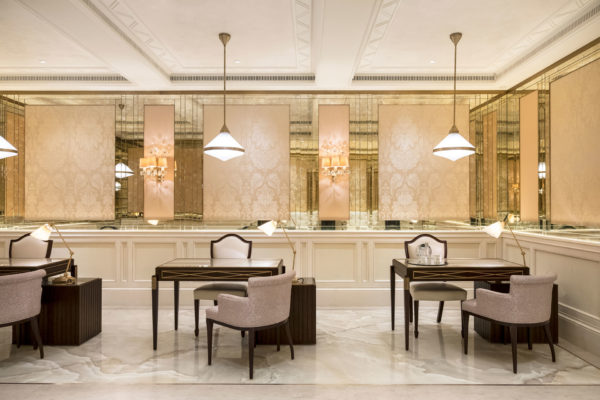
After 10 years working as a pharmacist in the NHS, and 20 years of living in London, Dr Marine Vincent decided to bring French wisdom to British shores by opening The French Pharmacy in Marylebone, London, in 2016. ‘I created the pharmacy that I dreamt of, and really missed,’ she says simply. ‘In Paris, you have one every 200 metres – they’re part of the cultural and medical environment.
Ten years later, her new book, The French Skincare Bible, documents on paper what visitors to her two London pharmacies have had the good fortune to experience face to face: an encyclopaedic wisdom of all things French and beauty-based, from cult products to insider tips.
‘In France, skincare is an essential part of health and wellbeing,’ Vincent explains. ‘If you have a skin issue, your pharmacist is your first port of call. They give the best advice, and trust builds every time you ask a question.’
British women have been fascinated with French style for decades, a fact which Vincent pondered often while writing her book. ‘It’s a cultural thing,’ is how she explains it. ‘The fashion industry is big in France, and that creates a fascination. The collective imagination views French women as very simple, very elegant, never overdone.’
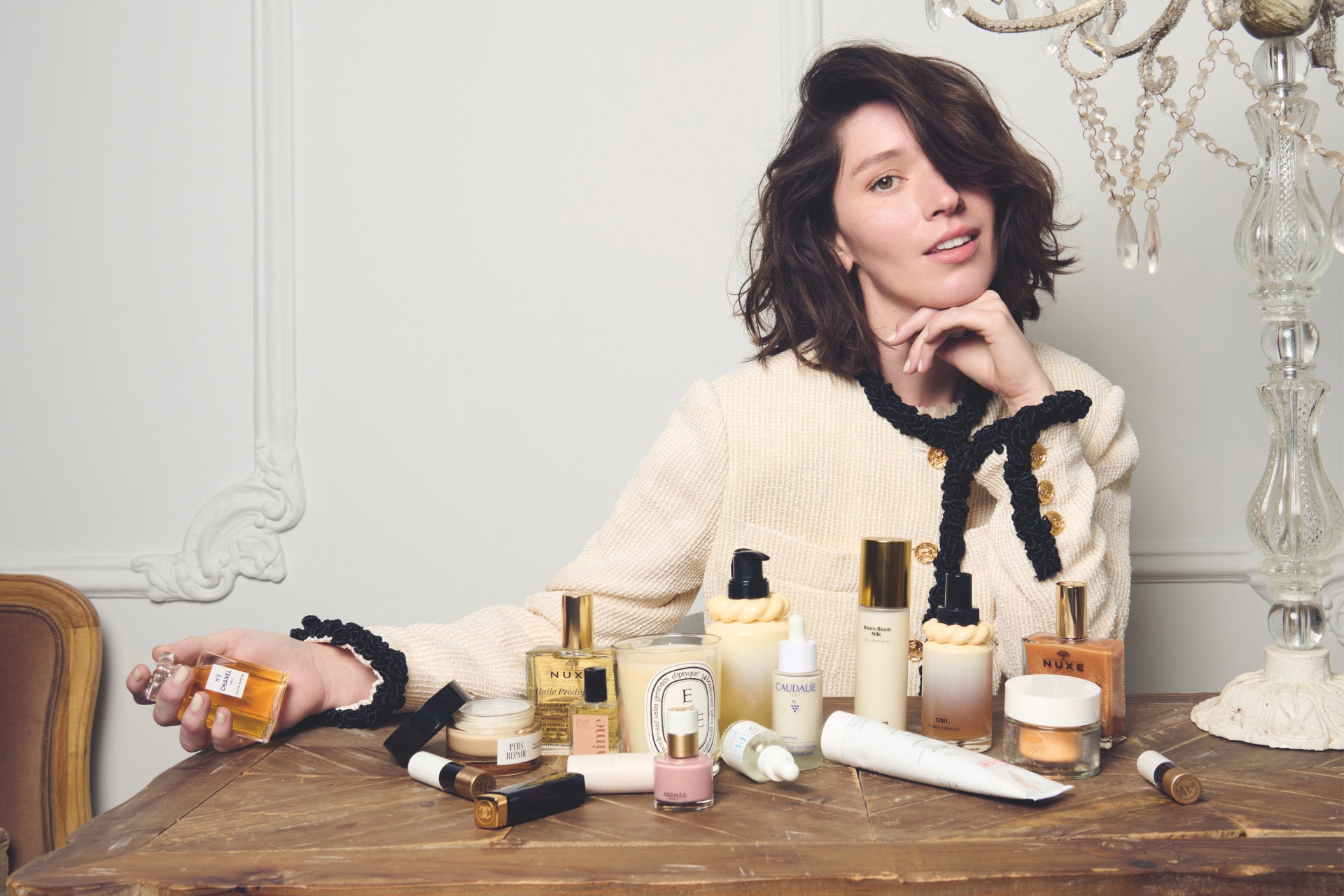
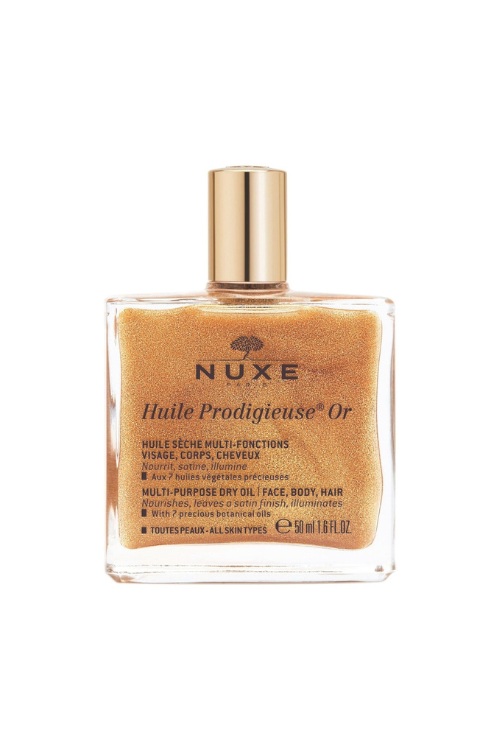
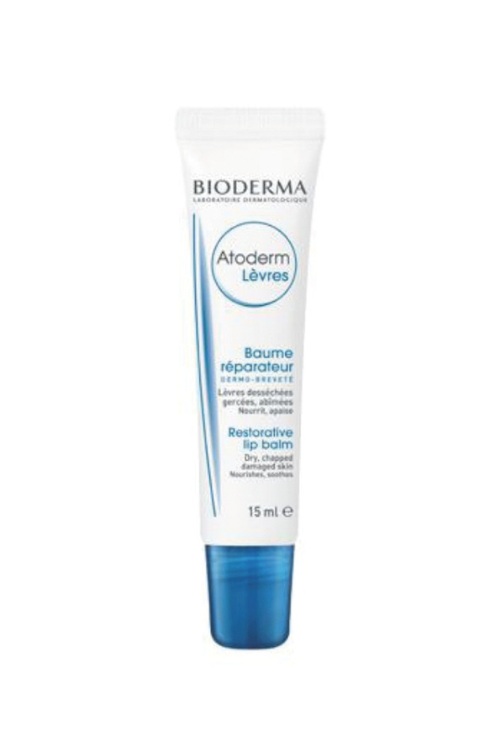
The same principles are evident in their approach to beauty. ‘Simplicity and consistency,’ Vincent smiles, asked to summarise the French way. ‘When you enjoy what you do, it makes you excited to have your routine. If you do a ten step routine, which I don’t agree with at all, it’s too complex to invest in. In terms of consistency, we’re very loyal to the products we like – Weleda, Nuxe, Bioderma. It’s probably why a lot of French pharmacy products have become so iconic, because we don’t tend to explore or experiment with other products as much as I’ve seen British women do.
Would it be fair to say that Brits are more keen on a quick fix, whereas French women are more willing to invest long-term? ‘It’s what I believe,’ she nods. ‘In France, it’s a lot more about prevention. You go to see your doctor every two minutes! You see your dermatologist, and have your blood tested, once a year, even if you don’t really have an issue. We are proactive and interactive, which avoids going into panic mode, where suddenly it’s too much to sustain for the long term.’ Cellulite prevention starts young, too, and is built into the daily routine. ‘I was raised with my grandmother and mother not telling me, but showing me [how to prevent it], so I copied.’
After 20 years in London, Vincent says she’s noticed fundamental differences in British and French women’s attitude to ageing. ‘Regardless of your culture, the way you embrace getting older is very personal. But in general, I’d say we embrace it a little bit more, and tend to do less – less Botox, less treatments. For me, Brigitte Bardot was iconic in how she embraced her age. She was considered one of the most beautiful women on the planet, and then decided to do nothing. I think that’s so empowering. I wouldn’t say French women do nothing, because that would be a lie. But we don’t like overdoing things. It has to look natural.’
Perhaps it’s useful to equate their approach with the ‘quiet luxury’ trend, but applied to the face? Vincent agrees. ‘We love everything intellectual, so to overdo things is a big “no”. We like things to look a bit “off”. You can have lovely clothes, but they don’t need the double “C” of Chanel. The Mar-a-Lago face would be a big no-no in France. To show you’ve got your money via your face is very vulgar.’ Facelifts are less common, too. ‘Except for certain celebrities and very wealthy women, we don’t see those a lot. They also [tend to] happen when someone is much older.’
Although there is one trend that even the nonchalant French aren’t impervious to, and that’s GLP-1s. ‘Oh my god, yes. They’re the number one new thing worldwide – in France as well. I’ve heard a lot of people tried to get access to it, but access is more difficult in France. You will never have access through a website – only through a pharmacist.’
Overall, the French have a pragmatic approach to diet. ‘You have to take care of the inside as well as the outside. We love our herbal teas at night. In France, we are very much about naturality [sic] – herbs and flowers. If you’re having problems with digestion, you go first to the plants. It’s a cultural thing.’ Where many British women of a certain age switch to a plant-based diet, the French are more reluctant to give up the benefits of meat. ‘We tend not to be vegetarian too much – instead, we’d cut down our portions, eating a bit less and starting to be a bit more active. But it’s gentle: it’s not suddenly deciding to run a marathon. It would be a readjustment rather than a complete change. Again, that’s more likely to work long-term.’
It all sounds very sensible: self-care administered with a generous dose of self-love. ‘We are very bad at self-hating,’ she smiles. ‘If we want to have a good meal with friends, we will do it, and a glass of wine as well. Dry January is not as big in France, because we prefer to reduce than to cut completely.’
Given British women’s penchant for self-reproach and denial, Vincent’s book should prove indispensable in illustrating a more measured, laid-back approach to beauty. ‘I really put a lot of myself into it,’ she says of the labour of love that took her 18 months to write. ‘I’ve tried to make it as simple as I do when I’m in store, giving advice to my customers. I’m nervous to see how people will respond, but I hope it will be helpful for a lot of people.’ Mais bien sûr.
The French Beauty Edit