


Where Lucian Freud Met Elizabeth David: Inside The Garden Museum’s Landmark Exhibition
By
5 months ago
A new exhibition celebrates the extraordinary creative circle that flourished at Benton End in the mid-20th century – from Lucian Freud's teenage masterpiece to Beth Chatto's pioneering approach to gardening. Now, the Garden Museum reveals their shared philosophy for the first time.
Plant lovers, there’s a new art exhibition to know. Open from today (2 June), Benton End: A Paradise of Pollen and Paint spotlights a unique 20th century moment when the East Anglian School for Painting and Drawing nurtured the budding talents of Lucian Freud, Joan Warburton, Elizabeth David, Beth Chatto and more.
Curated by Dr Patricia Hardy for Lambeth’s hidden gem, The Garden Museum, below we get the curator’s guide to the exhibition.
Meet The Curator: Benton End: A Paradise of Pollen and Paint
Benton End: A Paradise of Pollen and Paint opens on 2 June, running until 20 September 2026 at the Garden Museum. It is the first exhibition to explore Benton End in Suffolk, home to two significant artists of the 20th century, Cedric Morris (1889–1982) and Arthur Lett-Haines ‘Lett’ (1894–1978) which also housed a unique art school, the East Anglian School for Painting and Drawing.
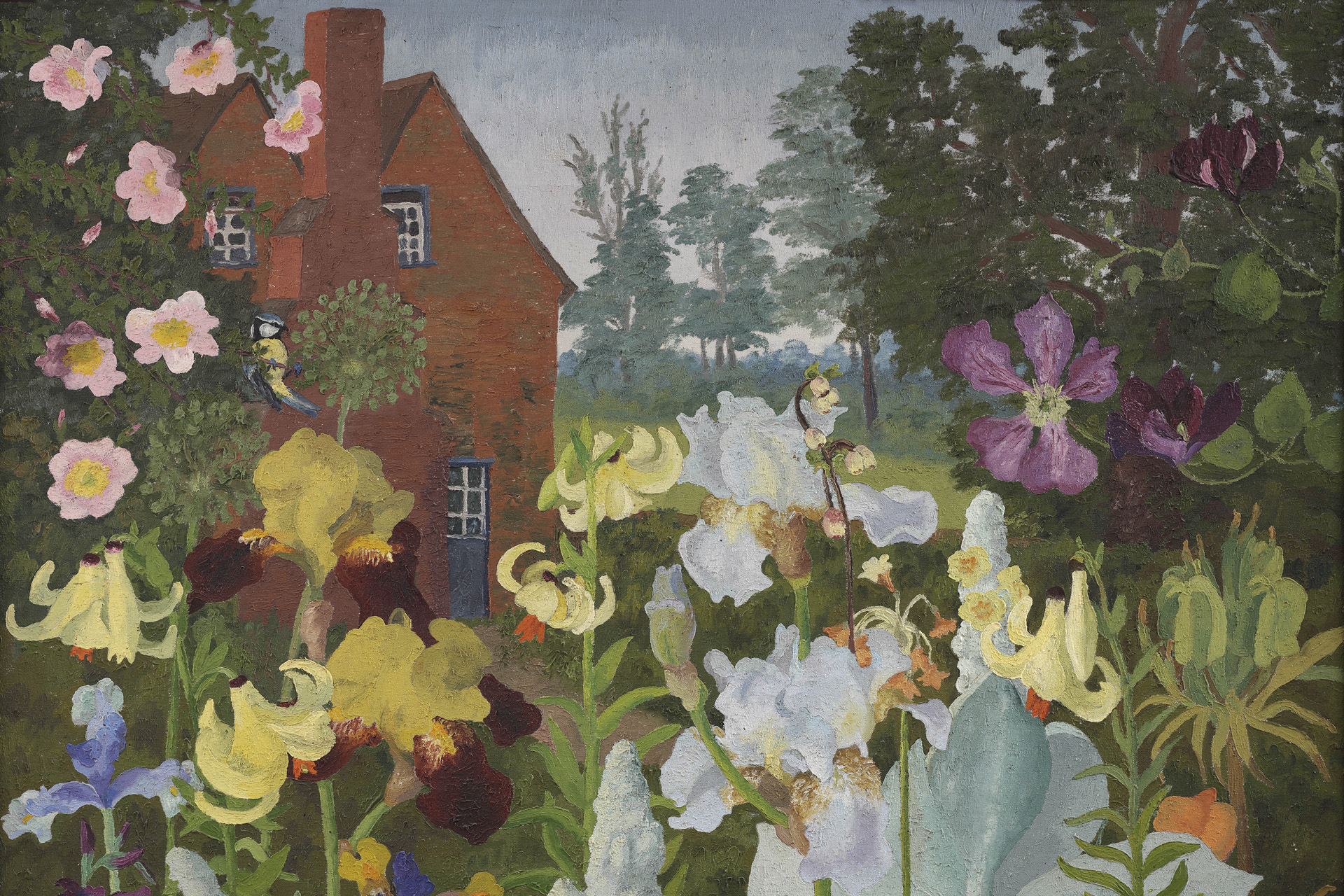
Benton Blue Tit, 1965, Cedric Morris. (© Estate of Cedric Morris, Private Collection/Bridgeman Images)
The Background
Benton End was majority gifted to the Garden Museum in 2021 by the Pinchbeck Charitable Trust with the intention that the house and garden might be restored and re-opened as a place of learning once again. The exhibition coincides with the revived walled garden at Benton End opening to visitors for the first time this summer. The exhibition is curated by Dr Patricia Hardy, with an immersive design produced by Jeremy Herbert.
The exhibition focuses on six celebrated key figures: Morris and Lett, the Benton End students Lucian Freud (1922–2011) and Joan Warburton (1920–96), and visitors Elizabeth David (1913–92) and Beth Chatto (1923–2018). From 1940, Benton End nurtured and trained a generation of artists, professional and amateur, who learnt not just artistic style and composition but a way of living and sociable interaction.
The exhibition shows, through a rich selection of artworks and objects, how this group was connected at Benton End by their independent and pioneering judgement based on a refusal to accept received ideas about what painting, food, gardening or teaching should look like. All these disciplines required close observation, deep knowledge of materials, restraint and respect for the thing being worked with – whether that thing was paint, a plant, an ingredient or indeed a student. This shared methodology is what makes this circle feel like a coherent intellectual world rather than simply a set of biographical coincidences clustering around this house in Suffolk.
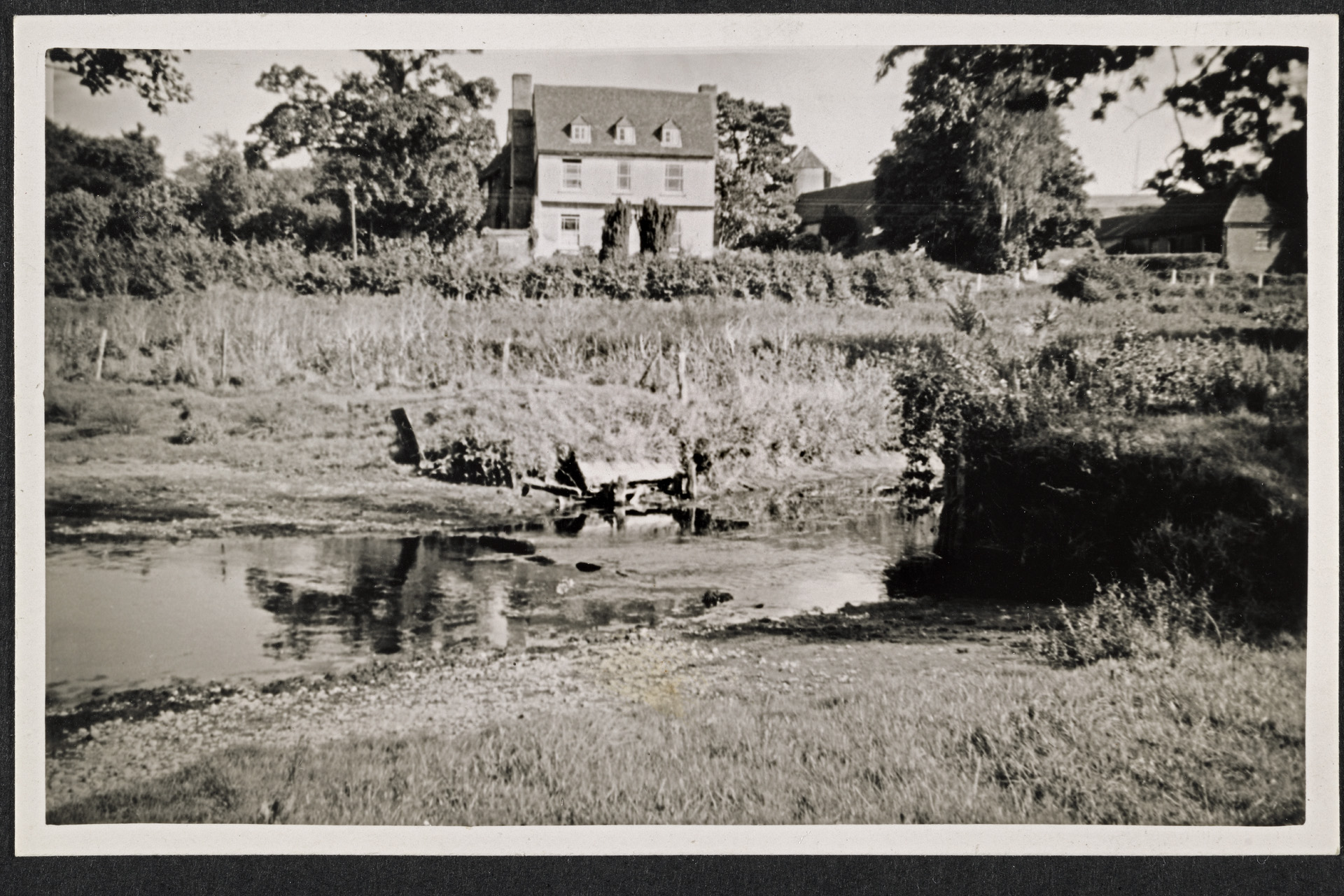
Benton End from the Meadow (© Gainsborough’s House/Douglas Atfield)
What Is On Display?
Eighty-seven paintings, watercolours, drawings, photographs, postcards, small sculptures and books are on display as well as evocative furniture like Morris’s armchair and easel from Benton End. The exhibition tries to convey the unique atmosphere of Benton End by recreating key areas which all visitors remembered, like the convivial dining room and Cedric’s greenhouse. It is not a traditional gallery hang, but full of surprises.
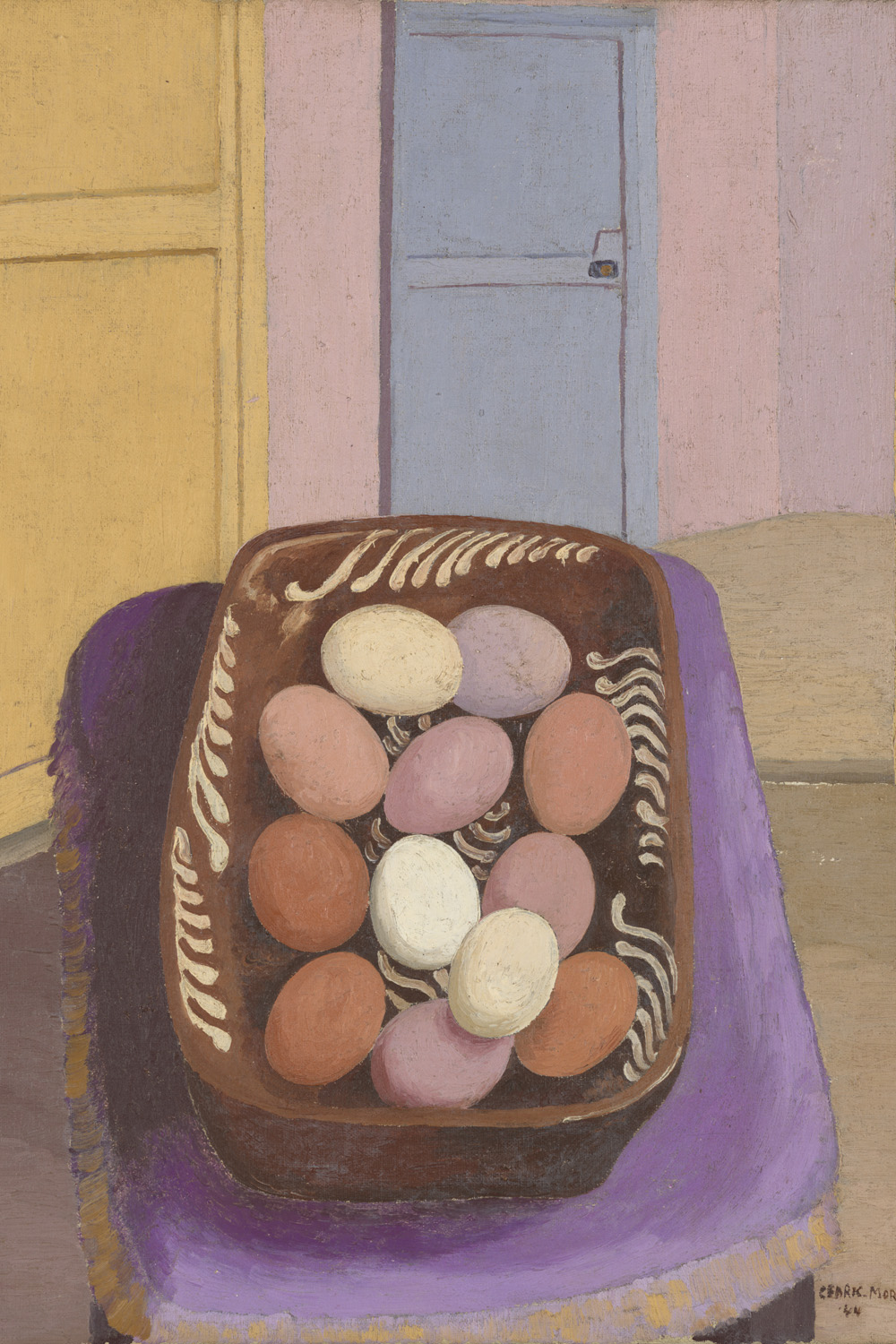
The Eggs,1944, Sir Cedric Morris (© The estate of Sir Cedric Morris/Tate/Bridgeman Images)
The Highlights
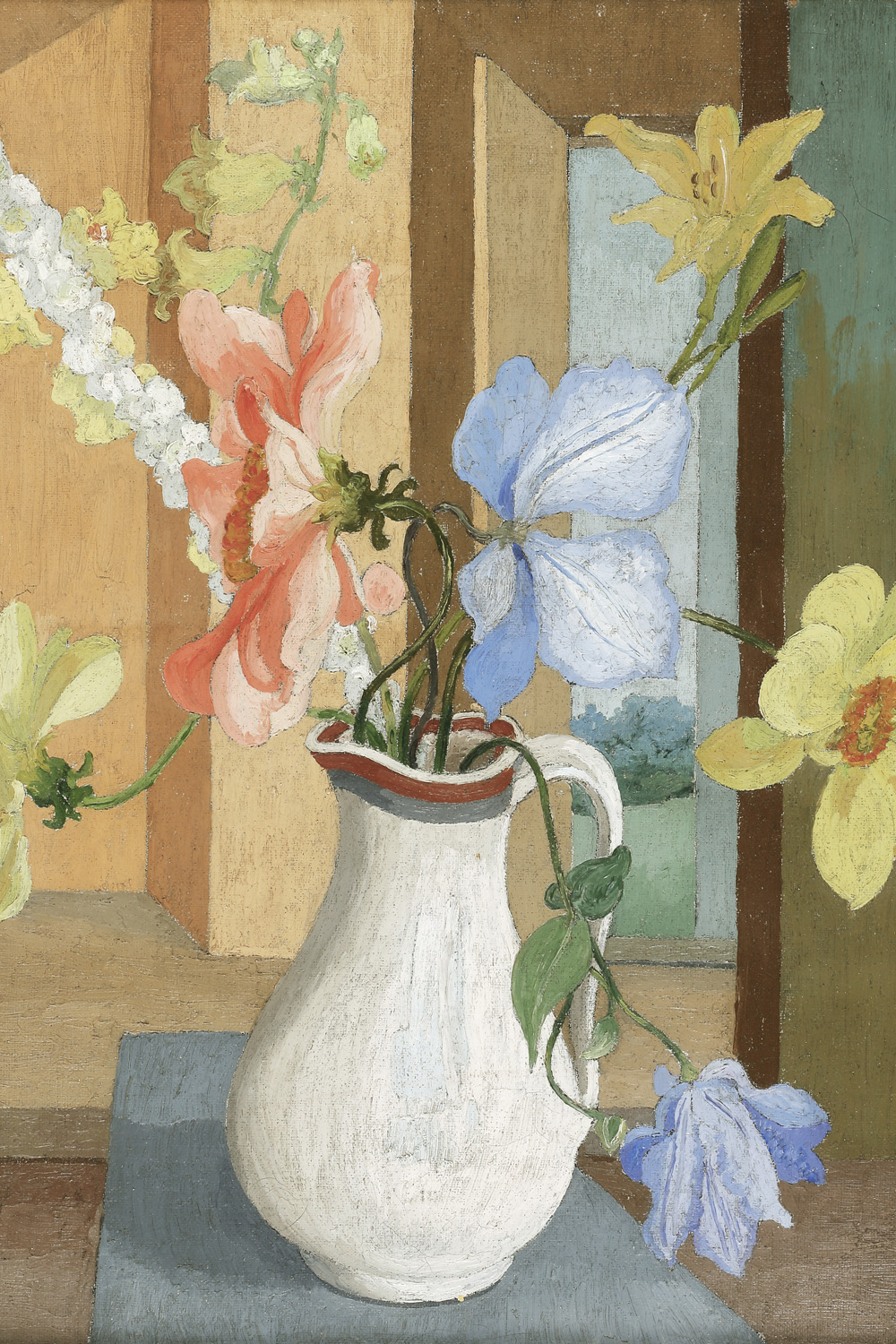
Lucian Freud’s Man in a Black Scarf (1939) is a standout piece painted when Freud was just 17 at the School, showing a clear indication of why he became one of the most celebrated artists of his generation. There is a wonderful Morris oil, Plants and Garden Produce at Benton End (1958) including apples, aubergines, and carrots, grown at Benton End, painted and cooked. One highlight is a medal won by Beth Chatto in 1955 for her flower arranging at a local Colchester show, giving a glimpse of the young gardener before she conquered Chelsea Flower Show.
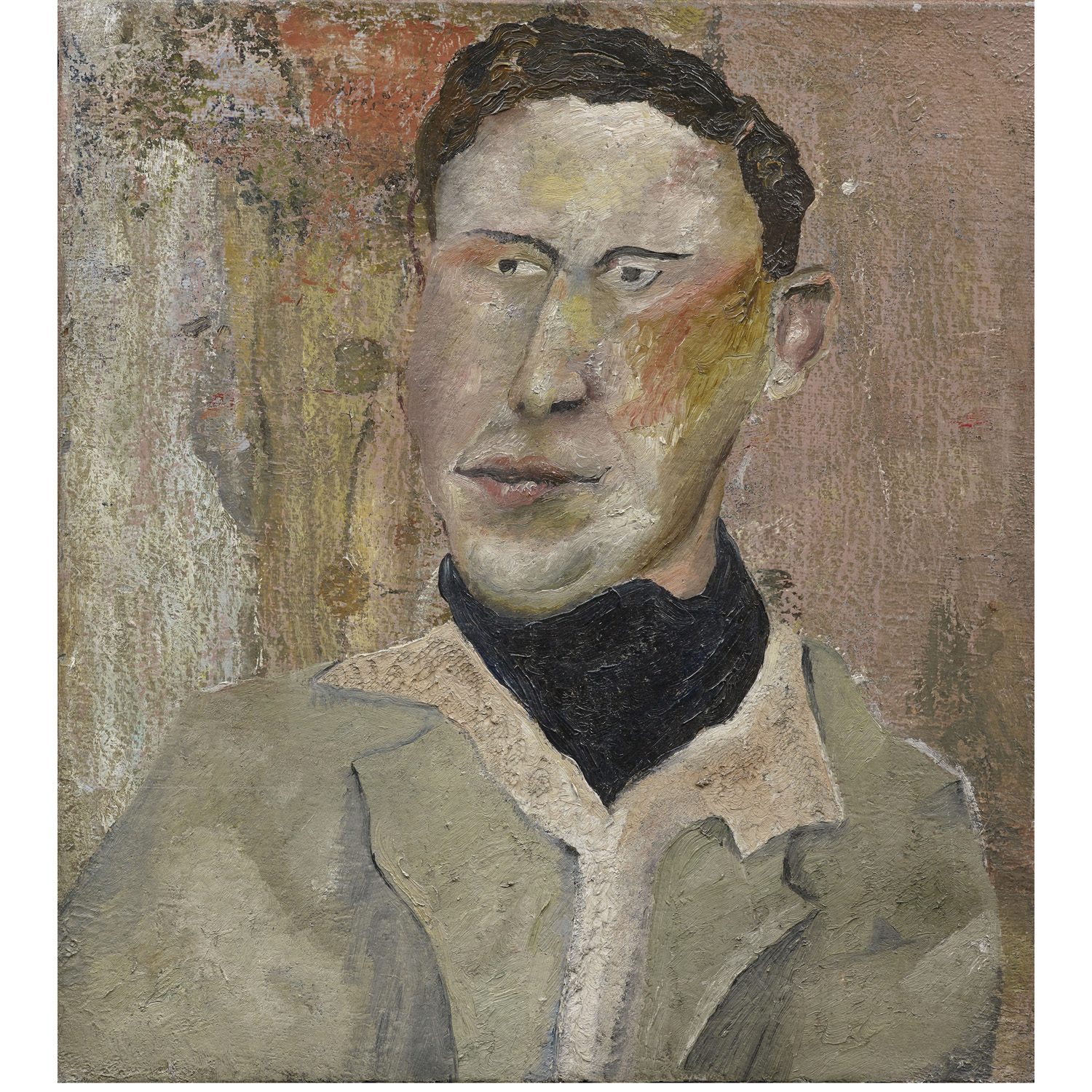
Man with a Black Scarf (1939), Private Collection
The Takeaway
Benton End represents an important mid-20th century moment in British culture and society. Each of the six figures is interesting in their own right, but it was what was created at Benton End, the atmosphere which drew them together, which the exhibition explores and what has proved fascinating to discover.
While You’re There
From 17–21 June, the Garden Museum will be filled with flowers for British Flowers Week. Five floral designers are creating immersive installations around the museum using seasonal British grown flowers, in a celebration of seasonality and sustainability in the floral industry.
Book for lunch in the Garden Café, which serves a modern European menu focusing on fresh, well-sourced ingredients and simple, well-executed dishes. Best enjoyed in the lush and leafy courtyard garden on a sunny day.
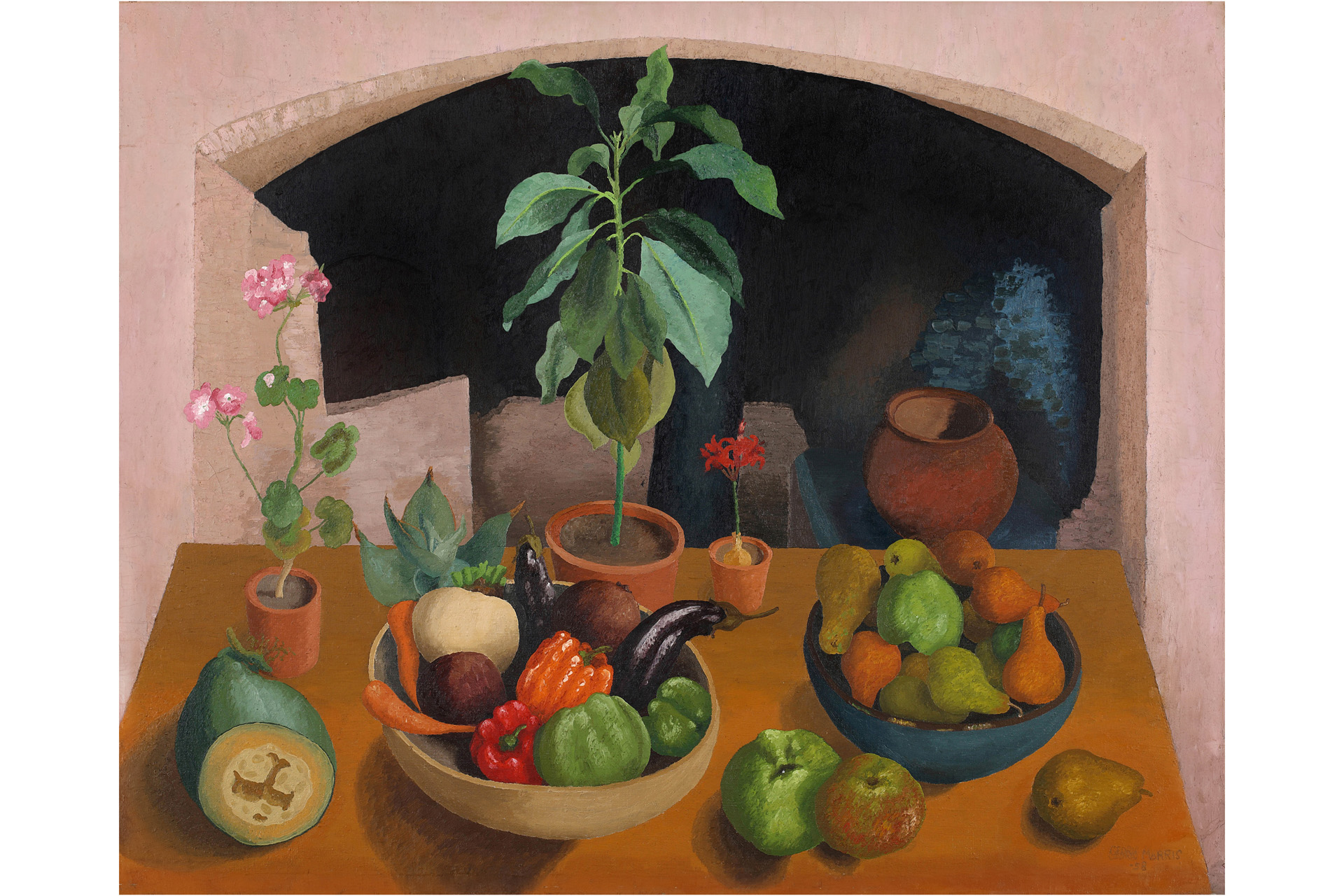
Plants and Garden Produce at Benton End, Cedric Morris (1889-1982). (© Philip Mould Ltd, London, Bridgeman Images)
Where To Go After
Pop across the river to Tate Britain or wander through Archbishop’s Park to Lower Marsh for plenty of interesting independent cafes, bars and restaurants.
Visit
Benton End: A Paradise of Pollen and Paint runs 2 June–20 September 2026 at The Garden Museum (St Mary’s Church & Tower, 5 Lambeth Palace Rd, London SE1 7LB). Tickets start from £6.50pp.