


How To Give Your Home Some Serious Sustainability Credentials
By
3 months ago
Home design goes green with our ultimate guide
We all want to fill our homes with fabulous things – but the interiors we lust for today needn’t become tomorrow’s landfill. Virginia Clark pinpoints the brands and designers leading the charge when it comes to living well and longevity.
The word ‘sustainability’ can be an off-putting one, conjuring images of an ascetic existence that is at odds with modern notions of desirability and luxury. It’s a narrative that needs up-ending: true environmental stewardship isn’t about giving things up, it’s about elevating how we live in such a way that we have a legacy to pass onto future generations. Our houses are one of the most resource-intensive elements of our lives, and we owe it to the next generation to ensure that the beauty we create today doesn’t become the landfill of tomorrow.
The challenge is that sustainability is a sprawling, often opaque concept. Navigating carbon footprints, ethical supply chains, and the questionable processes of modern manufacturing can feel like a full-time job. Fortunately, the interiors industry is undergoing a revolution – and designers and makers in the luxury sphere are now prioritising these ethics in a variety of ways. You can look for certifications like B Corp, The Butterfly Mark, and Planet Mark, excellent compasses for identifying committed brands, although they aren’t the only markers of quality. Often, the most sustainable choice is the smallest: the local makers using traditional techniques for pieces that are designed to last.
Here we break down some of the key principles to consider – and the names to know – when creating a home that doesn’t just look exquisite today, but will have a life for generations to come.
How To Navigate Sustainable Home Design
Consider The Life Cycle
A blend of new and old is what works best for most houses, but when you do buy something new, consider how long it will last and what will happen when it comes to the end of its life. The most thoughtful makers and brands are adopting circular principles to ensure materials stay in use for as long as possible and can eventually be recycled and re-used.
Naturalmat
Bedding
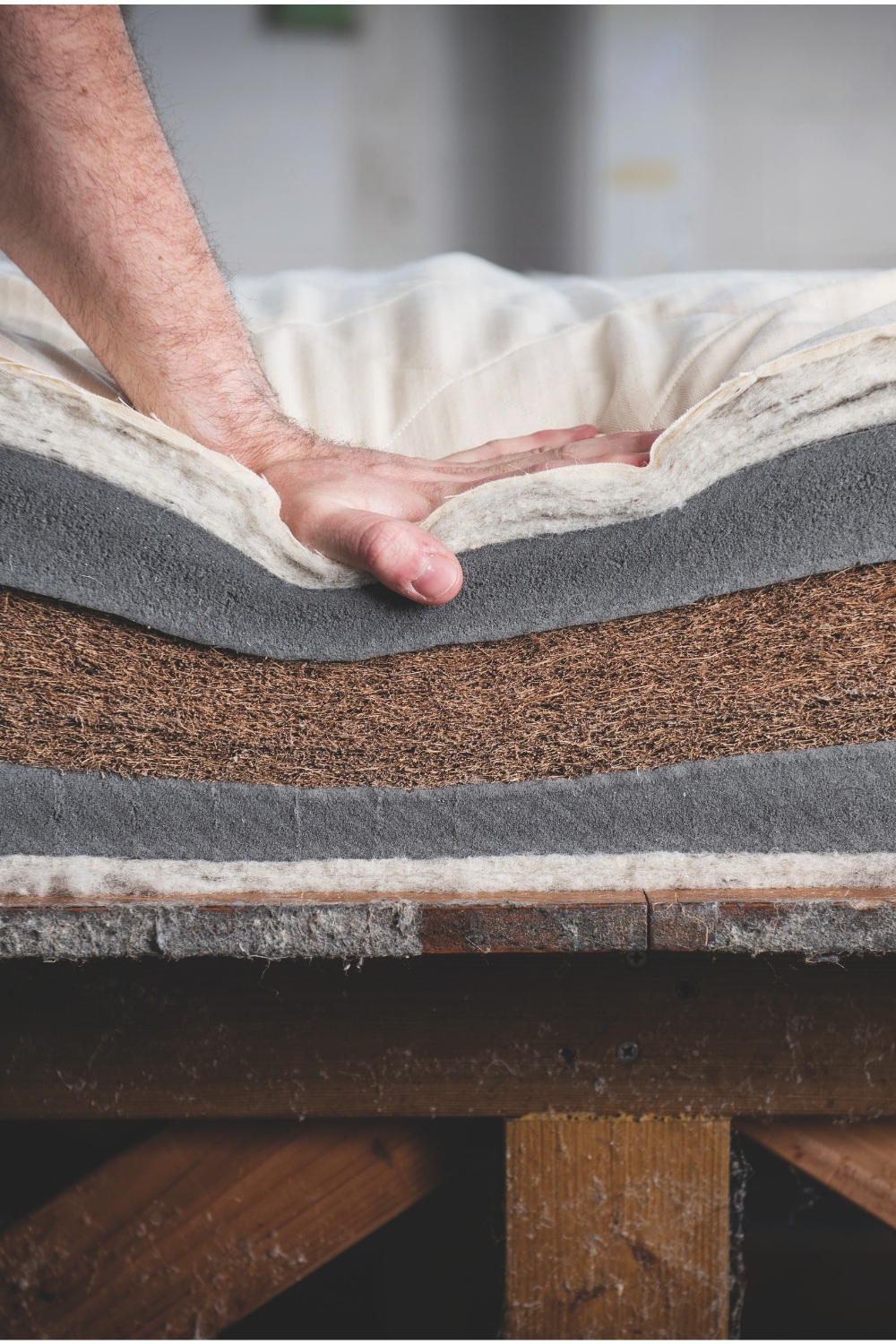
Mattresses are a huge component of the vast mountains of waste we produce, but Naturalmat is a pioneer here, offering a circular ‘Mattress for Life’ initiative to refurbish or recycle your mattress at the end of its decade.
Fabrics
In the field of textiles, Danish brand Kvadrat leads the pack by turning its own waste yarn into high-end acoustic felt and new fabrics. I also love Haines Collection, an initiative run by Jules Haines that allows consumers to buy textile remainders directly and at affordable prices, reducing waste at source.
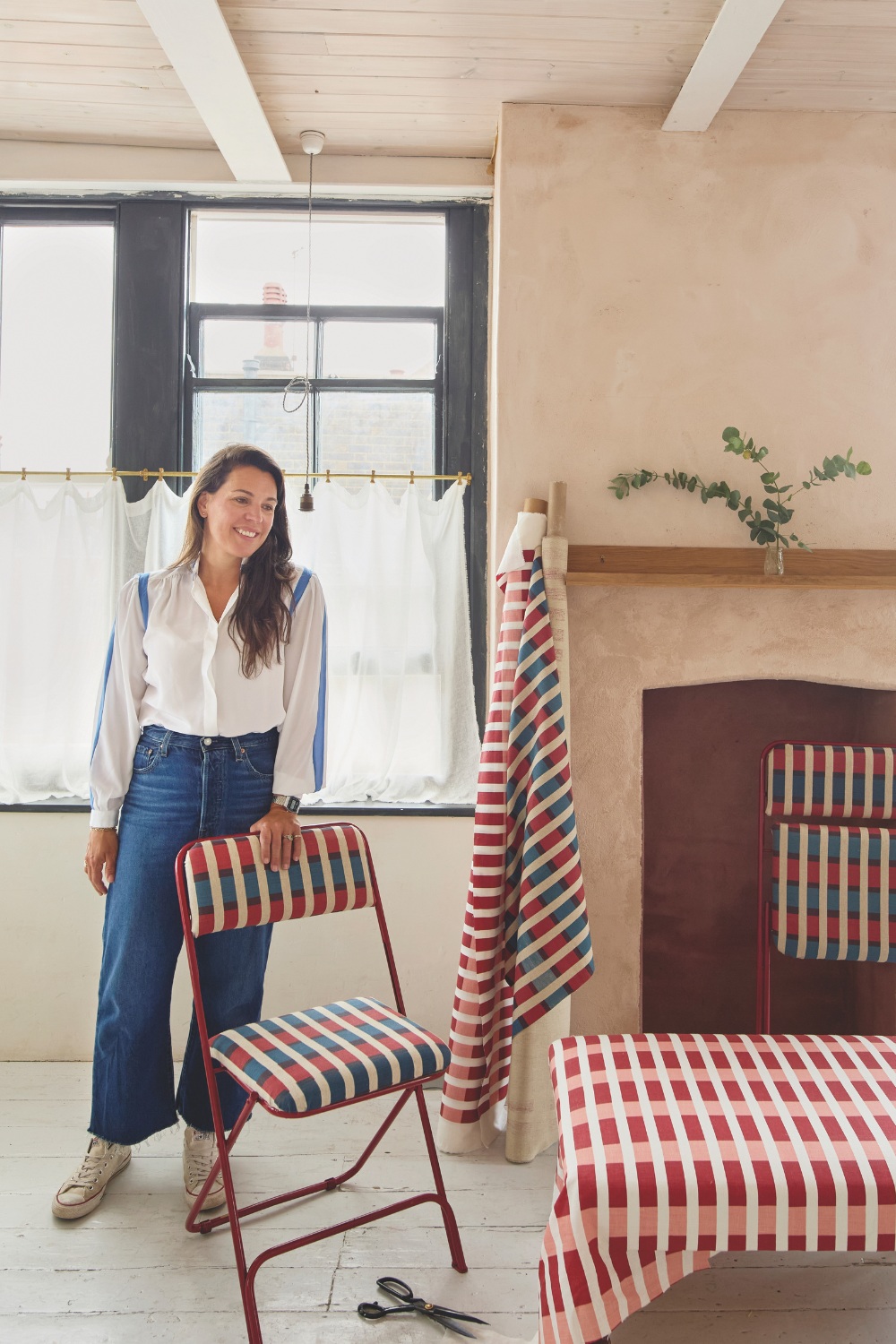
Jules Haines
Tech
Obsolete technology is another significant source of waste. Anglepoise and Dualit offer dedicated repair services, and Bang & Olufsen has moved toward a modular approach, where individual internal components can be upgraded as tech evolves, preventing entire systems from becoming obsolete in the first place.
The Non-Toxic Home
Chemicals in paint and furniture have the potential to be dangerous to our health and polluting to the environment, but fortunately there is a widespread move in the luxury interiors industry to cut them down.
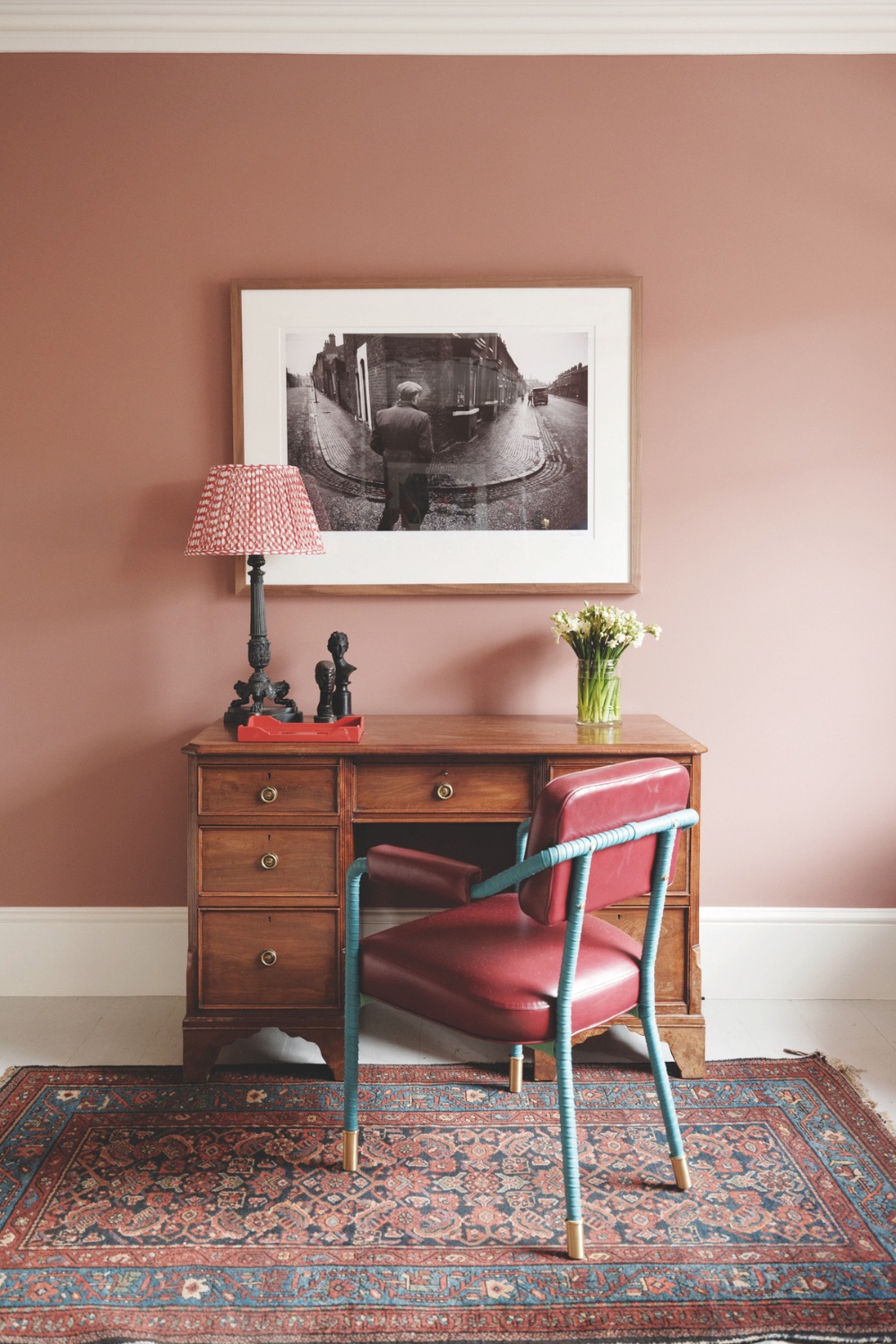
Edward Bulmer
Paint
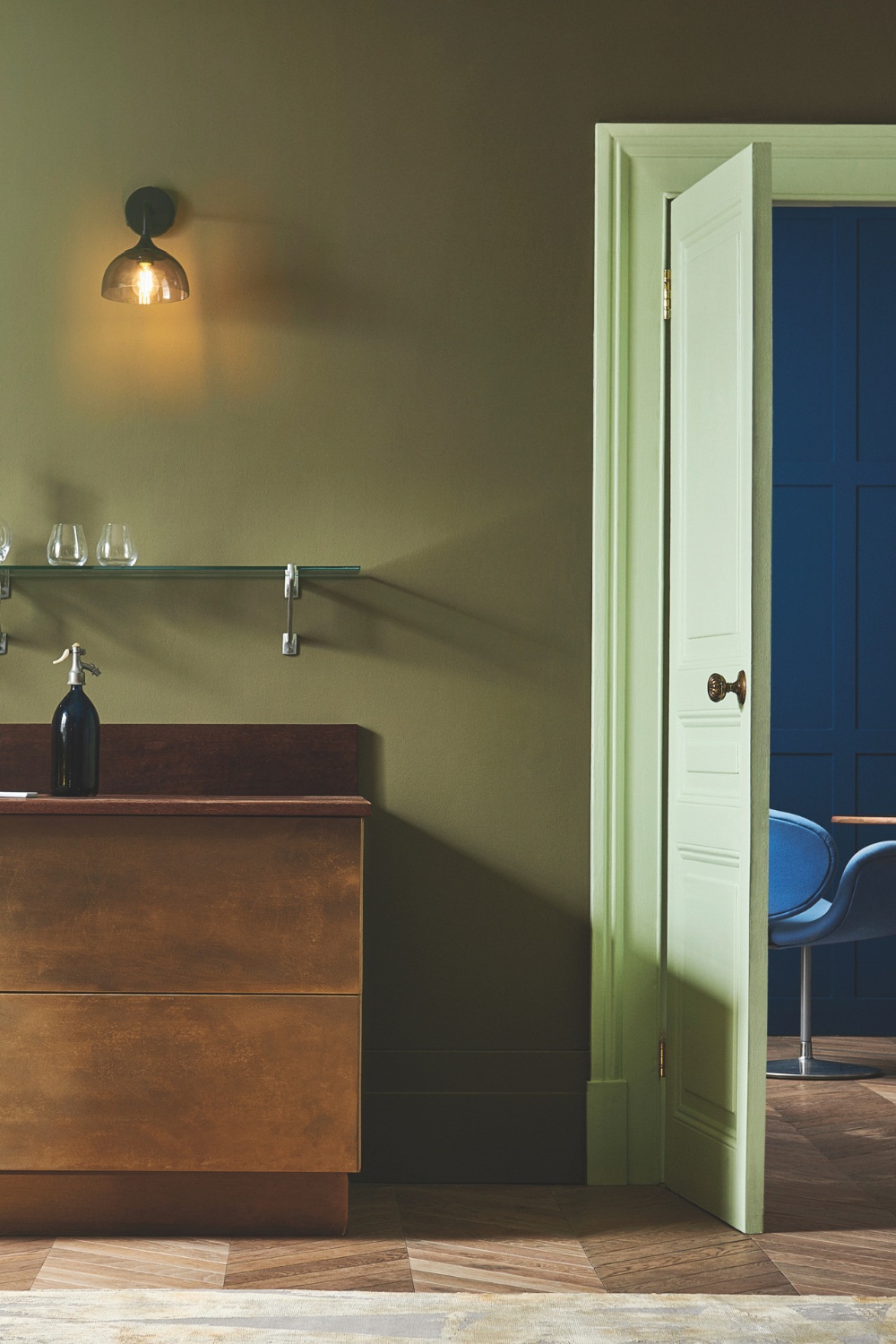
In the paint world, Coat (a B Corp brand) and Little Greene offer excellent eco-credentials, while Graphenstone stands out with its formulations, infusing lime-based paint with graphene to improve thermal regulation and actively absorb CO₂. For the most thoughtful, pure approach, Edward Bulmer Natural Paint remains the industry’s ethical north star, with Atelier Ellis providing another beautiful collection for those seeking natural pigments and low-VOC finishes.
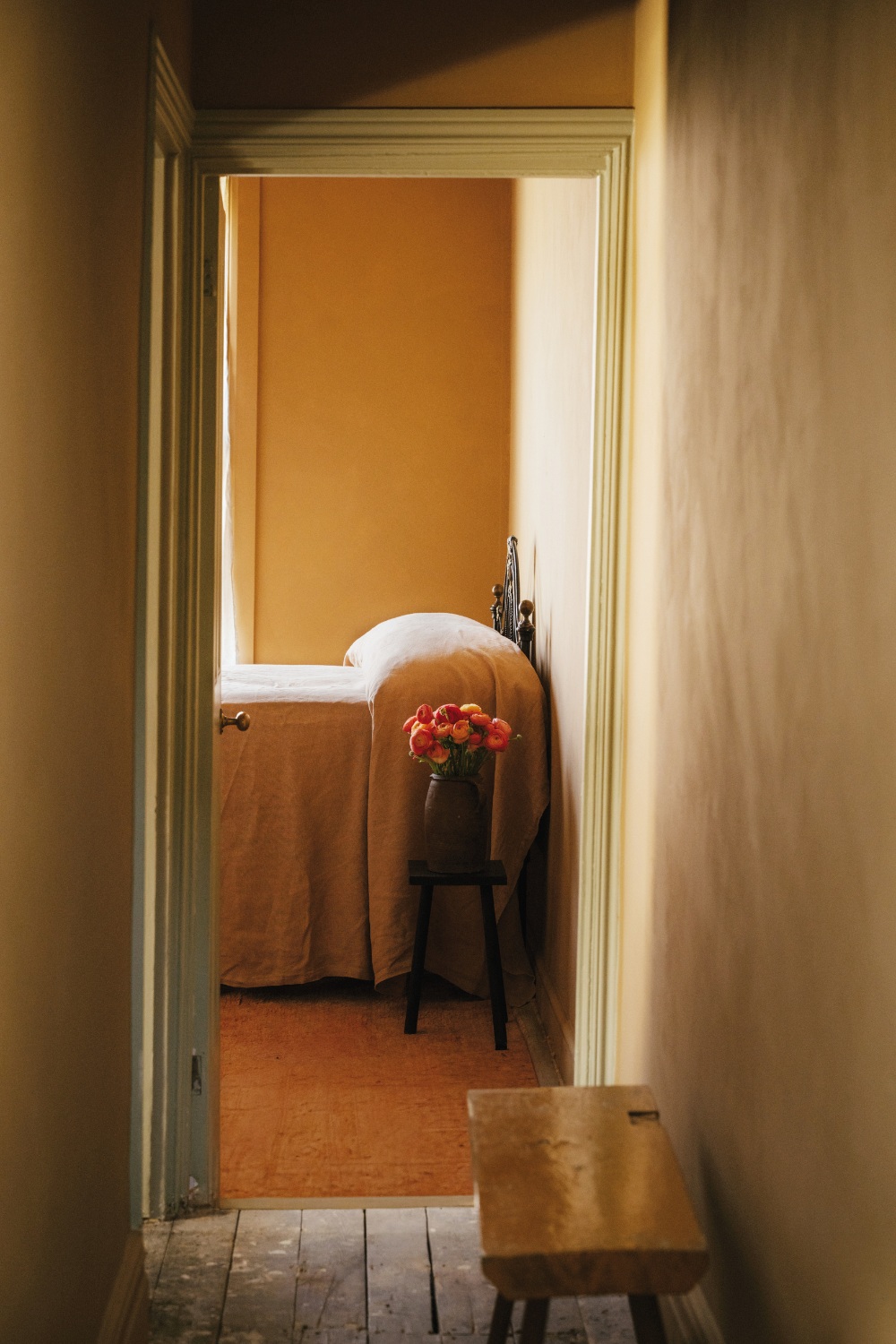
Atelier Ellis
Furniture
UK fire regulations have historically required heavy use of chemical retardants. From this spring, following a brilliant campaign by lawyer-turned-upholsterer Delyth Fetherston-Dilke, regulations should start to ease, allowing more brands to reduce the amount of chemicals in their upholstered pieces. Soane Britain was an early pioneer of chemical-free fillings; other names to know include Lorfords Contemporary (which offers fantastic bespoke furniture alongside a ready-to-buy collection) and Surrey-based newcomer Alexreyn. These pieces use natural interliners and solid hardwood frames, ensuring they can be stripped and reupholstered for decades to come
The Intelligent Kitchen & Bathroom
Kitchens and bathrooms are a major source of waste in the interiors industry, and it’s quite common to see relatively new cabinetry and sanitaryware being ripped out because it doesn’t match a new owner’s taste. How can you mitigate this in your own renovations?
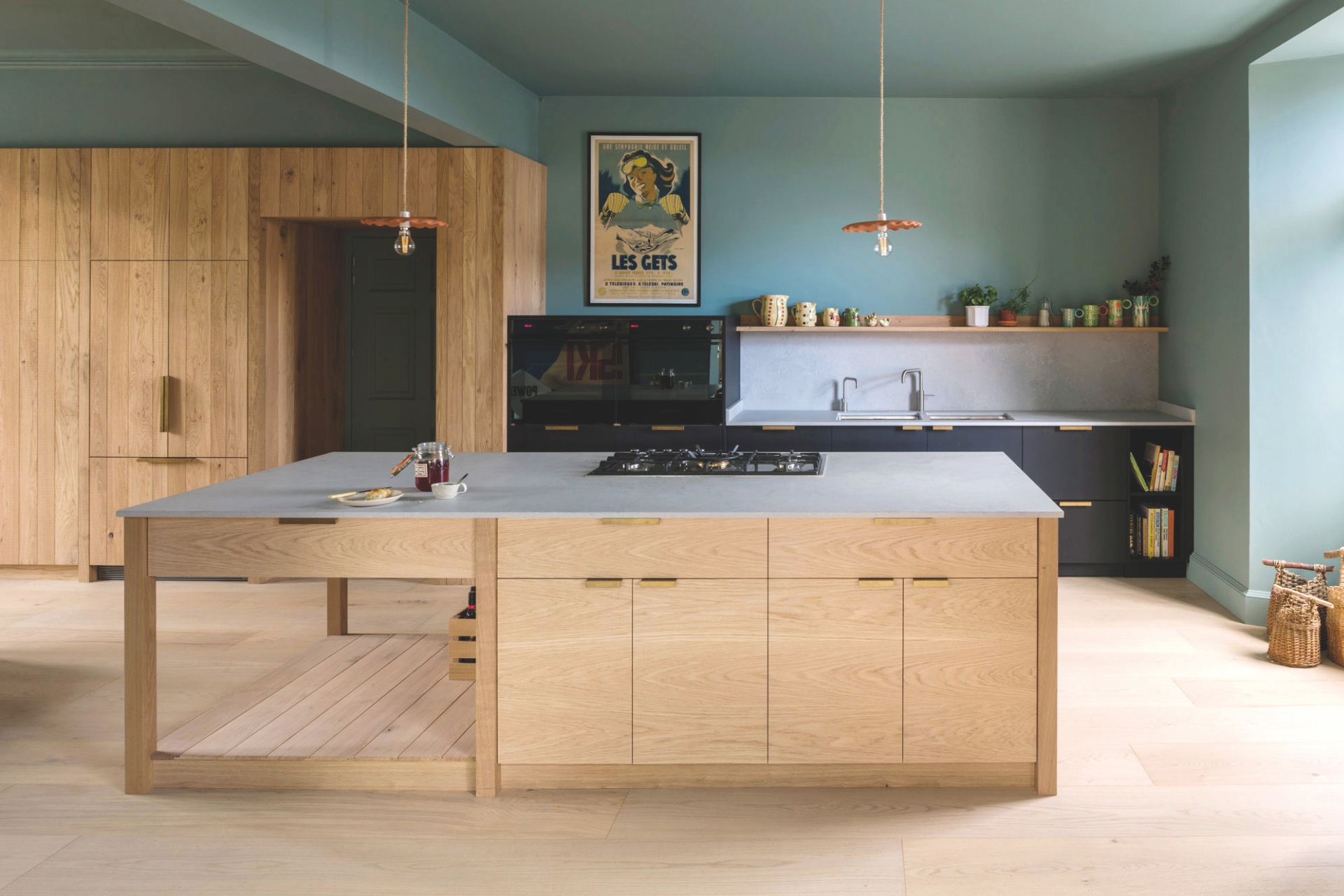
Inglis Hall
Kitchens
Freestanding furniture is one stylish way forward: antique dressers, dish racks and butcher blocks add character to a kitchen, and you can take them with you when you leave. Where you do want fixed cabinetry, go for solid timber construction with a hand-painted finish – it will be easier to touch up and eventually repaint and change colour. Alongside the big names such as Plain English, deVOL and Artichoke, favourites of mine are Herringbone House and Inglis Hall for their sustainably sourced timber joinery.
Bathrooms
In the world of bathrooms, choose forward-looking brands such as Laufen and Grohe for circular initiatives and water-saving products, while heritage companies like Thomas Crapper, Drummonds and Catchpole & Rye create reassuringly solid products that can easily be repaired and have components replaced, ensuring their longevity.
Re-Use & Reclaim
If one of the key principles of the sustainable interior is to avoid waste, then it makes sense to avoid buying new wherever possible. This is both a responsible decision and an aesthetically interesting one – incorporating pieces with patina and history into your rooms is the surefire way to make them feel layered.
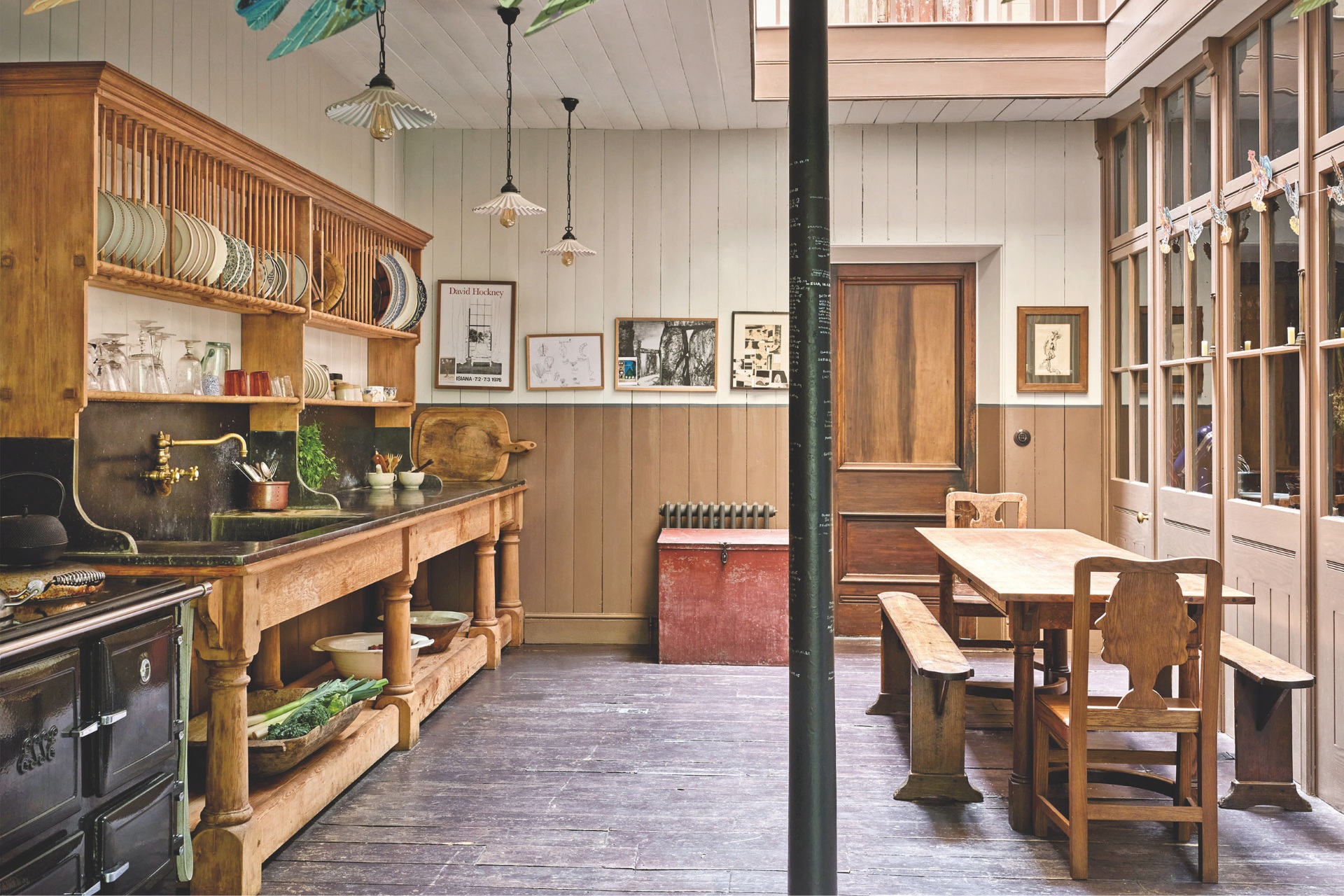
Berdoulat
Reclaimed
Find a designer who sympathises with your approach: Retrouvius and Berdoulat are the industry heavyweights when it comes to reclaimed materials. I also love Benedict Foley’s antique-centric interiors and Studio Faeger’s history-inflected spaces.
Salvaged
For adventurous souls who relish the thrill of the salvage treasure hunt, Lassco (in London and Oxfordshire) is a big name and an excellent starting point, while The Architectural Forum in Hertfordshire has a vast collection and is a great hunting ground for period doors and fire surrounds.
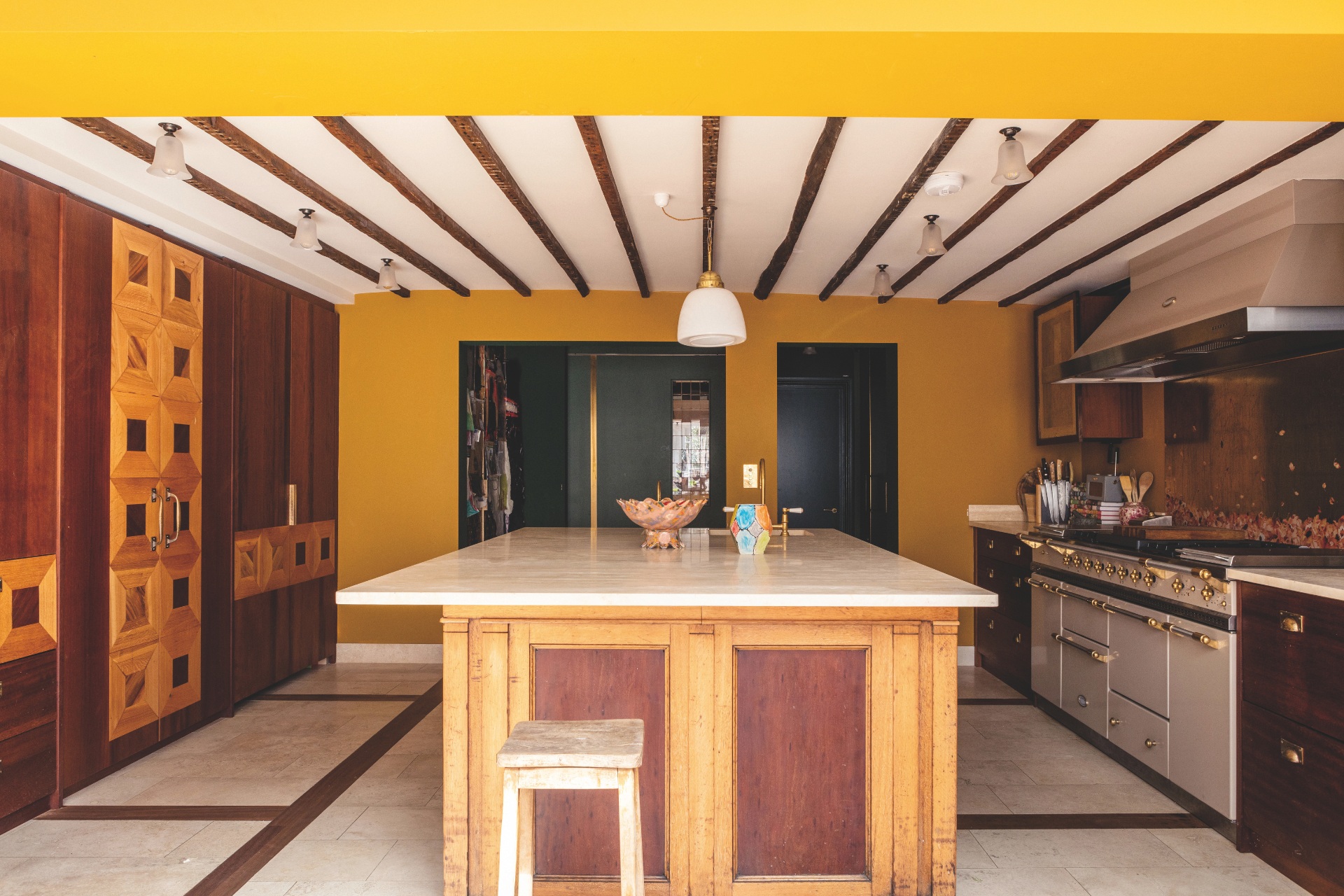
Retrouvius
Smart Materials
Even if they’re not actively toxic, the materials that go into our houses – whether that’s the hard surfaces of our floors and furniture, or the textiles and fillings in our beds and sofas – can vary widely in their environmental impact. Here are some clever choices to bookmark.
Fabrics & Fillings
For upholstered pieces, avoid ubiquitous polyurethane foams in favour of natural fibres like wool, hemp, or flax – low-impact favourites of luxury textile house de Le Cuona. For healthy, non-toxic fillings, look for natural latex, coconut coir, or wool.

de Le Cuona
Flooring
Sustainable flooring should be renewable or reclaimed. Cork and true linoleum (Sinclair Till are great for both) are biodegradable, antimicrobial, and warm underfoot. Authentic terrazzo from Diespeker & Co, Ethical Stone, or Otto Tiles transforms stone offcuts into bespoke, high-end surfaces. For rugs, circular fibres like Econyl (Ferreira de Sá have some brilliant examples) or recycled PET (Weaver Green is my go-to) offer soft and sumptuous surfaces underfoot.
Joinery
For furniture and joinery, opt for FSC 100 percent hardwoods or reclaimed timber to ensure beauty with a clean conscience. Fast-growing bamboo is another option for a sophisticated, low-carbon material.
Future-Proofing The House
There are myriad opportunities to make your home as resilient as possible in the face of energy supply fluctuations and climate change. Heat pumps, solar panels, even small-scale wind turbines (if you have the land) are options, but there are other innovations to look out for.
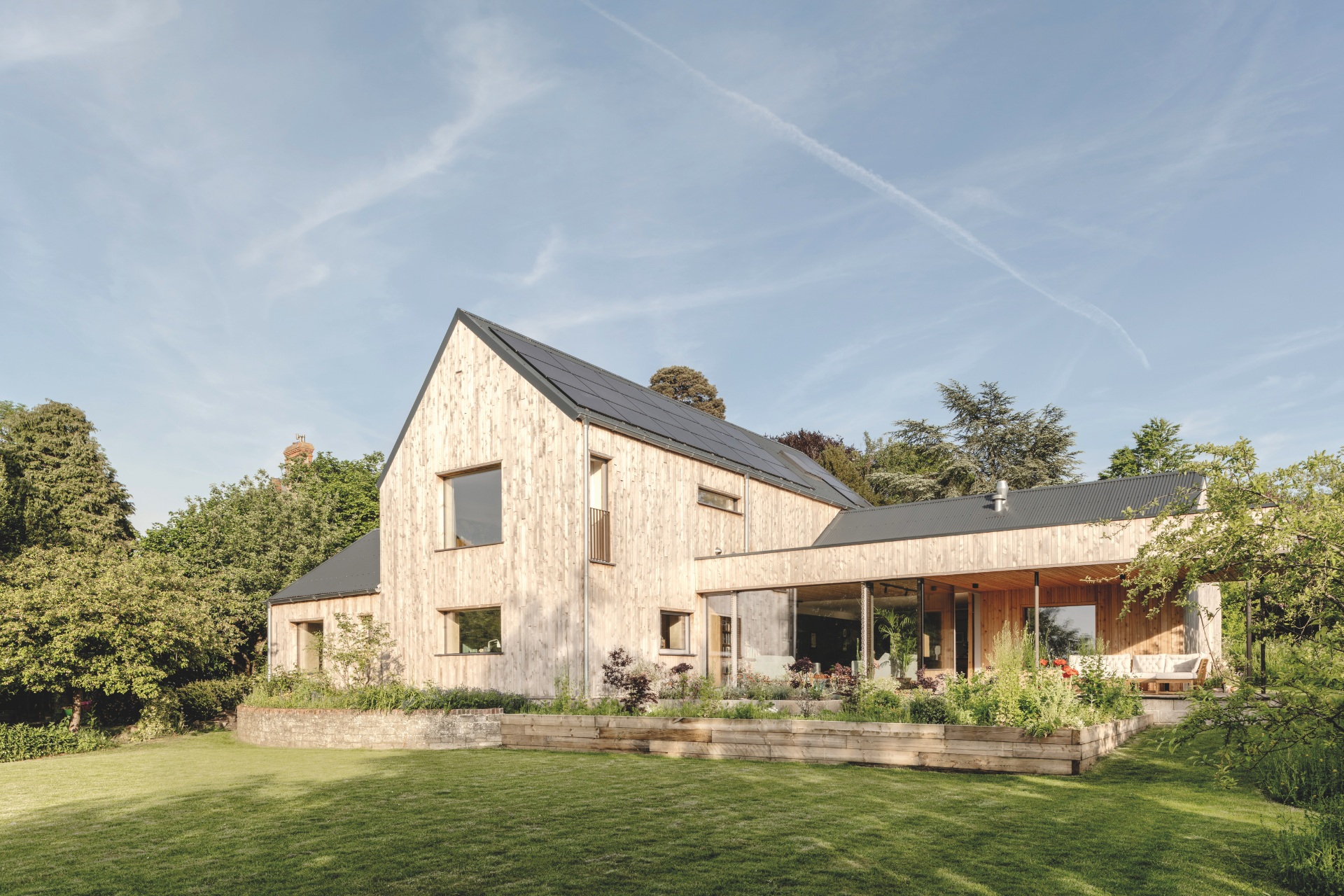
The Old Orchard by Gresford Architect
Heating & Cooling
The definitive foundation for modern heating and cooling is the air-source or ground-source heat pump. A heat pump doesn’t consume energy to create heat; instead, it efficiently moves existing warmth from the outside air or ground indoors. When run backwards during hot summers, it provides a highly efficient cooling system. Paired with solar panels or a green tariff, it allows a house to run on entirely clean power, drastically lowering carbon emissions and enabling otherwise energy-hungry heating and cooling systems to run as efficiently as possible.
Energy
As it becomes more and more important to have control over the energy we use, look to batteries like the Fox ESS MiniQube, which have recently been approved for domestic use, allowing households to charge up with energy during off-peak hours and release it at more expensive times. Smart systems like the Tesla Powerwall or EcoFlow PowerInsight now use AI to pre-load your home with cheap, clean energy in anticipation of price spikes.
Insulation
Ways of upgrading the fabric of your house to minimise energy loss are getting cleverer all the time. Fineo vacuum glazing is one stand-out, offering the thermal efficiency of a brick wall while being thin enough to fit into original sash windows.