


The Range Rover Electric Is Finally Here: The Car You Know & Love Just Minus The Combustion Engine
By
2 months ago
Take a look inside the new Range Rover Electric
I was six years old when the original Range Rover was launched. At seven, I had one of my very own – a Corgi Whizzwheels police version, complete with orange side stripes, enormous blue roof light, stand-up copper and a selection of emergency signs and traffic cones stowed in the boot. One of the things I particularly loved about it was its squashy suspension, which caused it to wallow like a boat when pushed around a corner.
It wasn’t until 20 years later when I bought my first actual Range Rover (1975, white, two-door, £500) that I realised how perfectly Corgi had managed to replicate the real car’s handling. But my Corgi one was let down by its lack of opening bonnet, meaning it wasn’t possible to see the mighty powerplant that enabled proper Rangies to emit a distinctive burble from their twin tailpipes: the legendary 3.5 litre Rover V8 engine. With its gentle power, impressive reliability and a famous thirst for fuel, it remained the only option until the first diesel models arrived in 1986 – and, to ‘classic’ Rangie fans, it still is the only option.
But the car of today is leagues ahead of the one launched 56 years ago that was swiftly embraced by everyone from our late, lamented Queen to irascible Cream drummer Ginger Baker (drove a ‘Bahama Gold one to Africa in 1971) and gung-ho adventurer Colonel John Blashford Snell (took a couple through the Darien Gap same year). No, the Range Rover has morphed from being an off-roader a few steps up from an old Land Rover in terms of comfort, speed and having a working heater, to a vehicle that inhabits the ‘premium luxury’ bracket and shows a thing or two to Rolls-Royce in the sophistication stakes.
Something else I remember about all four of the ‘classic’ Rangies I owned was the level of wind noise that seeped into the cabins as a result of their un-aerodynamic, brick-like bodywork. In contrast, the latest generation offers an oasis of calm, quiet luxury that was taken to an even higher level in April when the wraps came off the ‘SV Ultra’ model, billed as ‘the most luxurious and technologically advanced Range Rover ever’. It comes complete with an electrostatic sound system featuring ‘Body and Soul’ seats and the world’s first automotive ‘sensory floor’ that turns the car’s cabin into ‘an immersive, full-body audio sanctuary’.
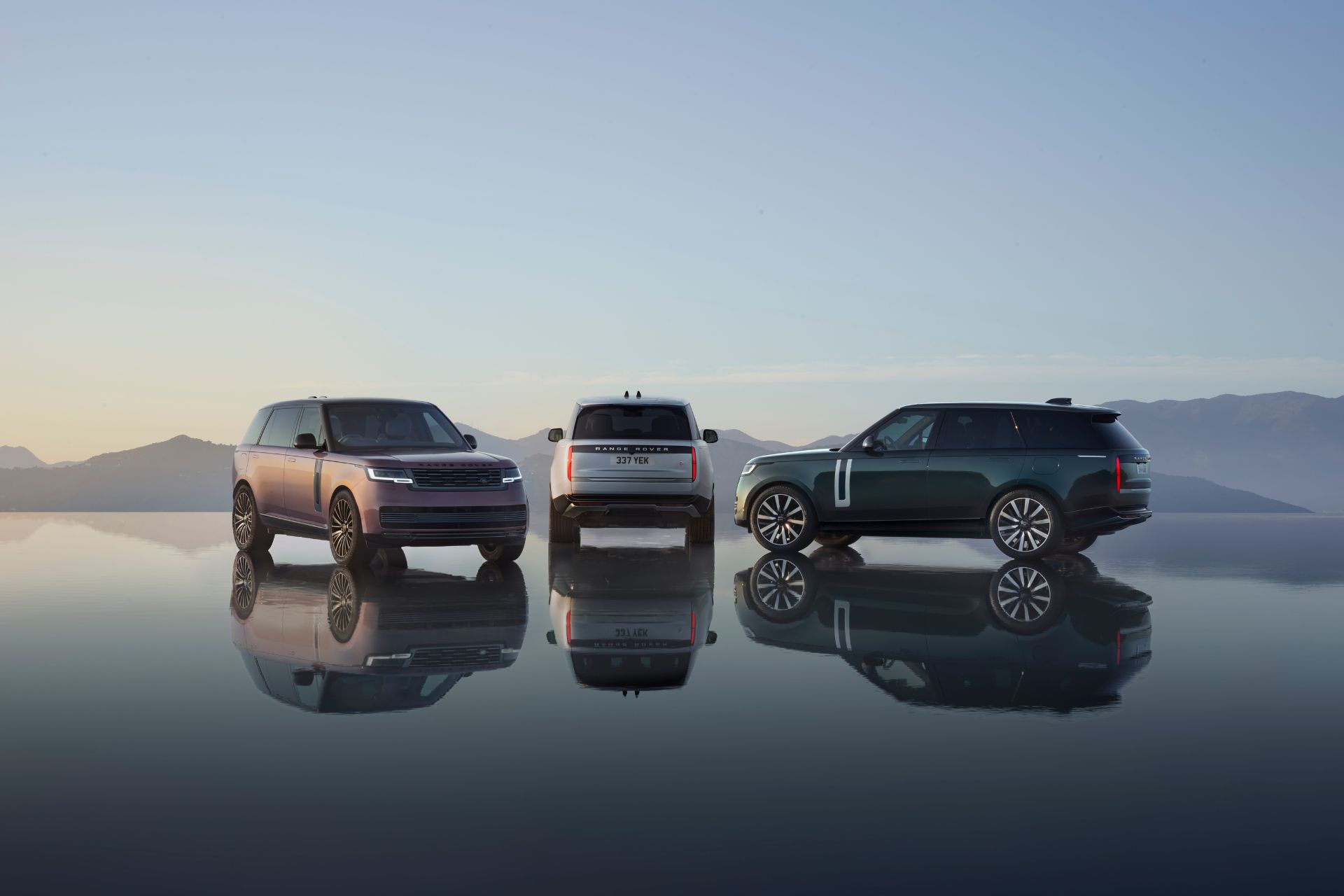
But when it comes to ‘quiet’, no combustion-engined Ultra can compete with the latest Range Rover evolution because, almost three years after it was announced (and more than two years later than promised) the first fully electric version is finally here. There’s no burbling exhaust voice with this one, and no Earth-choking fumes, either.
Instead, the four wheels of the Range Rover EV550 are powered by a brace of 260 kilowatt motors that give it the equivalent of 550 horsepower – the same as a V8-engined version, but without the non eco pay-off.
One of the reasons it took the good folk at Solihull time to get the electric model right is that existing owners said they wanted the same Range Rover, just without a combustion engine. But the complexities of creating the EV platform and drive train around a car that could still wade through 900mm of water, make light work of a 45-degree slope (up or down), and operate anywhere from the minus 40 degree cold of the Swedish Arctic to the plus-50 degree heat of the desert, demanded a bit more than a simple swap.
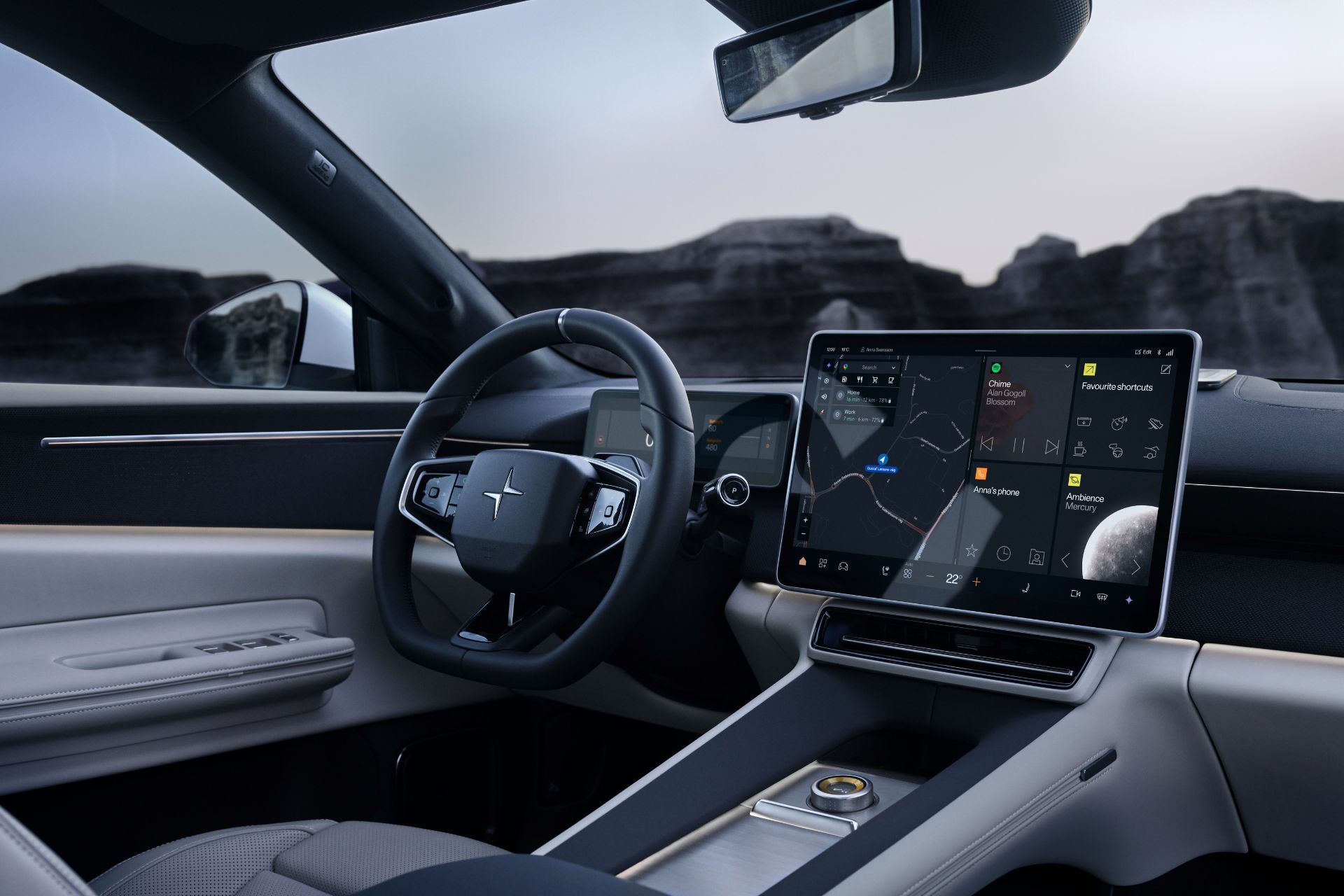
The result is that the EV550 stands to be granted no fewer than 300 patents, for everything from its ‘ThermAssist’ heat management system to the in-house design of its home-grown motors and 344-cell battery pack. And the finished article promises performance that lovers of combustion engined Rangies might find difficult to bear: the electric one accelerates just as quickly as the ‘hottest’ ICE model (standstill to 60mph in 4.3 seconds); has more torque, or ‘pulling power’ (850 Nm compared with the diesel V8’s still impressive 700) and recovers grip a remarkable 100 times faster.
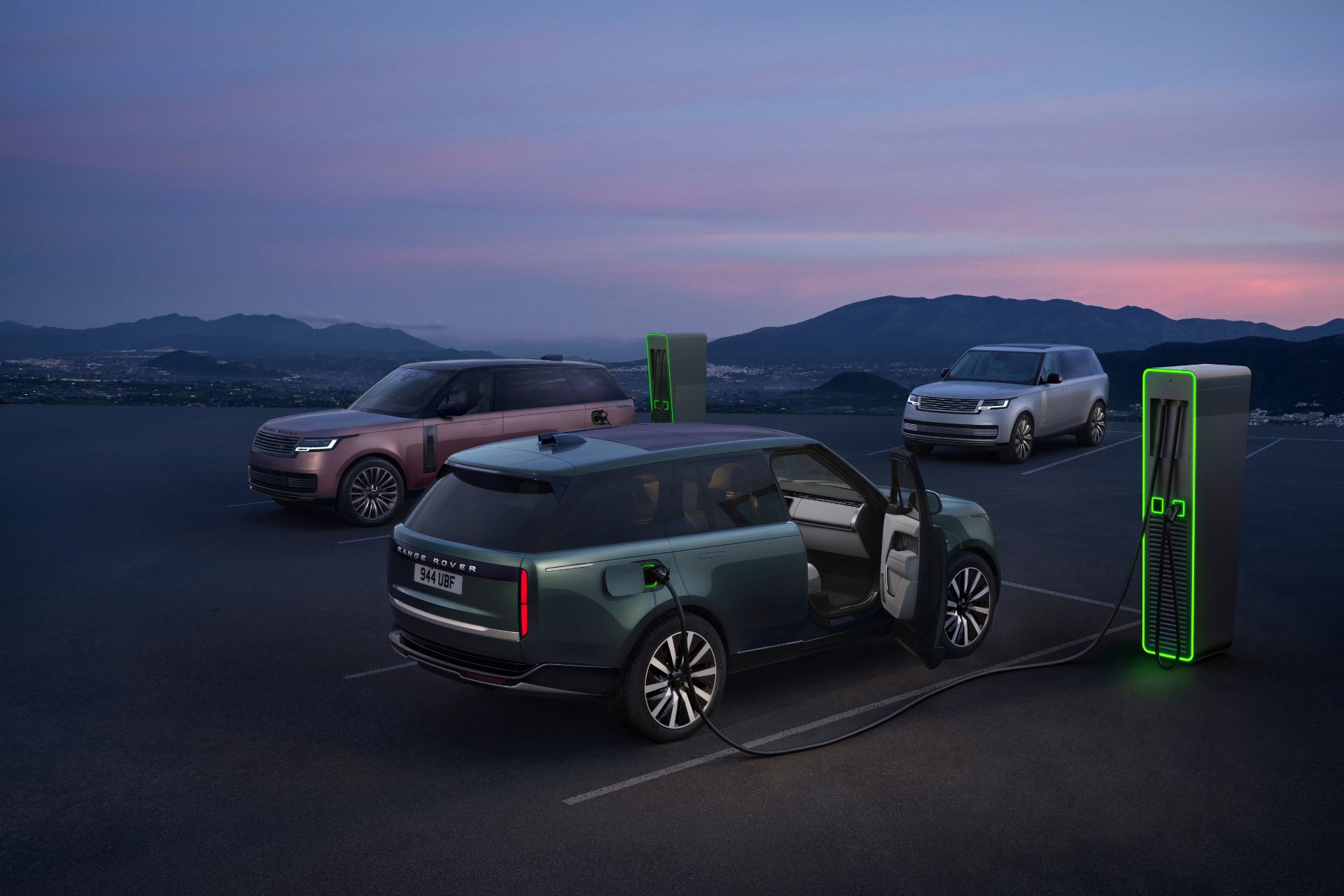
They are all encouraging numbers – but what most potential buyers will want to know is how far an EV550 will go on a charge (really), and how long they will need to stand around with it plugged-in.
According to the official figures, the range will be ‘up to’ 372 miles (a figure qualified by a ‘real world’ estimate of 333), while hooking-up to a public rapid charger should replenish the batteries from 10 percent to 80 percent in just 22 mins, with a 10-minute blast providing enough juice for 137 miles. When the original Range Rover was launched in 1970, it cost just short of £2,000, the equivalent today of around £40,000 – so Rangies have always been expensive.
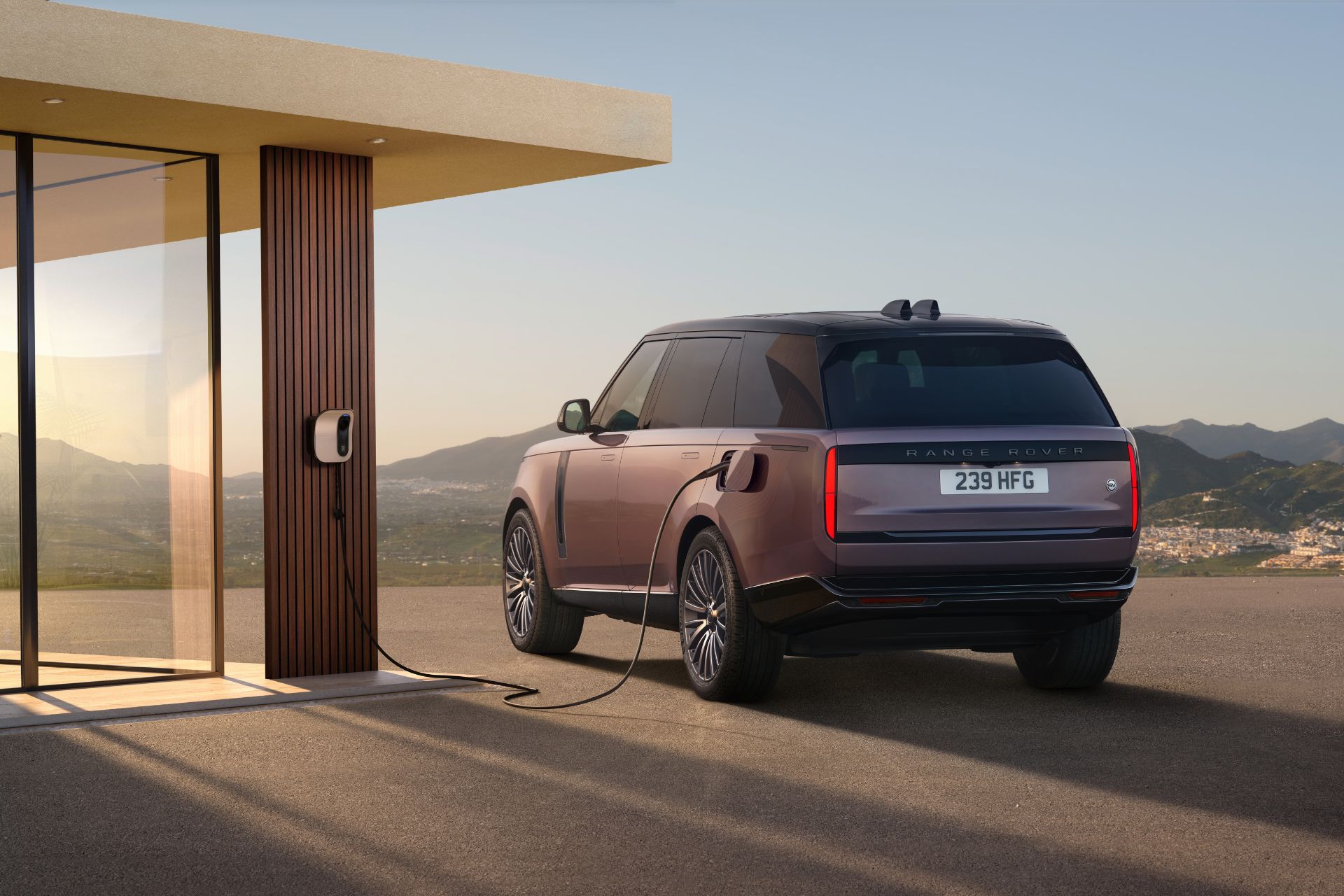
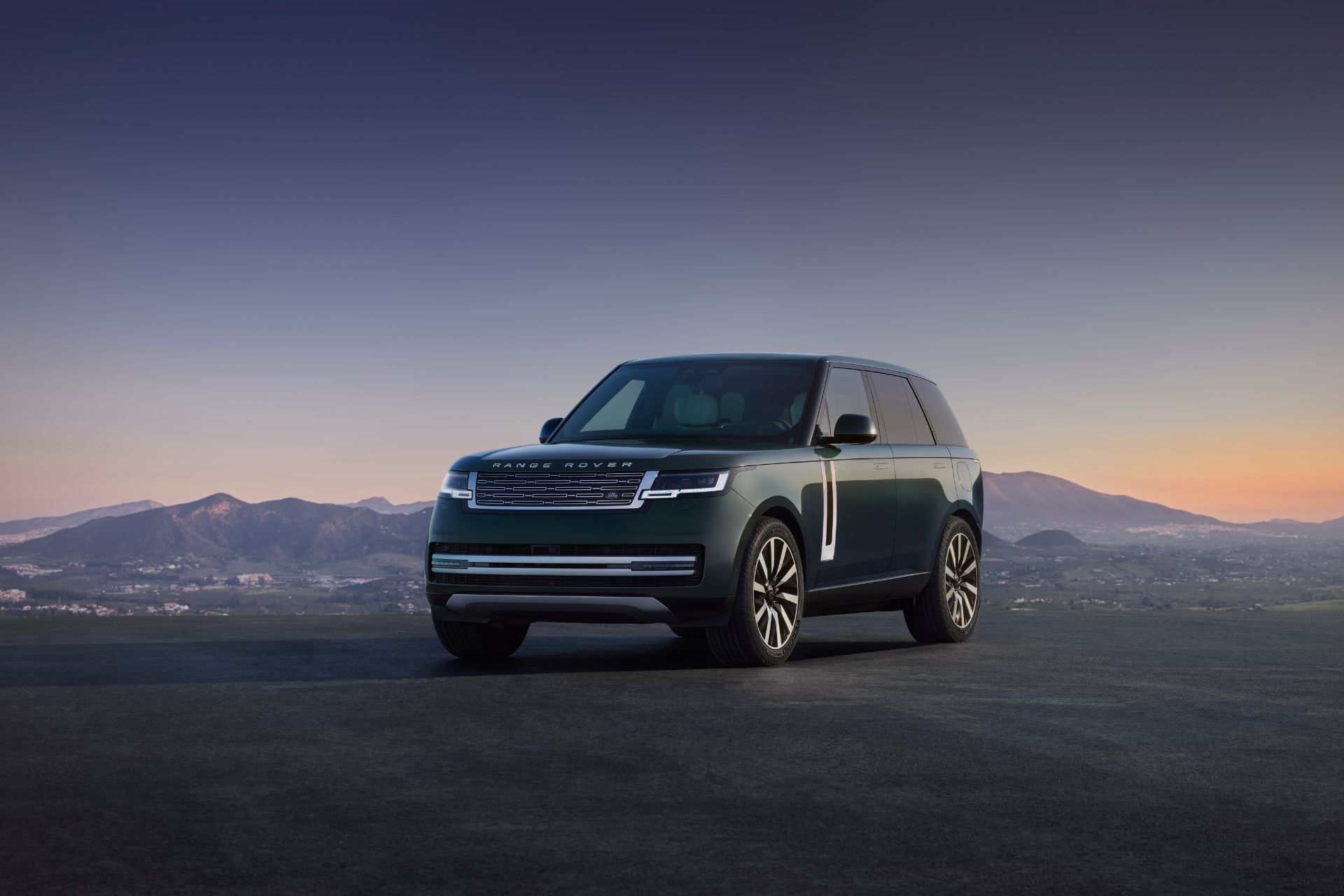
But an electric ‘first edition’ in Belgravia Green with an interior trimmed in the new ‘Light Cloud Ultrafabric’ will set you back £154,070, with prices rising to £225,240 for the SV Black long wheelbase; the SV Ultra long wheelbase is strictly ‘POA’. But think how much you’ll earn in eco points. And save on petrol.
Another new, electric Range Rover is due out next year will be called ‘GT’ and offer a sportier ‘grand touring’ take on the luxury SUV theme through a high-tech platform designed to enable the car to be built in hybrid form further down the line. Smaller than the Range Rover or Range Rover Sport, it will feature an interior in which everything is noticeably scaled-down, even compared with the existing ‘baby’ Range Rover, the Evoque.
In the GT, modernity and purity are to the fore, with state-of-the-art tech in the form of a single screen which replaces a traditional instrument cluster, while the dashboard is wrapped in a woven textile that’s part of an aesthetic which the manufacturer says is designed to ‘create a sanctuary of calm.’ Even while doing the school run….
To learn more about the electric Range Rover EV550 and how to order, see rangerover.com