


A Journey Through Jordan: The C&TH Guide
By
1 hour ago
Lauren Ho explores a country where ancient civilisations, biblical history and modern life intersect in surprising ways
The Jordan River is far smaller than I had imagined. A ribbon of olive green water edged by reeds that rustle gently in the breeze, it threads its way between Jordan and the West Bank, narrowing here to little more than a few metres wide. On this side is Bethany Beyond the Jordan (Al-Maghtas), the UNESCO-listed site traditionally recognised as the place where Jesus was baptised by John the Baptist. Here, pilgrims gather in quiet reflection or to perform baptism rituals, while just across the water, Israeli flags flutter in the midday sun. It feels surprisingly peaceful, yet few places make you so aware of the fragile divide between peace and conflict.
Jordan has always held a vivid place in my imagination. A country no bigger than Portugal, it sits at the meeting point of Saudi Arabia, Iraq, Syria, Israel and the occupied Palestinian territories, in a strategic position that has placed it at the crossroads of trade, faith and history for centuries. Civilisations have travelled through its deserts for millennia, prophets are said to have walked its hills, empires have risen and fallen across its landscape, and yet today it is also home to Amman, one of the Middle East’s most relaxed and cosmopolitan capitals. It is this convergence of geography, history and everyday life that makes Jordan unlike anywhere else.
Credit: Hongbin
Leaving the Jordan Valley behind, we climbed steadily back into the hills, the road twisting through a landscape of olive groves, scrubby hillsides and scattered stone villages. Before long we reached Mount Nebo, perched more than 800 metres above sea level and believed to be where Moses first looked across to the Promised Land before his death. On a clear day, the panorama stretches across the Jordan Valley towards Jericho, Jerusalem and the Dead Sea, but whether or not you are here for the biblical significance, it is difficult not to pause for a moment at the sheer scale of the landscape unfolding below.
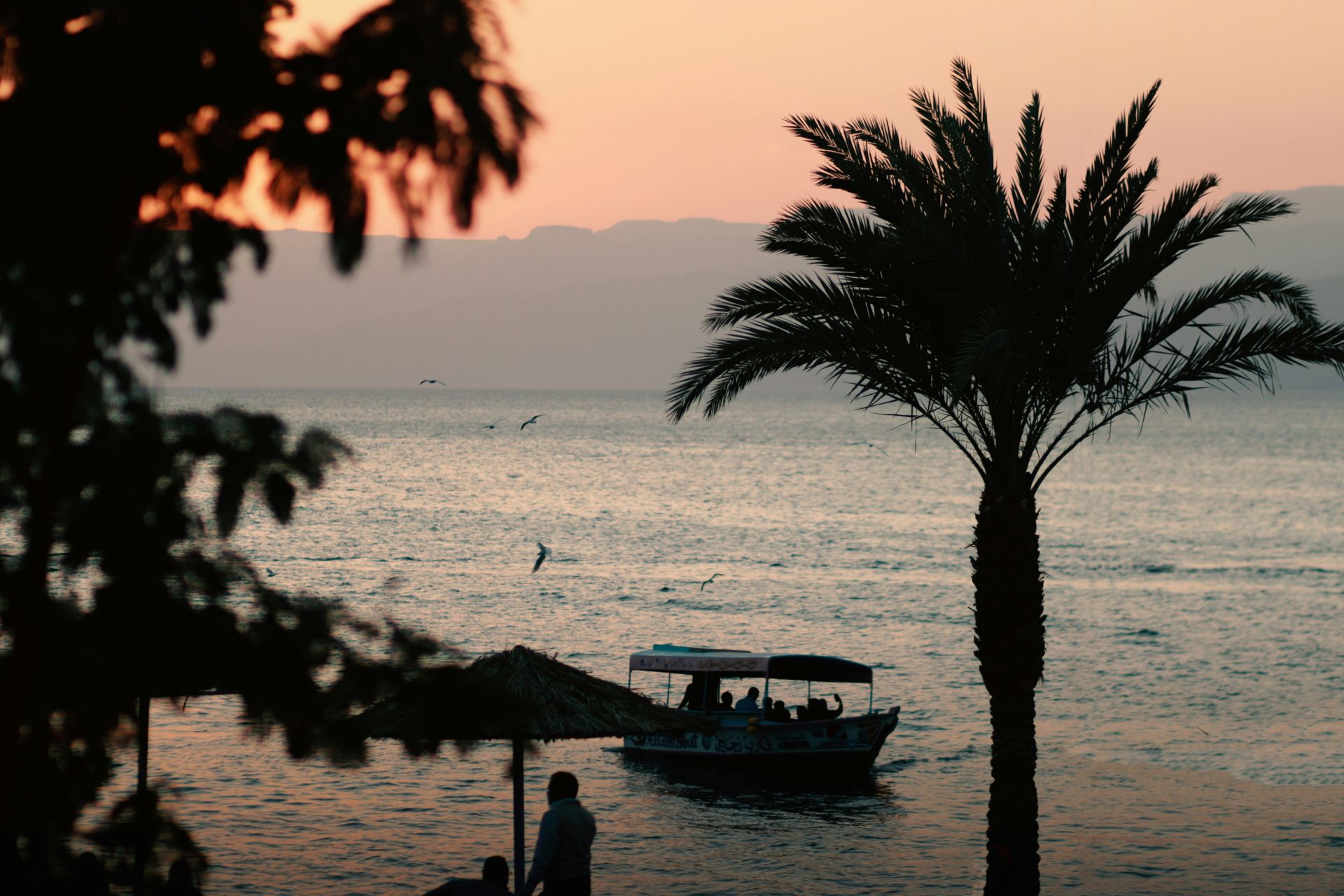
From Mount Nebo, the road begins its long descent towards the Dead Sea. The air grows warmer and heavier as the hills gradually flatten and the water appears in flashes of deep blue between the rocky slopes. At more than 430 metres below sea level, it is the lowest point on earth, and floating in its famously dense waters feels as peculiar as everyone says it does. With a salt concentration almost ten times that of the ocean, it is surprisingly difficult to settle comfortably on the surface as your body constantly shifts out of position. The water stings any cuts you didn’t know you had, while even the smallest splash in your eyes is enough to remind you just how salty it really is. Wallowing in the slick, mineral-heavy water alongside other tourists, looking across the water towards the opposite shore, you are once again reminded just how close Jordan sits to the headlines.
Credit: Mohammad Naser
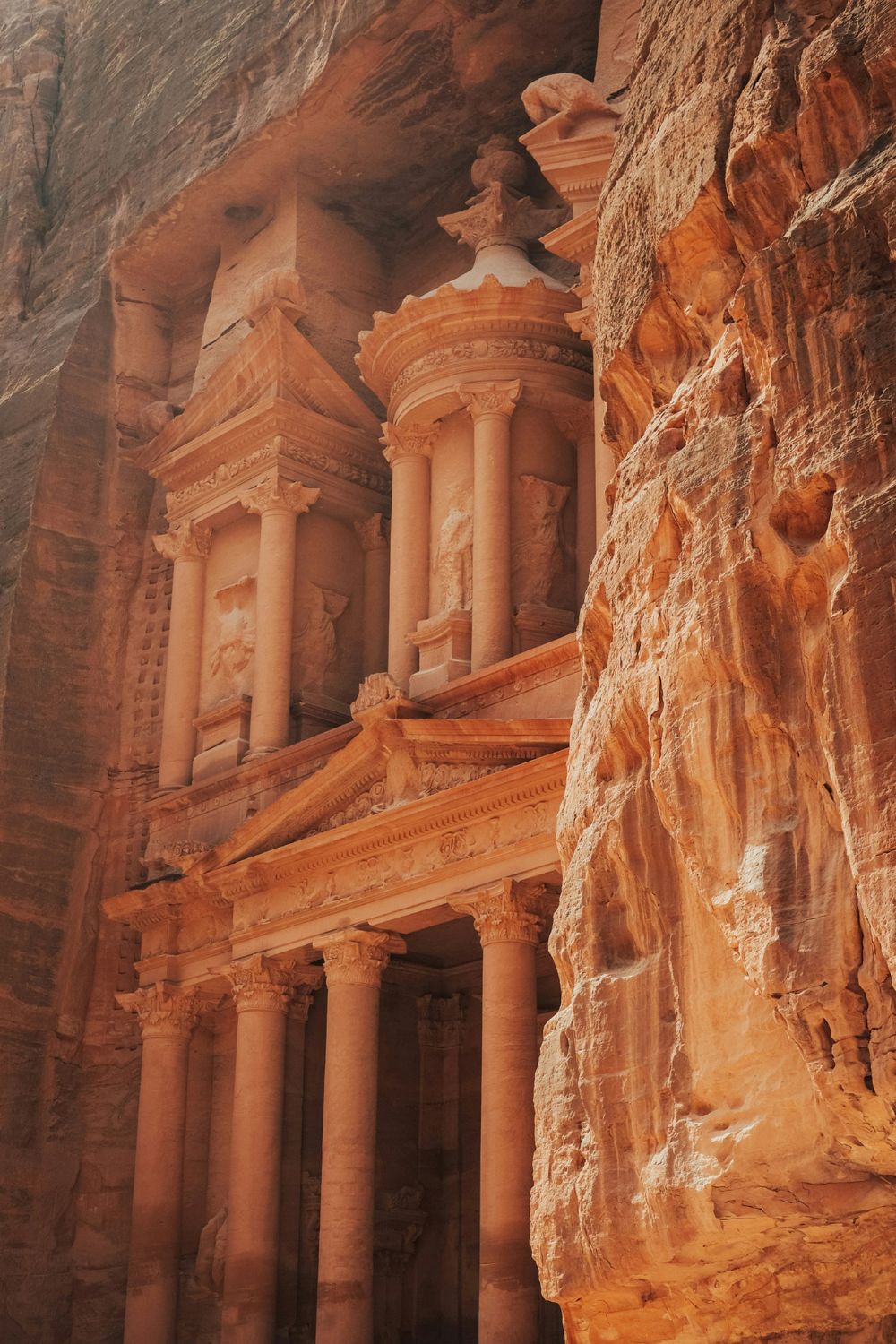
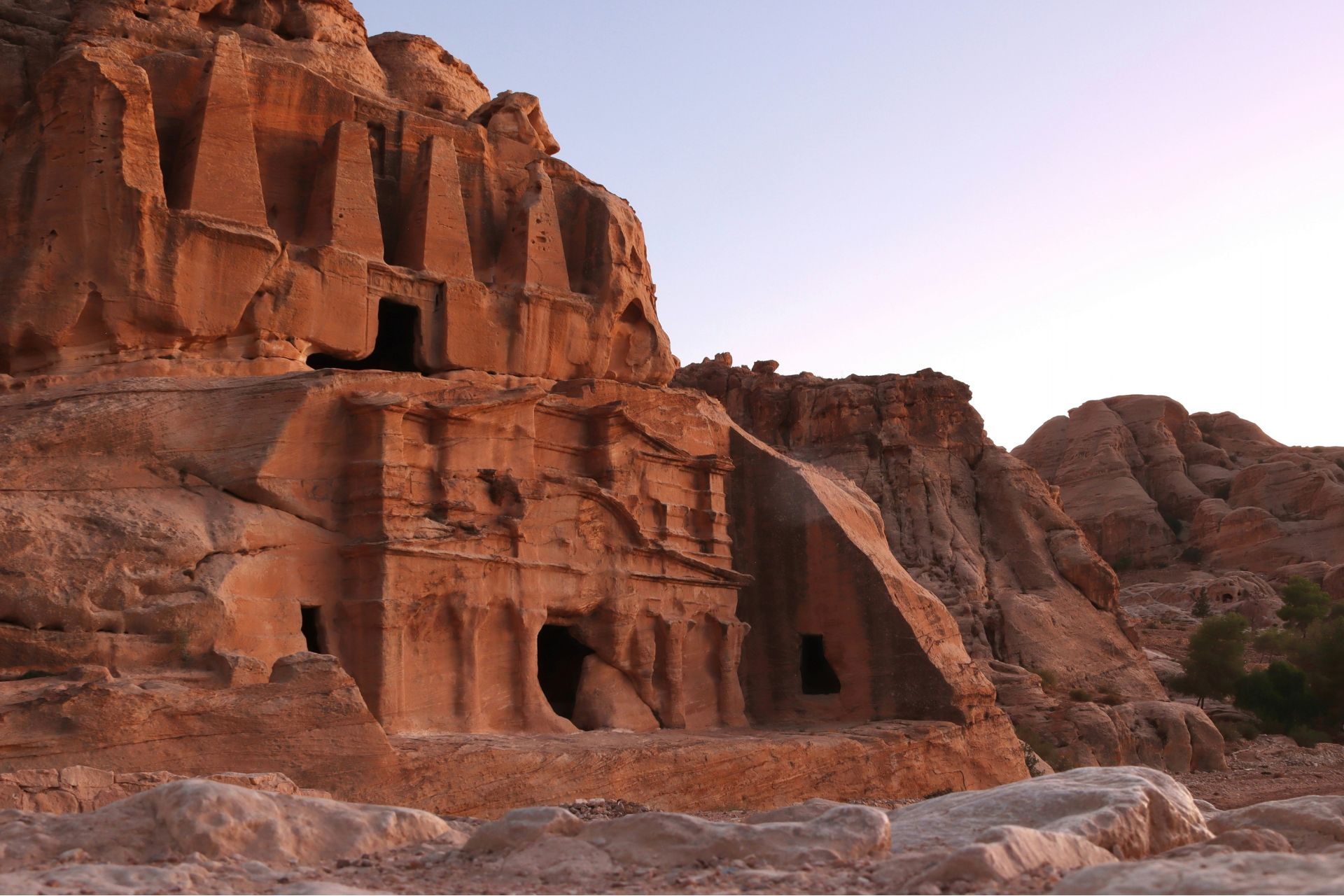
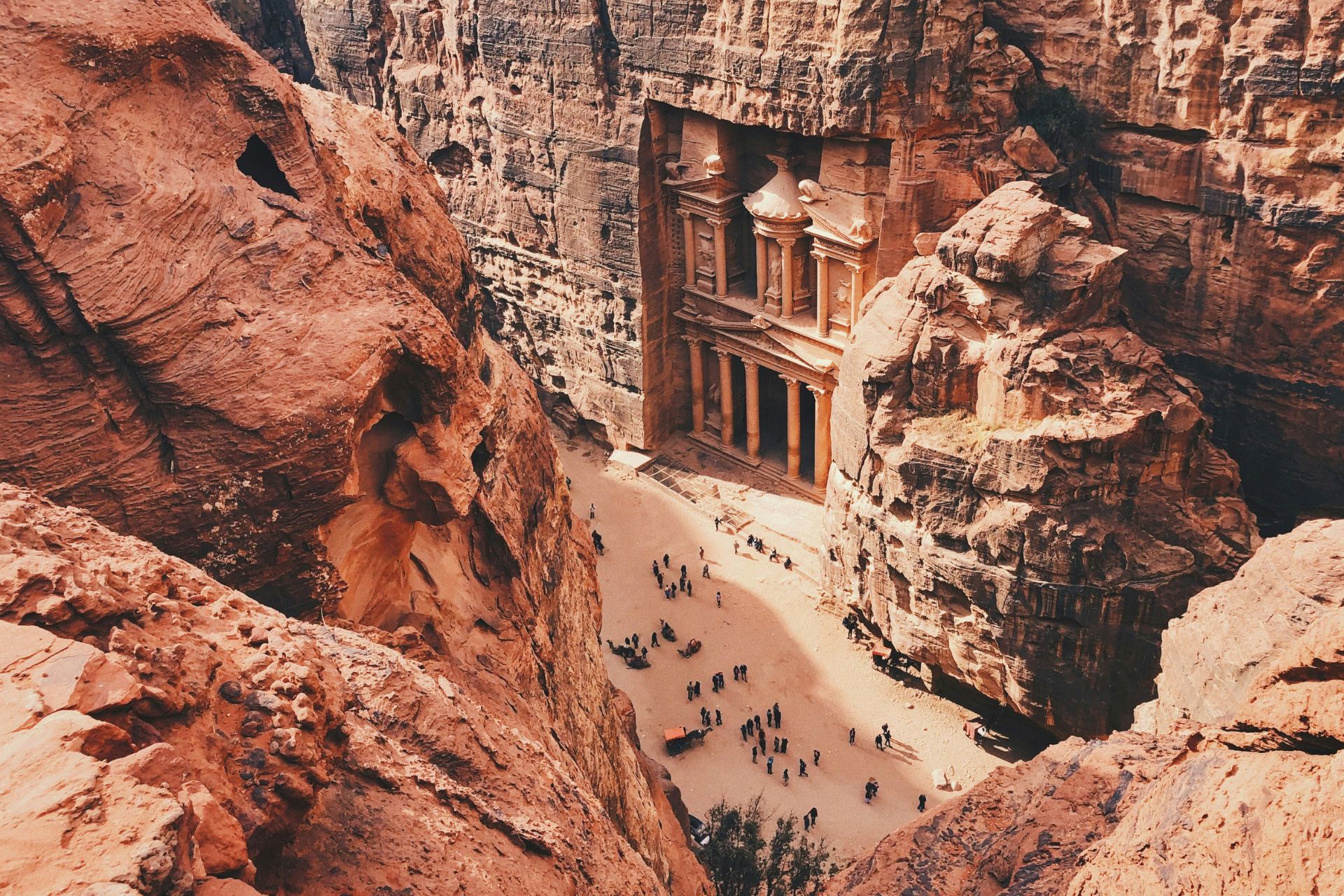
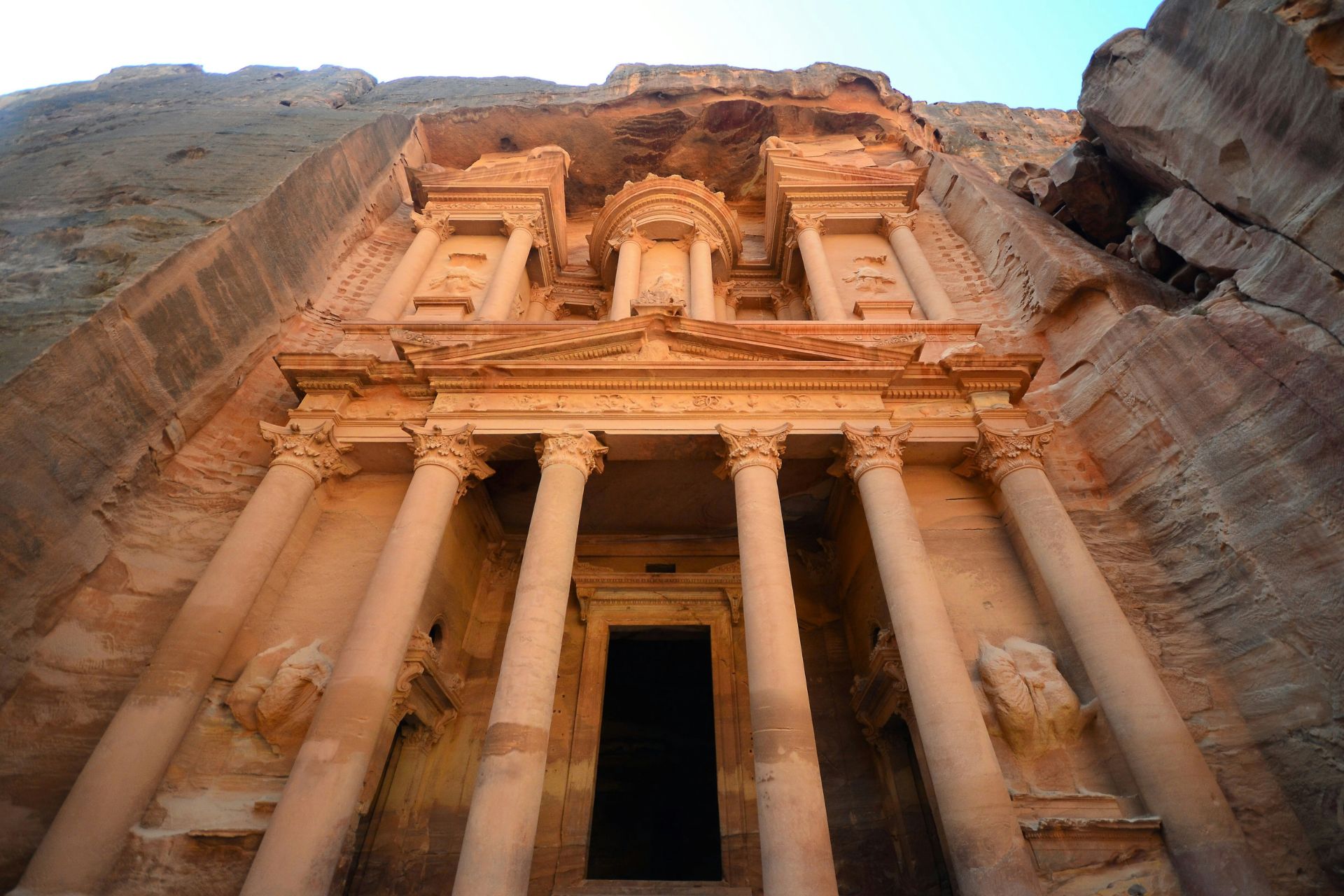
Further south, the landscape gradually empties as the road cuts through ochre desert towards Petra. Once the thriving capital of the Nabataean Kingdom, the city flourished by controlling the lucrative incense and spice routes that linked southern Arabia with the Mediterranean. Those same trade routes stretched south into what is now north-west Saudi Arabia, where the Nabataeans developed Hegra in AlUla, one of their most important trading cities and now Saudi Arabia’s first UNESCO World Heritage Site. Living in AlUla and having spent the past couple of years regularly exploring Hegra, Petra felt like finally seeing the other half of the story. Its monumental façades, sophisticated engineering and instinctive understanding of life in the desert all unmistakably belong to the same civilisation that transformed trade across the region more than 2,000 years ago.
In 2023, Petra welcomed close to 1 million visitors, easily making it Jordan’s most visited attraction, though numbers have declined significantly since conflict returned to the wider region. During my visit, what was most striking was the lack of crowds. Walking through the narrow sandstone walls of the Siq as the Treasury slowly revealed itself was every bit as magical as I’d imagined.
Credit: Alex Vasey
Experiencing one of the world’s great archaeological sites without crowds was undeniably special, yet that privilege came with some sadness. Hotels, guides, cafés and countless local businesses all depend on tourism, making the quietness impossible to ignore. Jordan felt calm, welcoming and entirely normal throughout my journey, but the perception of instability across the wider region had clearly reached even its most iconic destination.
From Petra, the road continues south into Wadi Rum, where the scenery changes once again. Granite mountains erupt from vast plains of rust-red sand, their weathered faces glowing copper and crimson as the afternoon light begins to soften. It is little surprise the landscape has doubled for another world in countless films, including Ridley Scott’s The Martian (2015) and Denis Villeneuve’s Dune trilogy. Visitors can spend days here hiking, climbing, camel trekking or sleeping beneath the stars in everything from traditional Bedouin camps to the now-famous glass-domed desert lodges scattered across the valley floor. I only had a few hours, bouncing across the desert in the back of an open four-wheel drive before watching the sunset slowly ignite the cliffs around us, but it was enough to understand why people linger.
Credit: Mohammad Almashni
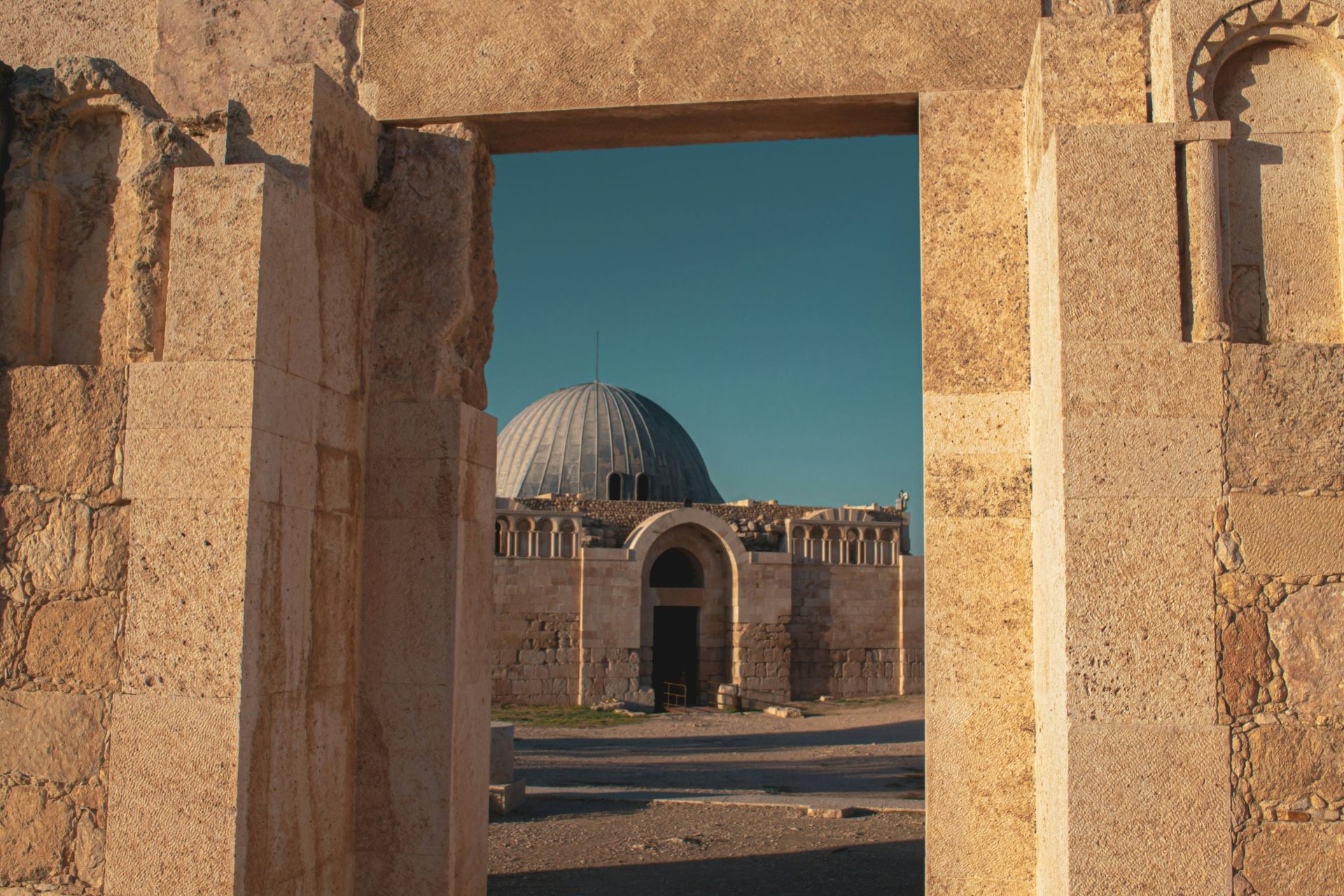
Back in Amman, Jordan reveals perhaps its biggest surprise. One of the world’s oldest continuously inhabited cities, the capital has evolved from its ancient origins on seven hills into a sprawling, lively metropolis. The Roman Theatre and hilltop Citadel tell the story of a past that stretches back more than 9,000 years, but it was the evening that stayed with me most. Wandering between Rainbow Street in Jabal Amman and neighbouring Jabal Al Weibdeh, the city was relaxed, youthful and unexpectedly cosmopolitan. Cafés and restaurants were filled with families, students and groups of friends, while stylish coffee shops and ramen bars stayed busy long after dark, as conversations drifted through the warm evening air.
For me, that contrast became the defining memory of the journey. Jordan sits at the crossroads of continents, religions and history, yet what I found was a country that felt grounded in the present. It’s a place where ancient trade routes shape modern itineraries, where biblical landmarks sit alongside lively neighbourhood cafés, and where some of the world’s greatest archaeological treasures can still leave you feeling as though you’ve discovered them yourself.
Credit: Brian Kairuz
BOOK IT
Abercrombie & Kent offers a six night tailormade Jordan journey from £4,295pp, based on two sharing, including private transfers, sightseeing and accommodation at The Ritz-Carlton Amman, Mövenpick Resort Petra and Kempinski Hotel Ishtar Dead Sea on a B&B basis.
Jordan’s proximity to regional conflict understandably gives some travellers pause. The UK Foreign, Commonwealth & Development Office (FCDO) advises against travel to areas close to Jordan’s border with Syria, but the country’s main tourist route – including Amman, the Dead Sea, Petra and Wadi Rum – remains open to visitors, subject to the latest travel advice.