


A Horseback Safari Across Kenya’s Laikipia Plateau
By
54 minutes ago
In the saddle, C&TH gets an extraordinary vantage point in which to get up close and personal to the animals on the plains
A riding safari allows access to places no vehicle can reach. Chloe Frost-Smith saddles up to ride the plains of Laikipia on the Borana Northern Ride, a brand-new week-long route that trades the game drive for something altogether wilder. Expect river crossings, fly camps and some very close encounters: this is a horse riding safari in Kenya that doesn’t always go to plan, and is all the better for it.
On A Horse Riding Safari In Kenya, The Bush Has Other Plans
Admittedly, riding by moonlight isn’t part of the plan. We should have reached our tents by sunset – gin and tonics in hand, boots and chaps peeled off – but the terrain has other ideas. I’m part of the recce crew navigating a newly opened week-long route – the Borana Northern Ride – a collaboration between Borana Lodge and African Horse Safaris, widely regarded as experts in the field with the widest selection of in-saddle safaris on the continent.
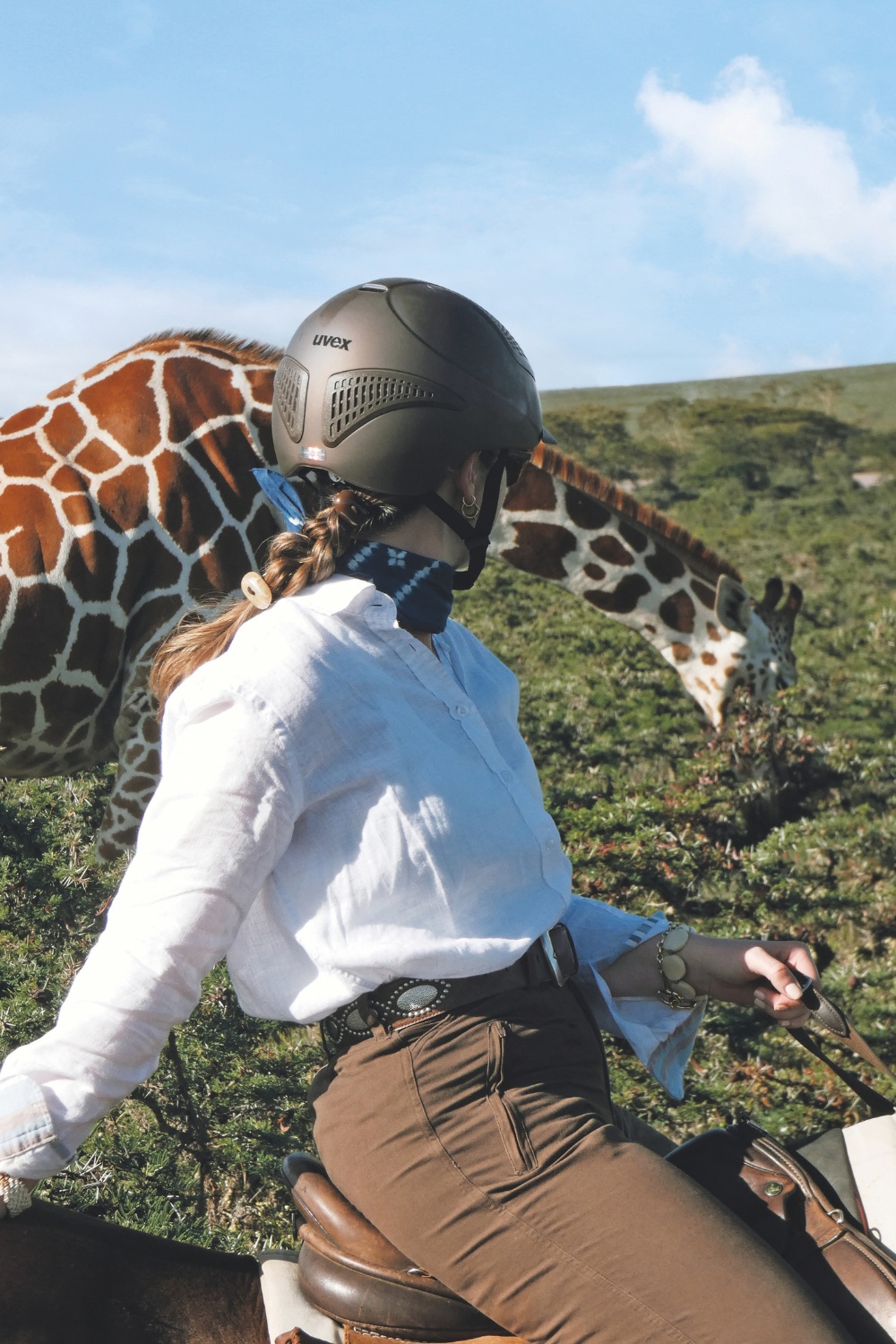
The descent into one of the Samangua Valley’s creases proves more technical than expected, the ground loose enough that Pippin, my sure-footed Thoroughbred, slows to pick his way through rock and scrub. Giraffes cause welcome distraction – yet further delay – their long necks silhouetted against a blush-pink sky, ossicone-crowned heads turned towards the molten horizon as if to say, ‘the light is fading’.
Our pace quickens, and my heart rate with it, racing dusk knowing that predators are preparing to hunt. A spotted hyena pops up on a mound above us, sniffing the air, before a sparkle of fireflies flickers through the darkness down to our fly camp on the Ngare Ndare’s riverbanks. At last, the glow of a campfire comes into view – lanterns strung against sand-coloured canvas.
We tether the horses beside us, our tents pitched within earshot of the river and the soft, conversational nickers of the herd. A hot water bottle tucked into crisp sheets is enough to send me straight to sleep.
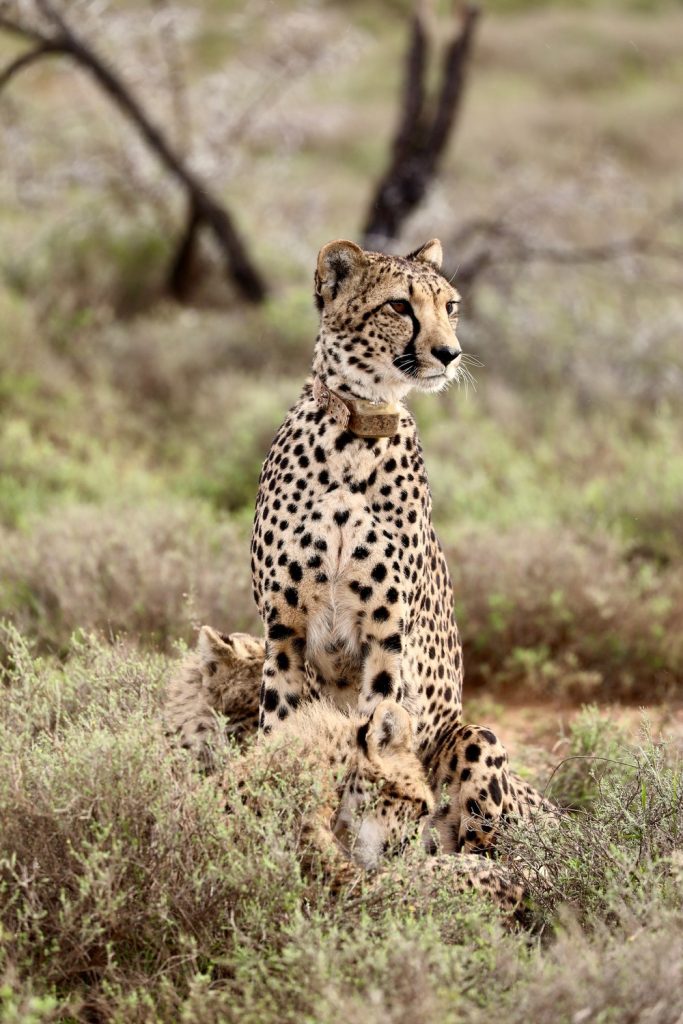
Rising with the sun, we pack our saddle bags with homemade sandwiches and fresh fruit to eat on the hoof. We are in the remote reaches of northern Kenya, on the Laikipia Plateau, riding from Borana Conservancy in the luscious foothills of Mount Kenya. Recent rains have shifted the palette to a vivid green, springing with new life – from wobbly-legged zebra foals and fluffy cheetah cubs to elephant calves wrestling under the watchful eye of grazing mothers.
Borana – once a working cattle ranch run by the Dyer family – has always been shaped by horses. They were the only way to cover the vast territory, and remain central to it today. Around 2,000 head of cattle still roam the conservancy, managed through a rotational grazing system that now works to regenerate the land.
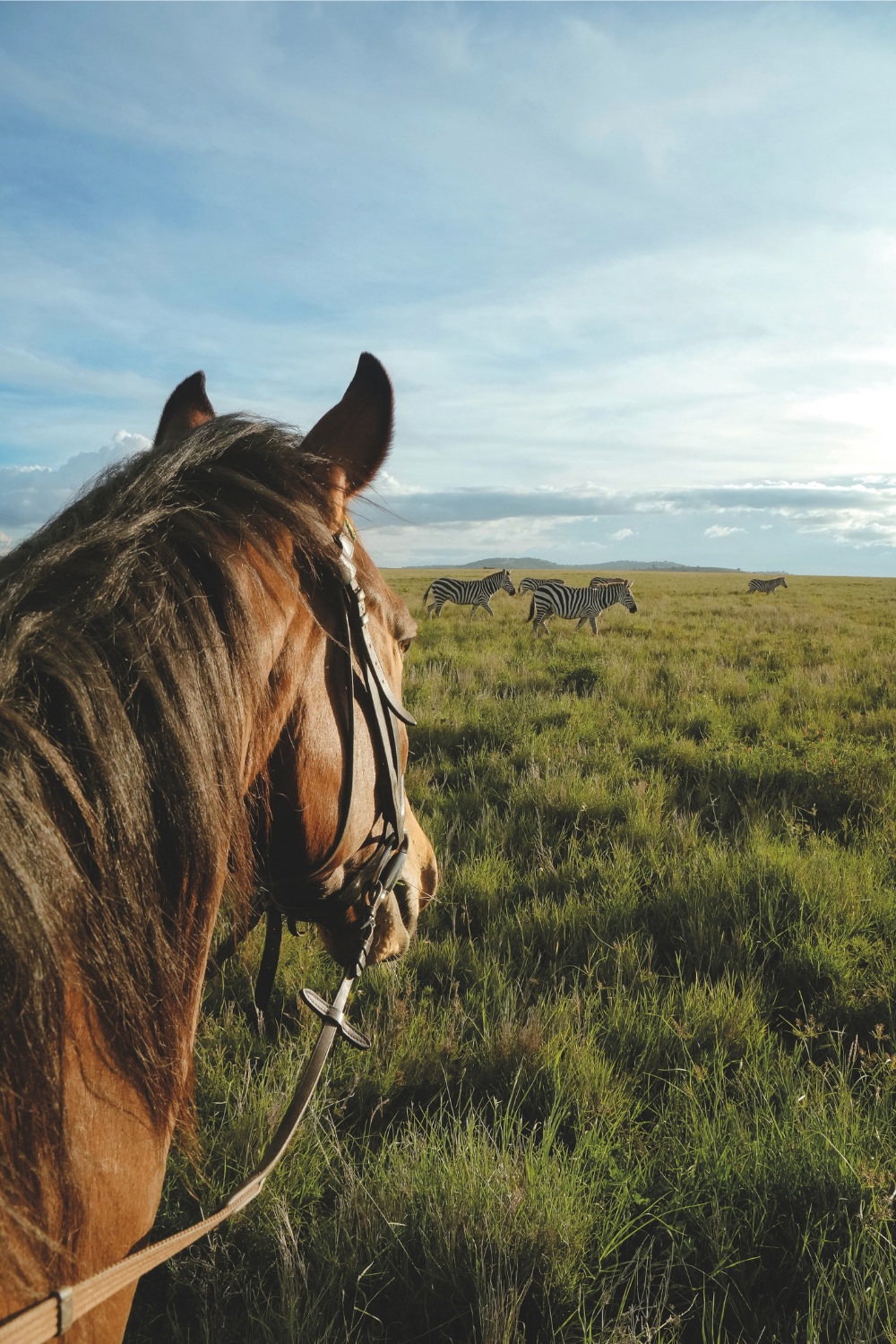
The horses themselves reflect that heritage. Homebred, many with polo lineage, they are forward-going, responsive and remarkably composed. Having grown up among wildlife, they carry us alongside zebra and giraffe, cantering flank-to-flank as if part of the herd. There is no engine noise or sense of intrusion – just the rhythm of hooves and a momentary sense of belonging.
We ride north towards Il Ngwesi, guided by Llewellyn Dyer, Borana’s fourth-generation custodian, who leads the team behind one of Kenya’s most successful conservation stories. The 32,000-acre conservancy, a member of The Long Run, reinvests all retained earnings into protecting the land, including its resident rhino populations.
As we drop in altitude, the air dries, the heat intensifies, and we spot lion tracks in the dust. After six-ish hours, we reach the Mararoi hills crested by Il Ngwesi, built entirely from local materials and blending into its surrounding canopy. It is owned and operated by the Maasai community and we are welcomed with traditional dancing and a steady rotation of wildlife around a watering hole below my thatched room. With no doors or windows, there’s nothing to separate me from the elements except a mosquito net that’s draped over my four-poster bed, as the stars twinkle overhead and lightning flashes in the distance.
Warmed by cups of honey and ginger tea as the dawn chorus bursts into song, my feet find their way back into stirrups and we climb along elephant-forged paths. We ride upwards through dense thicket, thorns scratching at my shirt, and in steeper sections we’re forced to dismount and lead the horses.
Reaching the ridgeline, we sprawl out on the ground for a picnic breakfast. The land falls away in every direction – a patchwork of riverbeds we’d splashed through, over scrubland and savannah on a stretch nobody has ridden before.
After the cooling embrace of the Mukogodo Forest, the horses recognise when they’re back on home turf, lengthening into an exhilarating gallop over hills blooming with white hibiscus and prowled by tawny-maned lions. Dyer pulls us up short: a crash of white rhino stands between us and the stables, horn to horn. Rhinos and big cats cleared in peace, horses hugged in gratitude and returned to their hay, I recline on a heated bed in the lodge’s spa for an arnica muscle melt massage that miraculously soothes my saddle soreness.
On horseback, safari sheds its usual structure. There are no set routes or buffers between you and the bush. The horse softens your presence and impact on nature, and you’re closer to creatures than you would ever be on four wheels – in places vehicles dare not venture.
BOOK IT
African Horse Safaris offers a seven-night Borana Northern Ride from £5,225 per person full board with transfers. africanhorsesafaris.com
Chloe’s return flights from Edinburgh to Nairobi had a carbon footprint of 1,716kg of CO₂e, ecollectivecarbon.com