


Wellness Rituals To Adopt This Autumn, According To The Experts
By
40 seconds ago
How to stay healthy this season
When a new season arrives we often think about switching up our skincare routines, but what about our wellness rituals? As the weather cools and the nights get darker, our bodies and minds need different things to keep us feeling good – and autumn always has that back-to-school feel, making it the perfect time for a health reset. We asked the experts for their top autumn wellness tips to ensure a smooth transition between the seasons.
8 Autumn Wellness Tips To Follow
Start Batch Cooking
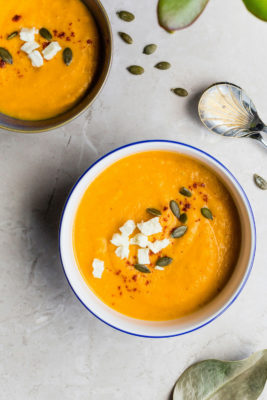
All parents will know the struggle of the kids returning to nursery or school after the summer and coming home with every bug going. Personal trainer Aimee Victoria Long’s top piece of advice to combat this? ‘Make feeding yourself properly as much of a priority as feeding your children,’ she tells us. ‘It’s so easy to prepare their meals carefully, then get through your own day on coffee and whatever they’ve left on the plate. Eating well and getting enough sleep supports normal immune function (although I know uninterrupted sleep isn’t always something you can arrange with toddlers).’ She recommends leaning into batch cooking: think chicken and vegetable soups or lentil stews packed with protein and goodness, ready to reheat in minutes.
Pexels
Protect Your Immune System Through Good Gut Health
Good gut health is also pivotal for a strong immune system, adds Dr Rubina Aktar, an expert in the gut-brain connection. ‘Most people do not realise that a large part of the immune system sits in the gut – in fact, the gut is one of the largest endocrine organs. Bacteria (microbes) living there are in constant conversation with your immune cells, and what you feed them shapes how well that system runs. As autumn arrives we tend to reach for beige comfort food and less variety, which is the opposite of what the immune system wants going into winter.’ She suggests prioritising plant variety, aiming to get a wide range of different plants into your diet each week including vegetables, pulses, nuts, seeds, and fermented foods like live yoghurt, kefir and miso. ‘Variety feeds a broader mix of gut bacteria, and that diversity is what keeps the gut lining strong and the immune system responsive in the colder months.’
Get Outside
Don’t let gloomier days stop you getting outside. Being outdoors has countless benefits for our mind – studies show it boosts mood, lowers stress and improves cognition. It’s crucial for good physical health too, with scientists finding spending just 15 minutes in nature can improve cardiovascular health by reducing blood pressure and heart rate. And while the change in season might make us want to stay warm in our beds for longer, getting outside within 30 to 60 minutes of waking is particularly beneficial for good health – morning sunlight balances our circadian rhythms and suppresses melatonin, which supports better sleep. Struggling to get out of bed? Invest in a sunrise alarm clock or SAD lamp, which are designed to mimic the sun rising and make the waking process feel more natural.
Cook With Seasonal Foods
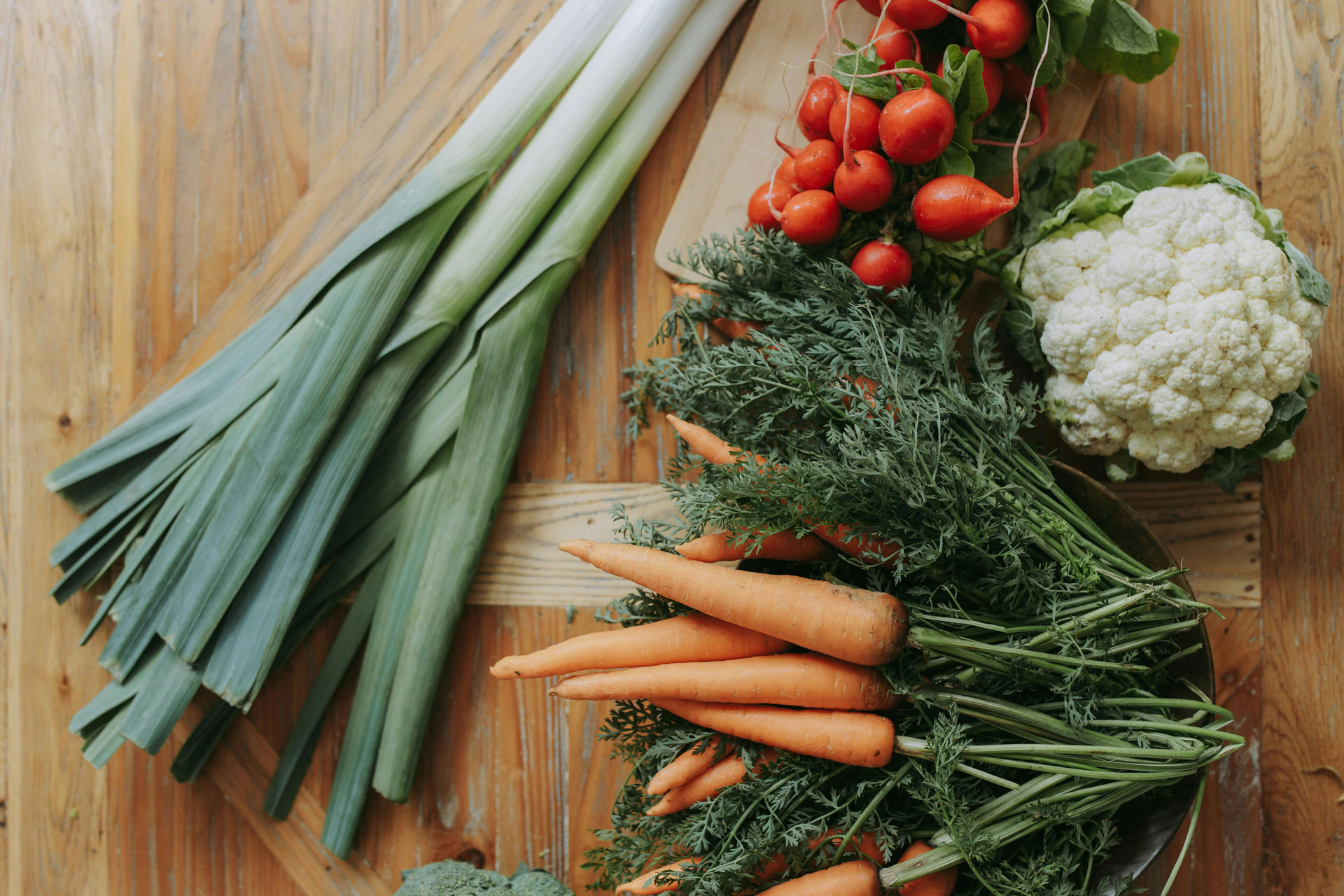
Eating seasonally isn’t just better for the planet, it’s better for our bodies. Fruits and vegetables harvested at their peak ripeness have a higher nutrient value (plus they’re fresher and often cheaper). Think squash, pumpkins, root vegetables like parsnips and carrots, kale, leeks, apples and pears.
Take Vitamin D Supplements
While a lot of staying well is about your diet, supplementing can help too. Victoria Long points out that the NHS advises adults to consider taking 10mg or vitamin D daily through autumn and winter as the sun is not strong enough for the body to produce it.
Pexels
Slow Down
Getting the urge to nest for cosy season? This is a natural response: shorter days and less sunlight causes the body to produce more melatonin, making us feel sleepier. And while, in our ever-hectic lives, slowing down can feel like weakness, there are actually plenty of benefits to doing so. One study from 2019, for example, found that intentional, slow-paced activities increase cardiac vagal activity, shifting your body into the ‘rest and digest’ parasympathetic state – which in turn helps improve sleep.
Don’t Stop Hydrating
When it’s scorching outside, staying hydrated becomes a necessity. But it can be easier to forget to drink water during the cooler months – and though our bodies require more hydration during hotter weather, fluids are still crucial for health during the autumn and winter. ‘Central heating, exercise and simply being busy can all contribute to fluid loss,’ notes Scott Harrison, celebrity PT and founder of SPR Six Pack Revolution and Pause by Six. ‘Keep water visible and make hydration part of your routine rather than relying on thirst. Your water bottle shouldn’t go into hibernation just because summer has.’
Eat Warm Food
Adapt to the changing weather by changing your diet in the simplest way: by eating warm food, suggests Harrison. ‘You don’t have to live on salads to eat well. As it gets colder, we naturally gravitate towards heavier comfort foods, which in turn usually means more stodgy and more calories. Swap them for warming, protein-rich meals like chilli, curries, soups, stews and tray bakes.’ Better still, warm meals can be easier on our guts than raw meals.