


On Board Explora III, The Luxury Ship Doing Cruising Differently
By
49 minutes ago
Could Explora Journeys’ newest ship persuade a cruise sceptic? Jessica Harris boards Explora III to find out – and looks beyond the sustainability press release
Cruise ships are difficult things to love discreetly, arriving with an ostentatious amount of baggage: buffets, lanyards, organised fun and consistent tannoy announcements. Explora Journeys, the luxury arm of the MSC Group, prefers the term ‘ocean travel’, a distinction you can only begin to understand on board.
Life on board the Explora III bears little resemblance to the cruising I had pictured. There are no aforementioned tannoy announcements corralling you towards the next activity and no sense that everybody is having the same holiday in a different outfit. Instead, the ship operates rather like a very polished European resort whose scenery rearranges itself overnight. One morning there’s the Atlantic, pewter-grey and endless; the next, a new harbour beyond the curtains to welcome you with your morning coffee.
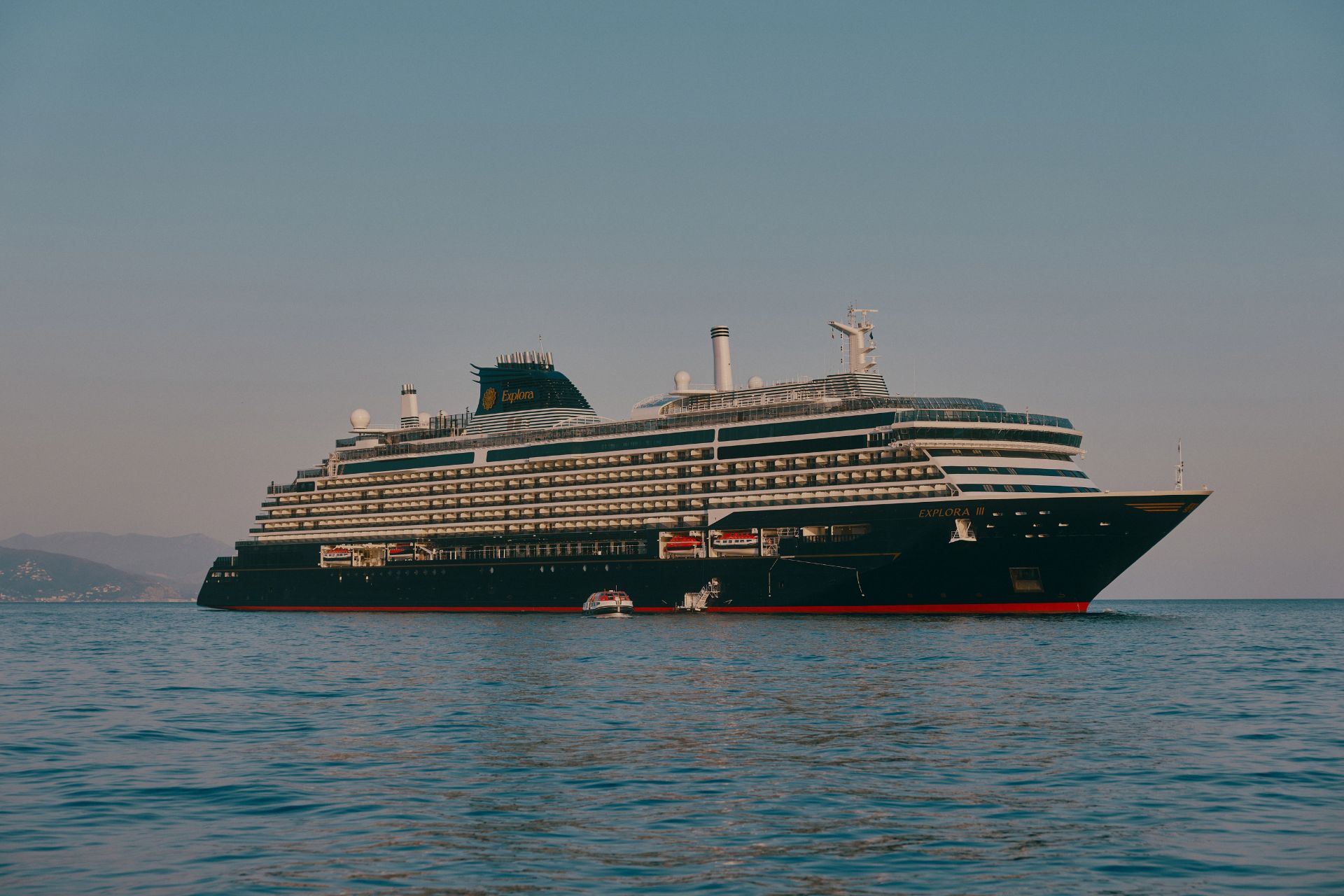
Explora III is the third of a planned six-ship fleet and the brand’s largest so far, stretching 19.2 metres but still home to just 463 oceanfront suites, penthouses and residences (compare that to a large ship’s 1,500 cabins, or a mega-ship’s 2,800). At double occupancy, that is 926 guests – yet even with more than 800 people on our sailing, it felt almost suspiciously quiet. The extra length has been spent on space rather than squeezing in more beds: around 19 sqm of public area per guest, broad decks, calm lounges and enough unclaimed corners to make solitude feel readily available.
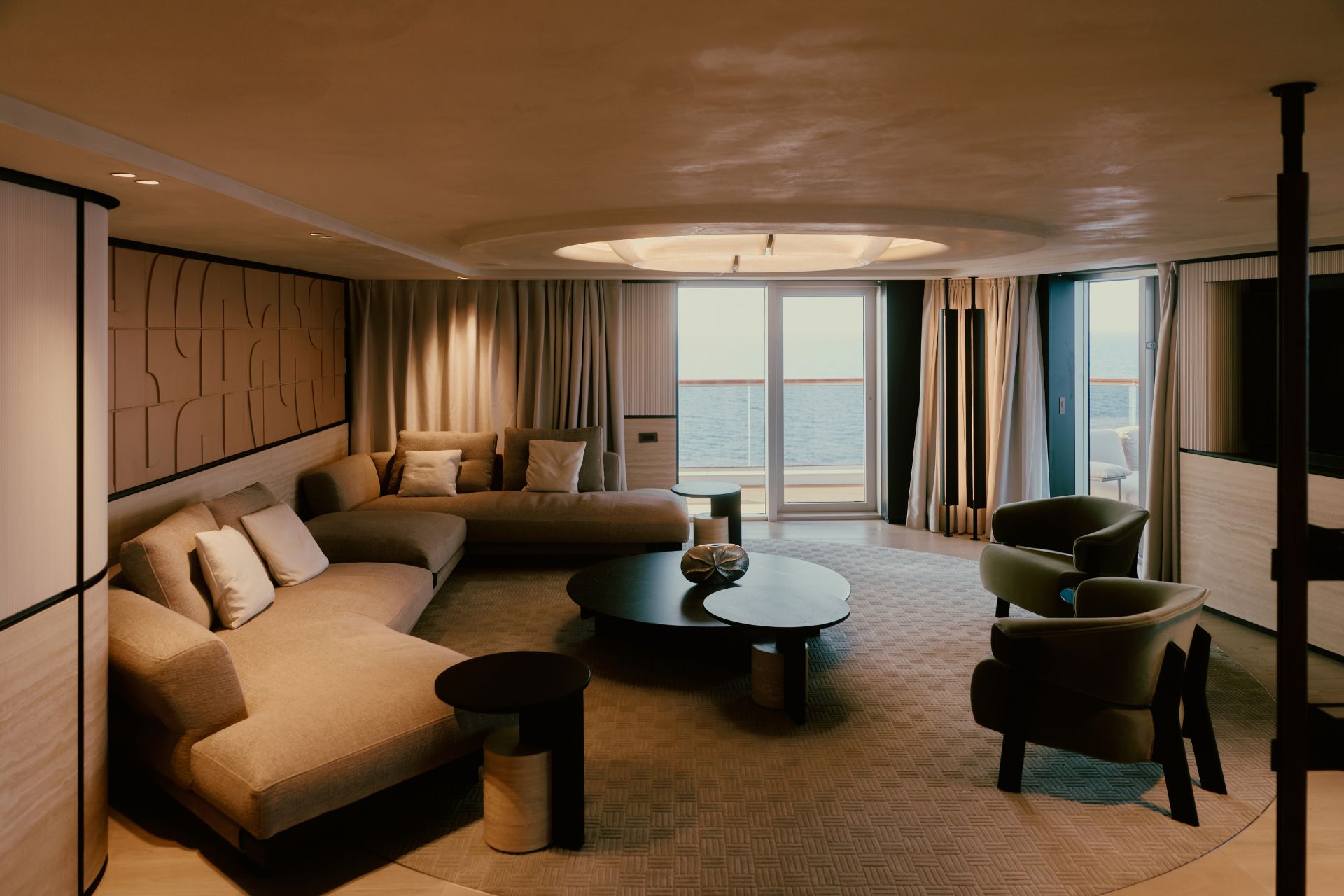
The interiors encourage that calm, with pale stone, dark marble, sculptural furniture and art. Our suite’s terrace and walk-in wardrobe became rapidly more practical than decorative when shared with a three-year-old constitutionally opposed to returning anything to where he found it. Oddly, the additional space throughout seems to make people more sociable; conversations began in lifts, across neighbouring tables and while waiting for eggs at breakfast as guests compared plans, reported back on ports and passed on restaurant recommendations. There was a sense of community without the enforced jollity that can make group travel feel like freshers’ week with better luggage.
The staff joined those exchanges without tipping into overfamiliarity, remembering names, preferences and, on one particularly important evening, the whereabouts of my son’s missing teddy. It vanished perilously close to bedtime, but was tracked down with the seriousness of a maritime rescue operation and returned before the situation became the sort of emergency no amount of complimentary champagne can fix. The episode said more about the service than any formal flourish could: whether we wanted an off-menu dish, help with a dinner reservation or the recovery of one tired stuffed animal, nothing was made to feel inconvenient. The same thoughtfulness followed me into the spa, where my therapist was less interested in completing the assigned massage than patiently working through the knots I had brought with me on board.
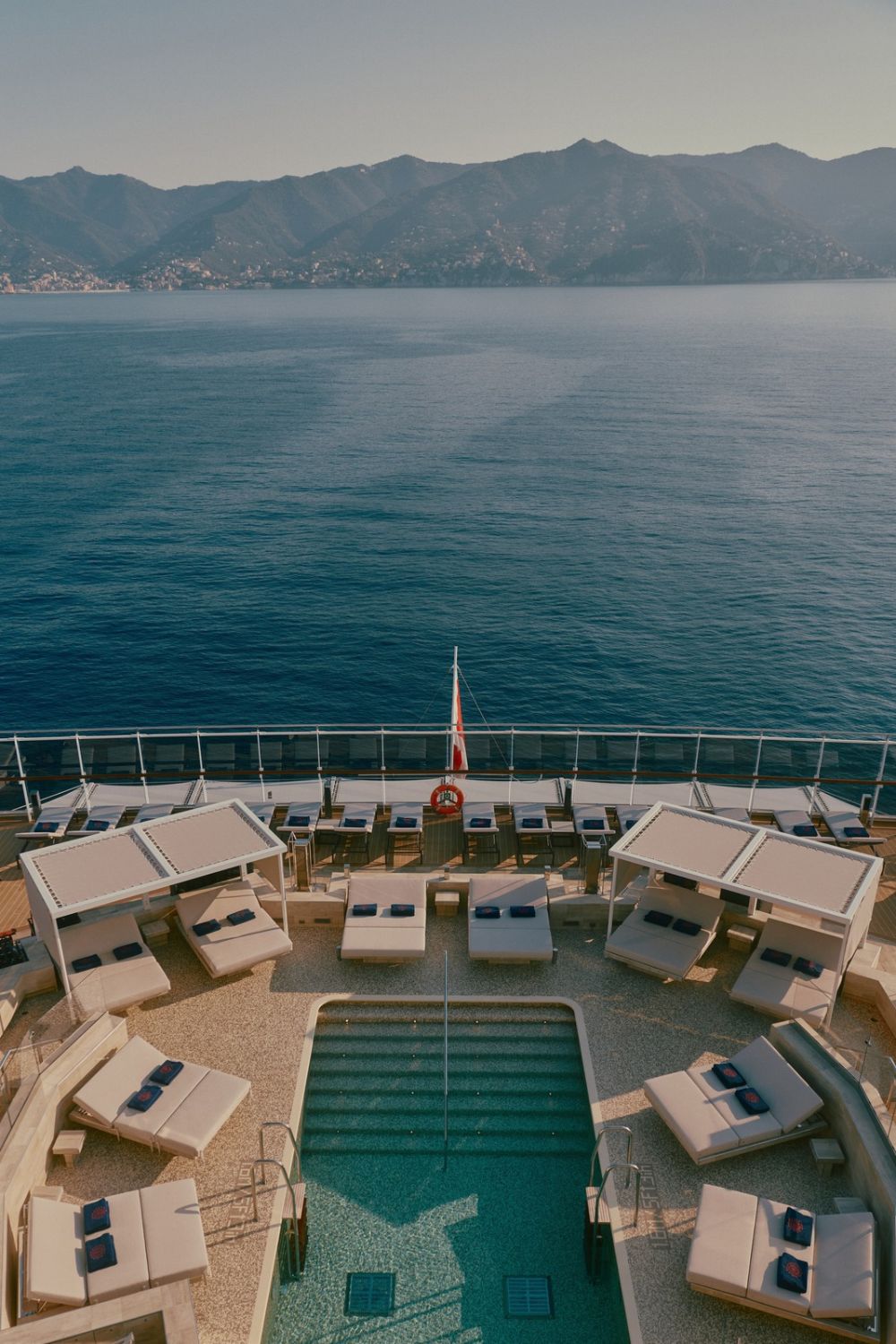
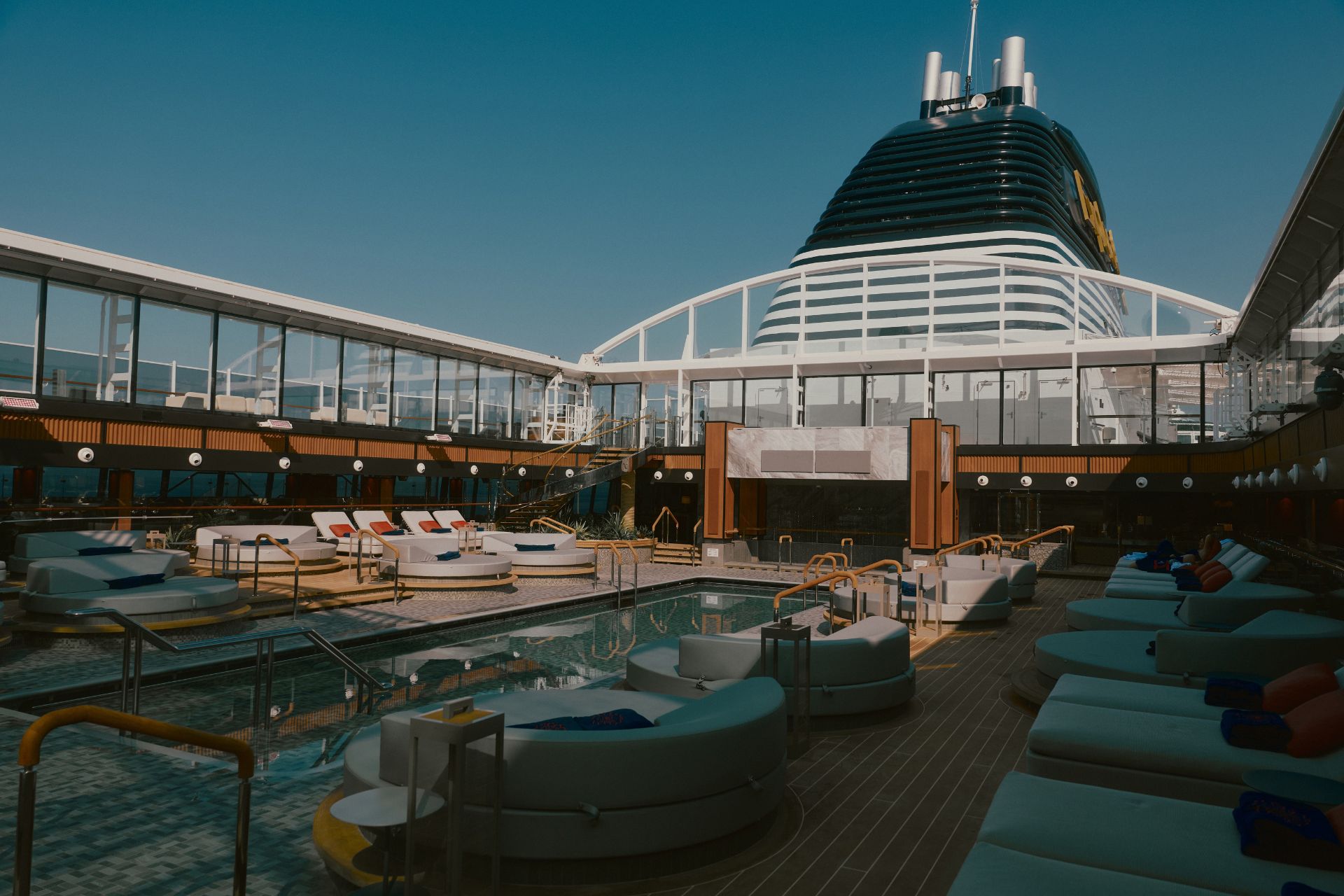
That ability to accommodate different needs without making a production of them may be Explora’s greatest trick. Families are welcomed without family life being allowed to colonise the atmosphere; my son collected high fives and fist bumps wherever he went, and when a thunderstorm arrived, the retractable roof over one pool allowed him to continue practising his doggy paddle, quietly averting a level-ten meltdown. Yet the ship never feels child-centred, just as its many restaurants never feel like mass catering.
Med Yacht Club roams the Mediterranean from local fish to handmade tortelloni and Fil Rouge gives French dining a lighter touch, but it was the pan-Asian eaterie Sakura that stayed with me: applewood-smoked lamb chops, gyoza and lobster pad Thai arriving as the sinking sun turned the room gold, accompanied by ice-cold margaritas. Dinner feels like going out rather than merely going downstairs, another way in which a ship carrying hundreds of people makes the experience feel individual.
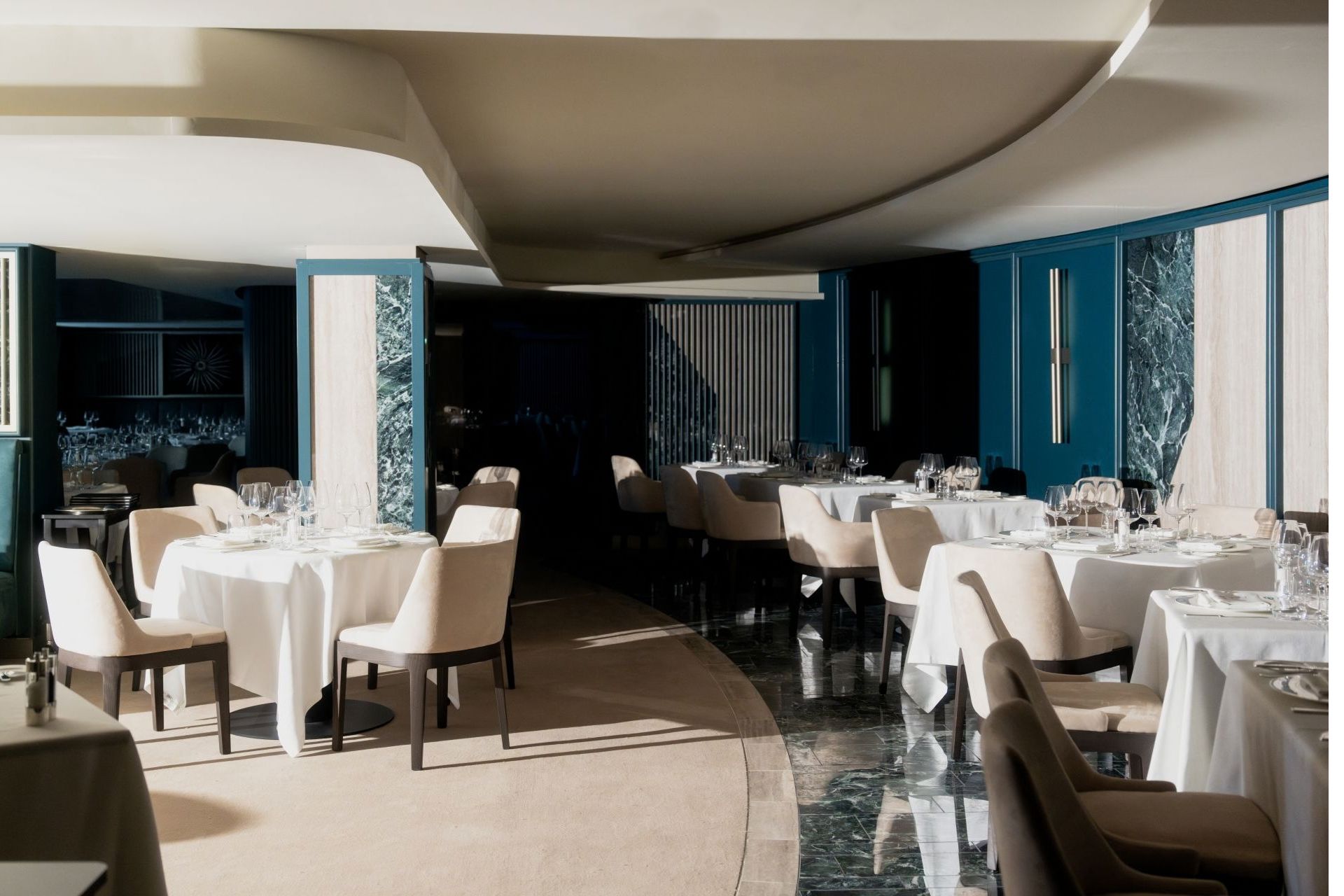
The ocean framed through Sakura’s windows was more than a backdrop; it also places the central contradiction of cruising in plain sight. A ship must propel its guests across the sea while operating as a hotel, restaurant quarter, spa and leisure complex, and its environmental impact cannot be waved away with the absence of plastic straws. Equally, not every sustainability measure solves the same problem: cleaner air in ports, healthier marine ecosystems and a cooler planet are related aims, but not interchangeable ones.
Seen in those terms, Explora III makes tangible advances. As the fleet’s first ship powered by liquefied natural gas (LNG), it produces far less sulphur oxide, soot and nitrogen oxide than conventional marine fuel, improving air quality around ports. Shore power can switch off the engines while berthed where compatible infrastructure exists, while an efficient hull and intelligent ventilation reduce energy use. Water treatment, the removal of single-use plastics and RINA Dolphin certification respectively address pollution, waste and underwater noise. These are meaningful improvements to the ship’s immediate footprint, although they are not the same as decarbonisation.
It’s worth noting that LNG is a fossil fuel composed primarily of methane, some of which can leak during production and transport or pass through an engine unburned as ‘methane slip’. Since methane is a powerful warming gas, those losses can reduce the advantage of emitting less carbon dioxide at the funnel; independent research finds that LNG’s climate performance varies according to the engine and fuel supply chain. The fairest description is not that it’s low-carbon, but that it burns more cleanly – a worthwhile difference for the places ships visit, without being the whole climate answer.
The longer-term value of Explora III’s design lies in what it may allow next. Its engines could eventually run on bio-LNG or synthetic LNG without wholesale changes, a useful flexibility if sustainable versions of those fuels become widely available, while Explora’s more ambitious fuel-cell technology belongs to later ships. In that respect, Explora III sits where much of maritime travel currently finds itself: expected to reach net-zero greenhouse-gas emissions by or around 2050, but still waiting for the clean fuels and infrastructure capable of getting it there. It’s not the finished answer, but a considered ship built with the next stage of the transition in mind.
That qualification doesn’t diminish Explora’s achievement; the experience is persuasive enough not to need environmental absolution. Its appeal is cumulative rather than reducible to any restaurant, pool or piece of technology: the crowd seems to dissolve, the service feels personal and the days remain yours to shape.
By Southampton, I’d stopped wondering whether Explora III counted as a cruise and began to understand its ‘Ocean State of Mind’ slogan – the rare pleasure of being looked after without being managed, which, for a sceptic, may be the most seductive journey of all.
BOOK IT
Jessica travelled on Explora’s A Journey of Vineyards, Culture & Atlantic Shore, next available on Explora IV, sailing Lisbon to Southampton from 23–30 April 2027 (7 nights), starting from €6,450 per guest (approx. £5,532) in an Ocean Terrace Suite. explorajourneys.com.