



How To Make Your Garden Climate Resilient
By
53 seconds ago
Here's how the experts of garden design are protecting their green spaces from the next heatwave
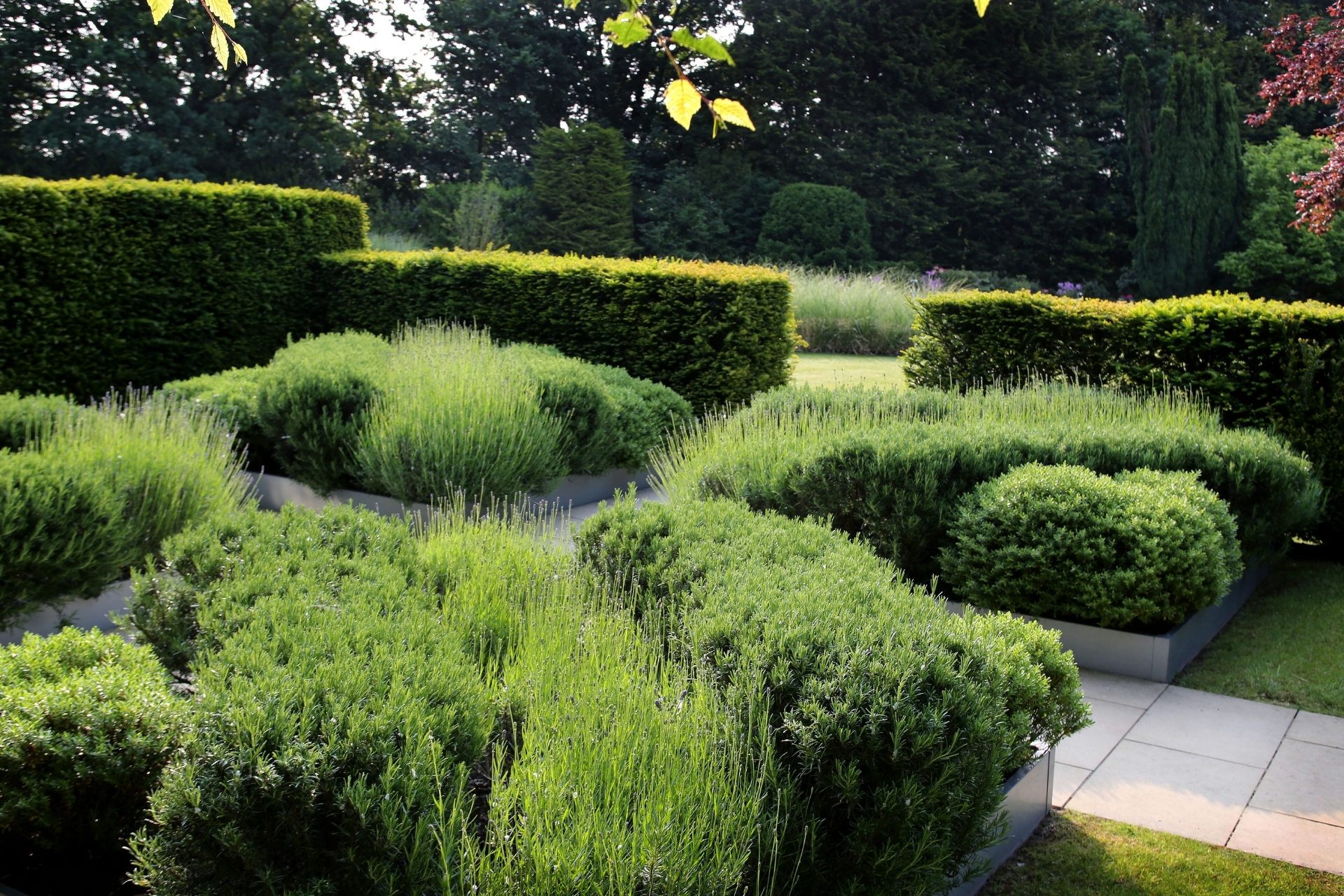
We might be enjoying chillier weather now, but just a few weeks ago the UK was sitting in back-to-back heatwaves. And not only did our sanity suffer, but our gardens too. With unpredictable summers shaping up to be the new norm, we must ask: how can we keep our gardens alive through it all? We tap the leaders of British garden design for their expert advice on making green spaces more climate resilient.
What Does ‘Climate Resilience’ Mean For An English Garden?
What springs to mind when you think of an English garden? Maybe it’s climbing roses and arbours, an overflowing vegetable patch or even rows of neatly trimmed hedging. This might be the classic version, but in recent years, our gardens have received quite the global upgrade. ‘The quintessential English look has evolved over the years and incorporated plants from all over the world and we can continue to do that and refine our palette to suit the environment whilst keeping the look and feel,’ confirms contemporary garden and landscape designer, Richard Miers. The key characteristic that makes a garden feel like one of ours, he adds, is ‘charm’.
But, as we saw over the summer, much of what we love about our gardens fell prey to a series of heatwaves – which all but annihilated many of our favourite plants. It’s for this reason, says Richard, that the future of at-home garden design needs to get a bit more durable. But how do we do that without losing that quintessentially English look and feel? ‘Obviously adding cactus to a “herbaceous” border isn’t going to look right, but increasing the numbers of drought resistant plants will definitely help,’ says Richard. Below, the garden designer shares his top tips for instilling climate resilience in your own garden.

Richard Miers
How To Get Your Garden Back On Track
Make Some Swaps
Unfortunately, our hot summers and freezing winters are making it harder for native plant species to survive in our gardens. With this in mind, Richard highlights a few quick swaps we can make in the garden to keep it going through rain or shine.
Richard recommends installing ‘drought resistant plants’ in the garden. ‘If plants have died and you have gaps, plant more drought resistant plants in the autumn,’ he say. These include agapanthus, echinacea, verbena bonariensis, nepeta, iris, perovskia, stachys and achillea – which, according to Richard, ‘will look amazing and cope with the heat and lack of rain. Trying new plants and trees will allow the ecosystem of the garden to bounce back after a drought, even if one plant suffers another is in place to take its place.’
Trees are a slightly different situation, he adds. ‘Some old stalwarts have suffered, like the pioneering and shallow rooted Birch and Cherry trees, while Beech trees have gone into shock and a false Autumn in the summer. If I was planting a tree this year I’d have noted that Ginko, Italia Alder (Alnus cordata), Judas Tree (Clerics siliquastrum) and Turkish Hazel (Corylus colurna) have all done well and would look for them.’
Invest In Soil Health
Beyond plant choice, it’s the soil you put them in that needs real TLC. ‘Soil health is massively important to healthy plants,’ confirms Richard. He recommends topping up soil with organic matter ‘that you can get the worms to pull down into the soil’. ‘This helps hold moisture and provide nutrients without using fertilisers.
‘A layer of mulch put on top of the soil is also good at stopping the sun from baking the soil, providing nutrition and organic matter to bolster the soil health,’ he adds. ‘Not being so tidy is also a good idea, and leaving the leaves in beds to form leaf mould helps with water retention and soil health. A little untidiness can actually be a very good thing for the plants and wildlife.’

Richard Miers
Get Some Shade
While some mess is good, your garden will also require some structure to stand the test of time. ‘The design of the garden has a huge role to play,’ Richard tells us. ‘Trees are probably one of our most valuable tools for creating canopy and shade, cooling the garden and making outdoor spaces much more comfortable. Pergolas and hedging can also create pockets of shade and shelter, while water can help to create a sense of coolness and calm.’
Future-Proof The Garden
We might be in the thick of autumn, but Richard tells us this is prime time to start setting up the garden for next summer. To get your garden back on the path to recovery, he suggests ‘adding an irrigation system – to be used during times when rain is sparse – and a good 30 to 50mm thick layer of mulch in the late autumn or early spring.
‘Look and observe what is flourishing. Add more of what works, but without letting your garden become too much of an ecological mono culture; remember, the more varieties, the more chance of success you have.’