


Meet The Duchess Who Has Cage Fights & Poison Plants In Her Castle Gardens
By
1 hour ago
As Alnwick Garden celebrates its 25th anniversary, we catch up with the unorthodox Duchess behind it all
‘Hi there!’ I chirp down the phone, with all the familiarity of a friend. Then freeze, remembering there’s a Duchess on the other end of the line.
‘Hi there!’ echoes a voice, in mimicry of my own. And then a laugh. ‘You can just call me Jane.’ I breathe a sigh of relief – I am not to be marched off to the tower for insubordination.
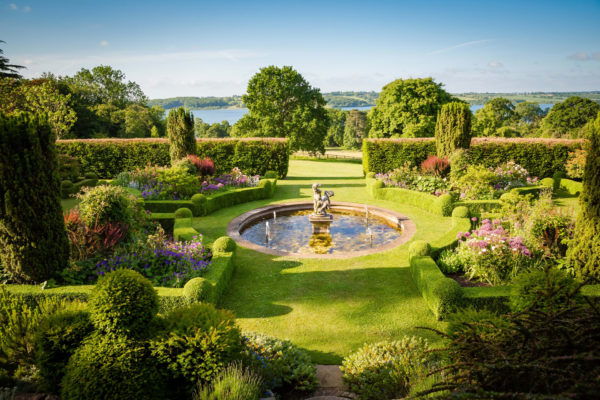
Because the Duchess of Northumberland is not like other Duchesses. Her gardens at Alnwick Castle (where the courtyard and quidditch scenes in the first two Harry Potter films were shot) are not decked out in Latin labels and spouting cherubs. Rather they’re full of poisonous plants, blizzarding blossoms, Vegas fountains, Euro Disney designs, and even the occasional cage fight.
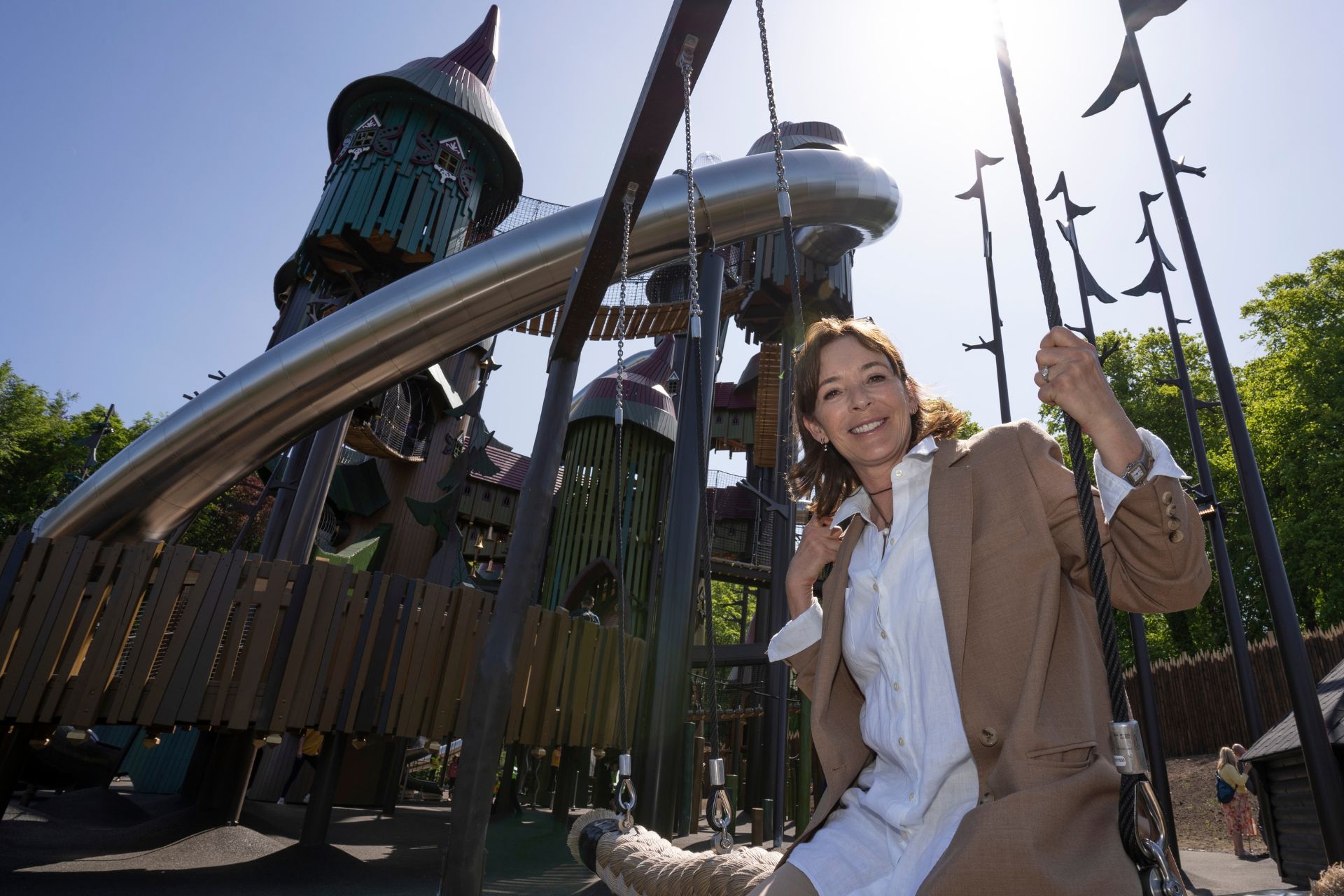
Credit: Jane Coltman
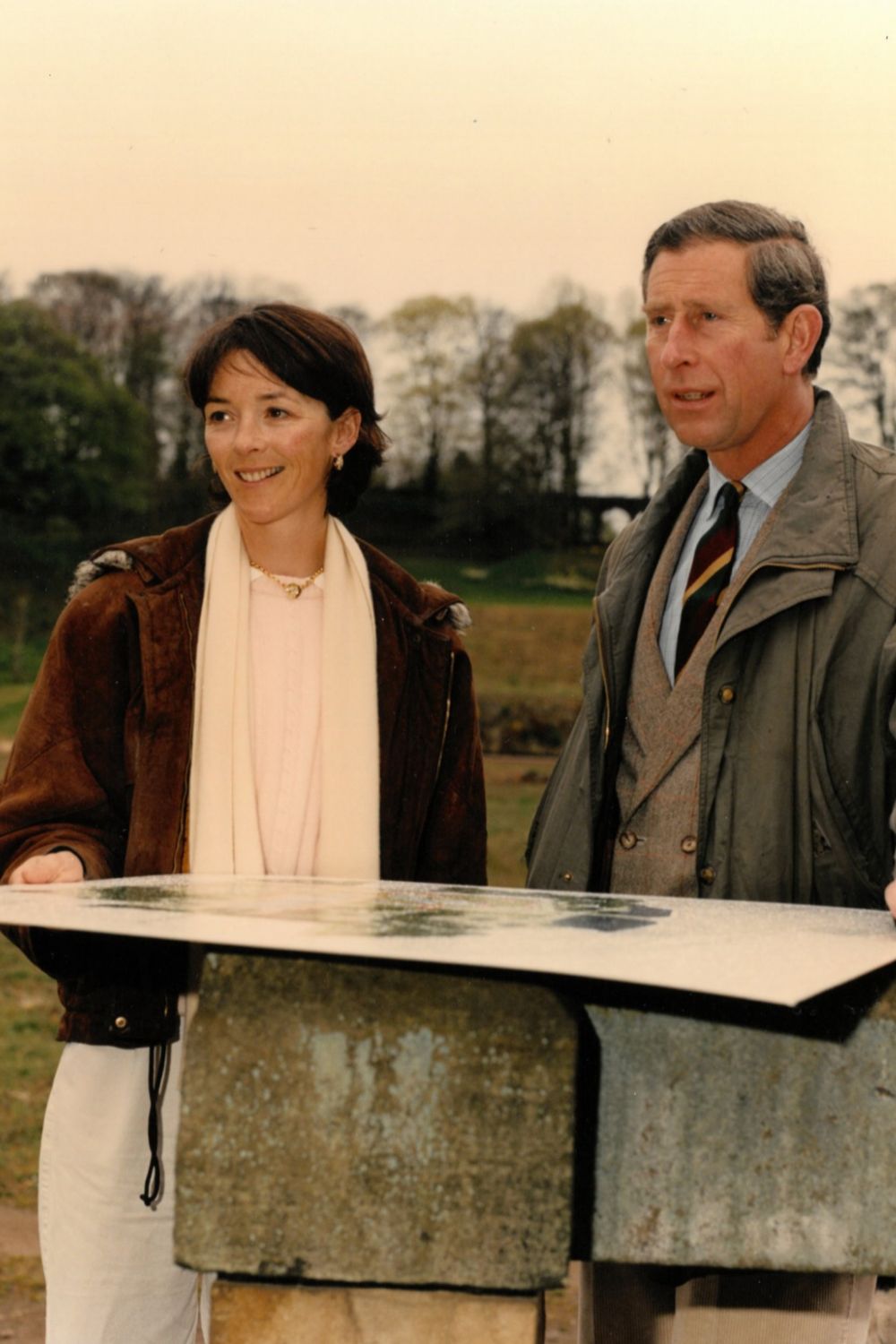
This may be because, unlike some other jam-making duchesses we know, Jane did not knowingly marry into Dukedom. It was only when her brother-in-law, Henry Percy, 11th Duke of Northumberland, tragically died aged just 42, that her husband, Ralph Percy, ascended to aristocracy. Being a Duchess might seem all fun and games (Jane did, after all, gain a castle in the mix), but with her life so suddenly upended she needed a project of her own.
‘My in-laws were very keen hunting people,’ she says. ‘They hunted four days a week. And I didn’t hunt, nor did my husband. I thought, “God, what am I going to do?”’ It was her husband who suggested she take on the abandoned garden at Alnwick Castle. ‘He didn’t expect me to do what I’ve done. But I think he thought, well, that’s something that will keep Jane happy.’
Gardening runs in her blood. Her mother owned Kailzie Gardens – a botanical base on the Scottish borders. ‘As a child if I wanted to find my mother, the only place you’d look was in the garden,’ she recalls. Trekking through wild meadows, woodland and lawns, she’d be handed a trowel and get to work. ‘I remember very clearly asking her about one flower, which I thought was the most beautiful flower in existence. It was Nabilia cardinalis and it was the first name I learnt.’
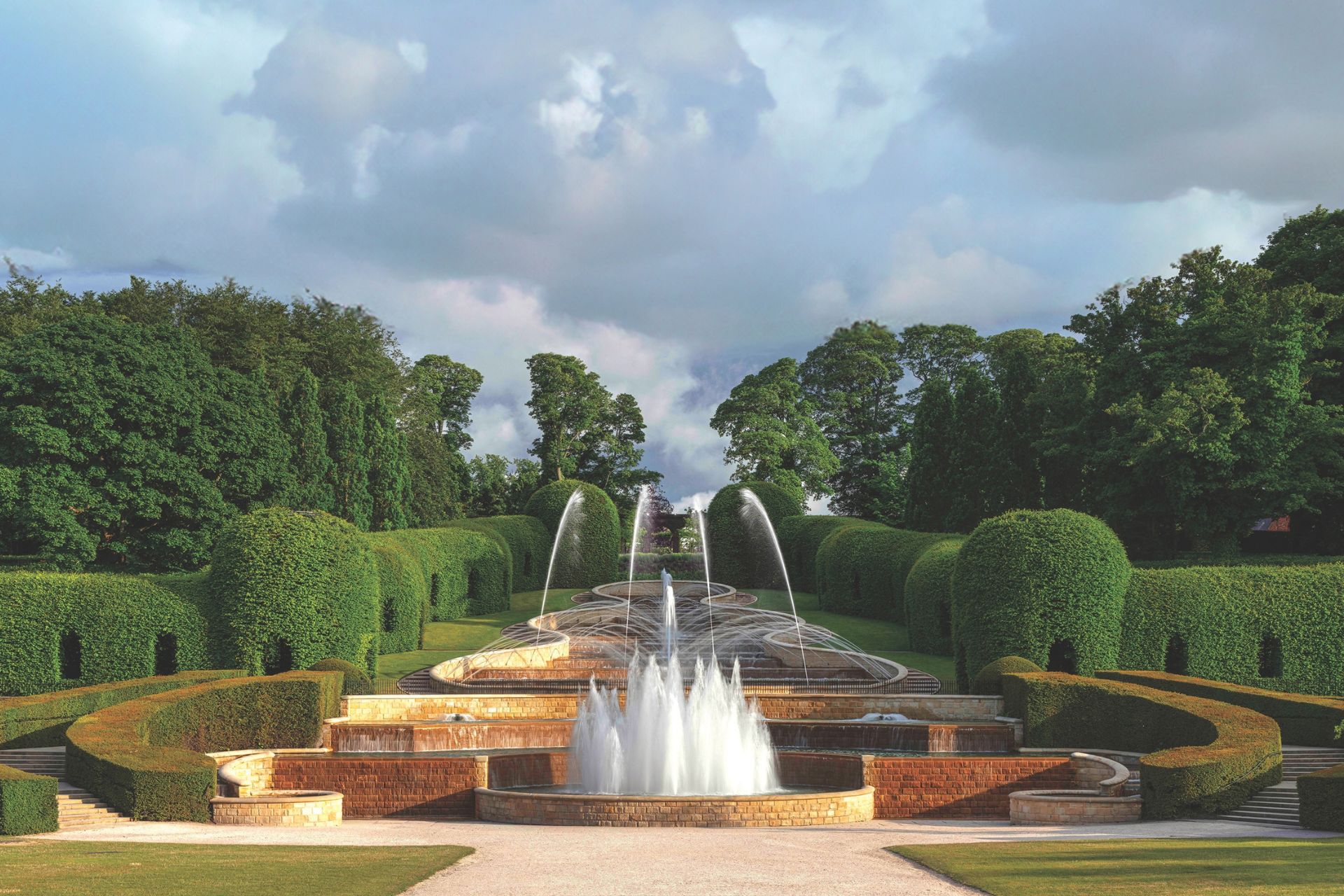
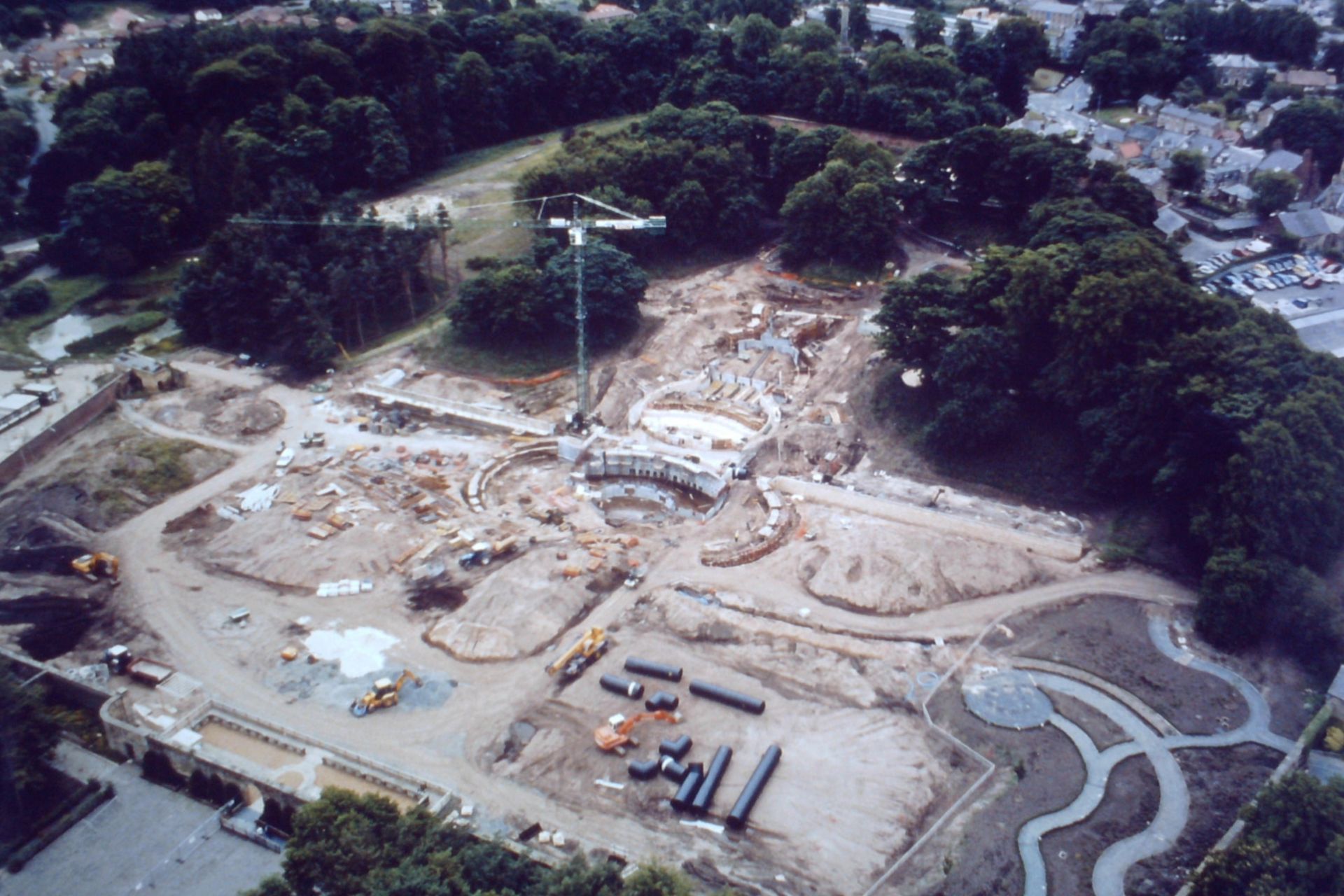
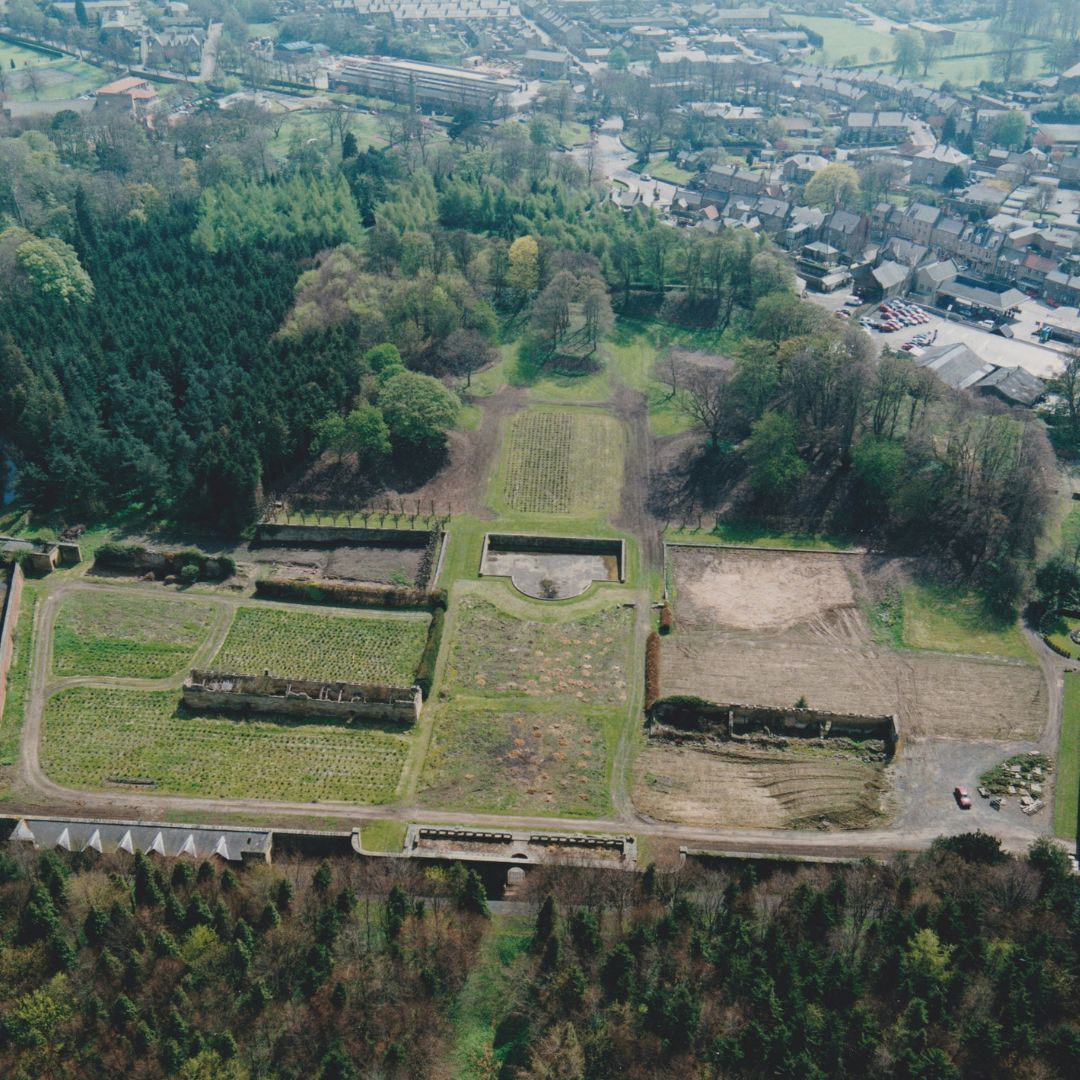
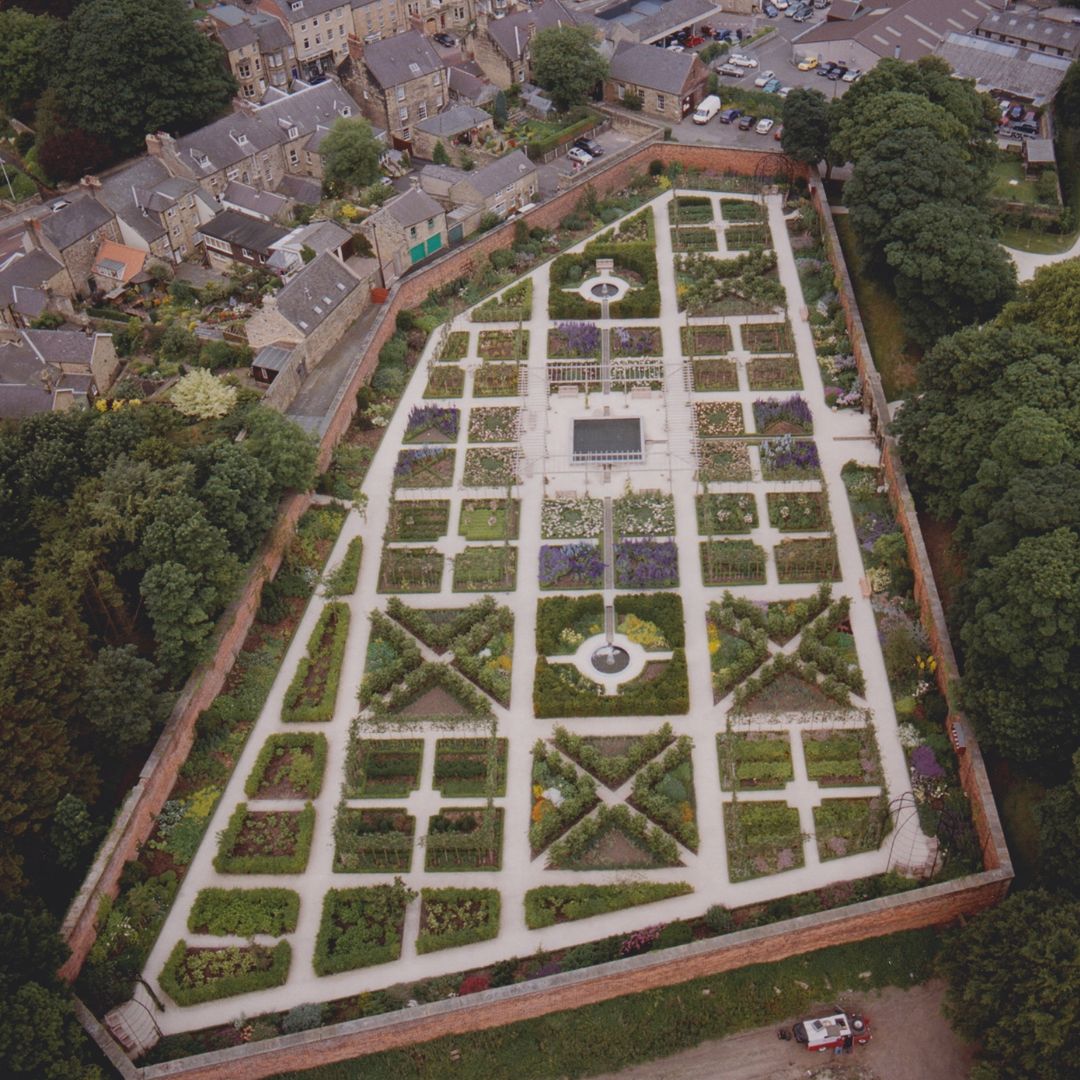
Once upon a time, Alnwick Gardens likely resembled this garden of her youth – symmetrical hedgerows, tidy flower beds, Capability Brown at its core. But by the time Jane inherited it, walking the dogs out there was like ‘walking amongst rubble’. Transformed into a forestry garden, there were rows of Christmas trees intermingled with derelict greenhouses and sheds. ‘There were discussions being had about a use for the garden,’ says Jane ‘and one of those uses was that it might be turned into a carpark, which would’ve been terrible.’
As for how it got in such a state, you can blame WWII. Under the strain of rations, Alnwick Garden was transformed into a allotment to provide food for the community. Though a noble effort, today the garden serves a very different purpose, with community still at the heart.
Of course, Jane could’ve returned the garden to its Capability Brown heyday. But in her estimation, such traditional English pleasure gardens have had their day. ‘Those gardens are quite intimidating for people who didn’t necessarily know about gardening, and they are exclusive,’ she says. ‘I was trying to knock that on the head.’ Rather than making her dream Eden, Jane set about building a garden that could be enjoyed by everybody in the community: ‘A pleasure garden filled with people who wouldn’t normally go into gardens’.
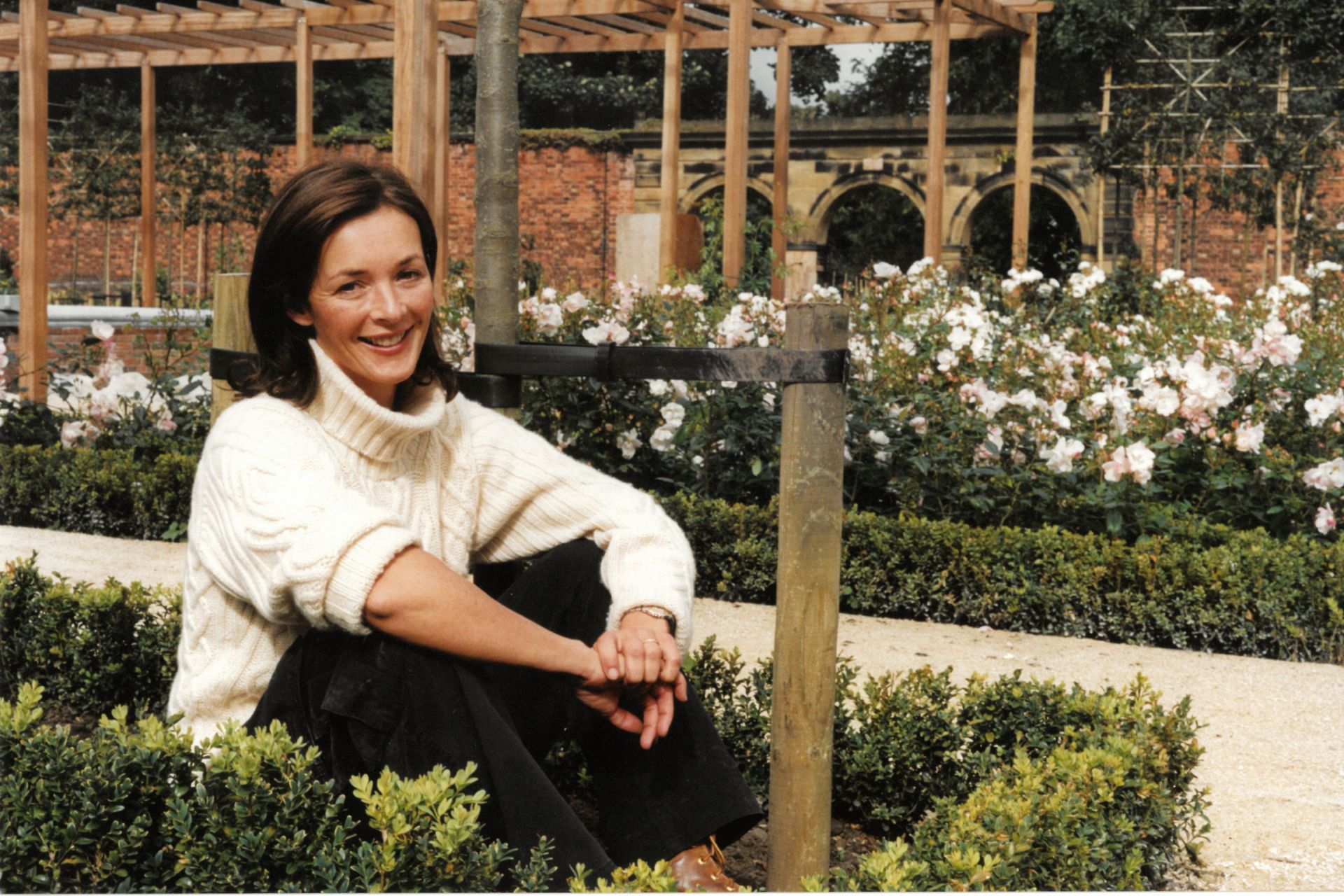
Though you may argue that anybody can enjoy a rose, Jane recalls looking round a similar English country garden and noting that all the stones had Latin quotes. ‘I thought this is really not what I’m trying to do at all. I really want to do the opposite of this because if somebody is made to feel stupid because they don’t know about what’s written on those stones, then you’ve made somebody feel bad. And what I was doing was trying to make people feel happy.’
Comfort was key to her vision. Somewhere people could visit free from imitation, where children could roam wild, eat from the raspberry bushes and play in the fountains. ‘Some of those children are living in flats in Newcastle. When would they ever get a chance to do that?
Credit: Helen Smith
Her unorthodoxy and ambition did not come without scrutiny. In the garden’s early days, Jane tells me of one particularly critical lady from the gardening world. Jane recalls her ‘sort of scowling at children playing around plastic tractors in the water around the water features. Whereas I’m thrilled that they’re having such a happy time.’ At the tour’s close, she asked the Duchess: ‘Would you consider coming to talk to the National Trust or English Heritage to tell us how to get our visitor numbers up? And I said, “Everything you hate about the Alnwick Garden is what people want” […] Alnwick is a different sort of garden, and I think it was a shock to England.’
As for why she attracted so many detractors, she quotes a recent self-help Instagram post she saw.: ‘Remember that most people want to see you fail […] I think it was the fact that I dared to raise my head above the parapet, because I was married to the Duke of Northumberland that people wished to see me fail.’ The other reason, she suspects, was a feeling of threat. ‘I think people who had big houses felt threatened because they were thinking, “My God, if this is what she’s doing, are we going to have to do this to bring people in?”’
It would certainly be a shock if Buckingham Palace ever announced cage fights on the palace lawn – though the rather savage scheme was all Her Grace’s idea. Close by to Alnwick sits a huge RAF site, she tells me. ‘Those are people who normally wouldn’t come into a garden. And so I thought, okay, what do you do that encourages young men to come?’ On the first night of the cage fights her own boys caught the mini bus with a whole crowd of people off to Alnwick who’d never been before. ‘The bar takings that night were bigger than they’ve ever been. And my point was, gardens can be used in 101 different ways, and it shouldn’t stop them being places of beauty.’
Another big draw for visitors is its poison garden. The idea first came to Jane when she was careening round Italy with her late friend Lord Tony Lampton, and discovered a poison garden near Padua. Years later, she discovered that the garden had been built by the Medicis to investigate ways of killing. Around the same time, she learnt about excavations at Soutra Aisle, close to her home in Scotland. Here, they discovered a huge medieval apothecary set-up to treat those suffering from ergotism. Amongst the blood rivers and the bones, there were soporific sponges embalmed with an early form of anesthesia, made up of opium seeds, henbane, hemlock and belladonna.
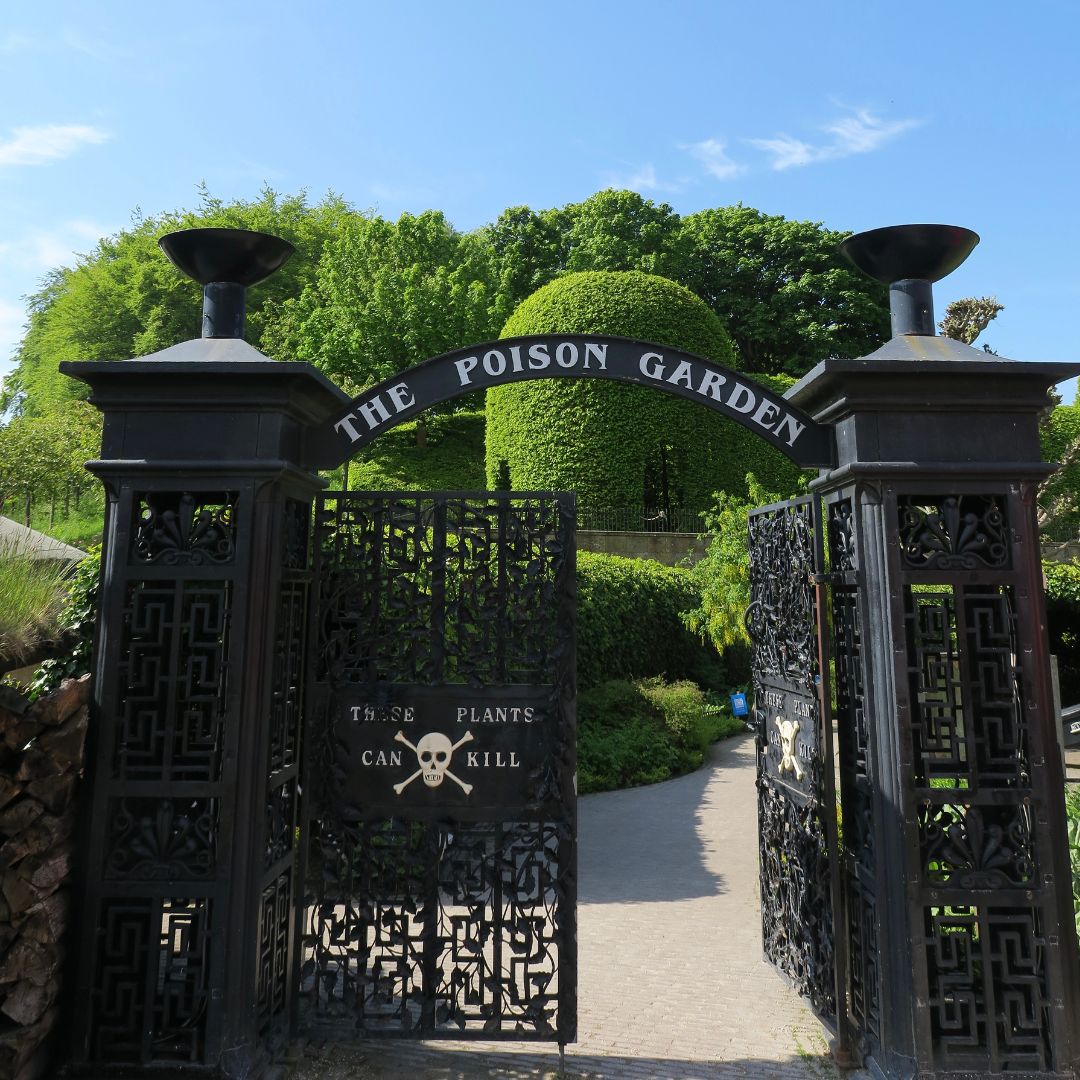
Though all these plants have equal power to harm and heal, Jane insists that death remain the focus. ‘I do spot checks in the poison garden regularly to make sure that they’re not talking about cure, that they’re talking about kill,’ she says with glee. Favourite fauna include gimpie-gimpie – an Australian plant coated in poisonous pricks – and Gelsemium.
Despite the playful ferocity with which she discusses death, Alnwick Gardens also possesses a more solemn ode to the deceased in the shape of its blossom orchard. When envisioning the project, Jane’s only ambition was to plant the world’s largest white cherry blossom orchard – an accomplishment she has achieved. Going against advice that she plant a variety of trees for all-year beauty, she decided to ‘blow people away’ by selecting the all-white Taihaku trees. ‘One day there was this magical moment,’ she says. ‘I got into my car and I had to put the window wipers on because it was like a snowstorm outside. I couldn’t see.’
Through no design of her own, the trees soon took on a different meaning. People started asking if they could sponsor a tree in memory of loved ones who had passed. Seeing what the trees meant to be people, she erected swinging benches between them and established cherry blossom ceremonies that occur once a year when the blossoms are in full bloom.
‘We have a bishop or our vicar who say prayers in memory of loved ones who’ve passed or celebrate the blossom, and then we all walk up to the cherry blossoms. It’s at dusk, and it’s just the most magical thing. People have candles and little paper boats, which they float on the lake.’
Despite its size and range, 25 years on and Jane’s vision for Alnwick Garden still isn’t complete. The treehouse needs doubling, the pavilion needs sorting, and sustainability is at the forefront of their minds. Although she’s stepped back from management, she’s still on the board as founding trustee and is texting the garden’s new CEO, Mark Brassell, near daily.
Although Jane went in with grand plans, even she could never have predicted it would grow this big. But it seems that’s what happens when you build a garden with others in mind. Though beautiful, she explains that these gardens are not what she’d want for herself. ‘I have my own garden an hour away from Annick, where we live for most of the year, and that’s beautiful, and it’s the garden that I want, and I love it.’ It is, she says, ‘totally opposite to Alnwick’ but if you want to cover the costs, you need to attract people. ‘It is such an arrogant assumption that you would make the garden that you want and then expect other people to enjoy it too.’
Find out more at alnwickgarden.com