


Uganda Beyond The Gorillas: Inside The Nation’s Most Remote Wildlife Park
By
9 minutes ago
Natural wonders, ancient cultures and game viewing to rival its neighbours, Uganda is a country of extraordinary abundance and remarkably few visitors
We swoop low over stubble-clad hills dissolving into vast plains, granite kopjes erupting from the scrub, until Kidepo Airport announces itself below: white lettering across the faded blue roof of a long tin hut. This is Uganda’s most remote park, pressed against the borders of South Sudan and Kenya, 700 kilometres from Kampala. There is no queue. No convoy. Just a guide, a vehicle, and an entire savannah that appears to be ours alone.
There’s a well-worn drill for Uganda: fly in, trek the gorillas, fly out to Kenya or Tanzania for the serious safari. Uganda, the thinking goes, does primates; its neighbours do everything else. A fortnight in the care of WildPlaces Africa suggests otherwise.
This safari company is the work of the Wright family, who have four generations of Uganda. ‘We’ve been betting on Uganda for 30 years,’ says Fergus Wright – son of founders Jonathan and Pamela – who travelled with our group. The company has invented a category that didn’t previously exist here: genuine luxury inside the national parks, or as the tagline goes, ‘fabulous in the wilderness’.
©Felix Studio
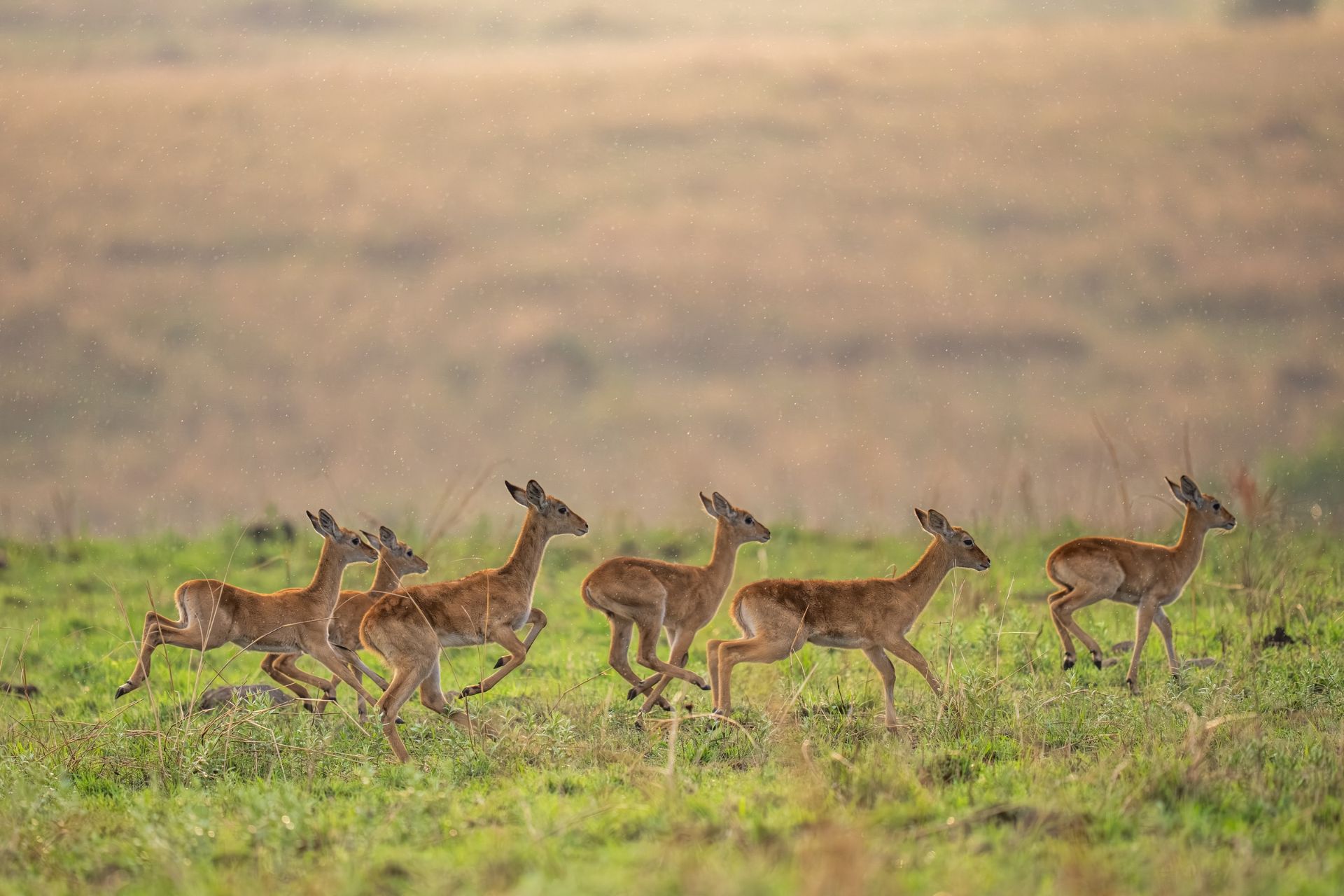
Apoka Safari Lodge, WildPlaces’ camp in Kidepo, sits on an ancient rocky outcrop above the vast Narus Valley, its chalets and thatched roofs settled organically into the topography, the pool carved to hug the natural curves of the rock. There’s just 10 of them, canvas-walled and thatched, each with a private veranda and an outdoor bathtub cut into the rock. Settle in for an after-dark soak, and the stars overhead are frankly obscene.
Kidepo is the stuff of safari nerds’ dreams, I’m told, not least because so few ever make it here. It is also disarmingly beautiful: shafts of afternoon sun hitting the earth like a spotlight from the gods, a pyramid of rock marking the border with South Sudan, the Nomili mountains smudging the horizon blue.
©Felix Studio
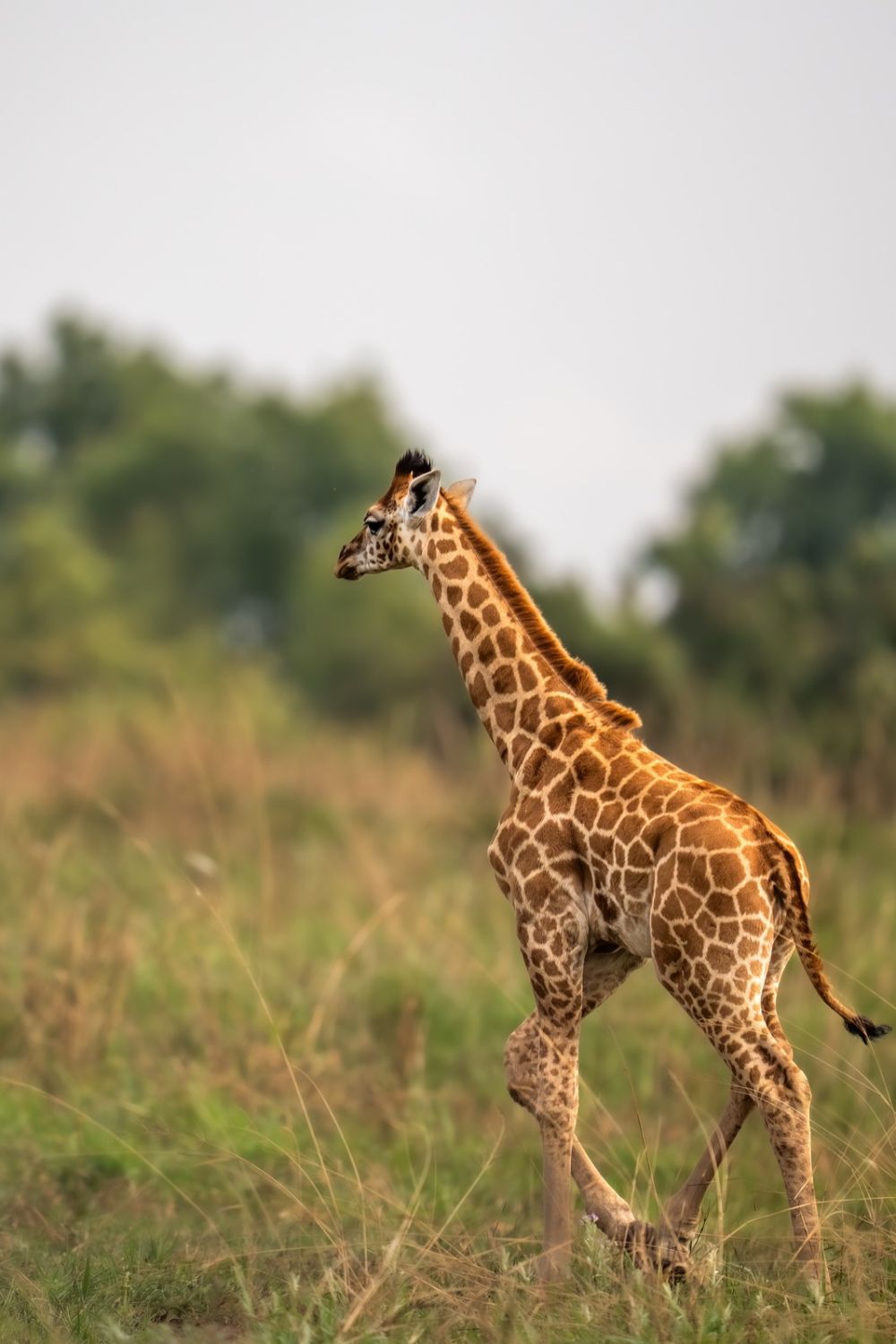
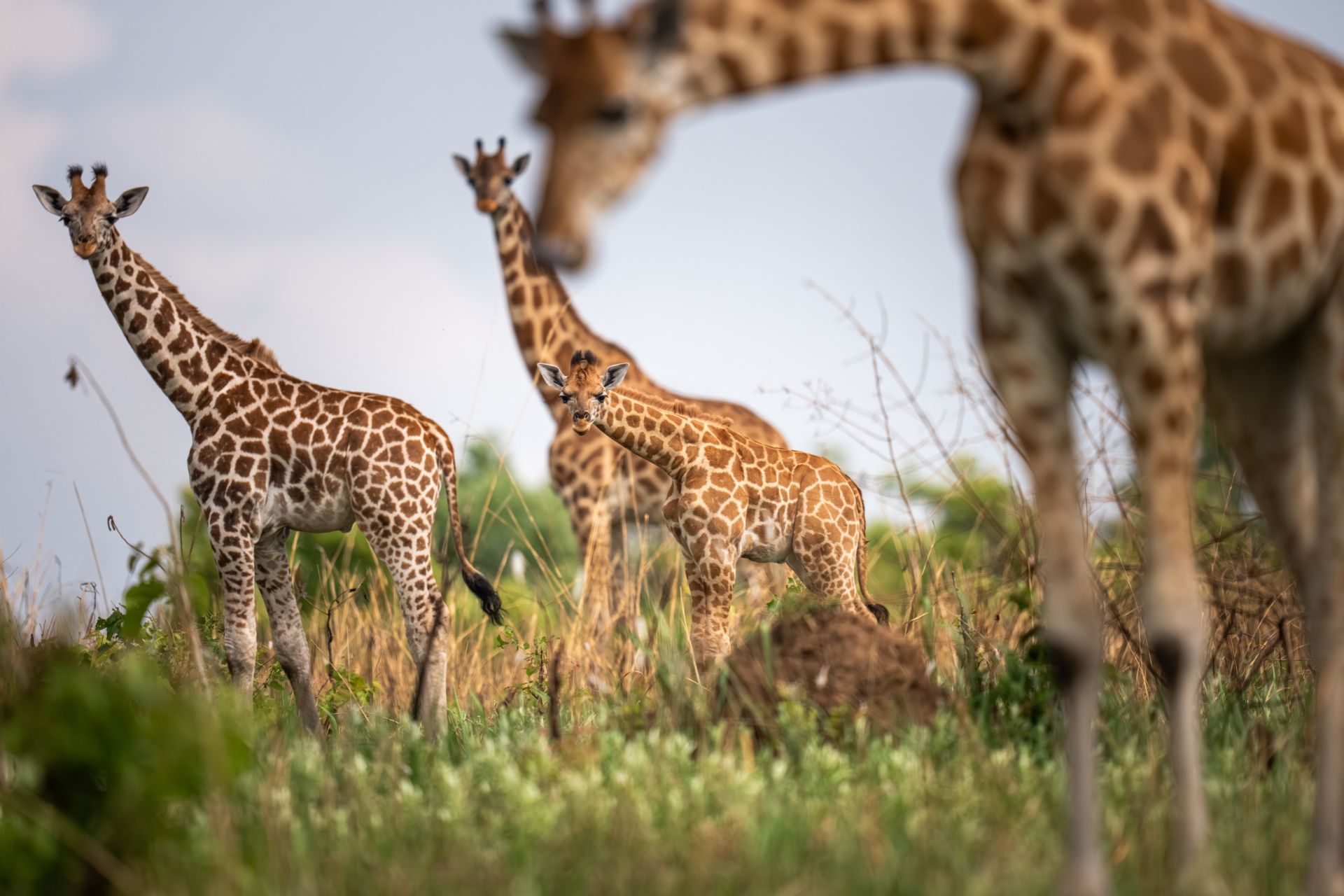
A dozen Rothschild’s giraffes are stripping a sausage tree, all elbows and eyelashes – remarkable, given that in 1996 there were three in the entire valley; today the population stands at roughly 200. Buffalo mass nearby in herds of up to 6,000, oxpeckers riding shotgun and screeching like Napoleon. Alfred, our guide, spots a leopard, slinking past a rock – I manage to catch a flash before the scrub swallows her. Sundowners are taken on a vast rock with the whole park unfolding below us: gin and tonics made with Kakira, a Ugandan gin distilled with lemongrass and ginger.
We had barely left when Kidepo made history: the arrival of two southern white rhinos, the first since poachers killed the last one in 1983. They are the vanguard of eight destined for a purpose-built sanctuary within the park.
The Karamojong, the Nilotic pastoralists of Uganda’s north-east, have lived in these grasslands far longer than the park has existed. At Lorukul, a village of three clans and 1,500 people, our guide Raphy greets us swagged out in a tartan wrap, a jaunty yellow crochet bowler and a Boy Scouts shirt.
©Felix Studio
Tidy, expertly constructed mud huts are home to smooth millstones where grain has been ground for generations. I have a go – it’s a workout. The women of Lorukul are considerably stronger than I am. As for the men – Raphy delivers his verdict with total sincerity: ‘If you don’t own a cow, you are not a man.’ One hundred cows, incidentally, buys you a wife. Before we leave, an alfresco gift shop materialises: beads, trinkets and carvings, with no pressure to buy. I do anyway – two necklaces in the most unusual, beautiful colour combinations: acid yellow with red, blue and white.
From Kidepo, another charter south to Murchison Falls National Park, Uganda’s oldest and largest conservation area, and to Kulu Ora, the most exciting camp opening I’ve seen in years. The site took some finding: Jonathan Wright hacked through kilometres of bush, machete in hand, before emerging at a spot just beneath a set of rapids on the banks of the Nile. Set in a previously unexplored 75,000-hectare low-use zone, it is so new (opened in March this year) that we were among its very first guests.
©Felix Studio
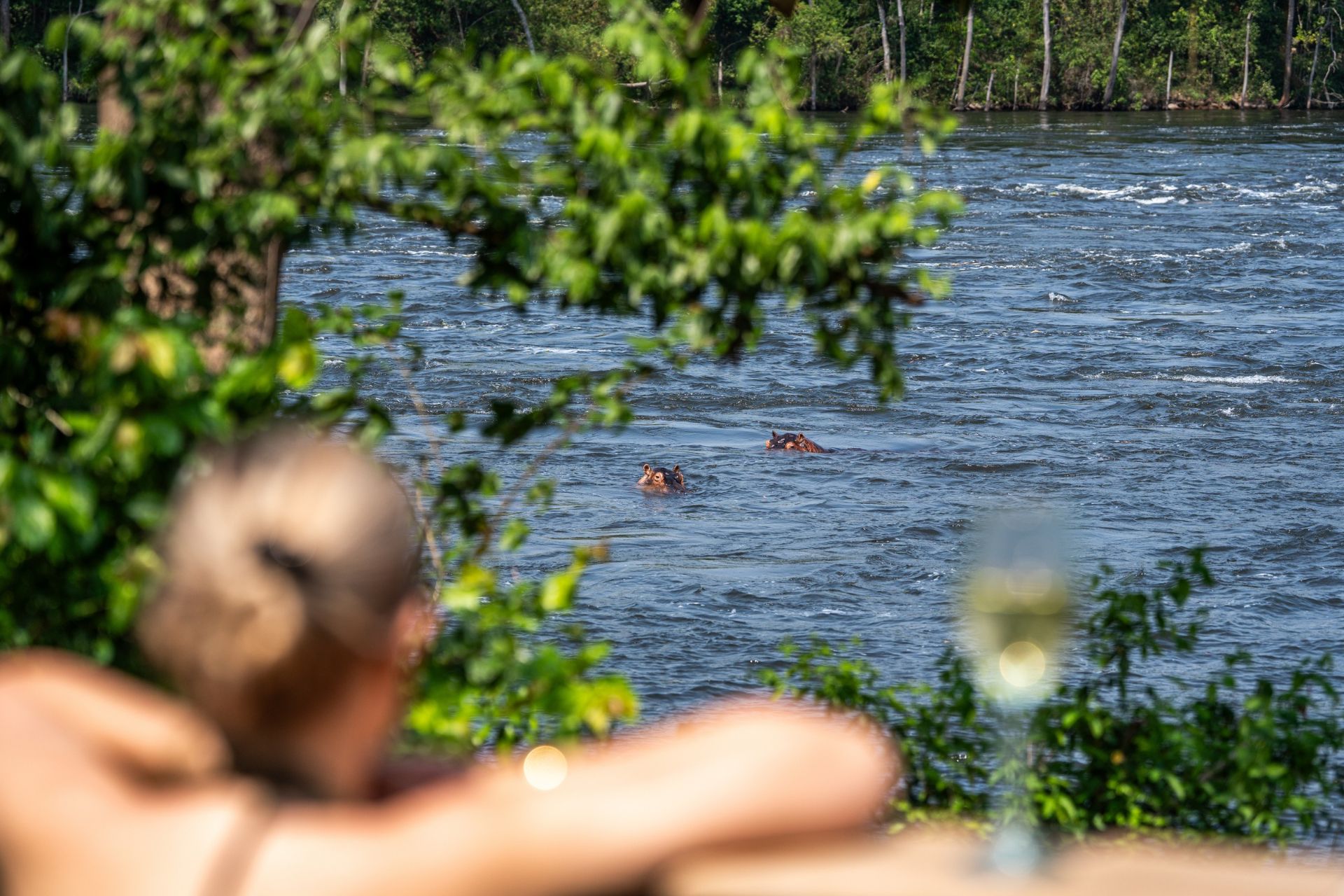
The journey to camp comes with a detour worth every minute: a private boat safari up the Nile to the falls and back. Within moments on the water a tusker emerges through the foliage like a welcome party of one. Earthen cliffs are studded with the nesting holes of red-throated bee-eaters and zippy kingfishers, while small beaches host a revolving riverside cast of baboons and lurking hippo pods. The boat noses towards the base of Murchison Falls, where the entire Nile squeezes through an eight-metre gorge and plunges 45 metres into the Devil’s Cauldron. The intensity of it makes us all giddy – a state helped along by beading bottles of Nile Special lager.
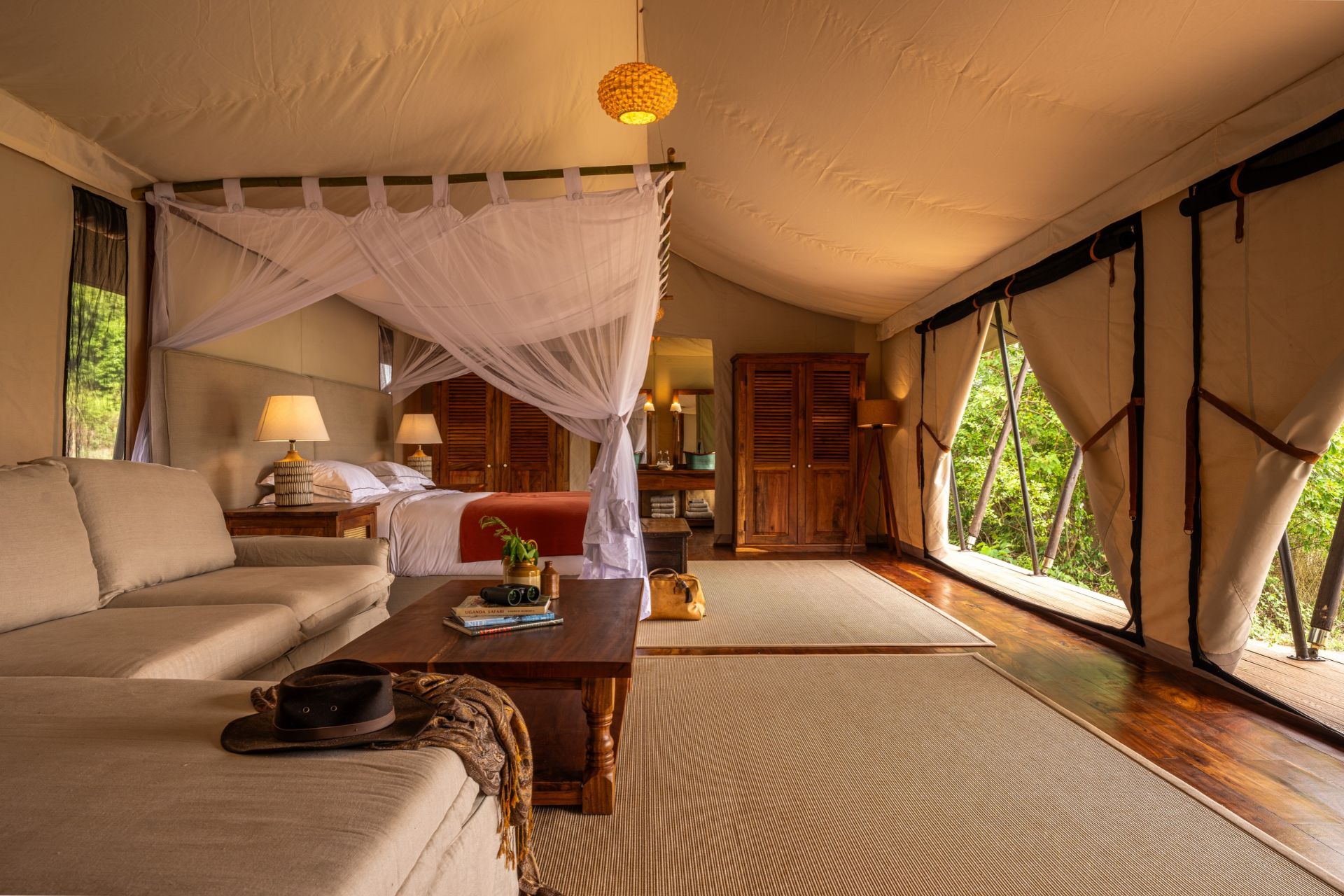
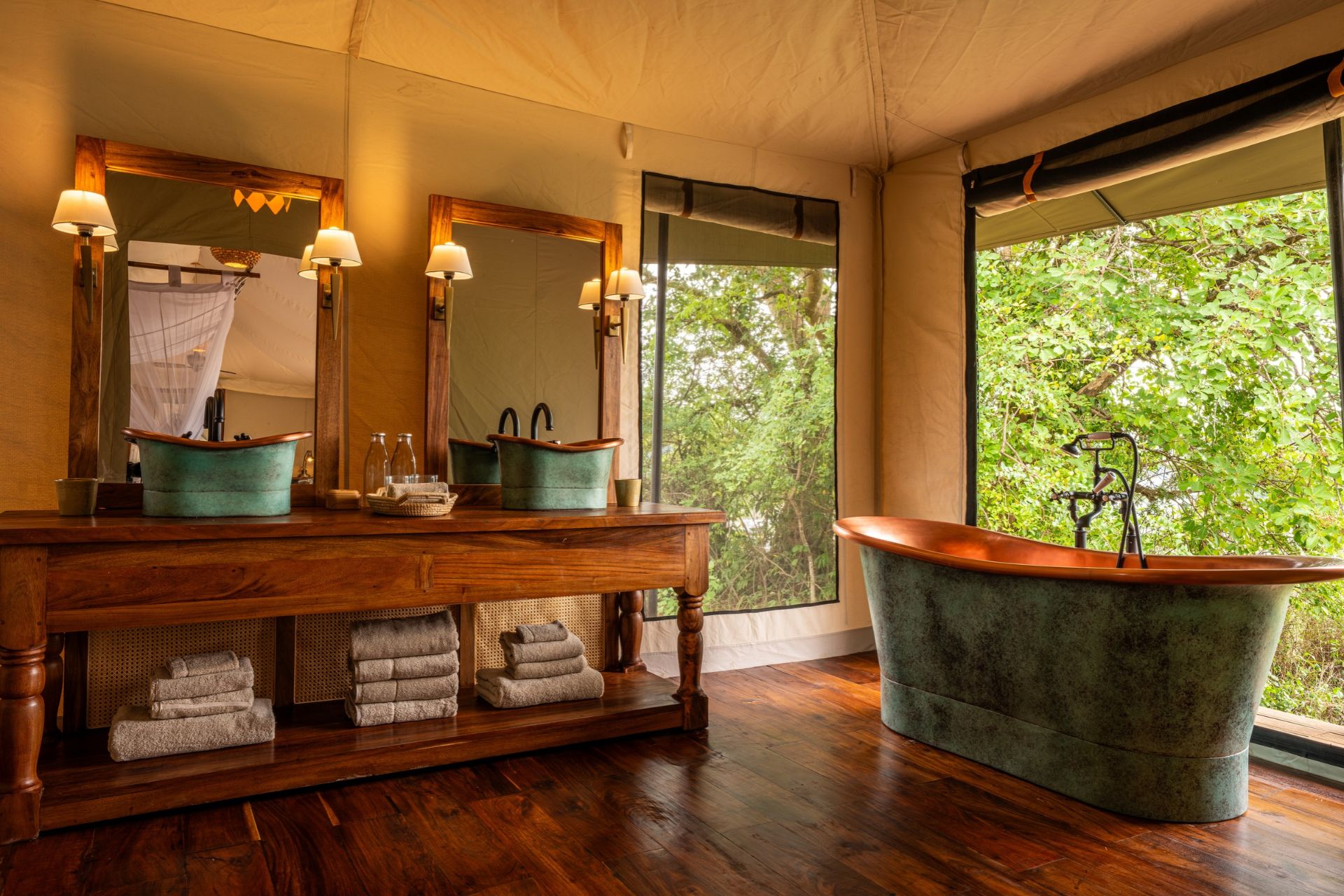
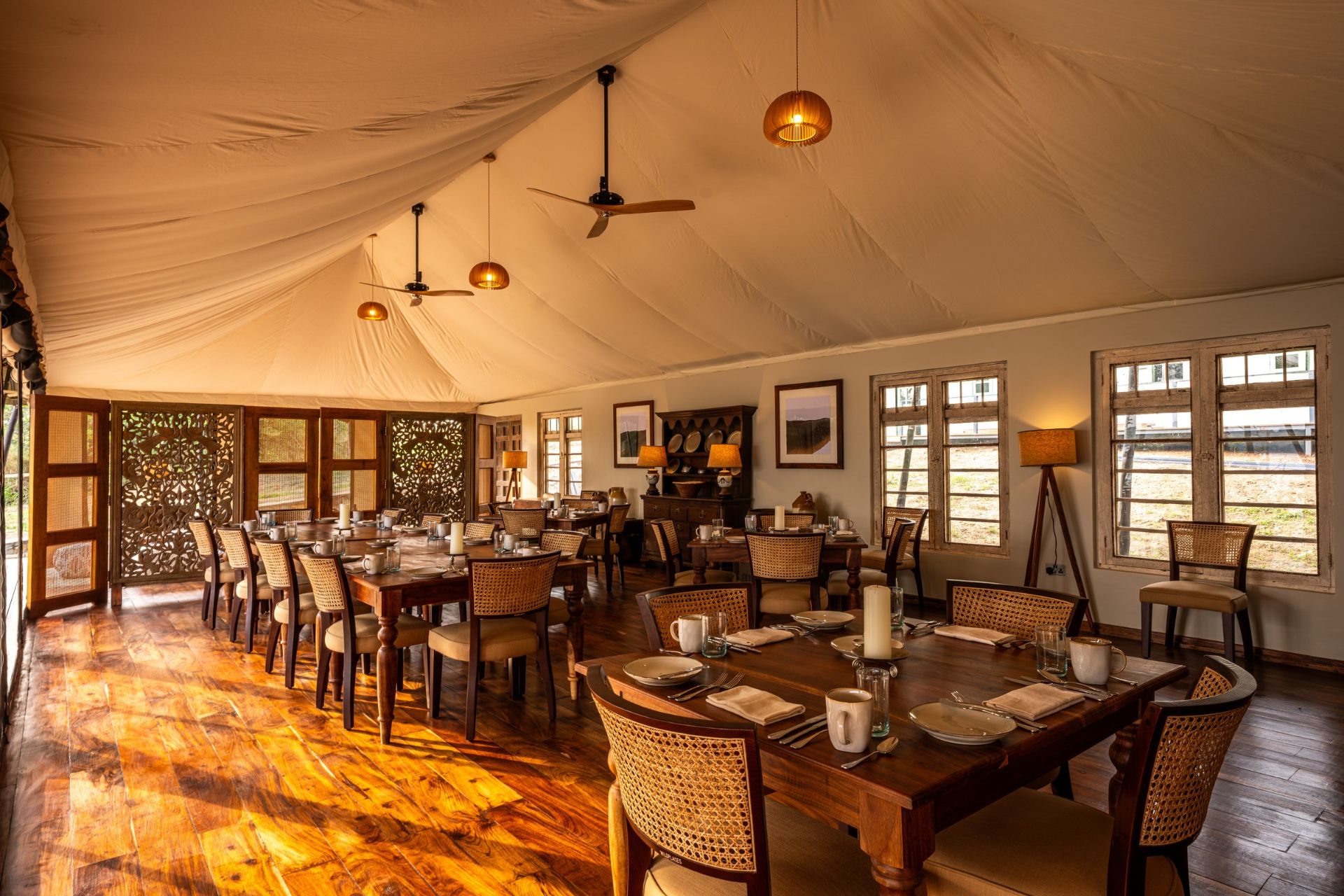
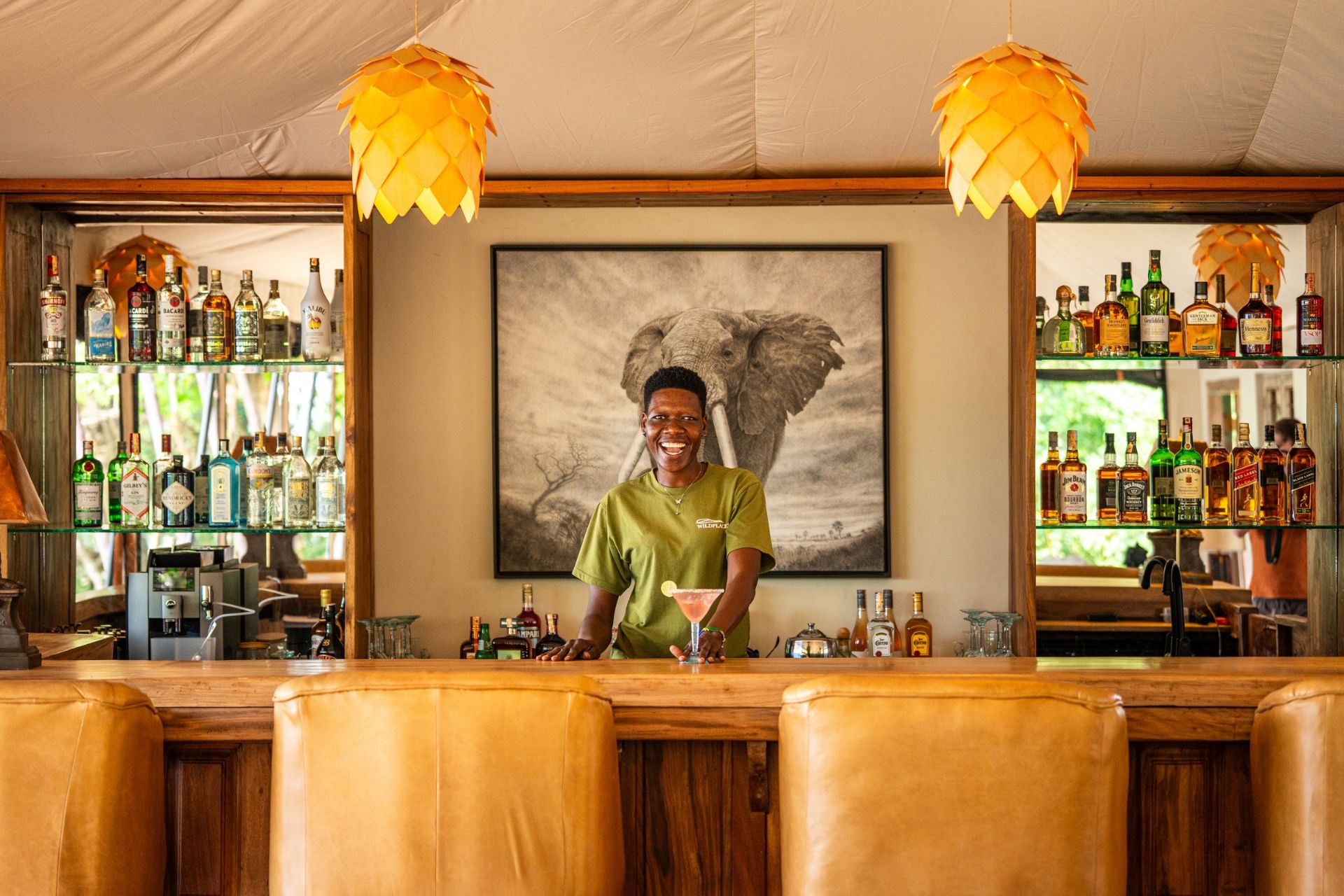
Kulu Ora, when we finally reach it, is a stunner: 11 canvas-walled suites with outdoor bathtubs and private plunge pools, plus vast communal pavilions for dining, drinking and lounging. The swimming pool hits an insane octave of glamour for somewhere this remote, perched above the Nile. Manning the poolside bar is Maggie – camp legend – pumping out margaritas and tamarind-flavoured snow cones with the biggest smile. Nearby, a massage shala juts out over the river, where Gloria irons the creases from weary bodies. The art, too, is spectacular: the abstract, earth-toned canvases beside the pavilion bar were painted by Daniel Atenyi, a young self-taught Ugandan artist sent to Murchison with a single instruction – feel the landscape, tell a story.
©Felix Studio
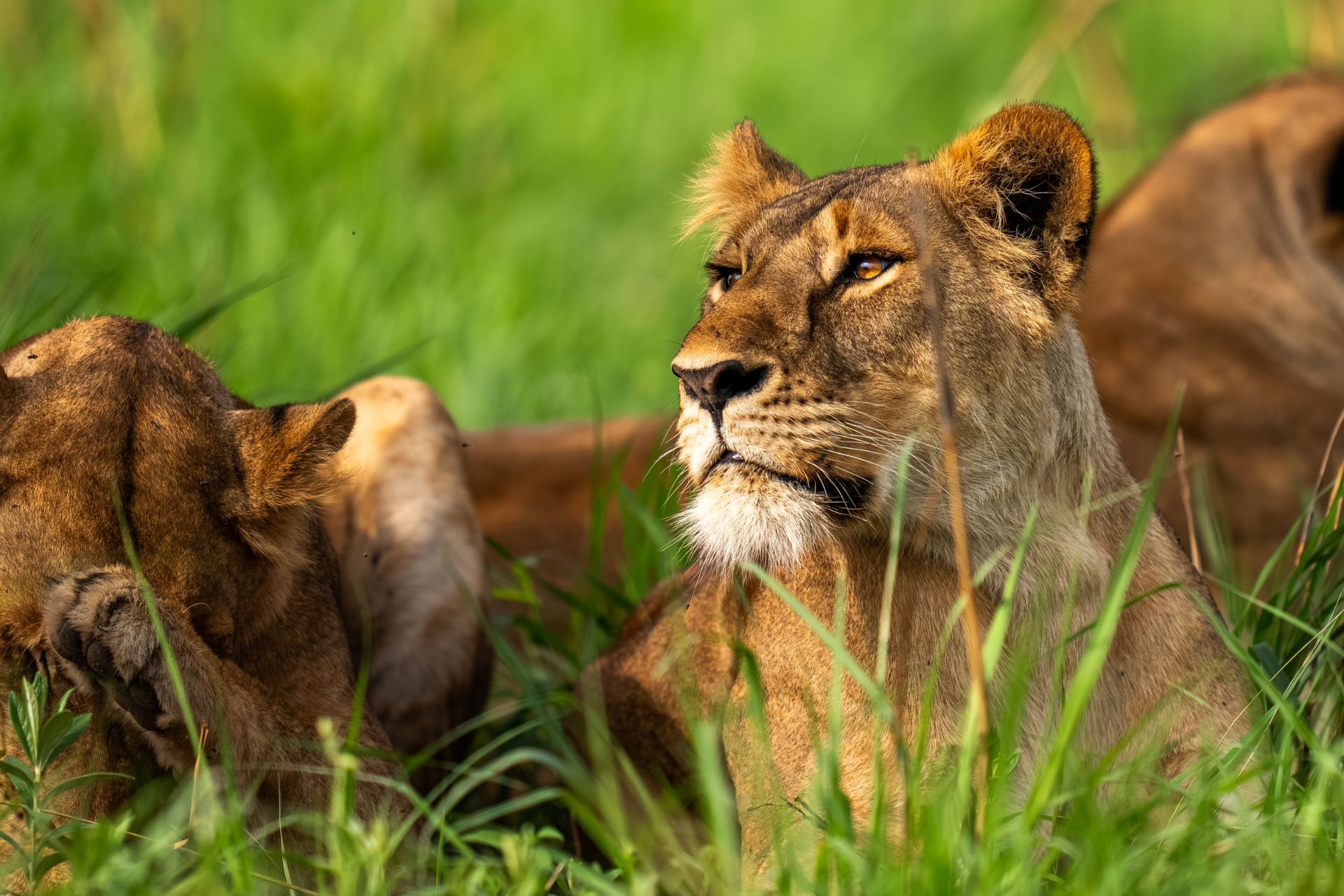
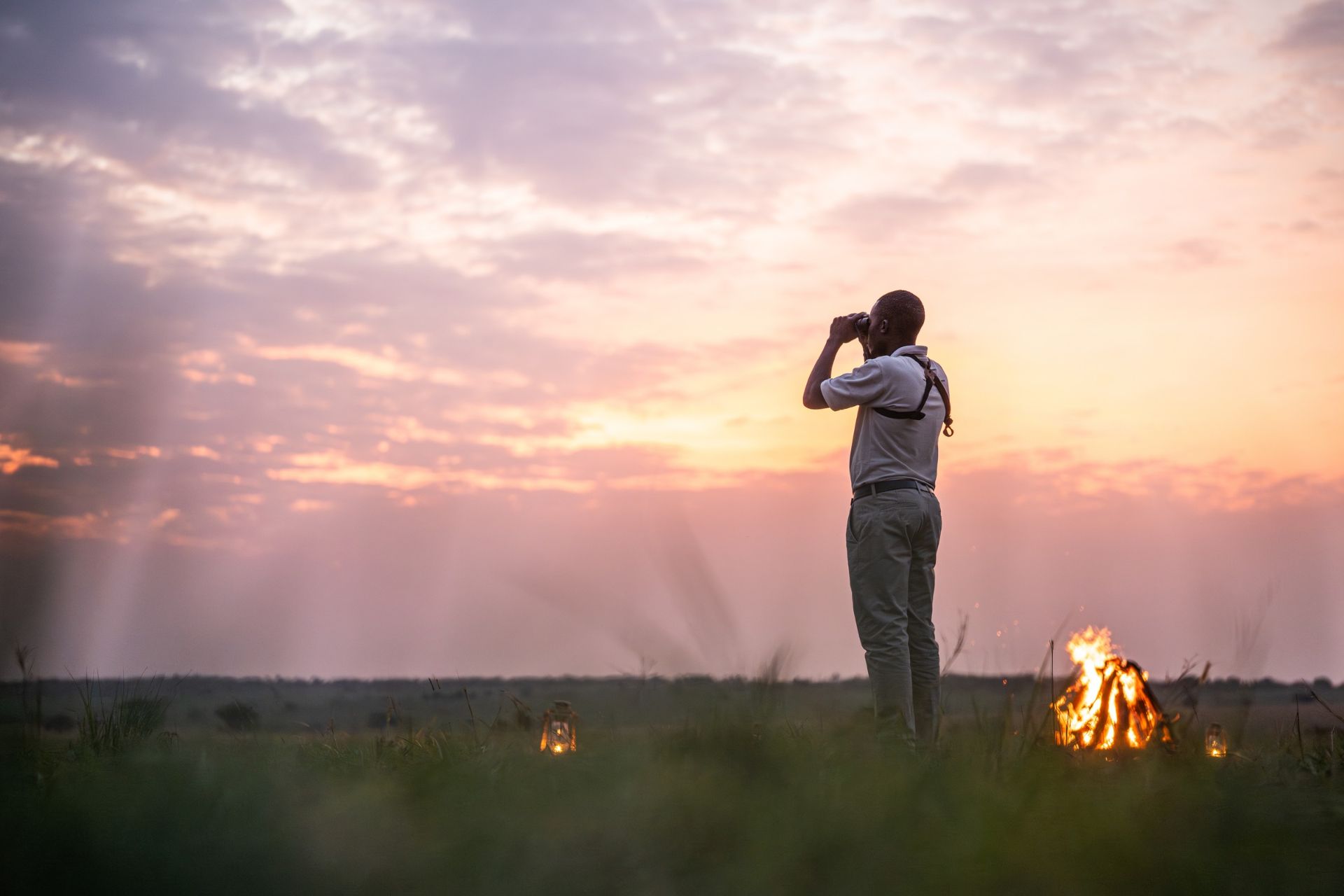
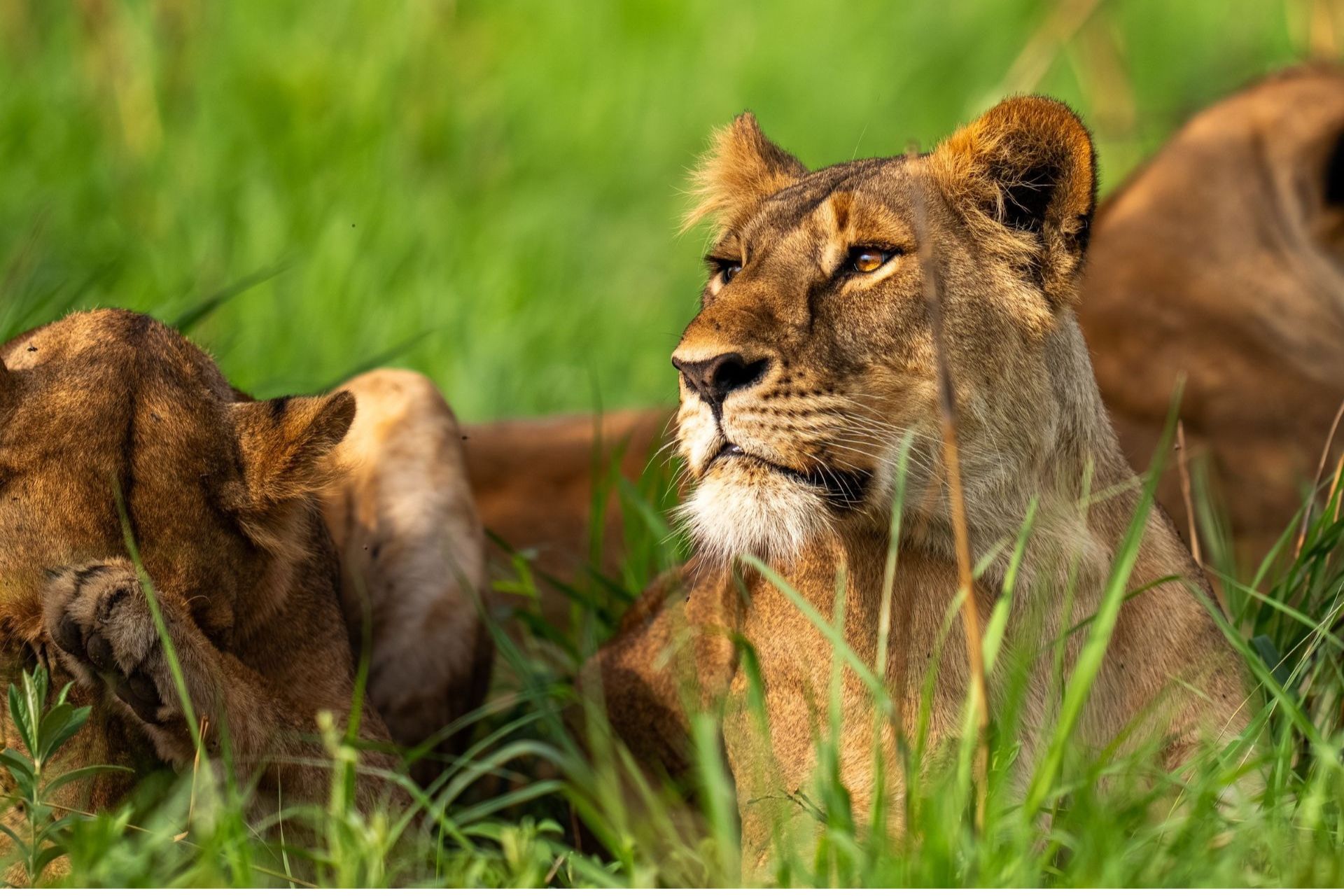
The bush answers to no one. Fortunately for us, it is in a generous mood – we find lions on every drive. One afternoon, three vehicles are out across the whole area, each with a pride to itself. ‘In the Mara,’ Jonathan tells me, ‘we’d have a horde of cars crowded around – or a time limit.’ Nothing like that here. The cats even interrupt sundowners: we’re glued to bush TV – a herd of rutting kob – when word arrives of a lioness lounging in a nearby fig tree. I snatch my whisky sour off the bonnet and off we go, bouncing across the park under violet skies, to find her draped along a branch at almost exactly eye level. On the way home a biblical storm catches us, wind tossing the jeep about as we batten down the canvas, everyone howling with laughter.
We arrive back soaked, wrung out and straight into dinner. Uganda sits on the same latitude as the Amazon and enjoys the same absurd fertility: avocado drips from every plate like tropical butter, joined by scarlet tomatoes, chilli, papaya, passionfruit and ginger, much of it from the lodge’s garden. Head chef Alex Tuhirirwe has been with WildPlaces the best part of a decade and was recently trained by Ron Dutes, a Mexico-based New Yorker, to reimagine local produce with a Latin accent. The results are banging.
Dawn arrives with Maggie and her team delivering coffee and scones to my tent. One day the door barely closes behind them before they shriek and dash back in, spooked by a hippo that had charged right past the room. We look at each other and collapse into giggles. Uganda deals out drama and delight in equal measure.
Not everything is idyll. One afternoon, parked beside a lolling pride, our excellent guide David Kawamara suddenly stiffens: ‘Poachers.’ His eagle eyes have caught three figures on a ridge, clutching spears. By evening, an update crackles through: two have been caught. WildPlaces supports a reformed poachers’ group, providing funding and mobility to men who now work as community ambassadors.
Every leg of this trip swaps one Uganda for another. The Kazinga Channel is all water and traffic: elephants swimming across it, hippos lining the muddy banks, the Rwenzoris rising behind – the tallest range in Africa, snow-capped even on the equator. Honey Bear Bush Camp sits on the southern bank, five canvas tents pitched to face the channel. Summiting takes a brutal six days, Fergus tells me, which settles it: better admired from the water.
We take breakfast overlooking a landscape pocked with crater lakes, each with its own microbiome: coffee, cake and an oozy shakshuka turned out by chef Timothy. Inland lies the sunken green world of Kyambura Gorge, a slash of rainforest below the savannah floor. We climb down into it after chimpanzees, and find them high in the canopy – until they plop down one by one, landing in and around us so that the group is scattered through our own. They are gloriously lively, and when they move off along the forest paths they seem almost to be beckoning us after them, as if the tracking has been reversed and we are the ones being shown around.
The ‘Impenetrable Forest’ does what it says on the tin, and our base for the gorillas is Clouds Mountain Gorilla Lodge, perched on Nteko Ridge overlooking the Virunga Volcanoes. The drive to the trailhead delivers a detour we couldn’t resist: a hand-painted sign for a pangolin rescue centre. Founded in 2015 by Moses Arineitwe, the sanctuary rescues, rehabilitates and releases the world’s most trafficked mammal – more than 150 pangolins saved so far, and over 70 poachers reformed along the way. Most safari-goers live and die without ever seeing a pangolin; we meet two – adorable, armour-plated and entirely worth the stop.
Getting there makes you work – if you take the longer, scenic route on foot as we did: a 14-kilometre hike through tea plantations and mist-hung forest, a lean army of porters shouldering our bags. The reward: stone cottages, wood-burning fireplaces, an organic kitchen garden of gooseberries, strawberries and borage to bring in the bees, and a population of miniature chameleons that gardener Dennis calls ‘his friends’.
Bwindi crams 357 bird species, 24 of them endemic, into 321 square kilometres – and, as our guide points out, three species of ape living together: chimpanzees, mountain gorillas and humans. That guide is Owen – Murungi Owen James, and he informs us there is a 99.9 percent chance of seeing gorillas today. He has the quiet certainty of a man who has never been wrong – and with trackers shadowing the family from dawn to dusk to keep tabs on their whereabouts, the odds are stacked in his favour.
Even so, gorilla trekking is famously unpredictable – the apes feed across 10 to 15 kilometres, and a trek can swallow a whole day; the unlucky or unfit can even be carried out on a stretcher. We descend into the gorge braced for hours of hiking, two armed rangers ahead, my designated hand-holder Ananto steadying me down the slopes. Just 15 minutes later, we encounter the Posho family. It’s raining softly, the gorge steep and slick underfoot, and seventeen gorillas are getting on with their afternoon: some munching steadily through the vegetation, others sitting it out with the hunched, resigned expressions of anyone caught outside without a brolly. A mother shields one baby from the drizzle while the rest wrestle and tumble nearby; an adult female wanders onto the path and squeezes past us entirely unfazed.
©Felix Studio
At the centre sits the silverback Magara – the alpha final boss. Without ceremony, he unfurls, sending a female tumbling down the slope, indifferent to the gasps of the audience. Upright he is a wall of muscle, intimidating but in no way hostile. After a good stretch and a survey of his kingdom, he gets back to snacking. Magara knows how to work a crowd.
The gorillas had neighbours here once. The Batwa, indigenous forest dwellers, lived peacefully alongside them for generations. In 1991 their home became a national park and they were evicted without compensation. Their knowledge is only now being properly valued, as guides and spotters, and we walk their recreated village as they show us the ancient ways: shelters woven from sticks and roofed with moss and fire conjured from sticks and dry hay in under three minutes – the men coaxing the flame while the women sing a cappella, a sound so haunting it follows me home.
Clouds pays US$75 to the NCDF, the local community development foundation, for every guest, every night, and the community decides how it’s spent. A secondary school built in 2017 has already sent 48 students on to further education, some now working at the Uganda Wildlife Authority and the lodge itself. The fund also works to include those long pushed to the margins – women, elders, the young, and above all the Batwa.
©Felix Studio
Uganda had one final surprise in store. Our charter back to Entebbe was cancelled – and in WildPlaces’ hands, the setback became a bonus round: an unplanned stay at Semliki Safari Lodge, the property where it began in 1997. It feels less like a lodge than a home, which in a sense it is, and it sits among wonderful birdlife and some of the most curious chimpanzees in Africa – dwellers of dry savannah rather than rainforest, known to walk upright. We settle in with the Semliki Slammer, the lodge’s unofficial signature serve. Invented by the Wrights at one of their famously raucous family get-togethers here, it is now iconic. I had five.
That’s the magic of this country and this company alike: plans become detours, detours become highlights and adversity becomes adventure. Uganda will not stay under the radar indefinitely – a new direct Uganda Airlines service from London Gatwick to Entebbe has cut the journey significantly, and WildPlaces is expanding fast. But right now, this remains a place where you can have a national park almost to yourself: the kind of safari one WildPlaces guest described as ‘African Safari Tourism 1965’, now increasingly hard to find.
There is far more to Uganda than its gorillas, and no better compass than a family who, 30 years in, are still uncovering, shaping and sharing its wildest corners. Fly in for the apes – just don’t leave once you’ve found them.
BOOK IT
A 10-day itinerary in Uganda with WildPlaces Africa including Kidepo, Murchison Falls, Kyambura and Bwindi costs from £15,745 per person including accommodation on a full board basis, safaris and gorilla permits, and international flights from London Gatwick to Entebbe. Contact Steppes Travel on 01285 880980 or steppestravel.com
Uganda Airlines flies direct from London Gatwick to Entebbe four times weekly; ugandairlines.com.
Best time to go: June to September for dry-season game viewing; January to February for gorilla trekking on firmer ground.
Olivia’s return fights from London Gatwick to Entebbe had a carbon footprint of 1,512kg of CO2e (ecollectivecarbon.com)