

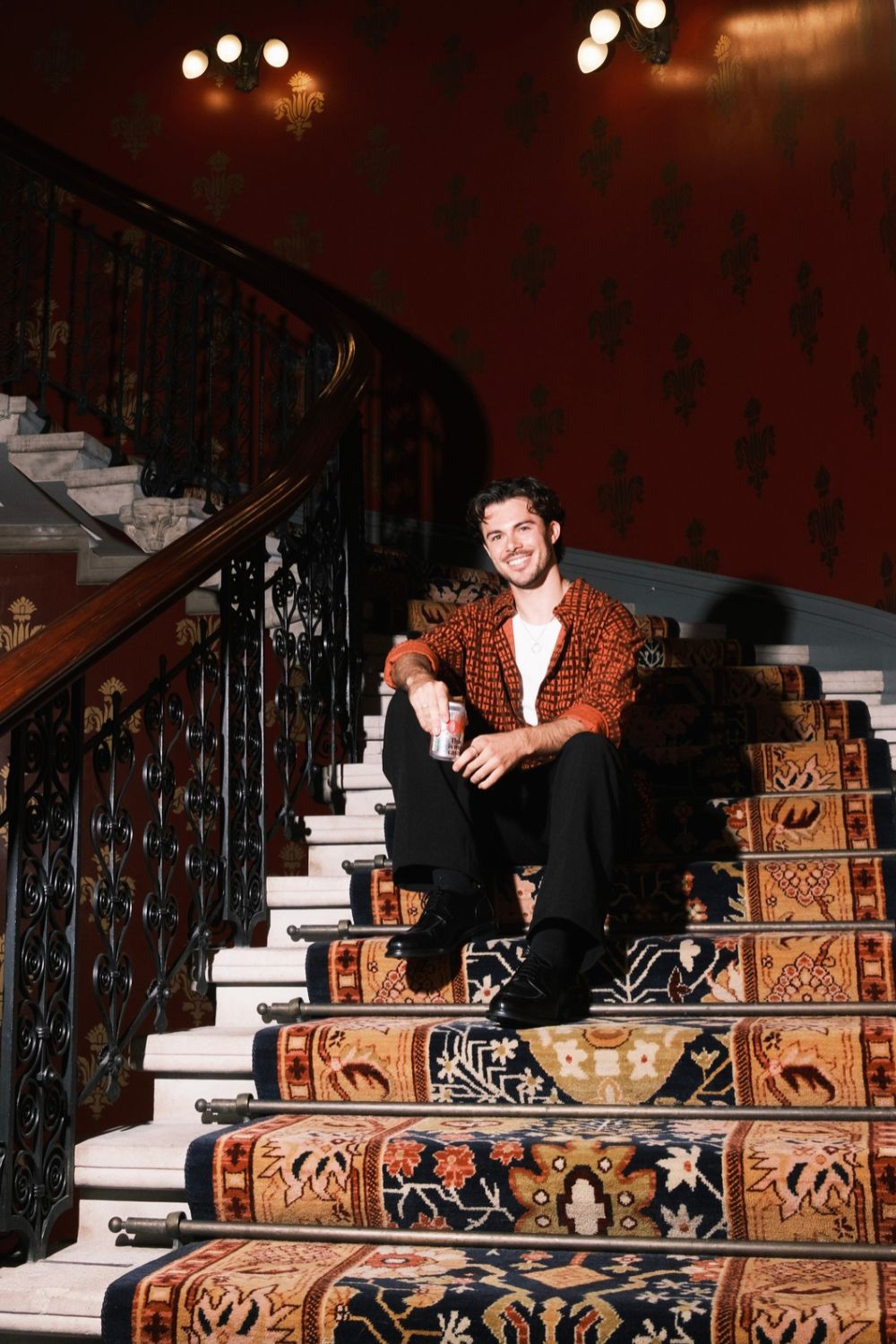
‘It’s Humbling To Be Surrounded By Books’: Jack Edwards On His Favourite Reads & New-Found Fame
By
14 minutes ago
The internet's resident librarian chats being recognised by Zendaya, his favourite places to read, and that life-changing Cillian Murphy interview
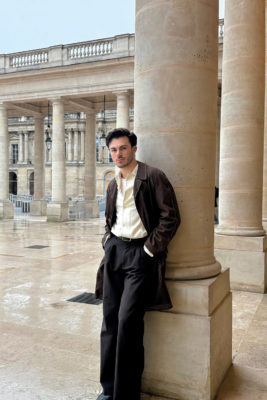
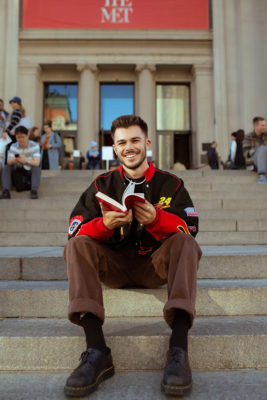
The last time that Jack Edwards spoke to Country & Town House, the BookTuber, BookTokker, podcaster and full-time reader (better known as the ‘internet’s resident librarian’) listed Sally Rooney, Alan Hollinghurst, RF Kuang and Ocean Vuong among his dream interviewees.
By the time we chat, a little over a year on, he’s managed half those – and a whole bunch more.
Even if you didn’t grow up on BookTube and StudyTube (those cosy corners of the internet dedicated to book reviews and ‘day in my life’ uni vlogs), you might recognise Jack Edwards as that well-dressed guy on Instagram and TikTok who’s always chatting to celebs about their favourite reads. If Zendaya knows who he is – a ‘mind-blowing’ revelation when he interviewed the cast of The Odyssey – then you have no excuse not to.
While he’s been steadily building his fan base for years, it was his interview with Oppenheimer star Cillian Murphy that propelled him into a new stratosphere of stardom. ‘I pitched the concept for years and years, and every reply I got started with the word “unfortunately”,’ he says of his online series ‘Required Reading’ in which he chats to movie stars about their favourite books. ‘So it’s been incredible to finally have people saying yes, and even reaching out to me on their own.’
Jack, who is just as warm and effusive on the Zoom camera as down the YouTube lens, was lucky enough to re-interview Cillian in March this year. ‘I got to tell him how much that moment changed my life, and to thank him for how generously and warmly he answered the questions.’
As we chat about his new-found fame, there is a sense of still-dazed awe; words like ‘special’, ‘strange’, ‘grateful’ and ‘overwhelming’ are offered up in an attempt to encapsulate the onslaught of attention. He remains, at the core, applaudingly humble. Which, as he points out, should be an easy exercise for any true reader. ‘There’s something humbling about being surrounded by books all the time, because they keep reminding you of everything you don’t know yet and the experiences you haven’t had […] I don’t know if you can be a big reader and have an ego. I’m grateful for this community, but I feel like part of it rather than its leader, if that makes sense.’ It does. Especially when, at the close of our interview, Jack turns the tables on me and asks what book I’m loving right now. He has, of course, already read it.
Though reluctant to see himself as leader of this book cult, he has amassed a vast legion, sorry Jack, community of fellow book lovers. Today, his follower count is at 1.4m on Instagram alone – a number he finds it increasingly difficult to quantify. ‘I do words, not numbers,’ he jokes. ‘So I focus on the person sitting in front of me, and the connection we can make by talking about the books we love.’
It is this very tenant that is the secret to his format’s success. ‘There’s something deeply human about two people sitting down to talk about their favourite art. The celebrity and the fame leave the chat, and it’s just two people talking about the art that meant something to them. I think that’s probably why people have responded so kindly to it.’
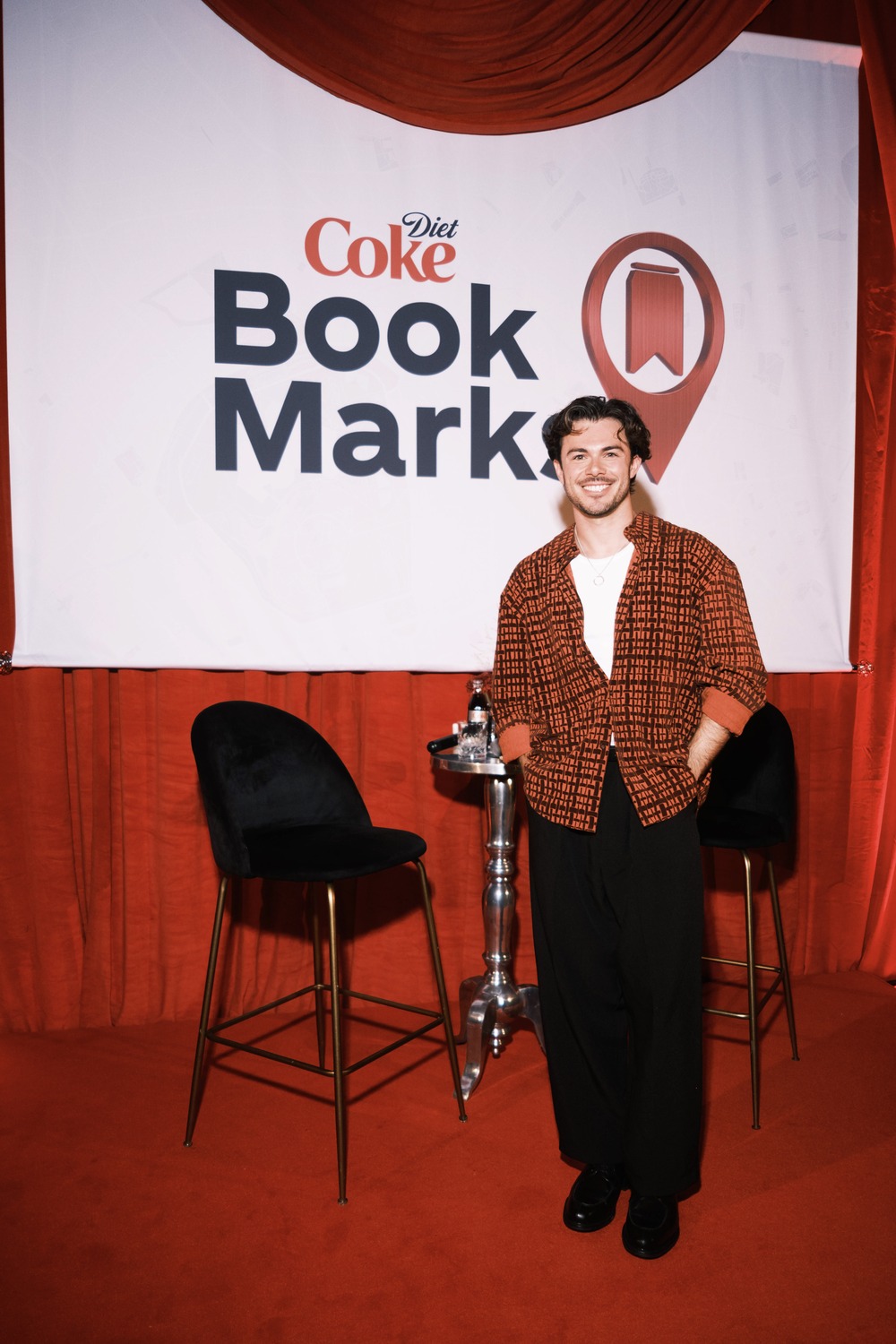
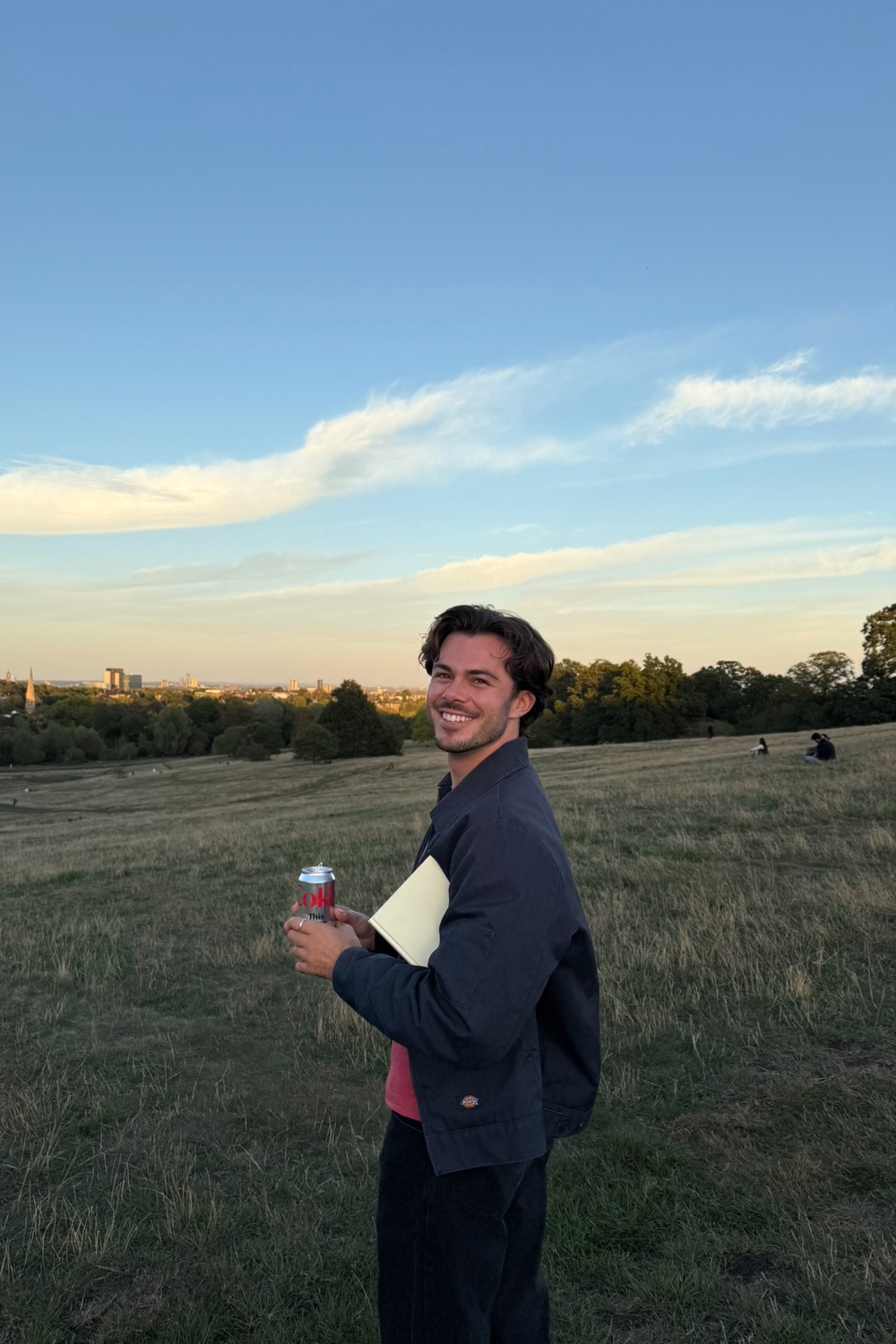
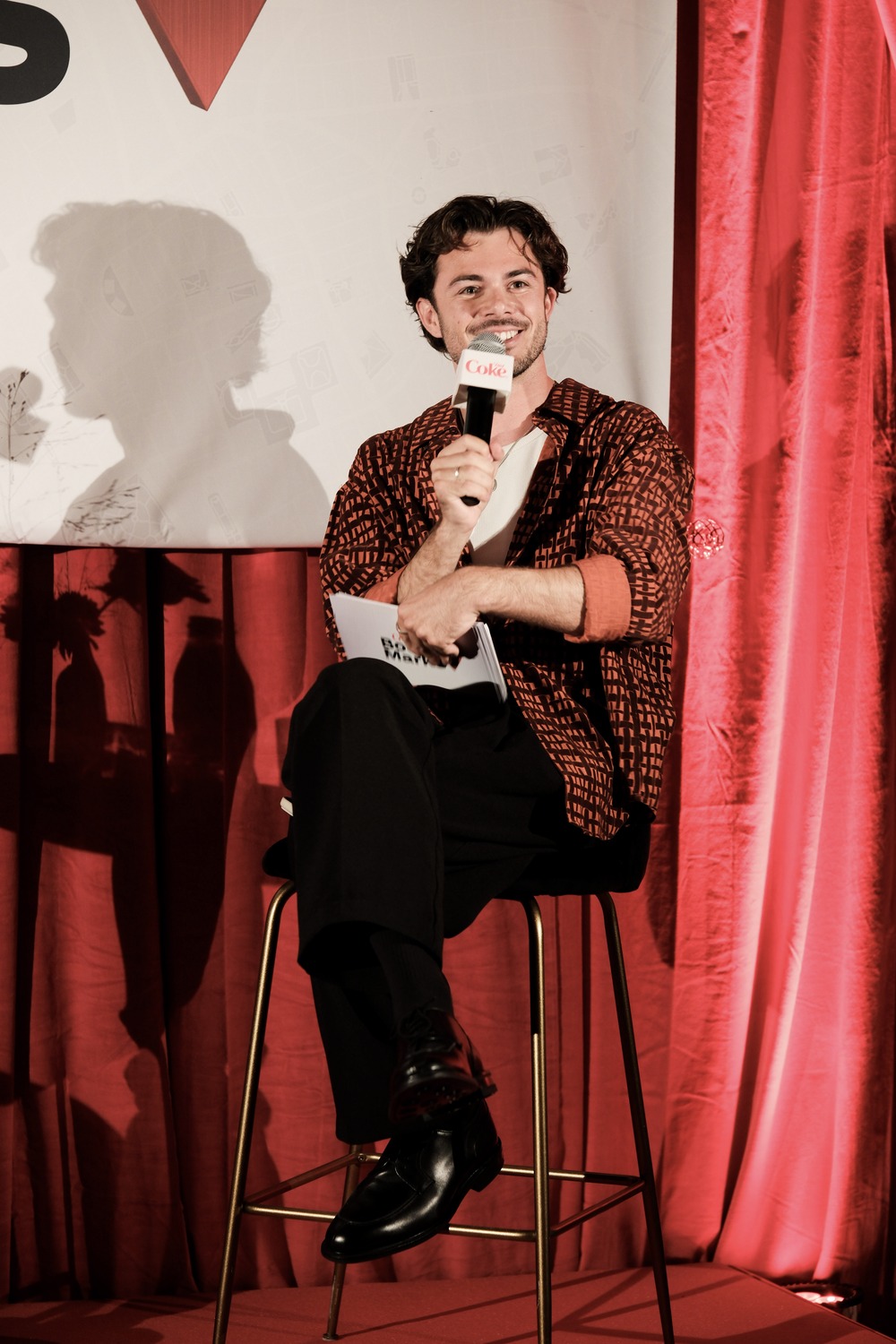
The go-to book man, it’s no surprise that Diet Coke called him up to work on its new BookMarks campaign alongside Elizabeth Day. A celebration of reading and community (what could be more up Jack’s alley?) BookMarks asks readers from across the country to select their favourite reading spots and share it with their fellow bookworms on an interactive map.
Jack’s reading nook of choice was Palace Green in Durham, where he went to university. ‘It’s a place where you feel the history of everyone who came before you,’ he says of his pick. ‘We studied Bede, who wrote The Ecclesiastical History of the English People (try saying that with a hangover). When lecturers mentioned Bede, they’d gesture over to the cathedral where he’s buried. Studying a piece of literature while the person who compiled it is buried a few metres away is a profound experience.’
Jack is astonishingly eloquent throughout our chat. Quotes from James Baldwin, Nassim Nicholas Taleb and Samuel Johnson drop casually into conversation. It could feel annoyingly performative if any other man dared it – she says getting flashbacks to uni seminars – but for Jack it feels only the natural consequence of a man who lives, breathes and eats books. Or maybe I’m just too charmed to care.
With such a way with words, it seems a wonder then, that between his online book reviews, his Inklings podcast and Esquire column, that he’s yet to pen a novel of his own. Surely he knows he could get a many-zeroed publishing deal, TV rights included, in a heartbeat?
‘It’s really important to me to have a traditional publishing experience,’ he says, ever the humble bloke. ‘I don’t want to be surrounded by people who blow hot air and would publish anything I wrote. I want people around me who challenge me and criticise my work the way I’d analyse anyone else’s. So I’m taking it at my own pace and submitting my writing anonymously where I can. It’s a work in progress.’
So, one day?
‘One day,’ he says, smiling. ‘I’m dreaming of that day.’
Shelf Life: Jack Edwards
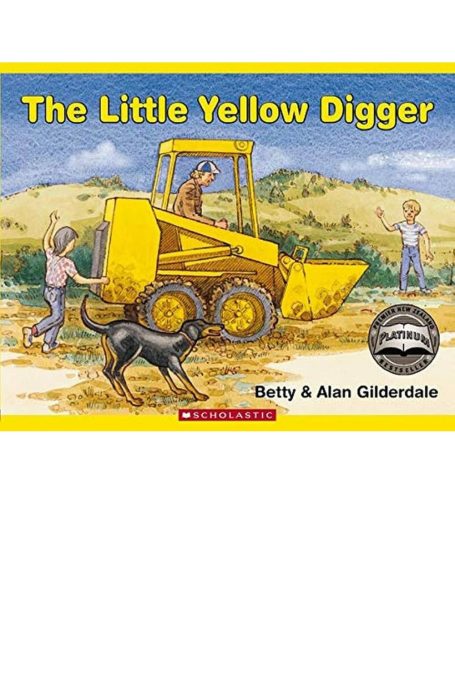
This book made me a reader…
I finally have this answer after searching for years. My mum and I always called the book The Man with the Plan, because that’s the name of the character, and I could never track it down. Then for my birthday this year, my mum found me a copy. It’s actually called The Little Yellow Digger by Betty and Alan Gilderdale. Because of it I was obsessed with cranes, machinery and building sites, and my parents used to drive past construction sites so I could look out of the car window. Mum says it was the book I wanted read to me over and over again. If my parents got sleepy and tried to skip a page, I’d point out the missing line, word or page, and they’d have to go back and read it properly. That hunger to hear other people’s words is still true of me. I could never skim-read. I want every single word someone has put on the page, because they’re all there for a reason. I think that book sowed the seed.
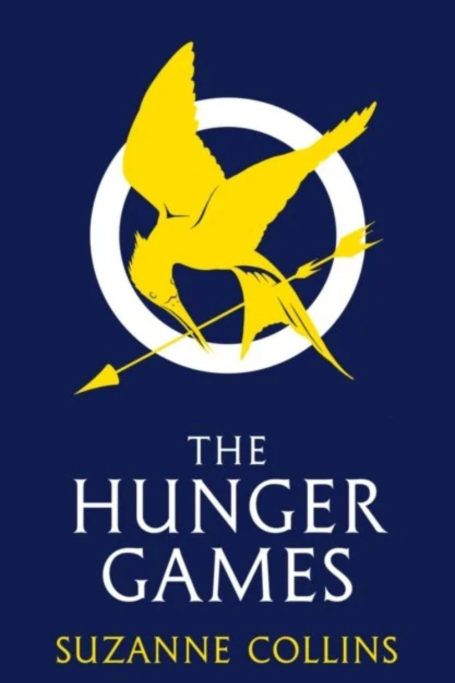
This book was formative in my youth…
The Hunger Games by Suzanne Collins. I think it’s a perfect series. I had to read the books quickly because my brother was waiting for each one as soon as I’d finished. That was a lovely way to bond. It was also my first step into the online world. At 14 I sent my local newspaper a review of The Hunger Games, sure it was groundbreaking journalism. It totally wasn’t. They sent a very kind rejection, but they suggested I start a blog if I was interested. I did, and that led to my YouTube channel. On the 28 October I hosted the premiere of the new Hunger Games film so it’s very full circle. The series has been a constant throughout my life. It was formative then, and it still is today.
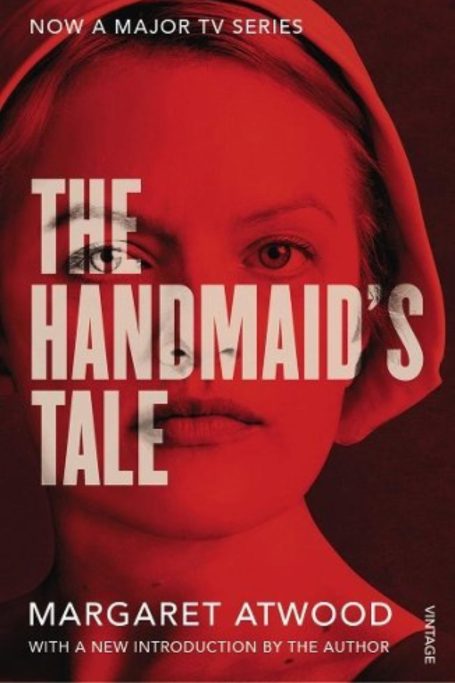
This book is one I can’t stop returning to…
The Handmaid’s Tale by Margaret Atwood. My copy is my most scrawled-in novel. I underlined so much in red pen that it’s barely legible, and it’s now more red than black and white. Every time I read it I find more substance and texture in the writing, and new things become relevant. It never gets old, and each time you find more within its walls. It’s still alarmingly relevant, scarily so.
This book broadened my horizons…
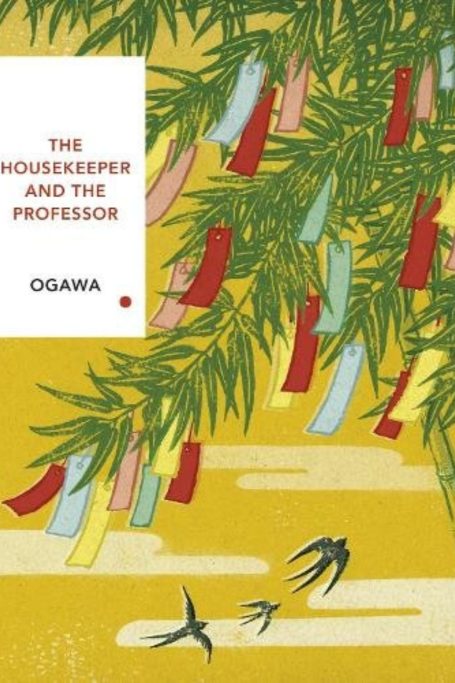
The Housekeeper and the Professor by Yoko Ogawa. I graduated with a degree in literature, but the silent word was English literature. Once I started exploring what else was out there, I realised how much I hadn’t read, because everything I’d studied came from the anglophone canon. As soon as I graduated, my mission was to read more diversely and from around the world. The Housekeeper and the Professor was one of the first books I chose for myself as an adult, outside any syllabus. I found it entirely on my own rather than having it assigned. It unlocked Japanese literature for me, which I love so much. Reading in translation matters because it expands your sense of what storytelling is and can be. It isn’t written with a Western audience in mind, so the writers approach storytelling completely differently and break the rules we’ve been taught. That’s the most thrilling thing.
This book is my comfort blanket…
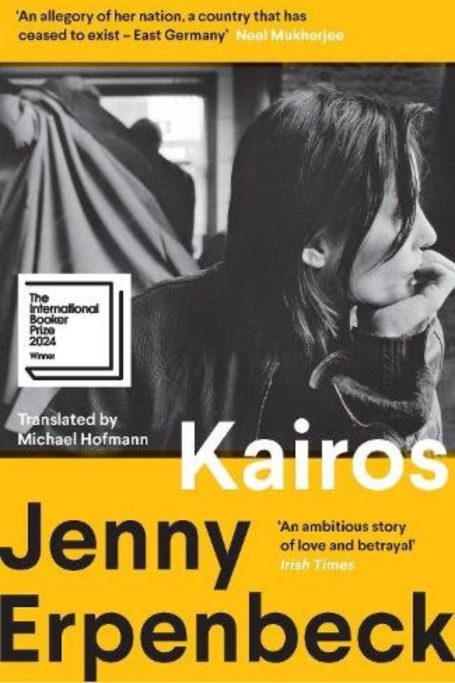
Kairos by Jenny Erpenbeck, translated by Michael Hofmann. I really love this book. It has everything I enjoy wrapped up in one: two people falling in love. It’s translated from German, and so beautifully. It’s lyrical and poetic, and it’s a love story set against history, around the fall of the Berlin Wall. You learn a lot about a very specific time and place without realising it, while getting absorbed in two people falling in and out of love. I love messy dynamics and complicated love stories where people don’t necessarily end up together, because that feels real to me. Hofmann has said he read it in the original German, put it down, and then wrote it again, rather than translating line by line. It won the International Booker Prize.
I wish I’d written this book…
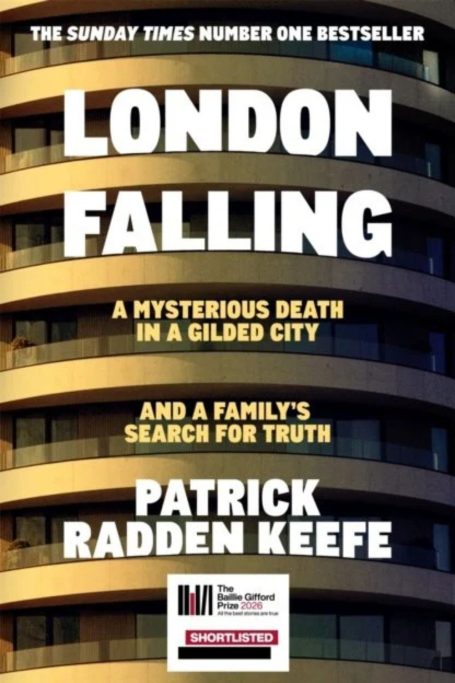
I’d love to say something like Martyr!, but I haven’t had those experiences, so I could never have written it. I love investigative books like London Falling, or The Psychopath Test by Jon Ronson. They’re built on research, and you get to follow someone on a journey of discovery, interviewing people to uncover something. There’s something mesmerising about that. I think Patrick Radden Keefe is a genius, and I read every article he writes. If you want to dip your toes in, he’s written so many great pieces for the New Yorker about different phenomena around the world. He’s the coolest.
I can’t stop talking about this book…
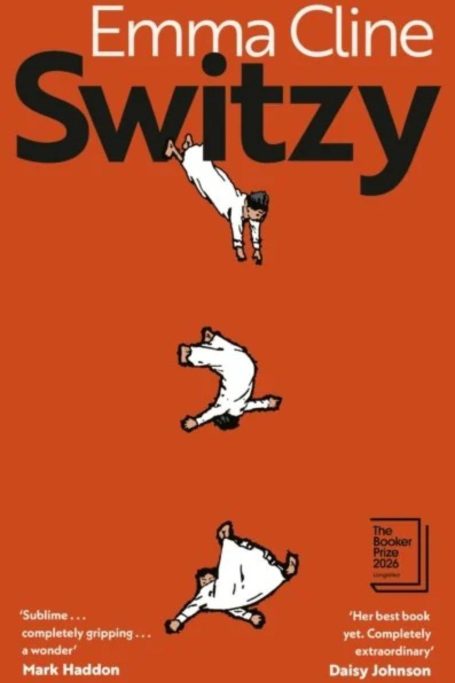
Switzy by Emma Cline. It’s about a man on his way to Dignitas with his assistant, saying his last goodbyes to the important people in his life while wrestling with dementia. You’re inside his condition as you read. That makes him an unreliable narrator, because he’s suffering memory loss and confusion, so you have to work out what’s real and what’s paranoia. There’s some problem-solving involved as you go, but it’s also beautifully realised and poetic. Emma Cline was publishing perfect books right out of the gate, and she keeps getting better. I love The Guest and The Girls, but I think this is her best yet. It was robbed of a place on the Booker Prize shortlist.
I can’t wait for this book to hit shelves…
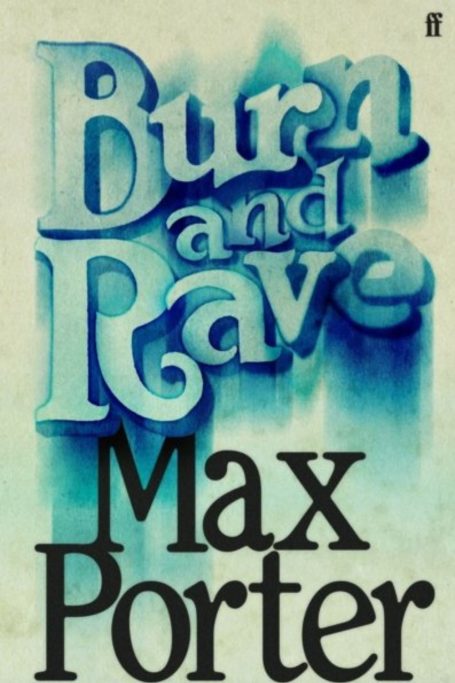
I’m quite careful not to read books before they come out. I see my role as being alongside readers, and I’d never recommend something they can’t get their hands on yet. That would be pointless. But to answer the question: the new Max Porter, because I’d read his toilet paper. I think he’s a master of the craft. And the new Kazuo Ishiguro, which comes out in March. I think Ishiguro is one of the greatest living writers we have.
Burn and Rave is out on 11 February 2027.
Miss Lambert Steps Aboard Danger is out on 9 March 2027.
I’d recommend this book to anyone and everyone who will listen…
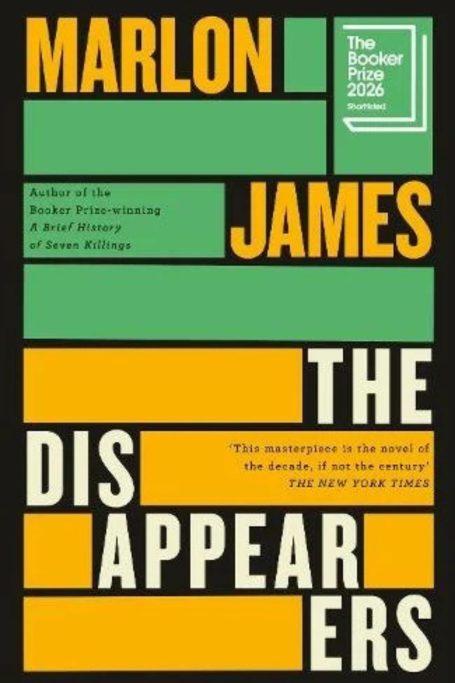
The Disappearers by Marlon James. I think it’s a masterpiece. It challenges you stylistically, because each chapter takes a different format and tone. It’s difficult thematically too, because it deals with a lot of suffering: a community theatre made up mostly of closeted men comes under attack in Kingston, Jamaica. It’s heavy in both senses. Physically it’s a doorstop, and its themes are so moving, powerful and deeply important. Marlon James is a genius, and I’d love to see him win every award possible for it. It’s a once-in-a-generation book that we’ll be talking about for a very long time, and I can imagine future generations studying it at school. So we might as well read it now and help them with their homework.