


The Seed Hunter Bringing Puglia’s Forgotten Crops Back To Life At Borgo Egnazia
By
24 minutes ago
Puglia’s forgotten crops are back on the plate at Borgo Egnazia, thanks to ‘seed hunter’ Angelo Giordano, says Kerry Smith
Inside The Borgo Egnazia Seed Library
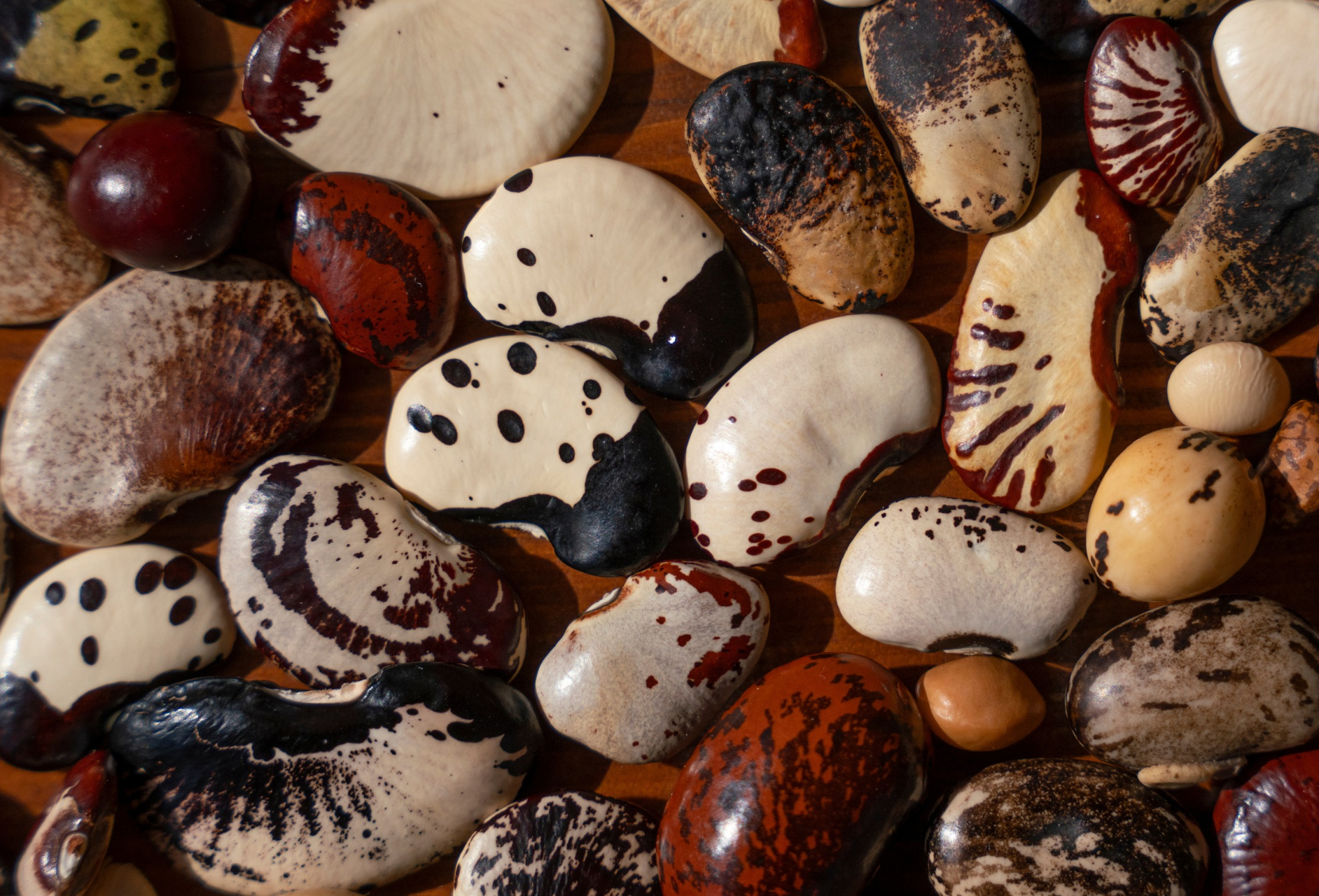
Arriving at Borgo Egnazia, you drive past a forest of ancient olive trees, their gnarled trunks twisted by hundreds of Puglian summers, past fig trees and tangles of prickly pear and aloe with curling fronds entwined like Medusa’s snakes. It’s a landscape that feels abundant and old. But some of its most precious inhabitants are small enough to fit inside a paper envelope.
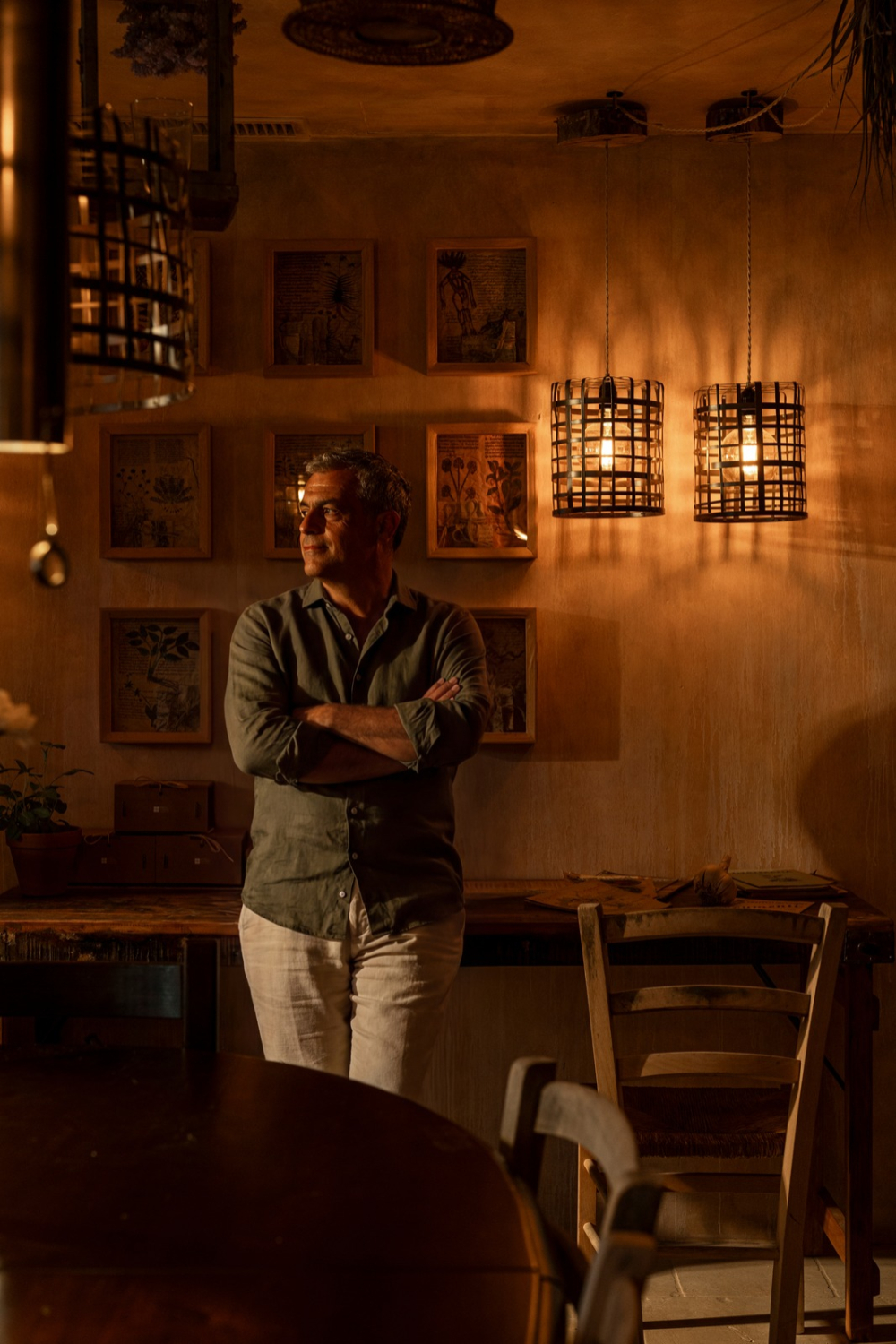
The envelopes belong to Angelo Giordano. For 25 years, the agronomist, former University of Bari professor and self-described ‘seed hunter’ has travelled Italy searching for varieties of fruit and vegetables that farming forgot.
Can Tourism Protect What Is Disappearing?
Sustainability is the language of modern luxury travel. Hotels measure carbon, cut waste and source locally. Borgo Egnazia, a resort and modern interpretation of a traditional Puglian village, does much of that too. But the more interesting question is whether tourism can go beyond doing less harm and actively help protect what is disappearing from a destination.
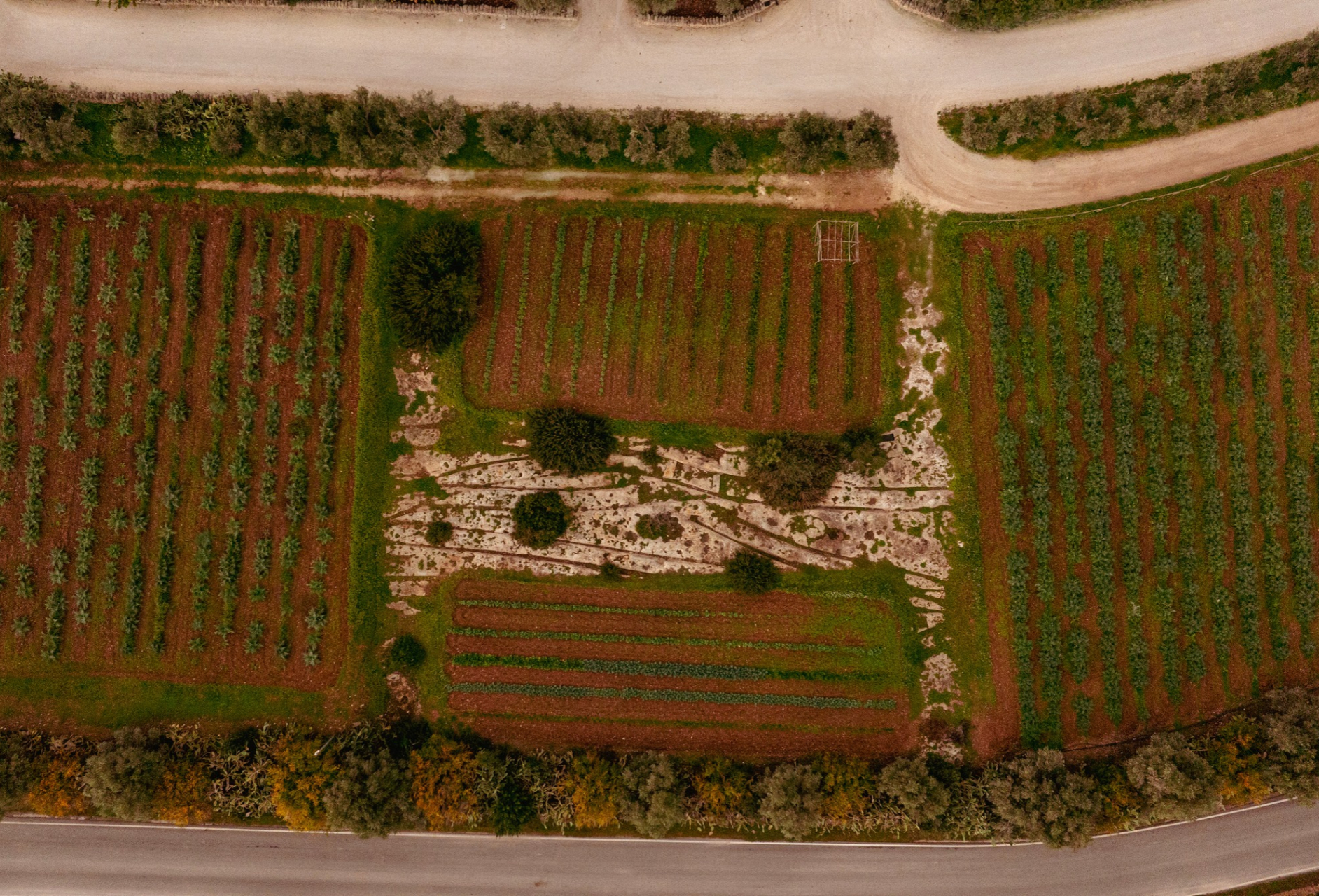
In Puglia, one answer is growing in the ground. In collaboration with Borgo Egnazia, Giordano’s collection is being used to put Puglia’s disappearing crops back into circulation: grown in the hotel’s regenerative gardens, harvested, shared with other seed savers and eventually returned to the plate.
The collaboration began last year, and Borgo Egnazia is not an obvious home for a renegade seed saver. It hosted the 2024 G7 summit and has welcomed everyone from the Beckhams to Justin Timberlake and Jessica Biel. Giordano worried his life’s work might become a luxury-hotel gimmick. What persuaded him was Borgo’s insistence that the collection remain ‘free and available to everyone’.
Inside The House Of Seeds
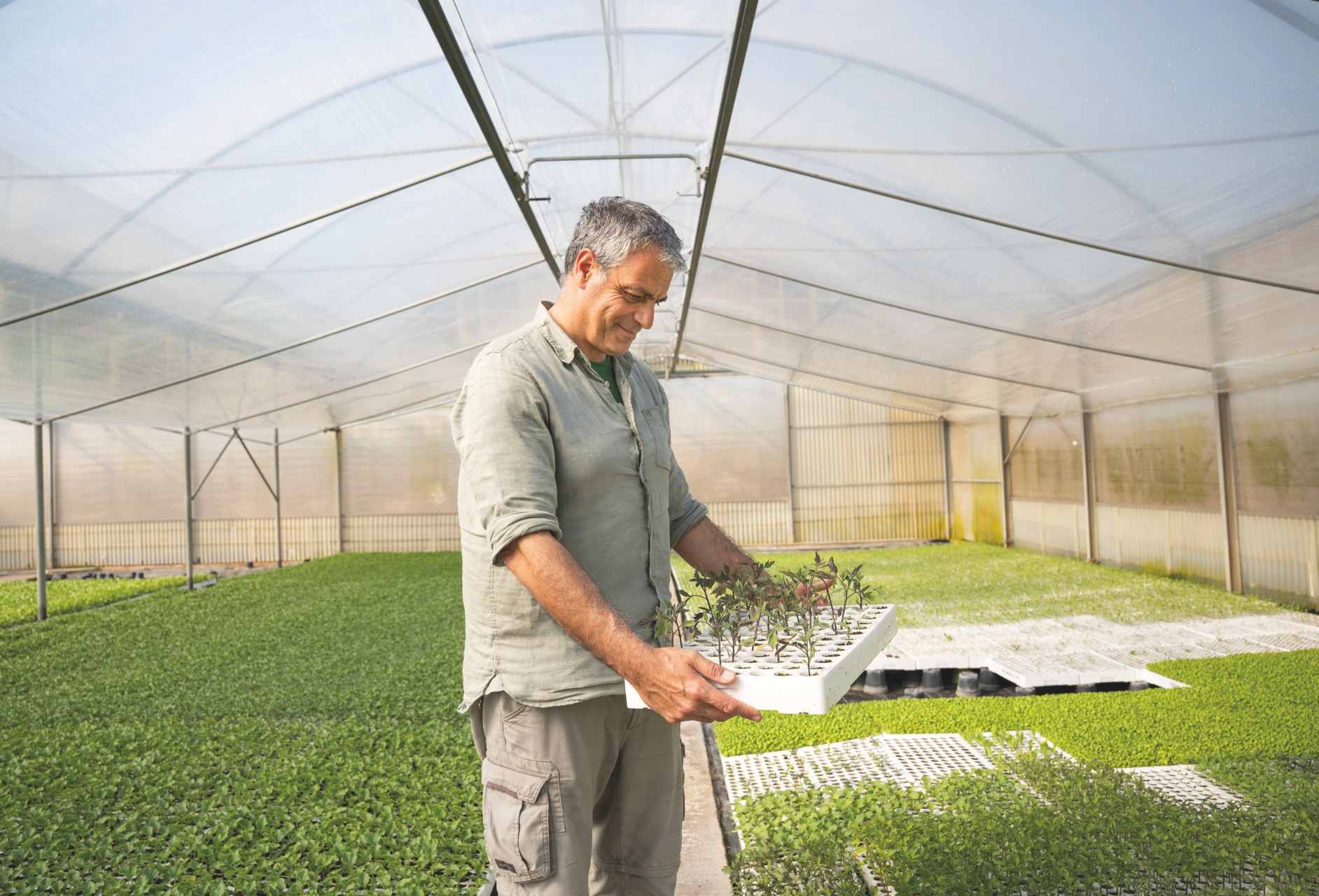
At the heart of the project is the Casa delle Sementi (the House of Seeds), Giordano’s living seed library. More than 1,000 ancient varieties are being studied and reproduced, with more than 500 already planted at Borgo Egnazia, including 233 varieties of tomato.
Giordano works from a simple shed in Borgo’s gardens, warm with the smell of fermenting tomatoes. Inside, tables are covered with seed catalogues dating back to the late 19th century. Handwritten labels, paper packets and shallow dishes hold seeds in wildly different shapes, colours and sizes, alongside the wonderfully unruly vegetables they produce, including the tiny, yellow, super-sweet Champagne Bubble tomato, too small for most commercial growers to bother with.
The Seed Hunter On The Trail
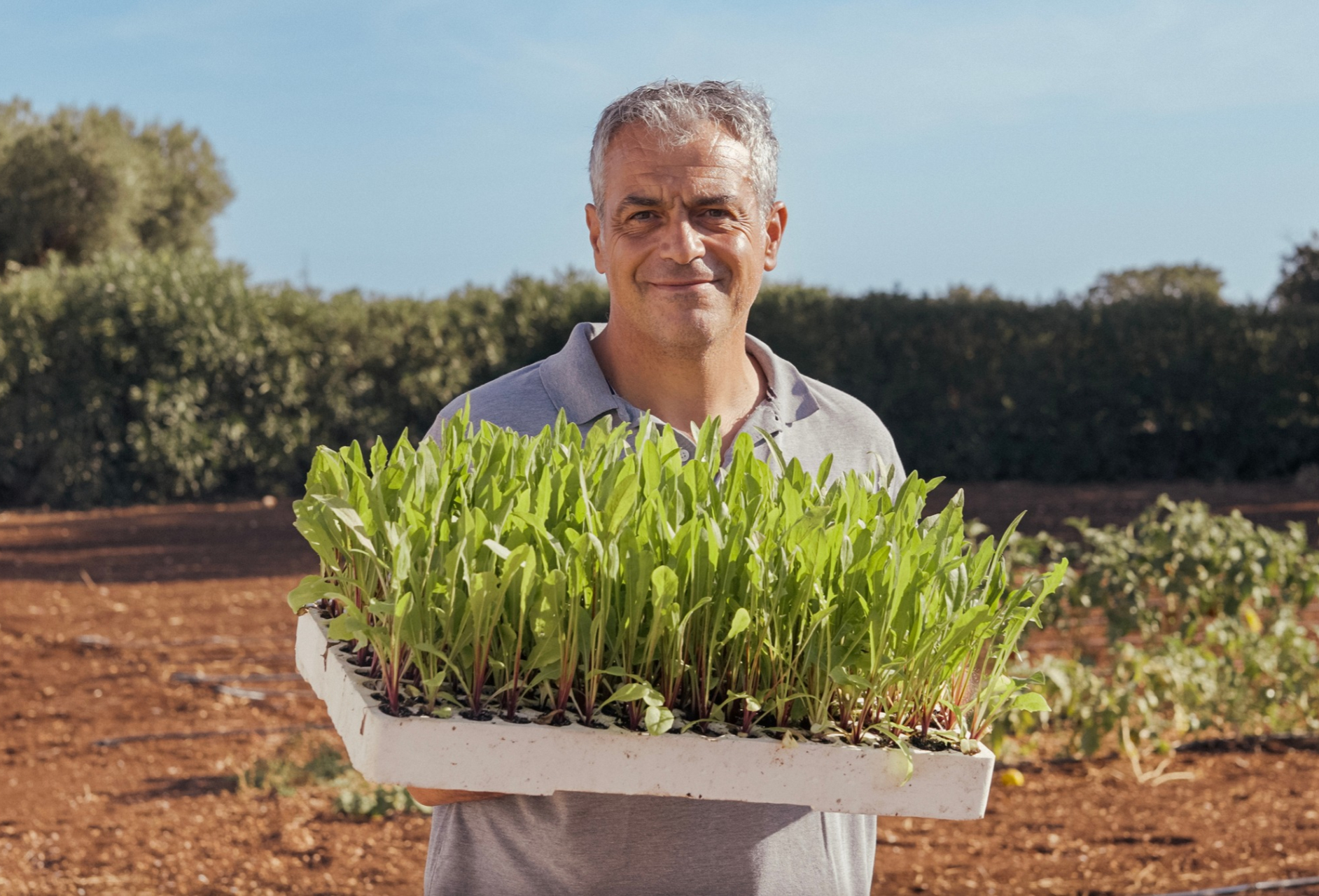
With his swept-back silver hair, Giordano has something of Indiana Jones about him, albeit one whose treasures are chickpeas, tomatoes and exceptionally large bulbs of garlic. He scours old agricultural books, maps and catalogues for clues, then heads out to see whether the varieties still exist. One trail began with 17th-century writings describing crops grown by the Dominican order. He tracked down a monastery where the monks were still cultivating varieties described centuries earlier.
At another monastery, Giordano discovered a rare variety of Malva, a mallow traditionally prized for its medicinal properties. ‘The monks told me I could have their Malva in exchange for 60 of my seed varieties,’ he says. ‘I agreed. Monks are tough negotiators.’
Then there is the giant garlic of Gargano. Giordano first spotted it in an old photograph and spent eight months asking whether anyone still grew it. A lawyer led him to an elderly relative, and today Giordano grows bulbs weighing more than a kilogram.
Other finds hint at why these forgotten varieties matter again. Giordano tracked one ancient Puglian chickpea down to a 91-year-old farmer, who entrusted him with just 21 seeds. Almost abandoned because its smooth shape made it unsuitable for industrial harvesting, it has one crucial advantage in an increasingly parched Mediterranean. ‘Plant one kilo and, without watering it, you can harvest three,’ says Giordano.
Insurance For The Future
For Giordano, these aren’t botanical curiosities. ‘They are insurance for the future.’ But a seed carries more than its genes. ‘Behind each one there’s the history of a family, of a territory.’ A seed can preserve a recipe, a farming practice, even the memory of how a piece of land was once cultivated. Many survive only because an elderly farmer keeps growing what generations before them grew. When that person dies, the variety can disappear, and the knowledge with it.
What he hadn’t anticipated was the power of putting those seeds in front of visitors. ‘Borgo has been an enormous cassa di risonanza for my work,’ says Giordano, amplifying his message far beyond the academic world. ‘In six months here, I’ve reached as many people as I did in the previous 25 years.’
From Seed Library To Michelin-Starred Plate
For many guests, the first encounter happens not in the garden, but on a plate. It was Borgo Egnazia’s Michelin-starred chef, Domingo Schingaro, who first discovered Giordano’s vegetables via Instagram (@giordanosid) and tried to buy them. Giordano told him he couldn’t: these weren’t commercial crops. So began what Giordano describes as a seven-year, Jane Austen-style courtship. Giordano finally said yes in 2024.
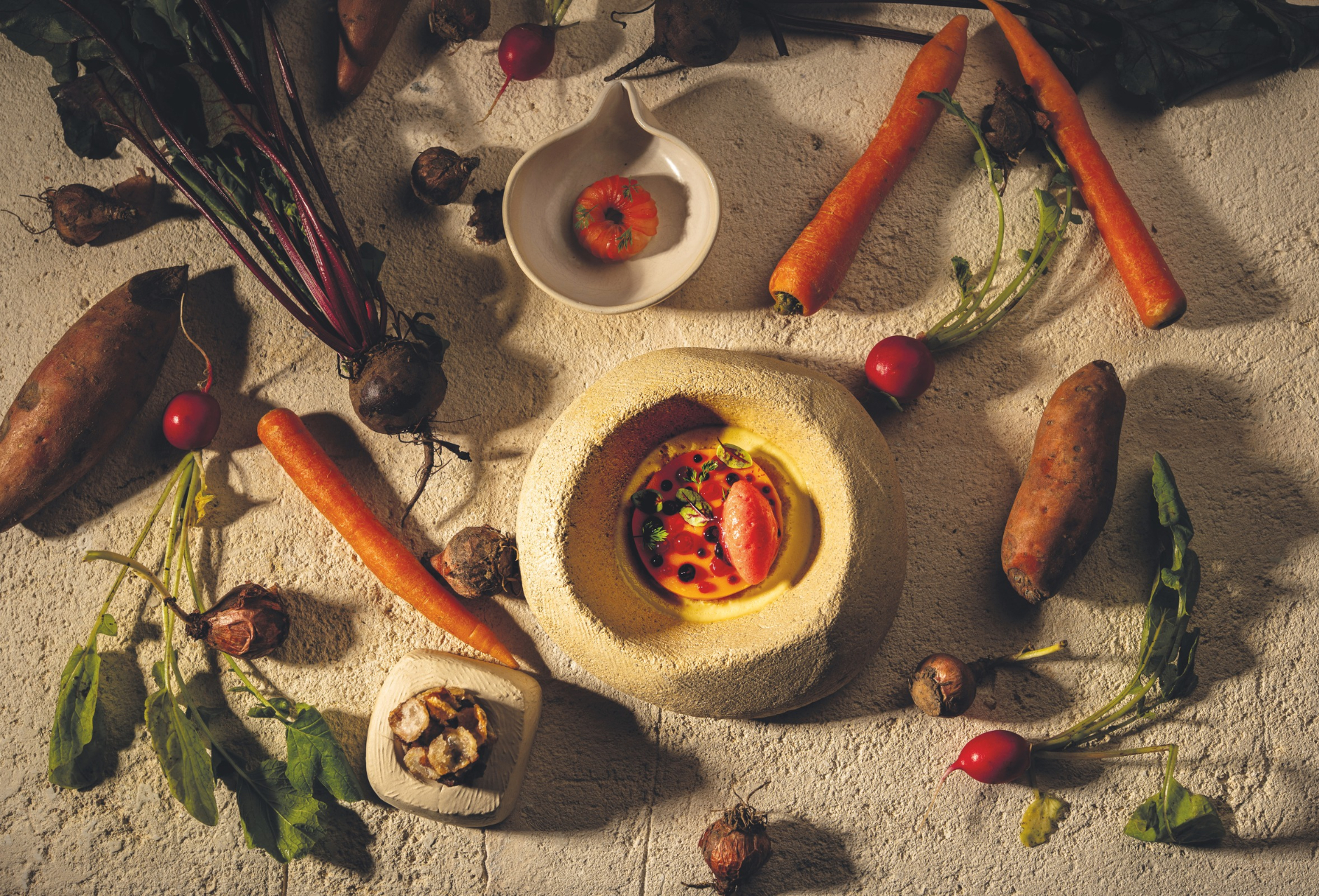
Schingaro isn’t vegetarian, but has long been fascinated by vegetables and pulses because they lie at the heart of traditional Puglian cooking. At Due Camini, Borgo’s Michelin-starred restaurant, that fascination has evolved into an entirely vegetable-led menu, with some of Giordano’s recovered varieties travelling from seed house to garden to kitchen. ‘Puglia has an extraordinarily long growing season,’ says Schingaro. ‘The beauty of Puglia lies in its vegetables. Why wouldn’t I put them at the centre of a Michelin-starred restaurant?’
That night, I eat the results. Instead of a conventional menu, diners are presented with rows of cards, laid out almost like a tarot reading, each with details of the dish. My secondo is a tiny steak-like piece of Violetta di Ostuni aubergine in an intensely rich vegetable gravy. It is, rather improbably, better than any steak I can remember eating. History, it turns out, can taste remarkably like the future.
Carrier offers seven nights at Borgo Egnazia from £4,780 per person B&B, including return flights from London Gatwick and private transfers.
Kerry’s return flights from London Gatwick to Bari had a carbon footprint of 430kg of CO2e (ecollectivecarbon.com).