


Real Estate Mogul Daniel Daggers On Life After Netflix’s Buying London
By
3 months ago
And why he thinks brokerage is the future
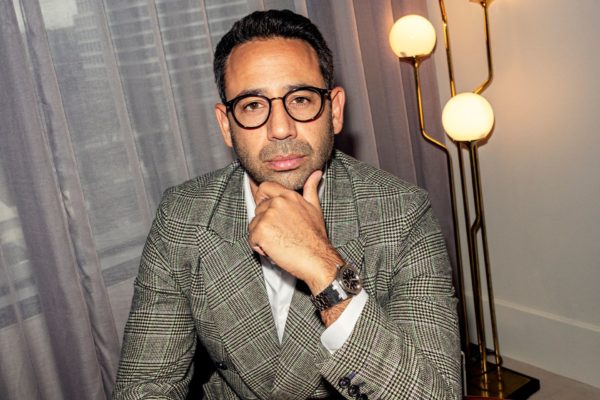
This isn’t the first time me and Daniel Daggers have met. In fact, we met just earlier this morning at an entirely separate property event, unveiling the show apartments at Vabel Townhouse. Between Brexit, Covid, Dubai, budgets, rising taxes on the wealthy and an uninspiring economic trajectory, some may assume that London’s no longer the place to be for the uber-rich. But Daggers argues otherwise. ‘I think if you want London, you want London,’ he says. ‘People are still finding it’s a cultural, educational safe haven. It’s still the place to be.’
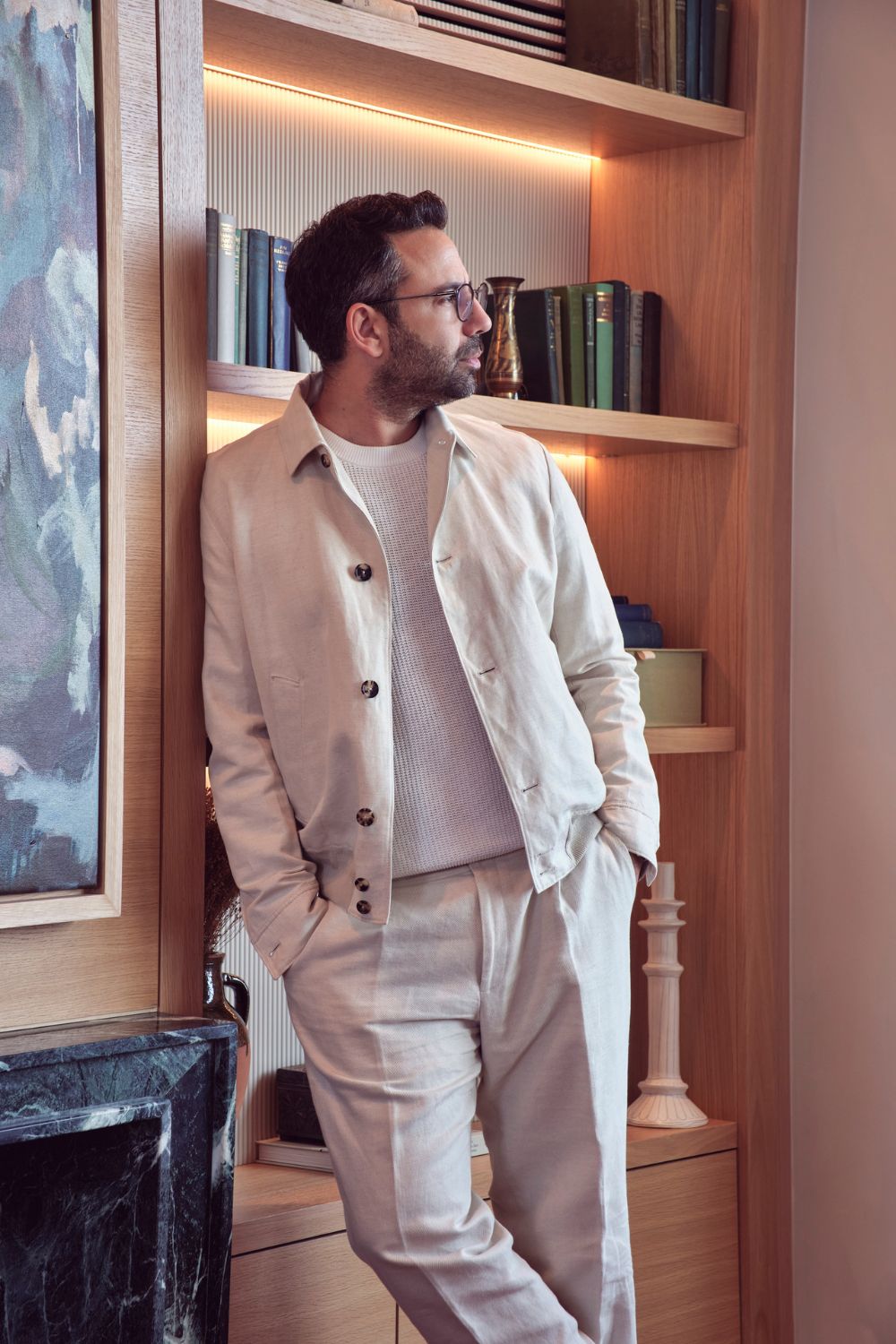
If anyone’s going to back London, it’s Daggers. The co-founder and CEO of property brokerage DDRE Global, Mr Superprime (as he self-styles himself) is perhaps better known as the star of Netflix’s Buying London – the British answer to Selling Sunset. Though the show received less than flattering reviews and was cancelled after just one season, Daggers remains optimistic. We caught up with the real estate mogul to find out more about life after Buying London, and why he thinks that brokerage is the future of the real estate world.
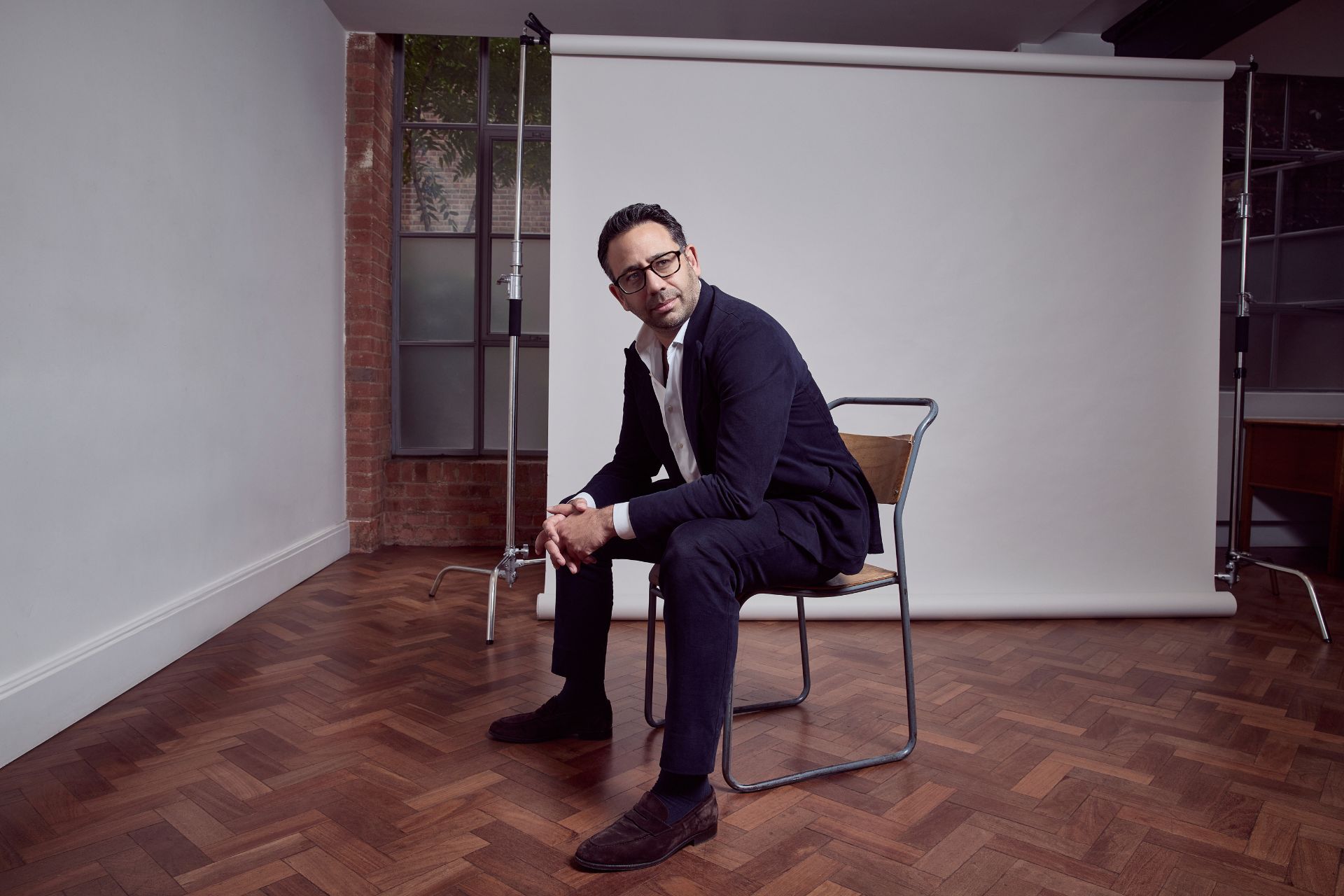
Daniel Daggers Interview
Last time you chatted to C&TH you were gearing up for the release of your Netflix show Buying London. When it was released, The Guardian gave it zero stars and called it ‘probably the most hateable TV show ever made’? Looking back, is there anything you would have done differently?
I think I never really had any expectations for the UK press to support something like that. My view on this was that our world is changing rapidly, awareness is very influential, and I felt that this would be a positive, if not a very crucial, business coup. And what we wanted from it was that I-slash-we became a household name. It’s created a lot of opportunities for us, but it’s only a snippet of who we are. My life has been about working exceptionally hard and really understanding the nuance of builds, and recognising opportunity and earning trust from my client base. I think you only got a snippet of who I am and who we are as a business from the show.
As well as your TV presence, social media is a big part of your brand.
It’s a big part of the world.
When you used to work for other real estate brands, pre-DDRE Global, were you ever frustrated at the pace in which they were innovating and adopting social media?
Constantly frustrated. What I’ve found is that sometimes our vision is too far ahead of ourselves and we have to contain it. But it’s my job as the CEO of the business to make sure that I place the business in a position where I believe it can succeed and compound the value. It is frustrating. It’s constantly frustrating. If you look at my life and social media, I’ve been creating content and sharing my views for 13 years. And my first view was: ‘Hey, social media’s really important.’ It’s not just boys and flashy cars and girls in bikinis; this is a new medium.
The greatest skill set on the planet is to be able to communicate, but we were suffering with a lack of opportunity to do that en masse. And now you have the ability to speak to people and build rapport and trust. I saw that 13 years ago, and now people are still struggling to get onto the bandwagon. The next phase was how I thought our industry was going to change. And [I used social media] to talk about the brokerage model rather than estate agency, where people are independent and able to make a larger share of commission. I talked about that eight years ago, and what we’re finding now is the estate agency world is adopting brokerage at a rapid pace, and people like that it gives them more independence.
Trust is such an important part of your business model. How do you go about building and maintaining that trust with your high-end clientele?
You do that through consistency and communication. A lot of people rely too heavily on moments of deep personal trust, where someone invites them to a birthday party or something that’s intimate to the family. And I would say that that has a lot of trust equity. You wouldn’t invite a stranger to a birthday or kid’s christening. But in our world today, where attention is fractured, having the ability to speak to people on a frequent basis – and they can be micro-elements of trust equity – but having the ability to do so frequently is incredibly valuable, and that is the most important thing: how frequently can you be in front of somebody and remain consistent with your views, with your attitude, with your way of life. Your business becomes symbiotic to your personality. That’s great because people often have a mask on themselves when they go to work, and today you can’t do that.
With shows like Buying London, Selling Sunset and Dubai Hustle, it seems like more young people than ever dream of a career in real estate. What’s your advice for them?
It’s the dream. They have to be empathetic. You have to be able to say, ‘Hey, I’m going to have a conversation with somebody, but how are they going to feel about the conversation I’m having?’ rather than just say what they want to say and see what happens. Empathy is really the forefront of what we do. Anybody in a sales role needs to be personable. And they have to love people, not real estate. Real estate is irrelevant. It’s all about people. You need to have a lot of energy, and you need to want to be in front of people, whether that’s digitally or in person.
These shows all present real estate as an incredibly glamorous career. Do you think aesthetics are becoming an increasingly important part of the business?
That’s what sells. I think aesthetics are becoming more important in every business, because you’re on camera. Yes, aesthetics are important. But everybody has this natural filter, and I believe people are going to migrate to people they want to migrate to, because it’s more meaningful; because they feel a bond with that person and they understand them. I think we’re going into a world where micro-communities are incredibly valuable.
What do you mean by micro-communities?
When we go into a brokerage world, every individual who’s a salesperson at a company can sell any property. That’s the difference between brokerage and estate agency. When our world gets there and it’s full of brokers, the potential client who’s interested in buying something doesn’t first choose the property, they choose the individual they want to work with. And instead of that person being incredibly handsome and debonair, or whatever it may be, they’re going to choose the person they see themselves in. It’s the job of a salesperson, who’s also now a marketer, to be able to tell stories and understand the intimacy of being related to.
I have a great track record of selling property. People care about that. Some people don’t. Some people just want to do business because I’m a dad or because I’m an Arsenal fan and I talk a bit of sense when it comes to real estate. That’s the way the world is now.
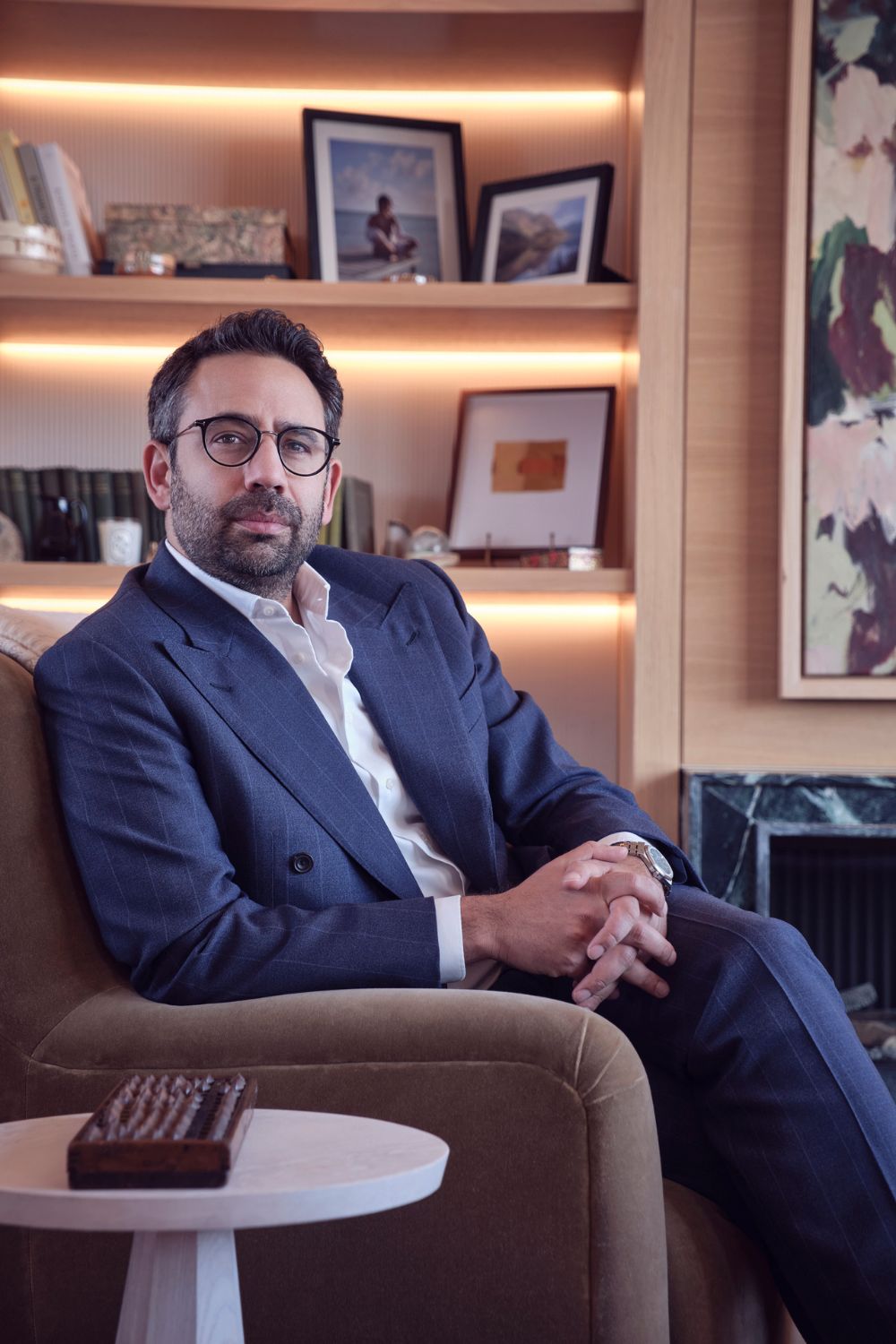
DDRE Global has partnered with ADVSR.ai to extend its reach. How do you strike the balance between the new technology and personal relationships?
We don’t think AI’s going to take people’s jobs – not in the sales world. In fact, we think there’s going to be more sales people. AI is going to support the individual who is hungry and determined to do more business. Maybe there is more business in general to do, or maybe they would take business from other people. But we think that the human does the first 100 yards and the last 100 yards of the relationship with the customer.
What kind of things will AI be assisting with?
All the things that you do in a repetitive fashion. Insights that would have taken a long time, but now happen very, very quickly. Match recognition – I’ll give you an example. I know, because of my long years in the industry, that a buyer may be into X, but might buy Y. The buyer doesn’t know that they might buy Y. Similarly, I’m sure that when I walk into a watch show room, or to buy any other luxury item, that the salesperson knows exactly what I’m going to do. It’s their job to be able to anticipate. And AI is going to help us do that at scale.
DDRE Global has been ranked as the number one independent super prime brokerage in London. When you launched in 2020 (during a pandemic, no less), did you ever believe that you’d be in this position six years later?
Yeah.
What gave you the confidence that you would be?
I felt that Covid was going to speed up the adoption of buying into people’s brands online. I recognised the influence – or rather trust – that the people I was starting to hire had, and the trust that I had in the industry. I think a lot of people who leave big businesses say your first year is going to be great, but the second, third and fourth not so. I would agree with that sentiment. In your first year, you have clients who are already engaged with you and interested in making the move. So, wherever you go next, they come with you, and they end up buying.
In your second, third and fourth years, if you don’t have a tool to communicate and market your services, then in theory you’ll meet less customers. But we built a wheelhouse where all of the people in our business benefit from marketing and meeting people. Everybody in our business has the ability to market everybody else’s properties. So we are constantly creating attention for people in our business. And that was something we knew we had because I had done it personally, and we just started to do that at scale with other people.
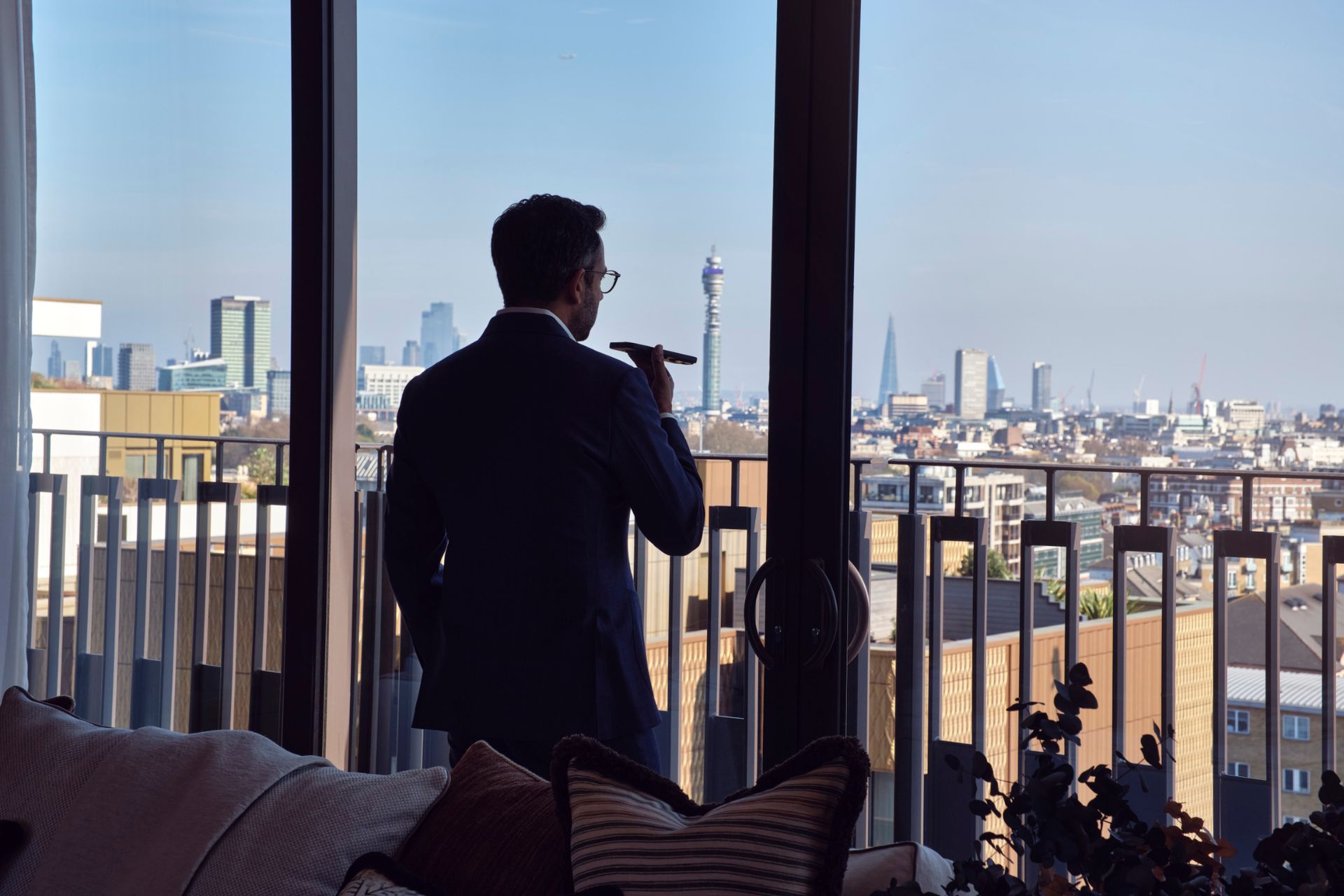
You’ve said your success was built on consistency. Is there anything you feel like you’ve got wrong along the way, and what did you learn from that mistake?
I’ve made many mistakes. I don’t believe getting better is done by winning all the time. One of the things that I think I underestimated was the impact of British culture when it came to creating content and building a brokerage. I think that our Britishness is wonderful, and I love it, and I’m English, and I absolutely love being English. I had hoped that people would be more on the offense in a world wherein we’re in competition with everybody all over the world. It would help us to be more courageous and more proactive, and worry less and do more.
In what sense?
In everything we do. I think that as a nation we have immense talent, immense knowledge, immense wisdom, great history. We’re positioned beautifully in the world, we speak the world’s language. We have every ingredient to be succeeding at everything that we do. And I think one of the biggest hurdles for us is our cultural attitude to entrepreneurialism and success. I may have underestimated how rooted that is when trying to hire and speak to people.
At Country & Town House we’re all about living a life in balance. How do you live a balanced life?
I don’t have a balanced life.
Do you wish you did?
I don’t. I wish for a healthy life. I don’t wish for a balanced life. I wasn’t put on this Earth to do things in half measures. I might have caught the bug from somebody as a kid growing up. I come from a very unique background and both my parents had very interesting lives. As a young man, I probably considered the fact that I might be able to have an interesting life, and what does an interesting life look like to me? Every interesting life that I’ve seen has zero balance. And I don’t want to be constantly searching for balance. I want to be doing what I love doing. If I love doing it, I want to keep doing it. I’ll find balance when I’m older.
Do you think you will?
We joke about it, me and my dad. My dad’s in his 80s and he’s still working to a certain extent. I don’t think I’ll ever stop working. I don’t see it as work. I love being creative, and I’ve got ideas, and I have a busy mind. And why do I want to slow down my mind? There are moments that I do; there aren’t moments I don’t. But I don’t want to have a slow-minded life.
And finally, do you have any exciting projects in the works right now?
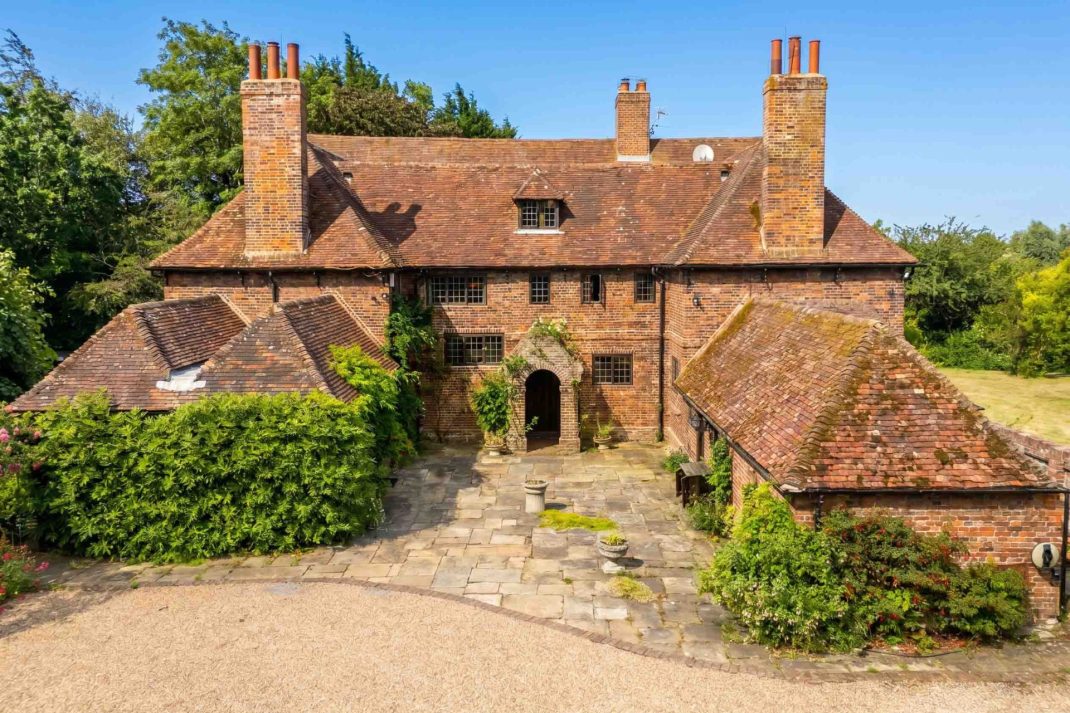
Yeah we do, big time. We’re looking to explore the country market further. We’re doing quite a bit of business in the Cotswolds, and also in Surrey, and Hampshire. The other thing is that we’re building a lot of technology that will come out soon. And there’s something that we’re working on that no one’s ever done before and we think that’s where the future lies. We’re really betting on being first in the future. And when people realise what you’ve done, and the time is right they will come. I saw Field of Dreams as a kid and it stuck with me forever. There is a line where someone says: ‘If you build it, he will come.’ It’s quoted a lot. And I believe that if I go build something and I really believe in something, deep down in my soul, then I’m going to attack it. And that’s what we’re doing for the next push. And if we build it, they will come.