


Inside Portraitist Louise Pragnell’s Studio
By
13 minutes ago
For feted portraitist Louise Pragnell, real life connection is crucial, finds Olivia Cole
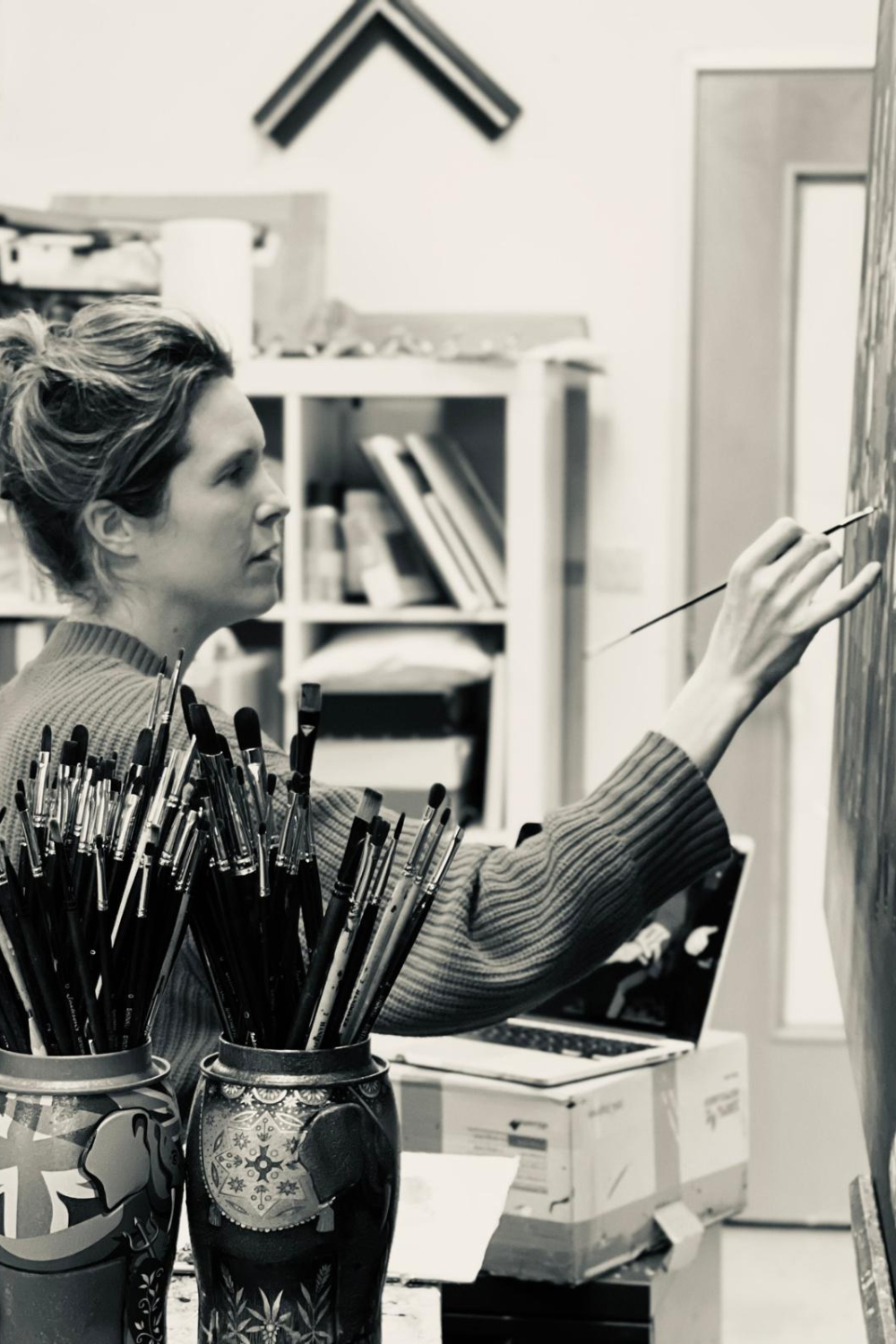
‘There is a great feeling about just shutting the door on the world,’ says British portrait painter Louise Pragnell. With that door closing (usually after the school run), the time is her own, with Radio 4 in the background as a kind of conversational clock.
Many artists like to clear out after each commission is completed and let go, but Pragnell, 45, likes to keep prints of a few portraits around her while she works. They are powerful reminders of the kind of magic that happens when mood, pose and a connection between artist and sitter come together.
‘I’ve got a real bond with my space and my easel,’ she says. Those watchful faces on the walls and her favourite tools are like talismans for what is to come, as well as for those inevitable moments of doubt that follow any artist. In pride of place is an old, repurposed butcher’s block, now covered in jars of brushes. ‘I form such an attachment to my tools; they’ve seen me through some really big projects.’
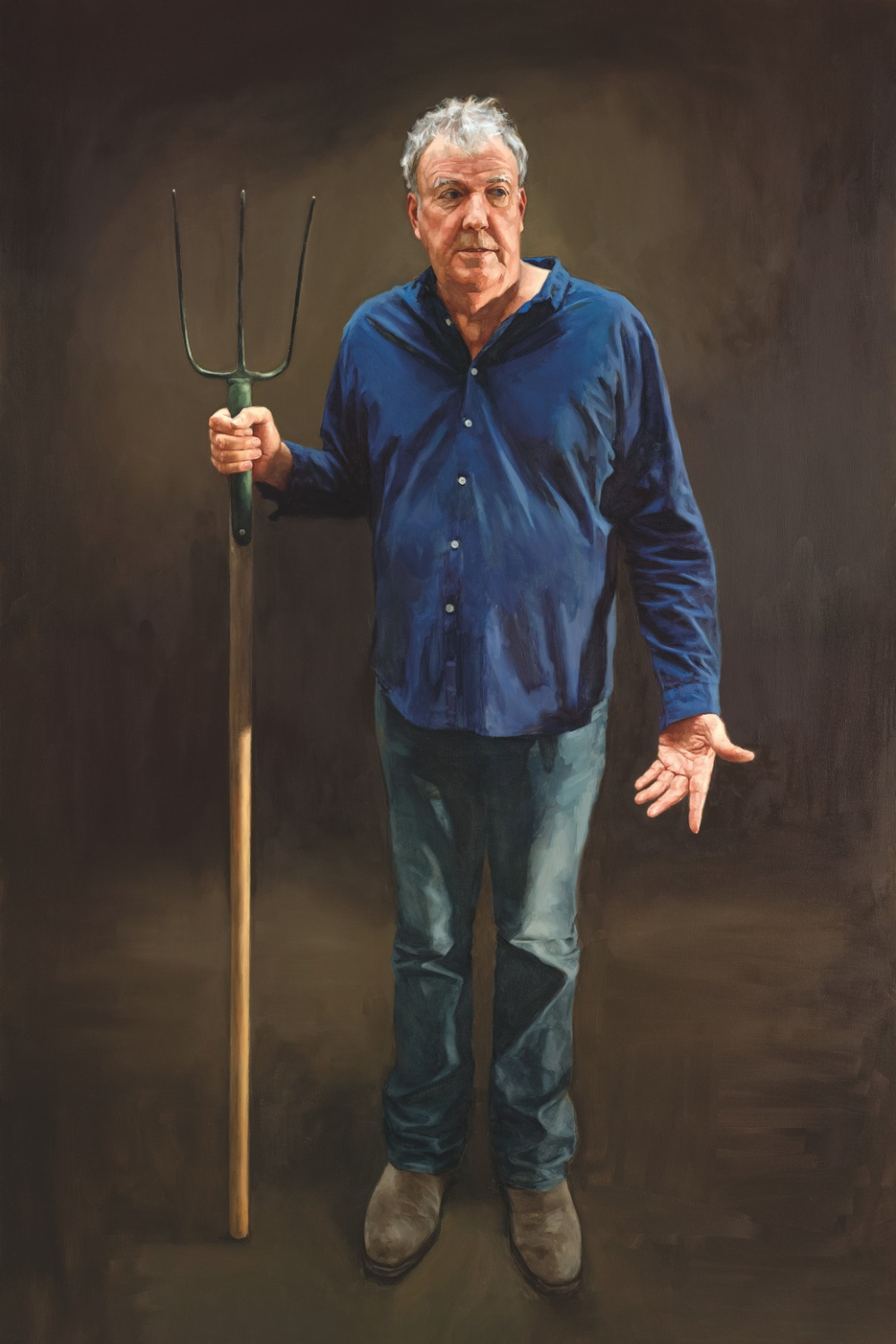
What the Fork, portrait of Jeremy Clarkson
These include large-scale classical oil portraits of figures from Anne, Princess Royal (whom Pragnell has been commissioned to paint twice) to Jeremy Clarkson, resplendent with a pitchfork, merrily farming and dividing opinion.
At the National Portrait Gallery, Pragnell has recently been celebrated for her painting of London-born former NBA star Pops Mensah-Bonsu, marking the third time she has been selected for the gallery’s prestigious annual Portrait Award.
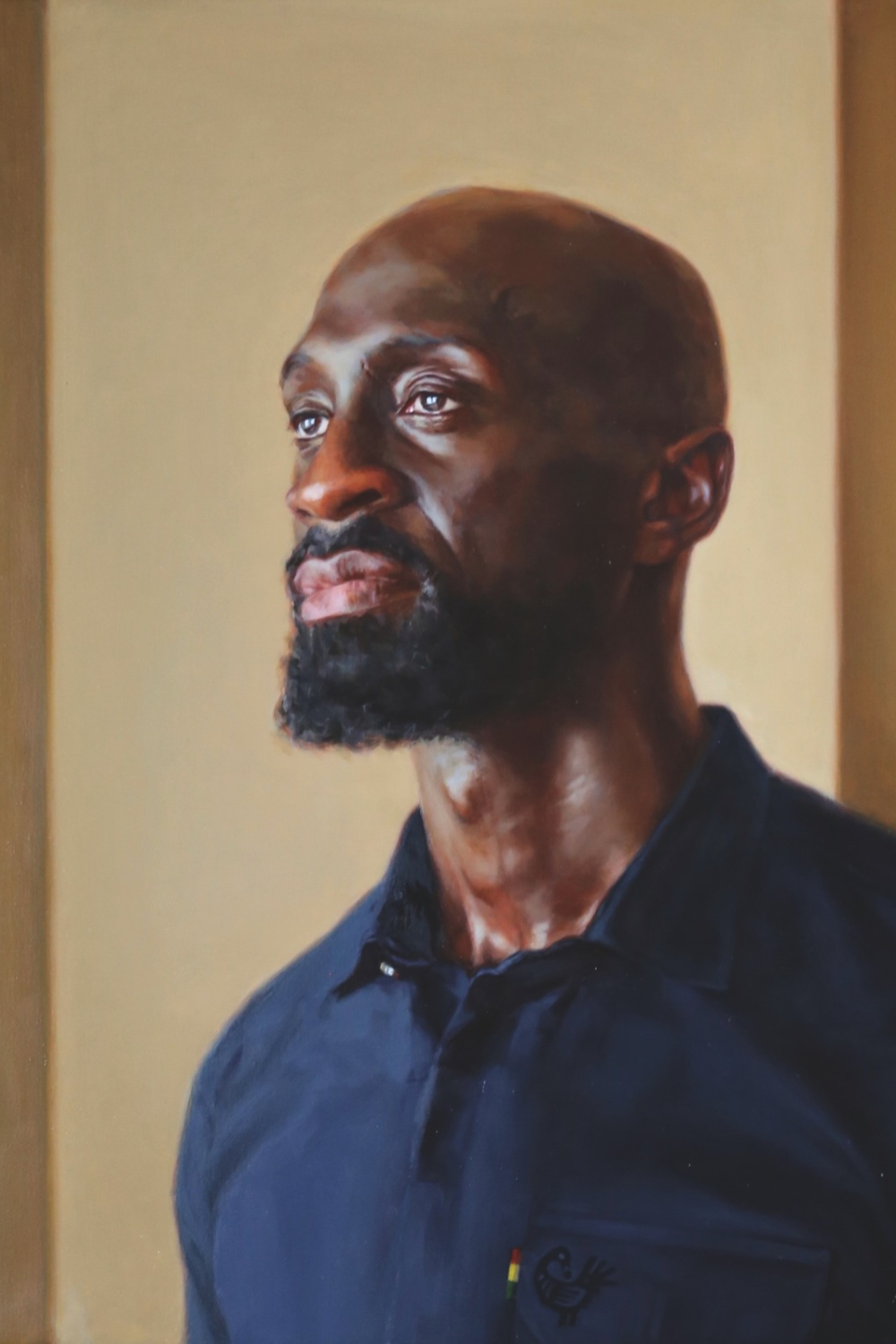
Portrait of Pops Mensah-Bonsu
Since 2018, her light-filled space has been part of a purpose-built compound of artists, designers and brands in an industrial part of southwest London. But sittings are all over the place. Whether grand military portraits of the Irish Guards, a racing star like Sir Jackie Stewart, members of the Royal Family or more personal commissions, Pragnell wants to see her subjects ‘in their world, in their space, in their context’.
‘These days, we’re all so pushed for time that it’s quite unusual to say, “Can you just sit in front of me for two hours?”’ But this time spent face-to-face is at the heart of what she does. ‘It’s really important I have time with them that’s relaxed, and we build a rapport. They’ve got to feel at ease because I’m trying to get an essence, the truth, of someone.’
Her paints come out in these first meetings – not a camera, or pencils and charcoal for initial sketches. ‘It’s all about light and colour, really, isn’t it? So you need your paints in the sittings.’ What’s more, paint is Pragnell’s most natural medium. ‘It’s just the one I find easy.’
‘When I was less experienced, I was a lot more nervous,’ she recalls. ‘You know what you need to get out of the time, and the time is limited.’ Today, these high-stakes meetings are her favourite part of the process. ‘There’s something quite magical. You’ve got the person in front of you, and elements of them are coming out on the canvas. It’s a real buzz.’